
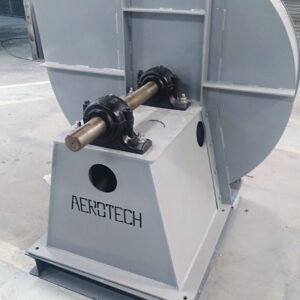
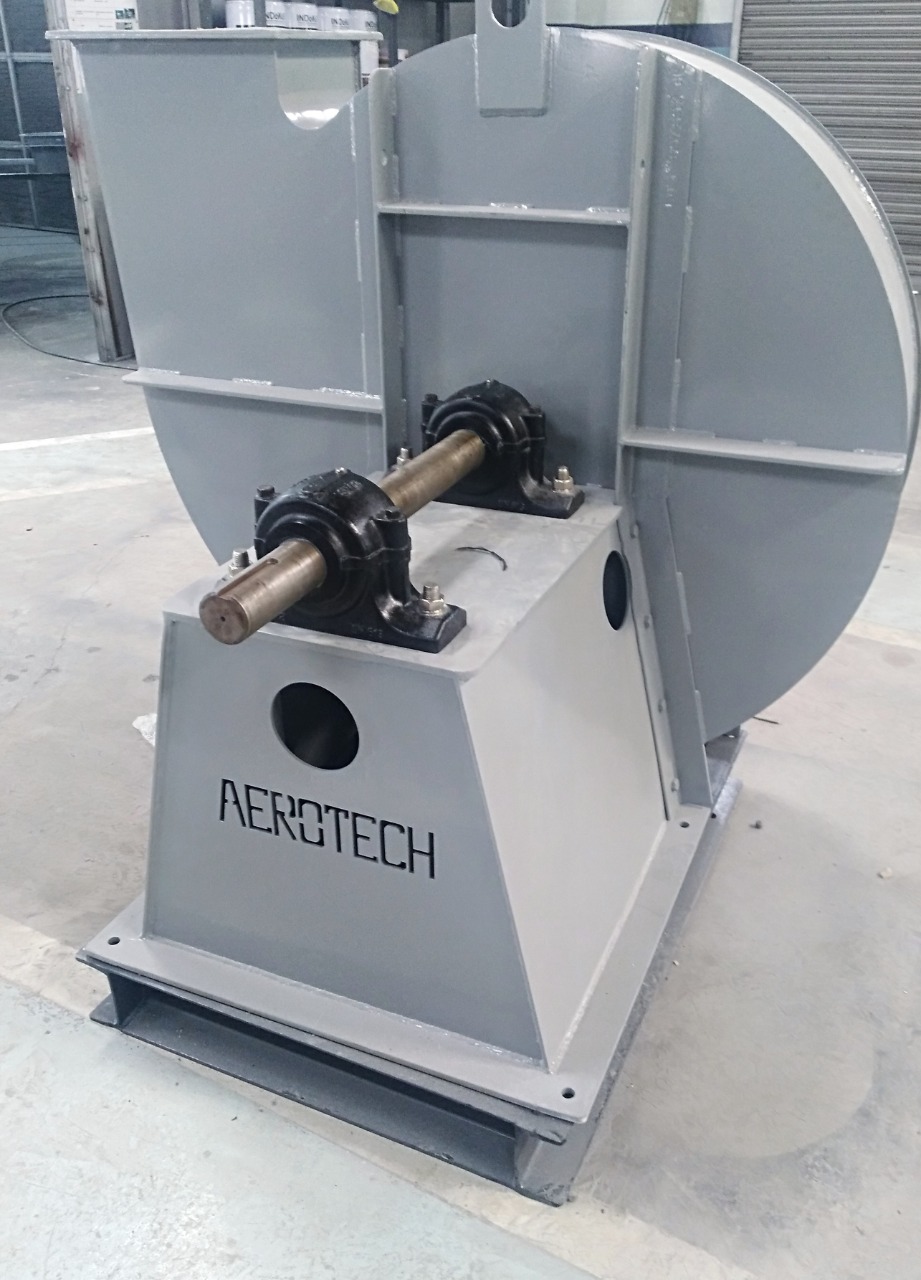
Industrial Centrifugal Air Ventilation System – Heavy Duty Steel Housing
View Details
Industrial Centrifugal Air Ventilation System – Heavy Duty Steel Housing
View Details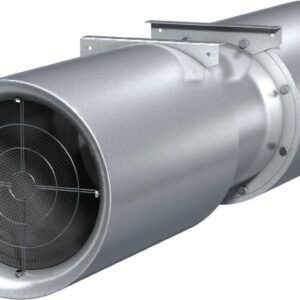
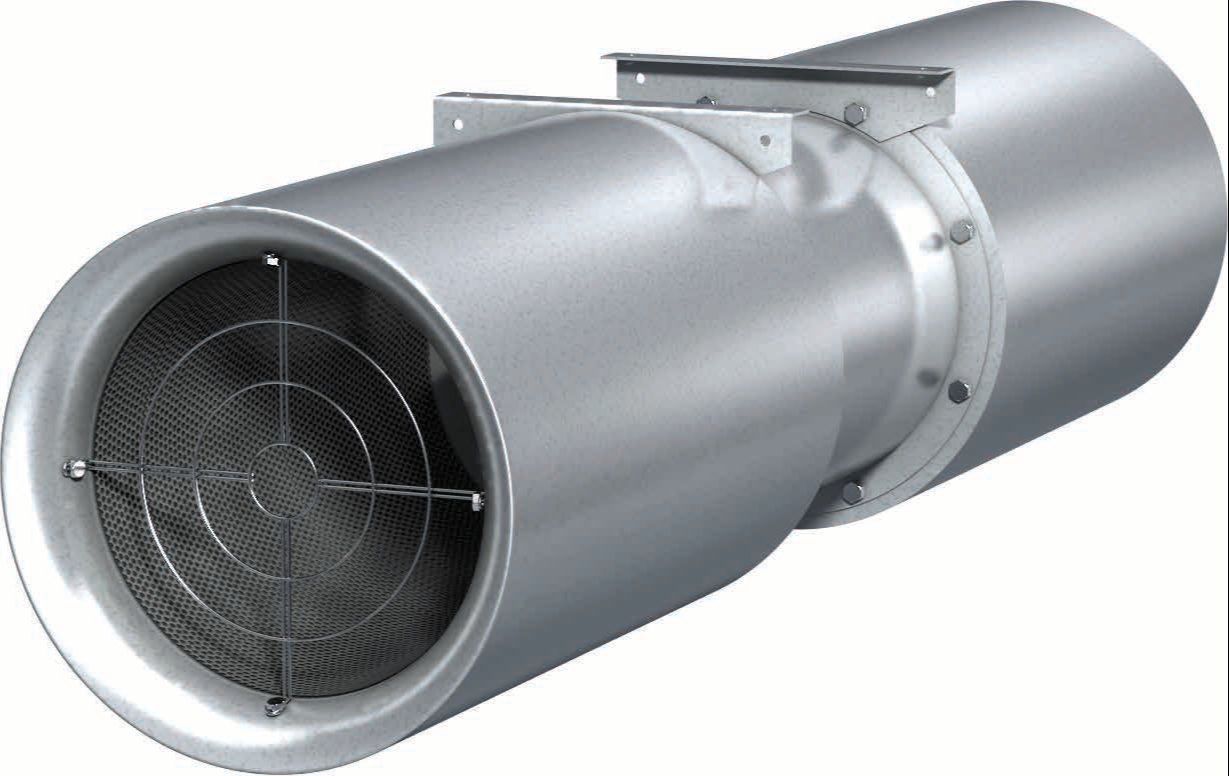
High-Performance Industrial Jet Fan - Tunnel and Garage Ventilation System
View Details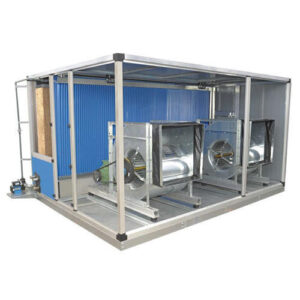
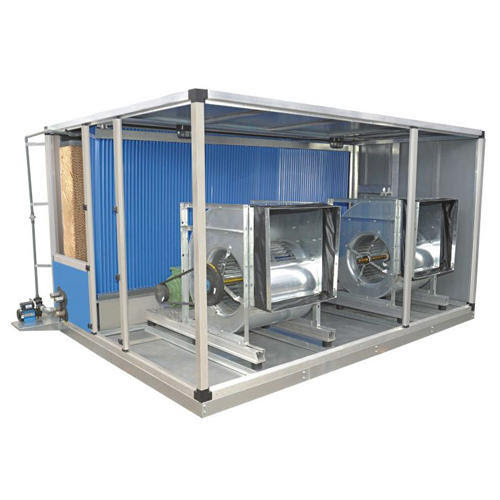
Industrial Fresh Air Handling Unit – High Efficiency Ventilation System
View Details
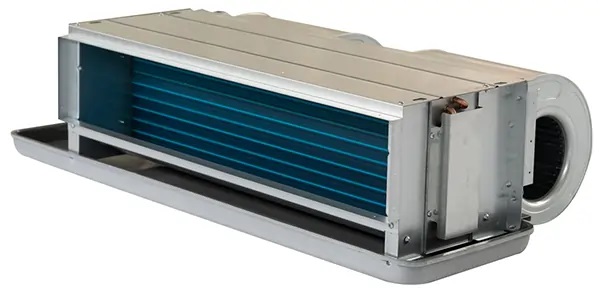
Ceiling Concealed Fan Coil Unit - High Efficiency HVAC Air Handling System
View Details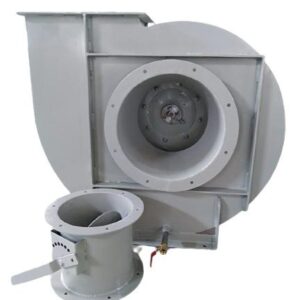
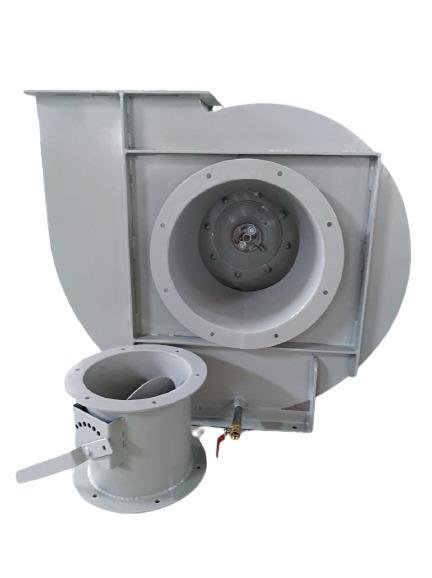
Industrial Kitchen Exhaust Centrifugal Blower Fan – High Efficiency Ventilation System
View Details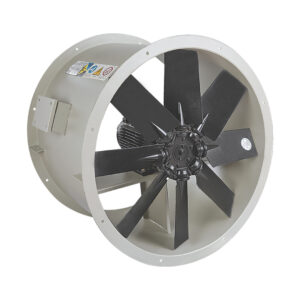
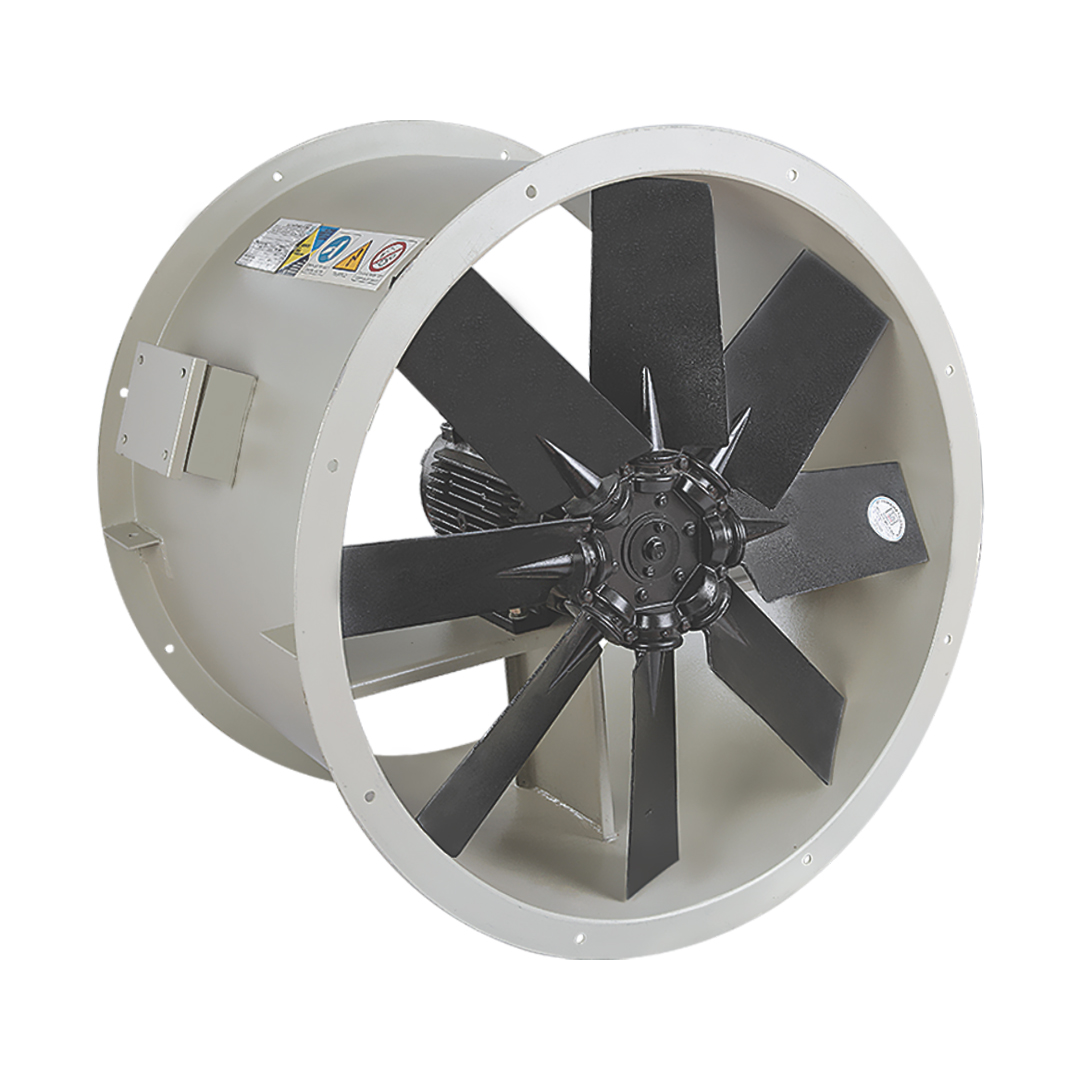
High-Temperature Axial Smoke Exhaust Fan - Industrial Ventilation System
View Details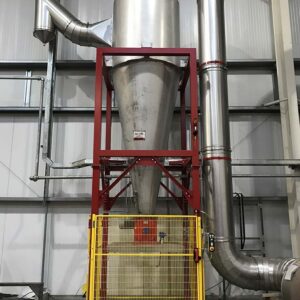

Industrial Venturi Scrubber System - High-Efficiency Air Pollution Control Unit
View Details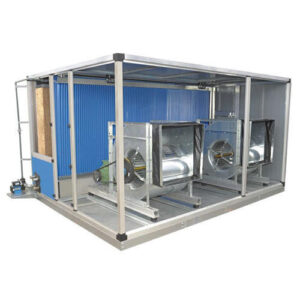

Industrial Air Cooling System with Dual Centrifugal Blowers – High Efficiency HVAC Unit
View DetailsIn turbine rooms, managing heat and air quality is vital for keeping operations safe and efficient. Turbines produce continuous heat, and without proper ventilation, temperatures can rise quickly, affecting equipment performance and worker safety. Well-designed ventilation systems for turbine rooms help stabilize airflow, control humidity, and remove exhaust gases to maintain a balanced environment.
Aeppl specializes in designing ventilation solutions for turbine enclosures and power generation facilities. Each system is engineered with durability and performance in mind, supporting long-term reliability under demanding industrial conditions.
Turbine rooms often operate at high temperatures due to continuous mechanical activity and heat exchange. Effective ventilation ensures that air movement keeps temperatures within safe limits while preventing the buildup of harmful gases. Proper airflow also supports consistent turbine performance and helps extend equipment lifespan.
Ventilation systems vary depending on plant design and operational needs. Passive setups rely on natural airflow, while mechanical systems use powered fans to maintain consistent air exchange. Selecting the right type depends on factors such as turbine capacity, room layout, and energy goals.
| System Type | Power Source | Best Use Case |
|---|---|---|
| Wind-Driven Turbo Ventilator | Natural Wind | Energy-saving cooling and ventilation for smaller setups |
| Axial Fan System | Electrical | High-volume airflow for large turbine halls |
| Centrifugal Ventilation Unit | Electrical | Targeted exhaust and heat removal from enclosed spaces |
Systems from Aeppl are built to handle high temperatures, vibration, and exposure to industrial contaminants. Each unit uses corrosion-resistant materials and precision balancing to ensure smooth operation. The focus is on dependable performance with minimal maintenance requirements, keeping facilities running efficiently year after year.
Industrial facilities are moving toward smarter ventilation systems that adjust airflow automatically based on turbine load. Variable-speed fans and sensor-based monitoring allow operators to fine-tune cooling performance and reduce energy costs. These technologies make turbine rooms safer and more efficient to manage.
| Feature | Benefit |
|---|---|
| Variable Speed Drives | Optimize airflow and reduce power consumption |
| Sensor-Based Monitoring | Provide real-time data for predictive maintenance |
| Low-Noise Design | Improve workplace comfort and meet acoustic standards |
Ventilation systems for turbine rooms often work alongside other air handling units. Aeppl offers compatible solutions such as the Industrial Fresh Air Handling Unit, High-Temperature Axial Smoke Exhaust Fan, and Industrial Centrifugal Air Ventilation System. These systems work together to manage intake, exhaust, and temperature balance throughout complex industrial layouts.
Aeppl engineers collaborate with power plant managers and EPC contractors to design ventilation systems that fit specific turbine configurations and facility requirements. Each project receives detailed attention from design through installation and after-sales support. For technical assistance or to discuss specifications, contact Aeppl at +91-9599785811, +91 8377077661, +91 9810162210, or email sales@aeppl.com.
Aerotech Equipments and Projects Pvt. Ltd. (Aeppl) is a trusted Indian manufacturer and exporter of industrial air handling and ventilation equipment. With decades of experience, Aeppl delivers reliable, efficient solutions for power generation and heavy-duty applications worldwide. Visit Aeppl
They are specialized setups that control heat and airflow within turbine enclosures, helping maintain safe and efficient operation.
It prevents overheating, reduces humidity, and ensures stable air pressure, protecting both turbines and personnel.
Typical options include wind-driven ventilators, axial fan systems, and centrifugal exhaust units depending on the facility's needs.
Passive systems use natural wind and heat movement to circulate air without electricity, lowering energy costs.
Yes, mechanical systems like axial and centrifugal fans are ideal for maintaining airflow in large or enclosed spaces.
They assess turbine size, room dimensions, temperature levels, and emission standards to design an effective solution.
Modern setups include variable-speed fans and automated sensors that adjust airflow to save power and improve cooling.
Sensors track temperature and pressure to support predictive maintenance and efficient system management.
Yes, Aeppl designs and builds ventilation systems tailored to each turbine room's specific operational needs.
Reach Aeppl at +91-9599785811, +91 8377077661, +91 9810162210, or email sales@aeppl.com for technical support and project inquiries.