
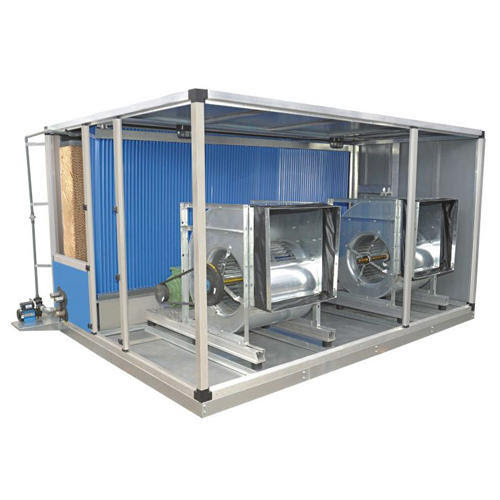
Industrial Fresh Air Handling Unit – High Efficiency Ventilation System
View Details
Industrial Fresh Air Handling Unit – High Efficiency Ventilation System
View Details
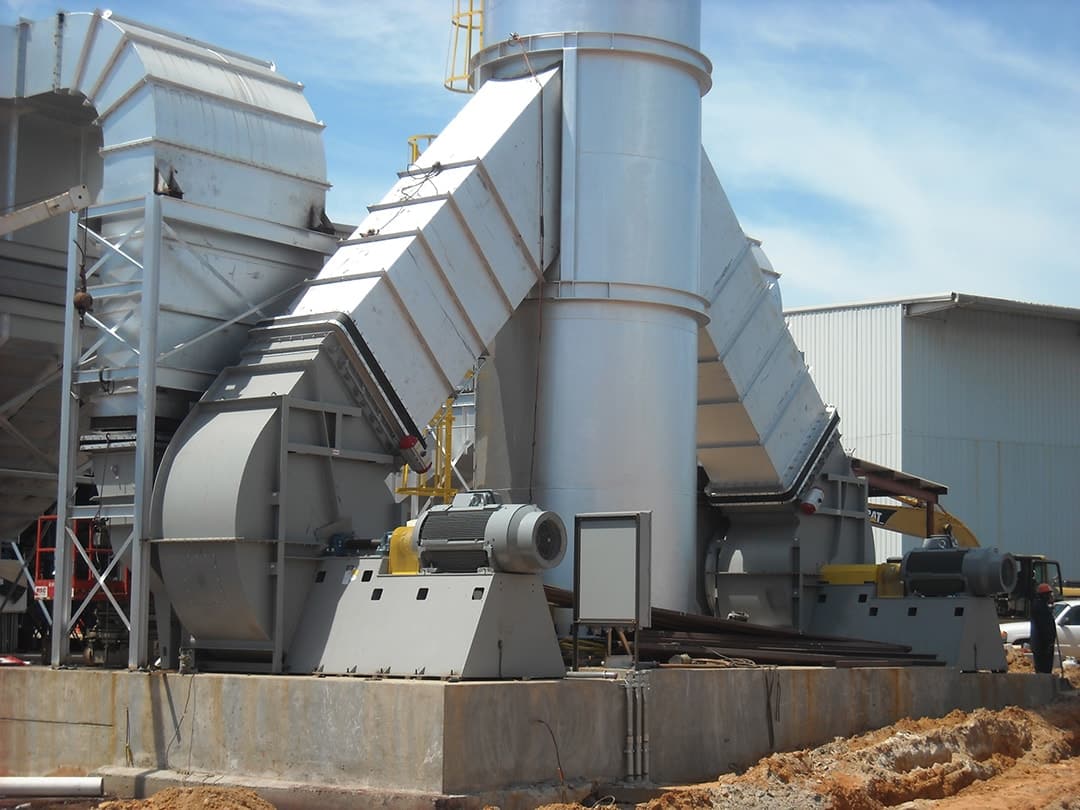
Industrial Smoke Spill Exhaust Unit - High-Temperature Ventilation System
View Details
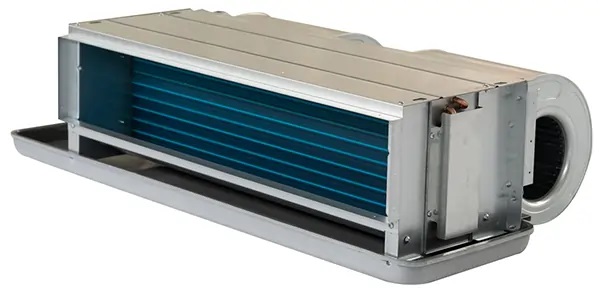
Ceiling Concealed Fan Coil Unit - High Efficiency HVAC Air Handling System
View Details
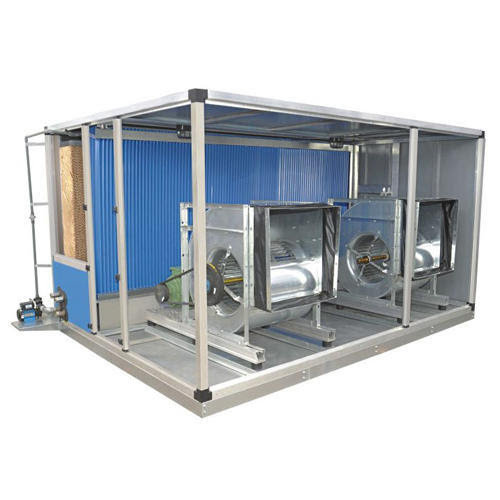
High-Efficiency Industrial Air Cooling Unit with Dual Blower System
View Details
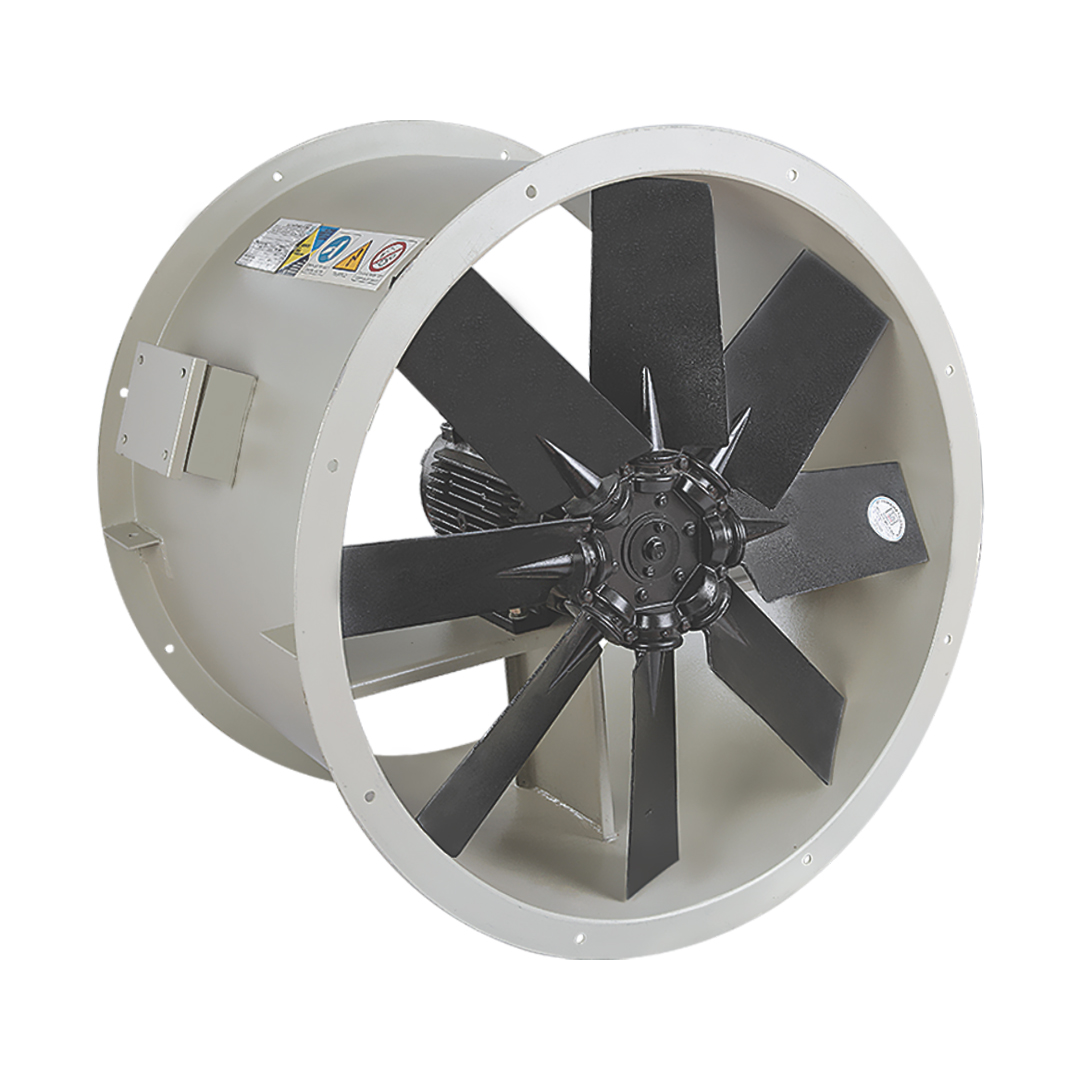
High-Temperature Axial Smoke Exhaust Fan - Industrial Ventilation System
View Details
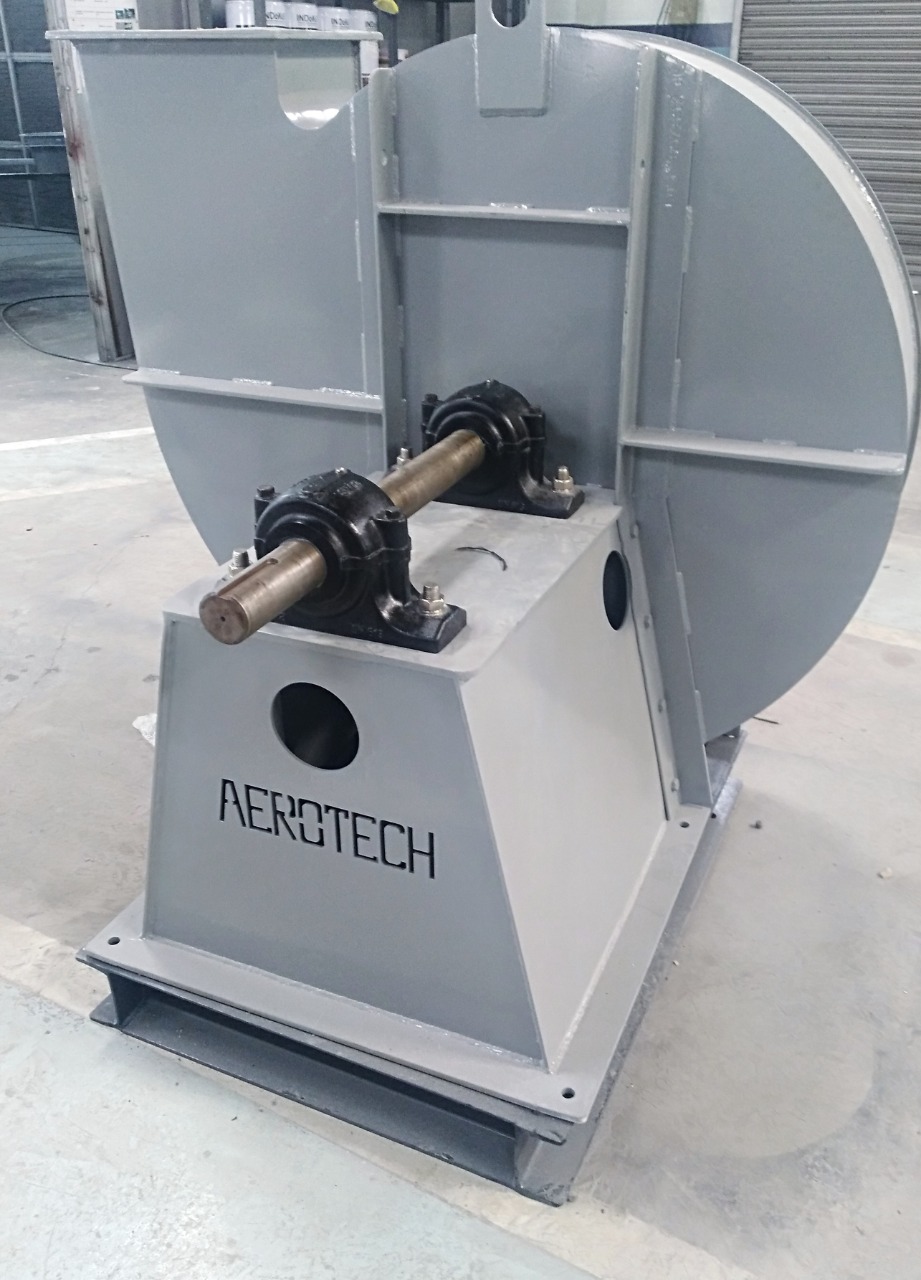
Industrial Centrifugal Air Ventilation System – Heavy Duty Steel Housing
View Details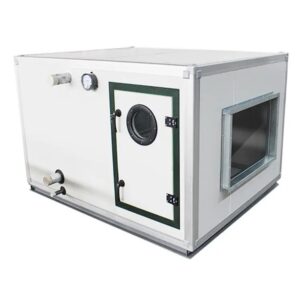
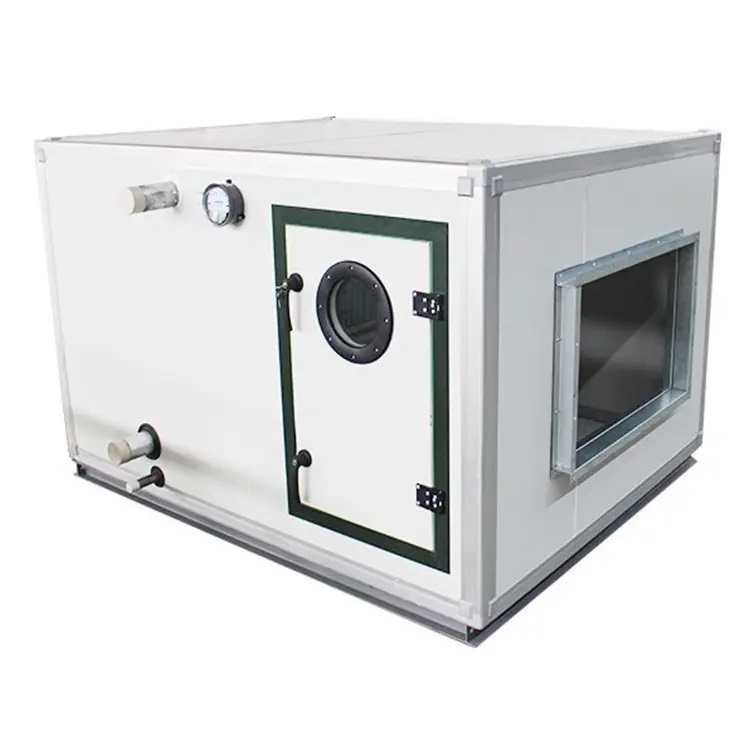
Industrial Treated Fresh Air Unit – Energy-Efficient Air Handling System
View Details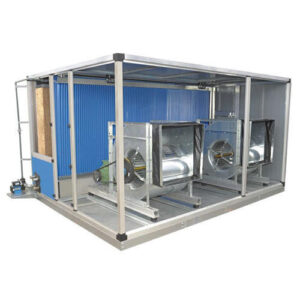

Industrial Air Cooling System with Dual Centrifugal Blowers – High Efficiency HVAC Unit
View DetailsWhen planning a new building, air movement and quality are just as important as structural design. A dependable ventilation system keeps indoor spaces comfortable, safe, and energy-efficient. It helps control humidity, remove airborne particles, and maintain a balanced environment for both people and equipment.
For industrial and commercial facilities, the ventilation system plays a major role in long-term performance and compliance. Aeppl designs and manufactures air systems that meet project-specific requirements while ensuring reliability and ease of maintenance.
Modern buildings require effective air management. A well-planned ventilation setup supports worker health, protects equipment, and promotes energy efficiency. It also helps maintain consistent indoor conditions and meet safety codes.
| Feature | Standard System | Aeppl Engineered System |
|---|---|---|
| Energy Efficiency | Moderate | High with variable-speed control |
| Noise Level | Average | Low due to precision-balanced fans |
| Maintenance Requirement | Frequent | Reduced with durable components |
| Customization | Limited | Fully adaptable to project needs |
Aeppl offers several ventilation solutions designed for various applications. Each system combines efficiency, durability, and smooth integration with building infrastructure.
Energy efficiency is a key goal in new construction. Aeppl systems use advanced motors and variable frequency drives to regulate airflow with minimal power use. Smart sensors can be integrated into building management systems for real-time monitoring and adjustment, helping reduce operating costs and environmental impact.
These systems align with India's focus on sustainable building design and global standards for green construction. By prioritizing efficient air movement, projects can meet both comfort and environmental goals.
Every ventilation system for new building projects must meet fire safety and air quality regulations. Aeppl designs equipment with high-temperature components, smoke extraction capability, and controlled air movement for critical zones. Systems comply with ISHRAE and other international HVAC standards.
| Parameter | Regulatory Focus | Aeppl Solution |
|---|---|---|
| Fire Resistance | High-temperature rated components | Axial smoke exhaust fans and spill units |
| Indoor Air Quality | Low particulate concentration | Treated fresh air units with filtration |
| Energy Compliance | Efficiency benchmarking | Variable-speed, low-power systems |
Ventilation planning should happen early in the design phase. Aeppl engineers work with contractors and architects to coordinate duct layouts, fan capacity, and air distribution. This approach ensures smooth installation and long-term maintainability. Modular configurations also allow flexibility for future upgrades.
Reliable support makes a difference once the system is installed. Aeppl provides technical assistance, spare parts, and maintenance guidance throughout the product's life. The team helps clients maintain consistent airflow and performance with scheduled service and expert advice.
Aeppl (Aerotech Equipments and Projects Pvt. Ltd.) is an Indian manufacturer and exporter of air handling and ventilation equipment for industrial and commercial buildings. The company focuses on dependable engineering and customer collaboration to deliver efficient, long-lasting systems. Visit Aeppl
Key factors include building size, occupancy type, airflow requirements, energy efficiency goals, and compliance with local regulations.
Properly designed ventilation reduces energy waste by maintaining balanced air exchange and enabling efficient temperature control.
Yes, early integration ensures proper duct routing, equipment placement, and alignment with HVAC and structural layouts.
Common types include centrifugal systems, axial exhaust fans, air handling units, and treated fresh air units.
Yes, manufacturers like Aeppl design custom systems based on airflow rate, temperature range, and environmental conditions.
Routine inspection every six months and preventive maintenance annually help maintain performance and reliability.
Automation enables smart control of airflow and energy consumption through sensors and building management integration.
Systems should comply with ISHRAE, ASHRAE, and local fire safety codes for airflow, temperature, and filtration performance.
Aeppl uses heavy-duty materials, precision engineering, and rigorous testing to ensure consistent performance in demanding environments.
You can reach Aeppl at +91-9599785811, +91 8377077661, +91 9810162210 or email sales@aeppl.com for project-specific support.