
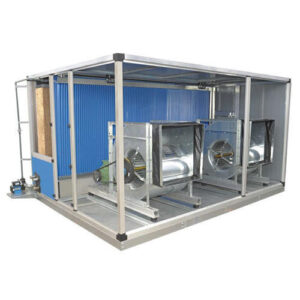
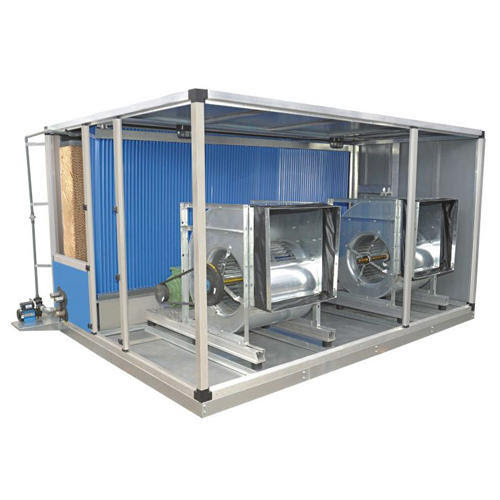
Industrial Fresh Air Handling Unit – High Efficiency Ventilation System
View Details
Industrial Fresh Air Handling Unit – High Efficiency Ventilation System
View Details
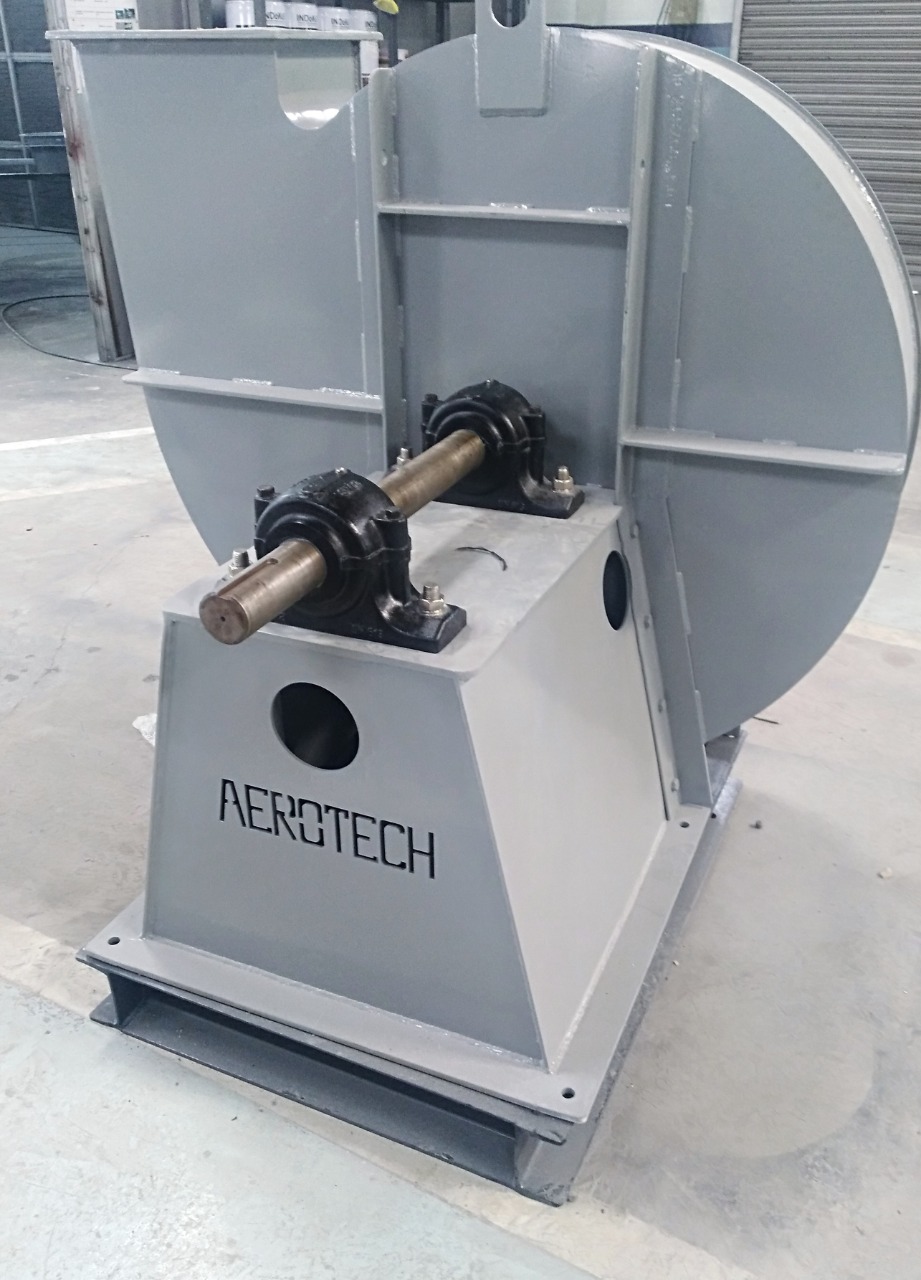
Industrial Centrifugal Air Ventilation System – Heavy Duty Steel Housing
View Details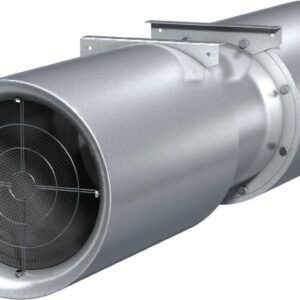
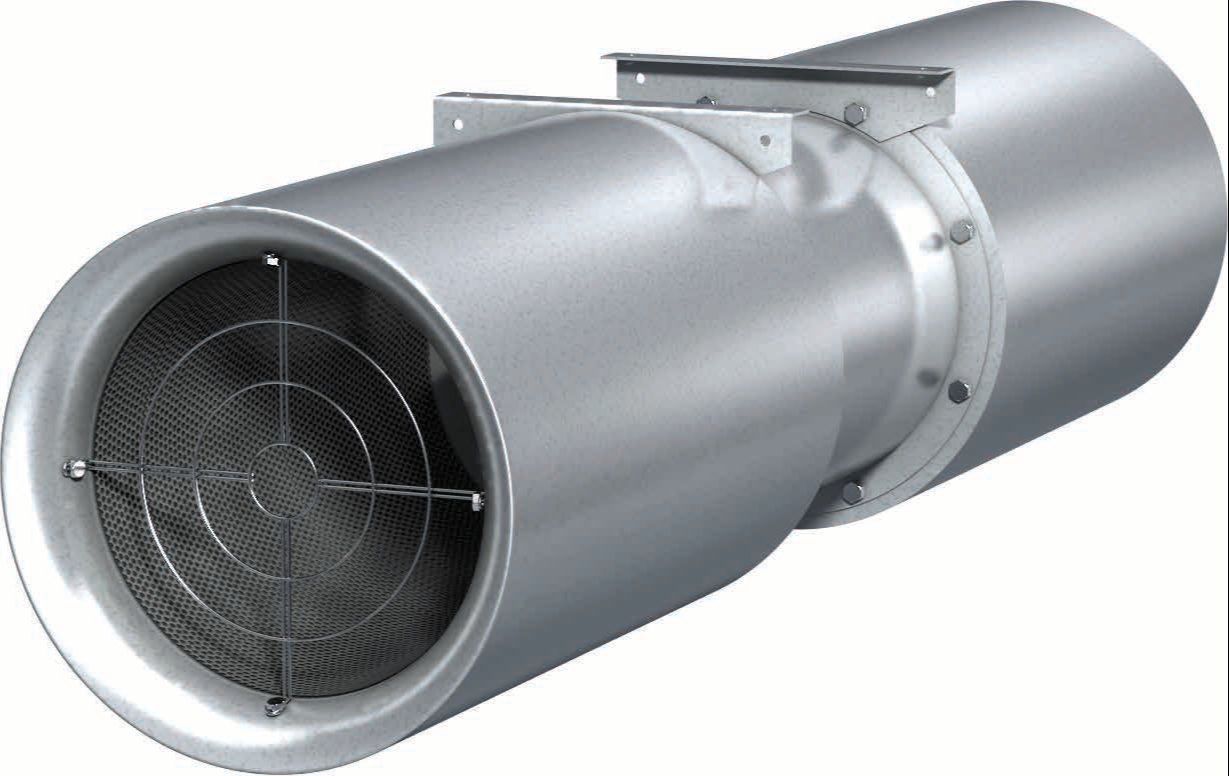
High-Performance Industrial Jet Fan - Tunnel and Garage Ventilation System
View Details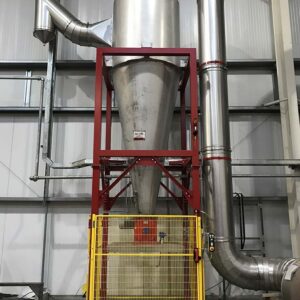

Industrial Venturi Scrubber System - High-Efficiency Air Pollution Control Unit
View Details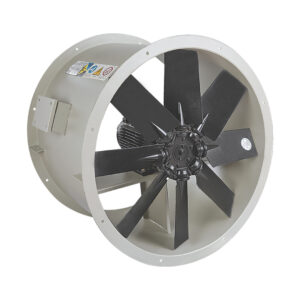
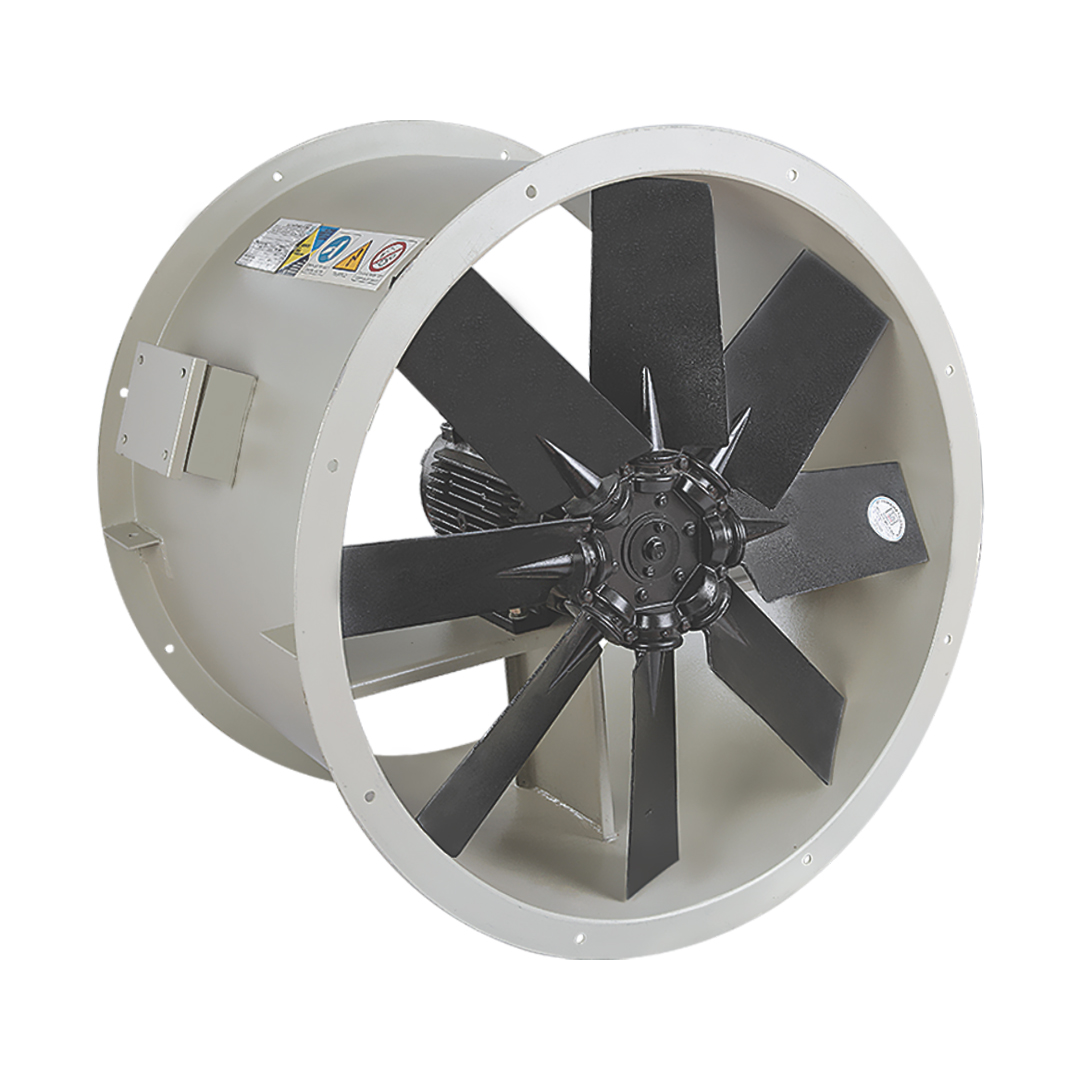
High-Temperature Axial Smoke Exhaust Fan - Industrial Ventilation System
View Details
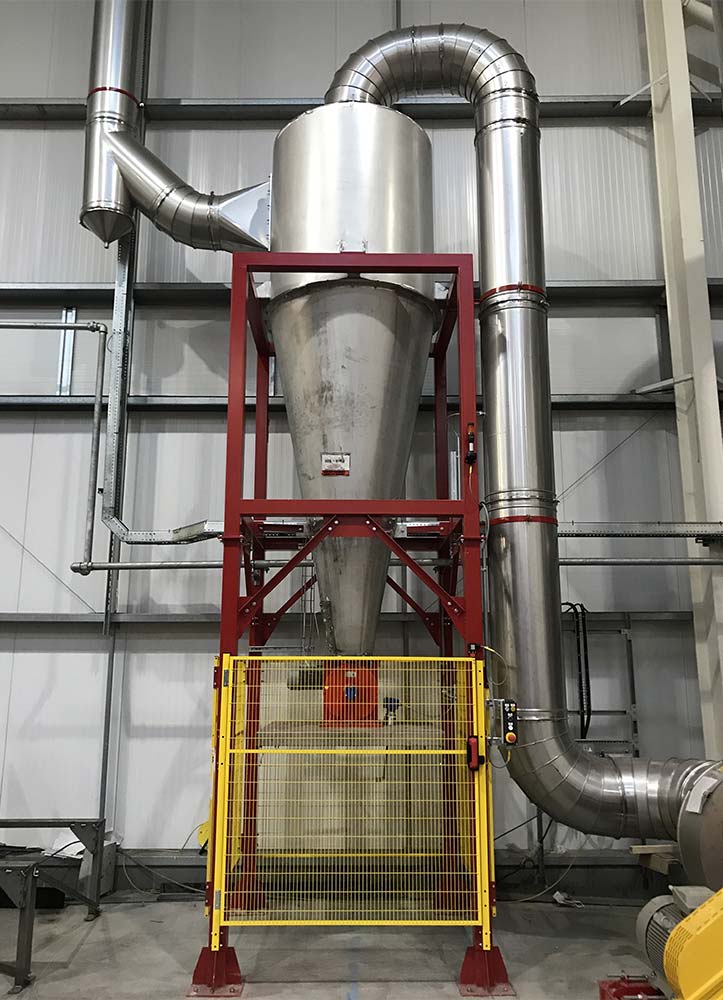
Industrial Venturi Scrubber System – High-Efficiency Air Pollution Control Unit
View Details
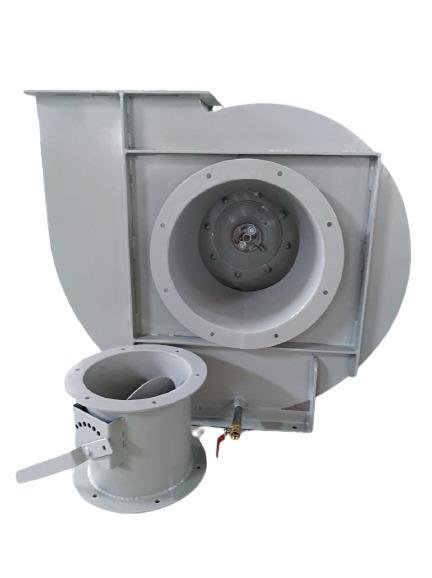
Industrial Kitchen Exhaust Centrifugal Blower Fan – High Efficiency Ventilation System
View Details
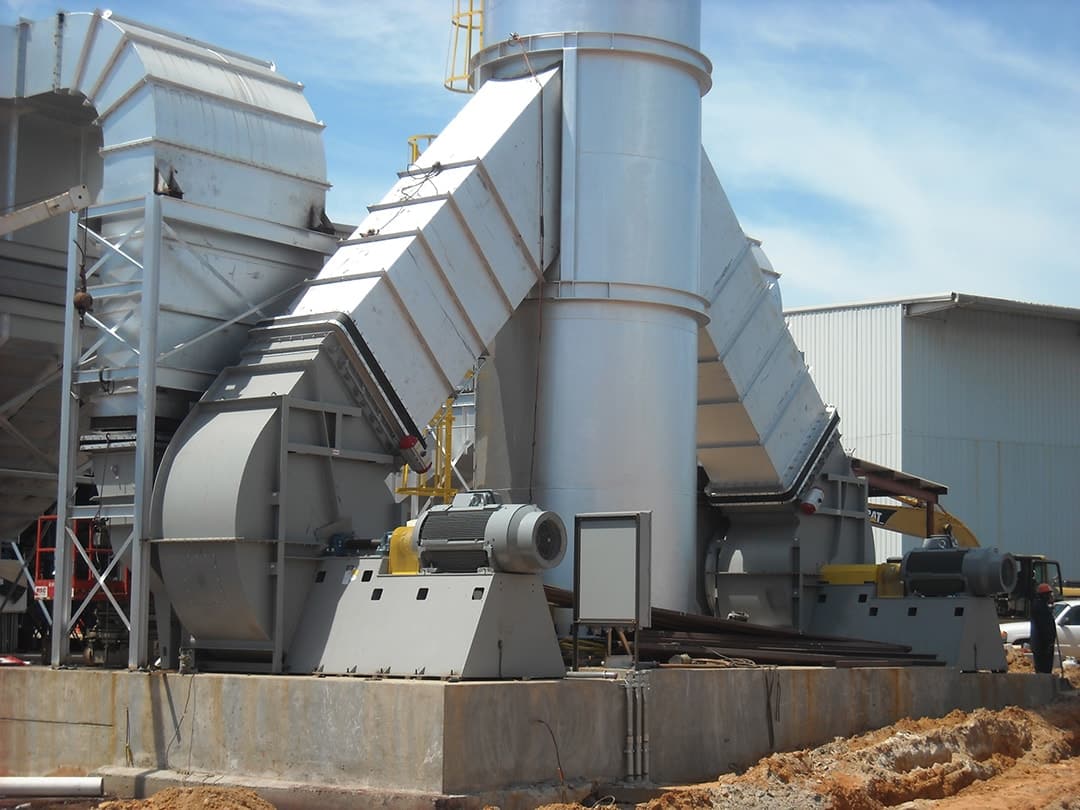
Industrial Smoke Spill Exhaust Unit - High-Temperature Ventilation System
View DetailsA well-designed ventilation system for workshop spaces is essential for maintaining clean air, controlling temperature, and protecting workers from airborne contaminants. In industrial settings, proper air movement keeps dust, fumes, and heat under control while ensuring compliance with safety and environmental standards.
When planning a workshop ventilation system, the balance between supply and exhaust airflow determines how effectively air quality is managed. A properly engineered setup helps prevent negative pressure, stabilizes humidity, and reduces energy waste.
Depending on the workshop size and process load, ventilation systems can vary from simple exhaust fans to fully automated air handling setups. Common configurations include:
| System Type | Best For | Energy Efficiency | Maintenance |
|---|---|---|---|
| Natural Ventilation | Small workshops, low emissions | High | Low |
| Mechanical Ventilation | Medium to large workshops | Moderate | Medium |
| Hybrid Ventilation | Variable load workshops | High | Medium |
Modern workshop ventilation systems integrate variable speed drives, smart sensors, and automated control units to maintain optimal airflow with minimal power consumption. Energy-efficient fans and air handling units from Aeppl are designed for 2026 industry standards, ensuring sustainability and long-term operational value.
Systems such as the Industrial Fresh Air Handling Unit and High-Temperature Axial Smoke Exhaust Fan offer robust performance for heavy-duty workshop environments.
Before installation, engineers evaluate air volume requirements, pollutant type, heat load, and zoning layout. The goal is to achieve a balanced system where exhaust and supply air rates match, ensuring neutral pressure across work zones. Key design considerations include:
| Feature | Conventional Setup | Aeppl Engineered System |
|---|---|---|
| Airflow Control | Manual dampers | Automated variable-speed control |
| Energy Efficiency | Moderate | Optimized for low power use |
| Pollutant Handling | Basic filters | Advanced scrubber integration |
| Durability | Standard build | Heavy-duty steel housing |
Selecting the right system depends on the nature of operations. Metalworking, woodworking, painting, or welding workshops each require specific airflow rates and filtration setups. Aeppl designs customized ventilation systems that adapt to process demands and layout constraints, providing consistent performance over years of operation.
Aeppl supports every installation with technical documentation, commissioning assistance, and spare parts availability. Proper maintenance ensures steady airflow and energy efficiency throughout the equipment lifecycle. For consultation or quotes, contact Aeppl at +91-9599785811, +91-8377077661, +91-9810162210 or email sales@aeppl.com.
Aerotech Equipments and Projects Pvt. Ltd. (Aeppl) is a trusted Indian manufacturer of industrial air handling and ventilation systems. With decades of engineering experience, Aeppl delivers reliable, energy-efficient solutions for workshops, factories, and large-scale industrial facilities worldwide. Visit Aeppl
It is a setup that controls airflow, temperature, and air quality inside a workshop by removing contaminants and supplying fresh air for safe working conditions.
Balanced airflow prevents negative pressure, stabilizes humidity, and ensures pollutants are effectively extracted without drawing in unwanted dust or fumes.
Regular inspections every six months are recommended to check filters, fans, and ducts for blockages or wear, ensuring steady performance and compliance.
It can work in smaller or low-emission workshops, but mechanical or hybrid systems are preferred for high-load environments where air quality control is critical.
Key factors include workshop size, number of workers, process heat load, pollutant type, and local safety standards.
Yes, they reduce power consumption and maintenance costs over time, offering a better return on investment while supporting sustainability goals.
Systems should follow guidelines from ASHRAE and local pollution control boards for airflow, filtration, and emission levels.
Automation adjusts fan speed and airflow dynamically based on temperature and pollutant sensors, maintaining consistent air quality while saving energy.
Yes, Aeppl designs and manufactures workshop ventilation systems tailored to specific industrial needs, ensuring optimal airflow and efficiency.
You can reach Aeppl at +91-9599785811, +91-8377077661, +91-9810162210 or email sales@aeppl.com for detailed specifications and pricing.