
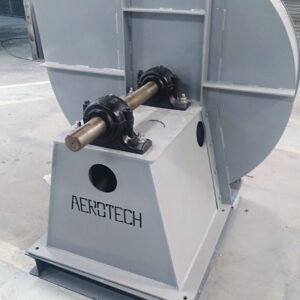
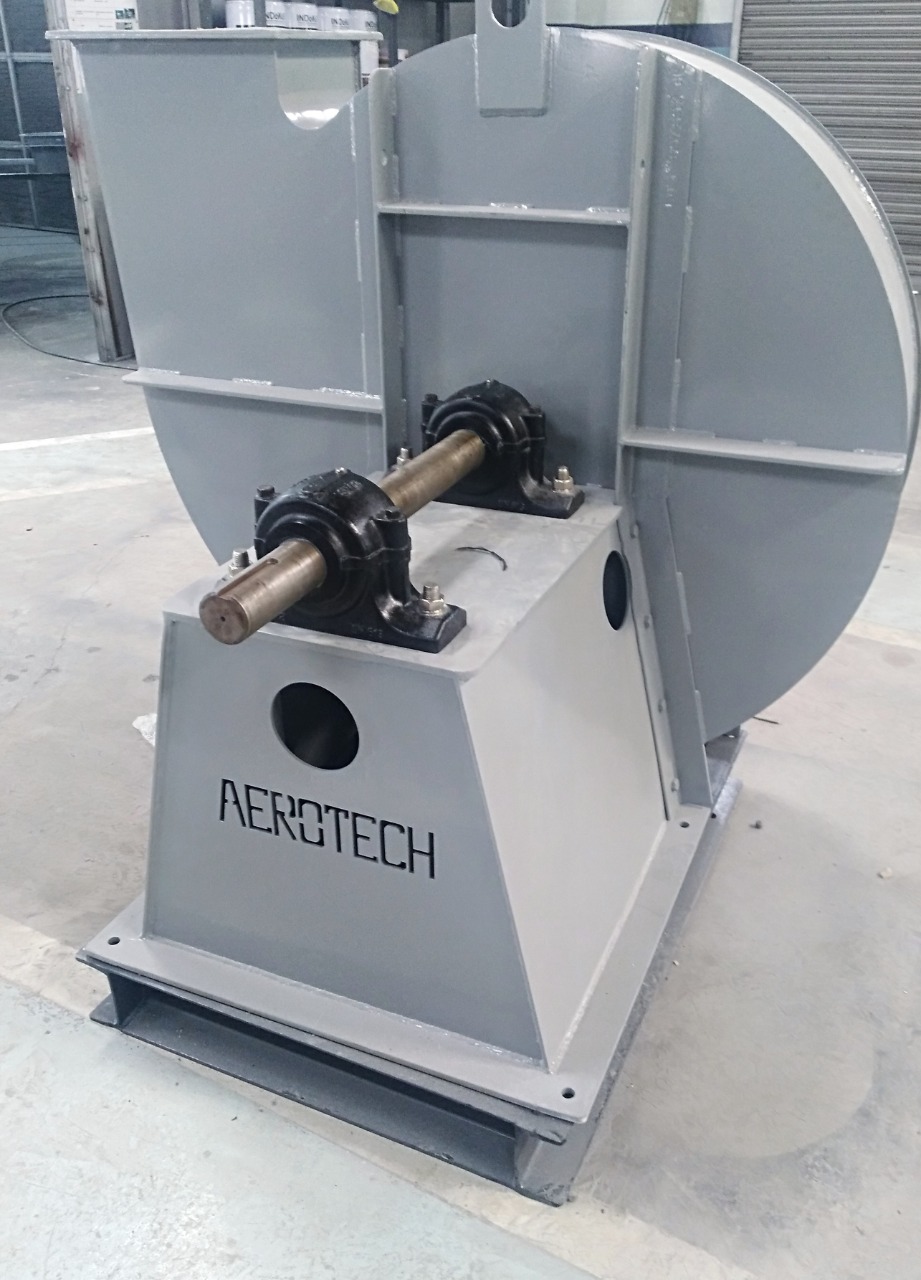
Industrial Centrifugal Air Ventilation System – Heavy Duty Steel Housing
View Details
Industrial Centrifugal Air Ventilation System – Heavy Duty Steel Housing
View Details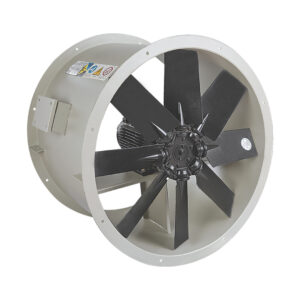
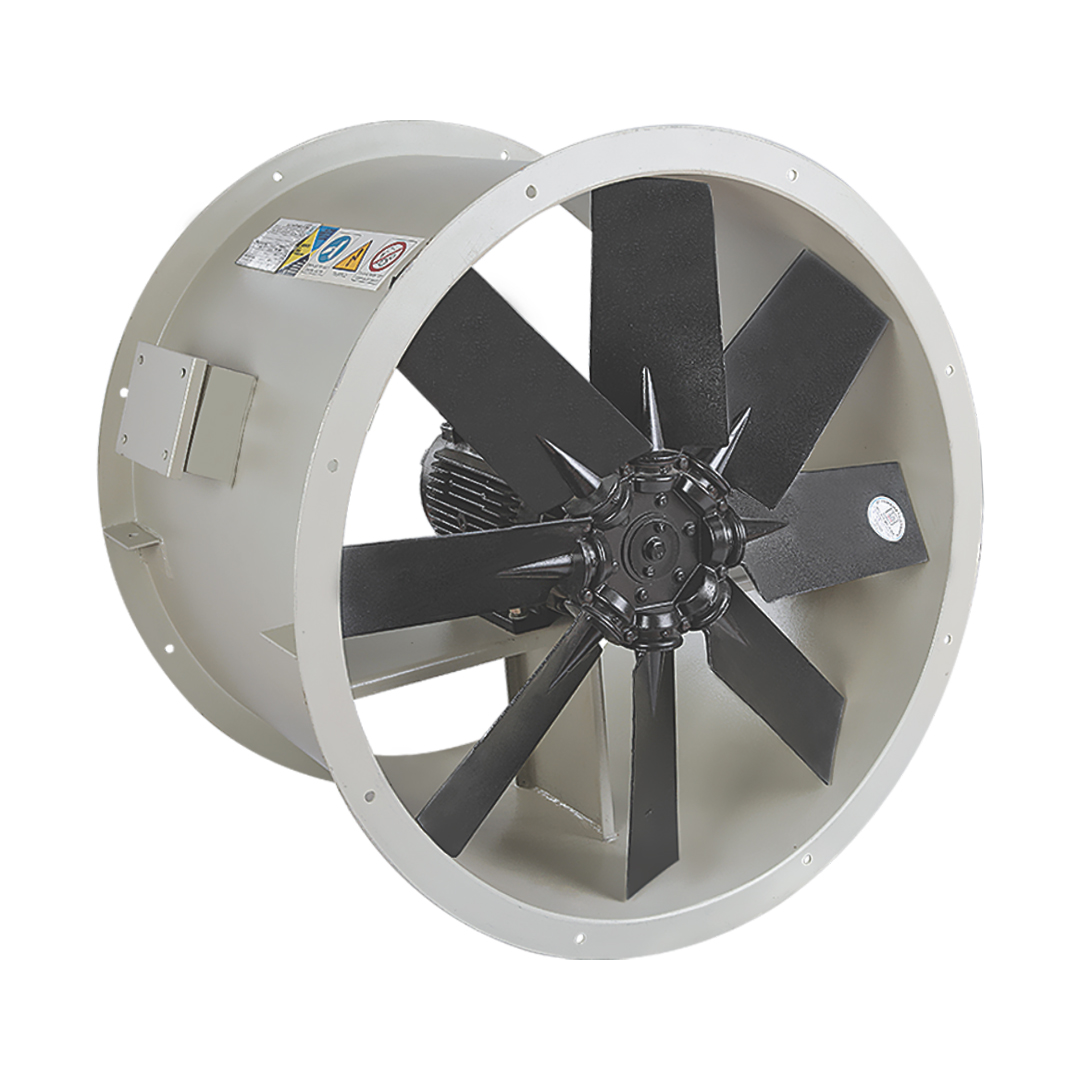
High-Temperature Axial Smoke Exhaust Fan - Industrial Ventilation System
View Details
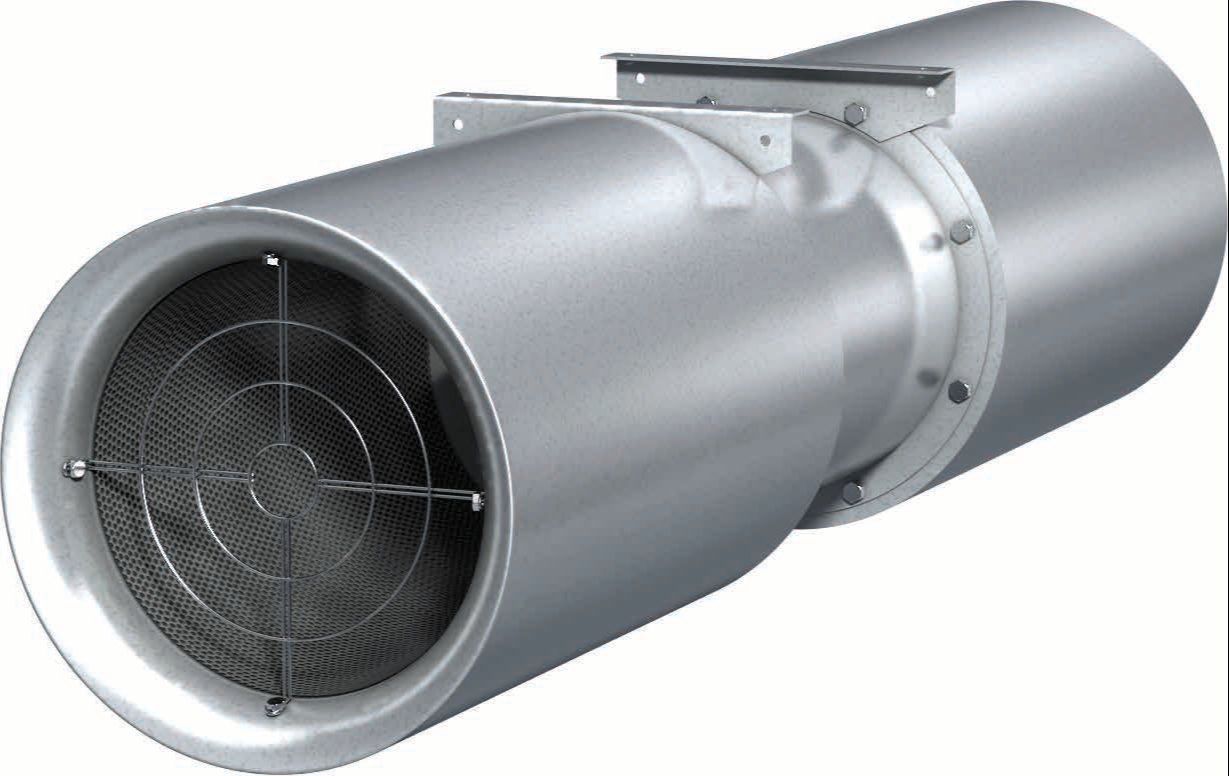
High-Performance Industrial Jet Fan - Tunnel and Garage Ventilation System
View Details
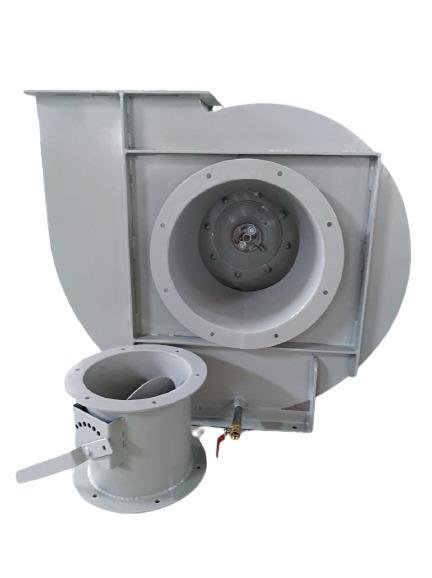
Industrial Kitchen Exhaust Centrifugal Blower Fan – High Efficiency Ventilation System
View Details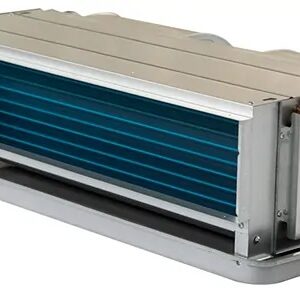
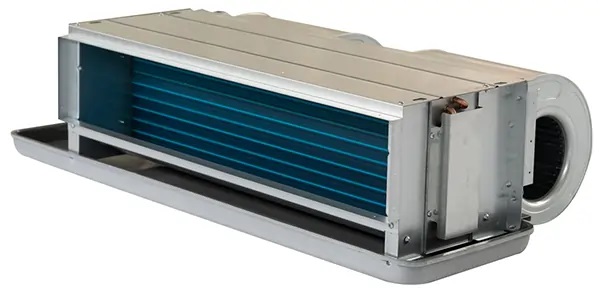
Ceiling Concealed Fan Coil Unit - High Efficiency HVAC Air Handling System
View Details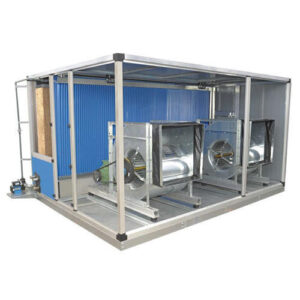
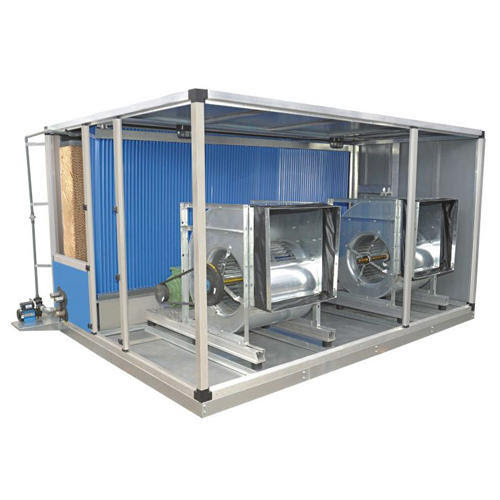
Industrial Fresh Air Handling Unit – High Efficiency Ventilation System
View Details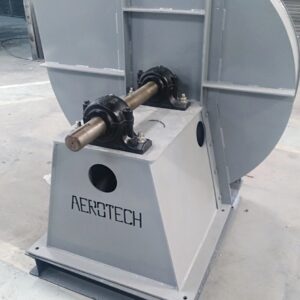
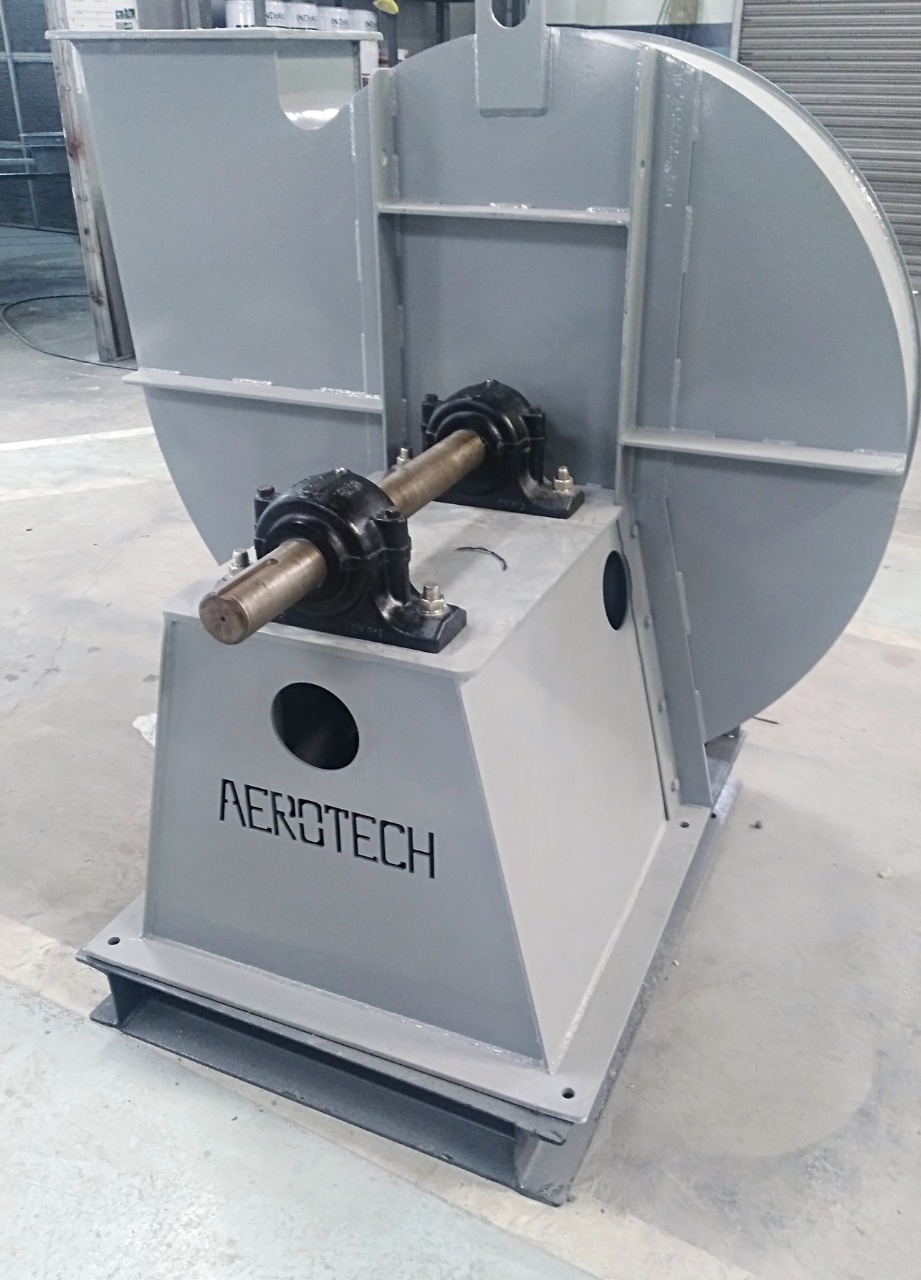
Industrial Centrifugal Ventilation Blower – Heavy-Duty Air Handling Unit
View Details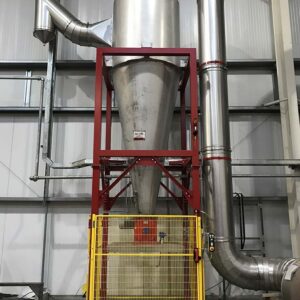

Industrial Venturi Scrubber System - High-Efficiency Air Pollution Control Unit
View DetailsA well-designed ventilation system for turbine room environments is vital for maintaining safe air quality, managing heat, and supporting steady turbine performance. Turbine rooms often face extreme conditions with high temperatures, oil mist, and exhaust buildup. Aeppl develops systems that address these challenges while helping facilities meet energy and environmental standards.
Turbine rooms are high-load zones where equipment operates continuously under intense mechanical and thermal stress. Without proper airflow management, heat accumulation can reduce turbine efficiency and shorten equipment life. Aeppl’s ventilation systems are engineered to handle these demands, ensuring consistent air movement and temperature control.
Modern industrial setups emphasize energy efficiency and precise airflow control. Aeppl’s turbine room ventilation designs include variable speed drives, durable housings, and smart monitoring components to ensure dependable performance.
| Feature | Benefit |
|---|---|
| Heavy-duty centrifugal blowers | Delivers stable airflow under high pressure |
| Axial exhaust fans | Removes hot air and fumes effectively |
| Fresh air handling units | Improves indoor air quality and cooling balance |
| Energy-efficient motors | Reduces power consumption and running costs |
Each turbine room has distinct ventilation needs depending on layout, heat generation, and equipment density. Aeppl engineers tailor systems to match these requirements, balancing airflow and pressure levels. Options include modular ductwork, adjustable dampers, and multi-zone control panels for accurate system management.
Industrial ventilation continues to evolve with a focus on sustainability and intelligent monitoring. Aeppl’s turbine room ventilation systems meet modern standards for low emissions and performance tracking. Integrated sensors help identify inefficiencies and optimize airflow to reduce energy use.
| System Type | Best For | Typical Application |
|---|---|---|
| Centrifugal Ventilation System | High static pressure environments | Large turbine rooms with dense machinery |
| Axial Fan Ventilation System | High volume, low pressure air movement | Compact turbine setups and auxiliary areas |
| Hybrid Smart Ventilation System | Dynamic airflow and energy optimization | Automated power generation facilities |
To complement a ventilation system for turbine room setups, Aeppl provides several engineered units such as:
Consistent performance depends on proper maintenance and timely inspections. Aeppl offers installation assistance, periodic servicing, and replacement components for long-term reliability. The technical team helps with airflow balancing, motor calibration, and compliance documentation to keep operations running smoothly.
Aerotech Equipments and Projects Pvt. Ltd. (Aeppl) manufactures and exports industrial air handling and ventilation systems for diverse sectors. With decades of engineering experience, Aeppl emphasizes reliability, efficiency, and long-term value for process industries. Visit Aeppl
It is a mechanical air handling setup that manages heat, fumes, and air quality inside turbine enclosures to maintain safe and efficient operation.
Turbine rooms generate substantial heat and exhaust gases. Dedicated ventilation prevents overheating and maintains safe working conditions.
Centrifugal and axial fans are commonly used, selected based on required airflow and pressure levels for each turbine room layout.
Proper airflow control keeps temperatures stable, reduces stress on components, and minimizes downtime caused by overheating or contamination.
Yes, modern ventilation systems include sensors and control units that adjust airflow automatically based on temperature or pressure readings.
Galvanized steel, stainless steel, and aluminum are used for their strength, corrosion resistance, and ability to withstand high heat.
Efficiency is achieved through optimized duct design, variable speed drives, and advanced fan impellers that reduce power consumption.
Typical challenges include managing high thermal loads, controlling oil mist, and balancing exhaust removal with fresh air intake.
Yes, Aeppl designs custom ventilation systems based on site conditions, turbine capacity, and compliance requirements.
You can contact Aeppl at +91-9599785811, +91-8377077661, or +91-9810162210, or email sales@aeppl.com for technical consultation and quotations.