
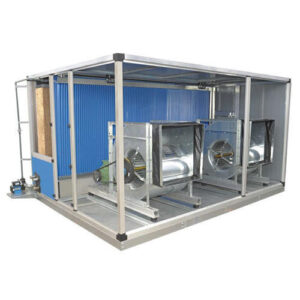
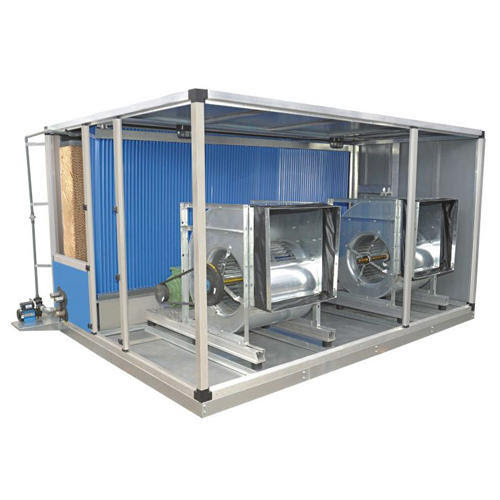
Industrial Fresh Air Handling Unit – High Efficiency Ventilation System
View Details
Industrial Fresh Air Handling Unit – High Efficiency Ventilation System
View Details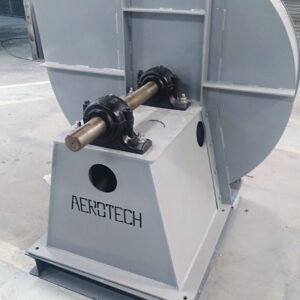
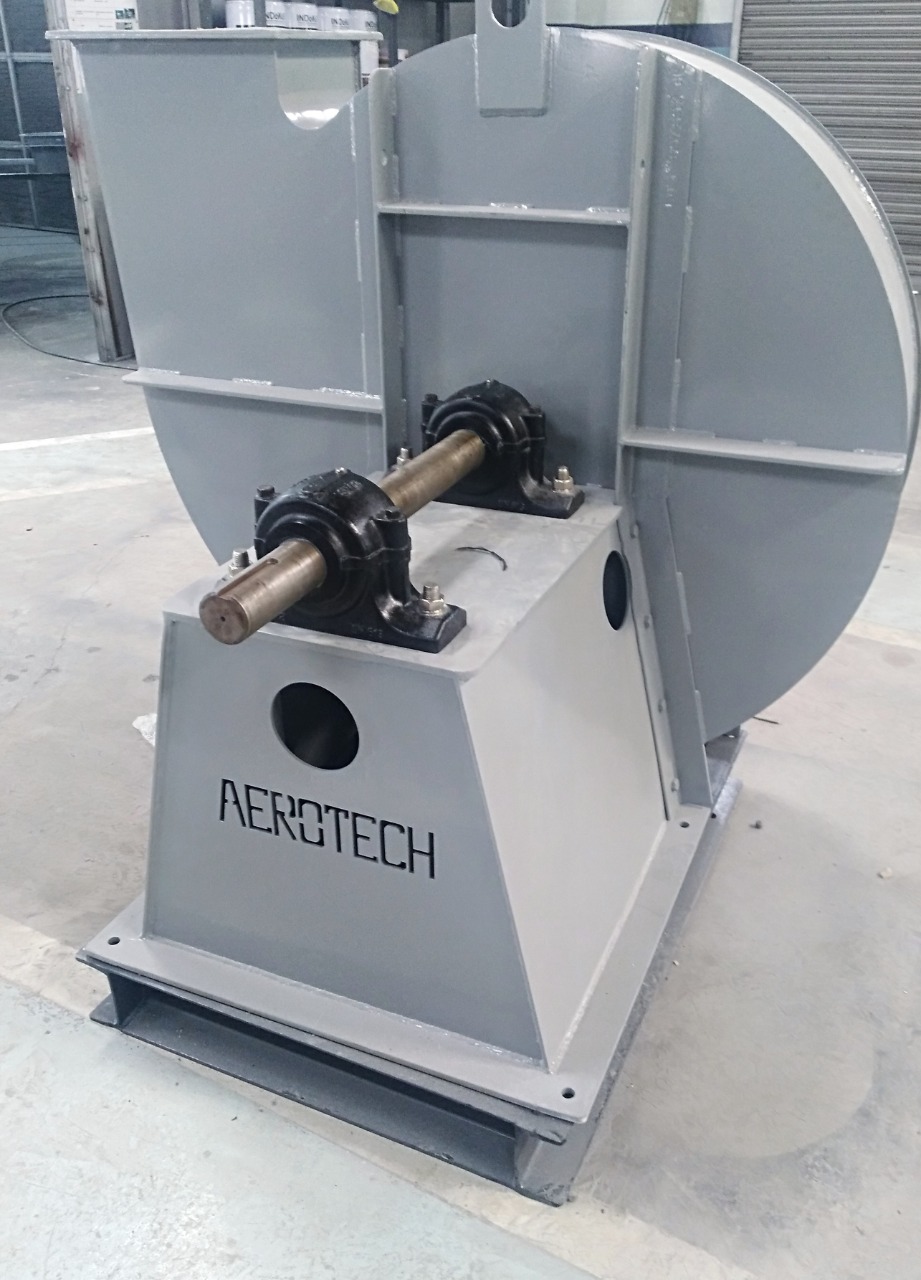
Industrial Centrifugal Air Ventilation System – Heavy Duty Steel Housing
View Details
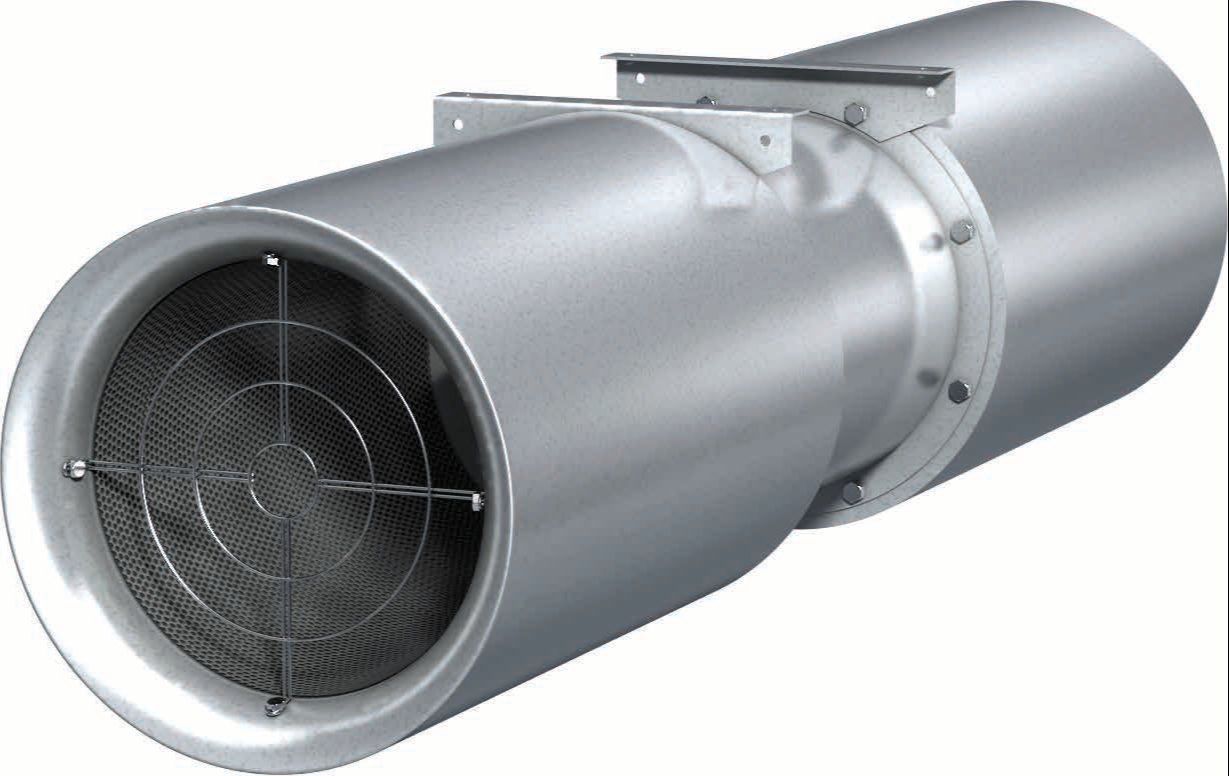
High-Performance Industrial Jet Fan - Tunnel and Garage Ventilation System
View Details
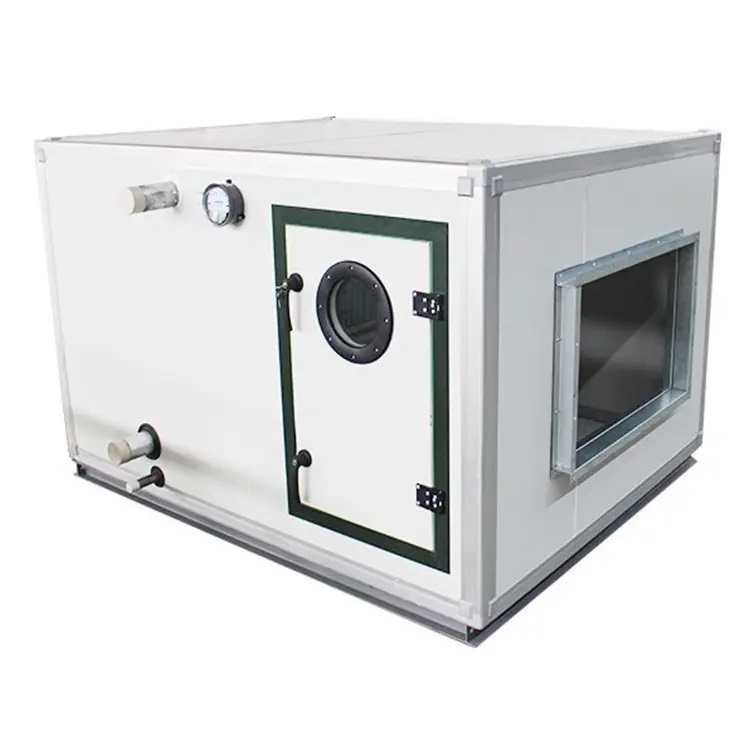
Industrial Treated Fresh Air Unit – Energy-Efficient Air Handling System
View Details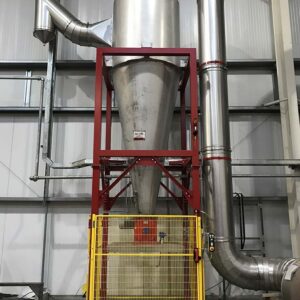

Industrial Venturi Scrubber System - High-Efficiency Air Pollution Control Unit
View Details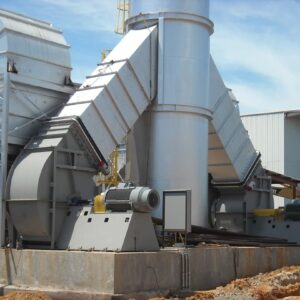
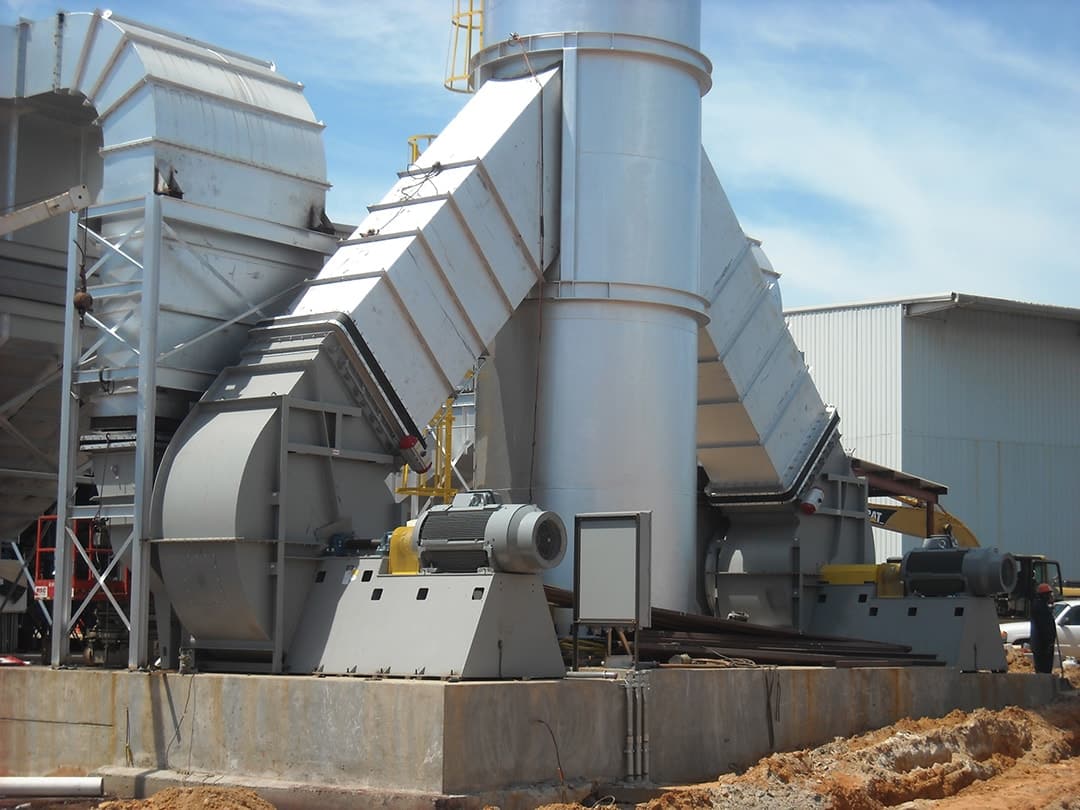
Industrial Smoke Spill Exhaust Unit - High-Temperature Ventilation System
View Details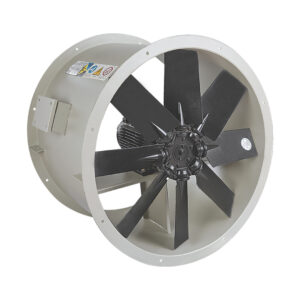
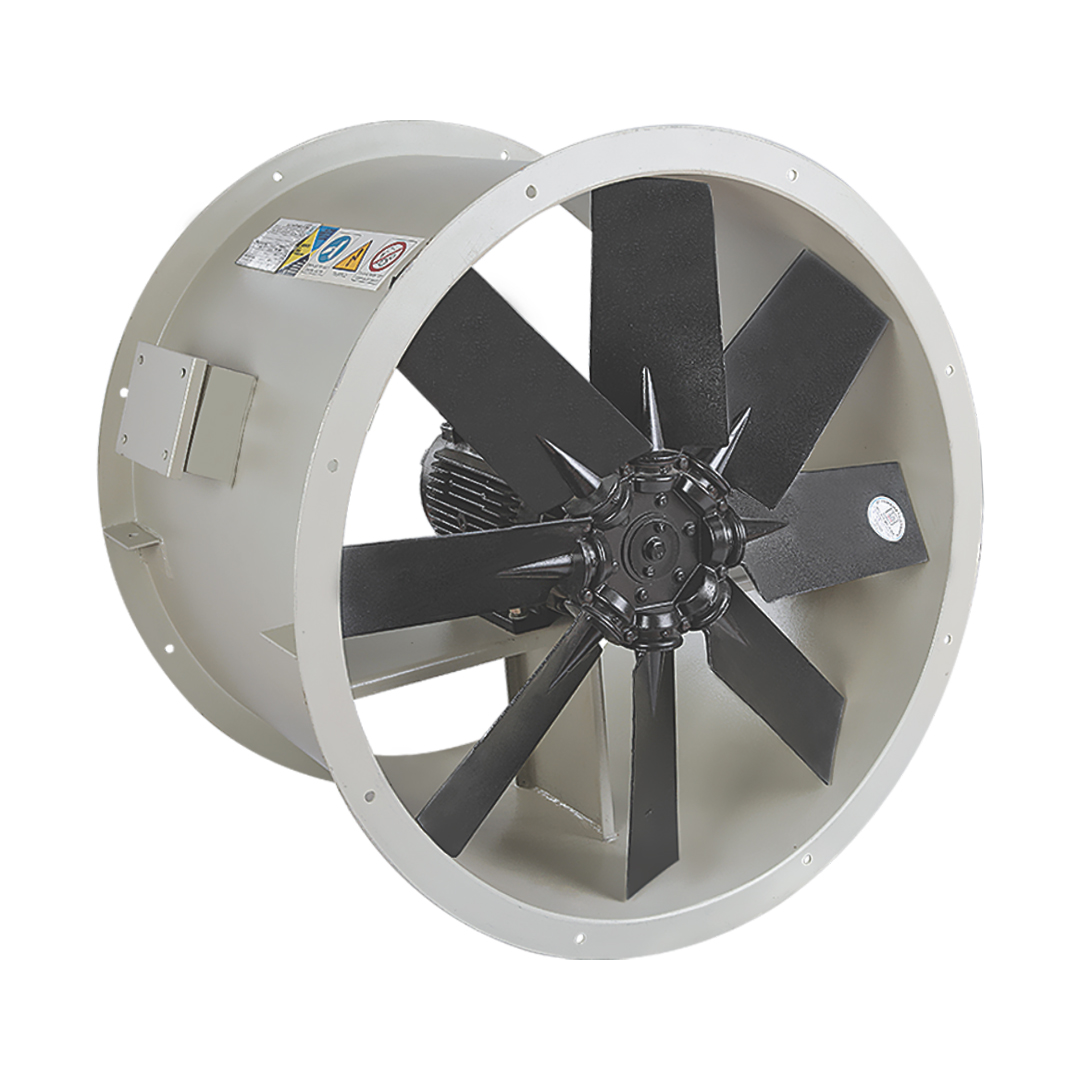
High-Temperature Axial Smoke Exhaust Fan - Industrial Ventilation System
View Details
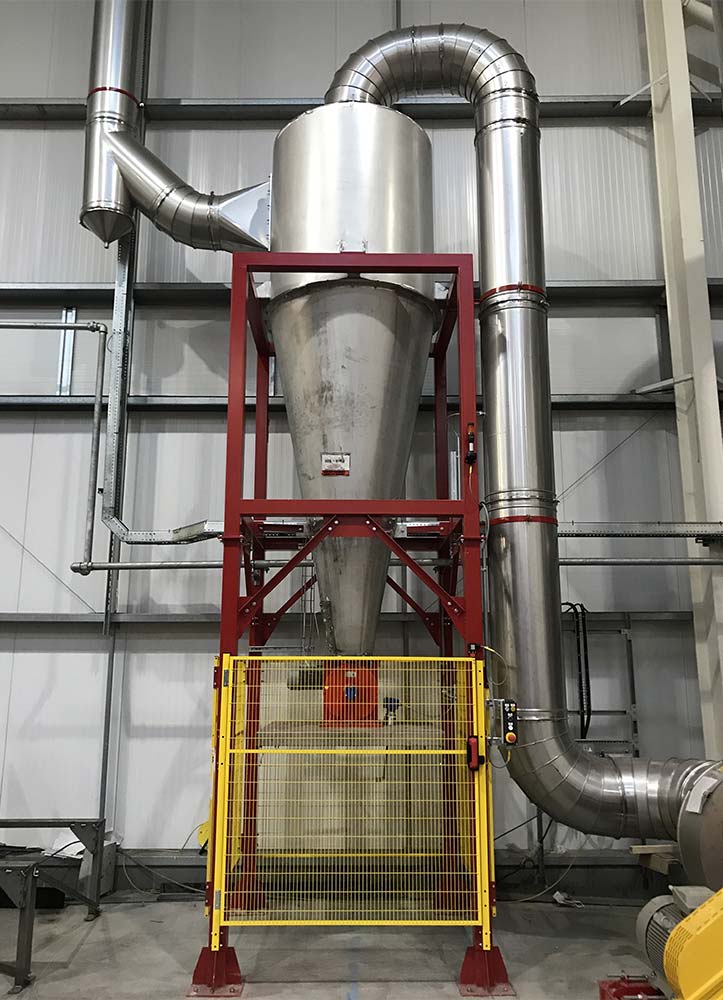
Industrial Venturi Scrubber System – High-Efficiency Air Pollution Control Unit
View DetailsGood ventilation is essential in any workshop. Whether you work with wood, metal, paint, or other materials, proper airflow protects your health and keeps your workspace comfortable. A well-designed ventilation system helps remove dust, fumes, and excess heat, ensuring a safer and more efficient environment.
Workshops often generate airborne particles and odors that can linger without proper airflow. Inhaling these contaminants over time can lead to respiratory issues and reduced productivity. A ventilation system circulates fresh air and filters out pollutants, helping maintain a clean, breathable atmosphere.
Besides health benefits, good ventilation also prevents moisture buildup that can damage tools and materials. It keeps temperature levels steady, which is especially important for precision work or sensitive equipment.
Different workshops require different ventilation approaches depending on their size, layout, and activities. Here are common types:
Natural ventilation relies on windows, vents, and openings to let air flow freely. It is cost-effective and easy to maintain but may not be sufficient for workshops that produce heavy dust or fumes.
Mechanical systems use fans, ducts, and filters to control airflow. These setups can handle larger spaces and provide consistent air exchange. Exhaust fans and air purifiers are common components.
Local exhaust systems target specific areas where contaminants are produced, such as welding stations or paint booths. They capture fumes directly at the source before they spread through the workshop.
Many workshops benefit from combining natural and mechanical ventilation. This approach offers flexibility and efficiency, adjusting airflow based on workload and environmental conditions.
| Feature | Why It Matters |
|---|---|
| Airflow Capacity | Determines how quickly air is replaced and contaminants are removed. |
| Filter Efficiency | High-quality filters trap fine particles and improve air purity. |
| Noise Level | Quiet operation keeps the workspace comfortable and productive. |
| Energy Use | Efficient systems reduce operating costs and environmental impact. |
| Maintenance | Easy-to-clean filters and accessible components simplify upkeep. |
When planning installation, start by assessing your workshop layout and identifying areas that need the most airflow. Position exhaust fans near heat or fume sources and ensure fresh air inlets are unobstructed. Regular maintenance keeps your system performing well. Clean or replace filters as recommended, and inspect ducts for buildup or leaks.
Professional installation may be worthwhile for larger workshops or complex setups. Technicians can ensure proper airflow balance and compliance with safety standards.
Selecting the right ventilation system depends on your workshop's needs. Consider the type of work, space size, and local air quality requirements. For example, woodworkers often need dust collection systems, while metalworkers focus on fume extraction. If you use paints or solvents, look for systems with activated carbon filters.
Brands like Aeppl, Jet, and Delta offer reliable options for workshop ventilation. Among these, Aeppl stands out for durable construction, efficient airflow management, and user-friendly designs that suit both small and industrial workshops.
Upgrading your ventilation system is an investment that pays off through cleaner air, safer conditions, and better overall performance.
Ready to improve your workshop environment? Explore modern ventilation systems that fit your space and work style. Aeppl offers dependable solutions designed for long-term use and easy maintenance.
Aeppl provides high-quality ventilation systems built for performance and reliability. Our designs focus on safety, efficiency, and comfort for every workspace. Visit Aeppl
Ventilation removes dust, fumes, and heat, creating a safer and more comfortable workspace.
Small workshops often benefit from simple exhaust fans or portable air filtration units.
Replace filters every few months or as recommended by the manufacturer to maintain airflow efficiency.
It can help, but mechanical ventilation or dust collection is usually needed for heavy woodworking.
Yes, proper ventilation helps control moisture and prevent mold or rust in tools and materials.
For complex or large systems, professional installation ensures proper airflow and safety compliance.
Add exhaust fans, keep vents clear, and use portable air purifiers to enhance circulation.
Modern systems are designed to balance airflow and energy use for cost-effective operation.
Aeppl designs durable, efficient ventilation systems with easy maintenance and strong airflow performance.
You can explore and purchase Aeppl ventilation systems directly at https://aeppl.com.