
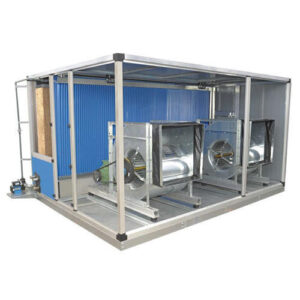
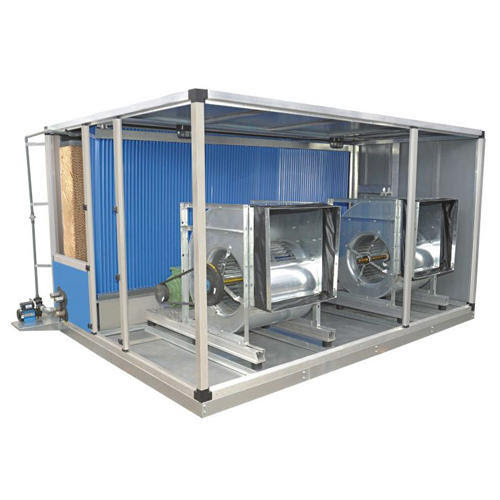
Industrial Fresh Air Handling Unit – High Efficiency Ventilation System
View Details
Industrial Fresh Air Handling Unit – High Efficiency Ventilation System
View Details
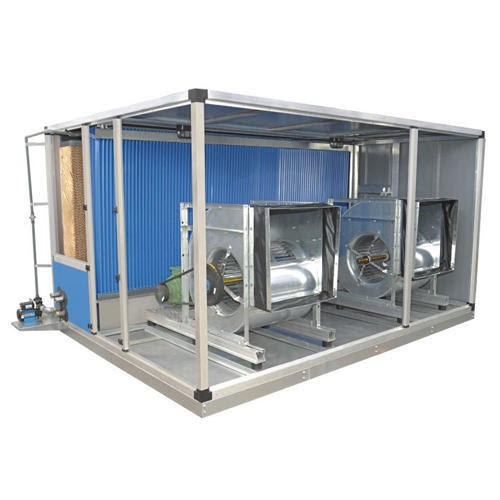
Industrial Evaporative Air Cooling Unit - High Efficiency HVAC System
View Details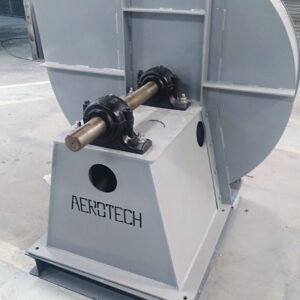
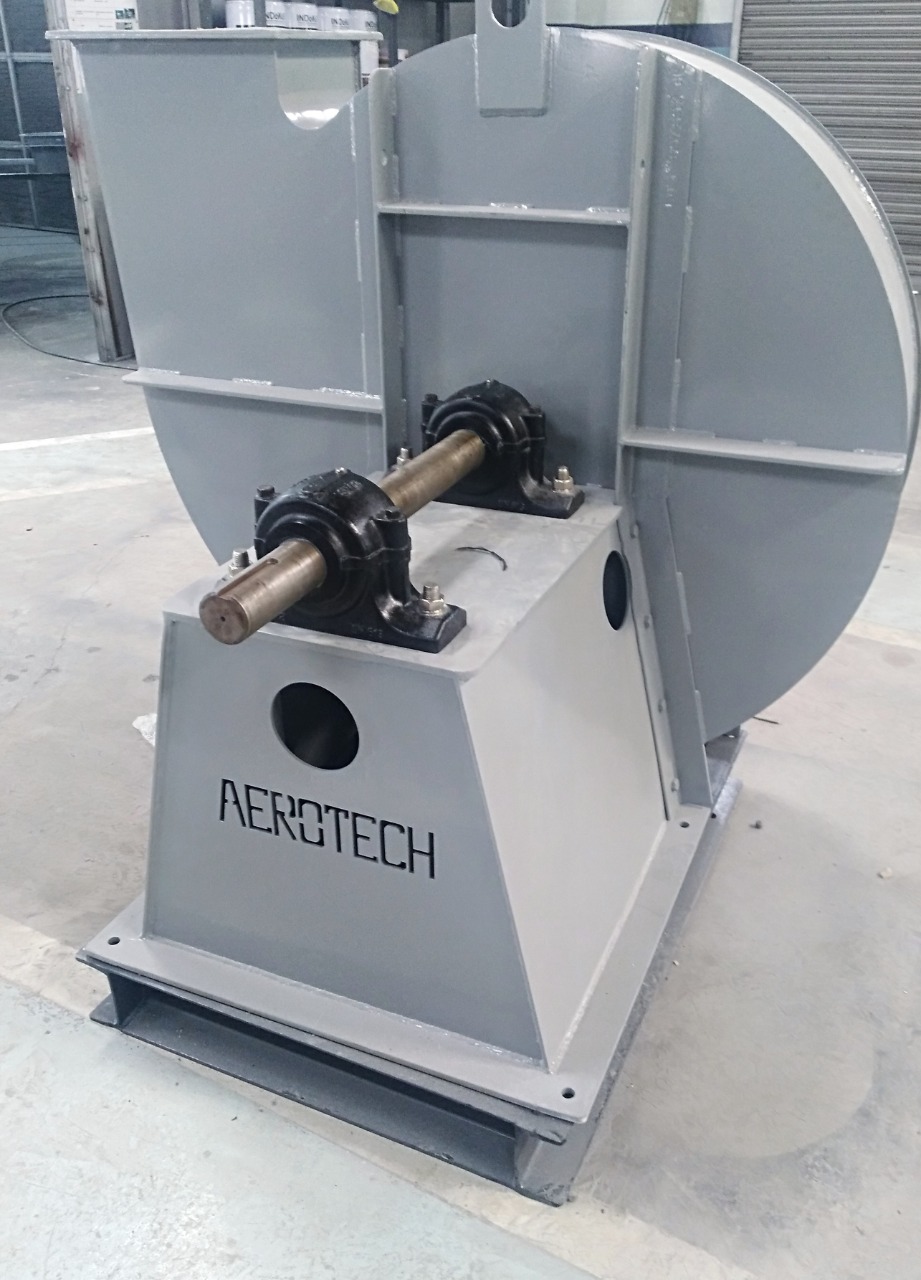
Industrial Centrifugal Air Ventilation System – Heavy Duty Steel Housing
View Details
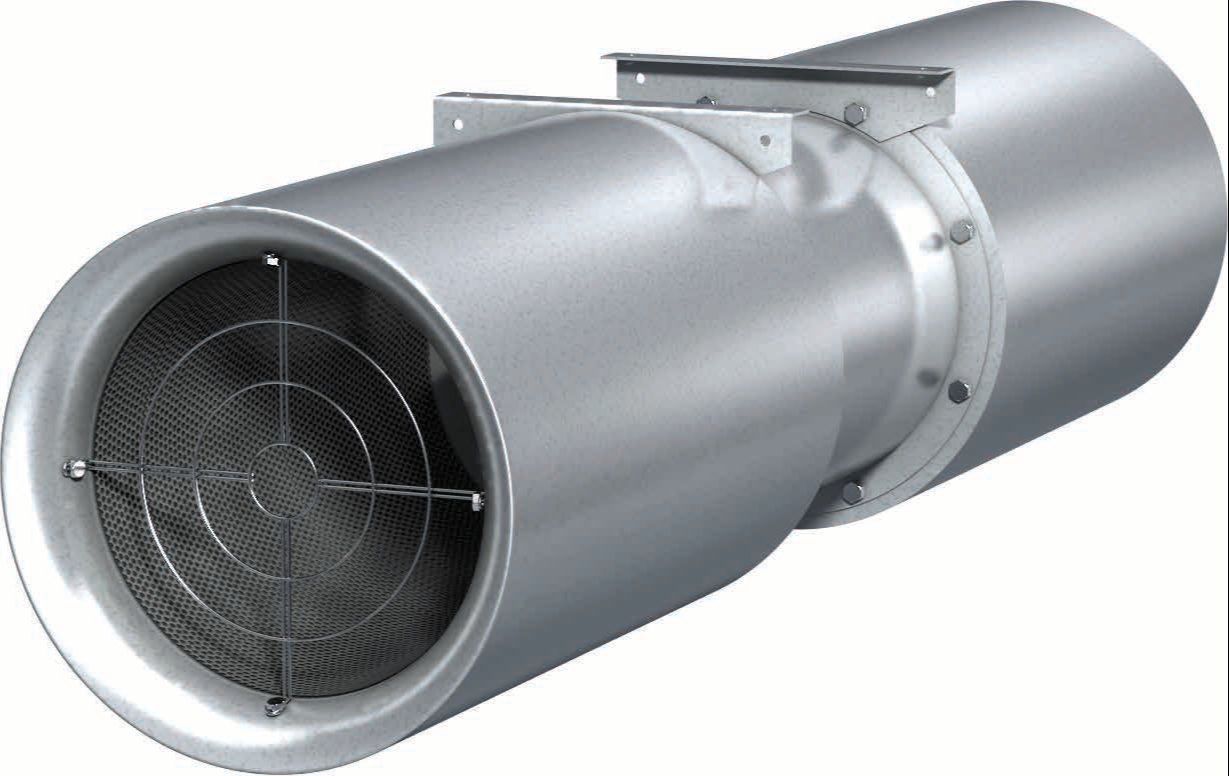
High-Performance Industrial Jet Fan - Tunnel and Garage Ventilation System
View Details
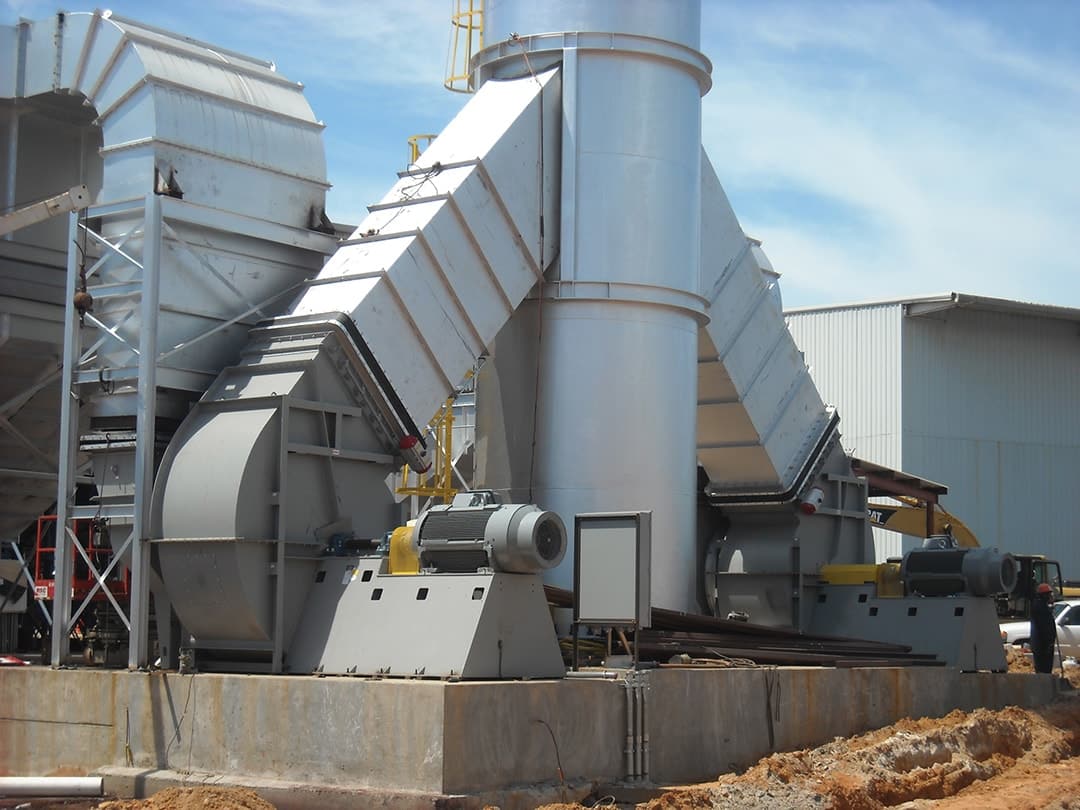
Industrial Fume Extraction System - High-Efficiency Air Filtration Unit
View Details

Industrial Venturi Scrubber System - High-Efficiency Air Pollution Control Unit
View Details
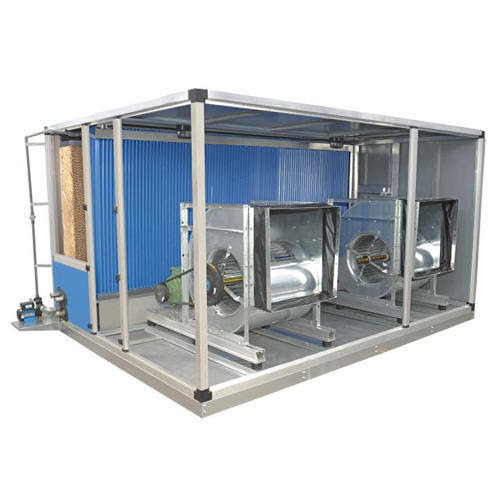
Industrial Evaporative Air Cooling Unit – High Efficiency HVAC System
View Details
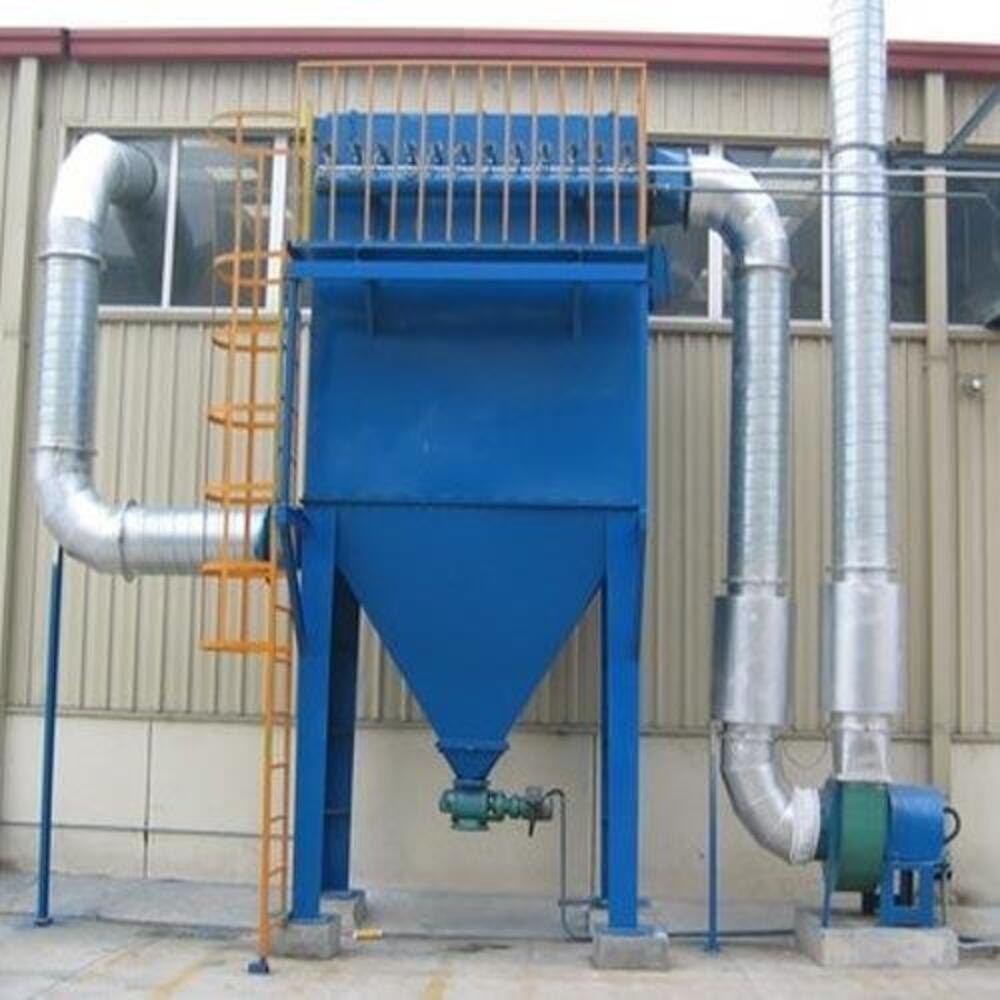
Industrial Mechanical Dust Collector System - High-Efficiency Air Filtration Unit
View DetailsVentilation systems for factory floors play a crucial role in maintaining safe and comfortable working conditions. Factories often deal with heat, fumes, and airborne particles that can affect both production efficiency and worker health. A well-designed ventilation setup helps manage these challenges by ensuring steady airflow and removing contaminants from the workspace.
In many industrial facilities, poor ventilation can lead to uneven temperatures and reduced air quality. Over time, this impacts equipment performance and worker well-being. By investing in a properly engineered ventilation system, manufacturers can maintain consistent air circulation, prevent overheating, and meet occupational safety standards.
When planning ventilation systems for factory floors, engineers evaluate factors like heat generation, pollutant concentration, and the number of air changes needed per hour. For example, a metal fabrication plant may require heavy-duty exhaust fans to handle welding fumes, while an electronics assembly unit might focus on temperature control and clean air circulation.
| System Type | Typical Application | Main Advantage |
|---|---|---|
| Centrifugal Air Ventilation System | Metal processing and foundries | Handles high static pressure with durable housing |
| Fresh Air Handling Unit | General manufacturing and assembly lines | Balances airflow efficiently with reduced power use |
| Fume Extraction System | Welding, coating, and chemical operations | Removes hazardous gases and fine particles |
Energy efficiency has become a key focus for industrial ventilation. Modern systems often include sensors and variable speed drives that adjust airflow based on real-time conditions. This reduces power consumption and keeps air quality stable throughout the day.
Aeppl incorporates automation-ready designs that help factories monitor system performance and schedule maintenance proactively. These features not only save energy but also extend equipment life and reduce unexpected downtime.
Factories use various ventilation methods depending on their processes and layout. Each approach offers distinct benefits for specific industrial needs.
| Approach | Best For | Key Benefit |
|---|---|---|
| Evaporative Cooling | High-heat workshops and foundries | Reduces temperature using minimal energy |
| Dust Collection Systems | Grinding, cutting, or polishing areas | Captures fine particulates effectively |
| Venturi Scrubber Systems | Chemical and coating industries | Removes both gases and particulates efficiently |
Every production facility has unique airflow requirements. Aeppl engineers collaborate with plant managers to design ventilation systems that integrate smoothly with existing HVAC setups and automation platforms. Whether upgrading an older system or building a new plant, Aeppl provides solutions that fit specific operational needs.
For industrial buyers and project contractors, working with an experienced manufacturer ensures reliable performance and technical support. Aeppl offers complete documentation, installation assistance, and after-sales service to help clients maintain consistent air quality and equipment efficiency.
Aeppl is an Indian manufacturer specializing in industrial air handling and ventilation solutions. With decades of engineering experience, the company provides dependable systems for factories and heavy-duty environments. For design consultations and product details, visit the official website. Visit Aeppl
They are air handling setups designed to control temperature, remove fumes, and maintain clean air in industrial spaces.
Proper ventilation prevents buildup of harmful gases and heat, keeping workers safe and comfortable.
Modern systems use variable speed drives and optimized duct layouts to reduce power use while maintaining airflow.
Key factors include factory size, heat levels, type of pollutants, and local compliance standards.
Yes, most industrial ventilation systems can be configured to work alongside existing HVAC equipment.
Regular maintenance every six months helps maintain efficiency and avoid unexpected issues.
Energy-efficient systems can be adapted for most industries including metalworking, food processing, and chemicals.
Galvanized steel, aluminum, and corrosion-resistant alloys are common materials for industrial ventilation units.
Yes, Aeppl designs tailored ventilation systems based on factory layout and process requirements.
You can reach Aeppl at +91-9599785811, +91 8377077661, +91 9810162210, or email sales@aeppl.com for assistance.