
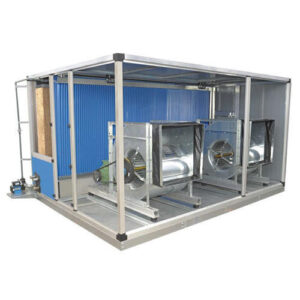
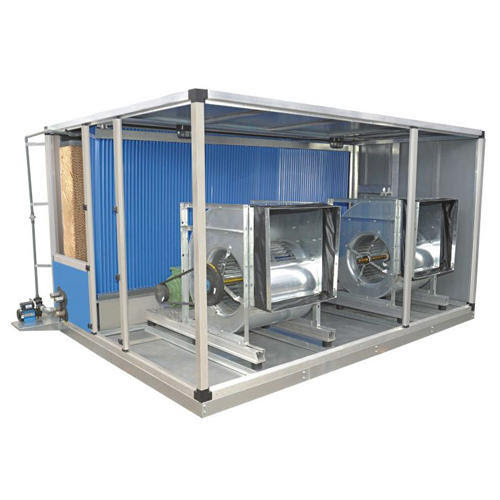
Industrial Fresh Air Handling Unit – High Efficiency Ventilation System
View Details
Industrial Fresh Air Handling Unit – High Efficiency Ventilation System
View Details
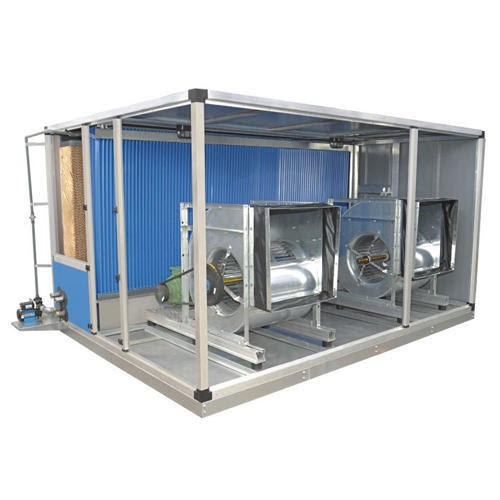
Industrial Evaporative Air Cooling Unit - High Efficiency HVAC System
View Details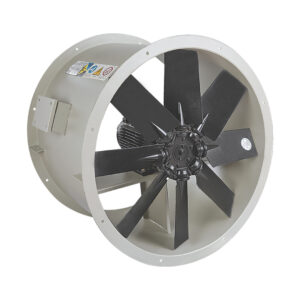
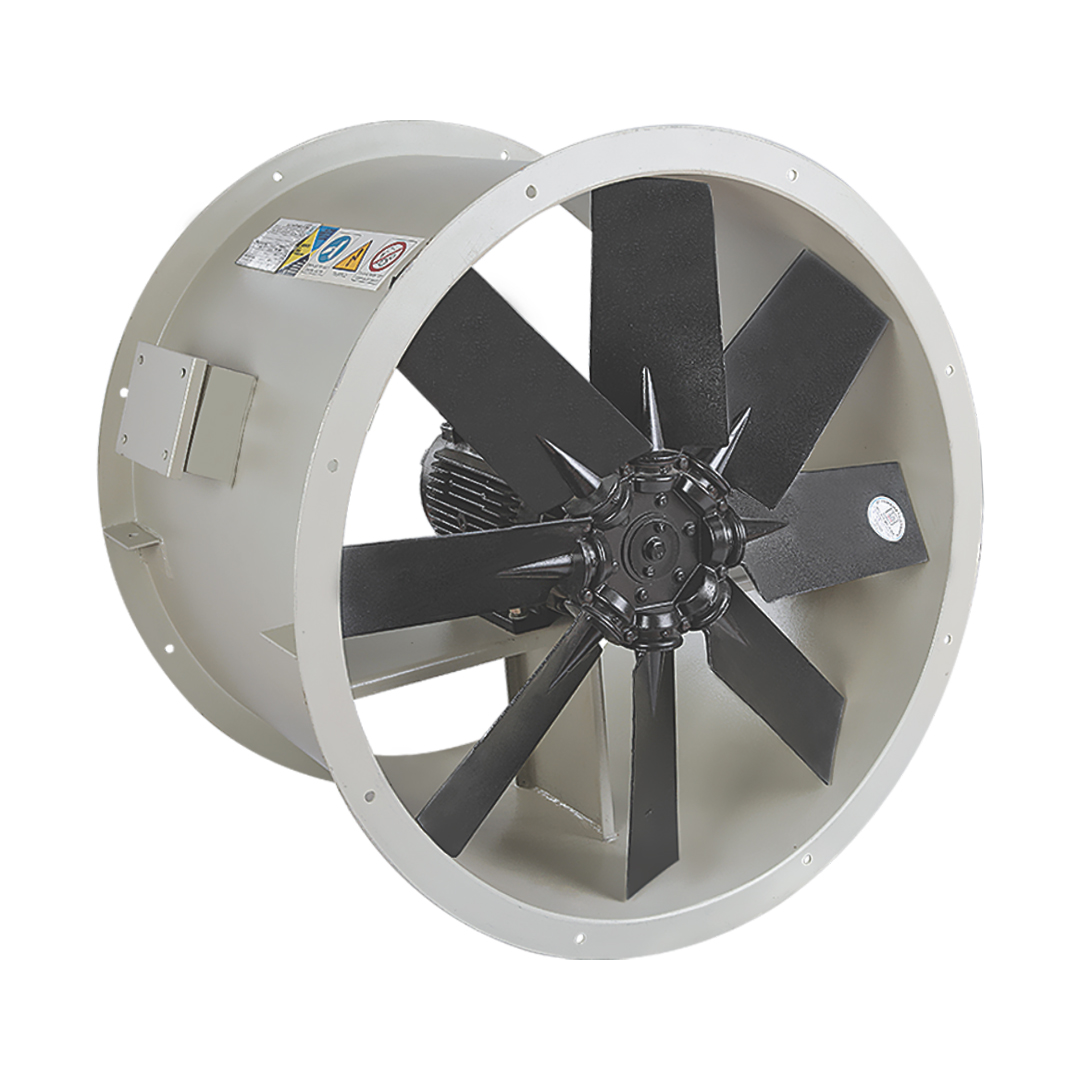
High-Temperature Axial Smoke Exhaust Fan - Industrial Ventilation System
View Details
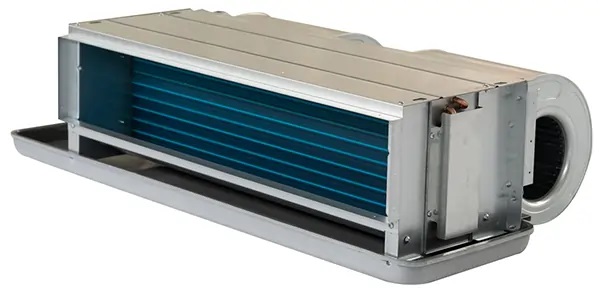
Ceiling Concealed Fan Coil Unit - High Efficiency HVAC Air Handling System
View Details
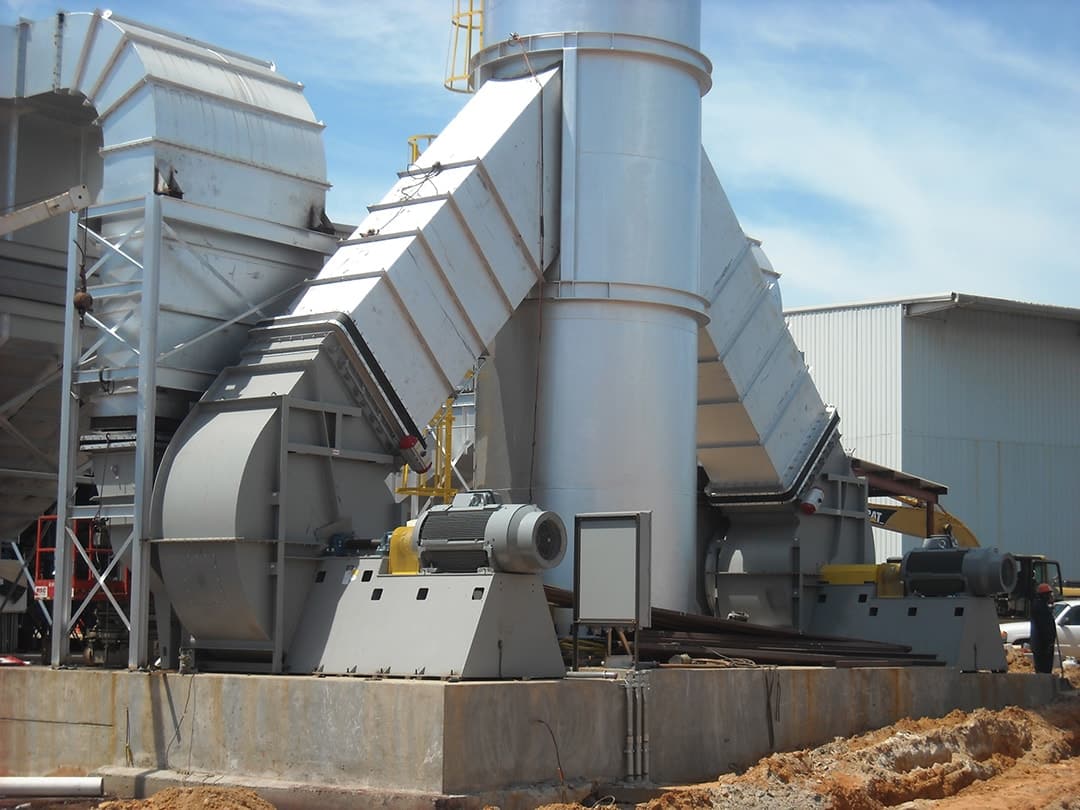
Industrial Smoke Spill Exhaust Unit - High-Temperature Ventilation System
View Details
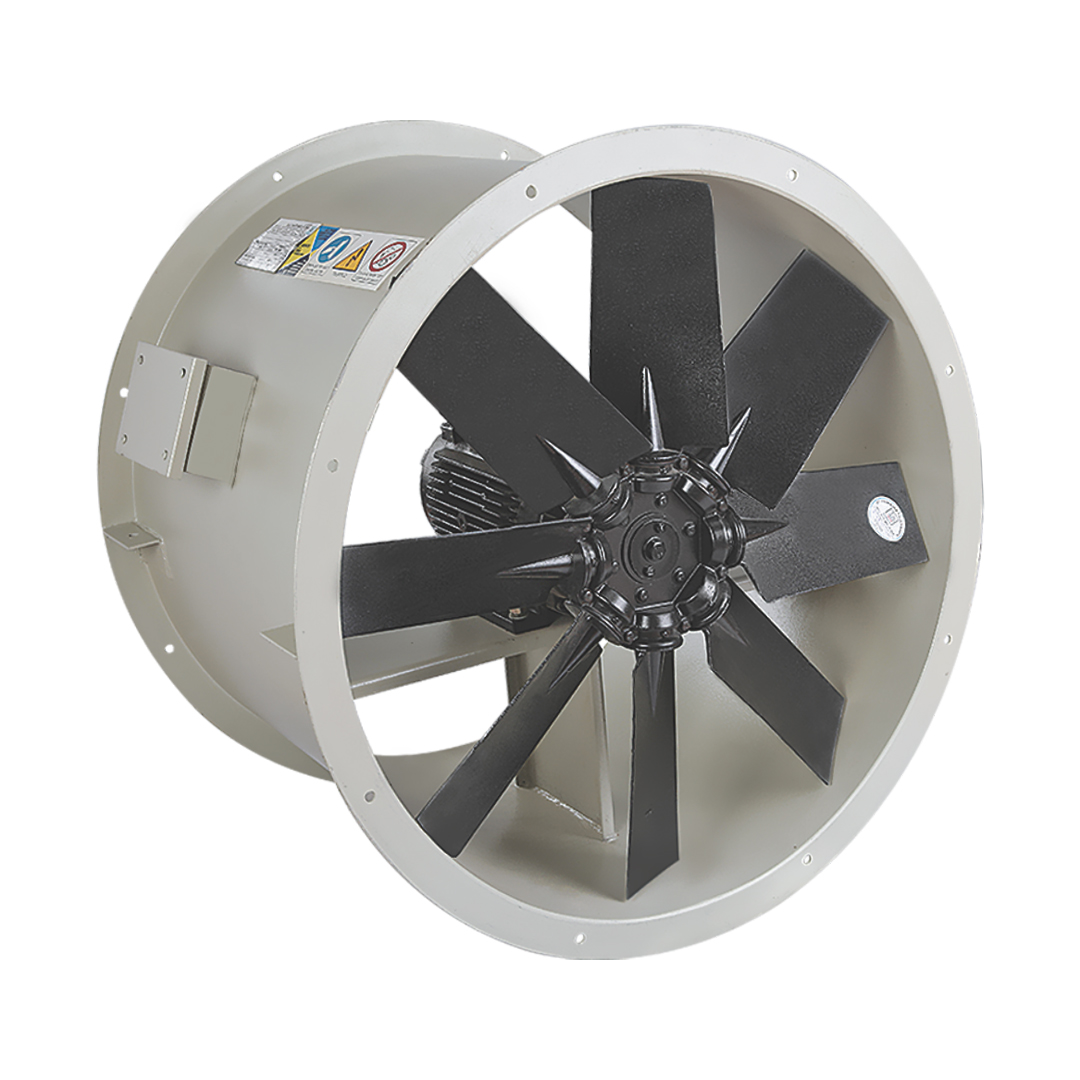
Industrial Axial Flow Exhaust Fan - High Airflow Metal Ventilation System
View Details
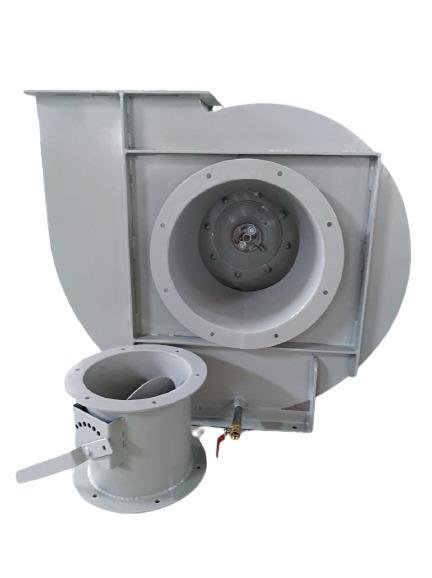
Industrial Kitchen Exhaust Centrifugal Blower Fan – High Efficiency Ventilation System
View Details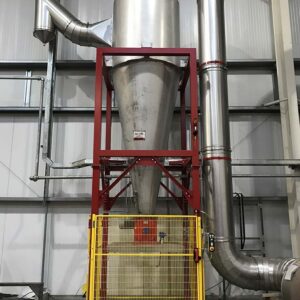

Industrial Venturi Scrubber System - High-Efficiency Air Pollution Control Unit
View DetailsA reliable ventilation system for restaurants is essential for maintaining clean air, controlling odors, and ensuring a safe working environment. Whether you run a small cafe or a busy commercial kitchen, proper airflow and exhaust management keep operations smooth and compliant with health regulations.
Commercial kitchens generate heat, smoke, and grease. Without an effective ventilation system, these elements can build up quickly, creating discomfort for staff and potential safety hazards. Good ventilation helps remove excess heat, filters out airborne particles, and prevents grease accumulation in ducts and on surfaces.
Every kitchen requires a combination of equipment to handle airflow properly. Understanding each part helps you design a system that fits your space and cooking style.
| Component | Function |
|---|---|
| Exhaust Hood | Captures smoke, grease, and steam above cooking stations |
| Grease Filters | Trap grease particles before they enter the ductwork |
| Make-Up Air Unit | Replaces exhausted air with fresh, conditioned air |
| Ductwork | Channels air from the hood to the exterior safely |
| Fans and Blowers | Drive air movement throughout the system |
Selecting the correct setup depends on your kitchen size, menu, and local building codes. For example, a grill-heavy restaurant needs a stronger exhaust system than a bakery. Consulting with an experienced engineer ensures the system meets airflow requirements and energy efficiency standards.
Modern ventilation systems are designed to balance performance with energy savings. Regular maintenance, such as cleaning filters and inspecting ducts, keeps air quality high and prevents costly breakdowns. Neglecting upkeep can lead to poor airflow and higher utility bills.
Installing a ventilation system for restaurants requires technical expertise. Proper alignment, duct sealing, and fan calibration are crucial for performance and safety. Working with a trusted manufacturer or installer ensures your system operates reliably from day one.
Local health departments and fire codes dictate specific requirements for ventilation systems. These may include minimum airflow rates, grease filtration standards, and exhaust placement. Always verify compliance before installation to avoid fines or operational delays.
If your kitchen feels stuffy or your exhaust fans are struggling, it may be time to upgrade. Modern systems feature improved filters and quieter motors that enhance comfort and reduce energy use. Aeppl offers advanced solutions tailored to restaurant environments, helping owners modernize without disrupting daily operations.
Regular cleaning and inspection are key to keeping your ventilation system efficient. Schedule filter replacements, check fan belts, and clean ducts every few months. Proper maintenance extends equipment life and prevents airflow issues that can affect cooking performance.
Addressing these issues early prevents expensive repairs and keeps your kitchen comfortable for staff and guests.
Aeppl designs and manufactures ventilation systems that meet the unique demands of restaurant kitchens. Our products combine reliable performance with durable materials suited for heavy use. Visit Aeppl
It removes smoke, heat, and grease from the kitchen, keeping air clean and safe for staff and customers.
Filters should be cleaned or replaced every one to three months depending on cooking volume and grease buildup.
Most commercial kitchens require an exhaust hood to capture heat and grease, especially those using fryers or grills.
Yes, inadequate ventilation can cause odors and excess heat that impact food preparation and overall kitchen conditions.
Smoke lingering in the kitchen, strong odors, and noisy fans are typical signs that maintenance is needed.
They replace exhausted air with fresh air, balancing pressure and improving comfort for kitchen staff.
Yes, proper installation ensures safety, compliance, and optimal airflow performance.
Efficient systems with clean filters and balanced airflow help lower energy use and improve kitchen comfort.
Aeppl offers durable, high-performance ventilation solutions designed specifically for restaurant kitchens, ensuring reliability and compliance.
You can explore and buy Aeppl ventilation systems directly at https://aeppl.com?utm_source=jarbug.