
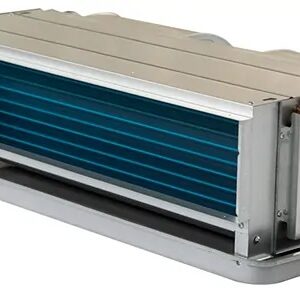
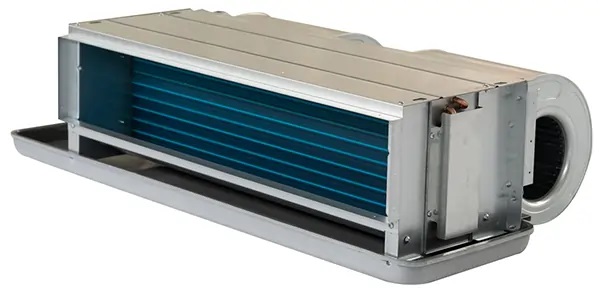
Ceiling Concealed Fan Coil Unit - High Efficiency HVAC Air Handling System
View Details
Ceiling Concealed Fan Coil Unit - High Efficiency HVAC Air Handling System
View Details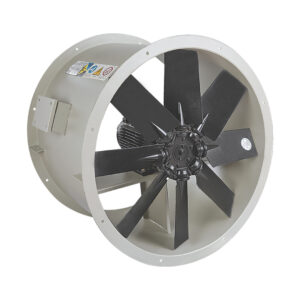
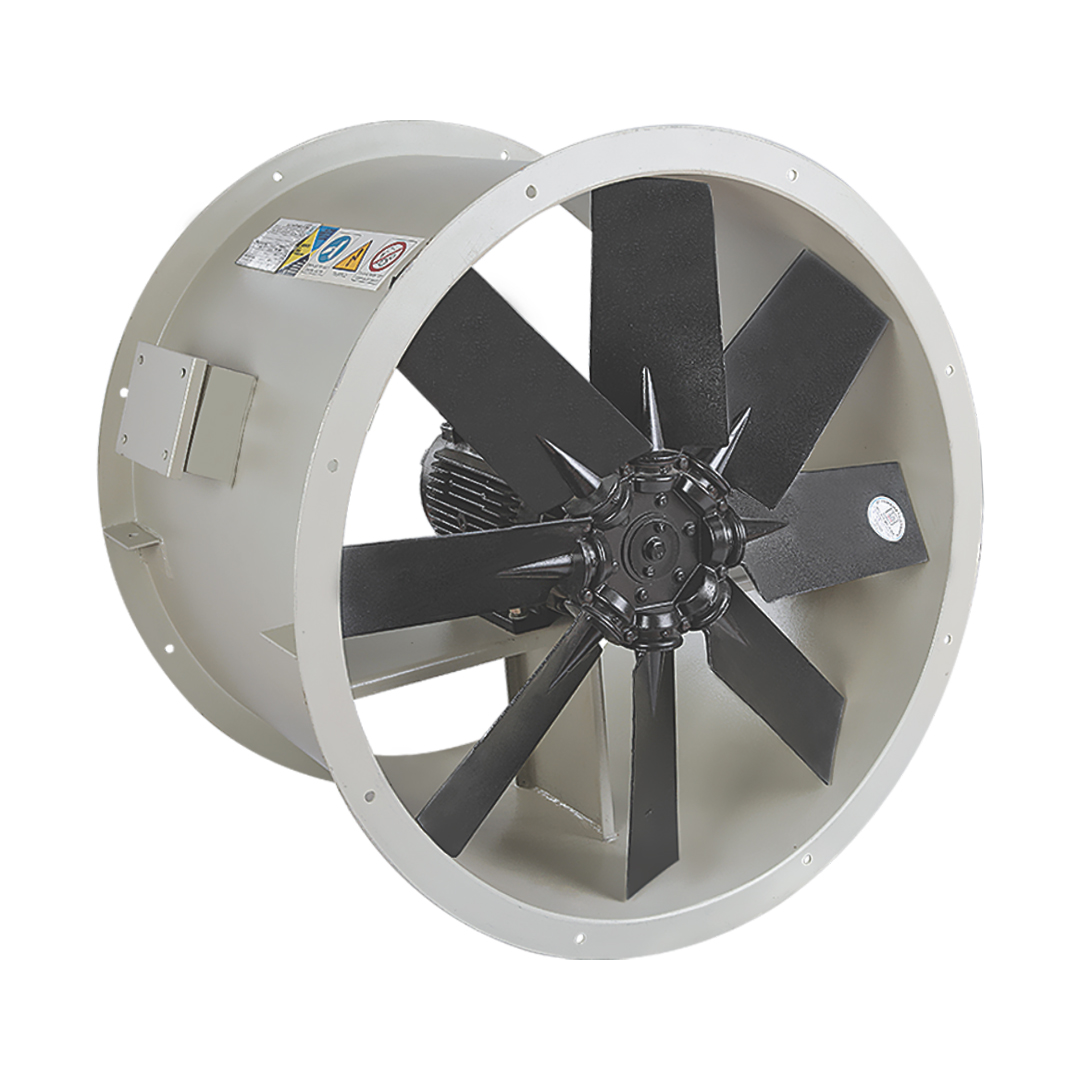
High-Temperature Axial Smoke Exhaust Fan - Industrial Ventilation System
View Details
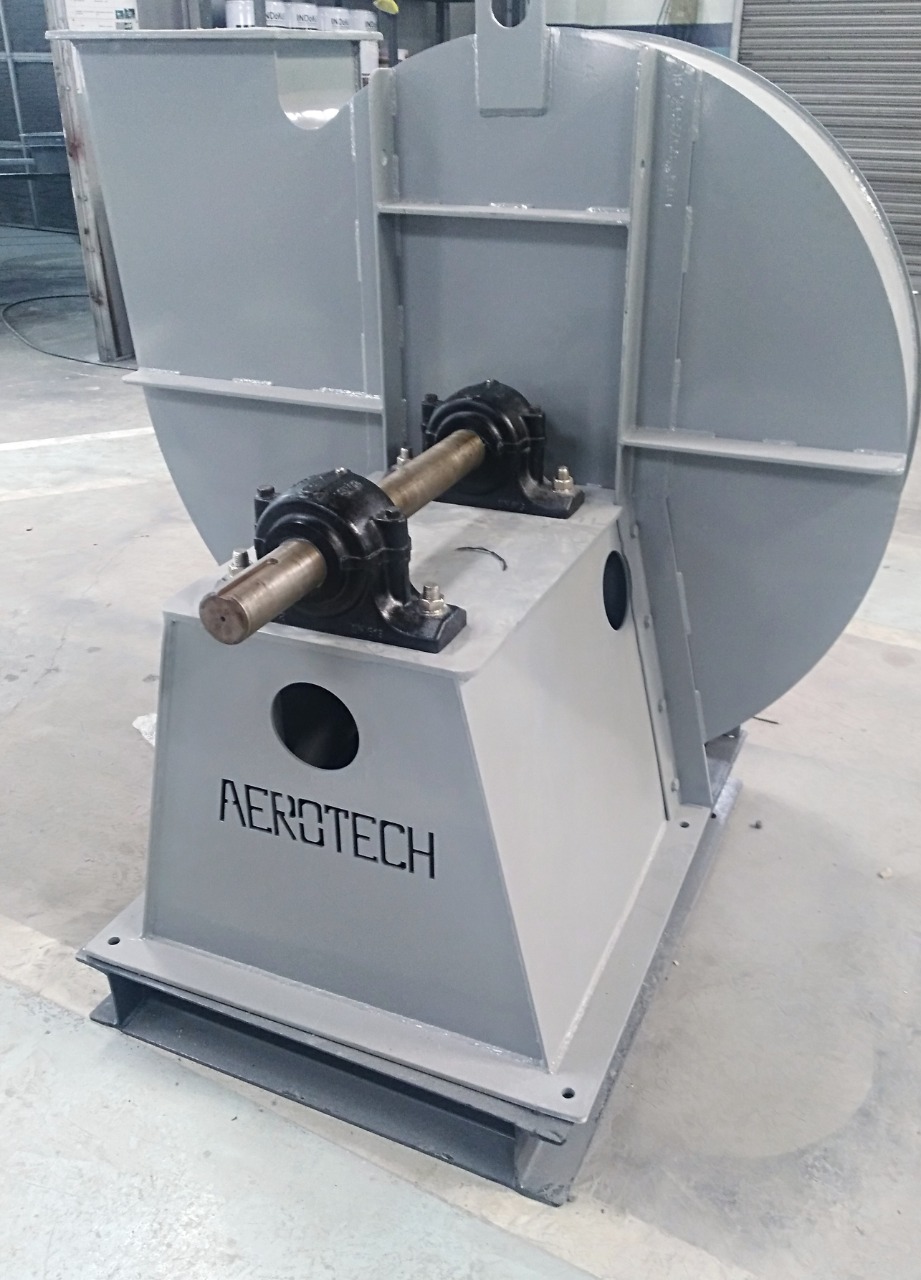
Heavy-Duty Industrial Fume Extraction Blower - High Efficiency Ventilation System
View Details
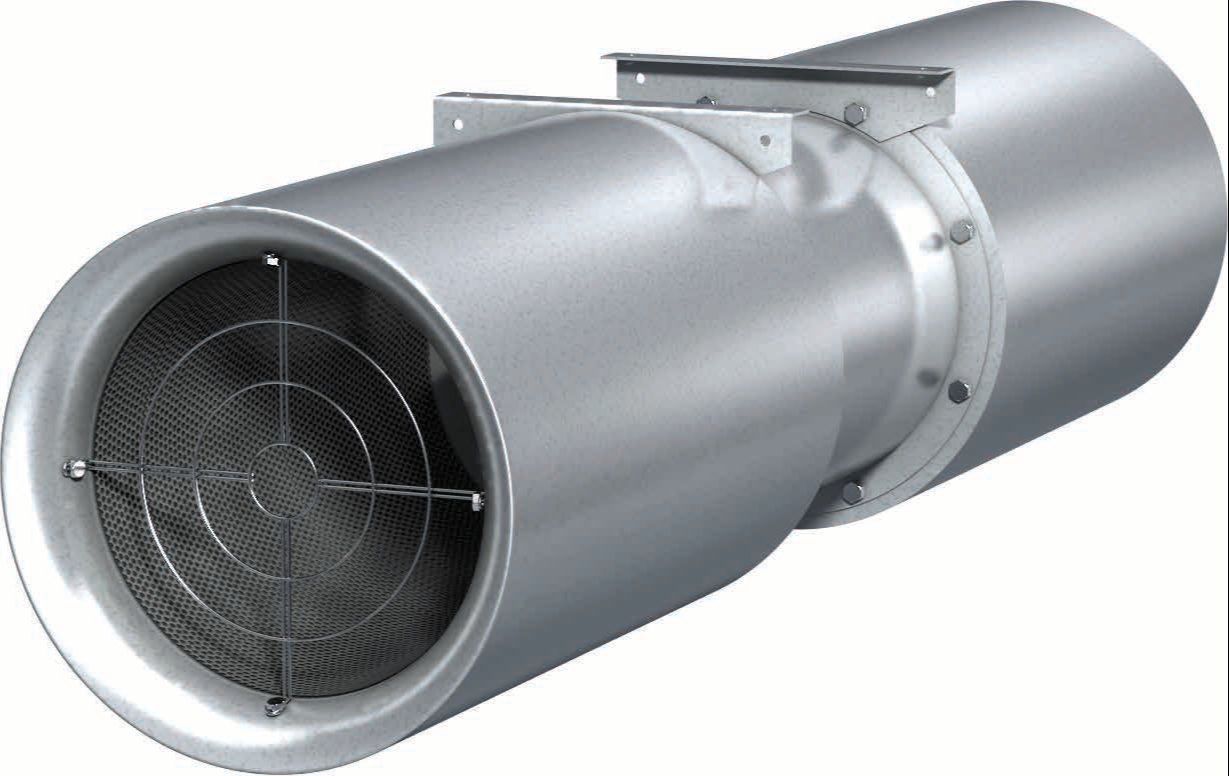
High-Performance Industrial Jet Fan - Tunnel and Garage Ventilation System
View Details
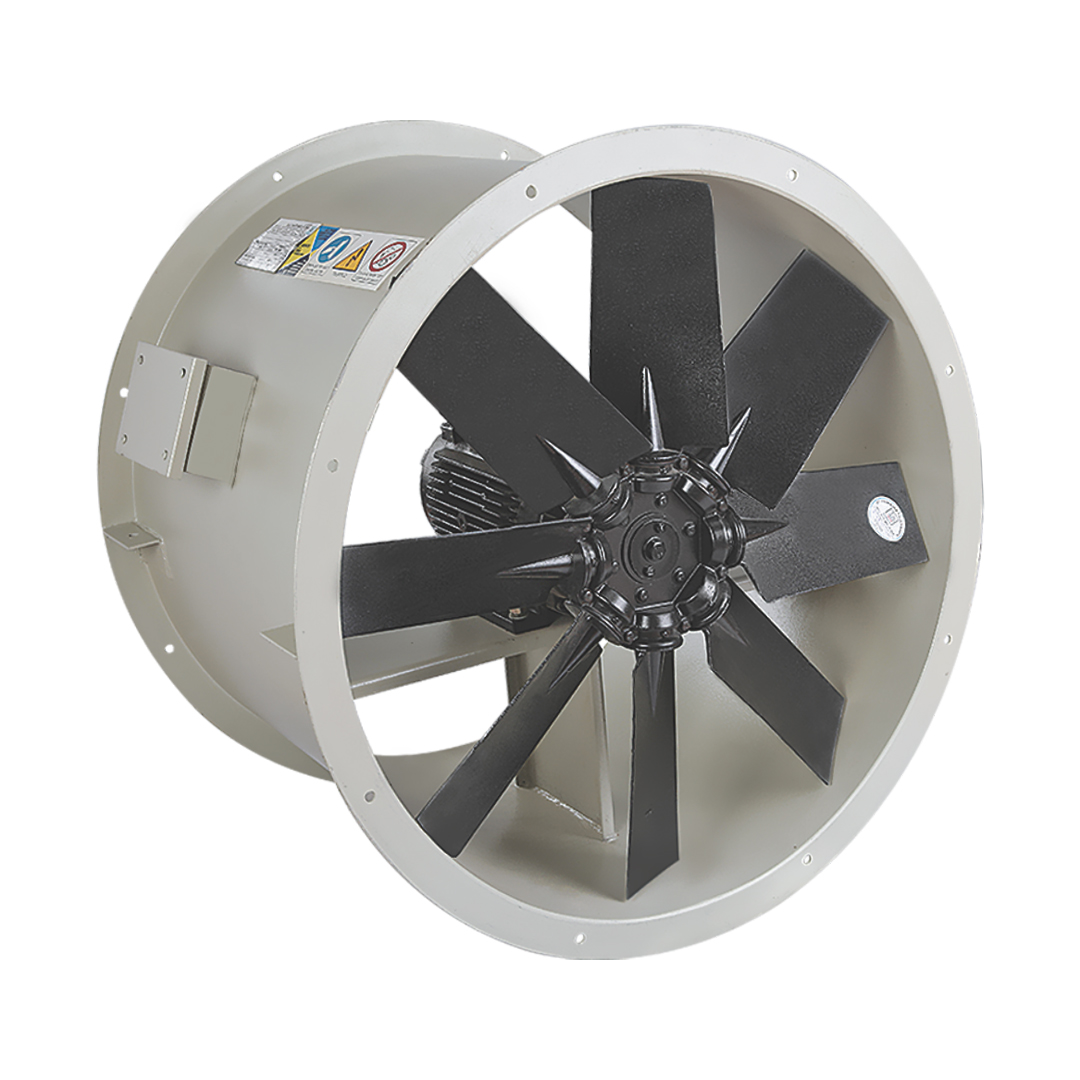
Industrial Axial Flow Exhaust Fan - High Airflow Metal Ventilation System
View Details
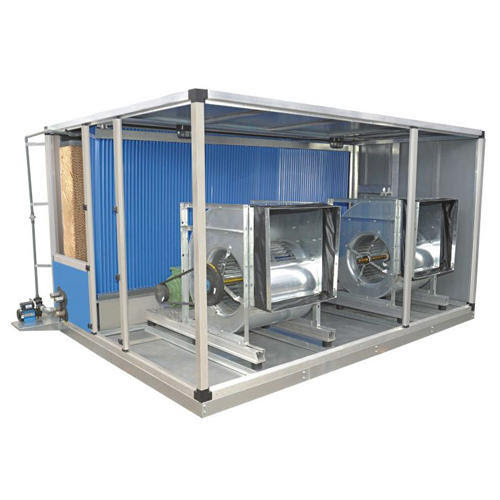
Industrial Fresh Air Handling Unit – High Efficiency Ventilation System
View Details
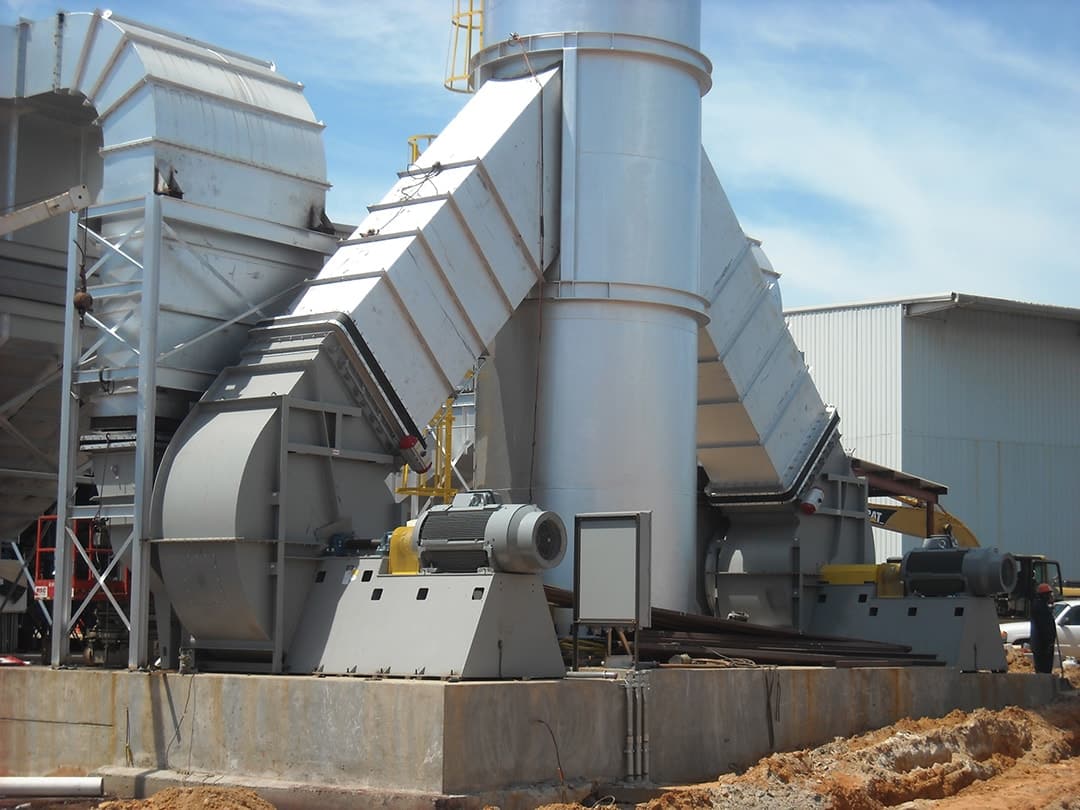
High-Capacity Industrial Centrifugal Ventilator - Heavy-Duty Airflow System
View Details
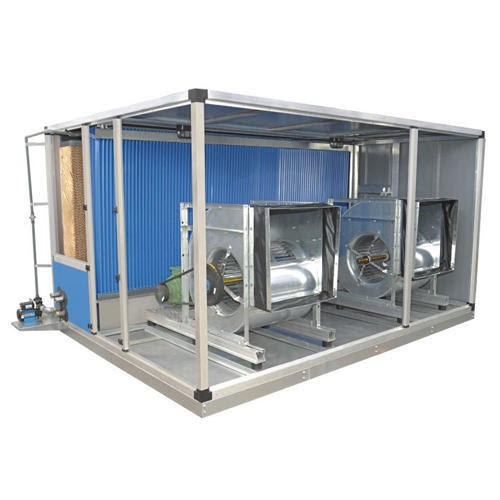
Industrial Evaporative Air Cooling Unit - High Efficiency HVAC System
View DetailsCellar ventilation systems play a key role in maintaining air quality, temperature balance, and safety in enclosed or underground spaces. Whether used in manufacturing plants, food processing facilities, or storage cellars, proper ventilation prevents moisture accumulation, corrosion, and contamination. It also helps ensure compliance with environmental and workplace safety standards.
These systems work by exchanging stale air with fresh air while maintaining pressure balance. A well-designed cellar ventilation system helps control humidity, reduce odor, and support energy-efficient operation across large or compact industrial setups.
Industrial cellar ventilation systems must meet strict safety and performance regulations. Aeppl designs and manufactures units that align with ISO and local standards, ensuring compliance with air quality and worker safety requirements. Each unit is tested for airflow rate, static pressure, and energy efficiency before installation.
| System Type | Best For | Energy Efficiency | Maintenance Frequency |
|---|---|---|---|
| Axial Flow Exhaust Fan | Large cellars needing high airflow | High | Low |
| Centrifugal Ventilator | Targeted exhaust or fume removal | Medium | Moderate |
| Fresh Air Handling Unit | Filtered and controlled ventilation | Very High | Low |
The right choice depends on cellar size, process type, and environmental conditions. Aeppl engineers guide clients through system selection and configuration to achieve optimal results.
Cellar ventilation systems are essential in breweries, wineries, pharmaceutical storage, and underground manufacturing areas. Air circulation affects both product quality and worker comfort. In spaces where temperature-sensitive processes occur, such as fermentation or curing, proper ventilation ensures consistency and safety.
Modern industrial ventilation focuses on energy optimization and smart controls. Aeppl designs automation-ready cellar ventilation systems that can be monitored remotely. Sensors and programmable controllers help maintain steady air quality while reducing power use and maintenance costs.
Cellar ventilation systems often integrate with other air handling units available from Aeppl:
Each unit is designed for smooth integration with existing HVAC or process ventilation setups, ensuring balanced airflow throughout the cellar.
Aeppl offers complete technical assistance from design to commissioning. Systems are customized for site-specific conditions such as airflow pattern, humidity level, and available space. The engineering team focuses on reliability, service access, and long-term efficiency to help facilities achieve sustainability and safety goals.
| Parameter | Standard Range | Custom Option |
|---|---|---|
| Airflow Capacity | Up to 120,000 CFM | Configured per project |
| Motor Power | 0.75 to 75 kW | Energy-saving variants available |
| Material | Galvanized steel or aluminum | Stainless steel for corrosive environments |
Aerotech Equipments and Projects Pvt. Ltd. (Aeppl) is an Indian manufacturer and exporter of industrial air handling and ventilation equipment. With decades of hands-on engineering experience, Aeppl delivers reliable, energy-efficient solutions for heavy-duty applications worldwide. Visit Aeppl
A cellar ventilation system removes stale air and introduces fresh air in enclosed or underground spaces to maintain air quality and safety.
Ventilation prevents humidity buildup, odors, and harmful gases while maintaining stable temperature and air quality for safe operations.
Energy-efficient motors and variable speed controls help regulate airflow while minimizing electricity consumption.
Yes, many systems include sensors and programmable controllers for remote monitoring and adjustment.
Size, air volume, humidity level, and process type determine system design and configuration.
Yes, they are common in breweries, wineries, and cold storage facilities to control air quality and prevent contamination.
Regular maintenance every 6 to 12 months helps ensure consistent performance and reliability.
Yes, they can be integrated with current air handling or cooling systems for complete environmental control.
Aeppl provides custom-engineered solutions tailored to specific airflow and environmental needs.
Contact Aeppl at +91-9599785811, +91 8377077661, or +91 9810162210, or email sales@aeppl.com for details and quotes.