
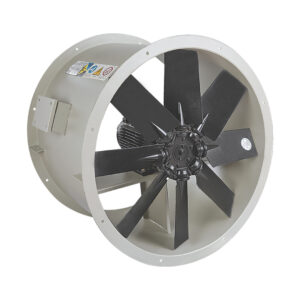
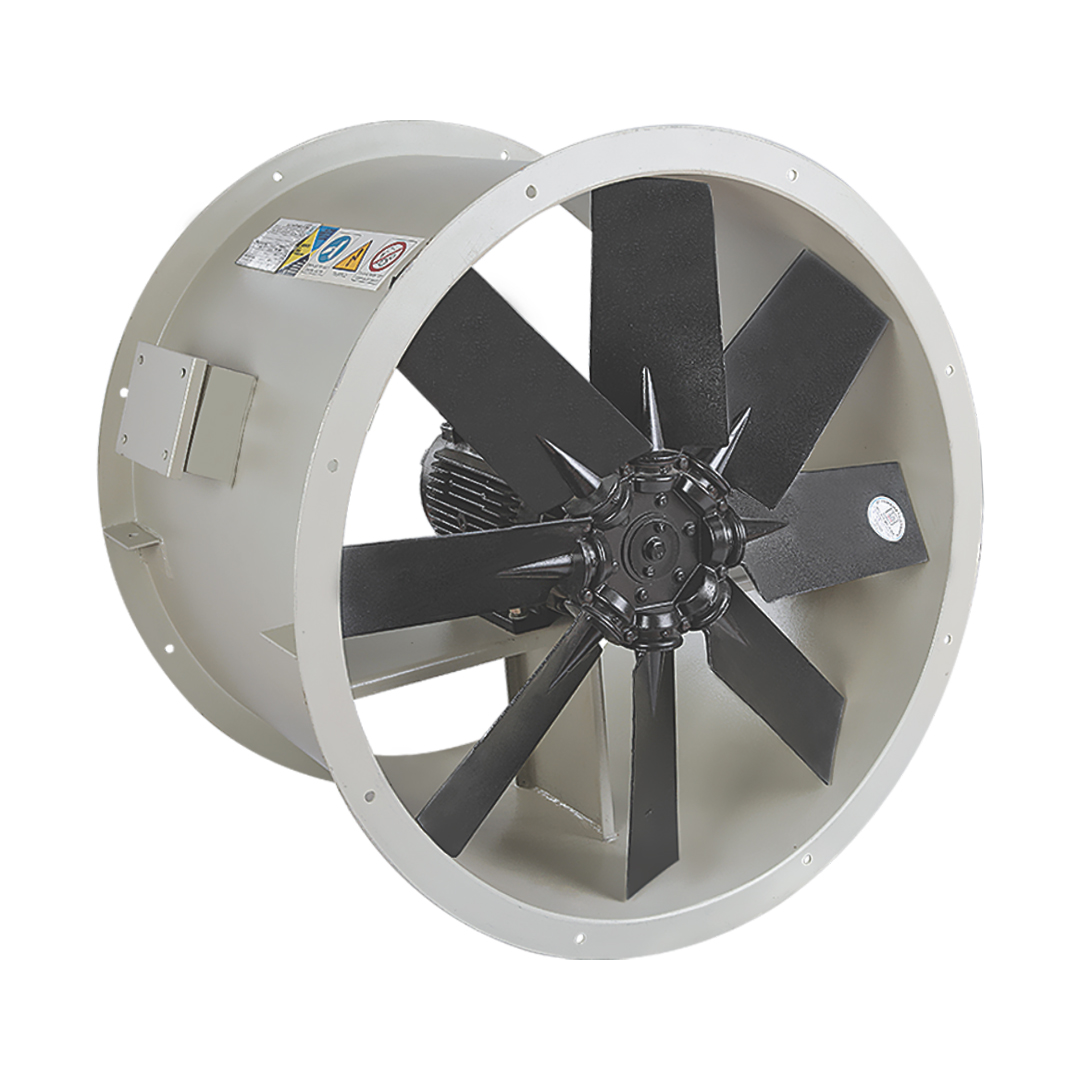
High-Temperature Axial Smoke Exhaust Fan - Industrial Ventilation System
View Details
High-Temperature Axial Smoke Exhaust Fan - Industrial Ventilation System
View Details
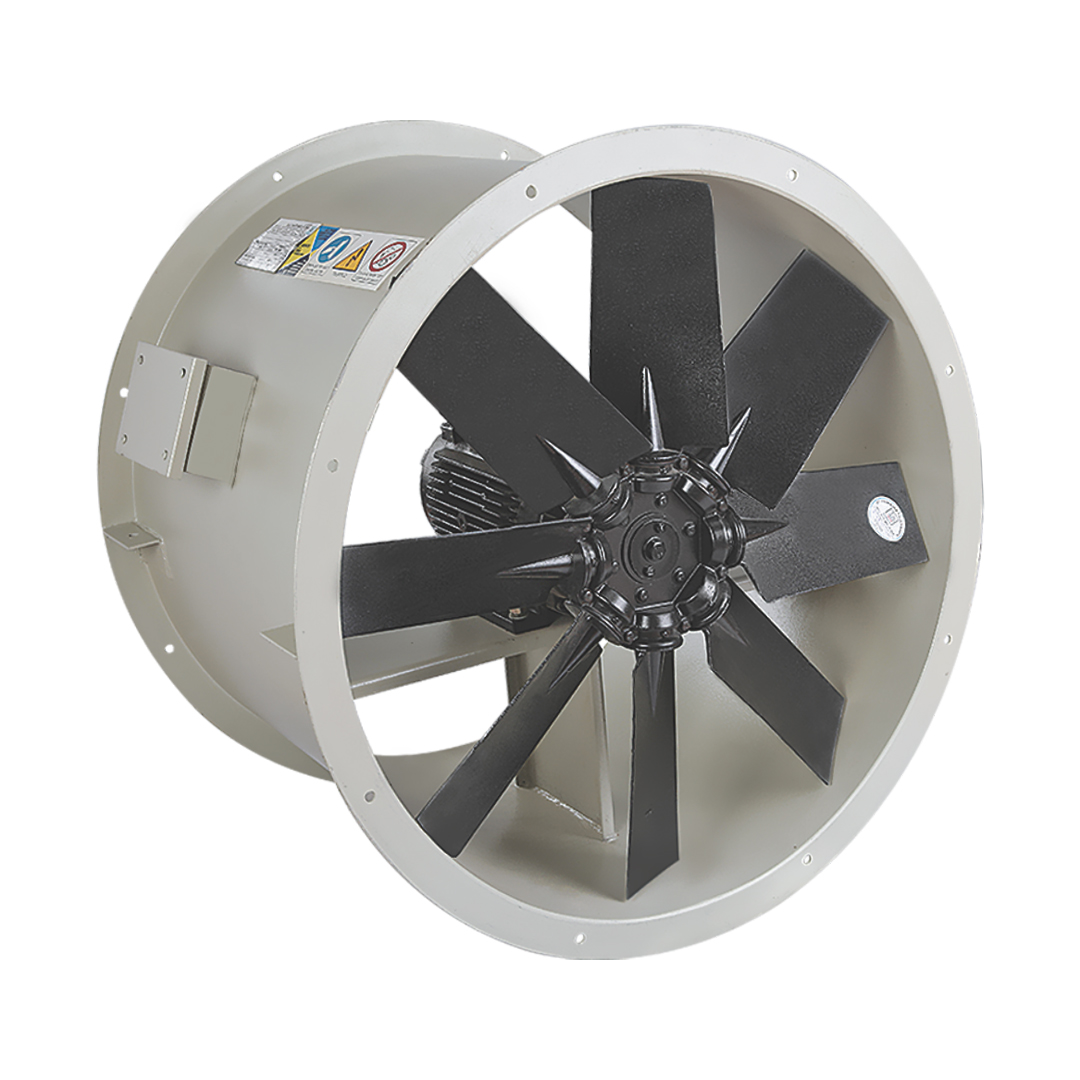
Industrial Axial Flow Exhaust Fan - High Airflow Metal Ventilation System
View Details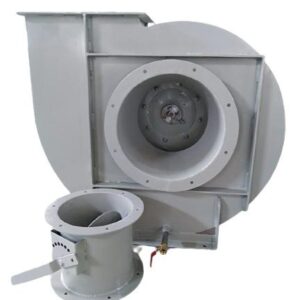
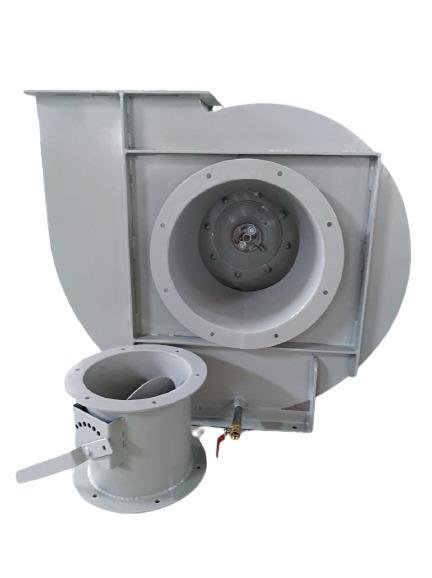
Industrial Kitchen Exhaust Centrifugal Blower Fan – High Efficiency Ventilation System
View Details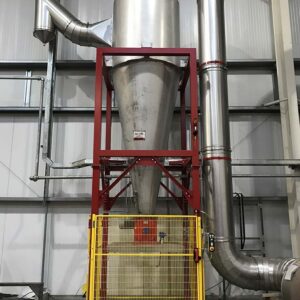

Industrial Venturi Scrubber System - High-Efficiency Air Pollution Control Unit
View Details
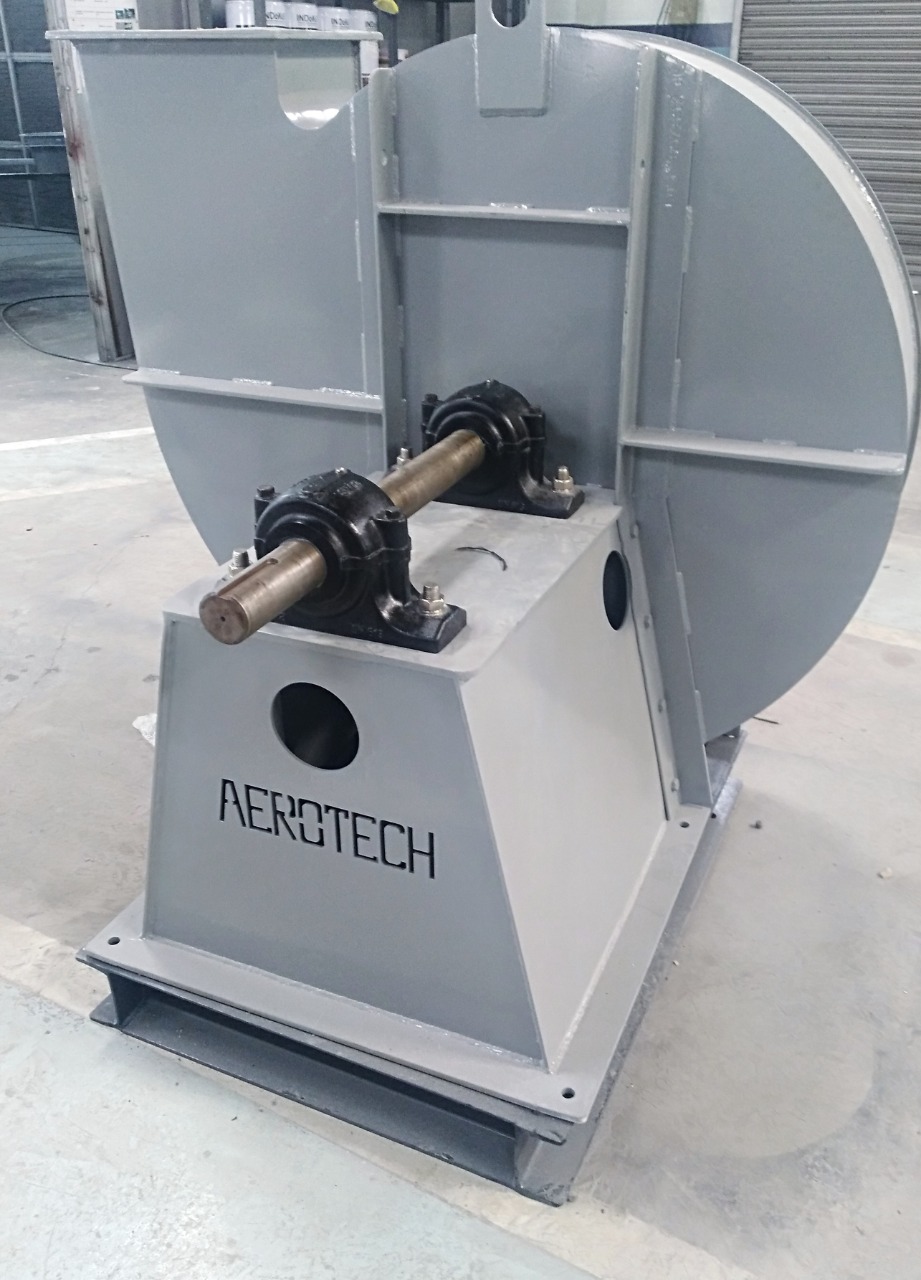
Industrial Centrifugal Air Ventilation System – Heavy Duty Steel Housing
View Details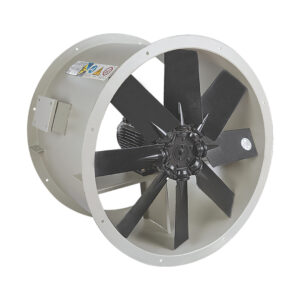

Industrial Axial Metal Exhaust Fan – High Airflow Ventilation System
View Details
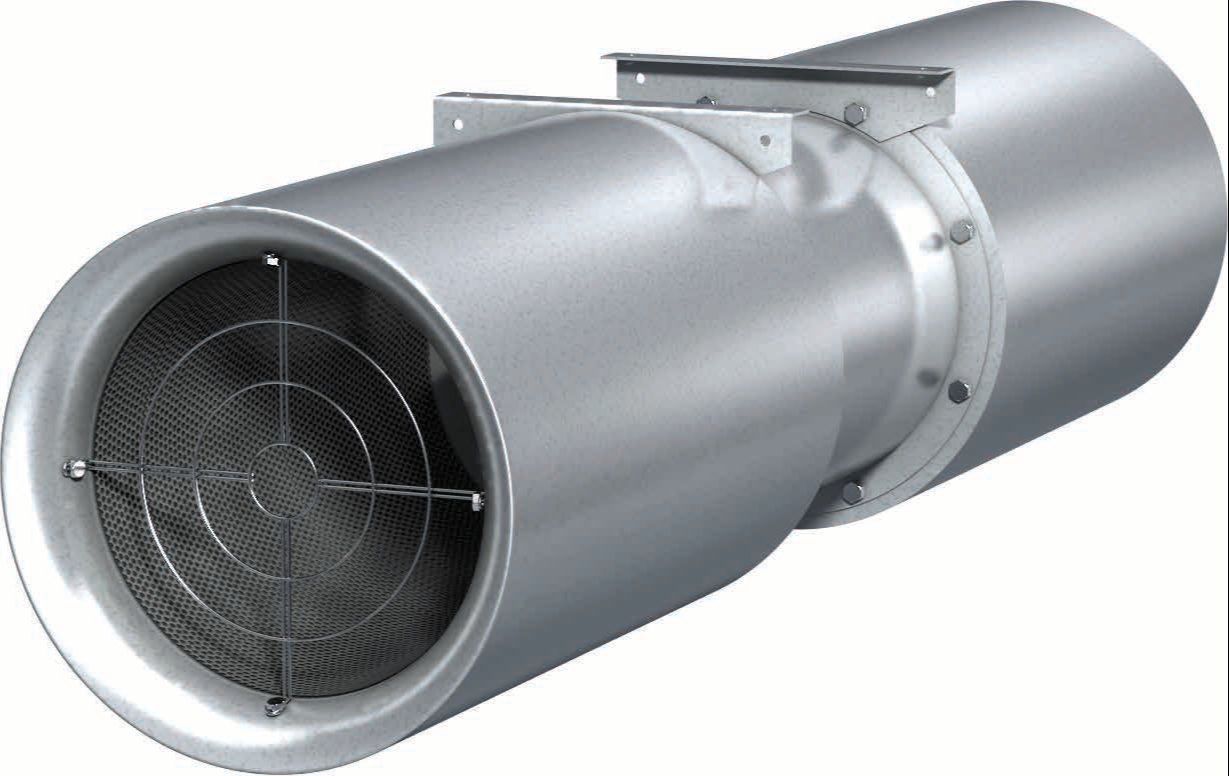
High-Performance Industrial Jet Fan - Tunnel and Garage Ventilation System
View Details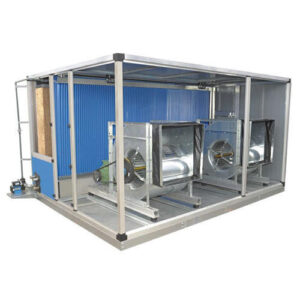

Industrial Air Cooling System with Dual Centrifugal Blowers – High Efficiency HVAC Unit
View DetailsMaintaining clean air and a safe workspace in a paint shop is essential for both worker health and product quality. A well-designed ventilation system removes fumes, dust, and overspray, keeping the environment compliant with safety standards and comfortable for daily operations.
Paint shops generate volatile organic compounds (VOCs), fine particulates, and chemical vapors that can harm both people and equipment. Without proper airflow management, these pollutants accumulate, leading to poor air quality and potential fire hazards. A reliable ventilation system ensures continuous air exchange, helping maintain the right balance between safety and performance.
Every ventilation setup has several key components working together:
When designing a ventilation system for a paint shop, several factors influence the final layout and performance. These include the size of the workspace, type of paint used, frequency of operations, and local safety codes. Proper air changes per hour (ACH) must be calculated to ensure removal of airborne contaminants while maintaining energy efficiency.
Temperature control is also important. A good ventilation system prevents heat buildup from spray booths and drying ovens, keeping the shop comfortable year-round.
Paint shop ventilation systems generally fall into two categories:
Choosing between these options depends on your production scale, available space, and finishing requirements.
Regular maintenance ensures that your ventilation system keeps performing effectively. Filters should be checked and replaced according to manufacturer recommendations, and ductwork should be inspected for buildup or blockages. Monitoring air pressure and airflow rates helps detect early signs of system wear or imbalance.
Always follow safety guidelines for handling paints and solvents. Proper ventilation reduces exposure risks, but personal protective equipment (PPE) should still be used when spraying or mixing chemicals.
Modern ventilation systems are designed with energy efficiency in mind. Variable speed fans and smart control systems can adjust airflow based on activity levels, reducing power consumption during idle periods. Investing in high-efficiency filters and well-insulated ductwork can also lower operating costs over time.
Professional installation is key to achieving optimal airflow and compliance with safety regulations. A qualified technician will assess your space, determine airflow requirements, and position fans and ducts for maximum efficiency. Correct placement prevents dead zones and ensures even air distribution throughout the shop.
Before purchasing, evaluate your shop’s needs. Consider paint types, booth size, and production volume. Look for systems that meet local environmental standards and are easy to maintain. Aeppl offers dependable ventilation solutions designed for paint shop environments, combining effective air management with durable construction.
| Feature | Benefit |
|---|---|
| High-efficiency fans | Improved airflow and reduced energy use |
| Modular duct design | Easy installation and maintenance |
| Advanced filtration | Cleaner air and better finish quality |
Beyond installing a ventilation system, there are practical steps to keep air clean. Ensure all paints and solvents are stored properly, use localized exhaust near mixing stations, and maintain consistent cleaning schedules. Good housekeeping complements mechanical ventilation, reducing contamination and improving workflow.
Ready to upgrade your paint shop with a reliable ventilation system? Explore durable solutions built for performance and safety.
Aeppl designs and manufactures industrial ventilation systems tailored for paint shop applications. Our products combine precision engineering with practical usability to help professionals maintain safe, efficient workspaces. Visit Aeppl
Ventilation removes harmful fumes and airborne particles, protecting workers and ensuring a clean finish on painted surfaces.
Filters should be checked monthly and replaced according to manufacturer recommendations or when airflow performance drops.
Crossdraft systems are often ideal for smaller spaces due to their simple layout and cost-effective installation.
Yes, a properly balanced ventilation system captures overspray and directs it through filters, keeping surfaces cleaner.
Modern systems with variable speed controls can adjust airflow based on usage, reducing energy consumption over time.
Signs include reduced airflow, uneven air distribution, or visible buildup in ducts. Regular inspections help prevent issues.
Downdraft systems provide cleaner finishes by directing air downward, but they may require more space and higher installation costs.
Local building codes and OSHA regulations outline airflow requirements and safety measures for paint shop ventilation.
Yes, Aeppl provides tailored ventilation systems designed for specific paint shop sizes and production needs.
You can purchase Aeppl ventilation systems directly through the official website at https://aeppl.com.