
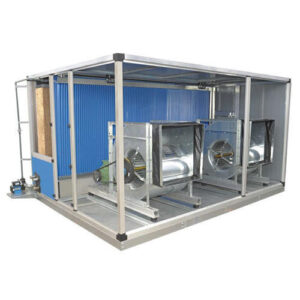
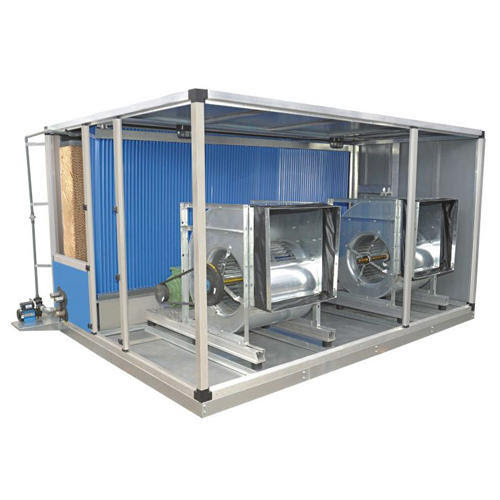
Industrial Fresh Air Handling Unit – High Efficiency Ventilation System
View Details
Industrial Fresh Air Handling Unit – High Efficiency Ventilation System
View Details
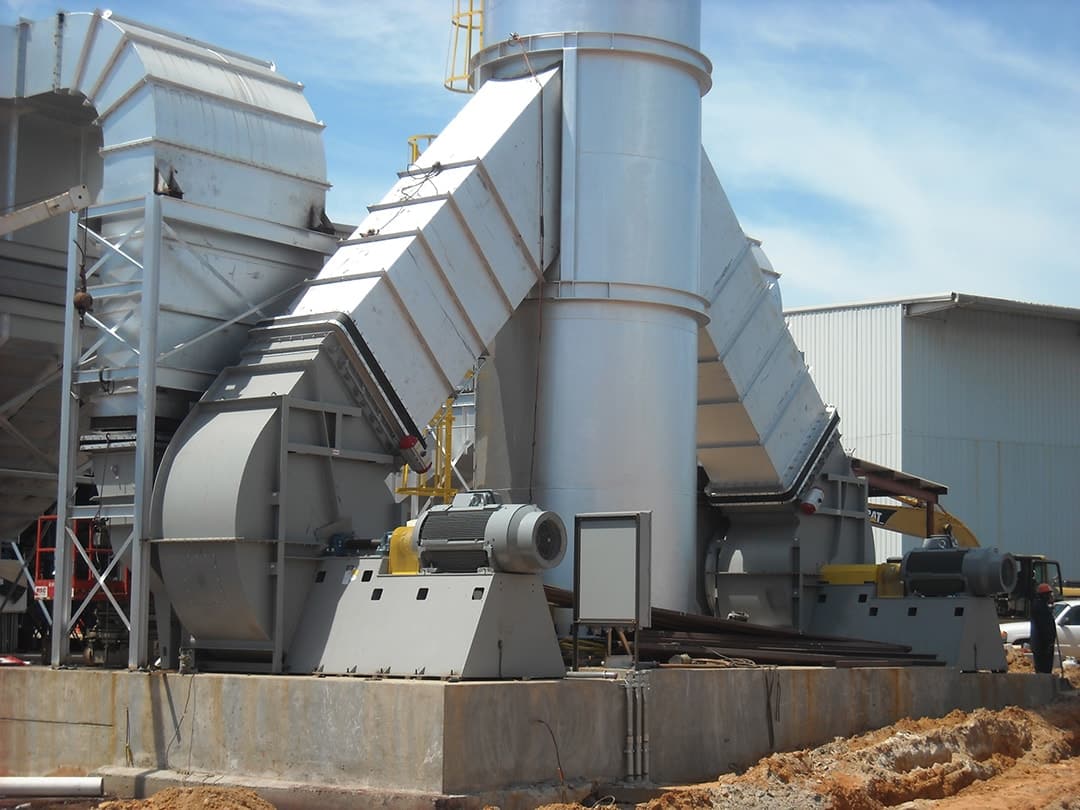
Industrial Smoke Spill Exhaust Unit - High-Temperature Ventilation System
View Details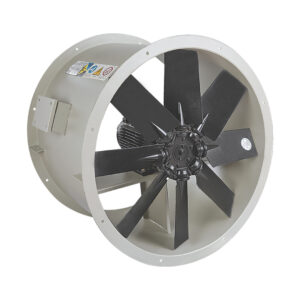
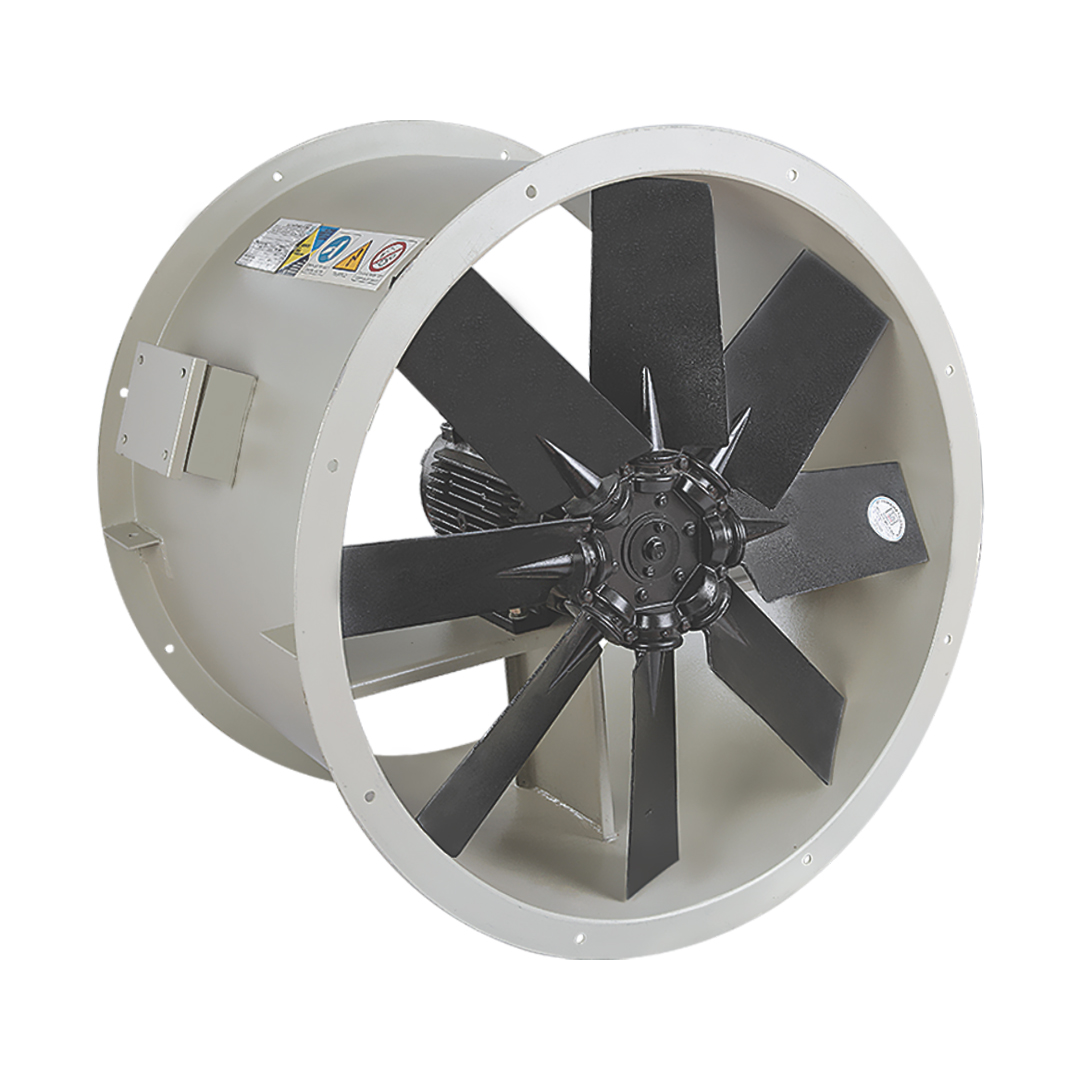
High-Temperature Axial Smoke Exhaust Fan - Industrial Ventilation System
View Details
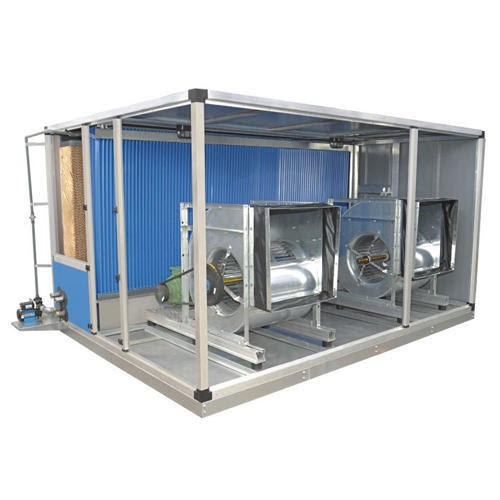
Industrial Evaporative Air Cooling Unit - High Efficiency HVAC System
View Details
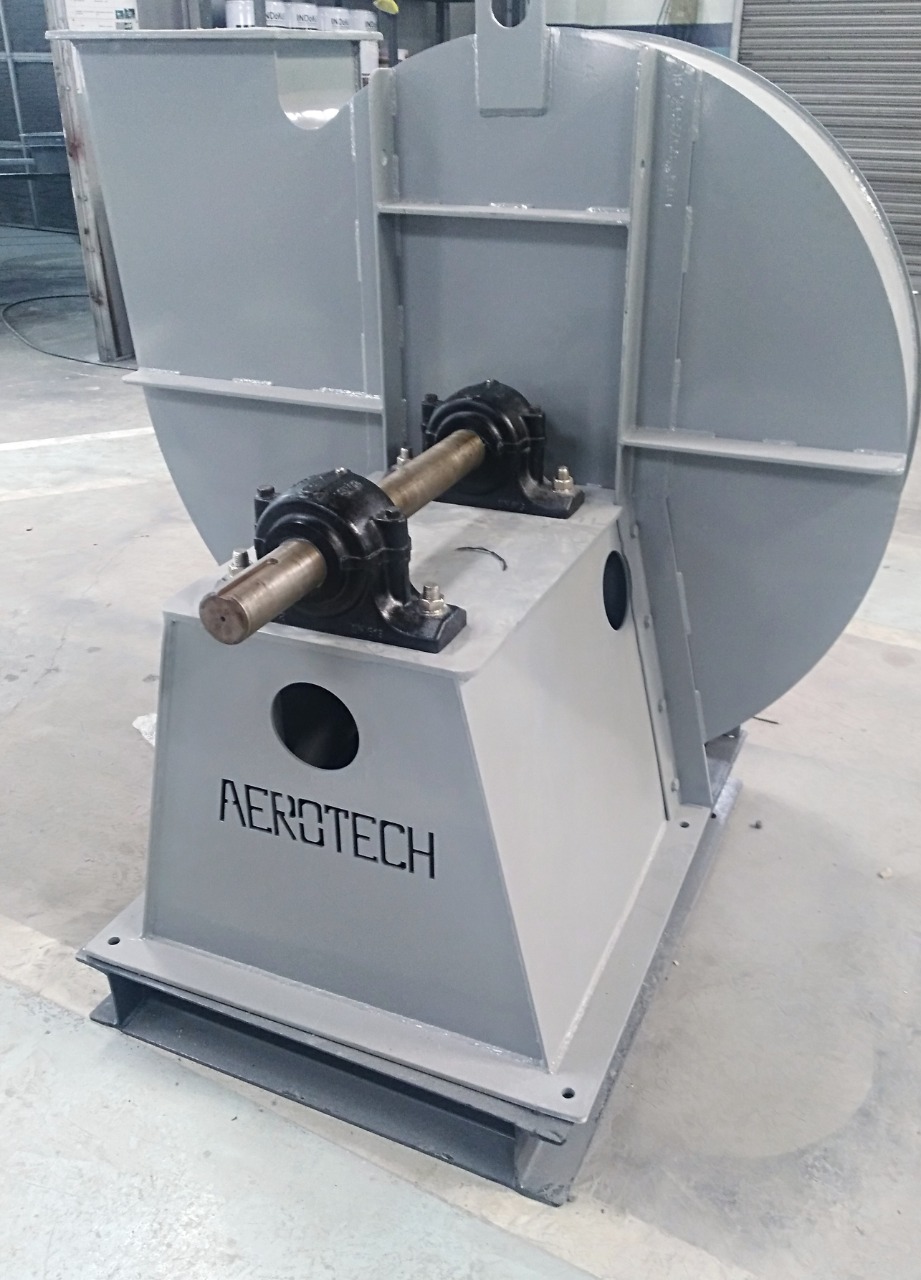
Heavy-Duty Industrial Fume Extraction Blower - High Efficiency Ventilation System
View Details
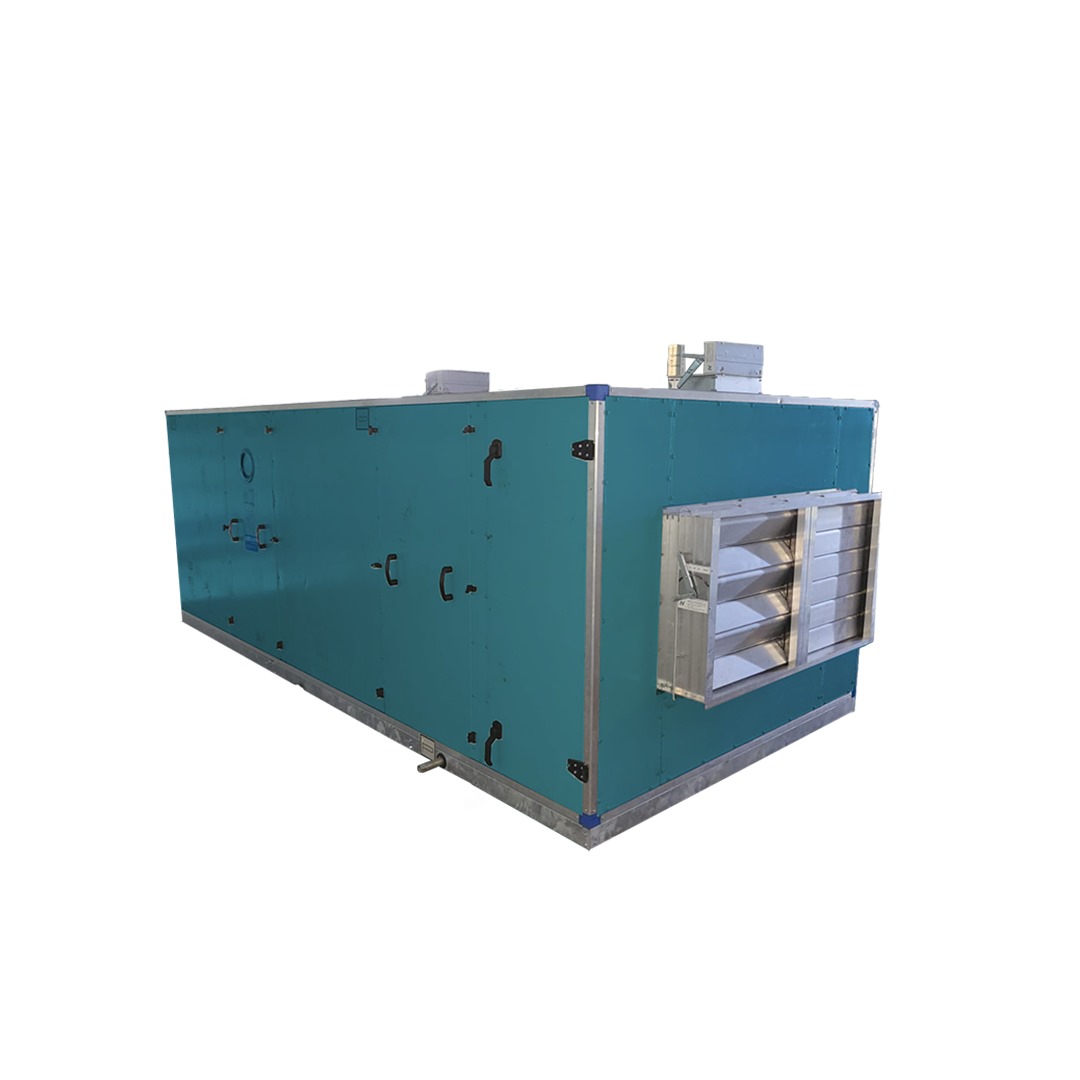
Ceiling Suspended Air Handling Unit – High Efficiency HVAC System for Commercial Use
View Details
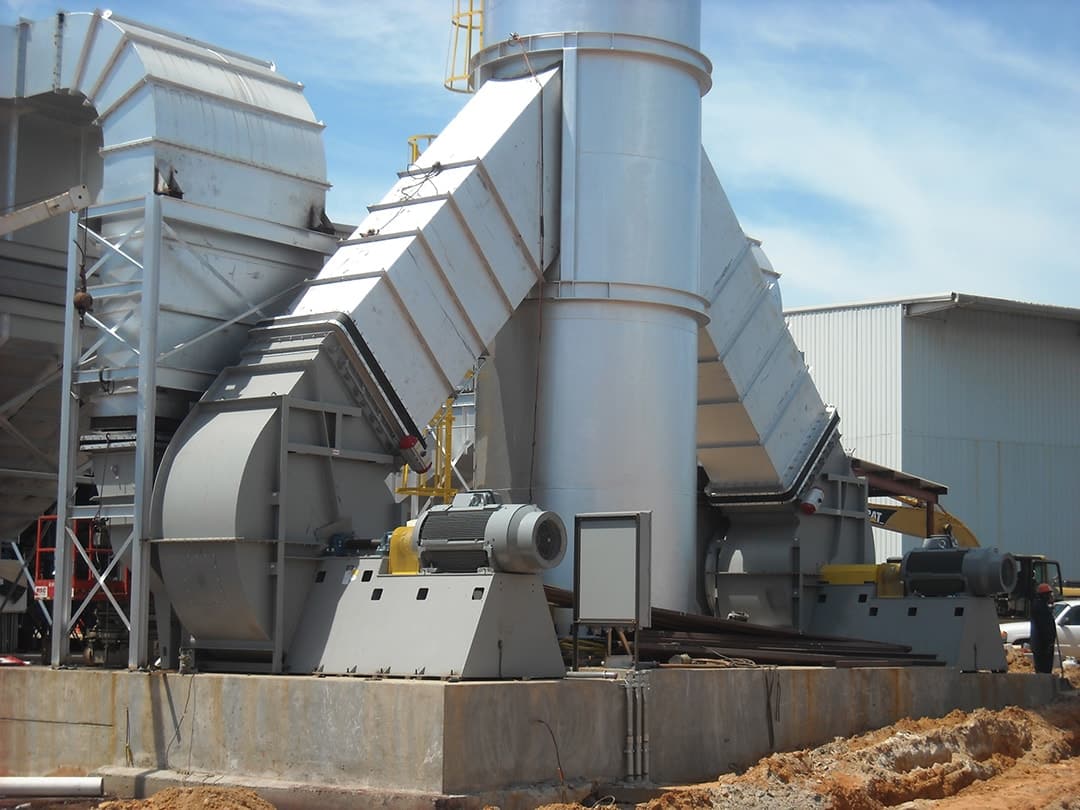
High-Capacity Industrial Centrifugal Ventilator - Heavy-Duty Airflow System
View Details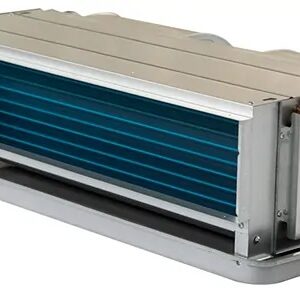
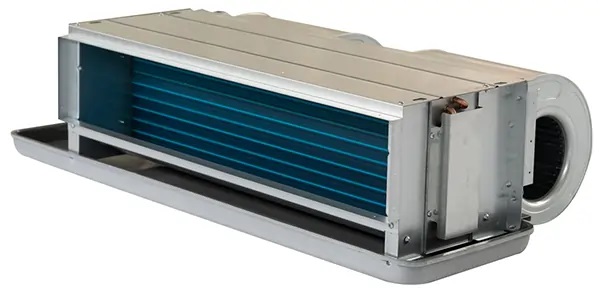
Ceiling Concealed Fan Coil Unit - High Efficiency HVAC Air Handling System
View DetailsWarehouses depend on effective ventilation to keep air fresh, manage heat, and protect stored goods. A well-planned system helps maintain comfortable working conditions and supports compliance with safety and environmental regulations. Whether managing a logistics hub or a large manufacturing site, proper airflow is vital for both worker health and equipment performance.
Good ventilation reduces energy costs by preventing heat buildup and keeping humidity under control. It also minimizes dust, fumes, and odors that can affect productivity and storage quality. Choosing the right setup can make a noticeable difference in daily operations and long-term maintenance costs.
Warehouse ventilation can be mechanical or natural depending on the building size and local climate. Some of the most effective options include:
| System Type | Airflow Capacity | Energy Efficiency | Best Use |
|---|---|---|---|
| HVLS Fans | High | Very High | General air movement |
| Exhaust Units | Medium to High | High | Removing heat and fumes |
| Air Handling Units | Variable | High | Controlled ventilation and cooling |
| Evaporative Cooling Units | High | Excellent | Cooling large open spaces |
Every warehouse has different ventilation needs. Engineers look at airflow paths, temperature zones, and dust control when designing a system. The goal is to keep air moving evenly through the space without creating drafts or dead zones. Filters and exhaust placement also matter to ensure clean air and efficient removal of contaminants.
Many facilities now use monitoring and control systems that adjust ventilation based on temperature and occupancy. This helps reduce energy waste and maintain consistent air quality throughout the workday.
Energy-efficient ventilation systems are becoming standard in industrial buildings. Using efficient motors, variable speed drives, and smart controls allows warehouses to cut power consumption while keeping airflow steady. Sustainable designs also reduce carbon footprint and support compliance with environmental guidelines.
Decision-makers look for ventilation systems that are durable and easy to maintain. Working with an experienced manufacturer ensures proper design, installation, and long-term support. Aeppl specializes in industrial ventilation solutions that combine performance with energy efficiency, helping facilities meet both operational and environmental goals.
Warehouse ventilation often connects with HVAC and automation systems for unified control. Integrated sensors can measure temperature and air quality, adjusting fan speeds or exhaust rates automatically. This approach creates a balanced environment and simplifies facility management.
| Feature | Standard Setup | Engineered Solution |
|---|---|---|
| Control Method | Manual or fixed | Automated and adjustable |
| Air Quality Monitoring | Limited | Built-in sensors |
| Energy Use | Higher | Optimized for efficiency |
| Maintenance | Frequent | Predictive and scheduled |
For customized ventilation systems for warehouses, contact Aeppl's engineering team at +91-9599785811, +91 8377077661, or +91 9810162210, or email sales@aeppl.com.
Aerotech Equipments and Projects Pvt. Ltd. (Aeppl) designs and manufactures industrial air handling and ventilation systems for warehouses and factories. With decades of engineering experience, Aeppl provides dependable, energy-efficient solutions built for demanding environments. Visit Aeppl
They maintain air quality, control temperature, and remove dust and fumes, creating a safer and more efficient workspace.
Typical options include HVLS fans, exhaust units, air handling systems, and evaporative coolers based on facility size and needs.
By reducing heat buildup and maintaining consistent airflow, cooling demand decreases and energy costs drop.
Yes, many modern systems use sensors and control panels to adjust airflow and temperature automatically.
Designers assess airflow patterns, heat load, humidity, storage materials, and local climate to create balanced systems.
They remove airborne particles, control temperature, and improve oxygen levels, reducing risks of heat stress and respiratory issues.
Natural ventilation relies on openings and air movement, while mechanical systems use fans and ducts for controlled airflow.
Yes, they can be adapted for various layouts and industries to achieve optimal air quality and efficiency.
Aeppl designs and builds ventilation systems tailored to specific warehouse conditions and operational requirements.
You can reach Aeppl at +91-9599785811, +91 8377077661, +91 9810162210 or email sales@aeppl.com for expert assistance.