

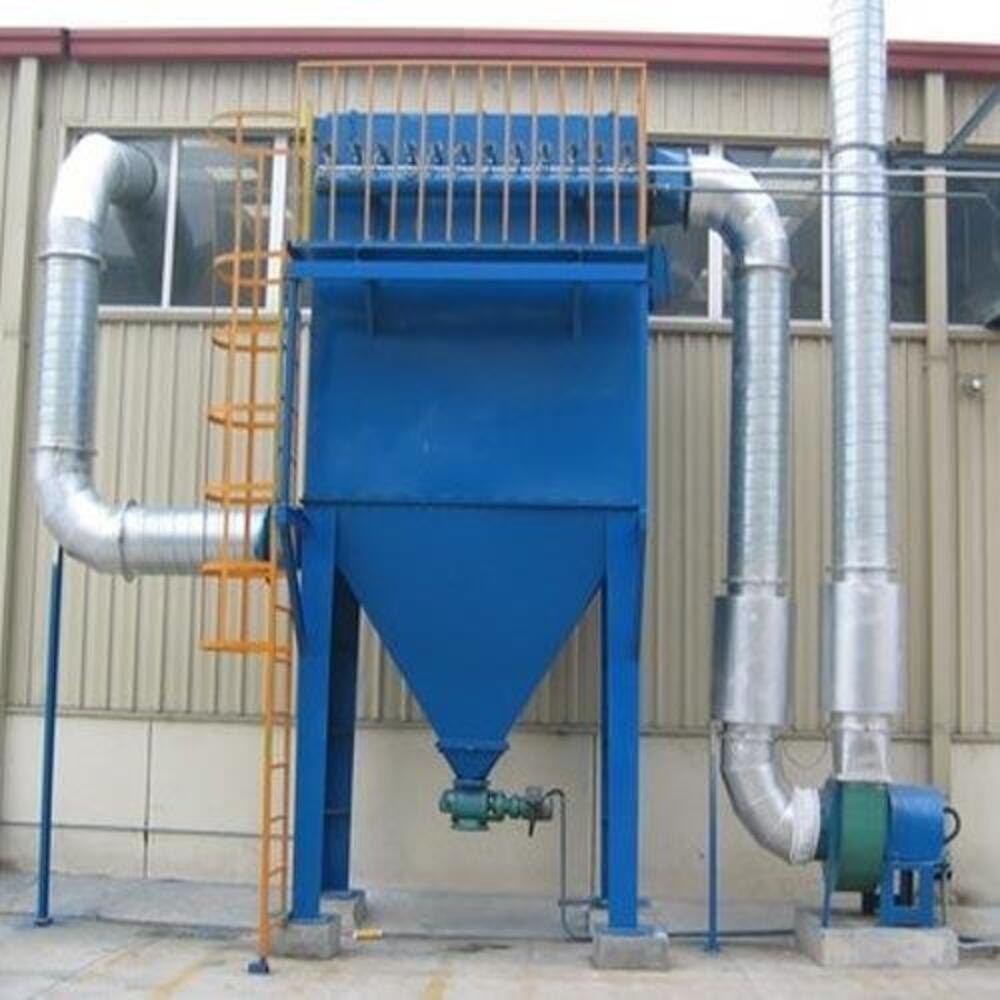
Industrial Mechanical Dust Collector System - High-Efficiency Air Filtration Unit
View Details
Industrial Mechanical Dust Collector System - High-Efficiency Air Filtration Unit
View Details
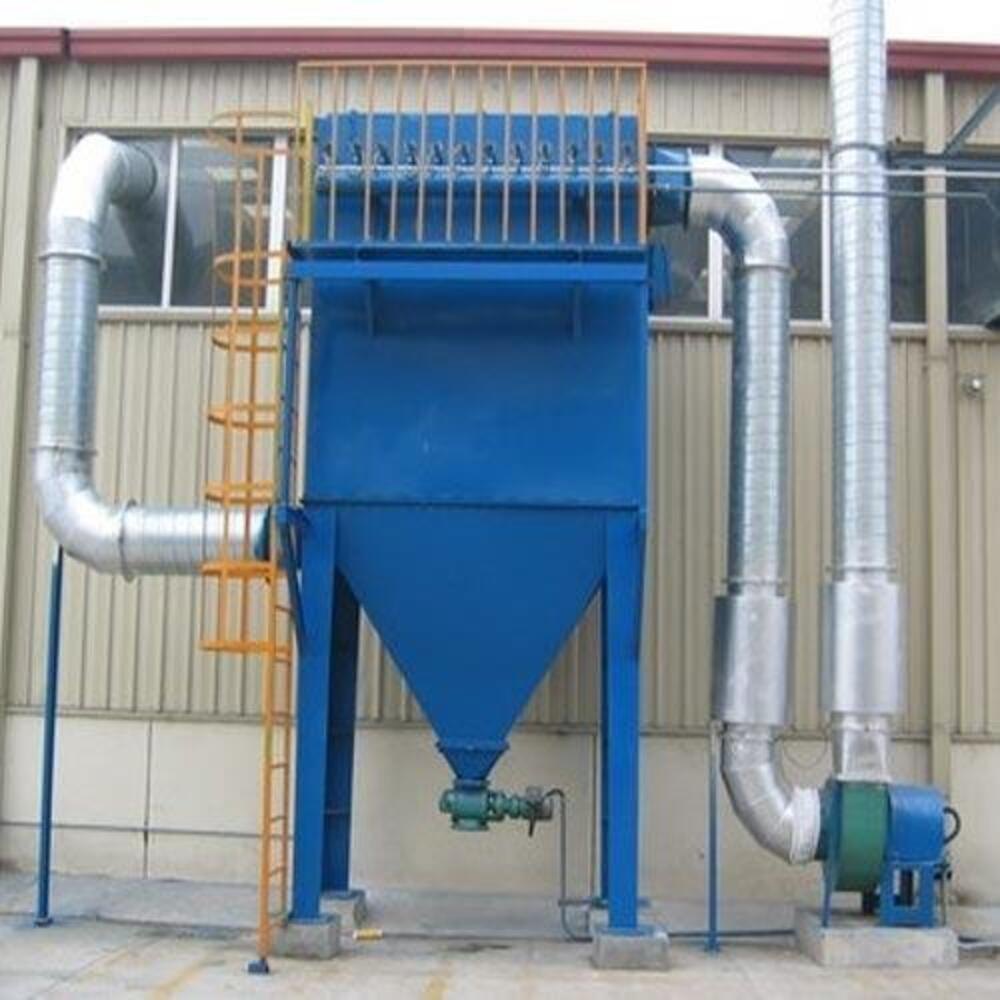
Industrial Dust Collection and Air Pollution Control System – High Efficiency Filter Unit
View Details
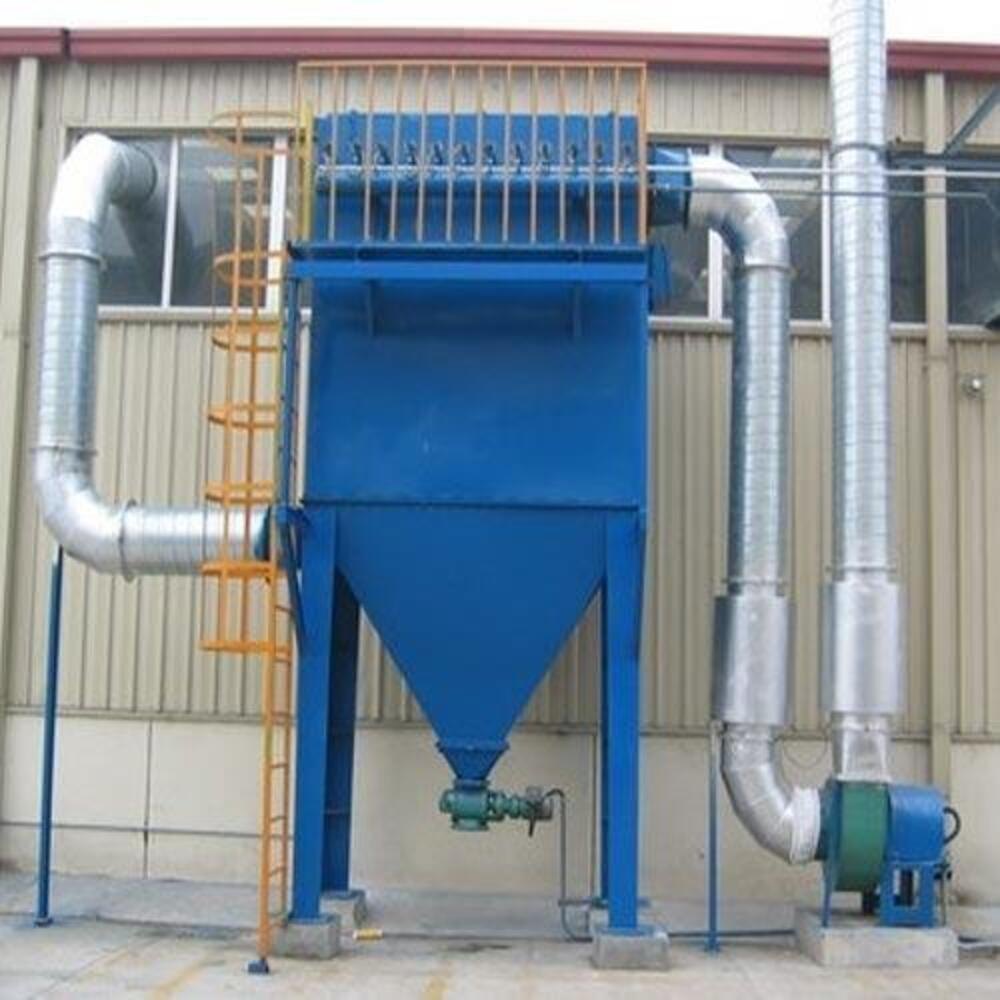
Industrial Dust Collector System – High Efficiency Air Pollution Control Unit
View Details
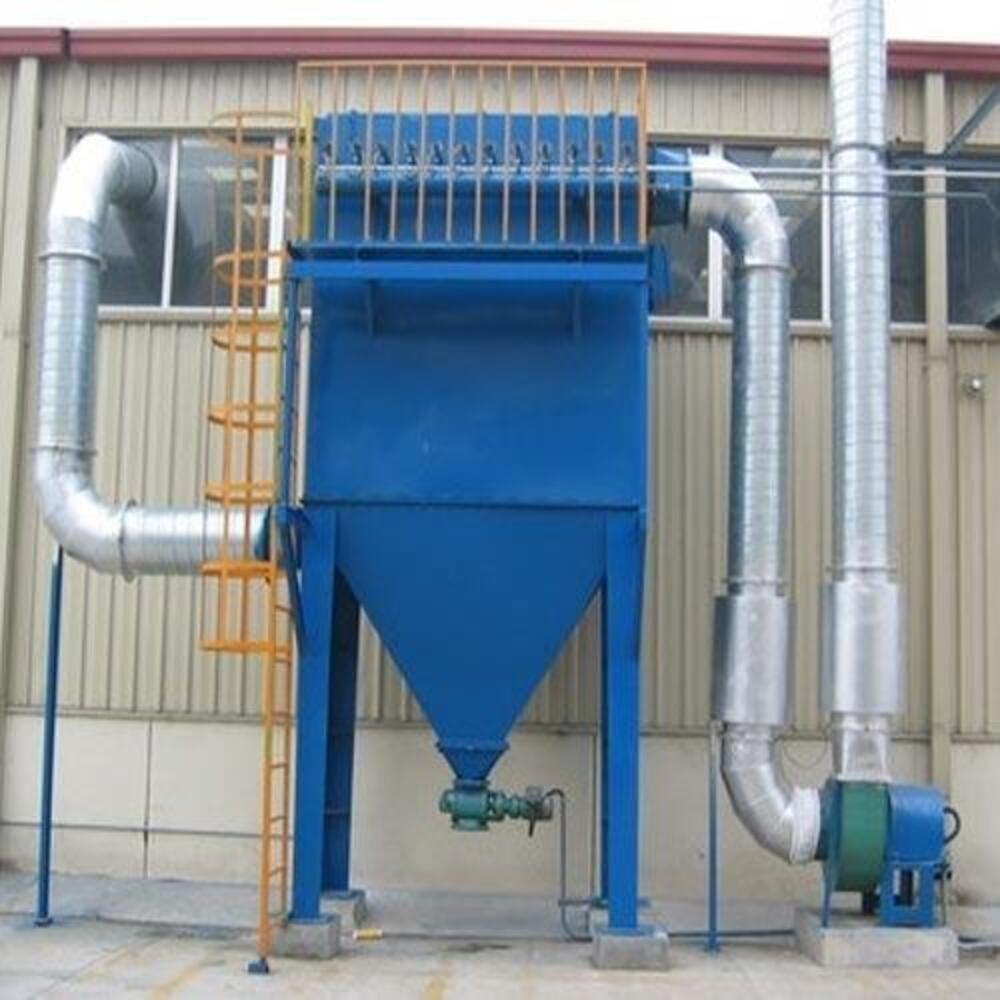
Industrial Bag Filter Dust Collection System - High-Efficiency Air Filtration Unit
View Details
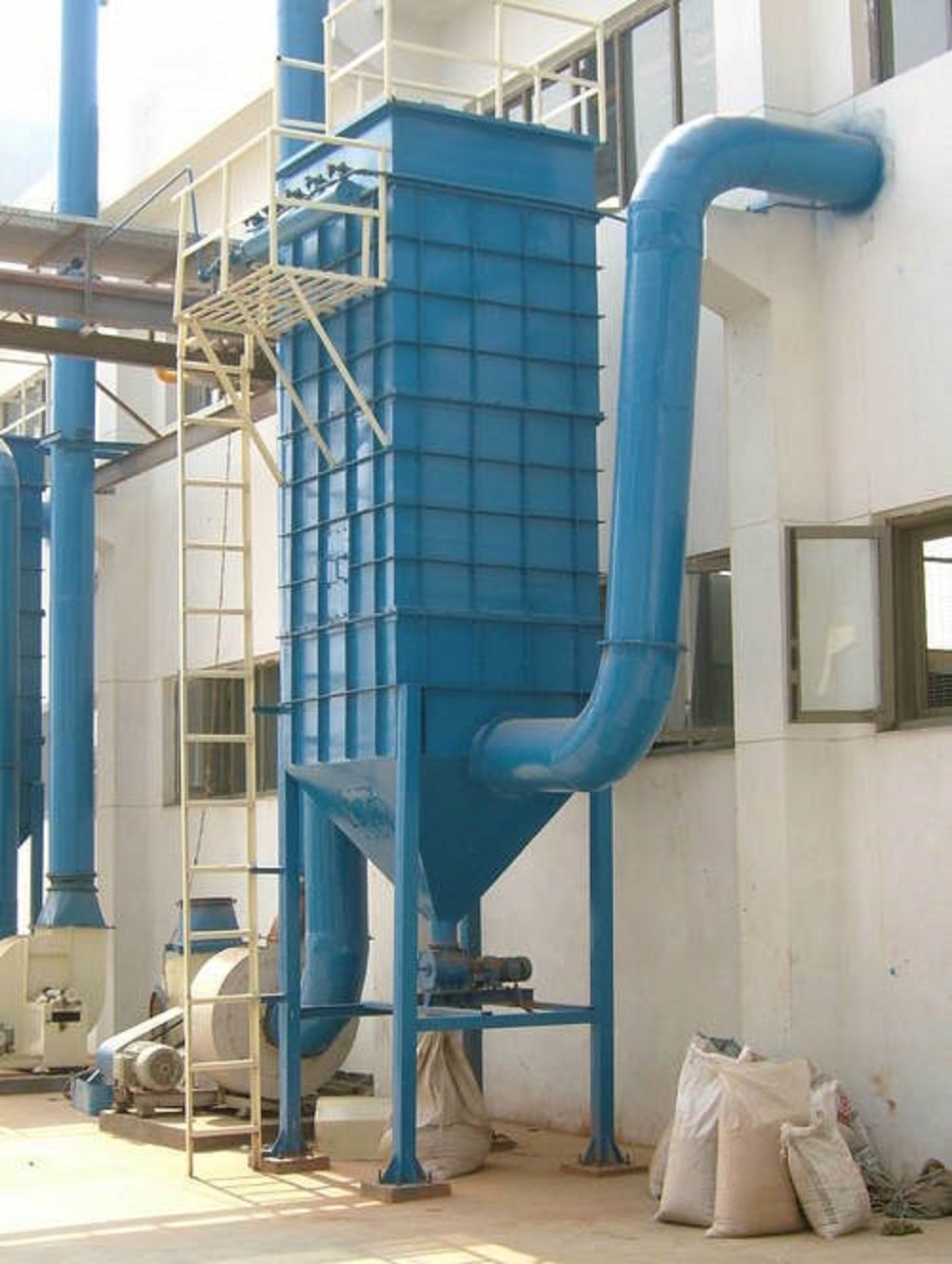
Industrial Dust Collection Bag Filter System - High Efficiency Air Filtration Unit
View Details
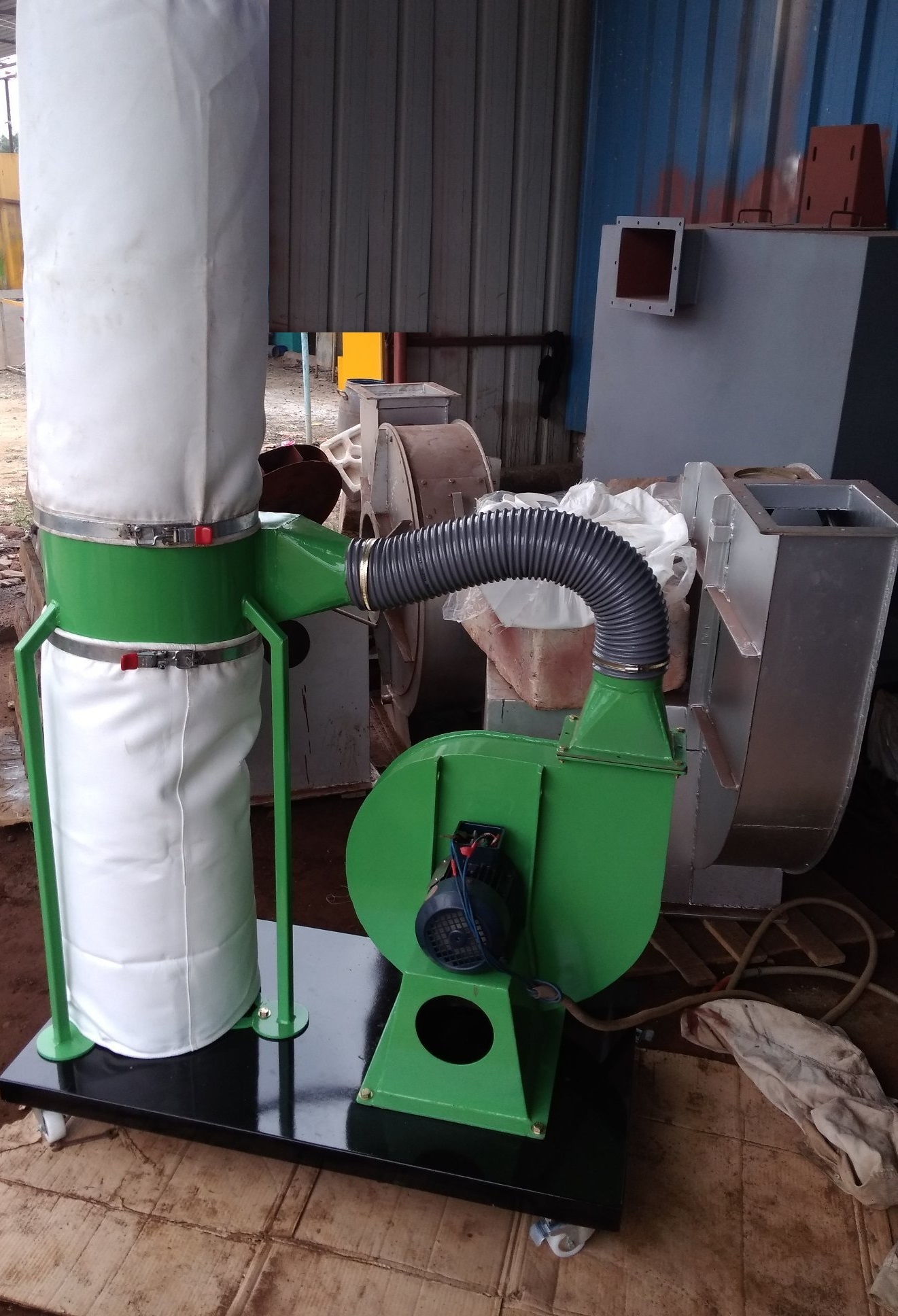
Industrial Movable Dust Collector - High-Efficiency Filtration System
View Details
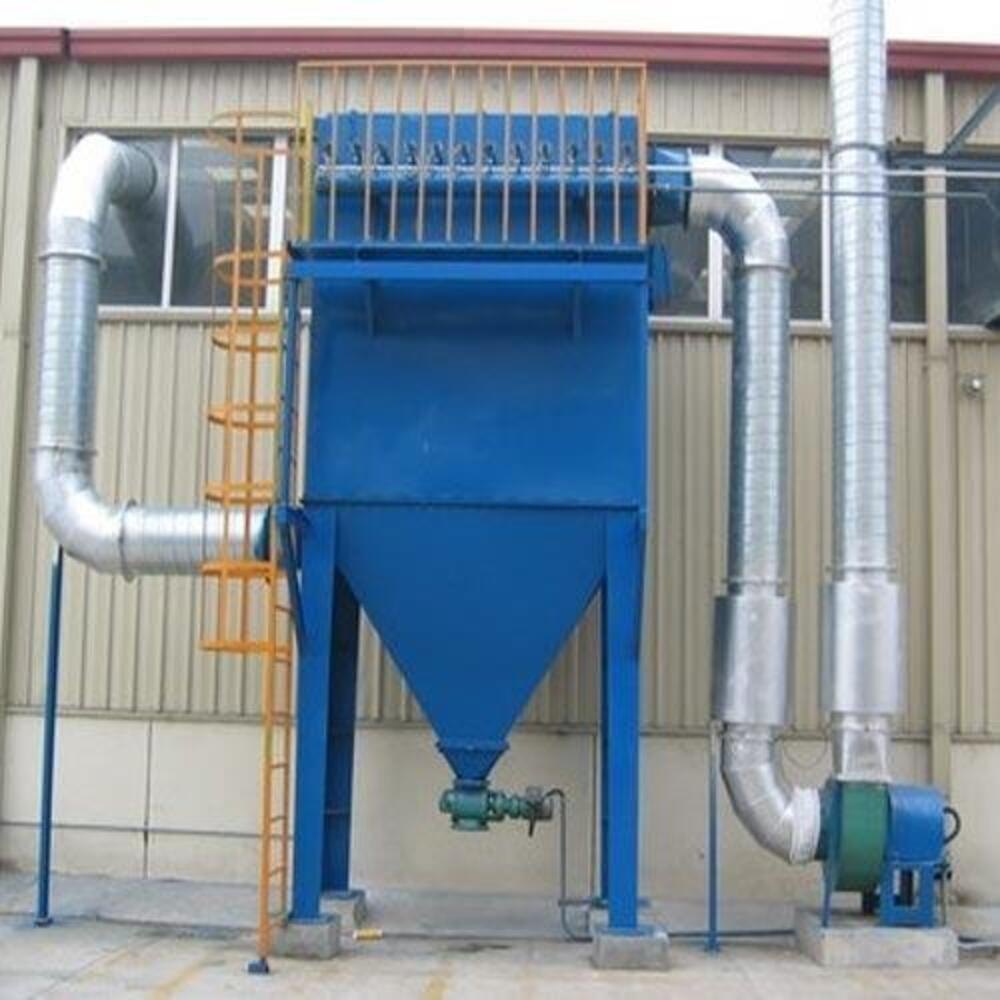
Industrial Pulse Jet Dust Collector - High Efficiency Filtration System
View Details
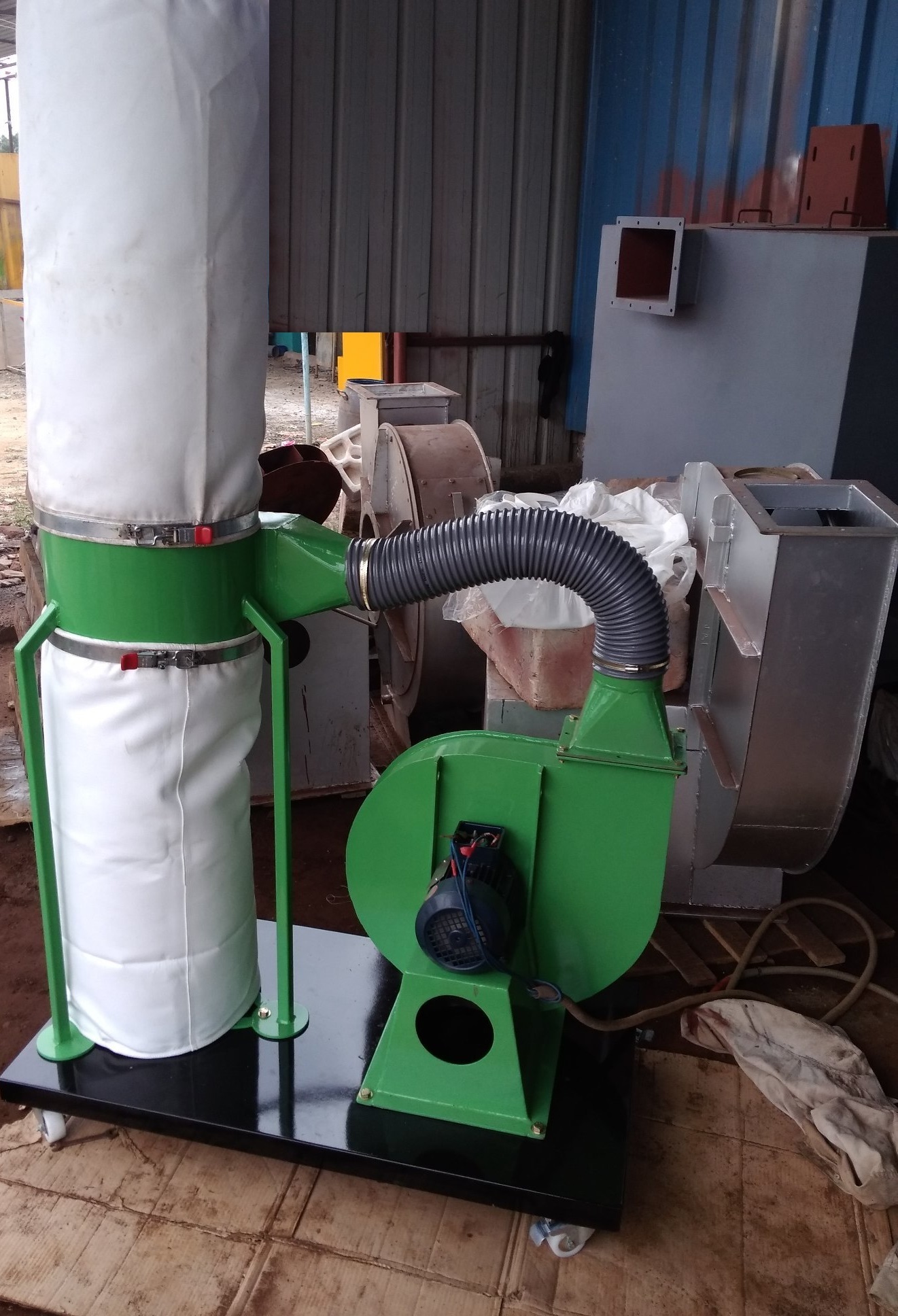
Industrial Portable Dust Collector - High-Efficiency Filtration System
View DetailsManaging dust in milling environments is a daily challenge. Fine particles from grinding, mixing, and transport can spread quickly, affecting air quality and the health of workers. An industrial dust control system for mill operations helps maintain a cleaner workspace, protects machinery, and supports compliance with air emission standards. Aeppl provides systems designed to meet the unique needs of flour, cement, and mineral mills with practical engineering and reliable performance.
Dust control is not just about meeting regulations. It's about creating a safer and more efficient workplace. Milling operations generate fine particles that can accumulate in ducts, machinery, and air spaces. A well-designed dust collection system captures these particles before they spread, helping maintain consistent production and a healthier environment for workers.
Each system typically includes filtration units, ducting, fans, and control panels. Depending on the type of mill and material processed, configurations vary to handle different particle sizes and airflow volumes. Here are some common components and their roles:
| System Type | Best Application | Filtration Method | Maintenance Level |
|---|---|---|---|
| Bag Filter Dust Collection System | Fine dust from flour or cement | Fabric filtration | Low |
| Pulse Jet Dust Collector | Continuous milling operations | Compressed air cleaning | Medium |
| Mechanical Dust Collector | Coarse dust and heavy particles | Centrifugal separation | Low |
Dust collection systems can be integrated with conveyors, silos, and ventilation ducts. Aeppl engineers design airflow paths that maintain balanced pressure and efficient dust capture. Integration ensures that air movement supports both production and filtration without interfering with other mill operations.
Energy use is a major concern in modern mills. Aeppl systems use efficient fans and motors to reduce power consumption while maintaining strong suction and filtration. Longer filter life and optimized air handling also reduce waste and maintenance downtime. This helps mills meet sustainability goals without sacrificing performance.
No two mills are identical. Aeppl offers flexible configurations for different materials and production volumes. Systems can be designed for portable setups or fixed installations, depending on space and process requirements. Each design focuses on airflow precision and dust containment efficiency.
| Feature | Standard Option | Custom Option |
|---|---|---|
| Airflow Capacity | 5000 CFM | Up to 50,000 CFM |
| Filter Media | Polyester | PTFE-coated or anti-static |
| Control System | Manual | PLC-based automatic |
Here are some popular models suitable for different milling applications:
Proper maintenance ensures long-term system performance. Aeppl provides technical support, replacement parts, and service contracts to keep equipment running smoothly. Their team assists with filter replacements, pressure checks, and system optimization. You can contact Aeppl at +91-9599785811, +91 8377077661, or +91 9810162210, or email sales@aeppl.com for assistance.
When selecting a dust control system for your mill, consider factors like particle size, production volume, and space constraints. Aeppl engineers help evaluate these parameters to recommend the most effective setup. The goal is to maintain clean air, reduce equipment wear, and support continuous, safe operation.
Aerotech Equipments and Projects Pvt. Ltd. (Aeppl) is a trusted Indian manufacturer of air handling and dust collection systems for industrial applications. With decades of experience, Aeppl helps mills and factories achieve cleaner, more efficient operations through practical engineering and dependable service. Visit Aeppl
It is an engineered setup that captures and filters airborne particles generated during milling to maintain air quality and reduce equipment wear.
Mills generate fine particulate matter that can harm workers, damage machinery, and lead to non-compliance with environmental standards.
Bag filter dust collectors are effective for flour mills because they handle fine powder efficiently and provide stable airflow.
Yes, by reducing contamination and maintaining cleaner production areas, it helps improve product consistency and purity.
Filter replacement depends on usage and material type, but regular inspection every few months ensures optimal performance.
Modern dust control systems can integrate with PLCs and sensors for automated cleaning, pressure monitoring, and efficiency tracking.
Many systems now use low-power fans and optimized airflow designs to reduce energy consumption while maintaining filtration efficiency.
Systems are designed to meet occupational safety and air emission standards, helping facilities stay compliant with local regulations.
Yes, Aeppl designs tailored dust control systems to match specific mill layouts, materials, and capacity requirements.
You can reach Aeppl at +91-9599785811, +91 8377077661, +91 9810162210 or email sales@aeppl.com for detailed project discussions.