
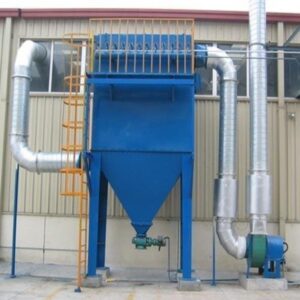
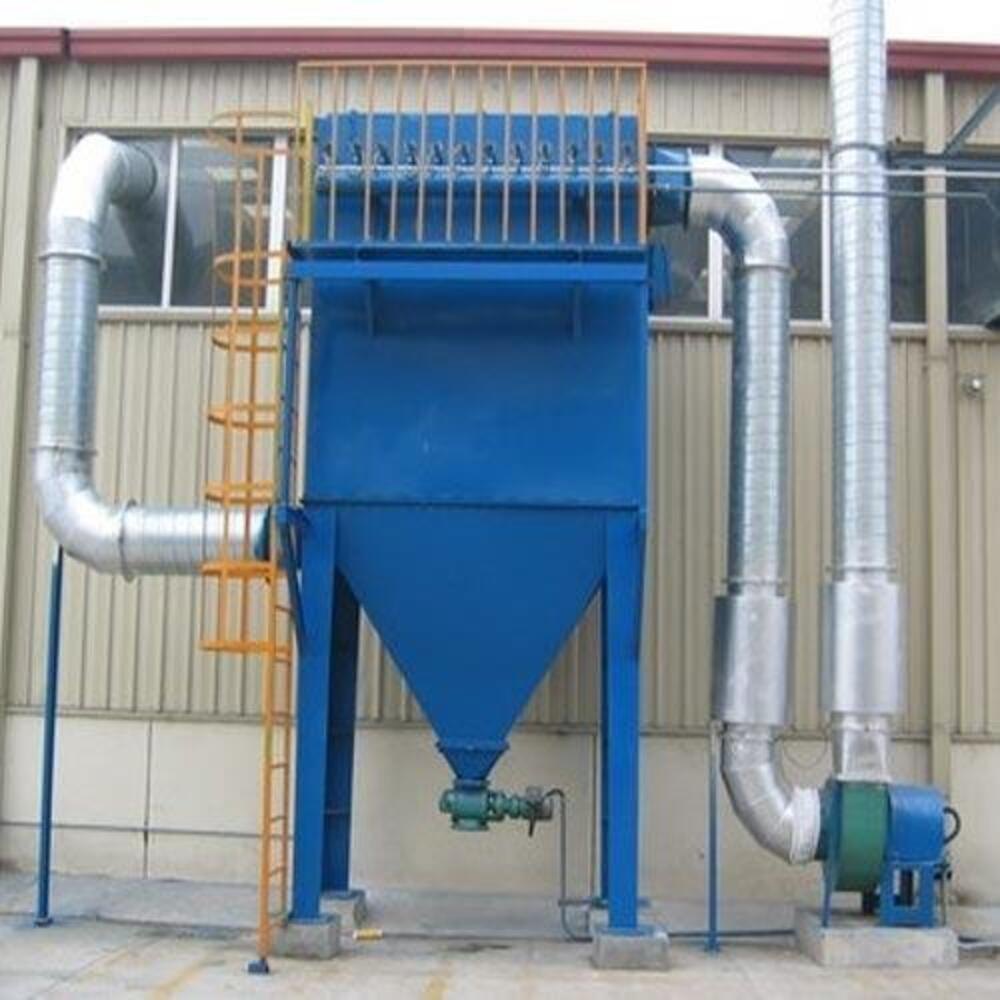
Industrial Dust Collection and Air Pollution Control System – High Efficiency Filter Unit
View Details
Industrial Dust Collection and Air Pollution Control System – High Efficiency Filter Unit
View Details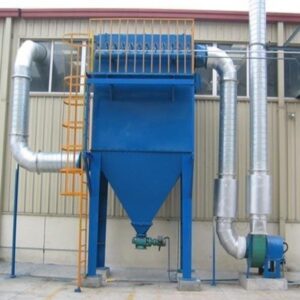
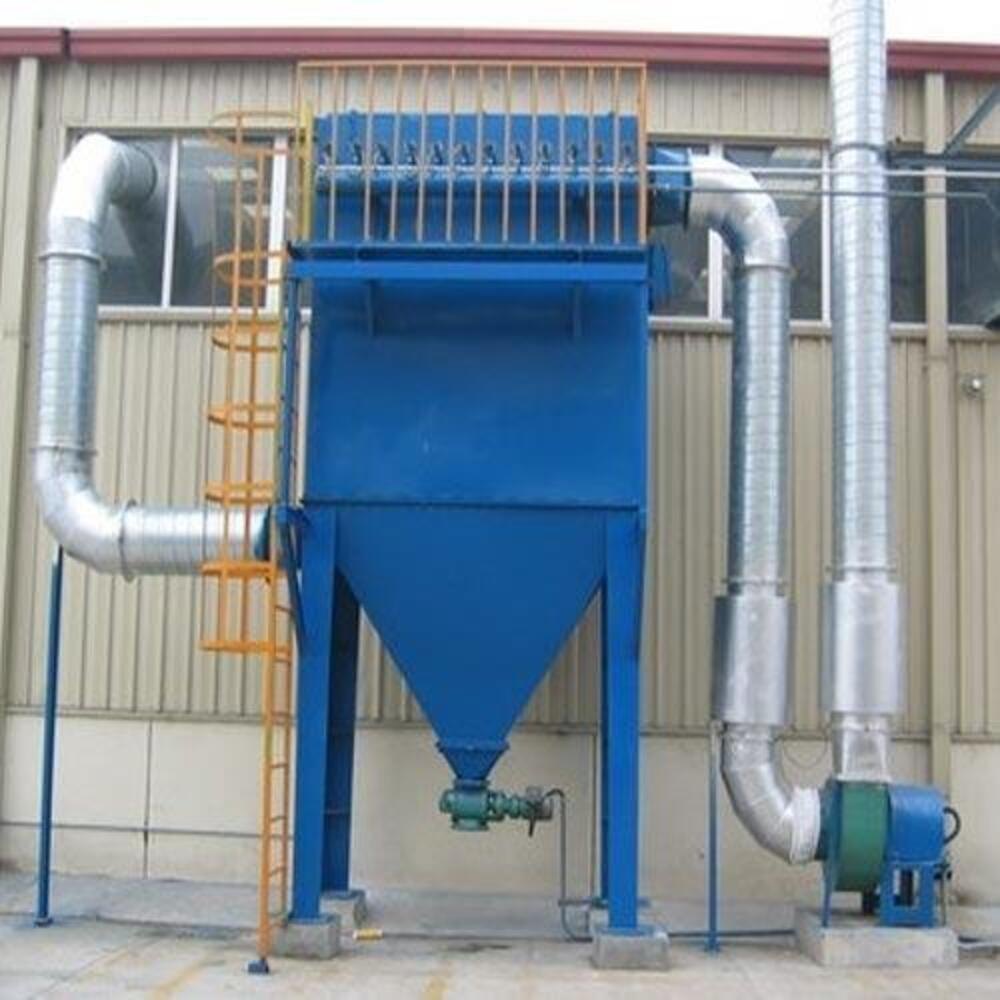
Industrial Dust Collector System – High Efficiency Air Pollution Control Unit
View Details
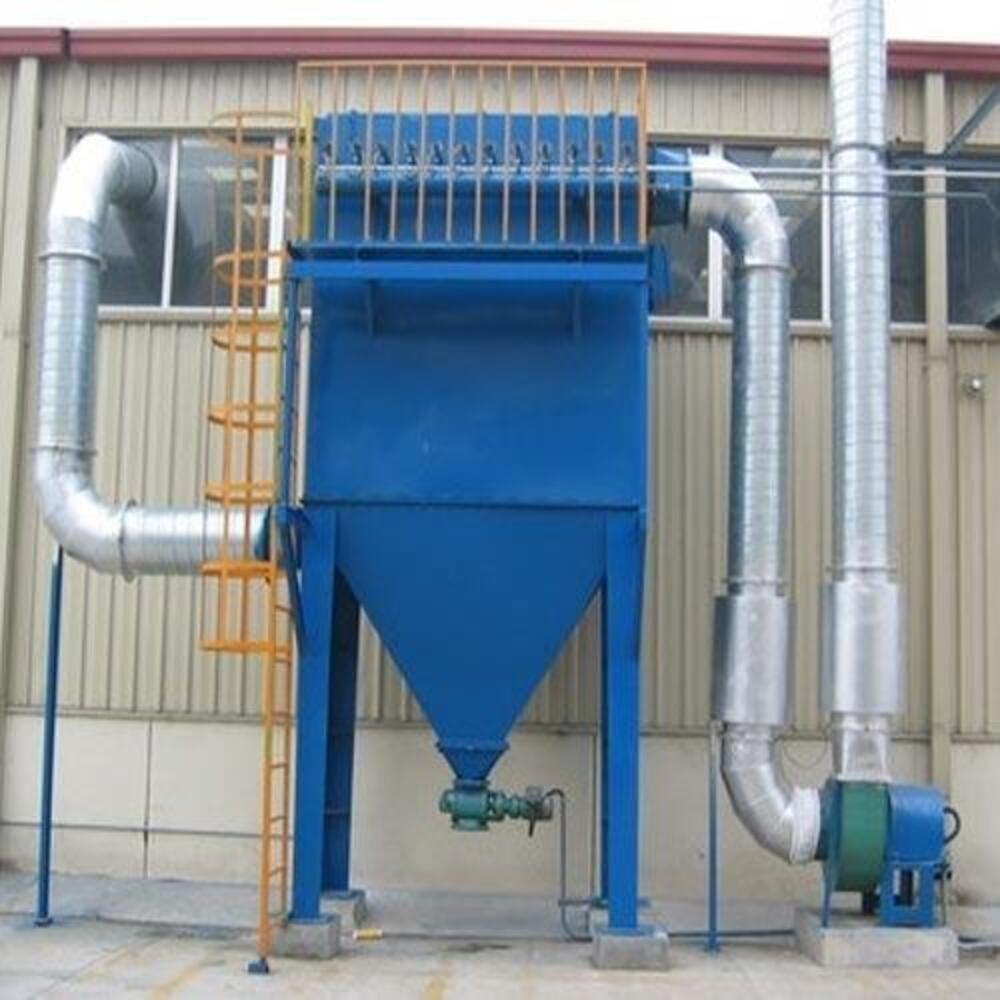
Industrial Bag Filter Dust Collection System - High-Efficiency Air Filtration Unit
View Details
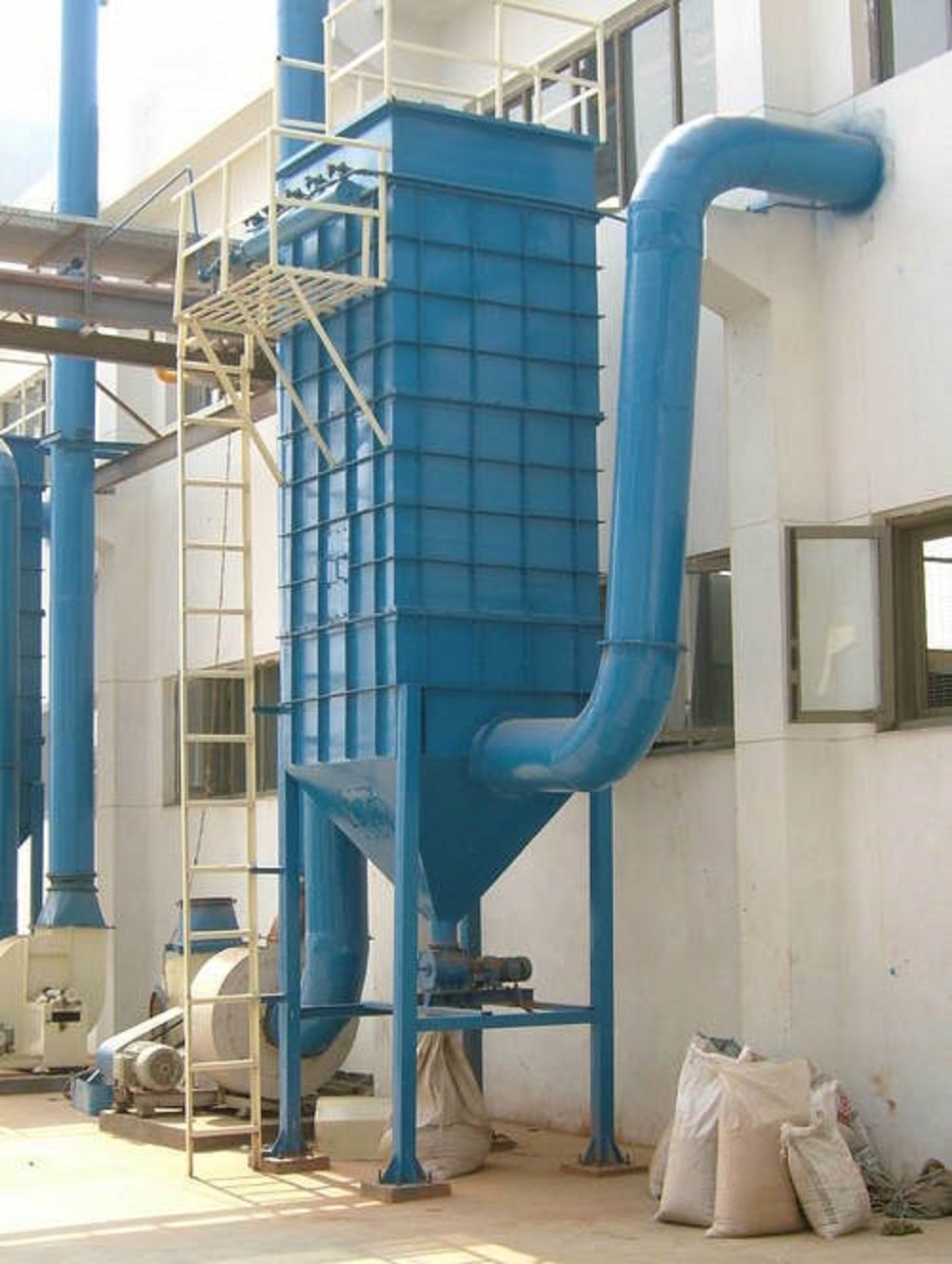
Industrial Dust Collection Bag Filter System - High Efficiency Air Filtration Unit
View Details
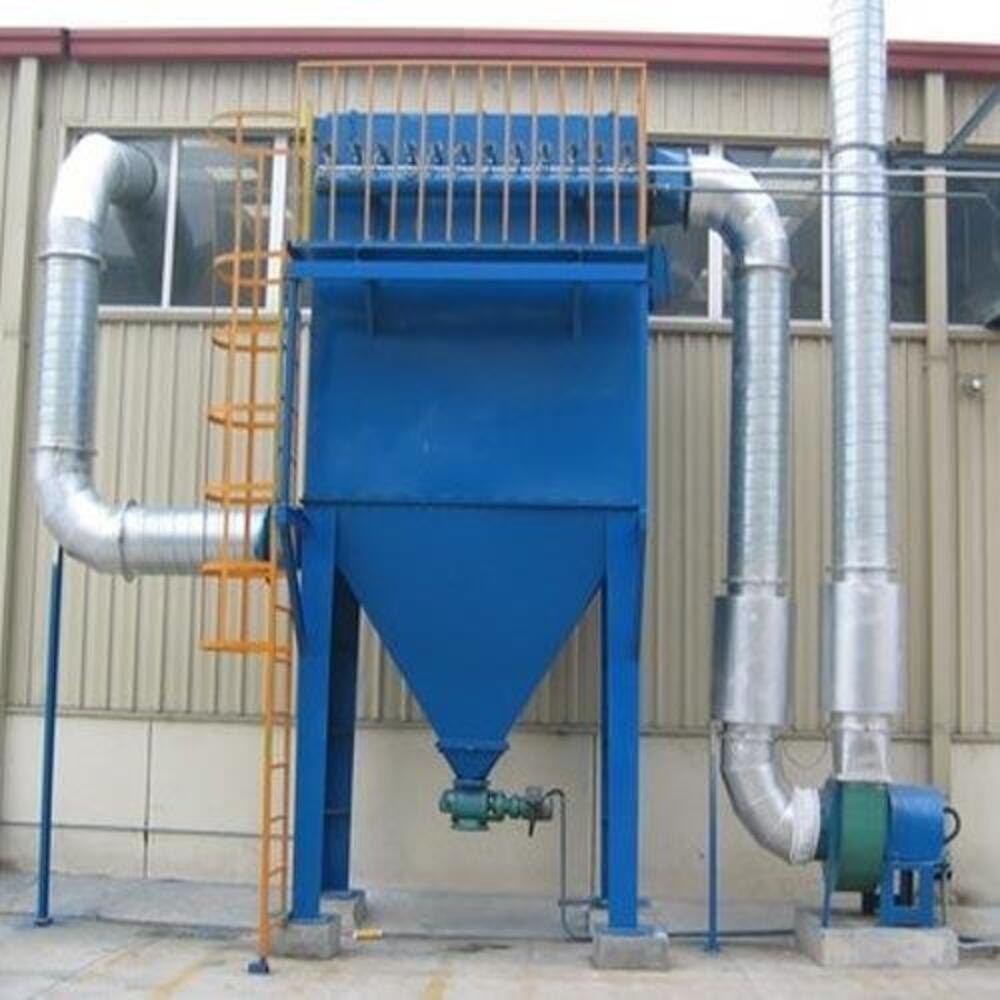
Industrial Mechanical Dust Collector System - High-Efficiency Air Filtration Unit
View Details
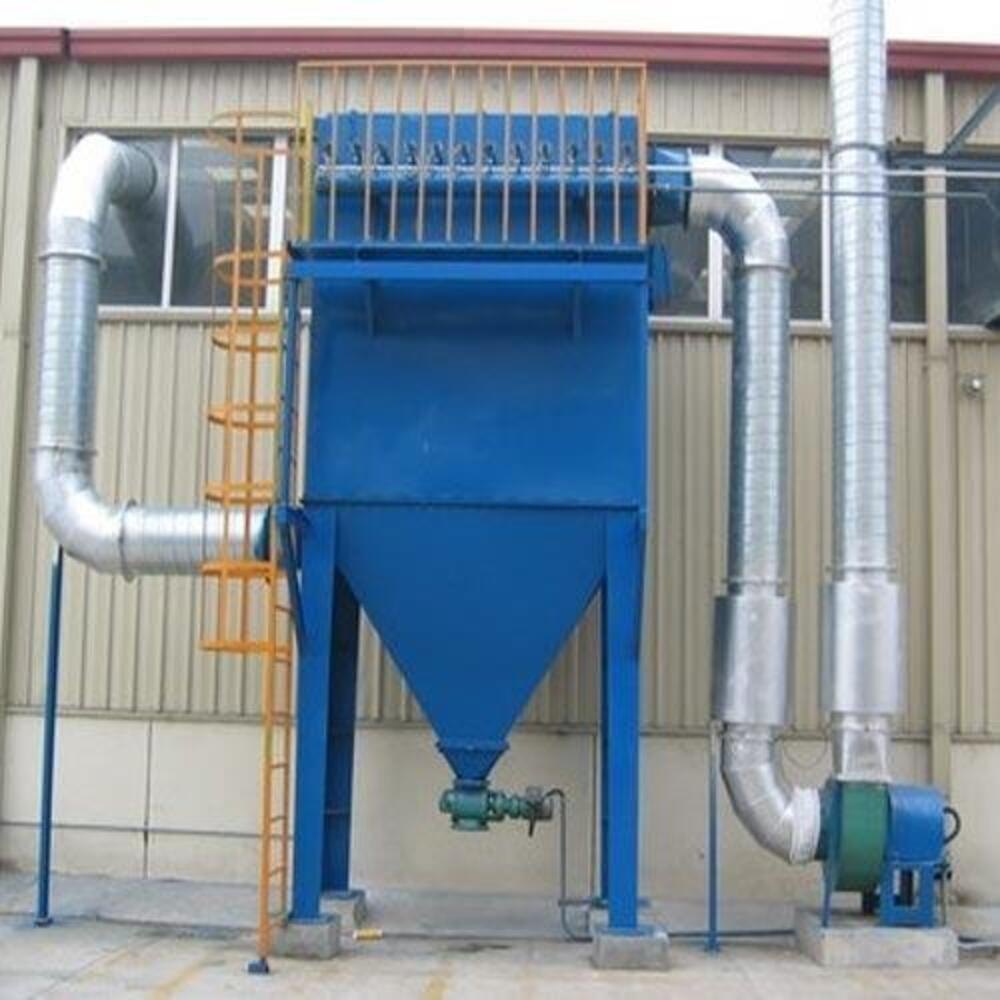
Industrial Pulse Jet Dust Collector - High Efficiency Filtration System
View Details
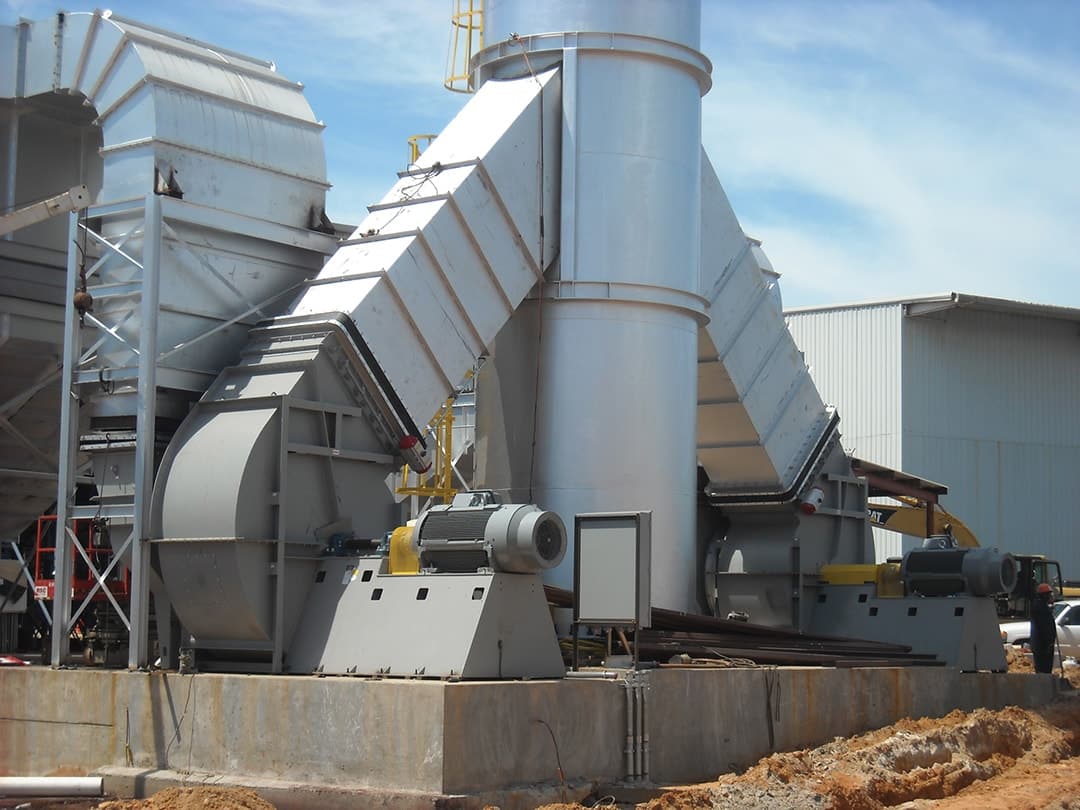
Industrial Fume Scrubber System - High-Efficiency Air Pollution Control Unit
View Details
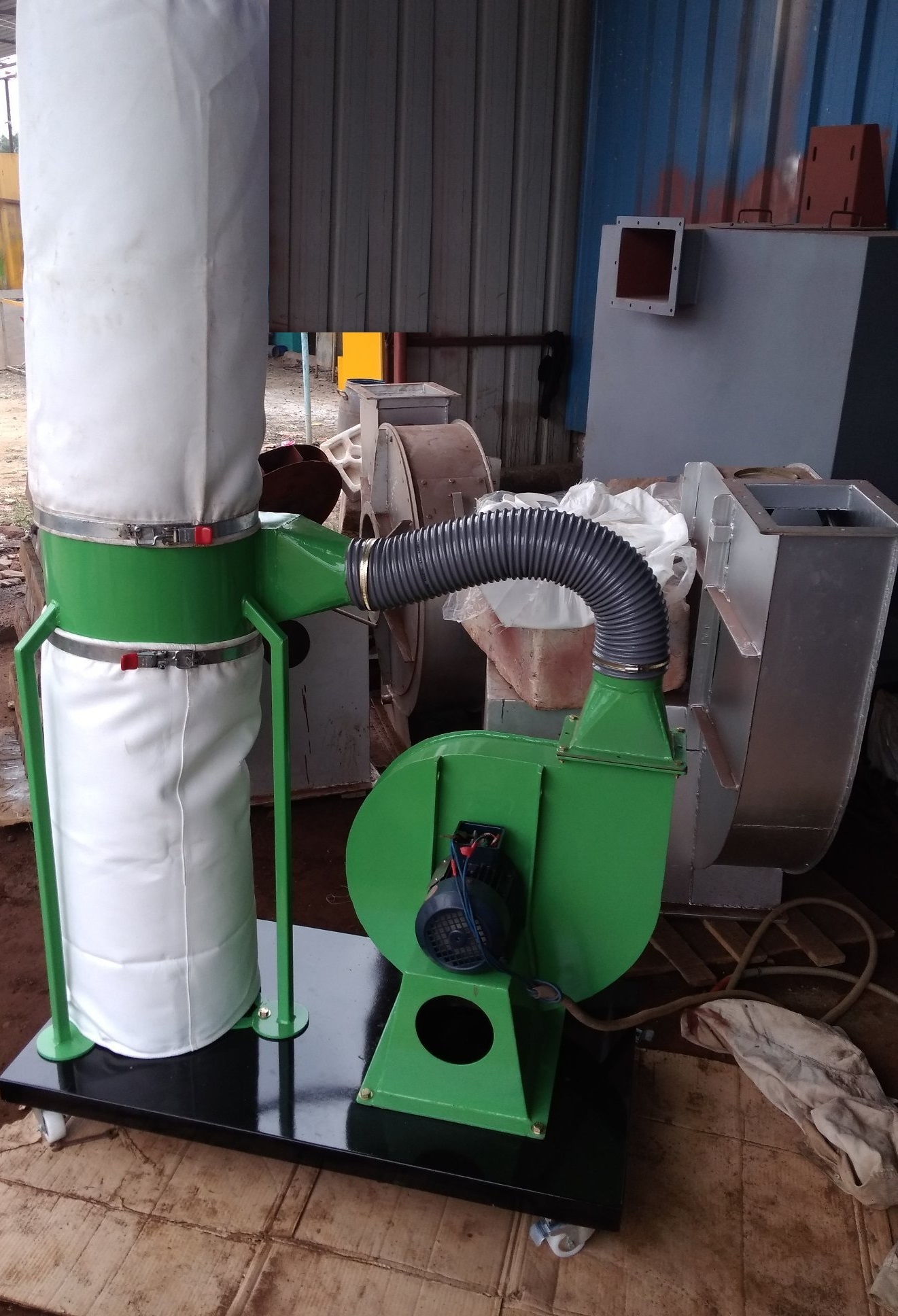
Industrial Movable Dust Collector - High-Efficiency Filtration System
View DetailsManaging airborne dust is one of the most important aspects of maintaining a healthy and efficient factory environment. A factory dust control system helps reduce respiratory risks, protect machinery, and ensure compliance with air quality standards. In heavy industrial settings, dust particles can quickly accumulate from cutting, grinding, or material handling processes. Installing a well-designed control system keeps operations cleaner and workers safer.
Aeppl offers engineered solutions for factories that need reliable air filtration and dust extraction. Each system is designed to match the unique demands of manufacturing lines, production halls, and finishing areas. The goal is simple - maintain air quality without interrupting production flow.
The process begins by capturing dust at its source. Extraction ducts draw contaminated air into filtration units, where particles are separated from airflow. Wet scrubbers use liquid to trap sticky or fine dust, while dry collectors rely on filter media and cyclones. Sensors track pressure and airflow to maintain steady performance and prevent clogging. The result is cleaner air circulating through the workspace and reduced maintenance downtime.
Factory dust control systems are used across many sectors, including cement, metal fabrication, food processing, and automotive manufacturing. Each industry faces unique dust challenges. Cement plants deal with heavy particulate matter, while food facilities must manage fine powders. Aeppl engineers systems that adapt to these different conditions, helping each facility meet required emission limits and protect worker health.
| Technology | Ideal Use | Efficiency Range | Maintenance Level |
|---|---|---|---|
| Bag Filter System | Dry particulate removal | Up to 99% | Low |
| Wet Scrubber System | Sticky or humid dust | 95-98% | Medium |
| Pulse Jet Collector | Fine powder and continuous operation | Up to 99.5% | Low |
Energy efficiency is a key consideration in modern dust control systems. Aeppl incorporates variable frequency drives and optimized duct layouts to reduce power consumption. Low-pressure filters help maintain airflow while minimizing energy draw. These improvements support long-term sustainability goals and help factories meet upcoming environmental regulations.
Dust control systems work best when integrated directly with production processes. Aeppl designs units that fit seamlessly with existing ventilation setups or operate independently in high-dust zones. Automated dampers and PLC-based controllers allow operators to adjust airflow and monitor conditions remotely. This integration makes maintenance easier and improves overall plant safety.
Aeppl brings years of hands-on engineering experience to every project. Systems are built to handle demanding workloads and tested for airflow balance and filtration accuracy. The company focuses on practical design and dependable performance, helping factories maintain cleaner operations without unnecessary complexity.
Aeppl provides full technical support from initial consultation to installation and upkeep. The team assists in system selection, duct planning, and filter maintenance to ensure consistent results. For assistance or detailed specifications, contact +91-9599785811, +91 8377077661, or +91 9810162210, or email sales@aeppl.com.
Aeppl (Aerotech Equipments and Projects Pvt. Ltd.) is a trusted Indian manufacturer of industrial air handling and dust collection systems. The company delivers reliable solutions for factories worldwide, focusing on quality engineering and environmental responsibility. Visit Aeppl
A factory dust control system removes airborne dust and particulates from industrial areas using filters, scrubbers, and ventilation setups.
Dust control reduces health risks, prevents equipment wear, and ensures compliance with workplace air quality standards.
Industries such as cement, steel, food processing, pharmaceuticals, and automotive manufacturing rely on dust control systems.
A wet scrubber captures dust particles with liquid, reducing fine emissions and improving air cleanliness.
Yes, many systems include sensors and PLC controllers for automated operation and maintenance alerts.
Regular filter cleaning, duct inspection, and sensor calibration keep systems running efficiently.
Factory dust control systems are designed to comply with both Indian and international emission standards.
Energy-efficient fans and optimized duct paths reduce power use and extend equipment life.
Aeppl builds dust control systems with durable materials and proven filtration technology for industrial reliability.
Contact Aeppl at +91-9599785811, +91 8377077661, or +91 9810162210, or email sales@aeppl.com for technical support.