

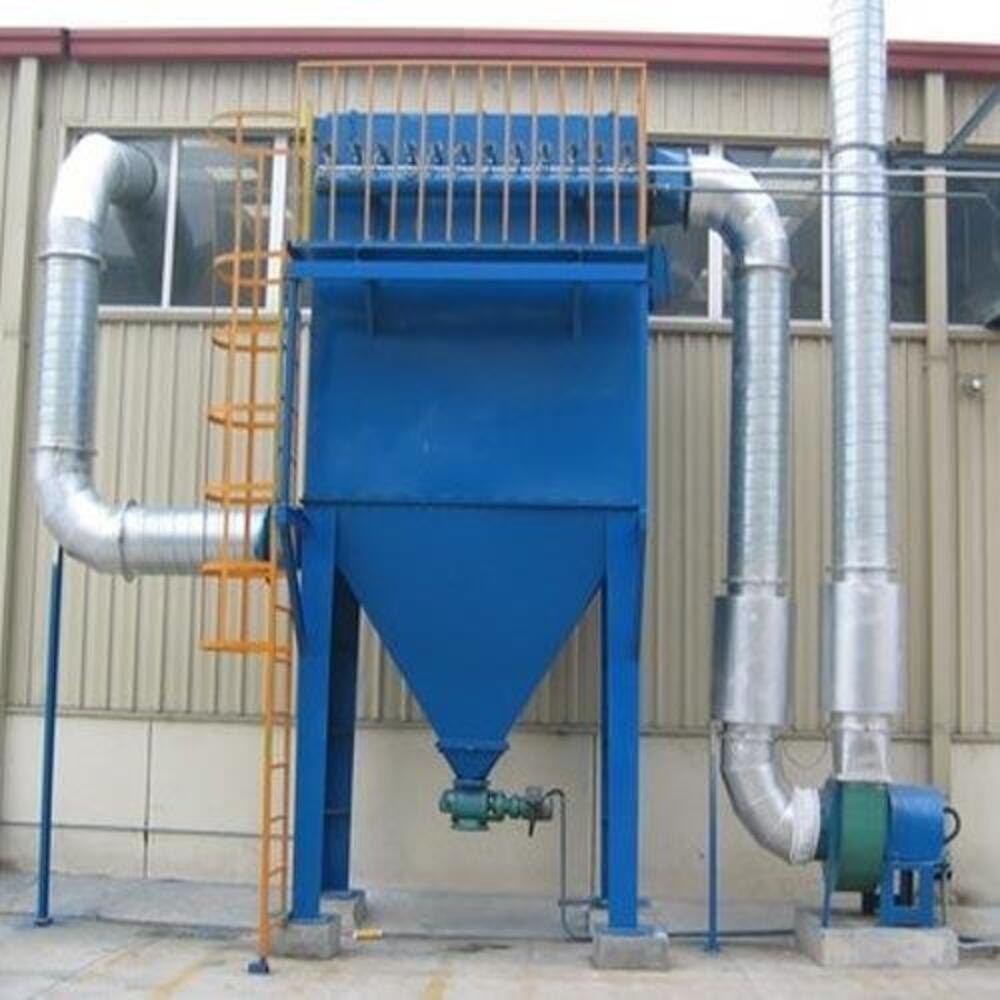
Industrial Mechanical Dust Collector System - High-Efficiency Air Filtration Unit
View Details
Industrial Mechanical Dust Collector System - High-Efficiency Air Filtration Unit
View Details
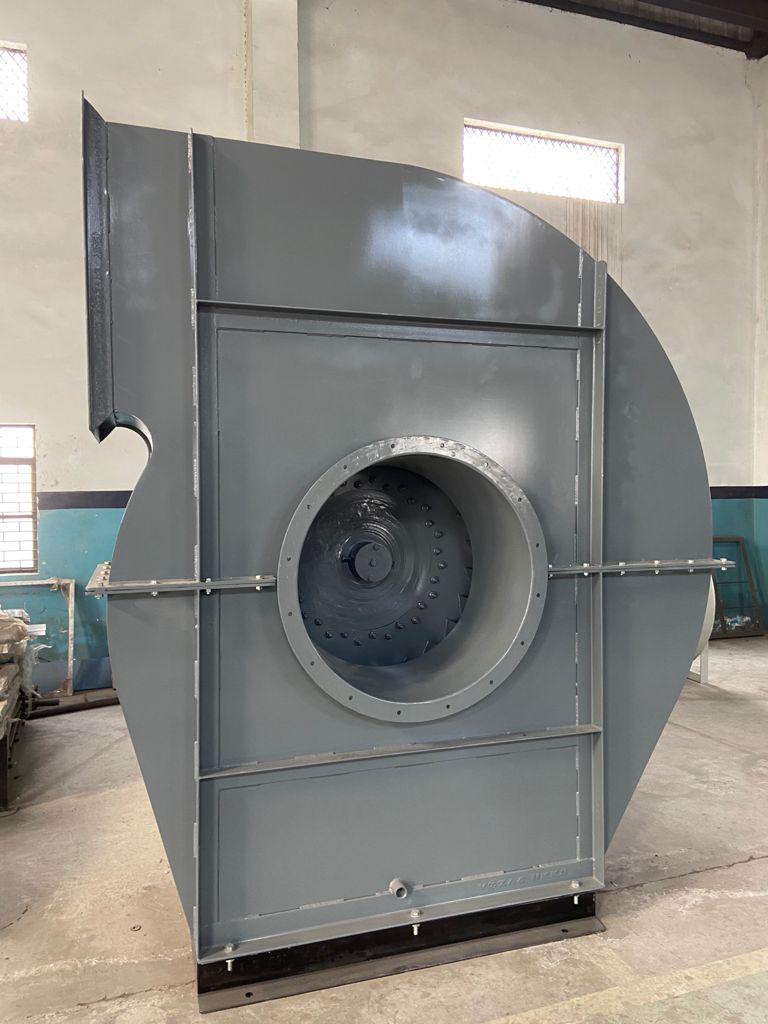
Industrial Mild Steel Centrifugal Blower - High Efficiency Air Handling Unit
View Details
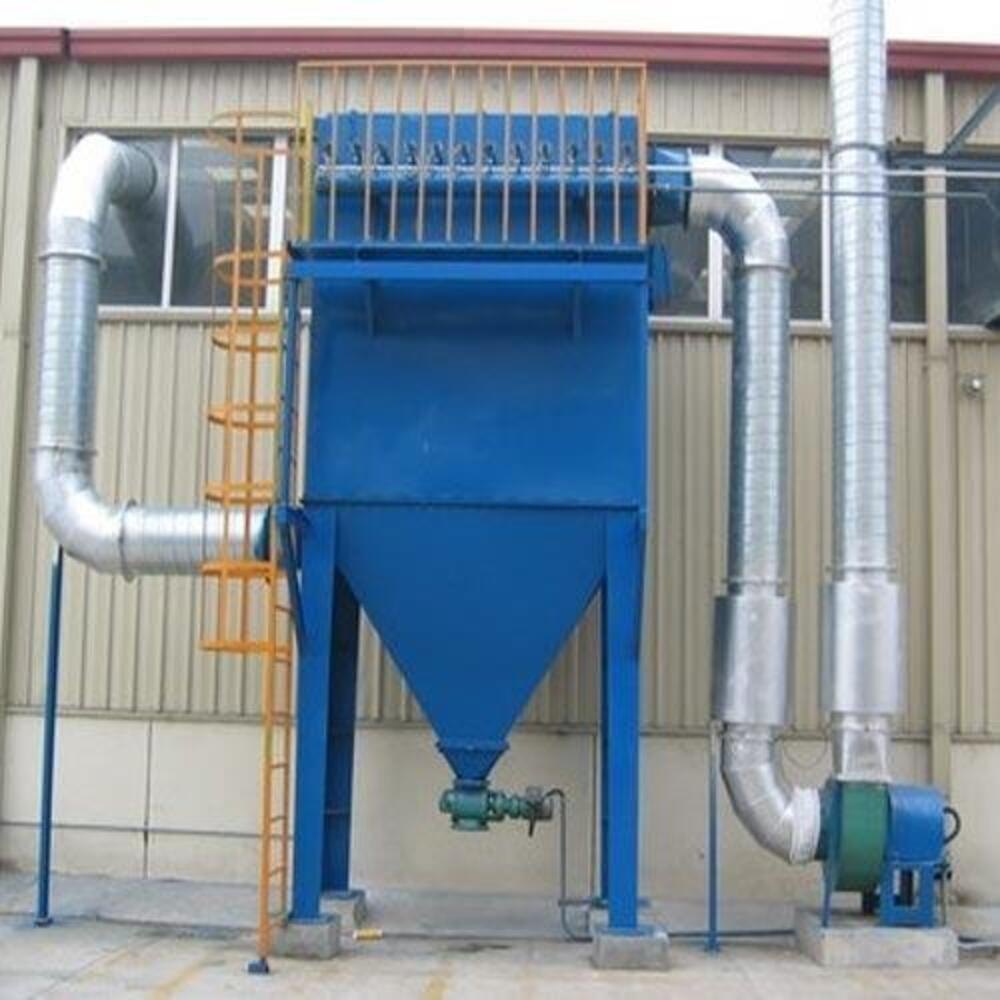
Industrial Pulse Jet Dust Collector - High Efficiency Filtration System
View Details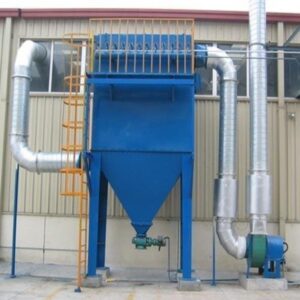
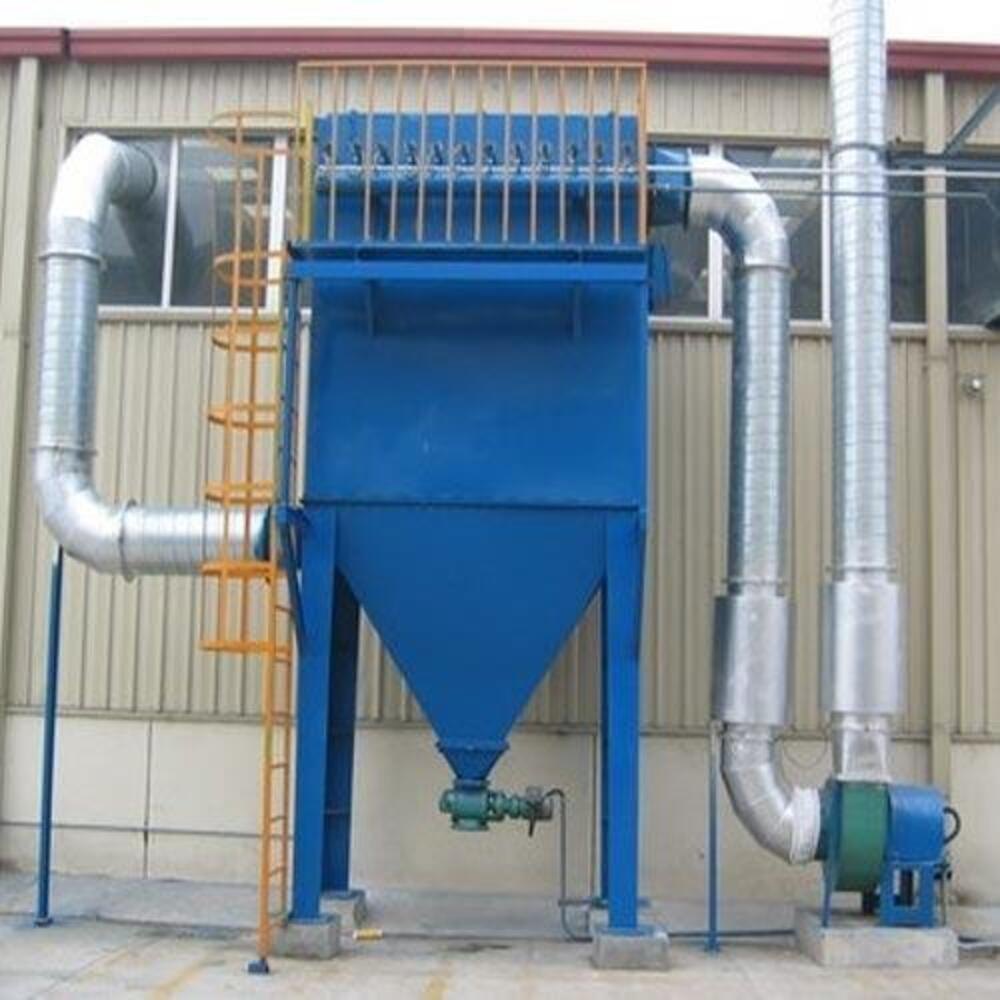
Industrial Dust Collection and Air Pollution Control System – High Efficiency Filter Unit
View Details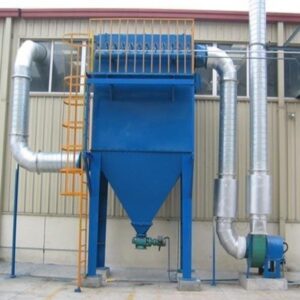
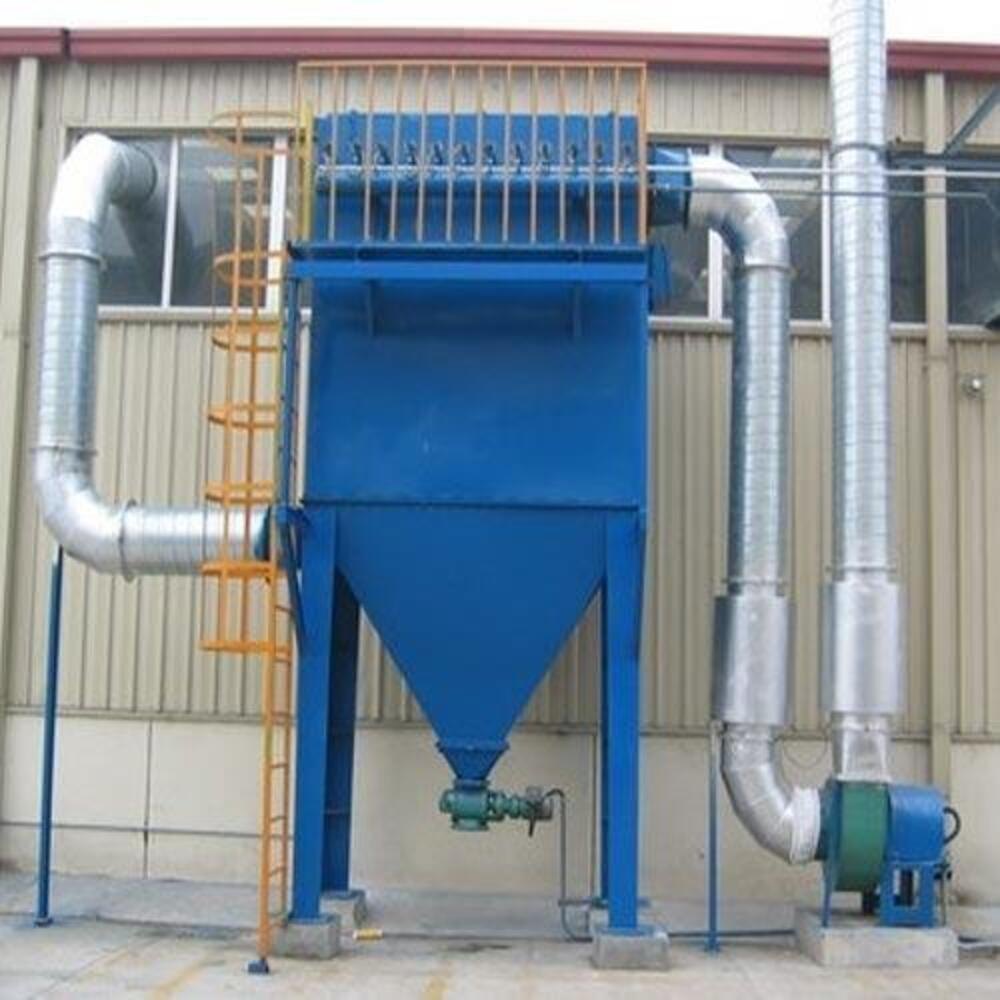
Industrial Dust Collector System – High Efficiency Air Pollution Control Unit
View Details
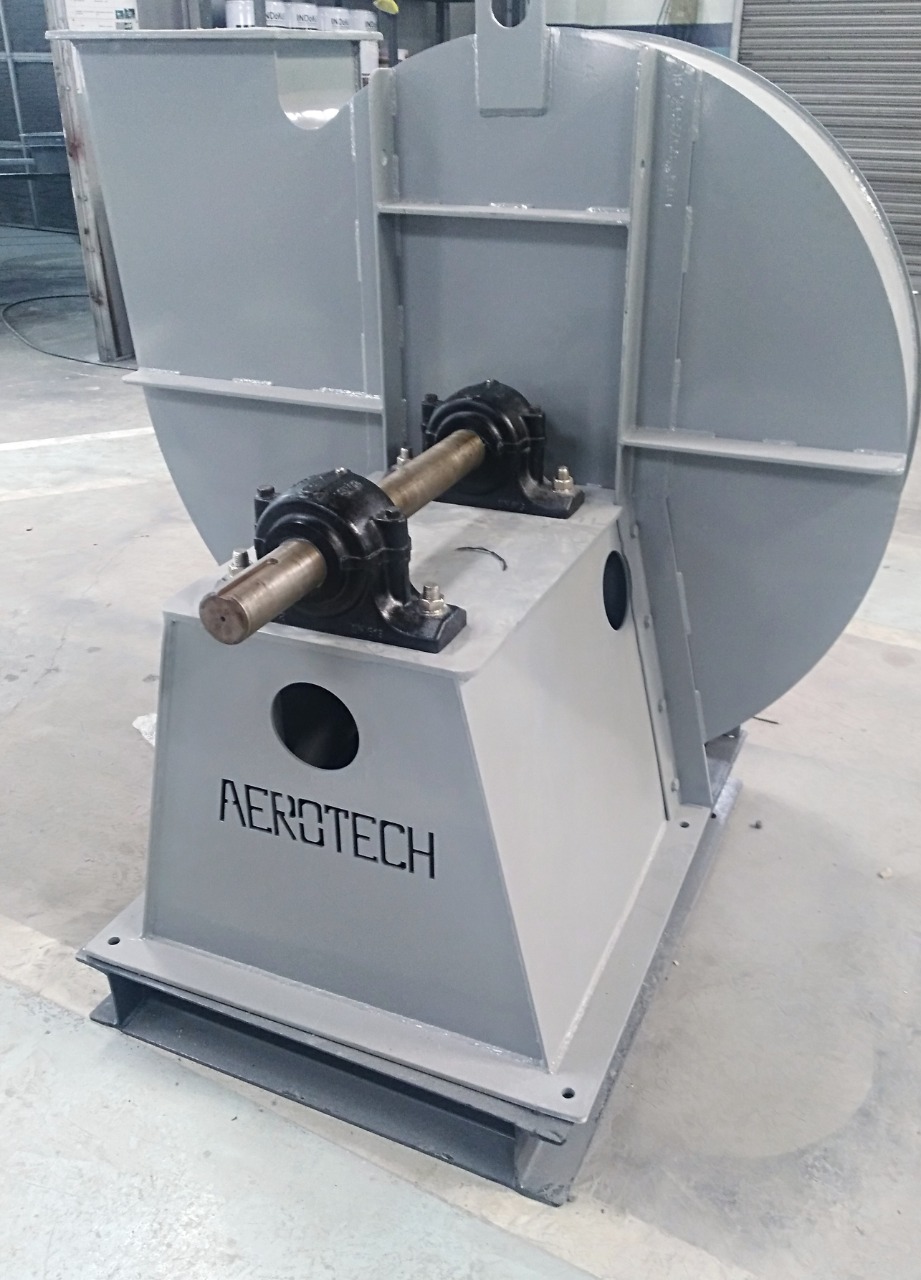
Heavy-Duty Industrial Fume Extraction Blower - High Efficiency Ventilation System
View Details
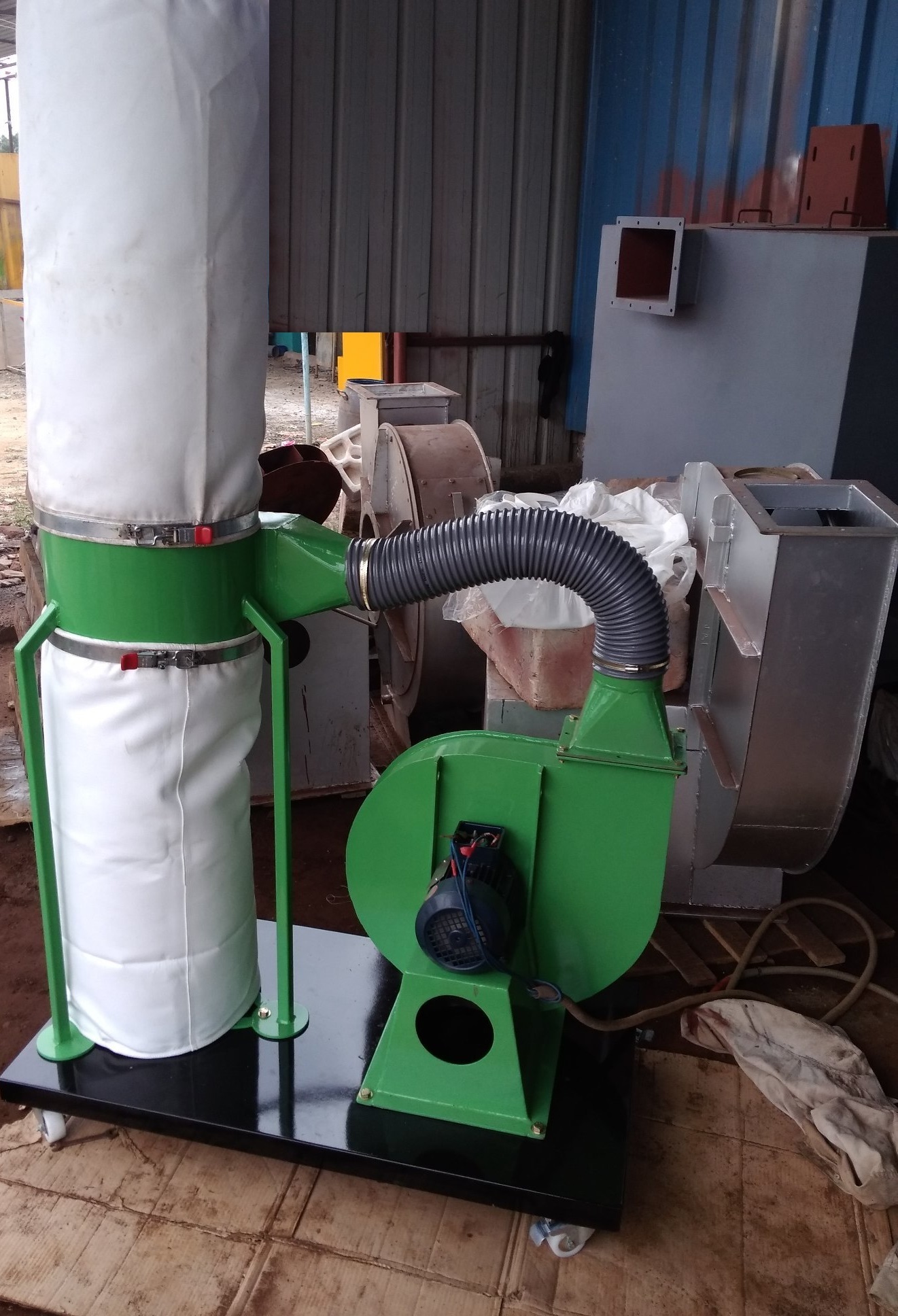
Industrial Portable Dust Collector - High-Efficiency Filtration System
View Details
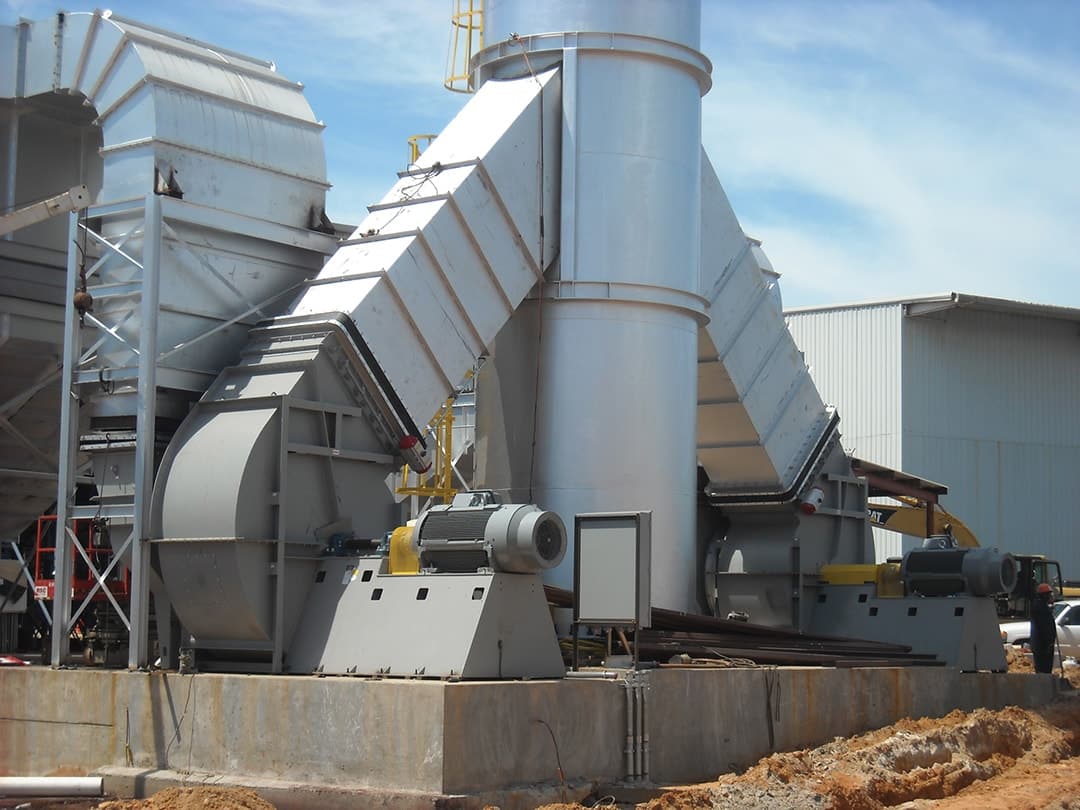
Industrial Fume Scrubber System - High-Efficiency Air Pollution Control Unit
View DetailsA well-designed factory blower for dust control helps maintain clean air and safe working conditions in industrial environments. Whether in cement production, metal fabrication, food processing, or pharmaceuticals, managing airborne dust is essential for equipment reliability and worker health. Choosing the right blower system ensures consistent dust extraction and long-term operational stability.
Factory blowers generate airflow that moves dust particles from work areas to filtration units such as dust collectors or scrubbers. The right airflow and pressure balance help maintain cleaner production zones and reduce maintenance interruptions. These blowers are built for continuous operation and can handle demanding industrial conditions.
When selecting a factory blower for dust control, engineers typically evaluate airflow rate, static pressure, construction material, and compatibility with dust collection systems. Proper integration between the blower and filtration equipment determines how effectively dust is captured and transported.
| Parameter | Typical Range | Impact on Performance |
|---|---|---|
| Airflow (CFM) | 500 - 50,000 | Defines dust extraction capacity |
| Static Pressure | 2 - 20 inches WG | Influences dust transport efficiency |
| Drive Type | Direct or Belt | Affects maintenance frequency |
| Material | Mild Steel or Stainless Steel | Determines durability and corrosion resistance |
Factory blowers are most effective when paired with reliable dust collectors. Aeppl manufactures and supplies compatible systems such as:
When installed together, these systems create a complete dust control network that meets emission standards and improves workplace air quality.
Modern factory blowers are designed to minimize energy consumption. Variable frequency drives (VFDs) help regulate airflow based on process demand, reducing power use and operating costs. Using durable materials and precision manufacturing techniques also supports sustainability goals and compliance with evolving environmental regulations.
| Feature | Factory Blower for Dust Control | General Ventilation Blower |
|---|---|---|
| Main Purpose | Dust extraction and particle transport | Air movement and cooling |
| Pressure Range | Higher static pressure | Lower pressure levels |
| Construction | Heavy-duty, corrosion-resistant build | Standard materials |
| System Integration | Works with dust collectors and scrubbers | Standalone operation |
Factory blowers for dust control are used across different sectors to maintain production efficiency and safety:
Each industry requires tailored airflow parameters and materials suited to its processes. Aeppl engineers design blowers that match plant layouts and environmental conditions for reliable performance.
Aeppl provides factory blowers designed for specific installations, taking into account available space, dust characteristics, and filtration load. The engineering team assists from design selection through commissioning, ensuring dependable operation. For technical advice or detailed specifications, contact Aeppl at +91-9599785811, +91 8377077661, +91 9810162210 or email sales@aeppl.com.
Aerotech Equipments and Projects Pvt. Ltd. (Aeppl) is a trusted Indian manufacturer of industrial air handling and ventilation systems. With years of engineering experience, Aeppl delivers dependable solutions for dust control, fume extraction, and air pollution management across industries worldwide. Visit Aeppl
A factory blower for dust control is an industrial fan system that moves air to capture and remove dust particles, maintaining cleaner and safer working environments.
It provides steady airflow that carries dust to filtration units, improving collection efficiency and minimizing buildup inside ducts or machinery.
Industries such as cement, metal fabrication, pharmaceuticals, food processing, and textiles use factory blowers to manage airborne dust and meet safety standards.
Airflow rate, static pressure, impeller design, and material construction all influence how effectively a blower handles dust and maintains system balance.
Yes, they are commonly integrated with dust collectors or scrubbers to create a complete air pollution control setup within a plant.
Energy-efficient blowers help lower power usage and operating costs while supporting sustainability goals through better airflow control and motor efficiency.
Routine inspection of bearings, impellers, and seals, along with proper lubrication and vibration monitoring, helps maintain reliable performance over time.
Yes, they can be customized for available space, airflow direction, and pressure requirements to integrate smoothly with existing systems.
Aeppl offers engineering assistance and commissioning services to ensure proper installation and optimal operation of its factory blower systems.
You can contact Aeppl at +91-9599785811, +91 8377077661, +91 9810162210 or email sales@aeppl.com to request detailed specifications or expert consultation.