
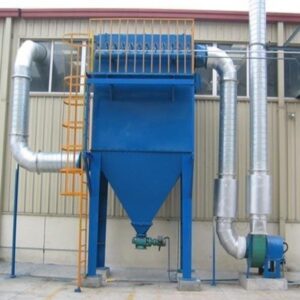
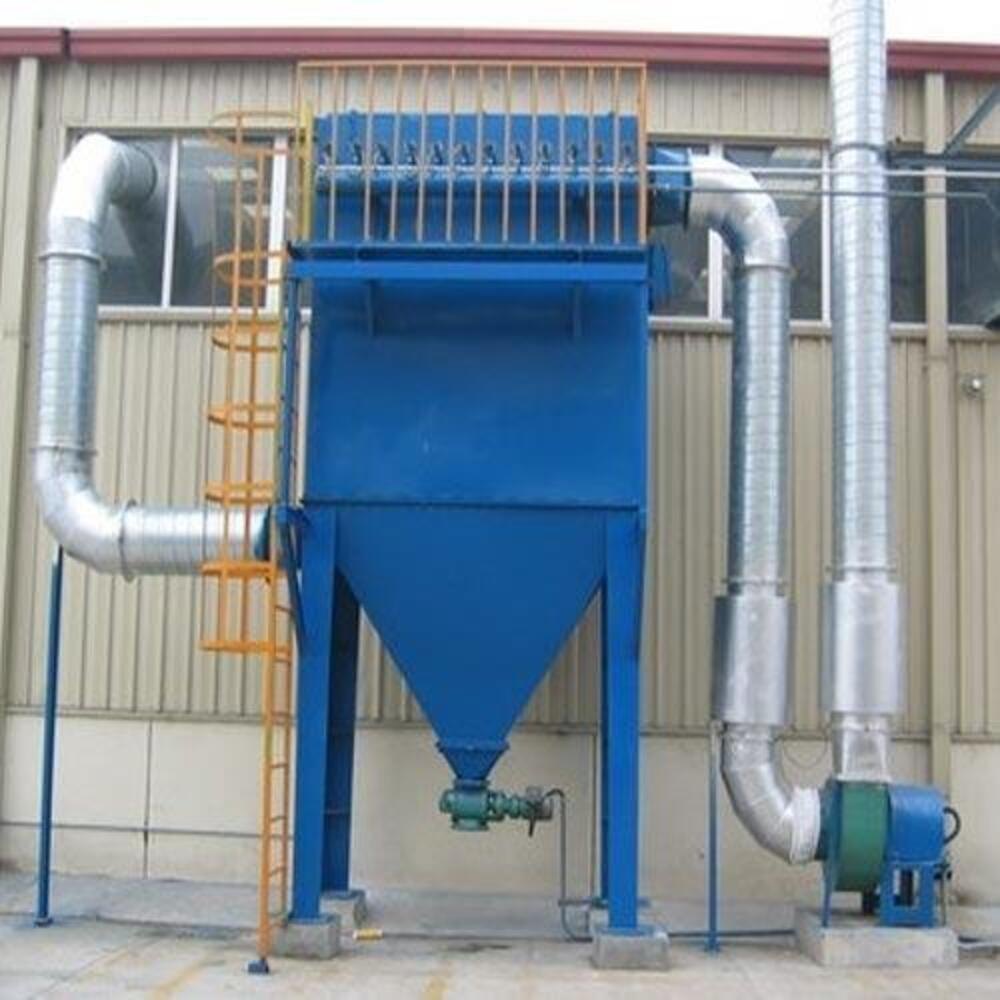
Industrial Dust Collector System – High Efficiency Air Pollution Control Unit
View Details
Industrial Dust Collector System – High Efficiency Air Pollution Control Unit
View Details
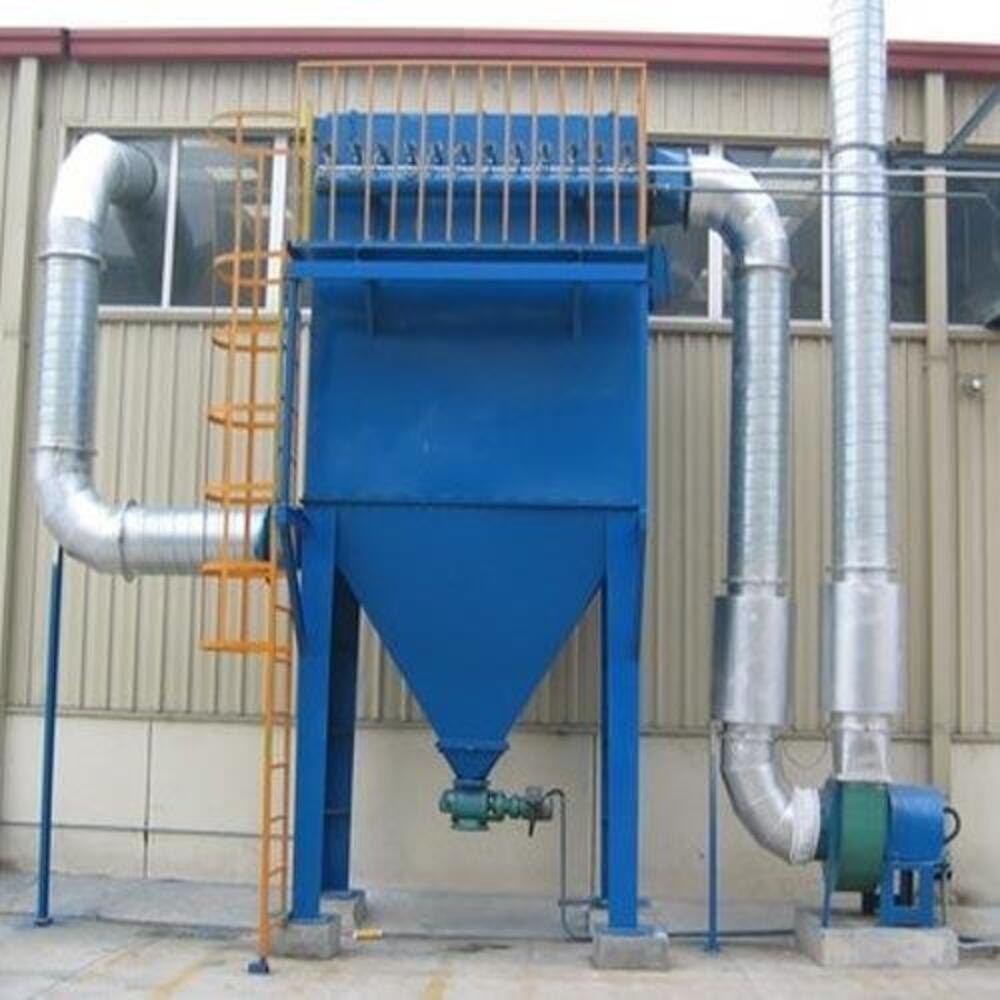
Industrial Mechanical Dust Collector System - High-Efficiency Air Filtration Unit
View Details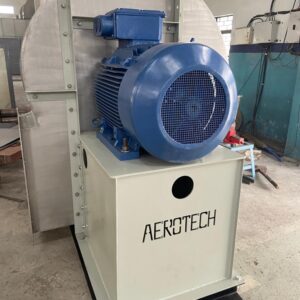
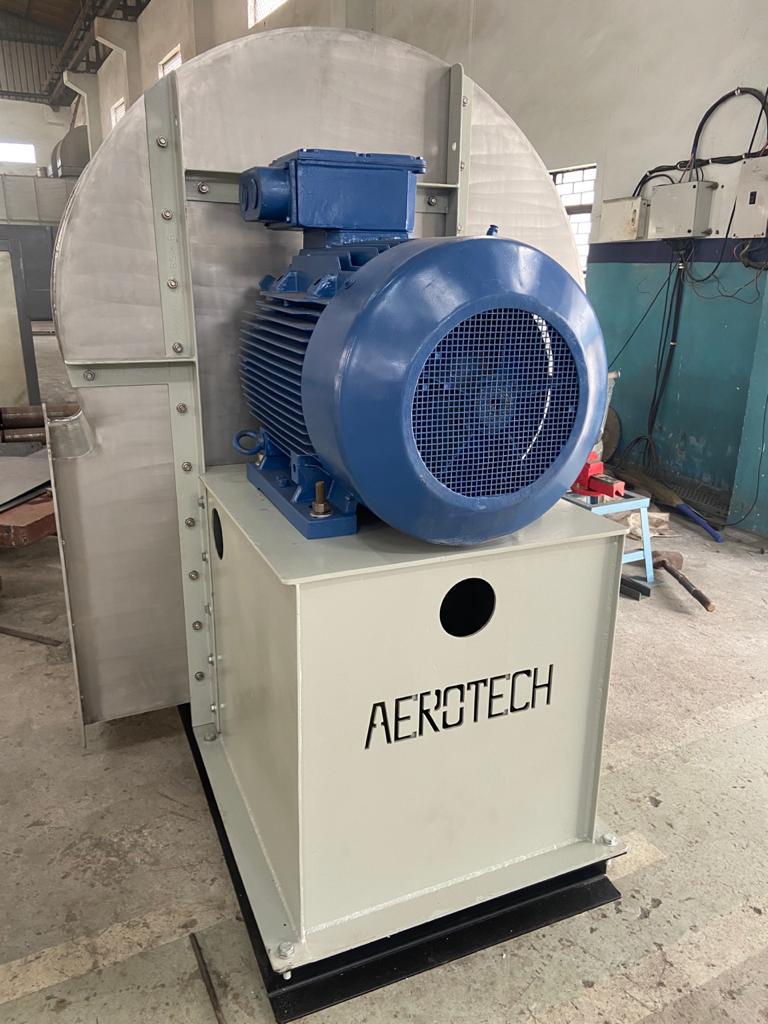
Aerotech Industrial Centrifugal Fan Blower – High-Pressure Air Handling System
View Details
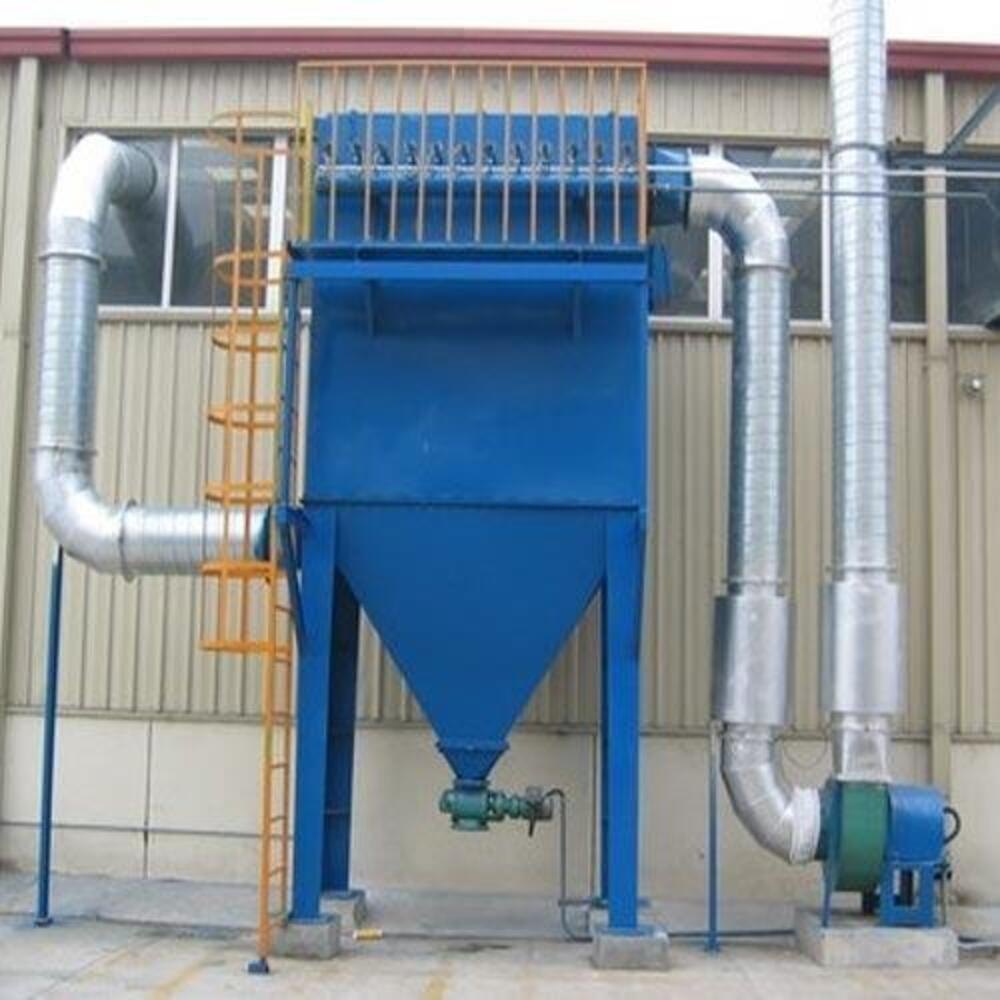
Industrial Pulse Jet Dust Collector - High Efficiency Filtration System
View Details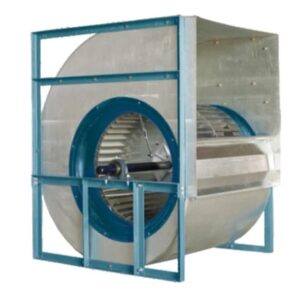

Industrial Forward Curved Centrifugal Blower – High Efficiency Air Handling Fan
View Details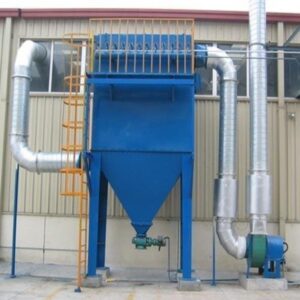
Industrial Dust Collection and Air Pollution Control System – High Efficiency Filter Unit
View Details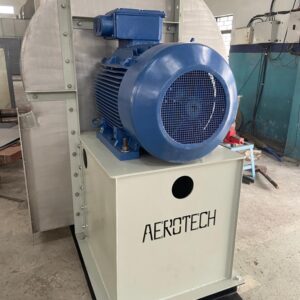
Industrial Centrifugal Blower Fan – High Efficiency Air Handling System
View Details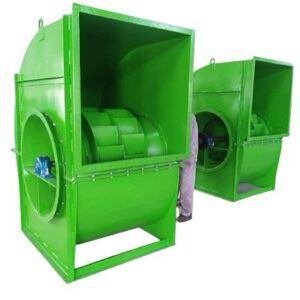
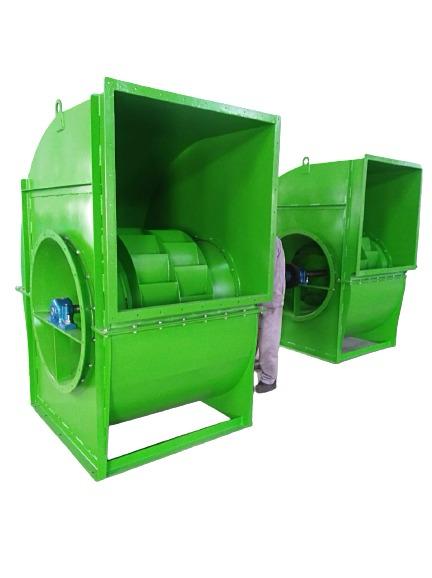
Industrial Backward Curved Centrifugal Blower - High Efficiency Air Handling System
View DetailsAn industrial dust control blower for production lines helps maintain clean air and steady performance in manufacturing environments. When machining, grinding, or packaging generates airborne dust, a reliable blower keeps the workspace safe and equipment running efficiently. Aeppl designs durable blower systems that fit seamlessly into dust collection setups, supporting compliance with air quality standards and long-term operational stability.
Dust accumulation can reduce machine accuracy, affect product quality, and pose health hazards. A well-engineered blower maintains airflow balance, helping filtration systems capture fine particles before they spread through the plant. Industries such as cement, metal fabrication, pharmaceuticals, and food processing rely on these systems for smooth, uninterrupted production.
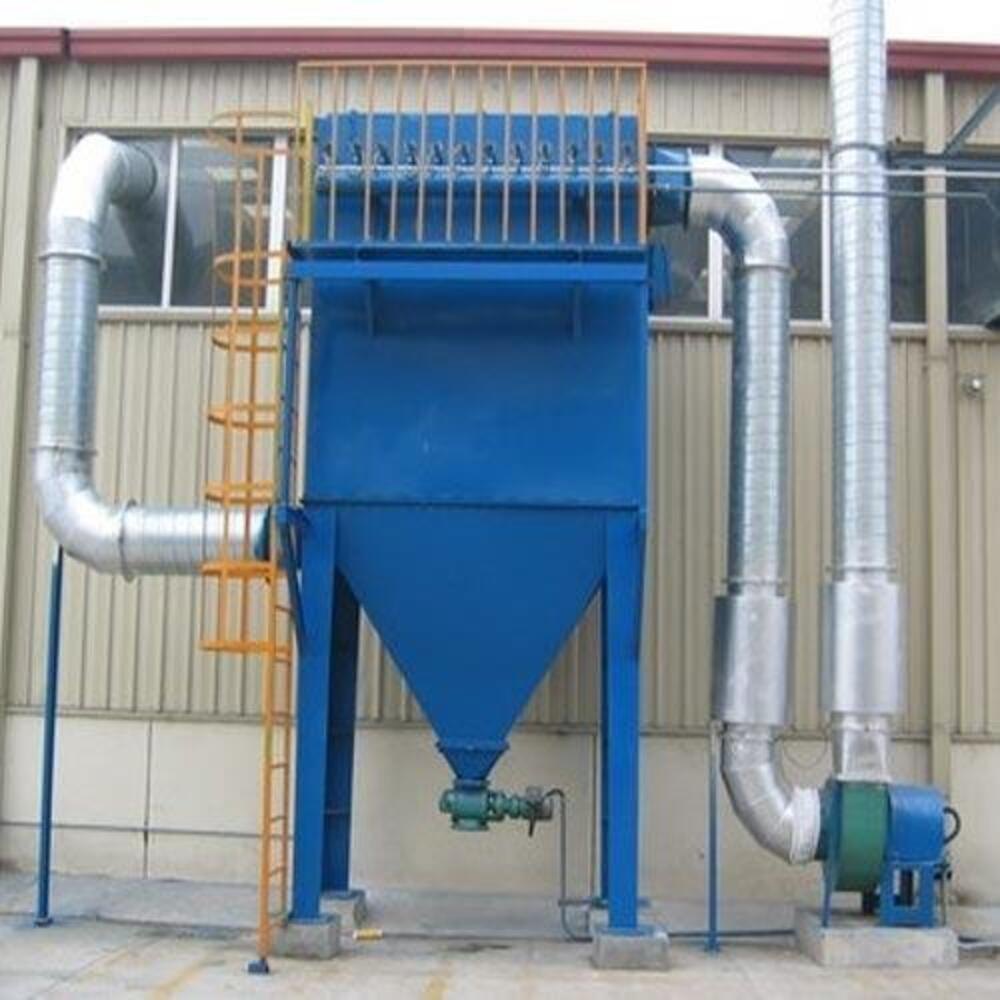
A dust control blower typically connects to collectors such as the Industrial Pulse Jet Dust Collector or the Industrial Dust Collector System. The blower generates the airflow needed to move contaminated air through ducts to the collector, where filters remove particulates before clean air is released back into the workspace.
| Blower Type | Typical Use | Airflow Range | Efficiency |
|---|---|---|---|
| Backward Curved Centrifugal | Continuous process lines | Medium to high | High |
| Forward Curved Centrifugal | Compact systems | Low to medium | Moderate |
| High Pressure Centrifugal | Heavy particulate handling | High | High |
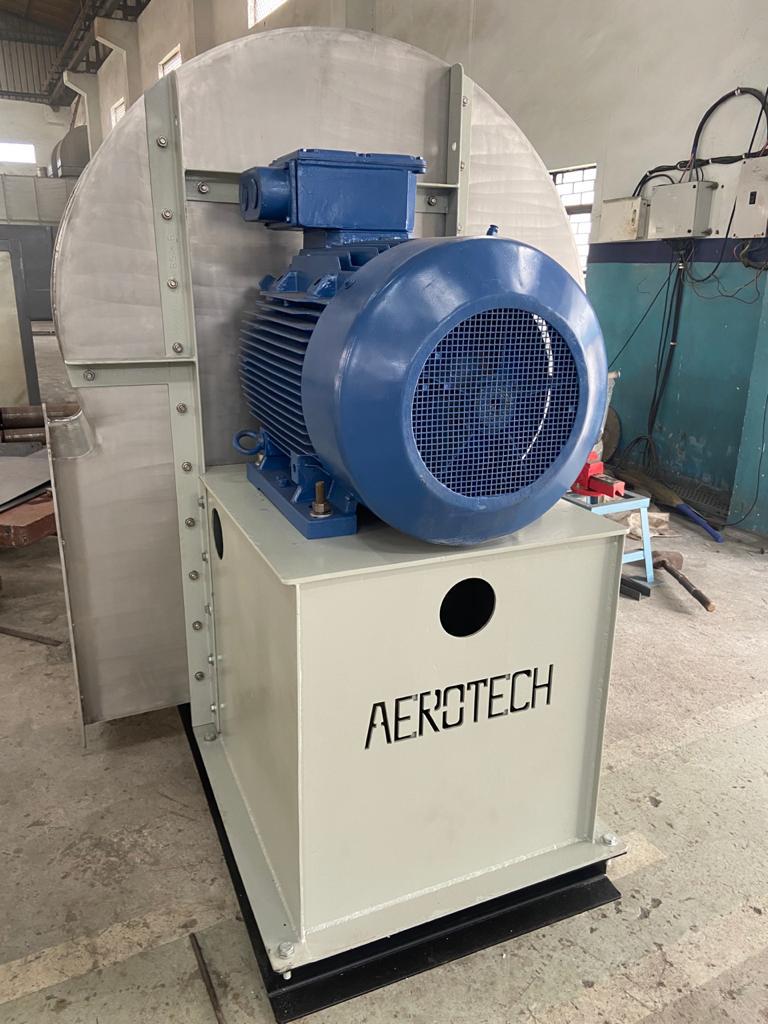
Aeppl engineers each blower with durable casing materials, precision balancing, and optimized impeller geometry. Units can be customized for airflow volume, pressure rating, and installation footprint. Optional features include variable frequency drives and digital monitoring for automation-ready facilities.
Modern manufacturing emphasizes sustainable operation and reduced energy use. Aeppl blowers meet current efficiency standards with low power consumption and stable output. They comply with national emission norms and can be configured for international standards, making them suitable for export-oriented plants.
Routine maintenance helps extend blower life and maintain airflow consistency. Aeppl provides guidance on bearing lubrication, impeller inspection, and performance calibration. Technical assistance is available for installation and troubleshooting. Contact sales@aeppl.com or call +91-9599785811, +91 8377077661, +91 9810162210 for support.
| Parameter | Aeppl Blower | Industry Benchmark |
|---|---|---|
| Motor Efficiency | Up to 92% | 85%-88% |
| Noise Level | Below 75 dB | 80-85 dB |
| Material Construction | Heavy gauge mild steel or stainless steel | Standard mild steel |
| Operational Life | Over 50,000 hours | 35,000-40,000 hours |
The correct blower choice depends on airflow needs, dust particle characteristics, and system design. Aeppl’s engineering team helps define specifications for efficient extraction and minimal energy loss. Whether upgrading existing lines or planning new installations, expert consultation ensures proper sizing and long-term reliability.
Aerotech Equipments and Projects Pvt. Ltd. (Aeppl) is a trusted Indian manufacturer of industrial air handling and dust control systems. With decades of engineering experience, Aeppl delivers reliable solutions for air movement and filtration in diverse industries worldwide. Visit Aeppl
It is a mechanical unit that moves dust-laden air from work areas to filtration systems, maintaining a clean and safe production environment.
By maintaining consistent airflow, it reduces dust buildup on machinery, supports filtration systems, and helps sustain product quality.
Airflow volume, static pressure, dust type, energy efficiency, and compatibility with existing collectors are key considerations.
Yes, with suitable impeller design and filtration setup, a single blower can handle a wide range of particulate sizes.
Yes, periodic inspection of bearings, impeller balance, and airflow ensures reliable operation and longer service life.
Modern energy-efficient blowers are designed to deliver strong performance even in continuous industrial operations.
The blower creates airflow that carries dust to the collector, where filters capture particles before clean air is released.
Manufacturers use mild steel, stainless steel, and coated alloys for durability and corrosion resistance.
Yes, Aeppl offers tailored solutions to meet specific production line requirements and airflow parameters.
You can reach Aeppl at sales@aeppl.com or call +91-9599785811, +91 8377077661, +91 9810162210 for expert support.