
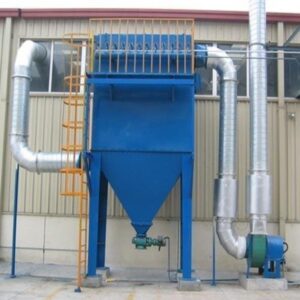
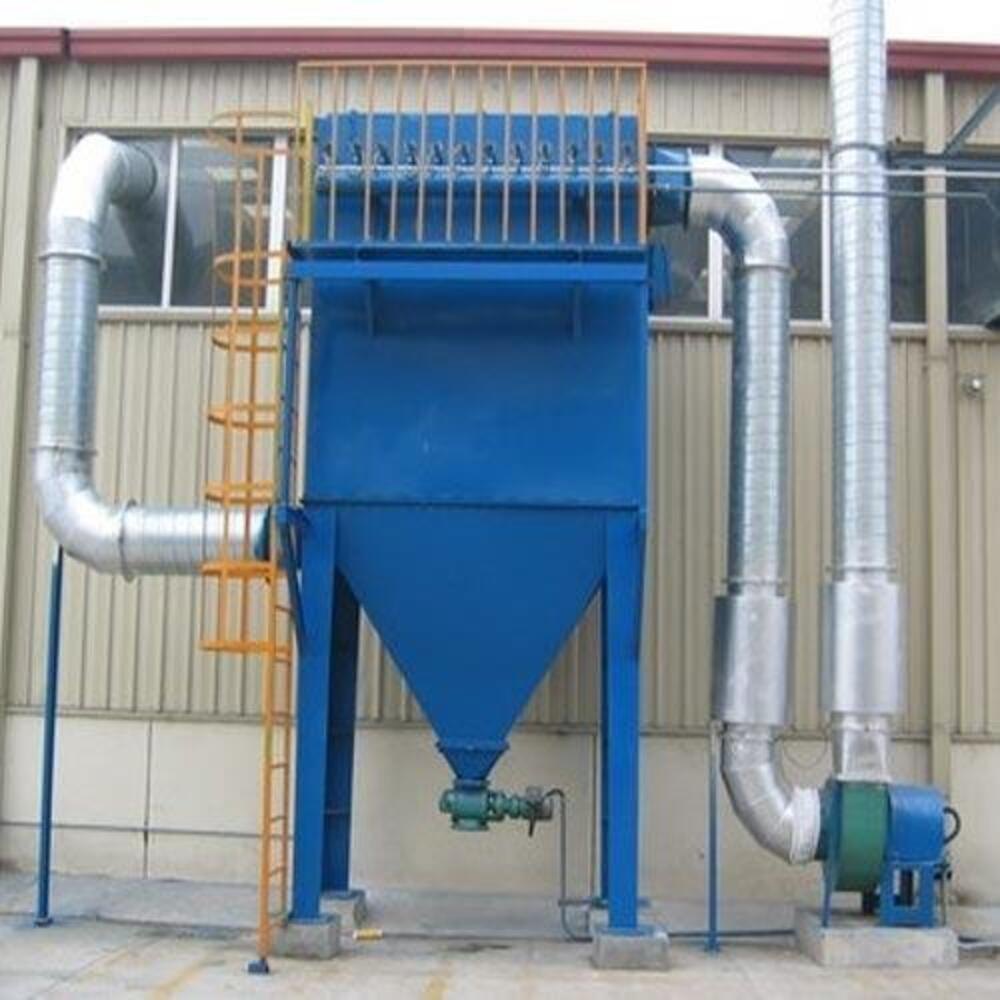
Industrial Dust Collection and Air Pollution Control System – High Efficiency Filter Unit
View Details
Industrial Dust Collection and Air Pollution Control System – High Efficiency Filter Unit
View Details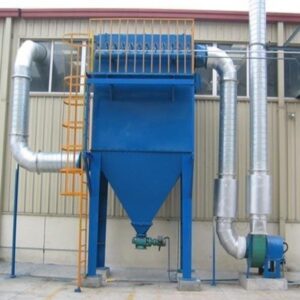
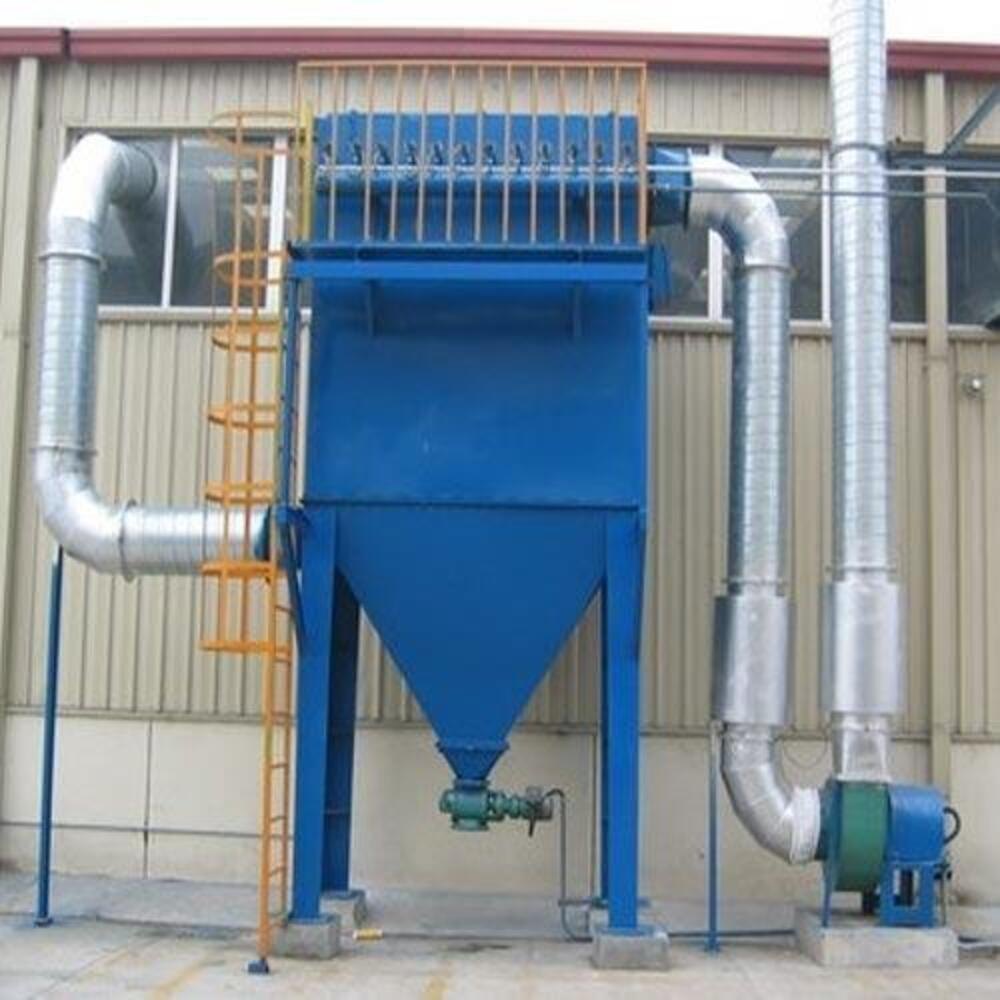
Industrial Dust Collector System – High Efficiency Air Pollution Control Unit
View Details
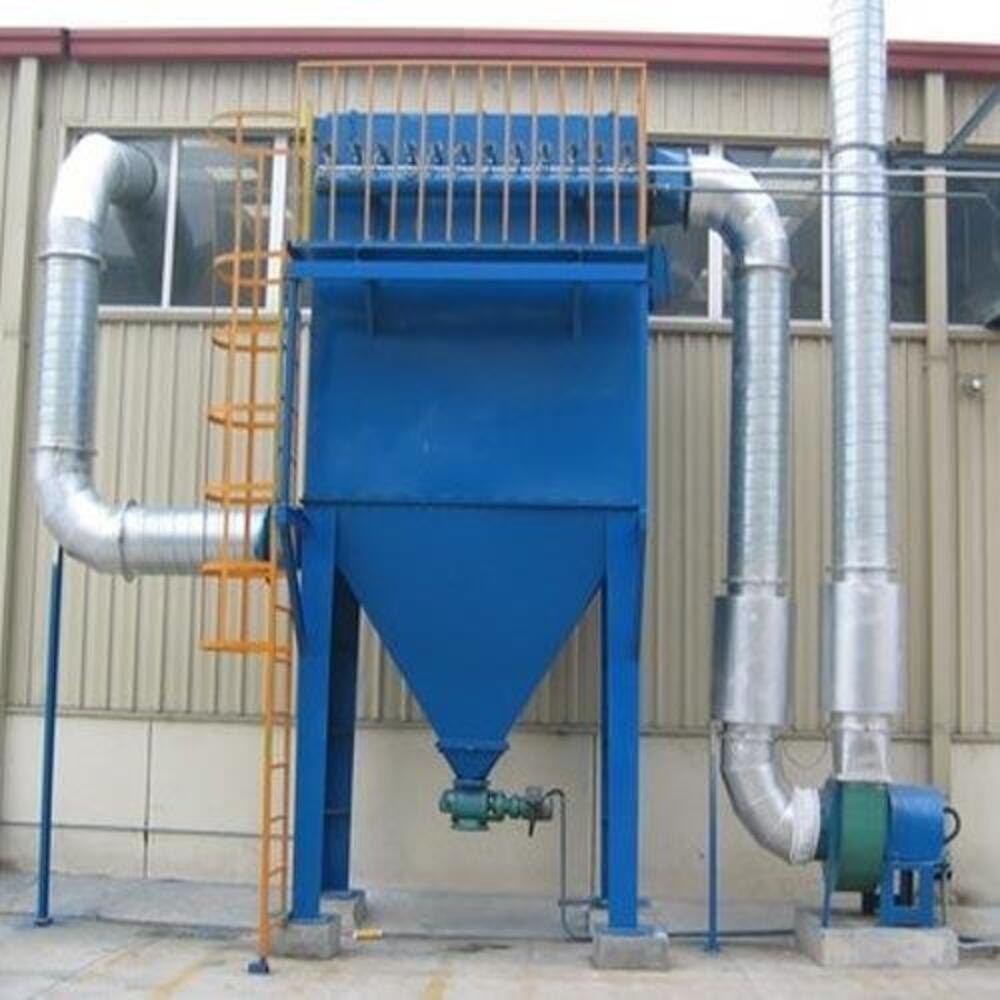
Industrial Mechanical Dust Collector System - High-Efficiency Air Filtration Unit
View Details
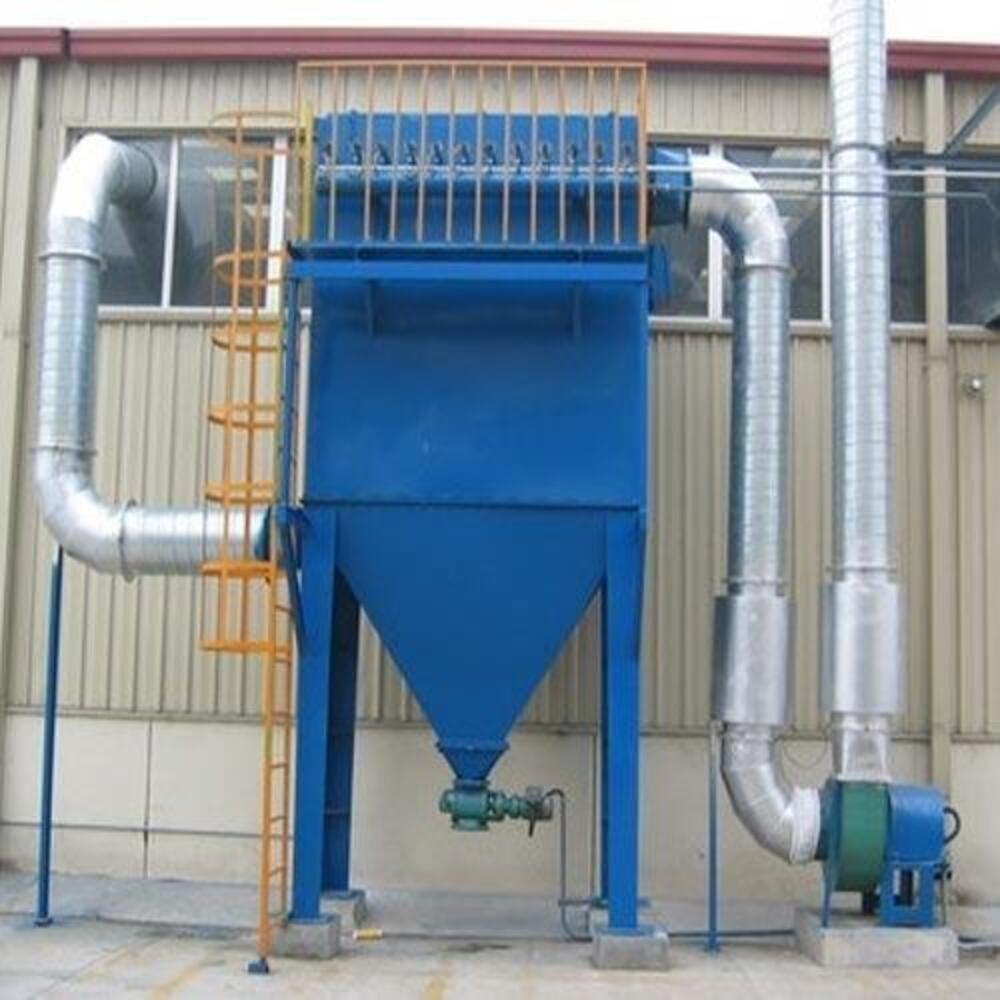
Industrial Bag Filter Dust Collection System - High-Efficiency Air Filtration Unit
View Details
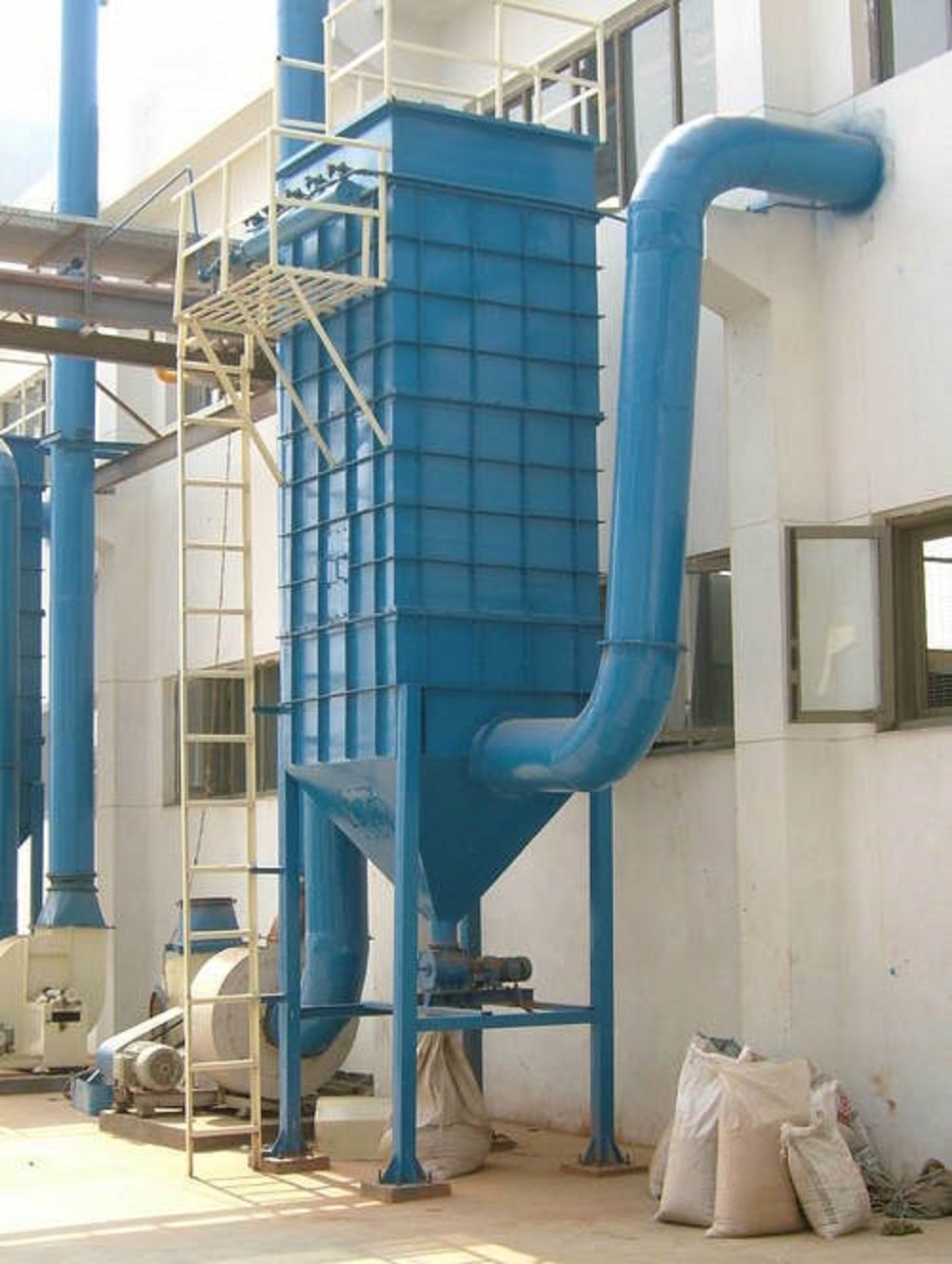
Industrial Dust Collection Bag Filter System - High Efficiency Air Filtration Unit
View Details
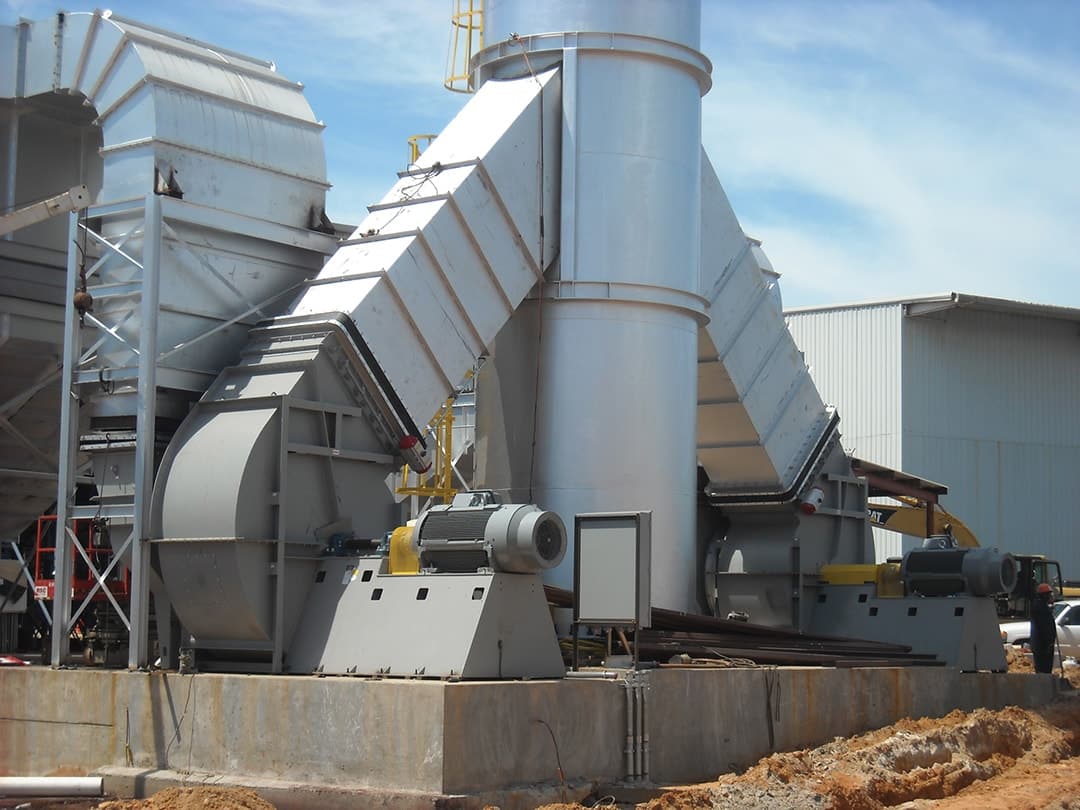
Industrial Fume Scrubber System - High-Efficiency Air Pollution Control Unit
View Details
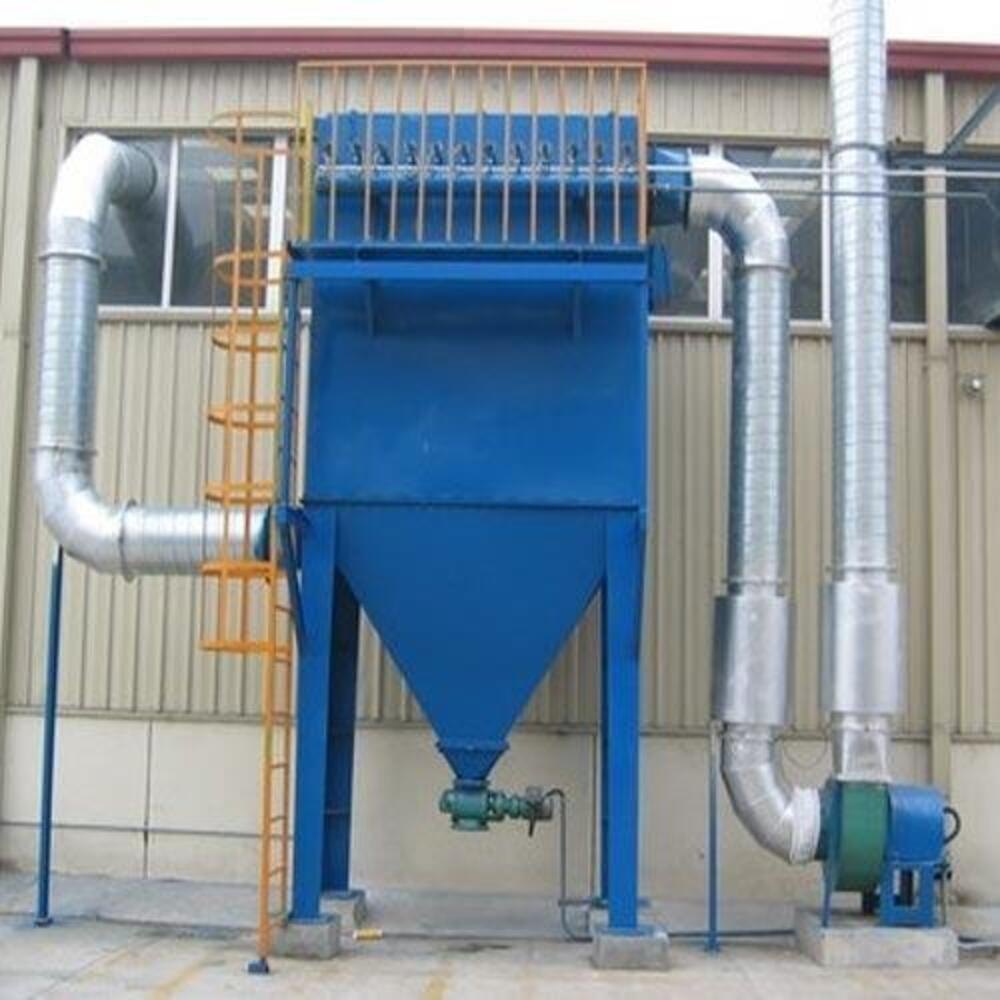
Industrial Pulse Jet Dust Collector - High Efficiency Filtration System
View Details
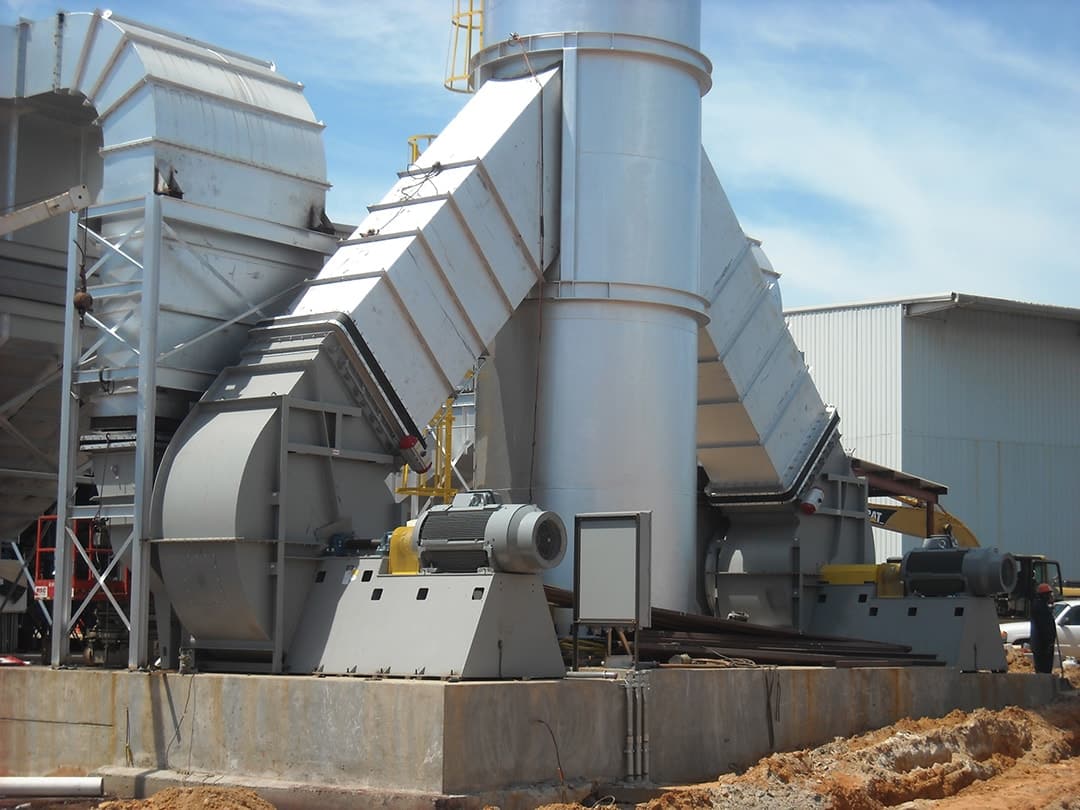
Industrial Smoke Spill Exhaust Unit - High-Temperature Ventilation System
View DetailsManaging airborne dust is one of the biggest challenges in manufacturing and processing environments. An industrial dust control system helps keep air clean, protects workers, and ensures compliance with environmental regulations. In facilities such as cement plants, steel mills, and food production units, these systems play a vital role in maintaining safe and efficient operations. Aeppl designs and builds reliable dust control systems that combine solid engineering with long-term performance.
Dust can come from grinding, cutting, conveying, or packaging materials. Without proper filtration, it can settle on equipment, clog ventilation ducts, and create health hazards. A well-planned industrial dust control system captures particles at their source and filters them before releasing clean air back into the workspace. This not only improves air quality but also helps prevent unnecessary wear on machinery.
Aeppl offers several system configurations suited to different industrial processes and plant layouts. Each design focuses on efficiency, durability, and ease of maintenance.
The right dust control system depends on how your facility operates and what kind of dust is produced. Below is a simple comparison of common system types.
| System Type | Filtration Efficiency | Maintenance Frequency | Best Suited For |
|---|---|---|---|
| Pulse Jet Dust Collector | High (up to 99.9%) | Low | Continuous process industries |
| Bag Filter System | High | Moderate | Cement, steel, and bulk material handling |
| Mechanical Dust Collector | Medium | Low | Foundries and heavy particulate zones |
Aeppl focuses on practical features that make operation and maintenance straightforward. Each system is built to support long-term reliability and performance.
Modern facilities are increasingly focused on reducing energy use and environmental impact. Aeppl integrates variable frequency drives, optimized duct layouts, and efficient airflow management to lower power consumption. These features help companies align with sustainability goals while maintaining consistent filtration performance.
Whether installing a new setup or upgrading an existing one, Aeppl ensures smooth integration with ventilation, exhaust, and automation systems. This approach minimizes downtime and helps maintain steady production output. Real-time monitoring options allow operators to track performance and plan maintenance more effectively.
Every industrial environment has unique conditions. Factors such as dust particle size, process temperature, humidity, and production volume determine the best configuration. Aeppl engineers work closely with plant teams to design systems that meet both operational and regulatory needs.
| Selection Criteria | Consideration | Impact |
|---|---|---|
| Particle Size | Determines filter media type | Ensures proper dust capture |
| Process Temperature | Influences material choice | Prevents filter damage |
| Airflow Volume | Defines fan and duct sizing | Maintains stable pressure |
| Emission Norms | Sets filtration target | Ensures compliance |
If you are planning a new installation or looking to upgrade your current system, Aeppl's technical specialists can help you select the right configuration. Contact the team at +91-9599785811, +91-8377077661, or +91-9810162210, or email sales@aeppl.com for assistance.
Aerotech Equipments and Projects Pvt. Ltd. (Aeppl) is a trusted Indian manufacturer of air handling and ventilation equipment. With decades of experience, Aeppl delivers dependable dust control and air purification solutions for industries worldwide. Visit Aeppl
An industrial dust control system captures and filters airborne dust created during manufacturing processes, helping maintain clean air and safe working conditions.
It reduces airborne particles that can cause respiratory problems or contaminate products, creating a healthier environment for workers.
Industries such as cement, steel, food processing, pharmaceuticals, and foundries rely on dust control systems to meet air quality and emission standards.
Important factors include particle size, process temperature, airflow volume, and local emission regulations.
Yes, modern systems use efficient fans, motors, and airflow designs to reduce power consumption while maintaining filtration performance.
Most systems can connect to automated controls and monitoring platforms for real-time performance tracking and maintenance planning.
Regular cleaning of filters and inspection of ducts and fans helps maintain consistent performance and prevent downtime.
They support compliance by controlling particulate emissions and meeting local and international air quality standards.
Aeppl provides tailored systems designed for specific industrial processes and site conditions.
You can reach Aeppl at +91-9599785811, +91-8377077661, or +91-9810162210, or email sales@aeppl.com for expert guidance.