
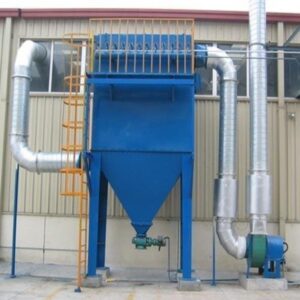
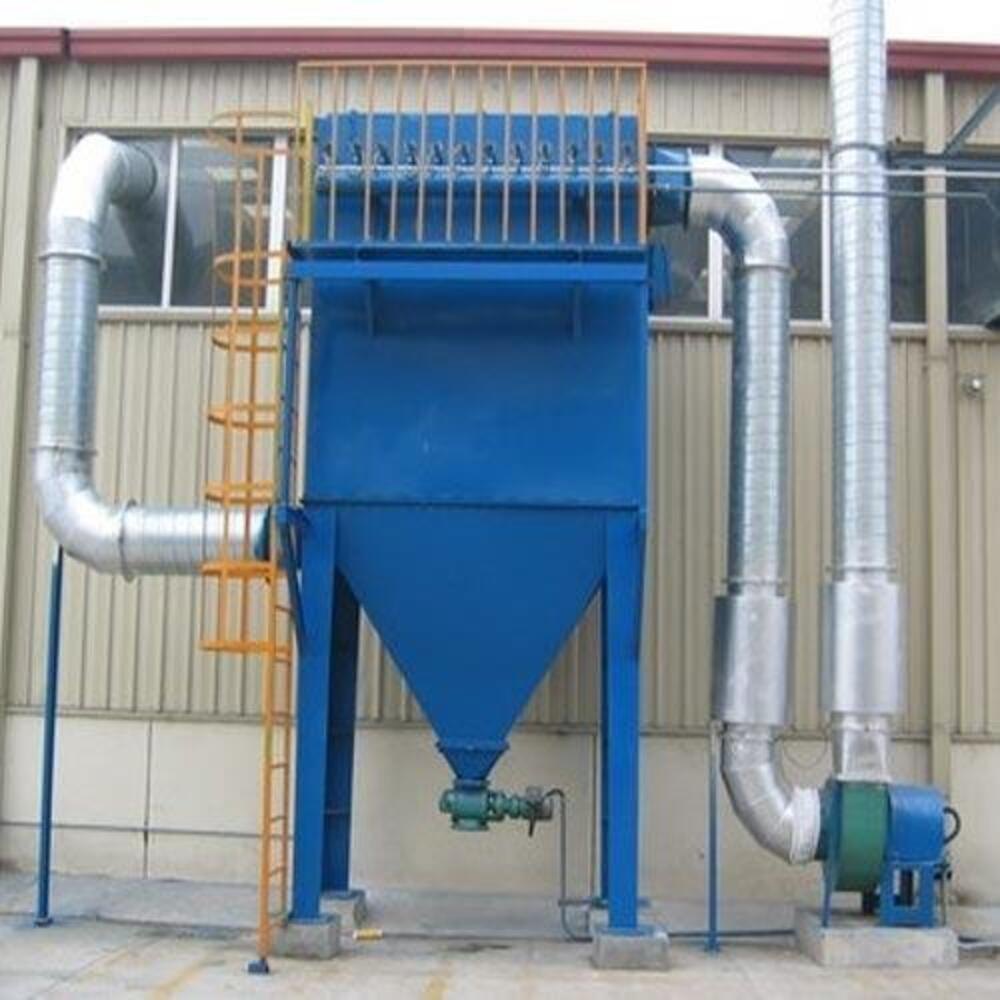
Industrial Dust Collection and Air Pollution Control System – High Efficiency Filter Unit
View Details
Industrial Dust Collection and Air Pollution Control System – High Efficiency Filter Unit
View Details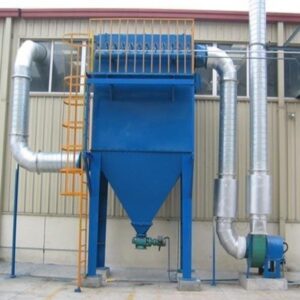
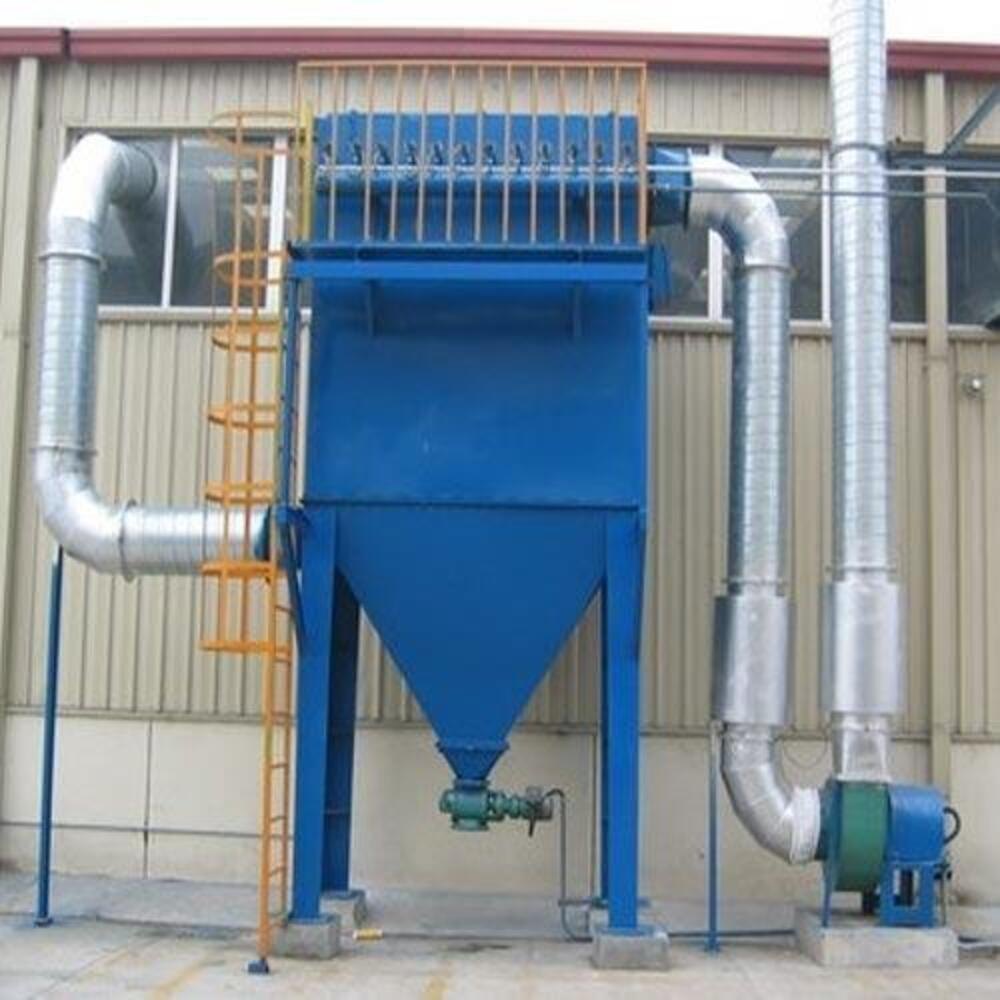
Industrial Dust Collector System – High Efficiency Air Pollution Control Unit
View Details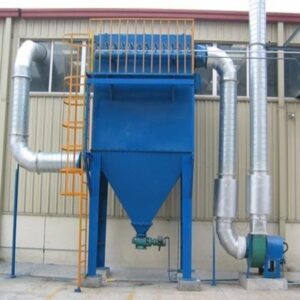
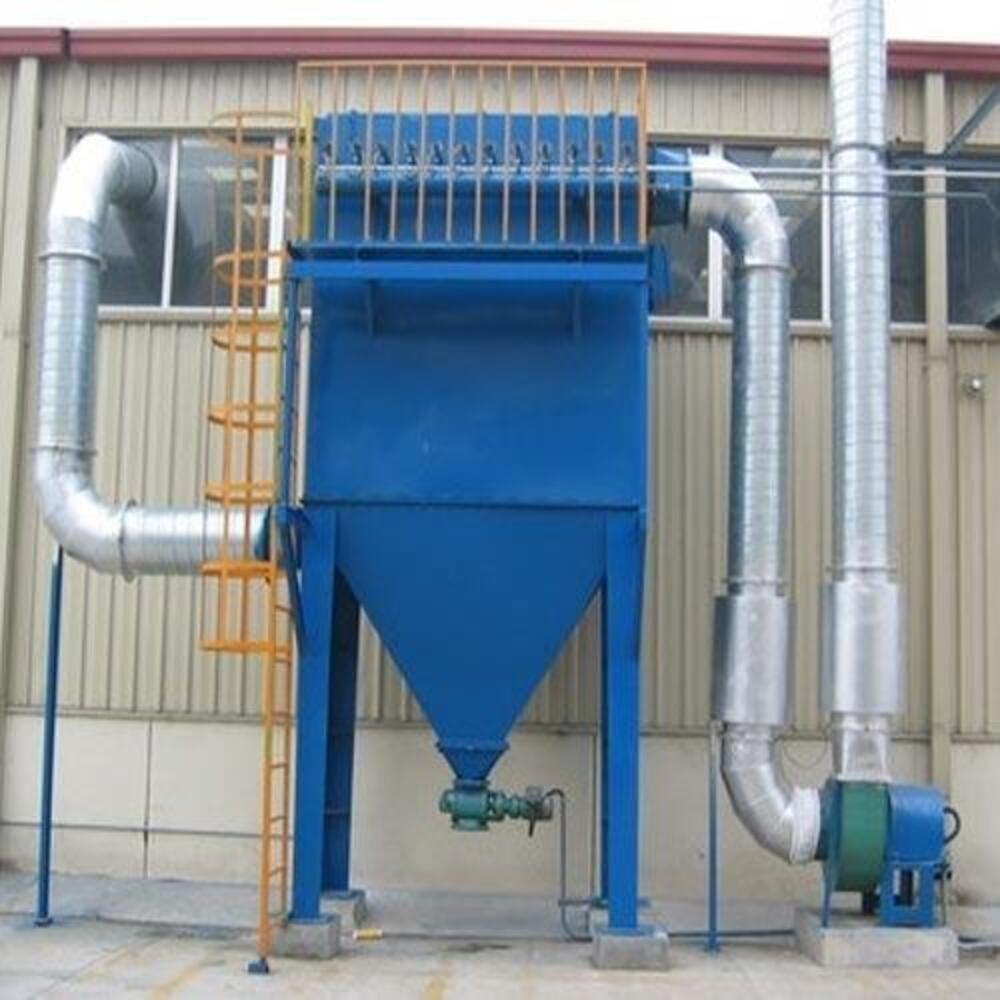
Industrial Bag Filter Dust Collection System - High-Efficiency Air Filtration Unit
View Details
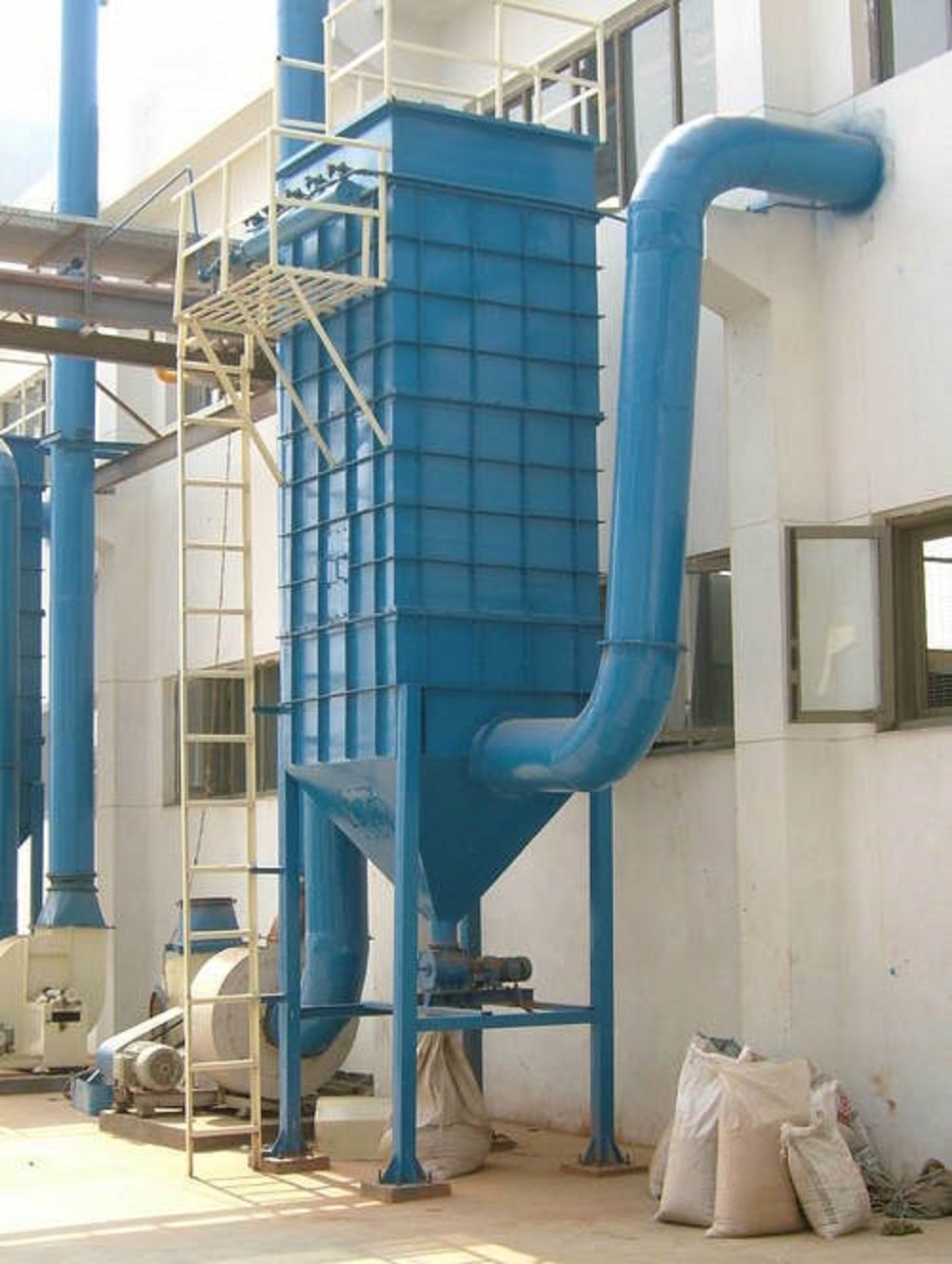
Industrial Dust Collection Bag Filter System - High Efficiency Air Filtration Unit
View Details
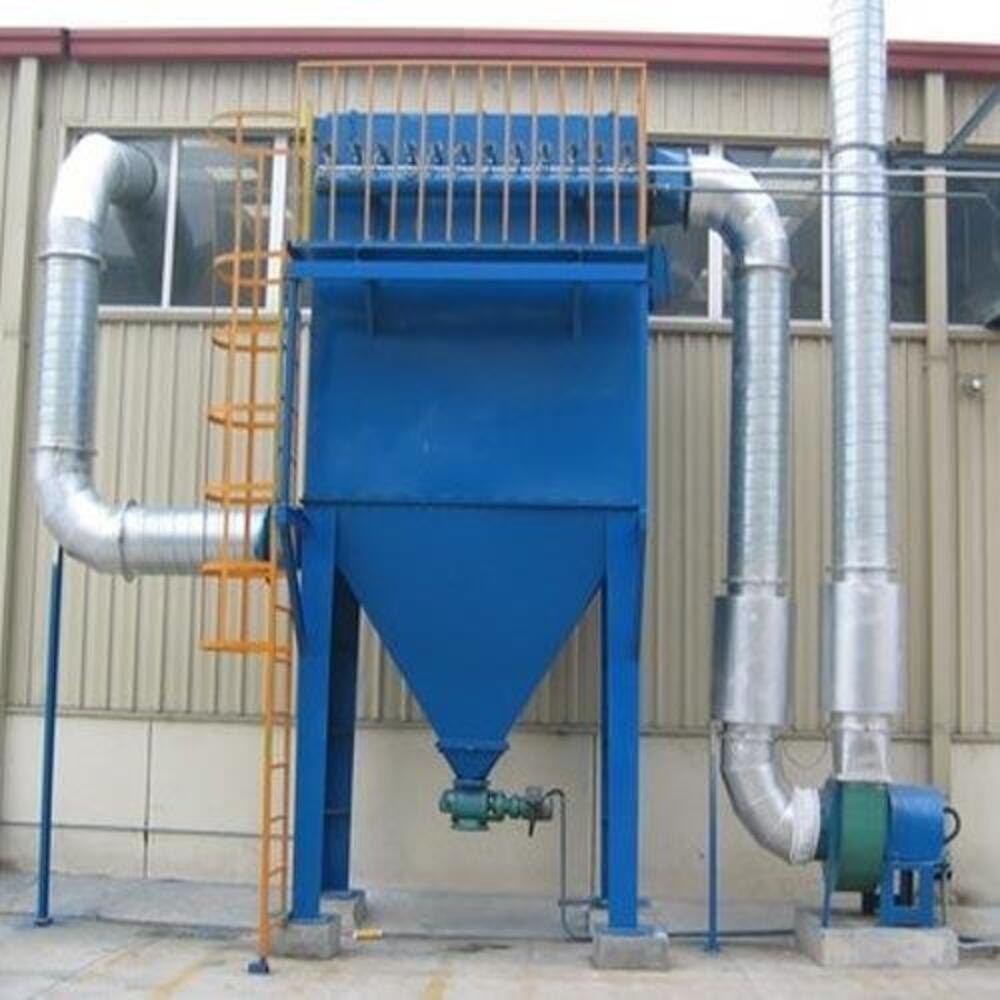
Industrial Mechanical Dust Collector System - High-Efficiency Air Filtration Unit
View Details
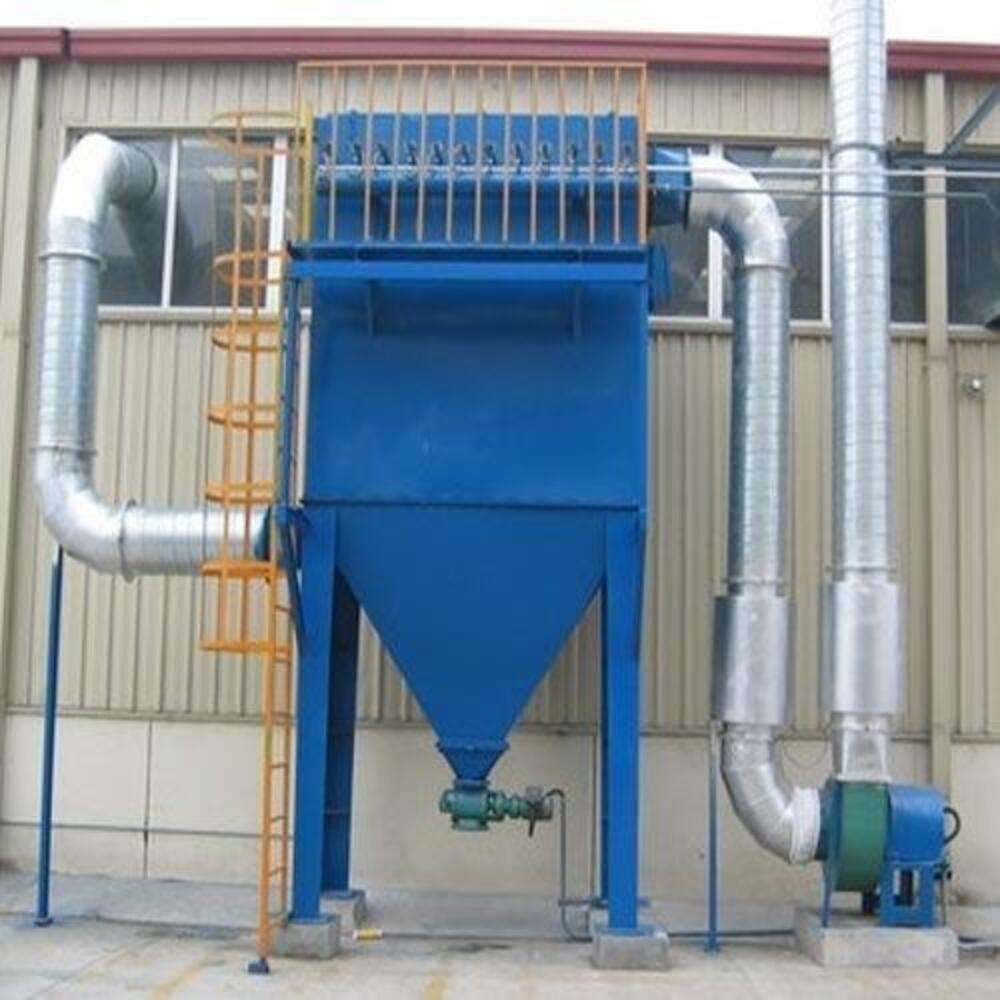
Industrial Dust Collection System - High-Efficiency Filtration Unit with Cyclone Separator
View Details
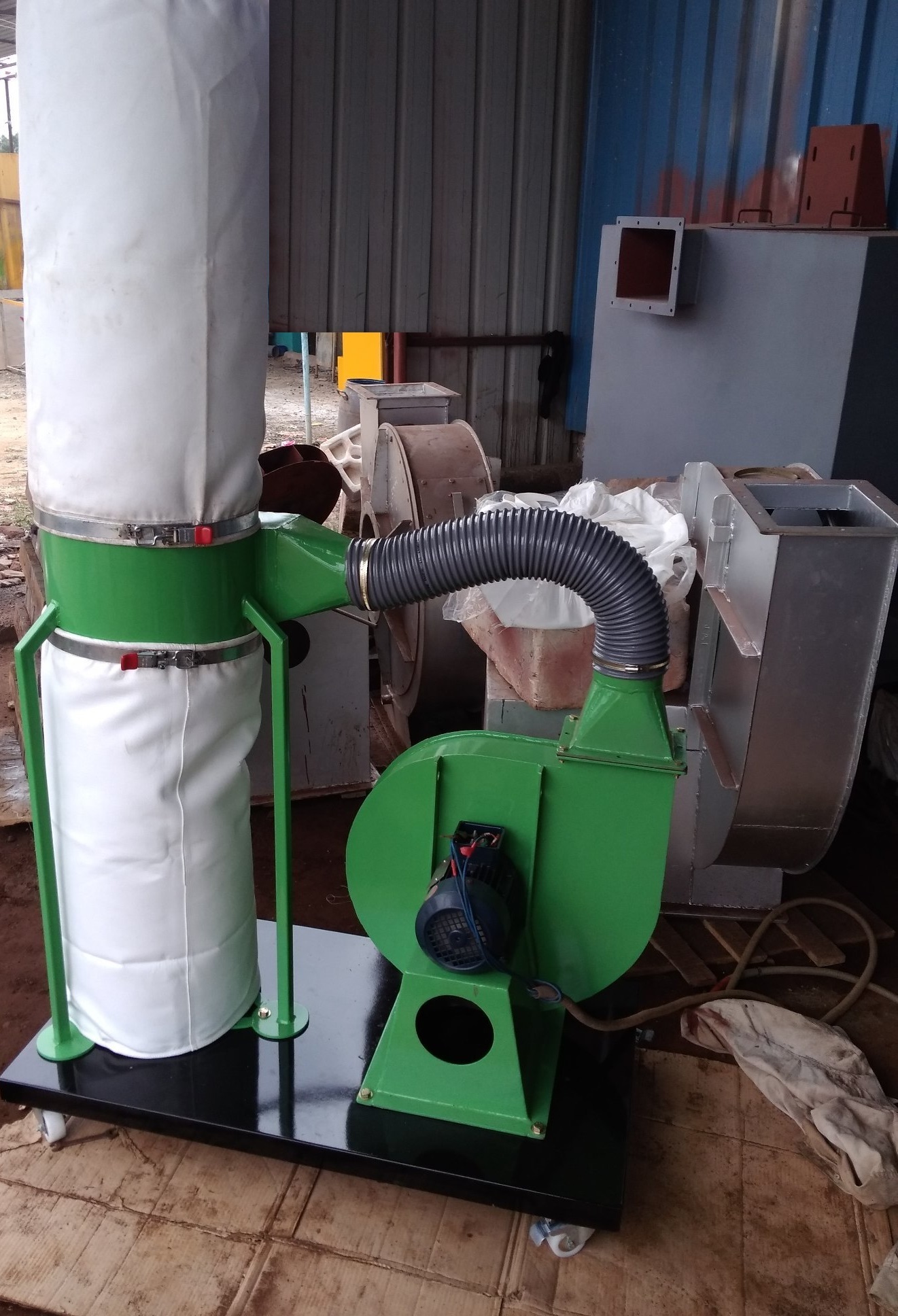
Industrial Portable Dust Collector - High-Efficiency Filtration System
View Details
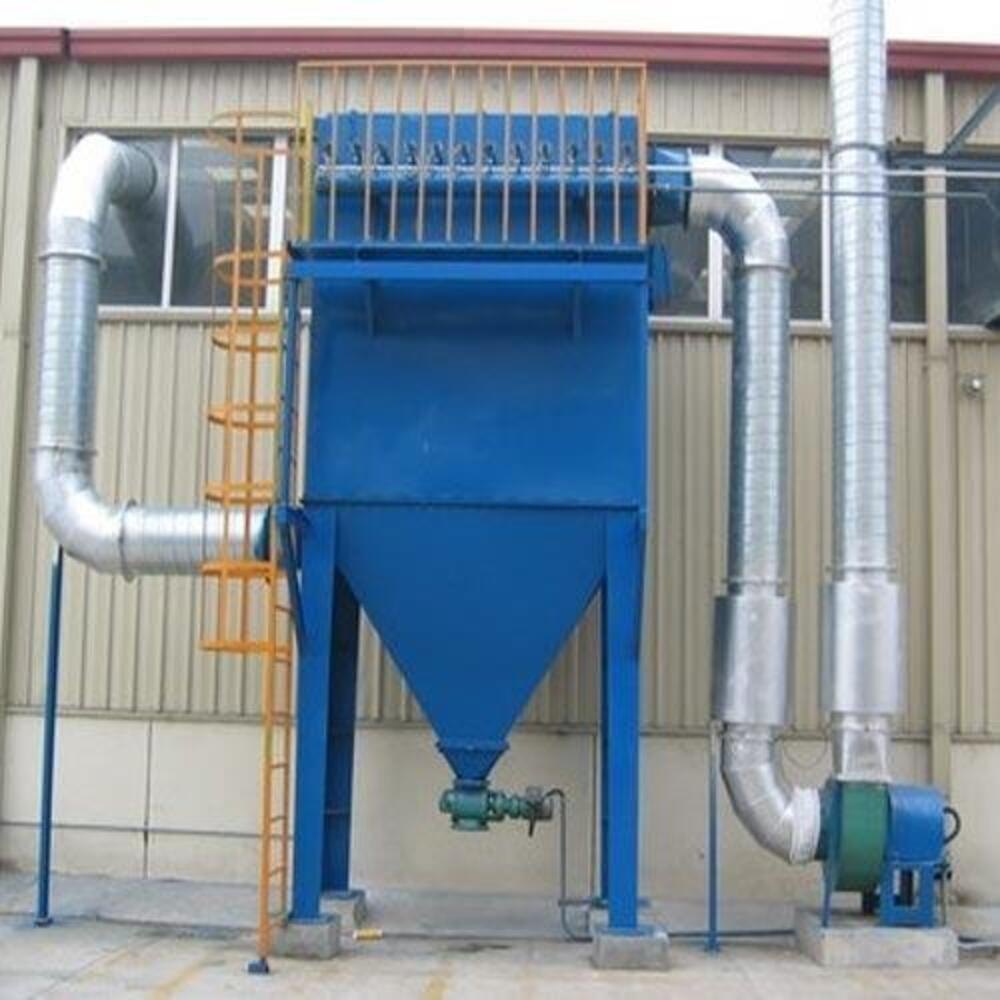
Industrial Pulse Jet Dust Collector - High Efficiency Filtration System
View DetailsDust collection and pollution control systems are essential for keeping industrial environments safe and compliant. These systems remove airborne dust, fumes, and other pollutants that can harm workers, damage equipment, or lead to regulatory penalties. By maintaining clean air, manufacturers improve productivity and protect both people and machinery.
Dust collection systems operate by drawing contaminated air through ducts and filters. A fan creates negative pressure that moves air toward the filtration unit. Inside, dust particles are trapped by filter media while clean air is released back into the workspace or vented outside. The design and efficiency depend on factors such as dust type, particle size, and required air quality levels.
Pollution control systems handle emissions and fine particulate matter from industrial processes. Choosing the right one depends on dust characteristics, volume, and environmental regulations. Industries such as cement, steel, food, and pharmaceuticals require systems designed for their specific challenges. The goal is to achieve efficient filtration while keeping maintenance simple.
| System Type | Best For | Filtration Efficiency |
|---|---|---|
| Bag Filter System | Fine particulate removal | Up to 99% |
| Cyclone Separator | Coarse dust extraction | 90-95% |
| Pulse Jet Collector | Continuous process operations | 98-99% |
Modern dust collection and pollution control systems often include sensors and variable frequency drives to optimize energy use. Automated cleaning mechanisms help maintain filter performance and reduce manual intervention. As industries move toward sustainability, energy-efficient designs support environmental goals without compromising productivity.
These systems are used in cement manufacturing, metal fabrication, power generation, chemical processing, and food production. Each application demands specific filtration technology to manage different particle sizes and emission volumes. Proper system design ensures compliance with air quality standards and consistent operational performance.
| Industry | Preferred System | Key Benefit |
|---|---|---|
| Cement | Bag Filter Collector | Handles heavy dust loads |
| Steel | Pulse Jet Collector | Reliable for continuous operation |
| Food Processing | Compact Cartridge Filter | Maintains clean air for hygiene compliance |
Routine inspection and timely replacement of filters keep dust collection and pollution control systems running efficiently. Preventive maintenance reduces downtime, extends equipment life, and lowers overall operating costs. Investing in durable, high-quality filtration equipment provides long-term value and supports safer working conditions.
Aerotech Equipments and Projects Pvt. Ltd. (Aeppl) designs and manufactures air handling and ventilation solutions for industrial environments. The company provides dependable dust collection and pollution control systems focused on performance, safety, and durability. For inquiries, contact sales@aeppl.com or call +91-9599785811, +91 8377077661, +91 9810162210. Visit Aeppl
They are engineered setups that capture and remove airborne dust, fumes, and pollutants from industrial environments to maintain clean air and meet compliance standards.
They prevent dust buildup, protect worker health, and help machines operate efficiently while meeting environmental regulations.
Filter replacement depends on usage and dust type, but most systems need inspection every few months to maintain performance.
Yes, certain systems use heat-resistant filters and cooling stages to safely manage high-temperature exhaust.
A cyclone separator removes larger particles using centrifugal force, while a bag filter captures fine dust through fabric filtration.
Yes, many include variable frequency drives and automated cleaning to reduce energy use and extend filter life.
Cement, steel, food processing, chemical, and power generation industries rely on these systems for safe and compliant operation.
They help industries meet air pollution control norms set by local and international environmental agencies.
Aeppl designs and builds systems tailored to specific industrial needs, ensuring effective filtration and durability.
You can reach Aeppl at sales@aeppl.com or call +91-9599785811, +91 8377077661, +91 9810162210 for technical assistance or project inquiries.