
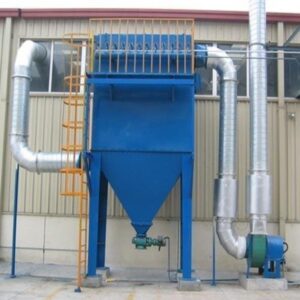
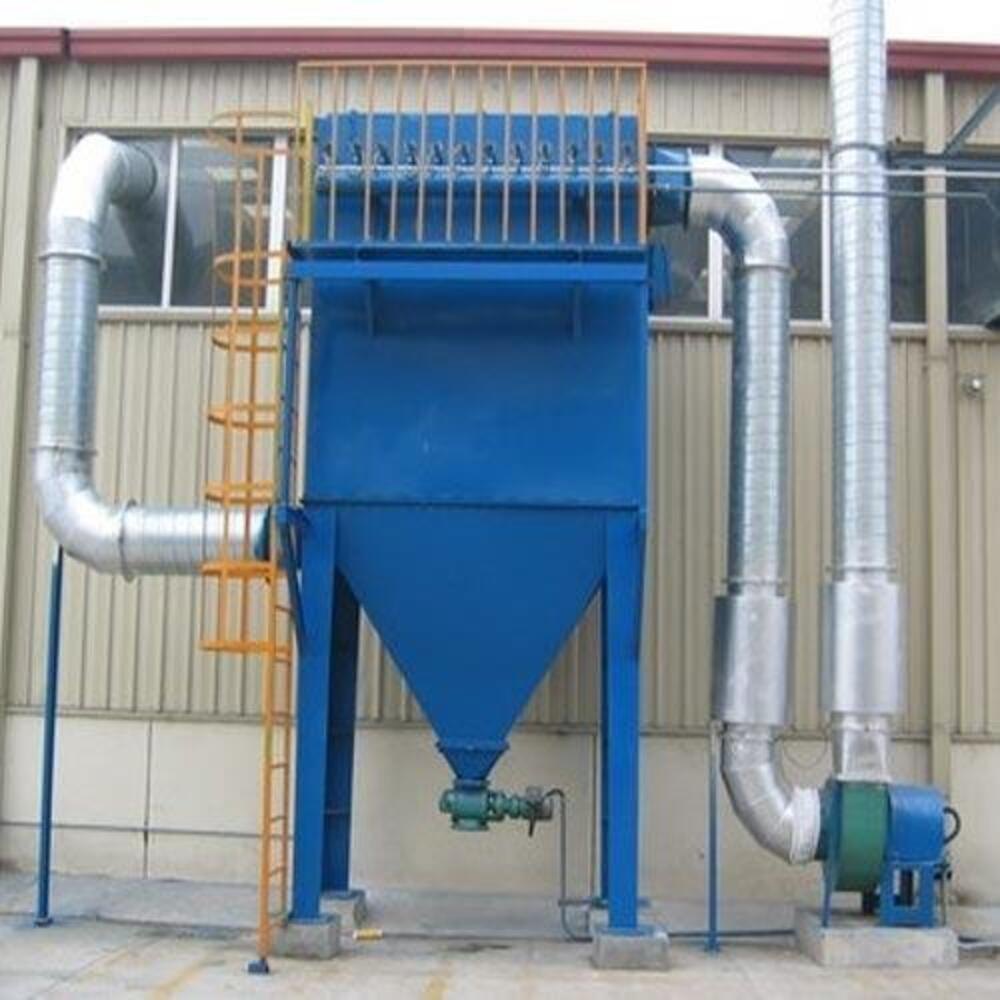
Industrial Dust Collection and Air Pollution Control System – High Efficiency Filter Unit
View Details
Industrial Dust Collection and Air Pollution Control System – High Efficiency Filter Unit
View Details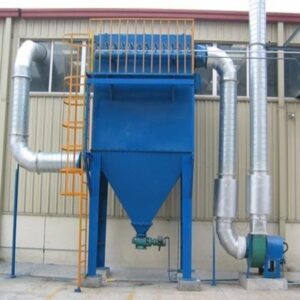
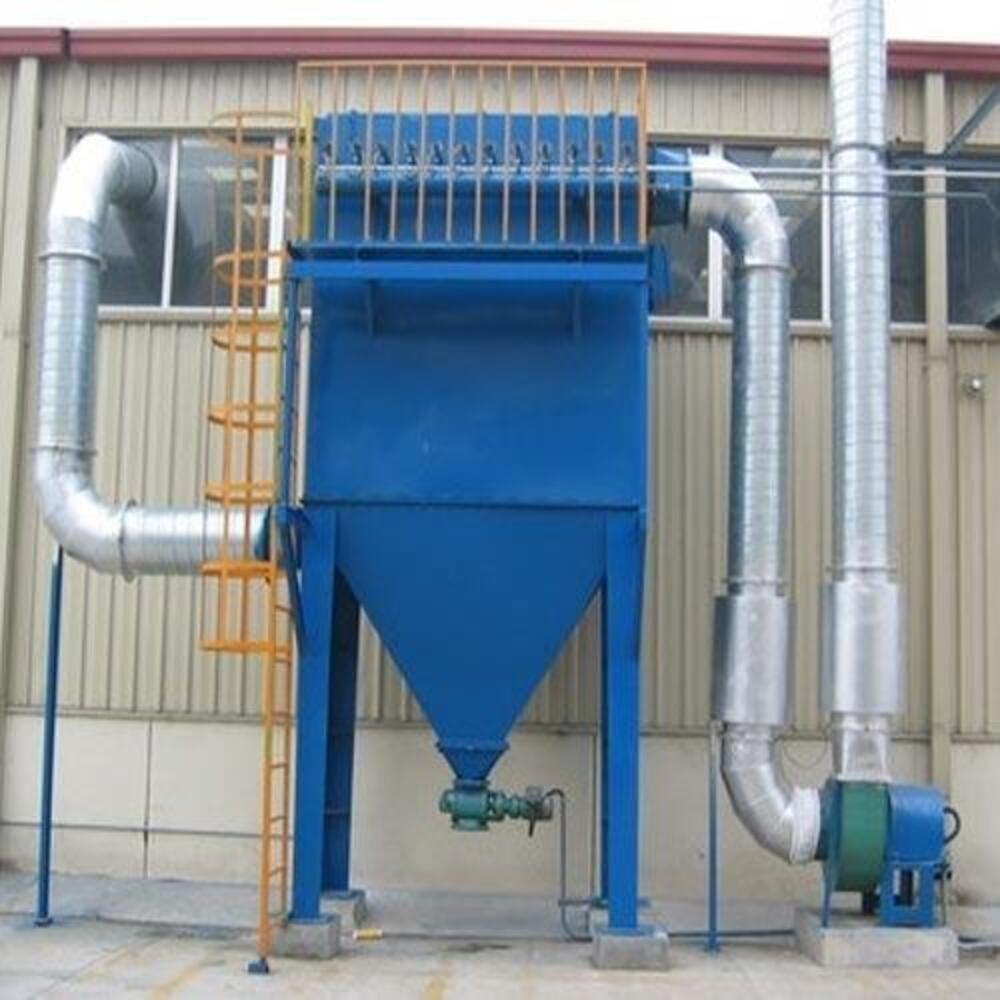
Industrial Bag Filter Dust Collection System - High-Efficiency Air Filtration Unit
View Details
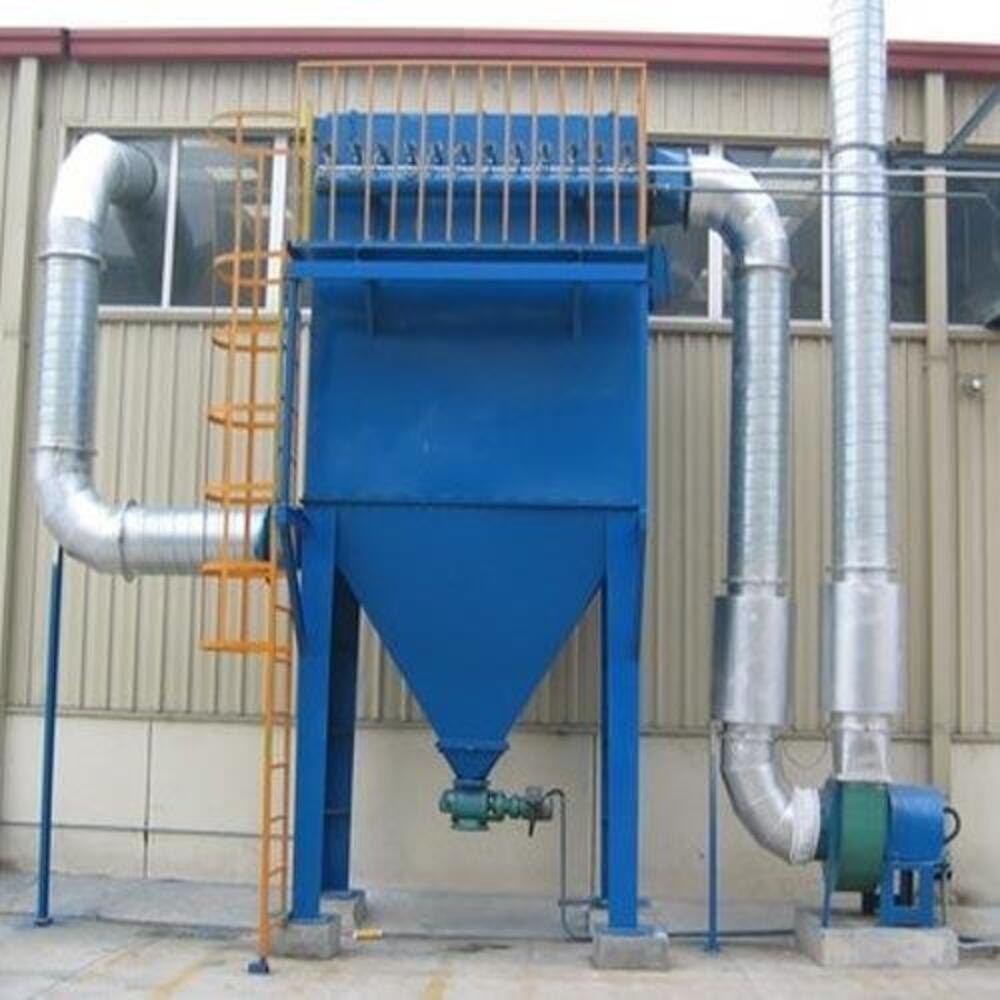
Industrial Mechanical Dust Collector System - High-Efficiency Air Filtration Unit
View Details
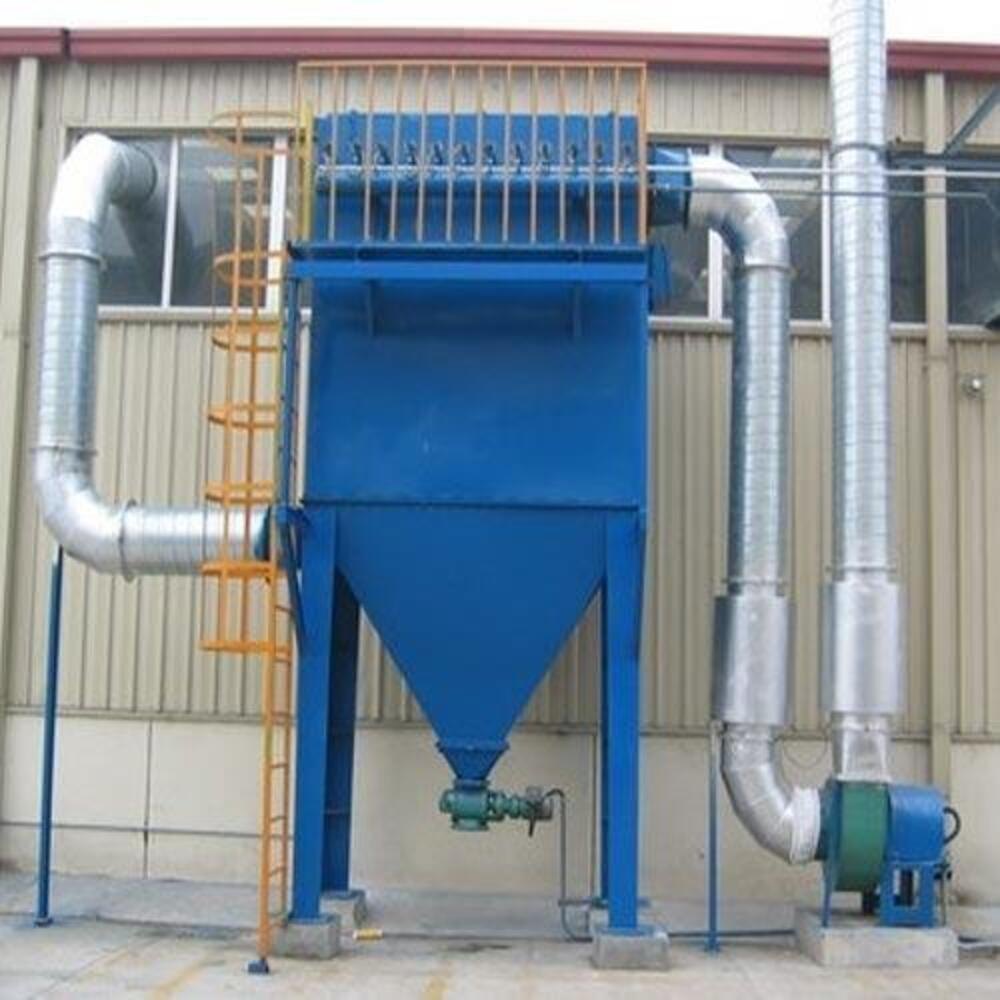
Industrial Dust Collector System – High Efficiency Air Pollution Control Unit
View Details
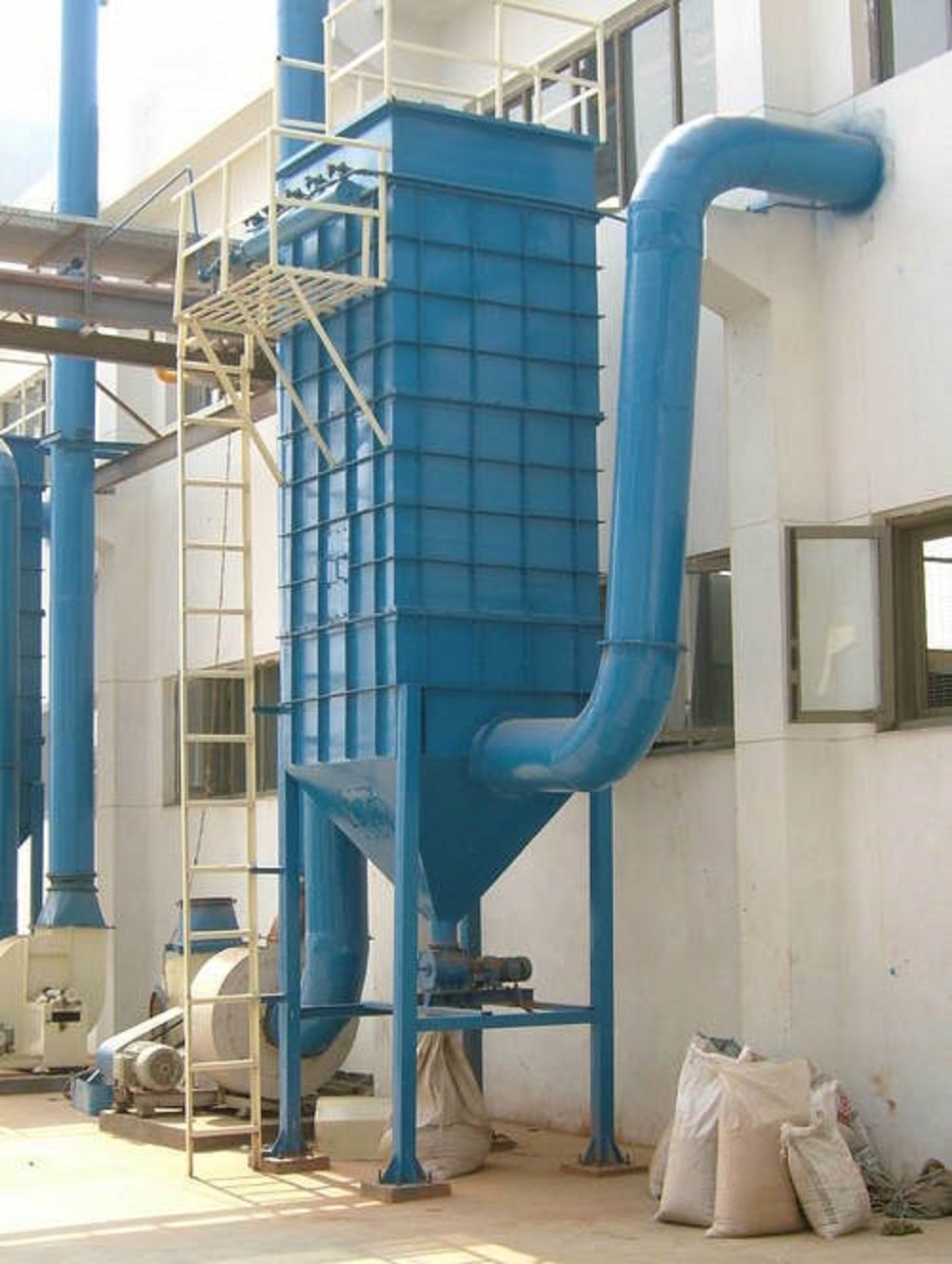
Industrial Dust Collection Bag Filter System - High Efficiency Air Filtration Unit
View Details
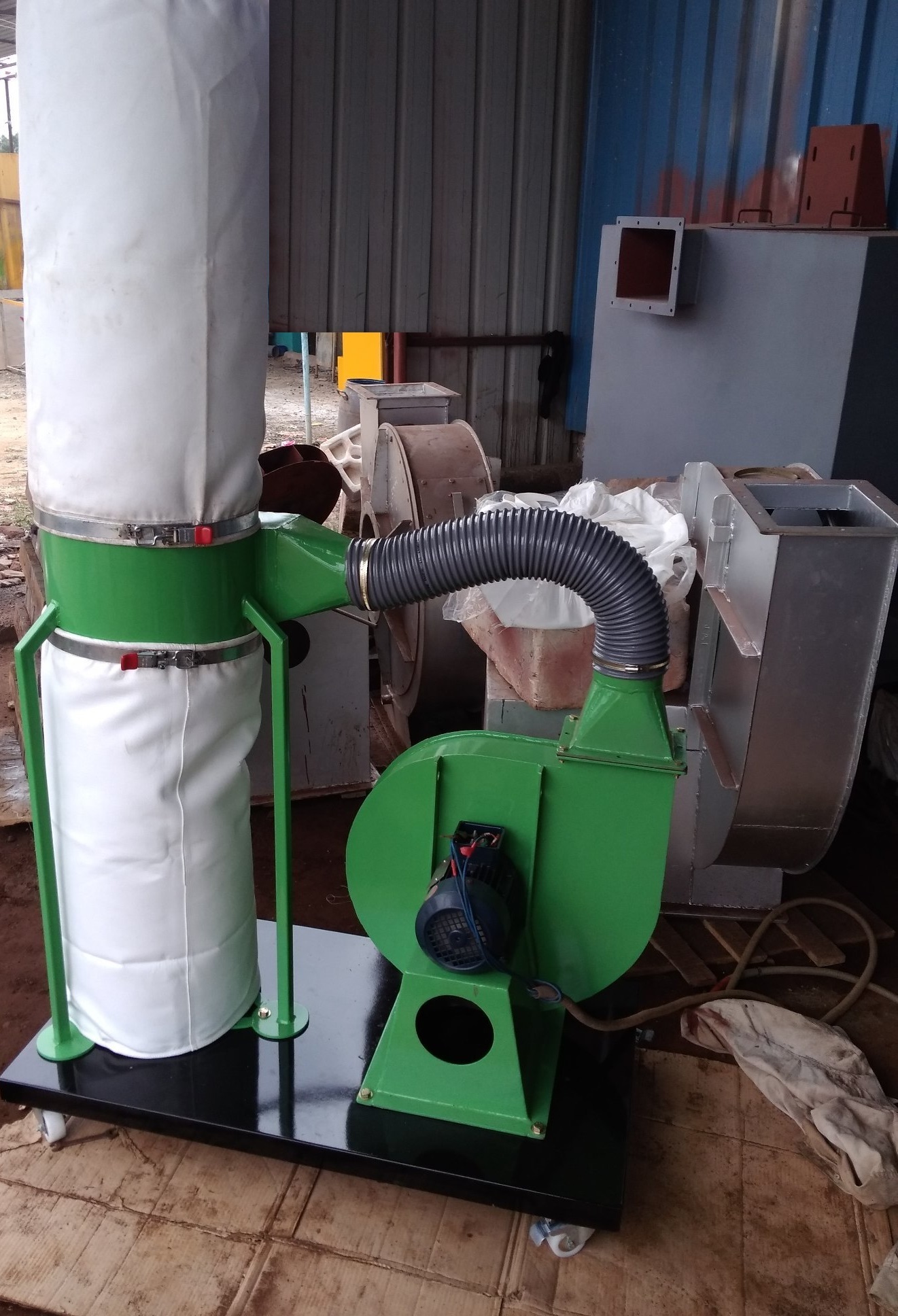
Industrial Portable Dust Collector - High-Efficiency Filtration System
View Details
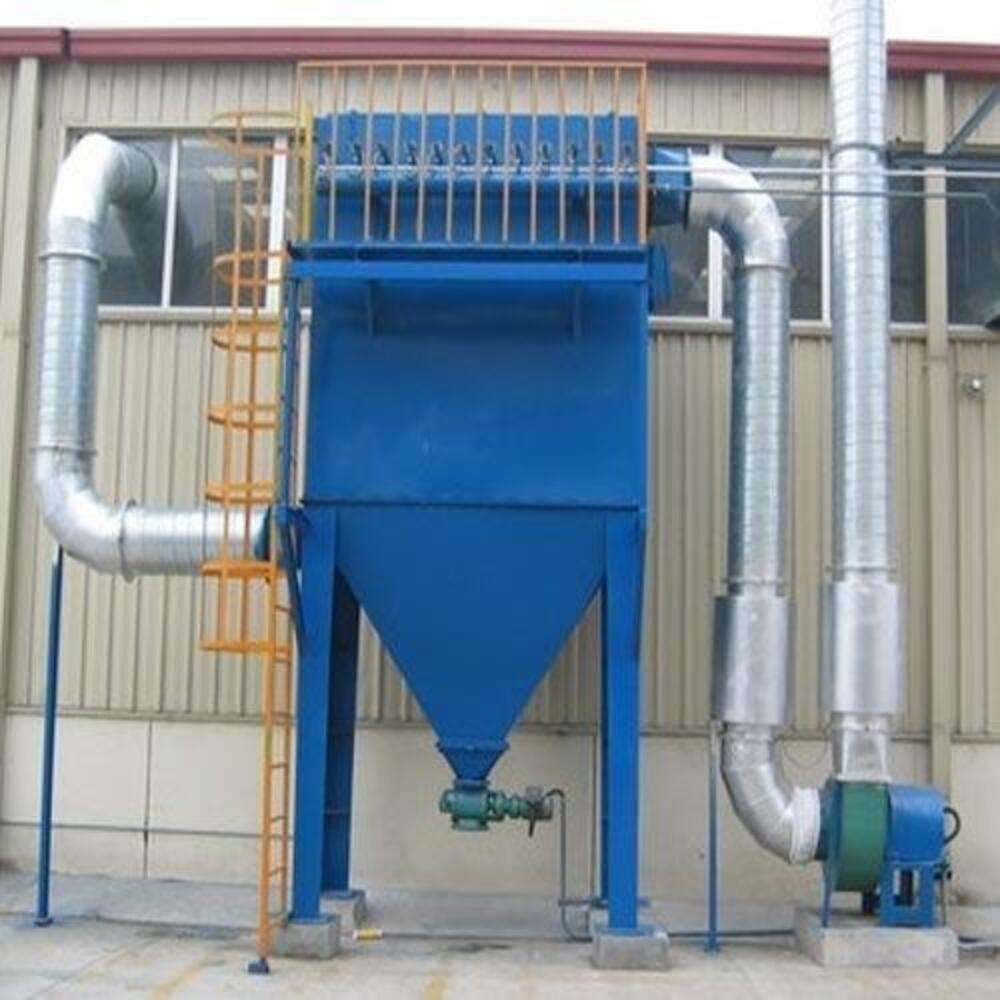
Industrial Dust Collection System - High-Efficiency Filtration Unit with Cyclone Separator
View Details
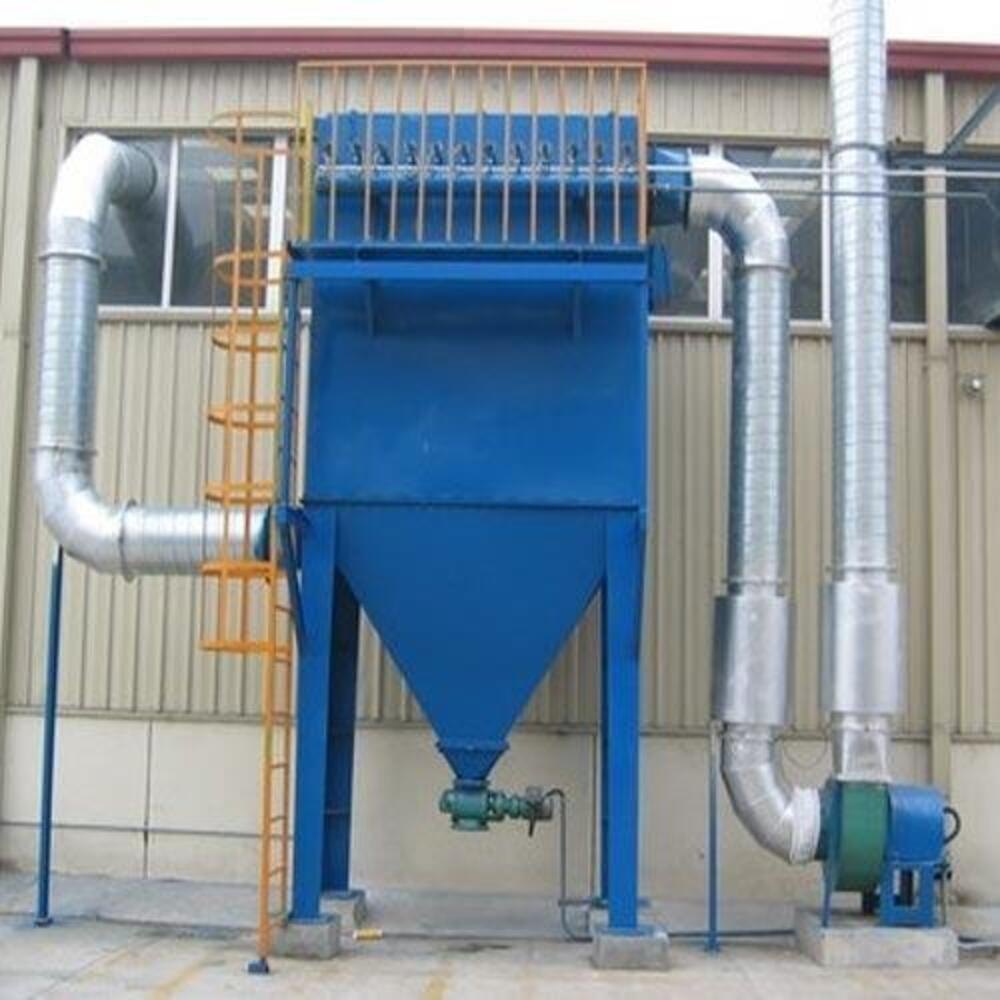
Industrial Pulse Jet Dust Collector - High Efficiency Filtration System
View DetailsManaging airborne dust and pollutants is a daily challenge in industrial environments. Effective dust extraction and pollution control equipment helps maintain cleaner air, protect machinery, and ensure compliance with environmental regulations. These systems are vital for industries where production generates fine particulates or fumes that can affect worker safety and product quality.
Dust extraction and pollution control equipment removes airborne particles from process areas using a combination of filtration, airflow control, and mechanical separation. Air is drawn through ducts into collectors, where filters trap dust before releasing clean air back into the workspace or atmosphere. This process reduces exposure to harmful contaminants and helps facilities meet emission standards.
Different industries require different solutions depending on dust type, volume, and process conditions. Common systems include:
Performance depends on filtration efficiency, airflow stability, and maintenance requirements. A well-designed system minimizes power consumption while maintaining consistent air quality. Below is a quick comparison of common system types:
| System Type | Filtration Efficiency | Best Application |
|---|---|---|
| Pulse Jet Dust Collector | Up to 99.9% | Continuous process plants |
| Cyclone Separator | 90-95% | Pre-filtration of heavy dust |
| Bag Filter System | 98-99% | Fine particulate control |
Dust extraction and pollution control equipment serves a wide range of sectors including cement, steel, food processing, pharmaceuticals, and chemical manufacturing. Each industry demands specific filtration performance and compliance with emission norms. Engineers often work with manufacturers like Aeppl to design systems that fit plant layouts and production goals.
Energy efficiency is now central to air handling system design. Technologies such as variable frequency drives and automated filter cleaning help reduce power use and extend equipment life. These improvements contribute to sustainability targets while maintaining high filtration performance.
Choosing the right dust extraction and pollution control equipment involves evaluating dust characteristics, airflow requirements, and maintenance accessibility. The table below highlights key selection criteria for industrial air systems.
| Selection Criteria | Why It Matters |
|---|---|
| Filtration efficiency | Ensures clean air and regulatory compliance |
| Energy consumption | Affects long-term operational cost |
| Ease of maintenance | Reduces downtime and labor |
| System footprint | Determines installation flexibility |
Aeppl designs and manufactures durable systems for heavy-duty industrial applications. Their products include:
Reliable maintenance and technical support are key to consistent performance. Aeppl offers installation assistance, spare parts, and operator training to ensure systems run efficiently. Their designs comply with CPCB and ISO emission standards, helping plants operate safely and responsibly.
Aerotech Equipments and Projects Pvt. Ltd. (Aeppl) is a trusted Indian manufacturer of industrial ventilation and air handling systems. The company builds efficient, long-lasting dust extraction and pollution control equipment for demanding applications across multiple sectors. Visit Aeppl
It refers to systems that capture and remove airborne dust and pollutants from industrial processes to maintain air quality and meet emission standards.
They reduce airborne contaminants, improving air quality and minimizing respiratory risks for workers in manufacturing and processing environments.
Industries such as cement, steel, food processing, pharmaceuticals, and chemical manufacturing commonly use these systems for cleaner operations.
Key factors include dust load, particle size, temperature, moisture content, filtration efficiency, and energy consumption.
Yes, many systems now include variable speed drives and automated cleaning cycles that lower energy use while maintaining filtration efficiency.
Most advanced units are designed to connect with plant automation systems for monitoring filter performance and airflow conditions.
Bag filters capture fine dust particles using fabric media, while cyclone separators remove heavier particles through centrifugal action.
Replacement frequency depends on operating hours, dust type, and system design, but periodic inspection ensures continued efficiency.
Aeppl designs and manufactures custom-engineered systems based on specific plant layouts, process parameters, and emission requirements.
You can reach Aeppl at +91-9599785811, +91 8377077661, +91 9810162210 or email sales@aeppl.com for detailed technical assistance.