

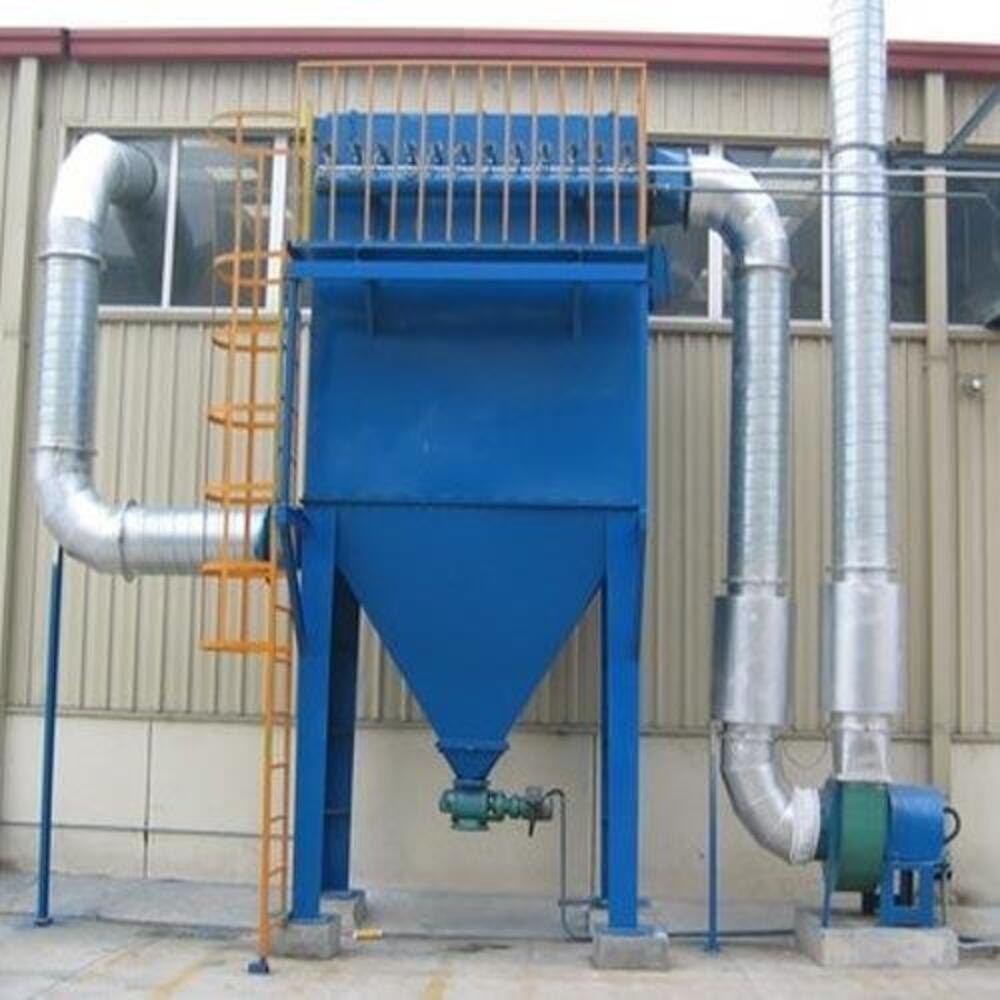
Industrial Mechanical Dust Collector System - High-Efficiency Air Filtration Unit
View Details
Industrial Mechanical Dust Collector System - High-Efficiency Air Filtration Unit
View Details
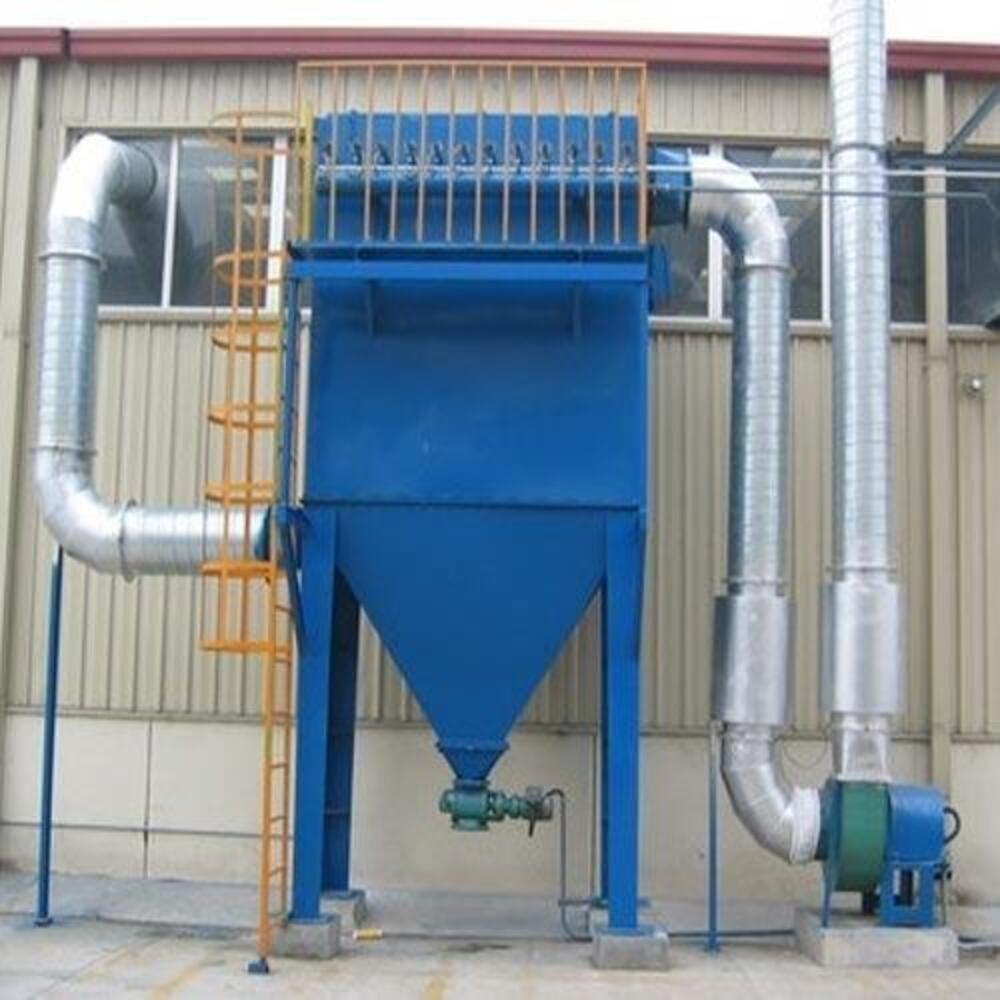
Industrial Bag Filter Dust Collection System - High-Efficiency Air Filtration Unit
View Details
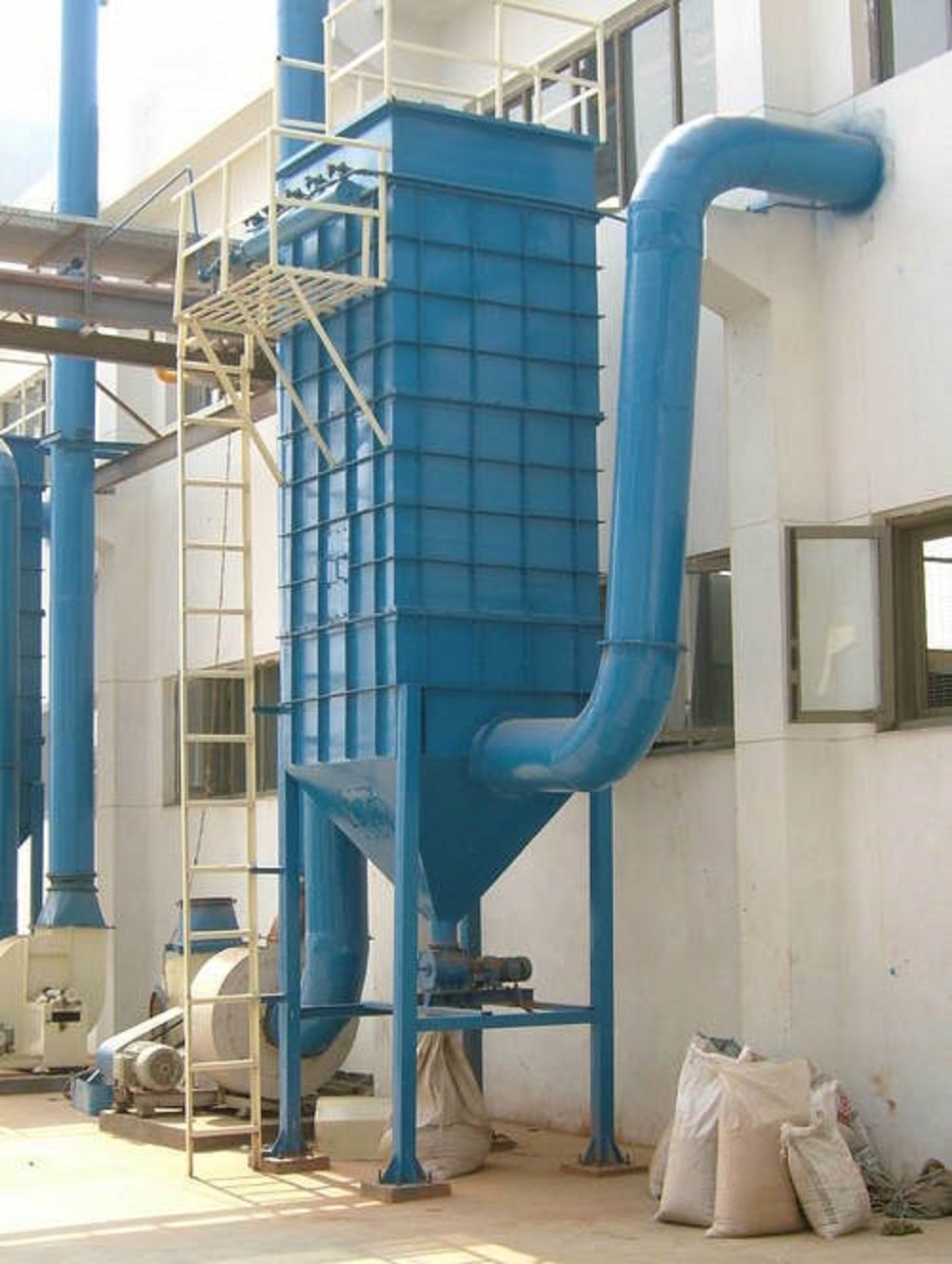
Industrial Dust Collection Bag Filter System - High Efficiency Air Filtration Unit
View Details
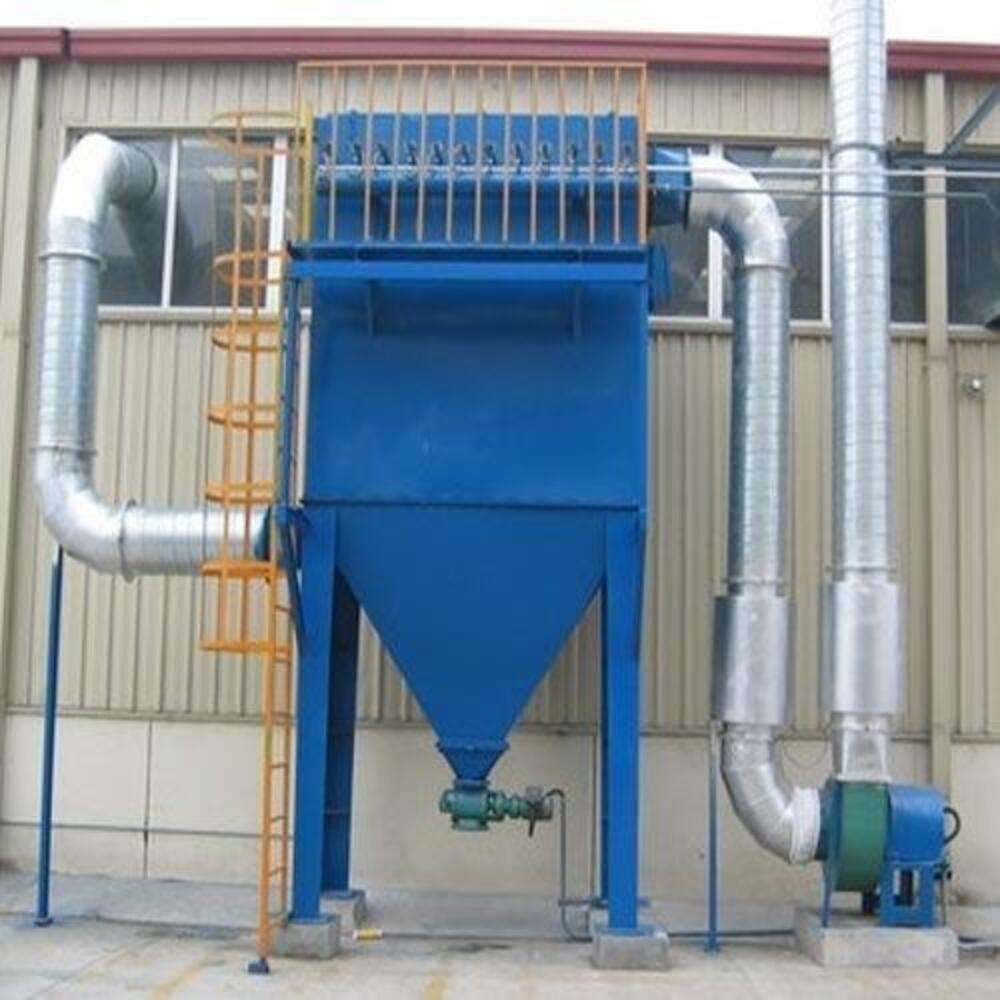
Industrial Dust Collection System - High-Efficiency Filtration Unit with Cyclone Separator
View Details
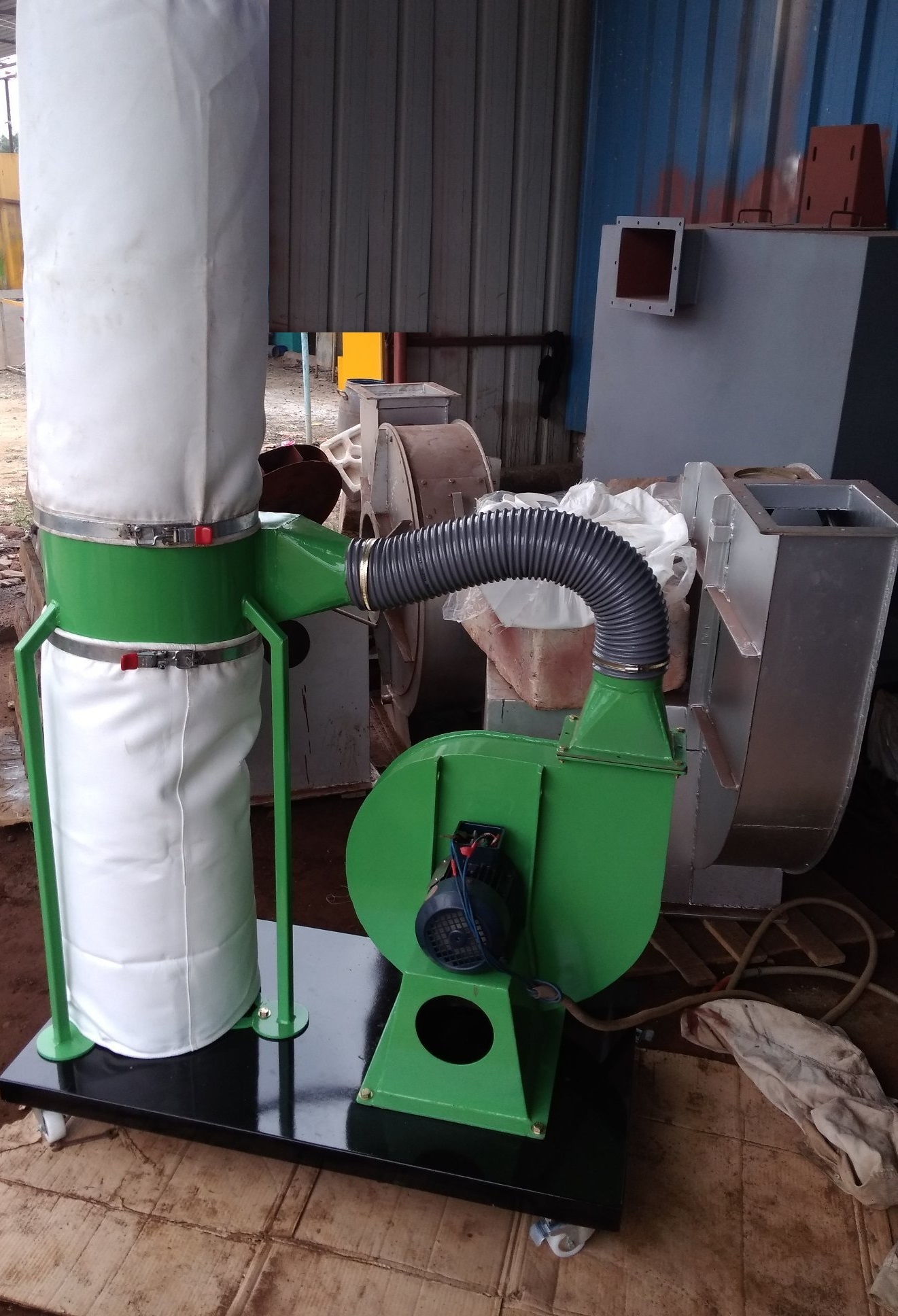
Industrial Movable Dust Collector - High-Efficiency Filtration System
View Details
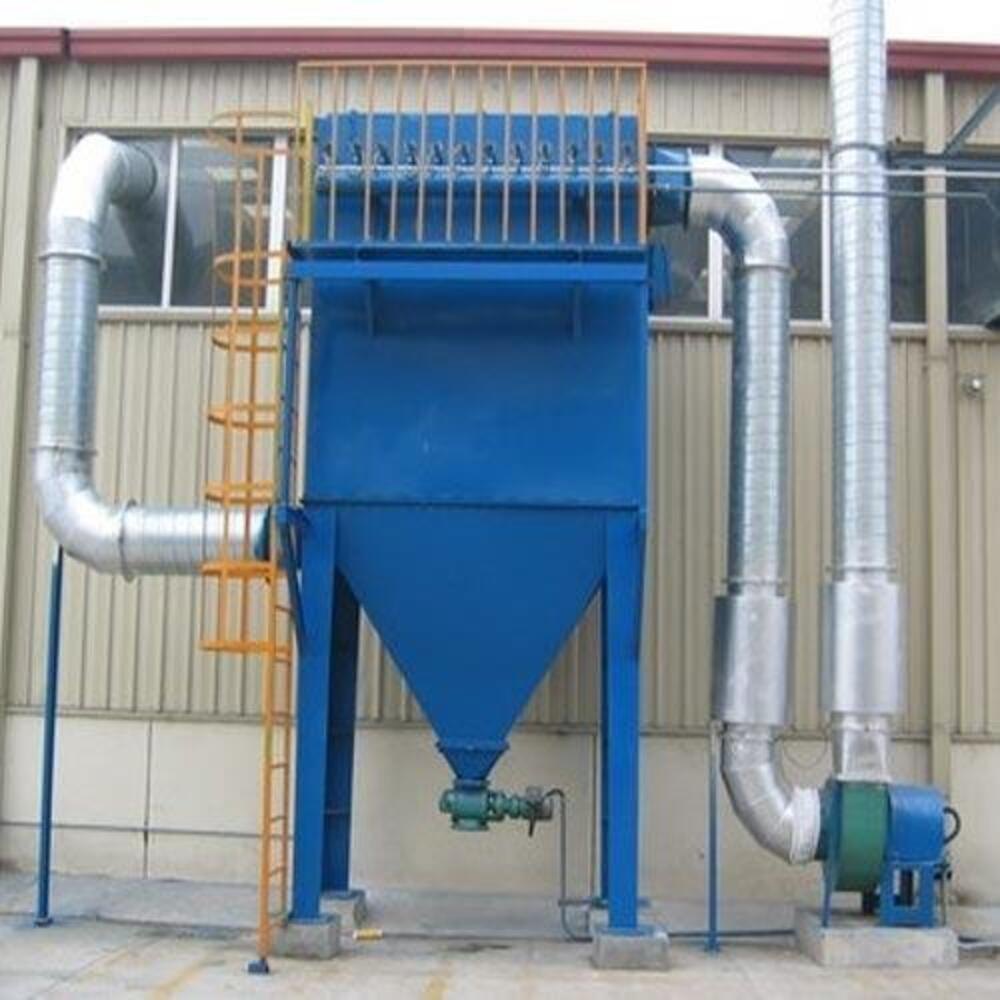
Industrial Dust Collection and Air Pollution Control System – High Efficiency Filter Unit
View Details
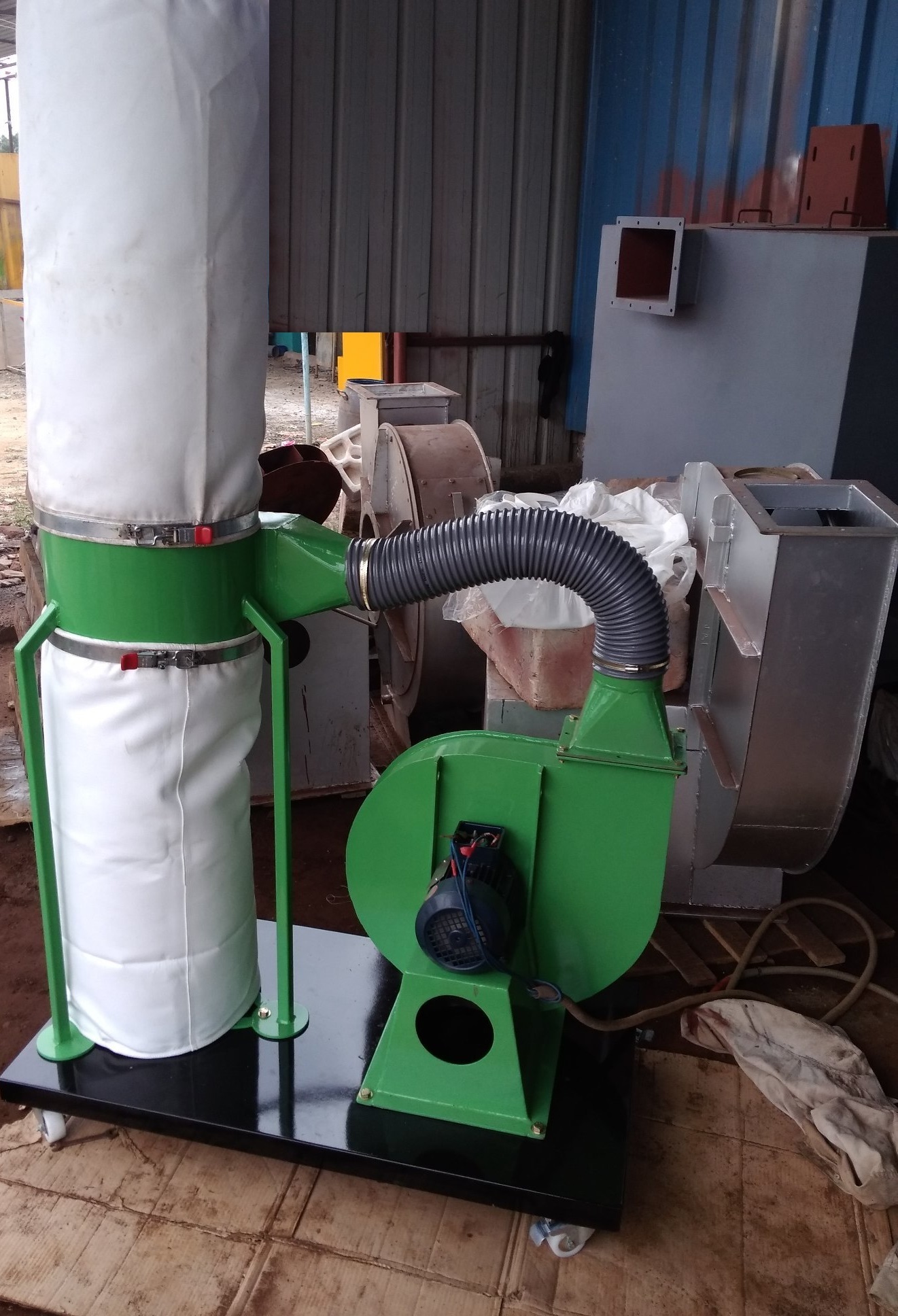
Industrial Portable Dust Collector - High-Efficiency Filtration System
View Details
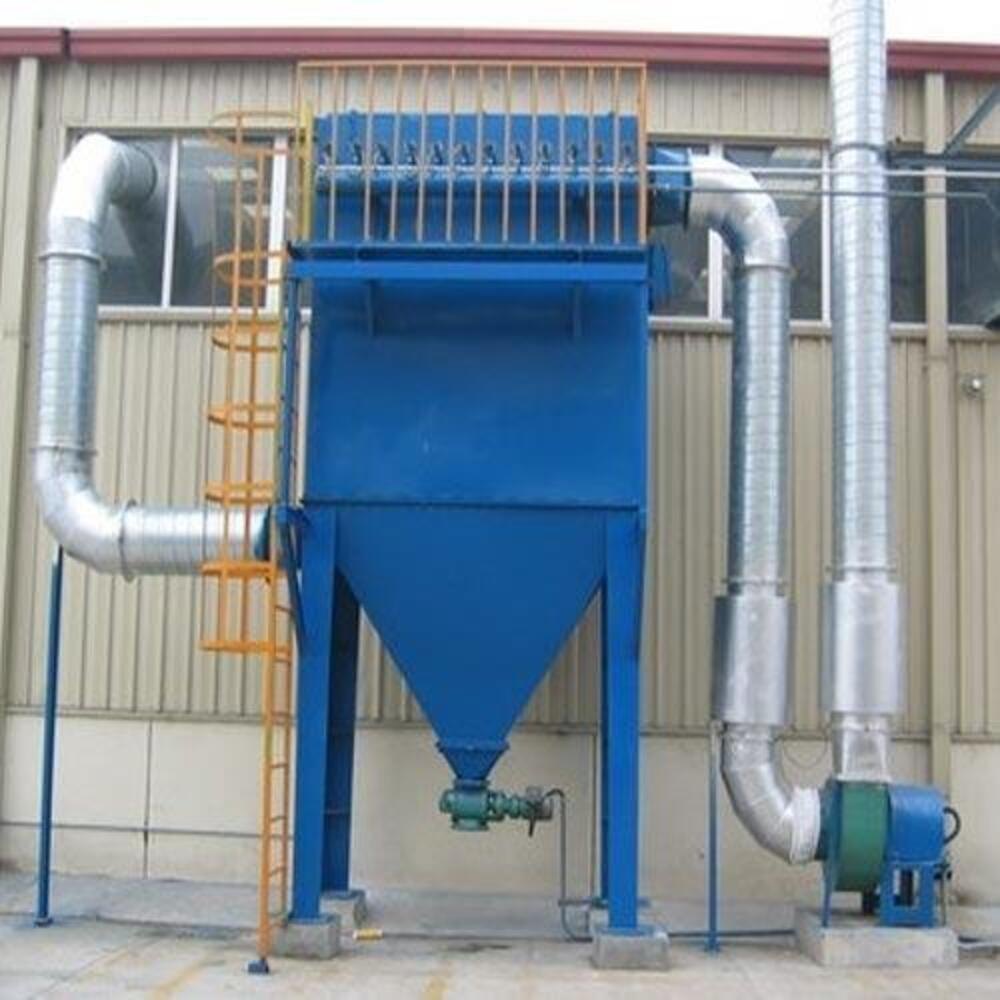
Industrial Dust Collector System – High Efficiency Air Pollution Control Unit
View DetailsManufacturing dust collection plays a critical role in keeping factory environments clean, safe, and efficient. Whether you operate a metalworking shop, cement plant, or food processing facility, managing airborne dust protects workers, equipment, and production quality. Aeppl provides durable dust collection systems designed to handle demanding industrial conditions with consistent performance.
Industrial processes such as grinding, cutting, and mixing release fine dust particles into the air. Without proper filtration, these particles can settle on surfaces, clog machinery, and pose respiratory risks. A well-planned dust collection system helps maintain healthy air circulation and supports compliance with workplace safety standards.
Factories use various methods to capture and filter airborne dust, depending on the type of material handled. Below are common system designs used in manufacturing environments:
| System Type | Filtration Efficiency | Best Use Case |
|---|---|---|
| Cyclone Separator | Up to 90% | Metal and mineral dust |
| Bag Filter | Up to 99% | Fine particulate and powder handling |
| Mechanical Collector | Moderate | High-temperature or coarse dust |
| Portable Collector | Varies by filter | Small-scale or flexible operations |
Choosing the right system involves understanding airflow, static pressure, and filter type. Engineers focus on maintaining steady air velocity while reducing power consumption. Aeppl systems include modular components and smart controls that simplify maintenance and improve uptime.
Energy-efficient manufacturing dust collection is increasingly important across industries. Plants are adopting variable-speed fans and pulse jet cleaning to reduce electricity use and emissions. Aeppl supports these goals with equipment that balances air quality performance and energy savings.
Dust collection works best when integrated with broader ventilation and air handling systems. This ensures proper airflow throughout the production area. Aeppl engineers help design configurations that align with CPCB and OSHA standards, creating a cohesive air management solution for factories.
Every production environment has unique dust characteristics. Aeppl offers consultation, installation guidance, and ongoing technical support. Clients can reach our team at +91-9599785811, +91-8377077661, or +91-9810162210, or email sales@aeppl.com for assistance with system selection or maintenance planning.
When reviewing systems, consider filtration level, maintenance needs, and operating costs. The table below highlights two common configurations used in manufacturing plants:
| Feature | Bag Filter System | Cyclone Separator System |
|---|---|---|
| Filtration Level | High | Moderate |
| Maintenance | Low | Medium |
| Energy Use | Optimized | Efficient |
| Typical Industries | Cement, Food, Pharma | Metal, Foundry |
Proper manufacturing dust collection helps facilities meet air quality and worker safety regulations. Aeppl builds systems that comply with ISO and CE standards, ensuring dependable operation even in high-load environments. Regular upkeep and filter monitoring help maintain compliance and reduce downtime.
Aerotech Equipments and Projects Pvt. Ltd. (Aeppl) is an Indian manufacturer specializing in industrial air handling and dust collection solutions. With decades of hands-on engineering experience, Aeppl delivers reliable, energy-conscious systems for diverse manufacturing sectors. Visit Aeppl to learn more.
Manufacturing dust collection refers to systems that capture and remove airborne particles generated during industrial operations like grinding or cutting.
It improves air quality, protects worker health, and prevents machinery issues caused by dust buildup.
It uses centrifugal force to spin dust particles out of the air stream before filtration.
Airflow rate, filter type, duct layout, and maintenance frequency all impact system efficiency.
Yes, they control emissions and help facilities comply with workplace air quality standards.
Metal fabrication, cement, food processing, pharmaceuticals, and woodworking are common examples.
Yes, portable units are useful for localized extraction or temporary setups.
Regular inspection and cleaning keep filters efficient and prevent pressure drops.
Aeppl builds sturdy, efficient equipment with reliable filtration and easy maintenance for long service life.
You can call +91-9599785811, +91-8377077661, or +91-9810162210, or email sales@aeppl.com for technical assistance.