
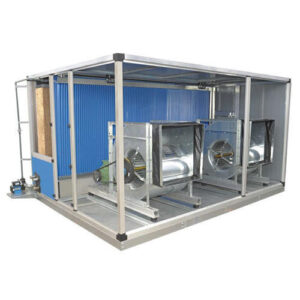
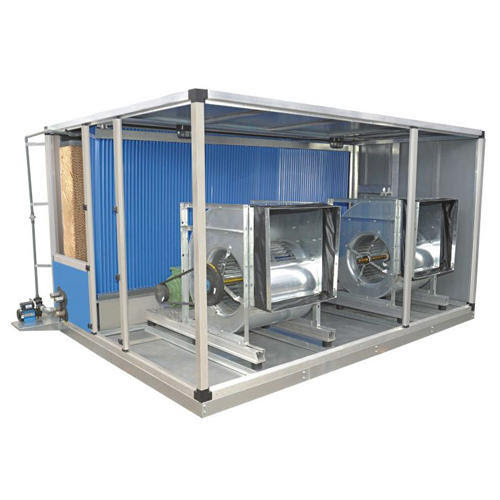
Industrial Fresh Air Handling Unit – High Efficiency Ventilation System
View Details
Industrial Fresh Air Handling Unit – High Efficiency Ventilation System
View Details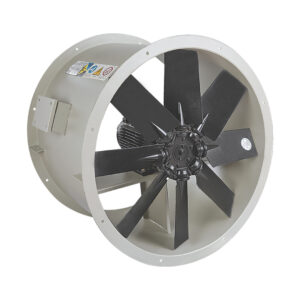
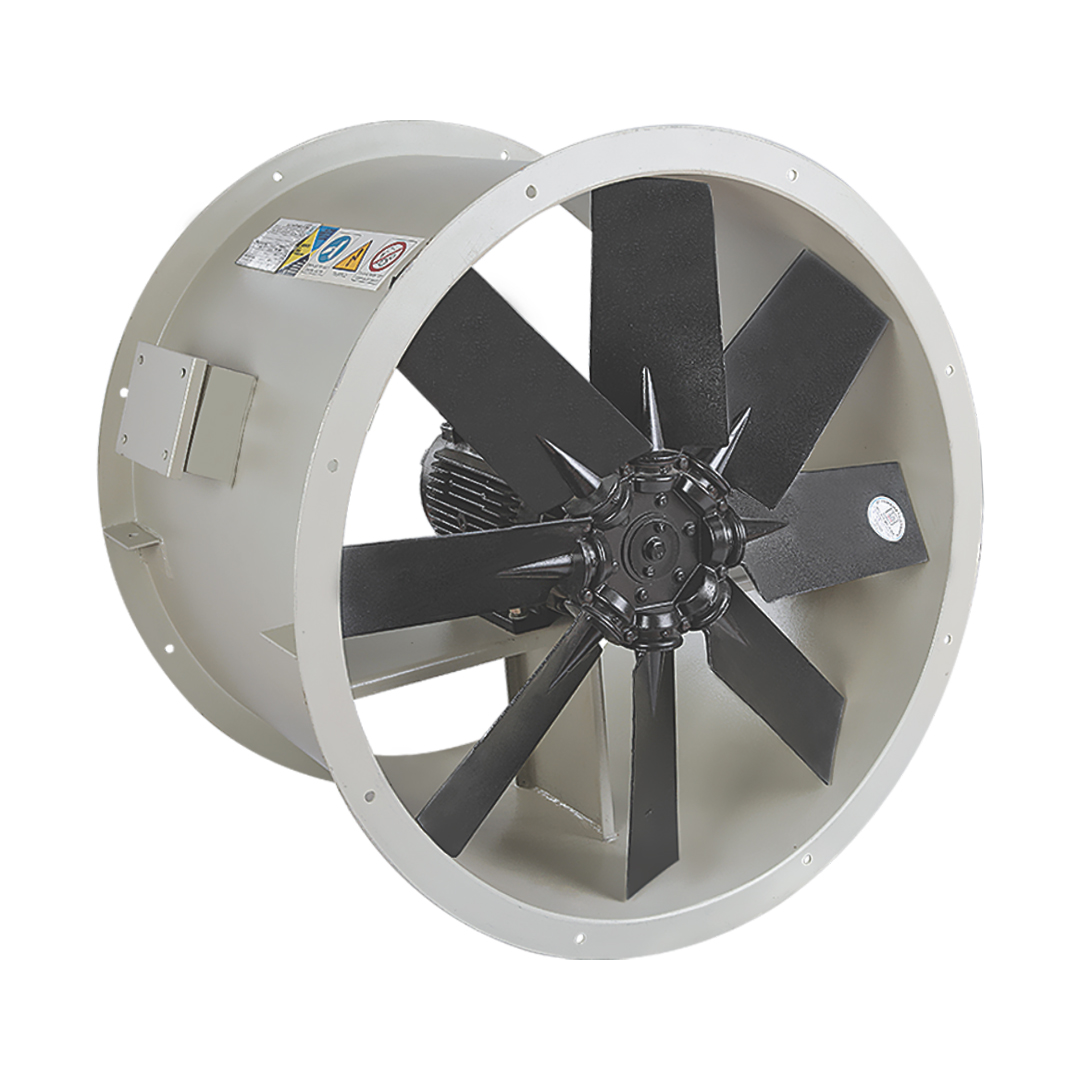
High-Temperature Axial Smoke Exhaust Fan - Industrial Ventilation System
View Details
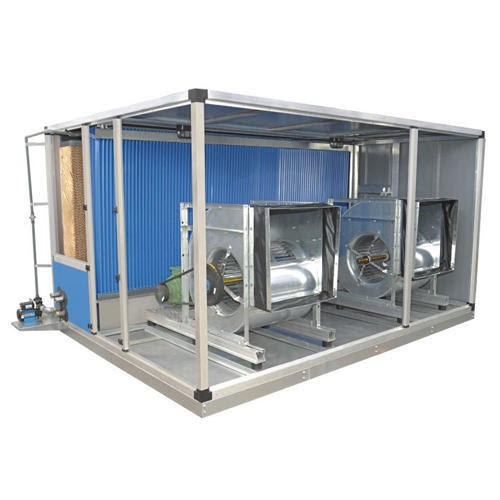
Industrial Evaporative Air Cooling Unit - High Efficiency HVAC System
View Details

Industrial Venturi Scrubber System - High-Efficiency Air Pollution Control Unit
View Details
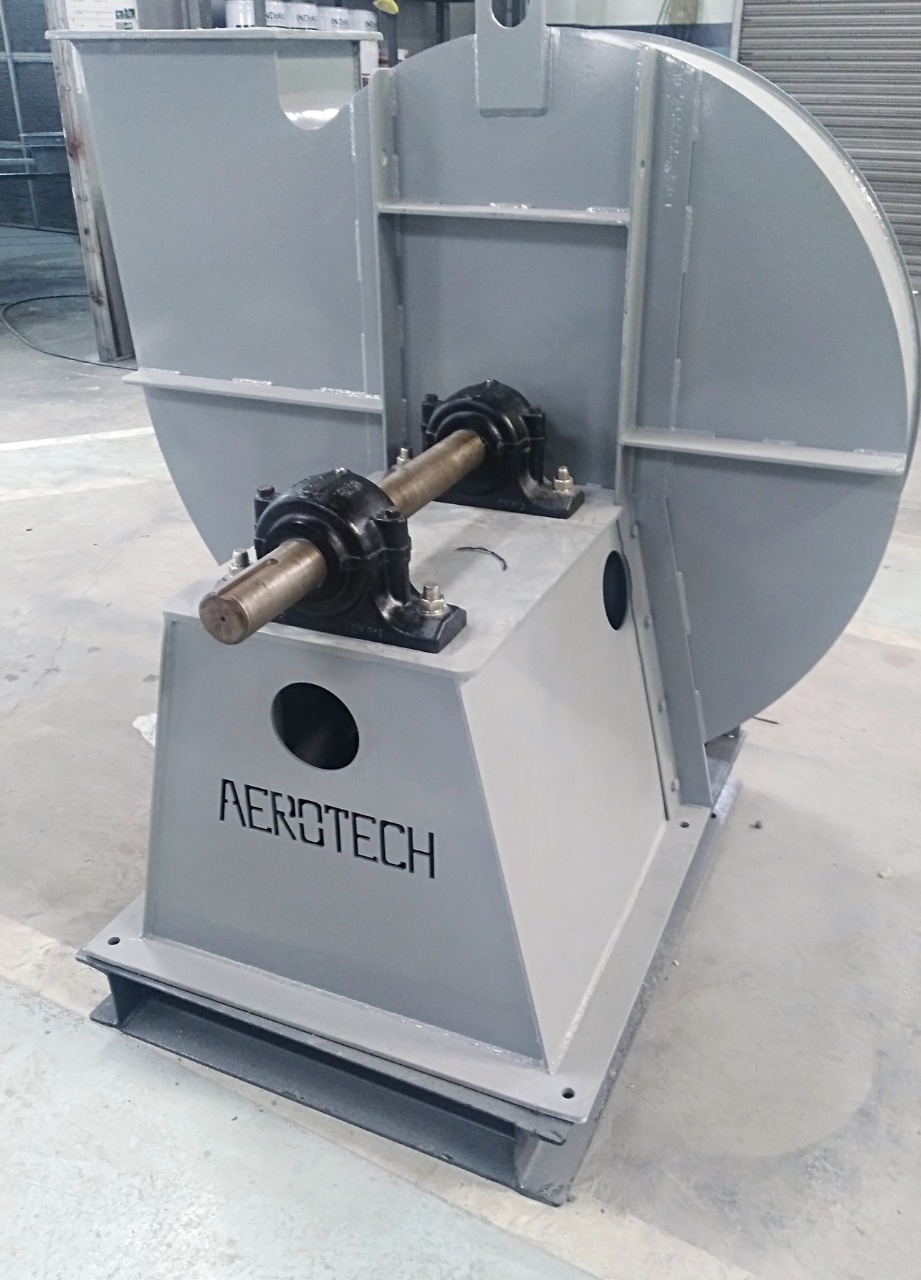
Industrial Centrifugal Ventilation Blower – Heavy-Duty Air Handling Unit
View Details
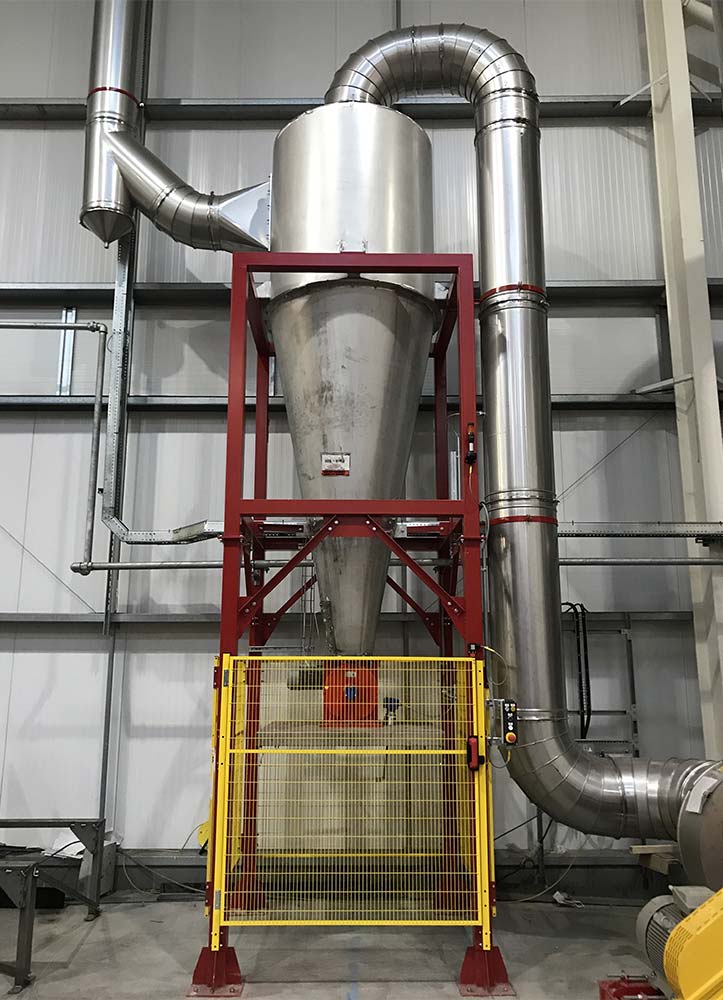
Industrial Venturi Scrubber System – High-Efficiency Air Pollution Control Unit
View Details
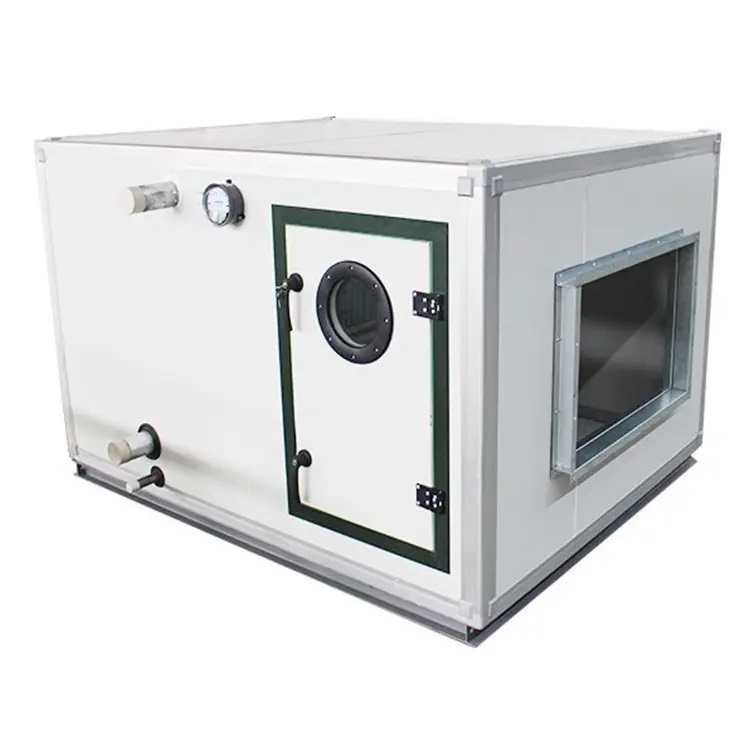
Industrial Treated Fresh Air Unit – Energy-Efficient Air Handling System
View Details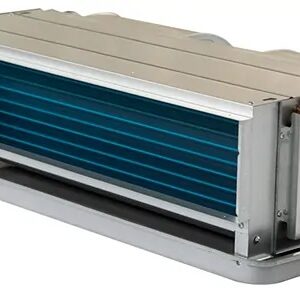
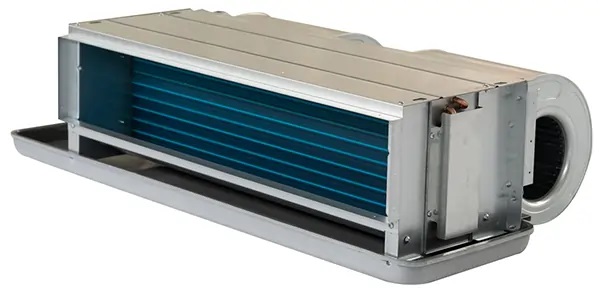
Ceiling Concealed Fan Coil Unit - High Efficiency HVAC Air Handling System
View DetailsA well-designed ventilation system for cleanroom environments ensures that air quality remains consistent and controlled. Cleanrooms used in pharmaceuticals, electronics, and precision manufacturing depend on stable airflow and filtration to protect products and maintain compliance. Aeppl develops systems that combine engineering accuracy, performance stability, and long-term dependability.
Cleanroom ventilation systems regulate air movement, temperature, and pressure to maintain contamination-free zones. HEPA filters, variable-speed fans, and balanced airflow patterns help preserve ISO-class conditions. Aeppl systems are built for continuous operation and integrate intelligent controls that adjust airflow automatically based on sensor feedback.
Energy-efficient ventilation systems reduce power use while maintaining required cleanliness levels. Variable frequency drives, optimized fan designs, and sensor-based controls help lower operating costs. Aeppl applies sustainable engineering principles so facilities can meet environmental goals without compromising performance.
| System Type | Typical Application | Energy Efficiency | Maintenance Level |
|---|---|---|---|
| Recirculating Air System | Pharmaceutical and biotech facilities | High | Moderate |
| Single Pass Air System | Semiconductor and electronics manufacturing | Medium | Low |
| Hybrid Ventilation System | Flexible multipurpose cleanrooms | High | Moderate |
Aeppl ventilation systems can work alongside specialized air handling units such as the Industrial Fresh Air Handling Unit, Ceiling Concealed Fan Coil Unit, and High-Temperature Axial Smoke Exhaust Fan. This setup ensures balanced temperature and contamination control throughout the cleanroom.
Modern ventilation systems benefit from automation and real-time monitoring. Aeppl offers solutions that connect to building management systems, allowing operators to track airflow, filter performance, and energy use. These features simplify maintenance and support consistent compliance with cleanroom standards.
When selecting a ventilation system for cleanroom operations, reliability, service support, and technical expertise matter most. Aeppl provides consultation, design customization, and installation guidance to help clients achieve optimal air quality and efficiency. For detailed project discussions, contact Aeppl at +91-9599785811, +91 8377077661, +91 9810162210, or email sales@aeppl.com.
Aeppl systems are designed for long-term service with easy maintenance access and durable components. Regular filter changes, airflow calibration, and system inspections ensure consistent performance and regulatory compliance. This focus on reliability helps minimize downtime and extend equipment life.
A properly engineered ventilation system for cleanroom environments supports safety, precision, and efficiency. With Aeppl’s expertise, facilities can maintain clean air conditions that protect sensitive processes and meet industry standards. Whether upgrading an existing setup or planning a new installation, Aeppl offers dependable solutions built for performance.
Aerotech Equipments and Projects Pvt. Ltd. (Aeppl) is an Indian manufacturer and exporter of air handling and ventilation systems for industrial applications. The company delivers engineered solutions that emphasize quality, performance, and reliability across global markets. Visit Aeppl
It is an air handling setup that controls airflow, temperature, and particulate levels to maintain contamination-free conditions for production or research.
Pharmaceutical manufacturing requires precise air filtration and pressure control to prevent contamination and comply with GMP and ISO standards.
HEPA filters capture fine particles and microorganisms, helping maintain the air purity necessary for sensitive production environments.
Yes, they can be designed according to ISO class requirements, airflow rates, and specific process needs.
Process type, contamination sensitivity, temperature control, and regulatory standards all influence system design.
They use variable frequency drives and smart sensors to optimize airflow and reduce power consumption while maintaining required conditions.
Yes, many ventilation systems integrate with building management systems for real-time monitoring and automated control.
Regular filter replacement, airflow calibration, and inspection of pressure differentials help sustain performance.
Aeppl provides engineering consultation, system customization, and after-sales support to ensure consistent operation and compliance.
Facility managers, contractors, and procurement teams can reach Aeppl at +91-9599785811, +91 8377077661, +91 9810162210, or sales@aeppl.com for project inquiries.