
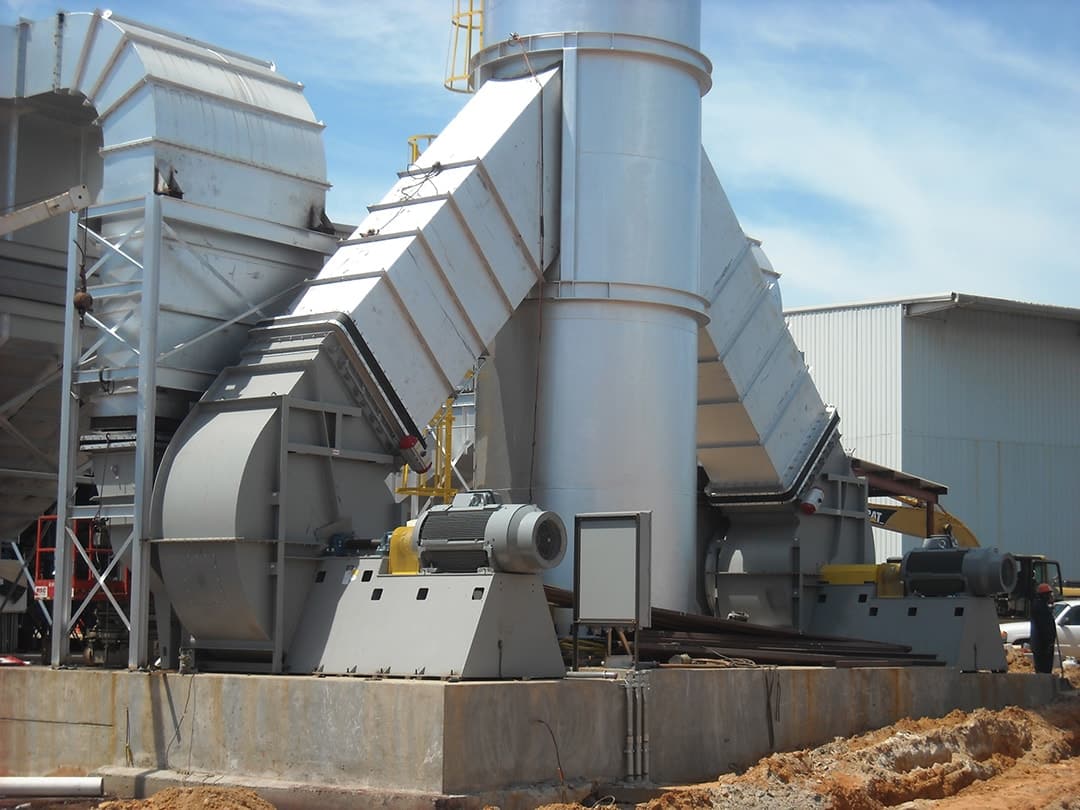
High-Capacity Industrial Centrifugal Ventilator - Heavy-Duty Airflow System
View Details
High-Capacity Industrial Centrifugal Ventilator - Heavy-Duty Airflow System
View Details
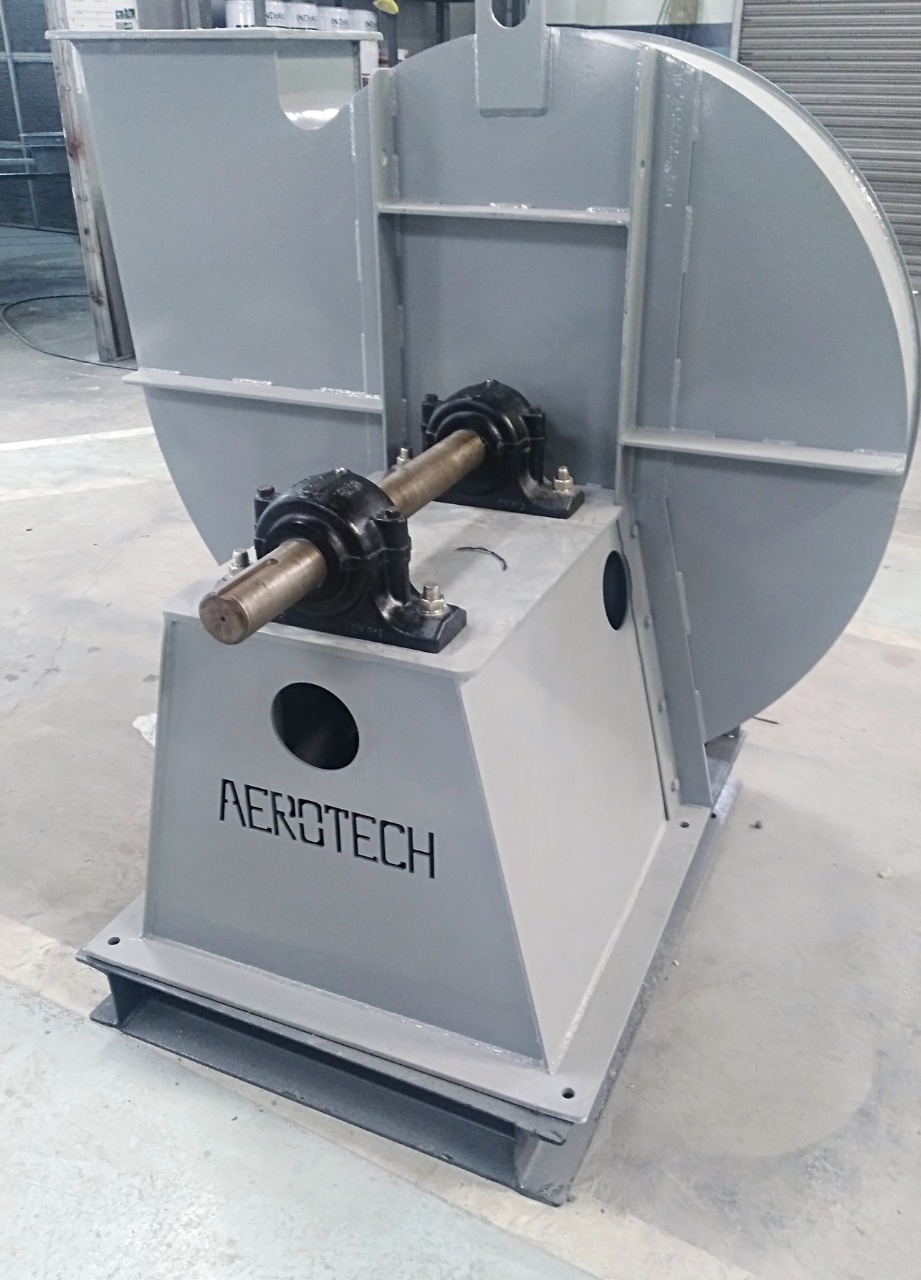
Industrial Centrifugal Ventilation Blower – Heavy-Duty Air Handling Unit
View Details
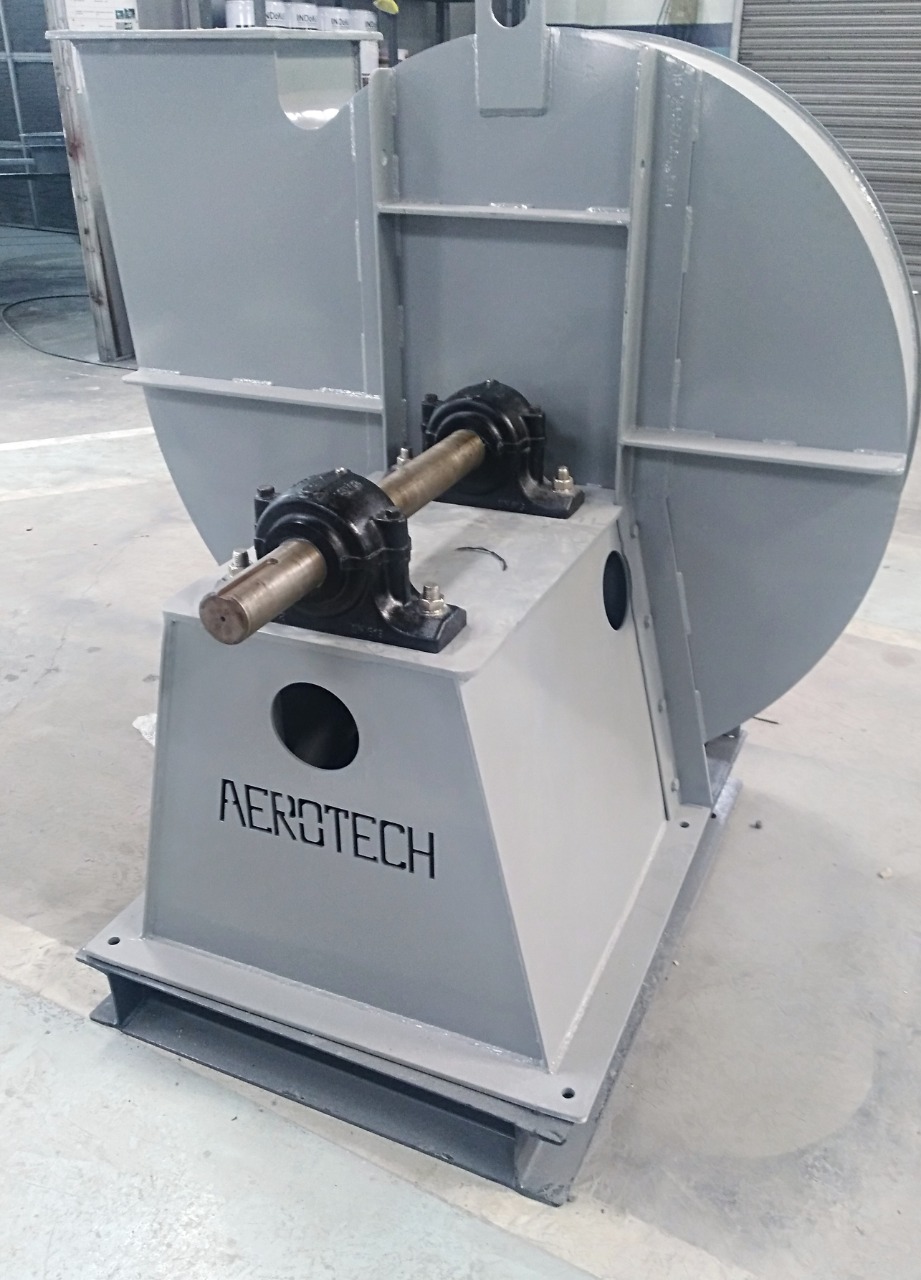
Heavy-Duty Industrial Fume Extraction Blower - High Efficiency Ventilation System
View Details
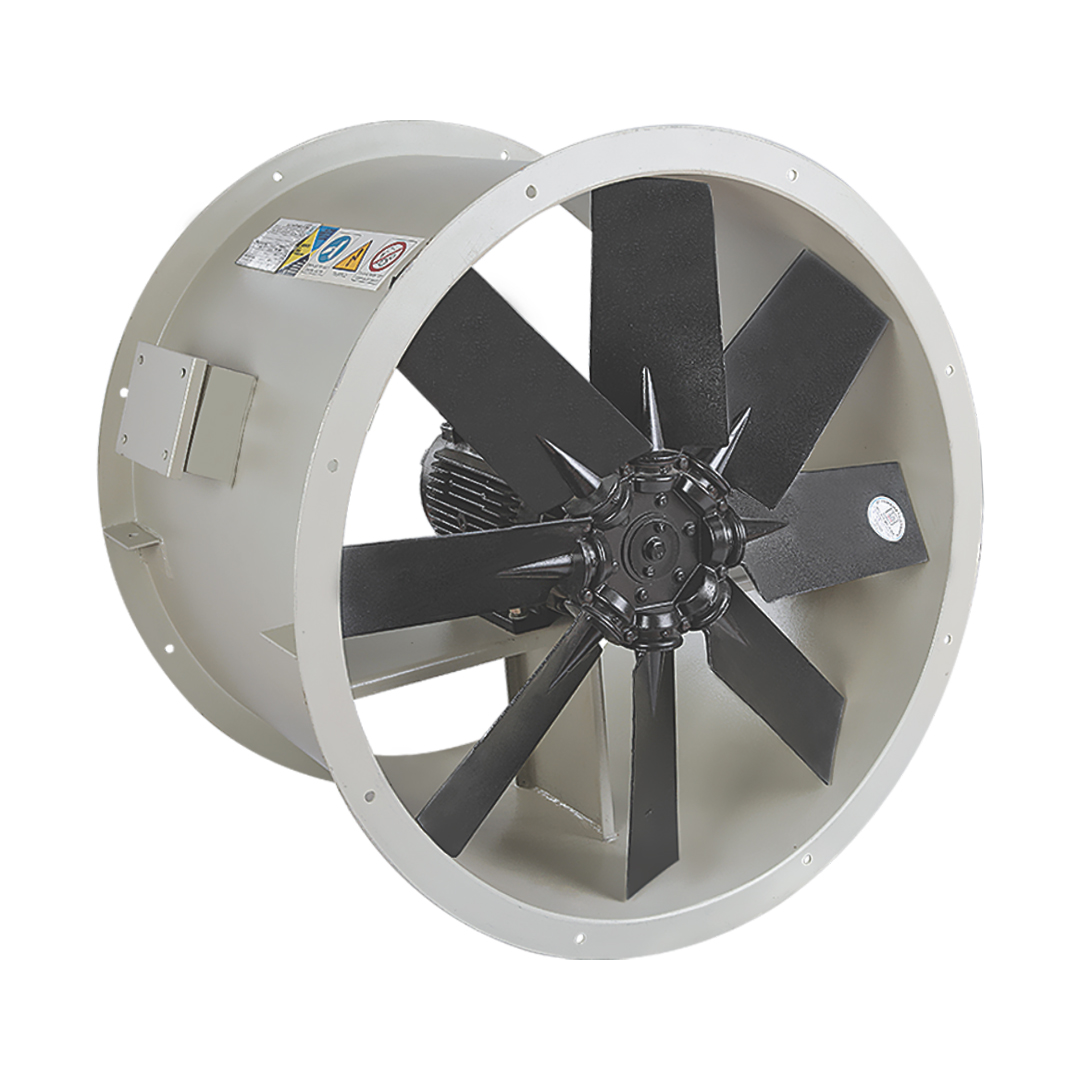
High-Temperature Axial Smoke Exhaust Fan - Industrial Ventilation System
View Details
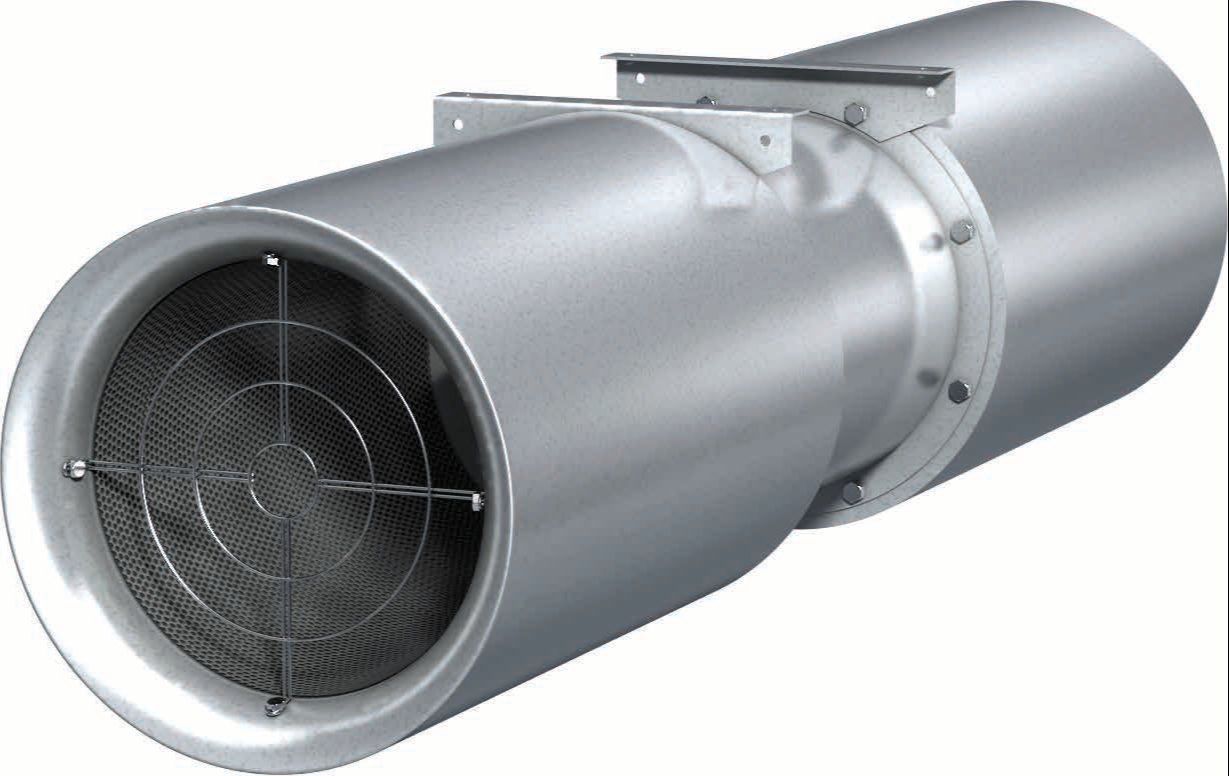
High-Performance Industrial Jet Fan - Tunnel and Garage Ventilation System
View Details
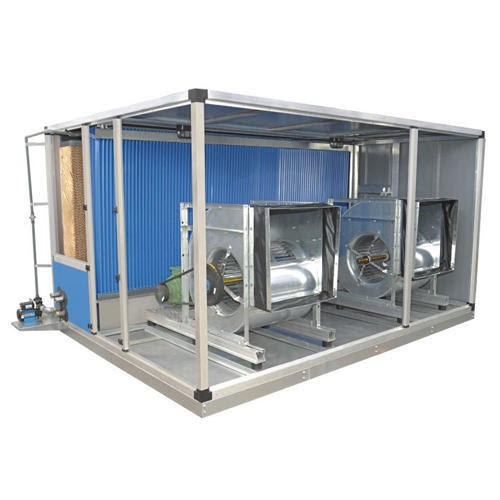
Industrial Evaporative Air Cooling Unit - High Efficiency HVAC System
View Details
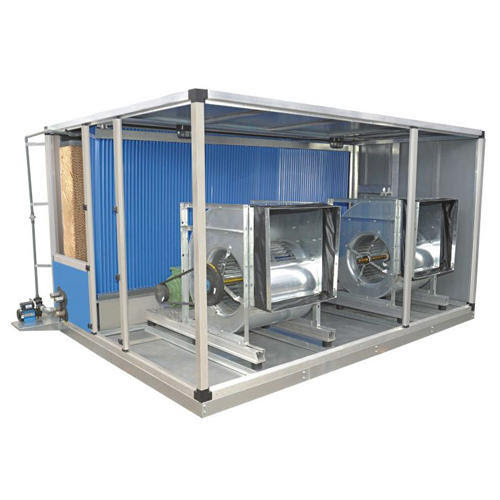
Industrial Fresh Air Handling Unit – High Efficiency Ventilation System
View Details
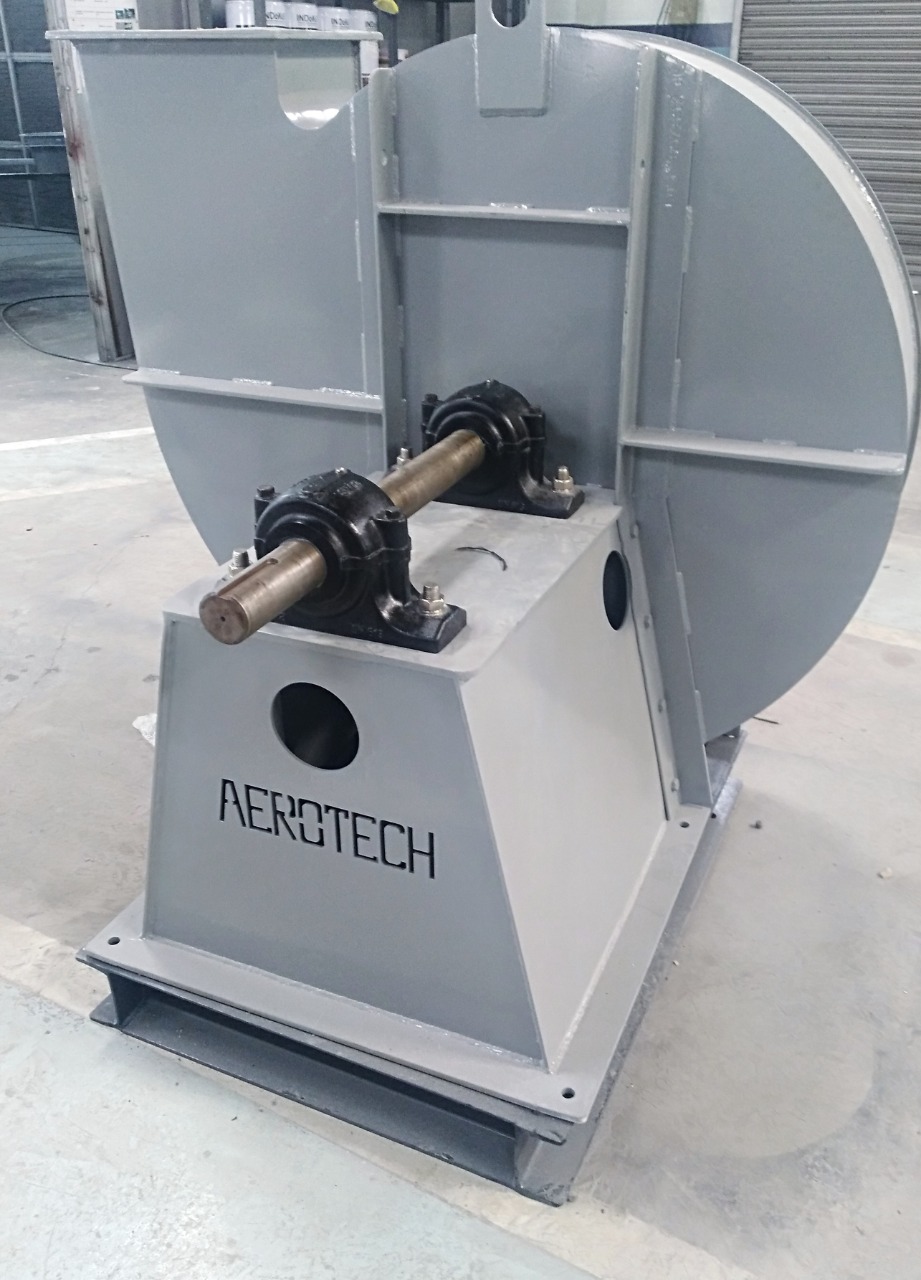
Industrial Centrifugal Air Ventilation System – Heavy Duty Steel Housing
View DetailsGood ventilation for cellar environments helps maintain healthy air quality, stable temperatures, and reliable long-term performance. In industrial or commercial facilities, cellars often serve as equipment storage or process zones. Without proper airflow, moisture and stale air can accumulate, leading to corrosion, mold growth, and safety concerns. Aeppl designs and manufactures durable ventilation systems that help control humidity, remove airborne contaminants, and maintain consistent airflow for cellars of any size.
Cellars are naturally prone to damp conditions. Without effective ventilation, air circulation suffers and energy efficiency declines. Installing a well-planned ventilation system keeps the air fresh, prevents damage to stored materials, and supports a safer work environment. Modern ventilation for cellar spaces also helps maintain compliance with environmental and safety standards.
Every cellar is different. Factors such as space volume, heat load, and usage patterns affect ventilation needs. Aeppl engineers collaborate with facility teams to assess airflow rates, pressure balance, and exhaust requirements before proposing a solution. Systems can be configured for continuous or demand-based operation and integrated with building automation for ease of control.
| Parameter | Typical Range | Design Focus |
|---|---|---|
| Airflow Capacity | 500 - 50,000 CFM | Even air distribution |
| Noise Level | Below 65 dB | Low vibration operation |
| Energy Efficiency | High-efficiency motors | Reduced energy draw |
| Control Type | Manual or automated | Smart integration |
Depending on your cellar's purpose and size, Aeppl provides several ventilation options suitable for confined or underground spaces:
| Model | Application Type | Efficiency Rating | Maintenance Frequency |
|---|---|---|---|
| Centrifugal Ventilation Blower | General cellar ventilation | High | Low |
| Fresh Air Handling Unit | Temperature control zones | Very high | Medium |
| Fume Extraction Blower | Heavy industrial cellar | High | Low |
Ventilation for cellar spaces can connect with modern building automation systems for flexible control. Facilities can adjust airflow based on sensor feedback or occupancy data, improving energy efficiency and air quality. This integration supports sustainability goals and keeps operations compliant with current safety standards.
Aeppl systems are built for reliability and easy maintenance. They fit well in both retrofit and new construction projects, offering long service life and dependable performance backed by technical support.
Cellar ventilation systems must meet fire safety and building code requirements. Aeppl designs equipment in line with national and international standards, ensuring safe operation even under high-demand conditions. Options such as smoke extraction and heat-resistant fan assemblies are available for critical applications.
Energy-efficient design is central to modern cellar ventilation. Aeppl uses variable-speed drives, aerodynamic fan blades, and optimized duct layouts to reduce power consumption. These features help lower operating costs and align with long-term sustainability goals.
Aeppl (Aerotech Equipments and Projects Pvt. Ltd.) is a respected Indian manufacturer of industrial air handling and ventilation systems. With decades of experience, Aeppl provides reliable, energy-efficient solutions for heavy-duty applications worldwide. For support or inquiries, contact +91-9599785811, +91-8377077661, +91-9810162210, or email sales@aeppl.com. Visit Aeppl
Ventilation for cellar spaces helps control humidity, prevent mold, and maintain air quality for safe and efficient operations.
Inspection frequency depends on usage, but quarterly checks are common to ensure optimal airflow and equipment condition.
Yes, modern systems with variable-speed drives and efficient motors can significantly reduce energy consumption.
Key factors include cellar size, airflow requirements, temperature control needs, and compliance with safety standards.
Automated controls allow dynamic adjustment based on air quality or occupancy, improving efficiency and comfort.
Industries such as manufacturing, food processing, and logistics often rely on cellar ventilation to protect equipment and maintain conditions.
By reducing moisture and condensation, ventilation prevents corrosion and dampness that can weaken structural components.
Yes, low-noise fans and vibration isolation improve safety and comfort in confined cellar environments.
Aeppl engineers design tailored ventilation solutions based on site-specific airflow and operational requirements.
You can reach Aeppl at +91-9599785811, +91-8377077661, +91-9810162210, or email sales@aeppl.com for technical assistance.