
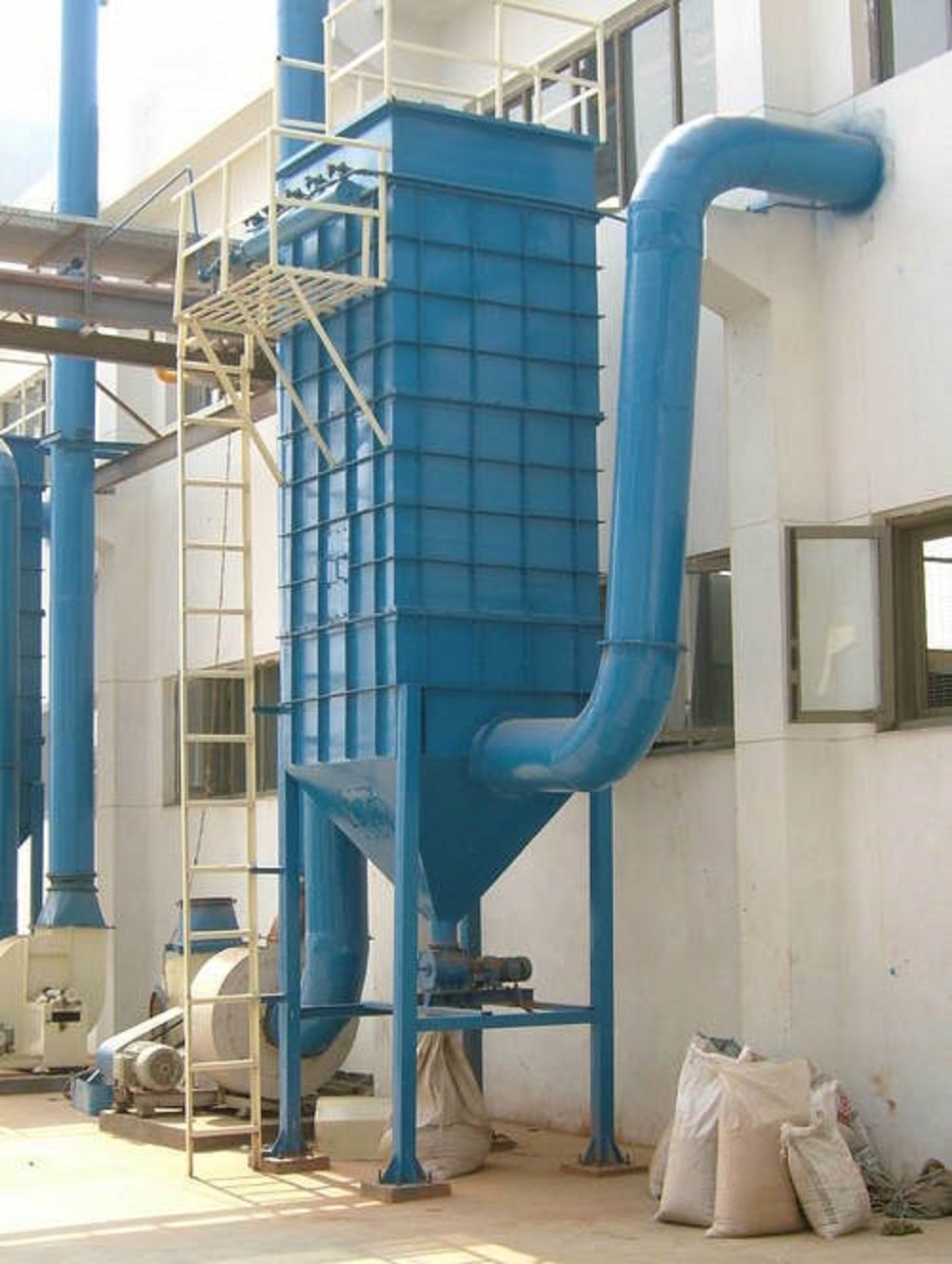
Industrial Dust Collection Bag Filter System - High Efficiency Air Filtration Unit
View Details
Industrial Dust Collection Bag Filter System - High Efficiency Air Filtration Unit
View Details
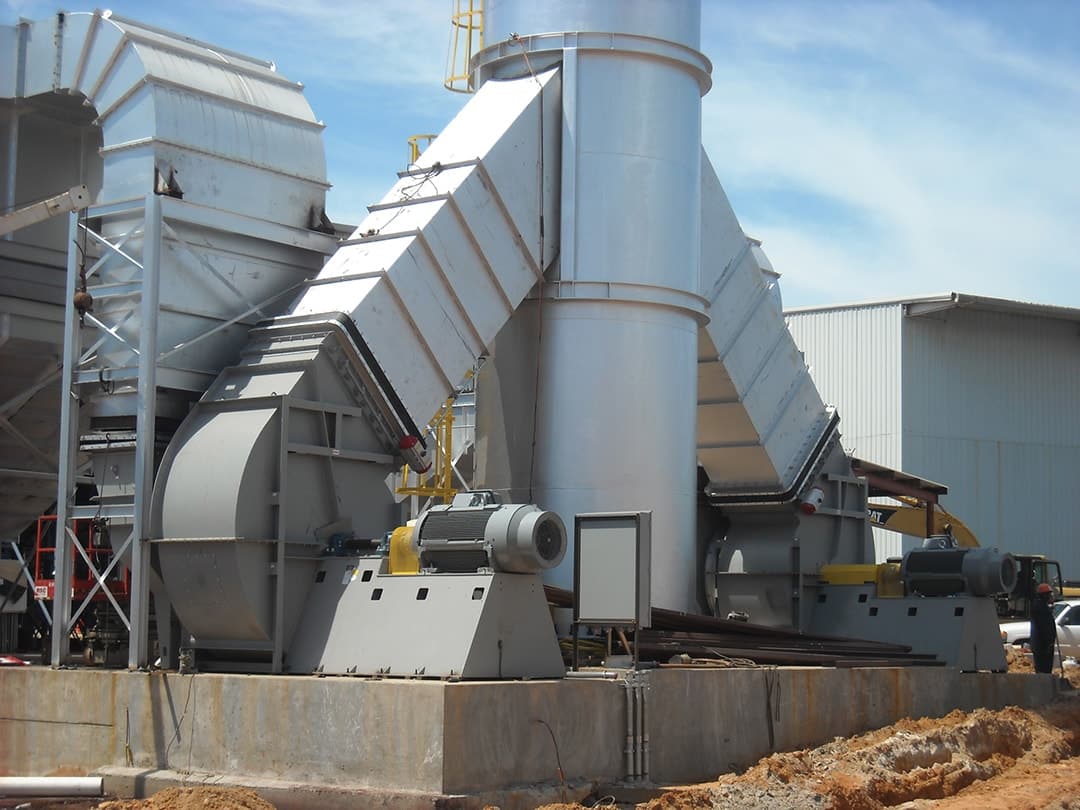
Industrial Fume Scrubber System - High-Efficiency Air Pollution Control Unit
View Details
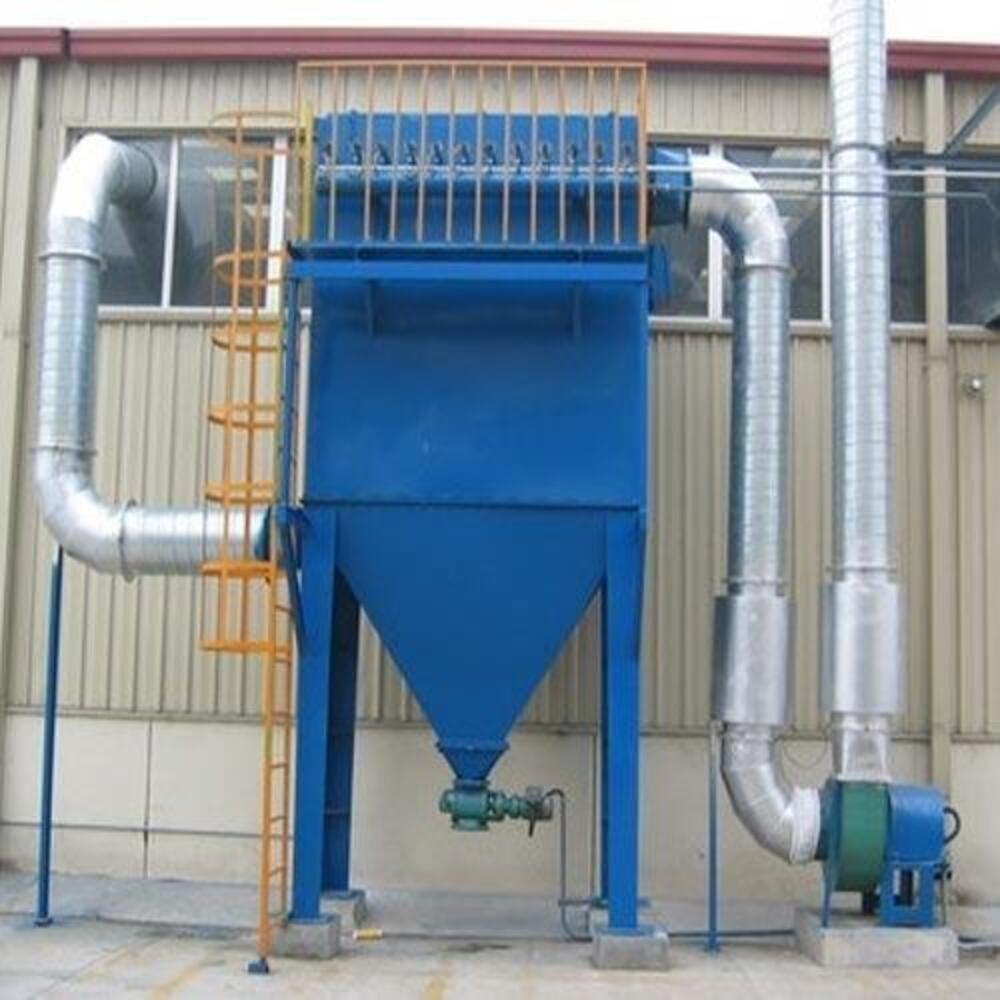
Industrial Bag Filter Dust Collection System - High-Efficiency Air Filtration Unit
View Details
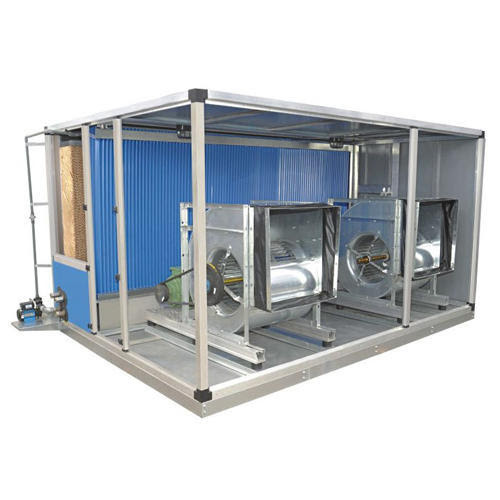
Industrial Air Washer Unit – High Efficiency Cooling & Air Handling System
View Details
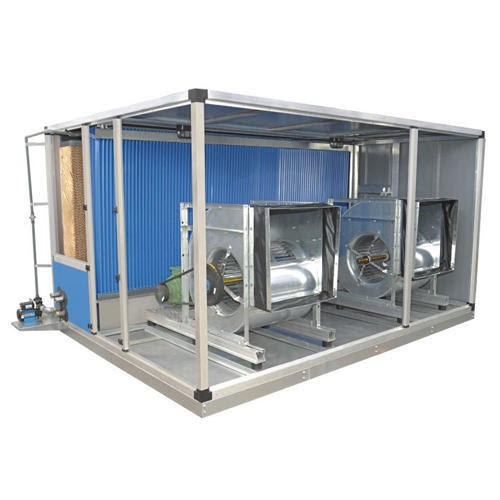
Industrial Evaporative Air Cooling Unit - High Efficiency HVAC System
View Details
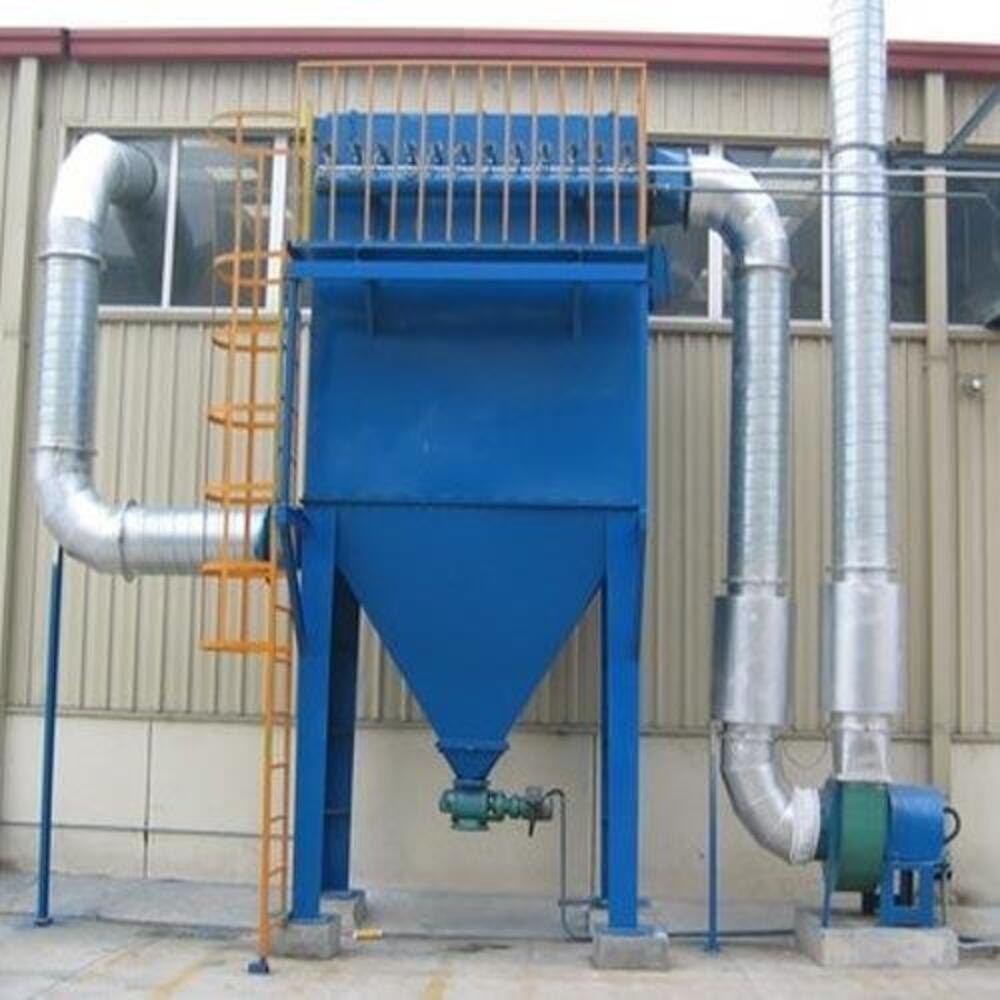
Industrial Mechanical Dust Collector System - High-Efficiency Air Filtration Unit
View Details
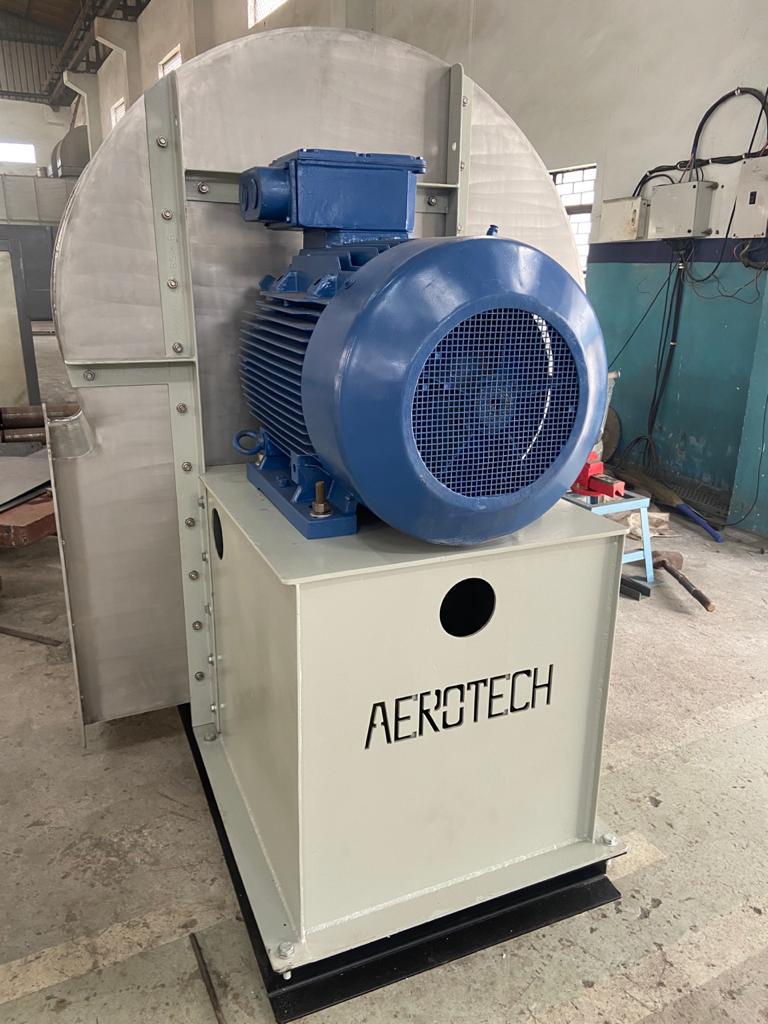
Aerotech Industrial Centrifugal Fan Blower – High-Pressure Air Handling System
View Details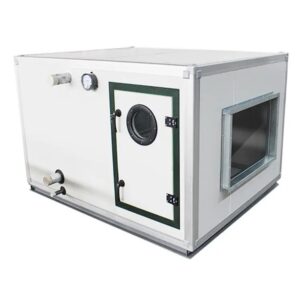
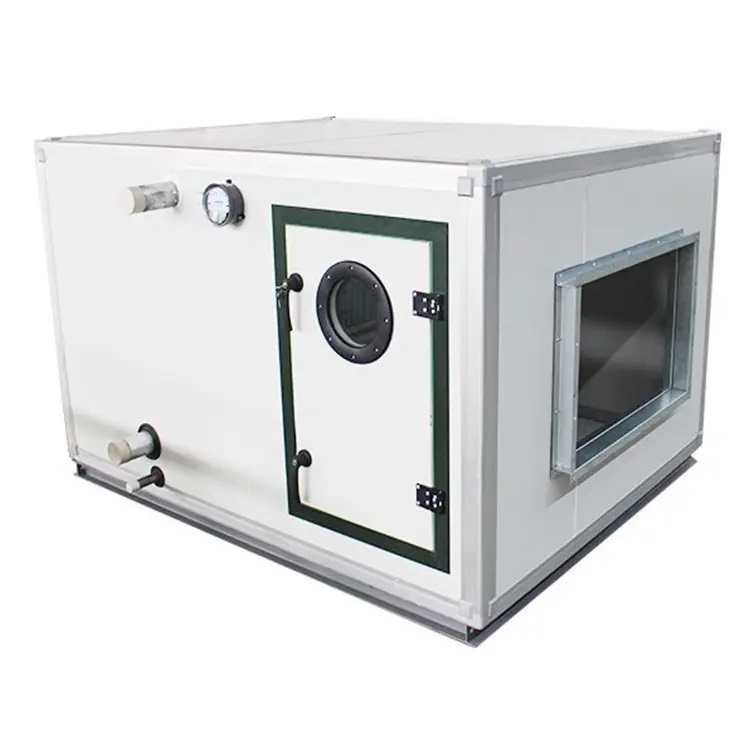
Industrial Treated Fresh Air Unit – Energy-Efficient Air Handling System
View DetailsMaintaining a cleanroom environment depends on precise airflow control. Airflow management for cleanrooms involves regulating air movement, pressure, and filtration to keep contaminants out and maintain stable conditions. Industries such as pharmaceuticals, electronics, and biotechnology rely on well-balanced ventilation systems to support production quality and safety. Aeppl designs and manufactures air handling systems that help facilities maintain consistent air quality, temperature, and humidity while optimizing energy use.
Cleanroom airflow systems manage air velocity, direction, and filtration based on the required cleanliness level. The airflow pattern can be laminar or turbulent depending on the process. Laminar flow ensures air moves uniformly across surfaces, while turbulent flow suits areas with less strict contamination control. Proper airflow management for cleanrooms requires integrating HEPA filters, pressure zoning, and return ducts within the HVAC layout.
Aeppl provides air handling equipment designed for durability and performance. Each cleanroom system balances airflow rate, energy efficiency, and contamination control to meet strict standards.
| Component | Function | Performance Benefit |
|---|---|---|
| Air Handling Unit (AHU) | Regulates airflow and temperature | Stable environmental control |
| HEPA Filters | Captures microscopic particles | Maintains cleanliness levels |
| Centrifugal Fans | Generates controlled airflow | Efficient pressure handling |
| Air Washer Units | Balances humidity | Improved process reliability |
Different cleanroom classes require distinct airflow strategies. Laminar flow systems are ideal for pharmaceutical and semiconductor facilities, while turbulent flow designs work well for general manufacturing.
| Airflow Type | Application | Advantages |
|---|---|---|
| Laminar | Pharmaceutical, Semiconductor | Uniform airflow, reduced turbulence |
| Turbulent | Packaging, Assembly | Flexible design, lower cost |
Energy efficiency and automation are key trends in modern cleanroom ventilation. Variable-speed drives and sensors maintain airflow precision while lowering energy consumption. Aeppl integrates automation-ready features into its air handling systems, supporting sustainable industrial operations and simplified maintenance.
Aeppl offers a range of air handling and filtration equipment suitable for cleanroom integration:
Cleanroom airflow systems must comply with ISO standards and local regulations. Aeppl ensures its equipment meets required particle count and air change rates while maintaining safety and service accessibility. Materials are chosen for corrosion resistance and long operational life in demanding environments.
Engineers and plant managers trust Aeppl for dependable air handling solutions that integrate easily with existing HVAC setups. The company focuses on solid construction, process-specific customization, and responsive technical support. With years of practical experience, Aeppl helps facilities achieve consistent cleanroom performance and compliance.
Aeppl (Aerotech Equipments and Projects Pvt. Ltd.) is an Indian manufacturer and exporter of industrial air handling and ventilation systems serving global markets. For reliable airflow management for cleanrooms, reach Aeppl at +91-9599785811, +91 8377077661, +91 9810162210 or email sales@aeppl.com. Visit Aeppl
It involves controlling air movement, pressure, and filtration to maintain clean, stable conditions that prevent contamination in controlled environments.
Laminar airflow provides a uniform air stream that reduces turbulence and prevents particles from settling on surfaces, ensuring consistent cleanliness.
HEPA filters remove microscopic particles from air streams, helping maintain the required air purity levels for critical manufacturing and laboratory operations.
Key factors include air velocity, pressure differential, filter efficiency, duct design, and the cleanliness classification of the room.
Yes, modern systems use variable-speed fans and automated controls to optimize airflow while minimizing power usage and operational costs.
Regular inspections should be performed every six to twelve months to verify filter integrity, airflow balance, and compliance with cleanliness standards.
Equipment is typically built from galvanized steel, stainless steel, or coated aluminum to resist corrosion and maintain long-term durability.
Automation enables real-time monitoring and adjustment of airflow parameters, ensuring consistent conditions and reducing manual intervention.
Aeppl provides engineered air handling systems built for reliability, compliance, and energy efficiency with technical support for industrial installations.
You can reach Aeppl at +91-9599785811, +91 8377077661, +91 9810162210 or email sales@aeppl.com for consultation and product details.