

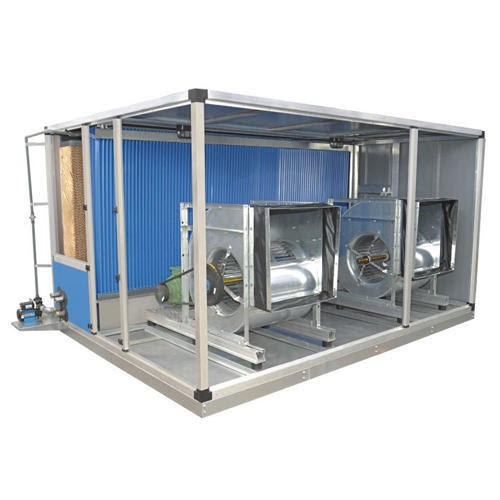
Industrial Evaporative Air Cooling Unit - High Efficiency HVAC System
View Details
Industrial Evaporative Air Cooling Unit - High Efficiency HVAC System
View Details
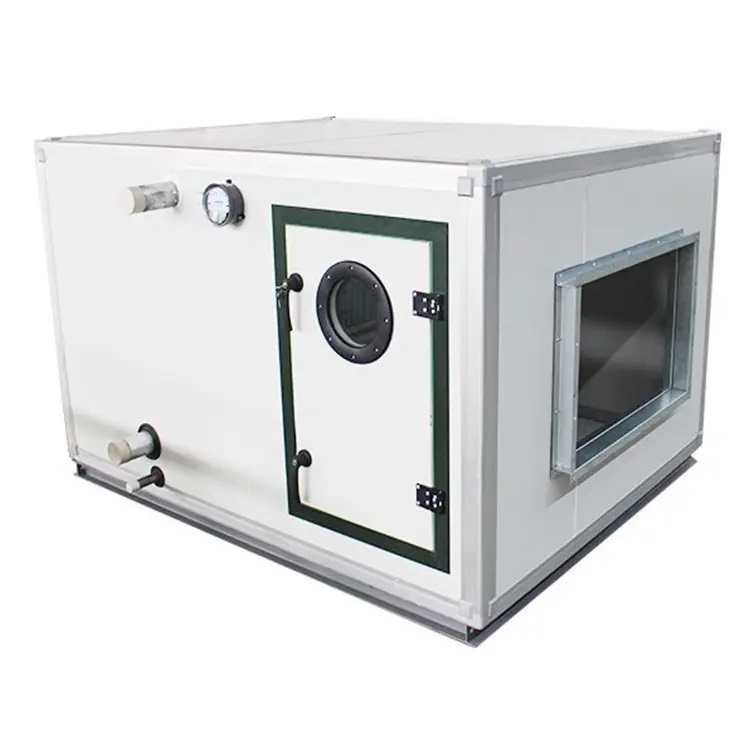
Industrial Treated Fresh Air Unit – Energy-Efficient Air Handling System
View Details
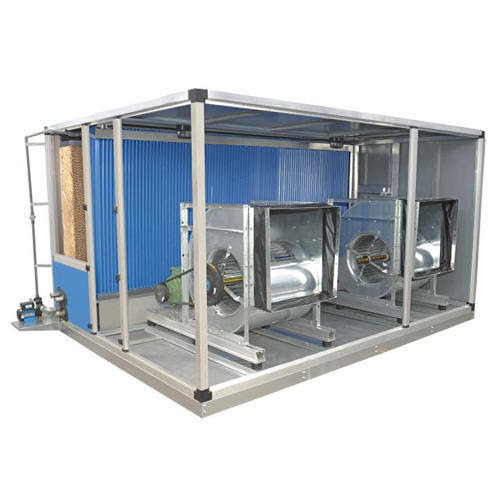
Industrial Evaporative Air Cooling Unit – High Efficiency HVAC System
View Details
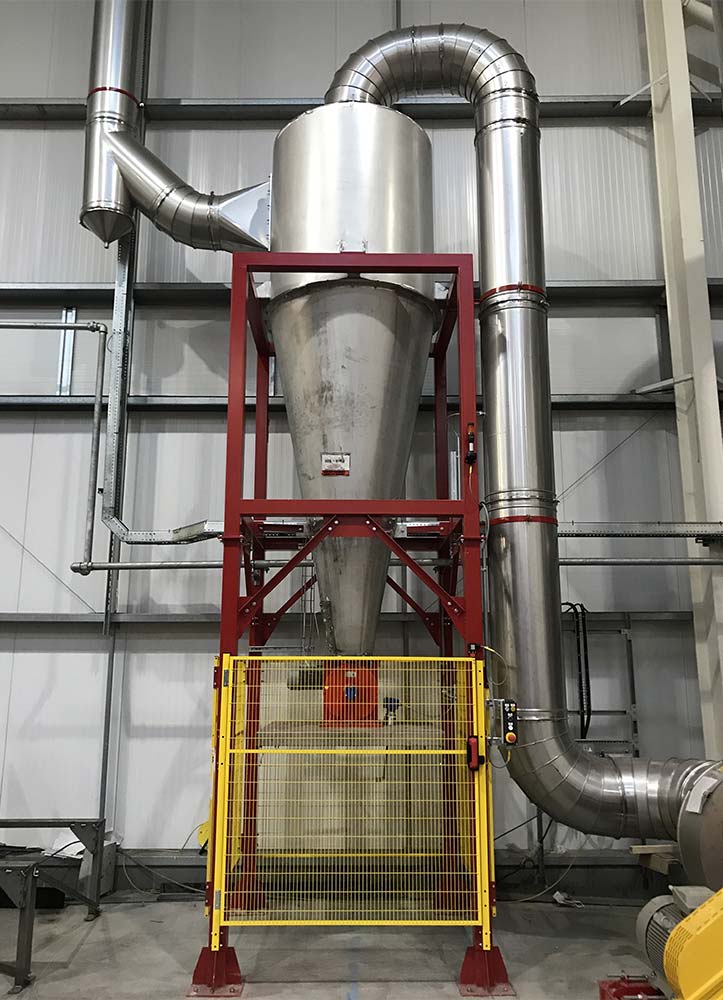
Industrial Venturi Scrubber System – High-Efficiency Air Pollution Control Unit
View Details
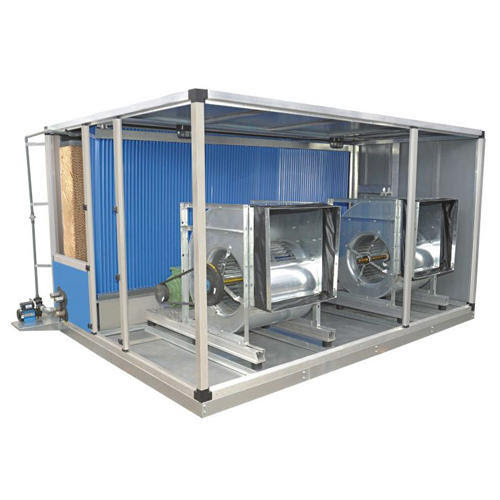
Industrial Fresh Air Handling Unit – High Efficiency Ventilation System
View Details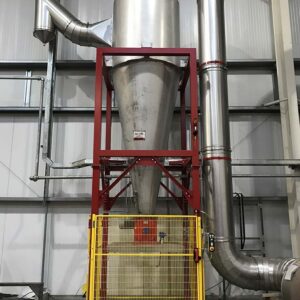

Industrial Venturi Scrubber System - High-Efficiency Air Pollution Control Unit
View Details
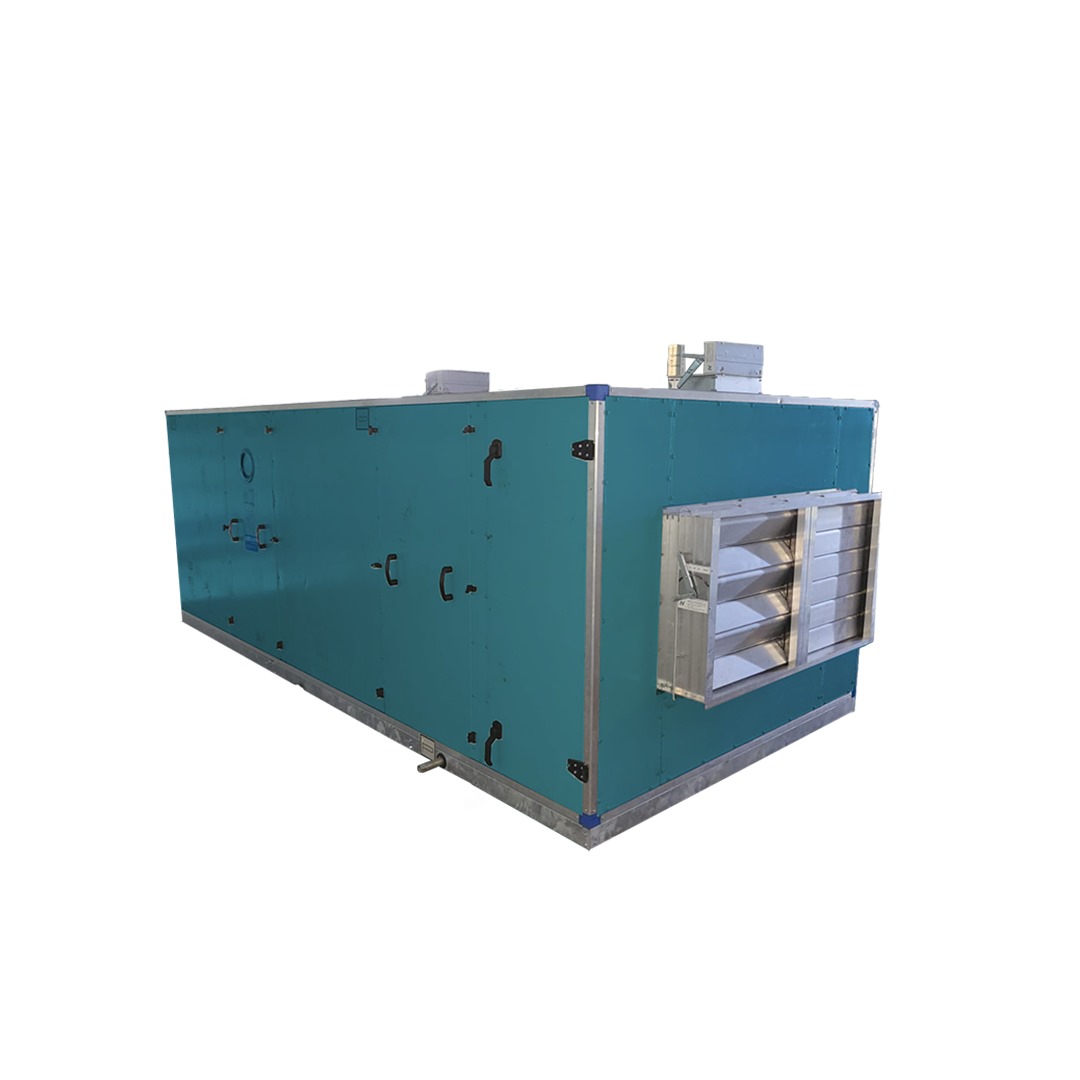
Ceiling Suspended Air Handling Unit – High Efficiency HVAC System for Commercial Use
View Details
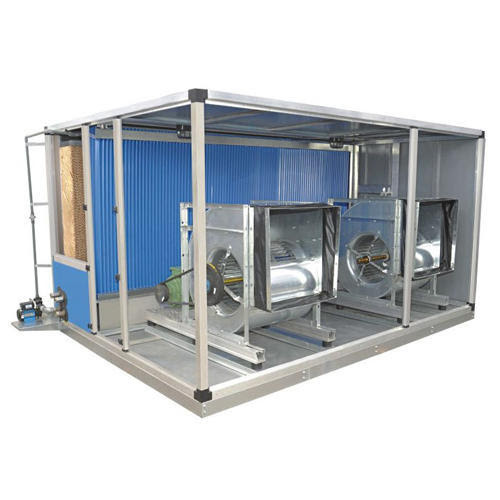
Industrial Air Washer Unit – High Efficiency Cooling & Air Handling System
View DetailsAir pressurization systems for cleanrooms play a vital role in maintaining controlled environments where air purity and pressure stability are essential. In industries such as pharmaceuticals, electronics, biotechnology, and food processing, these systems ensure that air moves from cleaner zones to less clean areas, helping prevent contamination and maintain compliance with ISO and GMP standards.
Aeppl designs air pressurization systems to provide steady performance, efficient operation, and easy integration with existing HVAC setups. Each unit maintains precise positive or negative pressure levels based on cleanroom classification and specific process requirements.
The principle behind cleanroom pressurization is simple - control airflow direction and maintain pressure differences between adjoining areas. Aeppl systems use efficient air handling units, filtration modules, and smart control panels to keep conditions stable. Automated dampers and sensors continuously monitor pressure levels, adjusting airflow as needed.
Typical air pressurization systems for cleanrooms include air handling units, HEPA filters, pressure sensors, ducting, and control panels. Integration with Aeppl's Industrial Fresh Air Handling Unit and Industrial Treated Fresh Air Unit provides accurate airflow management and filtration performance.
| Feature | Standard Model | Custom Engineered Model |
|---|---|---|
| Pressure Control Range | +/-10 Pa | +/-25 Pa or more |
| Filter Type | HEPA H13 | HEPA H14 or ULPA |
| Fan Type | EC Motor Centrifugal | Variable Frequency Drive |
| Monitoring | Manual Gauge | Digital Sensor with BMS Integration |
Modern air pressurization systems focus on reducing energy use and supporting sustainability goals. Aeppl incorporates low-leakage components, variable speed technology, and advanced filtration to lower power consumption and environmental impact. With increasing automation in industrial facilities, these systems align with smart building standards and sensor-based monitoring for predictive maintenance.
| Parameter | Traditional System | Aeppl Smart System |
|---|---|---|
| Energy Efficiency | Moderate | High with VFD and EC fans |
| Maintenance Interval | Quarterly | Predictive via sensor feedback |
| Compliance | Basic GMP | ISO, GMP, and sustainability-ready |
When selecting air pressurization systems for cleanrooms, consider room size, air change rate, filtration level, and process sensitivity. Aeppl offers consultation and engineering support to design systems that meet exact specifications while optimizing energy use and reliability.
Aeppl's engineering team provides customization for airflow capacity, filtration type, and control interface. Every installation includes technical documentation, commissioning assistance, and support across India and export regions. For inquiries, contact sales@aeppl.com or call +91-9599785811, +91 8377077661, +91 9810162210.
Aeppl (Aerotech Equipments and Projects Pvt. Ltd.) is an Indian manufacturer and exporter specializing in air handling and ventilation equipment for industrial environments. With years of engineering experience, Aeppl delivers reliable and efficient systems trusted by global facilities. Visit Aeppl
They maintain controlled pressure differences to prevent contamination and ensure air flows from clean to less clean areas.
By maintaining positive pressure in clean zones, these systems push air outward, keeping dust and particles from entering sensitive areas.
Pharmaceutical, semiconductor, biotech, food processing, and precision manufacturing sectors commonly use these systems.
Room size, air change rate, filtration grade, and process sensitivity all influence system design and configuration.
Modern systems use variable speed fans and intelligent controls to minimize energy consumption while maintaining required pressure levels.
Routine inspection every three to six months is recommended, with filter replacement based on usage and air quality readings.
Yes, advanced models with digital sensors and control panels can integrate with BMS for monitoring and automation.
They are typically designed to meet ISO cleanroom classifications and GMP guidelines for controlled environments.
Yes, Aeppl designs and manufactures systems tailored to specific airflow, filtration, and control requirements.
You can reach Aeppl at sales@aeppl.com or call +91-9599785811, +91 8377077661, +91 9810162210 for project discussions.