
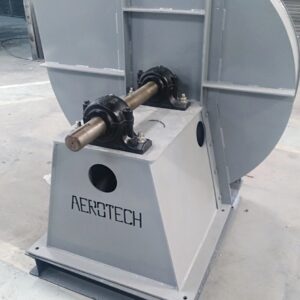
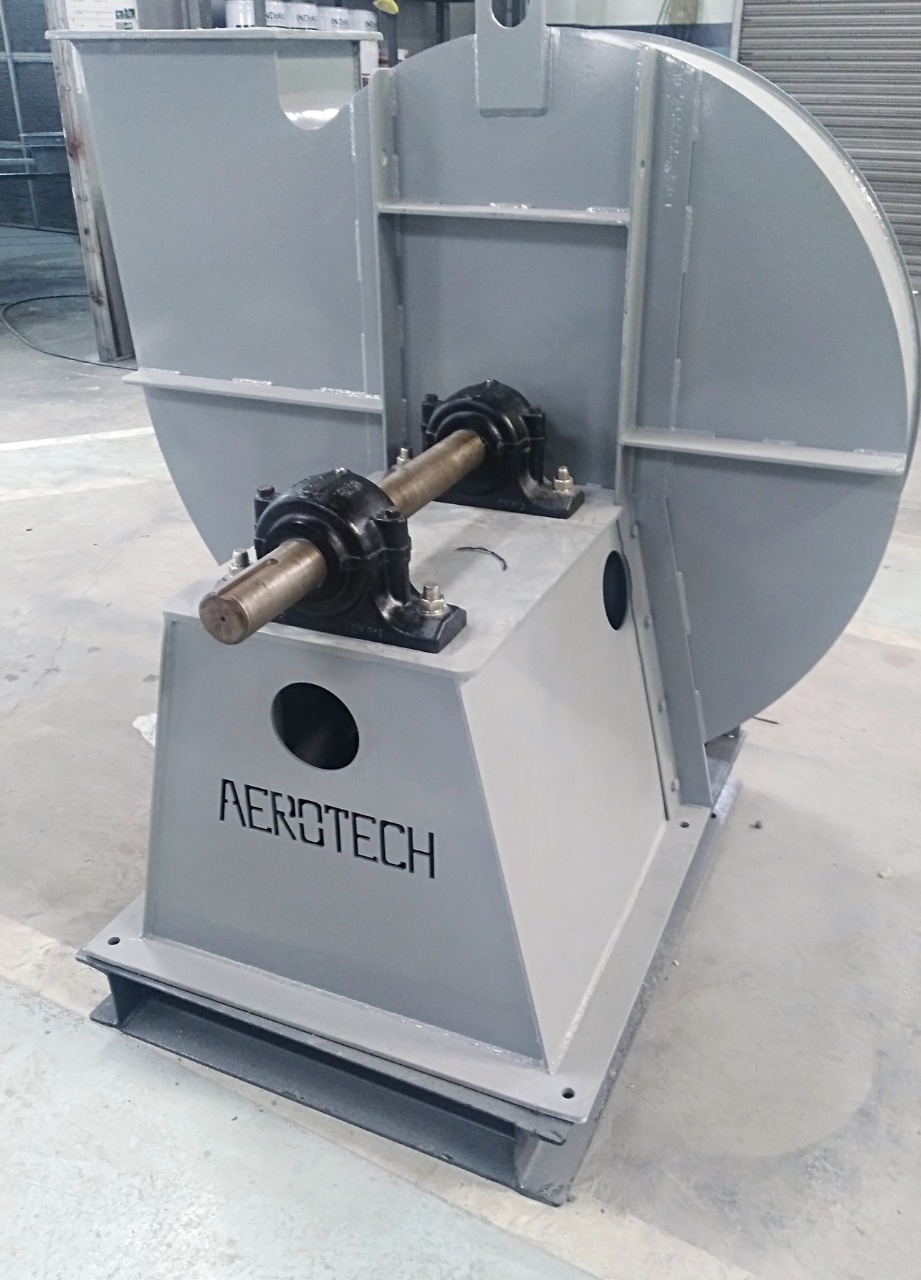
Industrial Centrifugal Ventilation Blower – Heavy-Duty Air Handling Unit
View Details
Industrial Centrifugal Ventilation Blower – Heavy-Duty Air Handling Unit
View Details
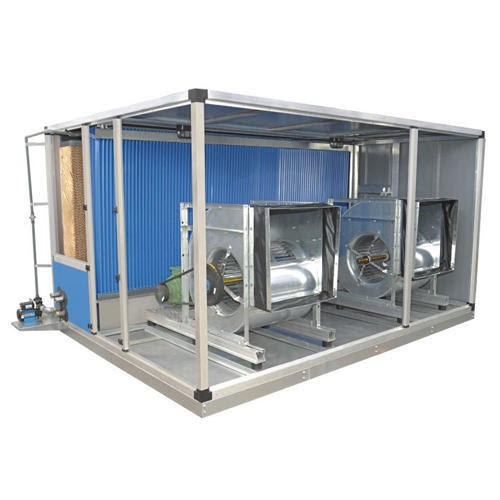
Industrial Evaporative Air Cooling Unit - High Efficiency HVAC System
View Details
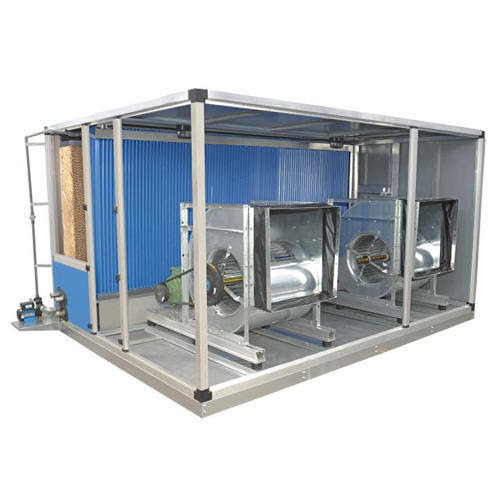
Industrial Evaporative Air Cooling Unit – High Efficiency HVAC System
View Details
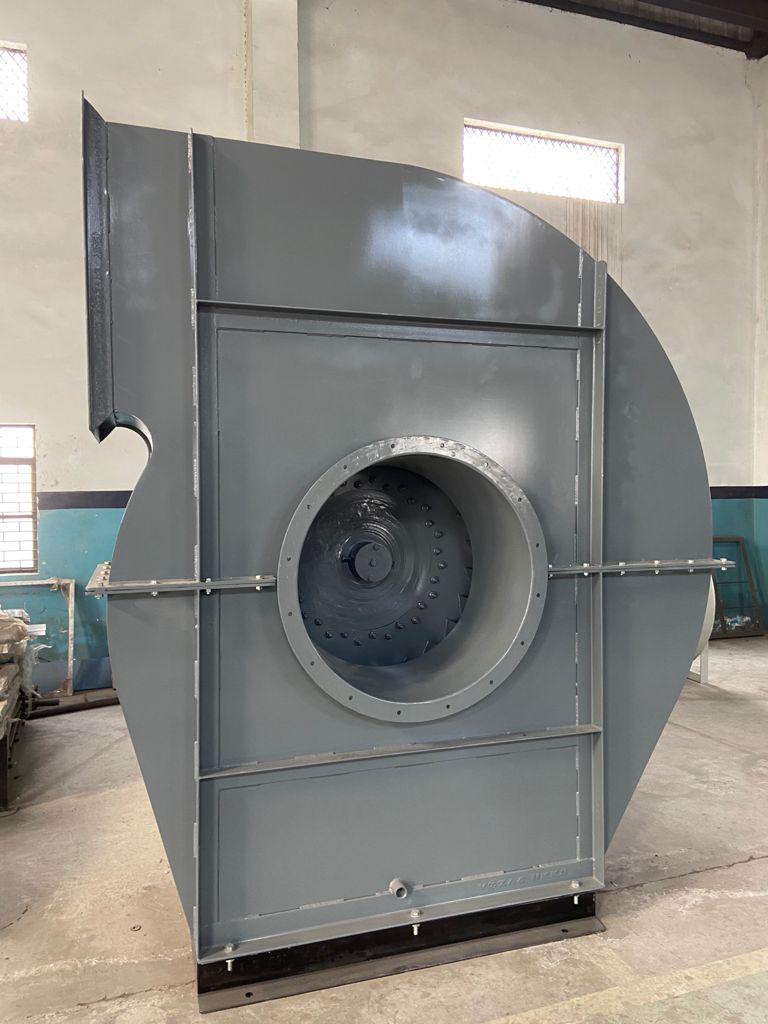
Industrial Mild Steel Centrifugal Blower - High Efficiency Air Handling Unit
View Details

Industrial Air Cooling System with Dual Centrifugal Blowers – High Efficiency HVAC Unit
View Details
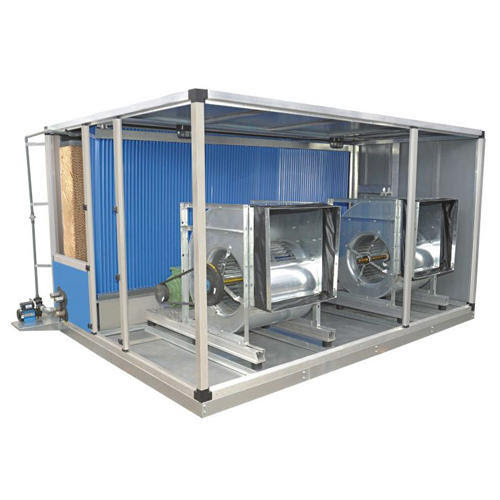
Industrial Fresh Air Handling Unit – High Efficiency Ventilation System
View Details
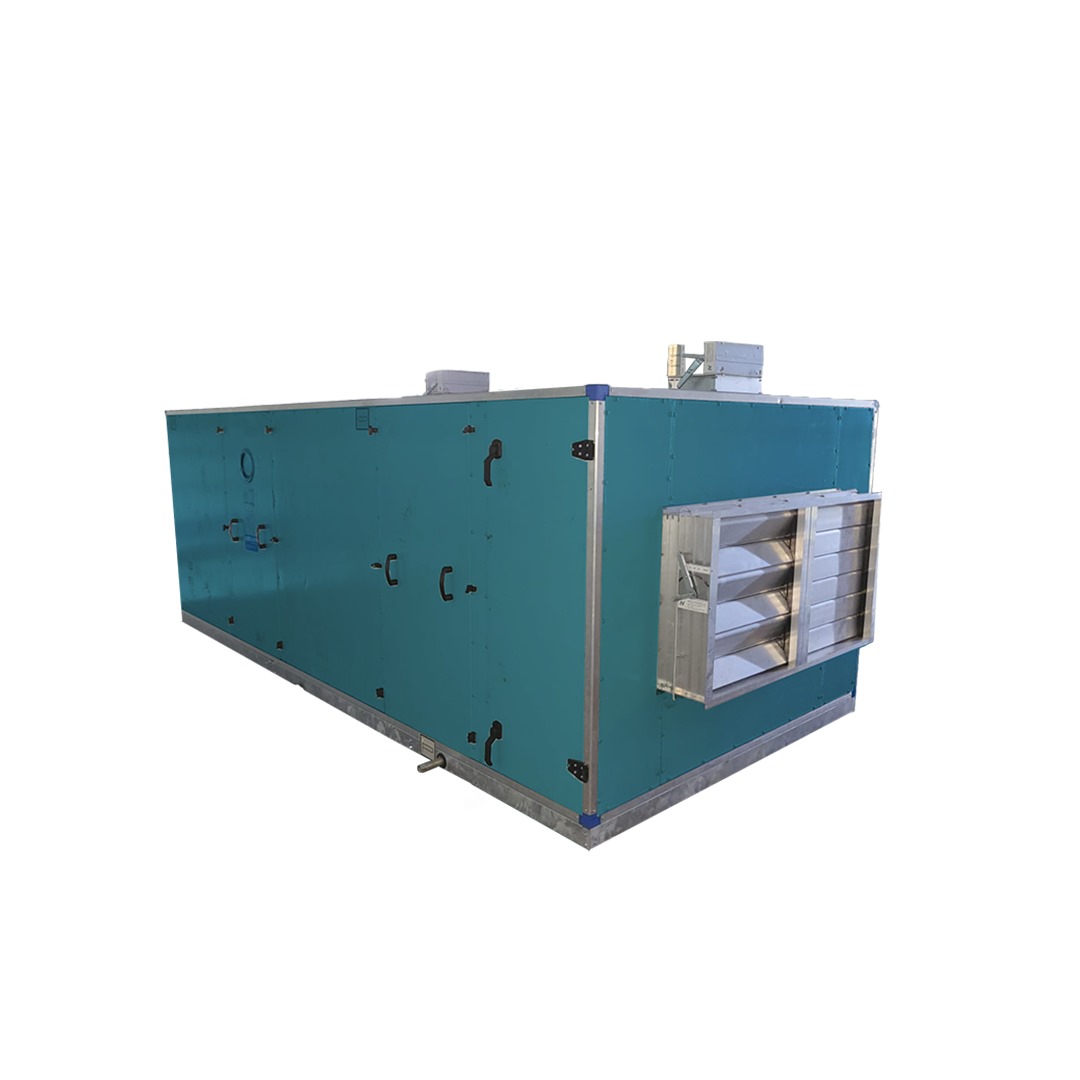
Ceiling Suspended Air Handling Unit – High Efficiency HVAC System for Commercial Use
View Details
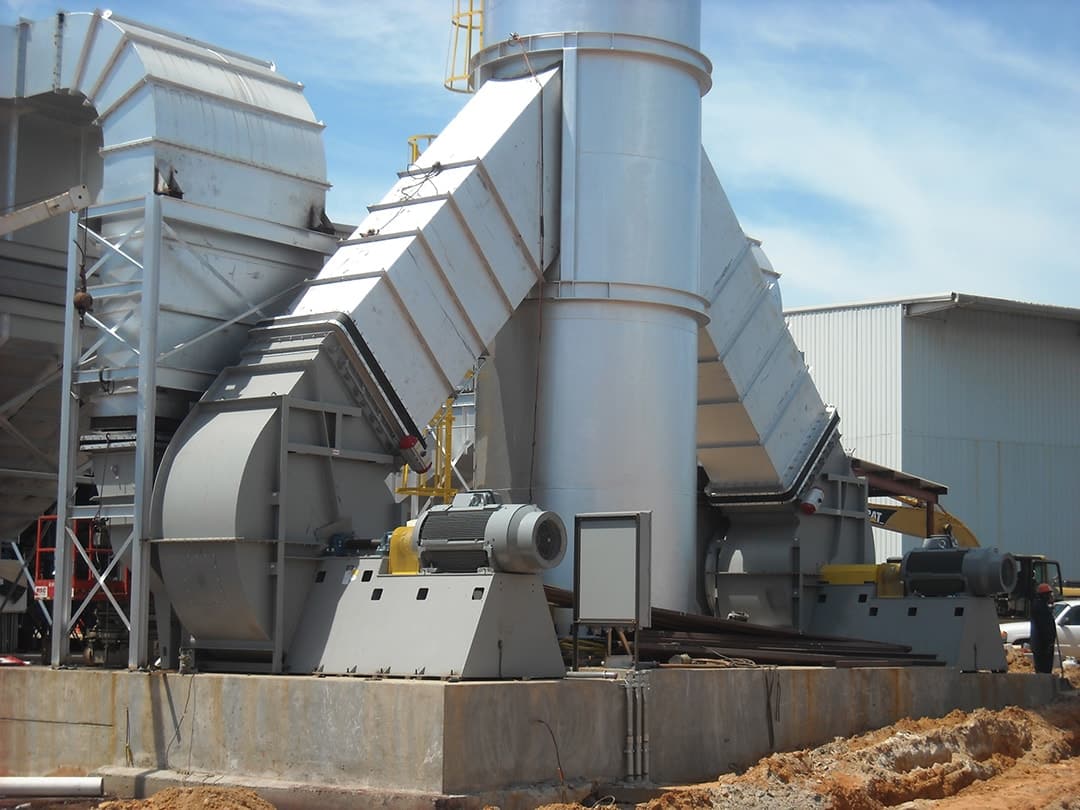
High-Capacity Industrial Centrifugal Ventilator - Heavy-Duty Airflow System
View DetailsPharmaceutical cleanroom ventilation systems play a vital role in maintaining controlled environments where precision and sterility are non-negotiable. These systems regulate air quality, temperature, humidity, and pressure to ensure that products are manufactured under conditions that meet strict GMP and ISO 14644 standards. In pharmaceutical settings, cleanroom ventilation directly affects product safety, consistency, and compliance.
Effective ventilation design in pharmaceutical cleanrooms involves balancing airflow, filtration, and pressure control. Engineers focus on maintaining specific air changes per hour while minimizing turbulence that could disturb particle control. High-efficiency filtration and well-planned duct layouts are essential to achieving uniform airflow and preventing contamination.
Ventilation systems are designed to maintain positive pressure in clean zones and negative pressure in containment areas. Vertical laminar flow introduces clean air from ceiling plenums, while horizontal designs use wall-mounted ducts to guide airflow. Selecting the right approach depends on the process type and contamination risk.
| Filter Type | Efficiency | Typical Use |
|---|---|---|
| HEPA Filter | 99.97% at 0.3 microns | Pharmaceutical production and packaging |
| ULPA Filter | 99.999% at 0.12 microns | Critical aseptic zones |
| Pre-filter | Up to 90% | Initial dust and particle removal |
Energy efficiency is a growing priority in pharmaceutical ventilation. Systems equipped with variable frequency drives and smart sensors can adjust airflow based on real-time conditions, reducing power consumption without affecting air quality. Optimized duct design and efficient motors also help lower operational costs while supporting sustainability goals.
Cleanroom ventilation often works alongside centralized HVAC systems to maintain precise temperature and humidity control. Aeppl engineers design integrated systems that ensure consistent airflow and environmental balance across production zones. This alignment simplifies maintenance and supports automation for predictive monitoring and improved reliability.
Aeppl manufactures high-performance air handling and ventilation units tailored for pharmaceutical use. These systems are built for durability and compliance, offering dependable operation in demanding environments.
Every pharmaceutical cleanroom ventilation system must meet validation requirements for airflow velocity, particle count, and pressure differential. Aeppl assists clients with documentation and testing during commissioning to ensure full compliance with GMP standards. This process confirms that each system operates safely and consistently under production conditions.
Automation has become a standard feature in modern ventilation systems. Smart controls allow operators to monitor air quality, pressure, and temperature remotely. Predictive maintenance capabilities help prevent downtime and maintain stable conditions across clean zones.
| Feature | Benefit |
|---|---|
| Automated airflow balancing | Maintains consistent cleanroom conditions |
| Real-time particle tracking | Immediate contamination alerts |
| Energy optimization routines | Lower operating costs |
Aerotech Equipments and Projects Pvt. Ltd. (Aeppl) is a leading Indian manufacturer of air handling and ventilation systems for pharmaceutical and industrial applications. With decades of engineering experience, Aeppl delivers reliable and efficient solutions that meet global cleanroom standards. Visit Aeppl
It is a controlled air system that maintains low particle levels, stable pressure, and regulated temperature and humidity to protect pharmaceutical products from contamination.
HEPA filters remove nearly all airborne particles, ensuring clean air that meets GMP and ISO standards for sterile manufacturing environments.
Laminar vertical or horizontal airflow ensures uniform distribution, preventing particles from settling and reducing the risk of cross-contamination between zones.
Systems must comply with ISO 14644 classifications and Good Manufacturing Practice (GMP) guidelines to ensure consistent air cleanliness and safety.
Validation is typically performed during commissioning and periodically thereafter to confirm compliance with airflow, pressure, and particle count specifications.
Energy-efficient systems reduce operating costs, support sustainability goals, and maintain precise environmental control through intelligent automation.
Yes, integration allows centralized control of temperature, humidity, and airflow, improving reliability and reducing maintenance complexity.
HEPA filters capture 99.97% of particles at 0.3 microns, while ULPA filters reach 99.999% efficiency at 0.12 microns, used in ultra-clean pharmaceutical zones.
Yes, Aeppl designs and manufactures customized cleanroom ventilation systems engineered for specific process requirements and compliance standards.
You can reach Aeppl at +91-9599785811, +91 8377077661, +91 9810162210 or email sales@aeppl.com to discuss your pharmaceutical ventilation needs.