

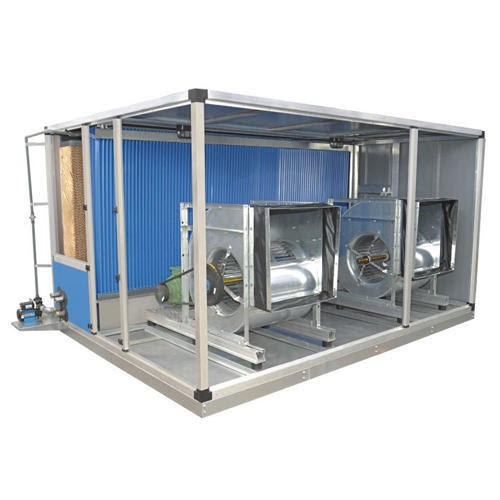
Industrial Evaporative Air Cooling Unit - High Efficiency HVAC System
View Details
Industrial Evaporative Air Cooling Unit - High Efficiency HVAC System
View Details
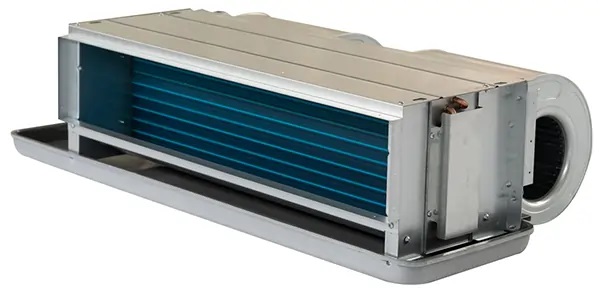
Ceiling Concealed Fan Coil Unit - High Efficiency HVAC Air Handling System
View Details
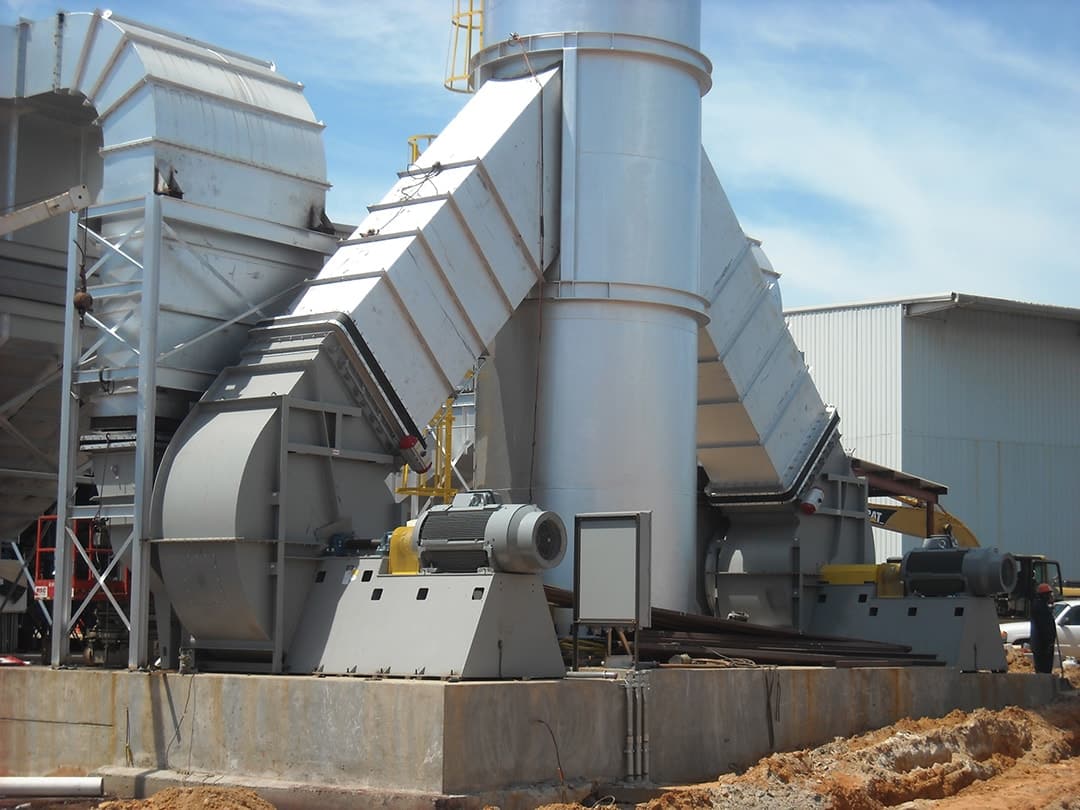
High-Capacity Industrial Centrifugal Ventilator - Heavy-Duty Airflow System
View Details
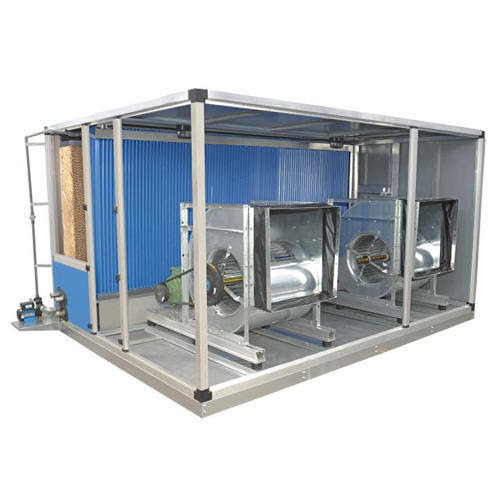
Industrial Evaporative Air Cooling Unit – High Efficiency HVAC System
View Details
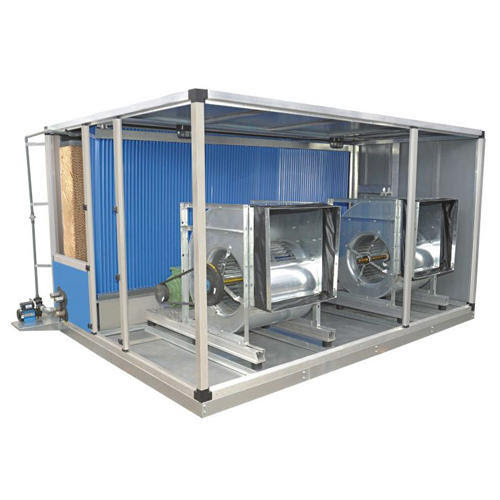
Industrial Fresh Air Handling Unit – High Efficiency Ventilation System
View Details
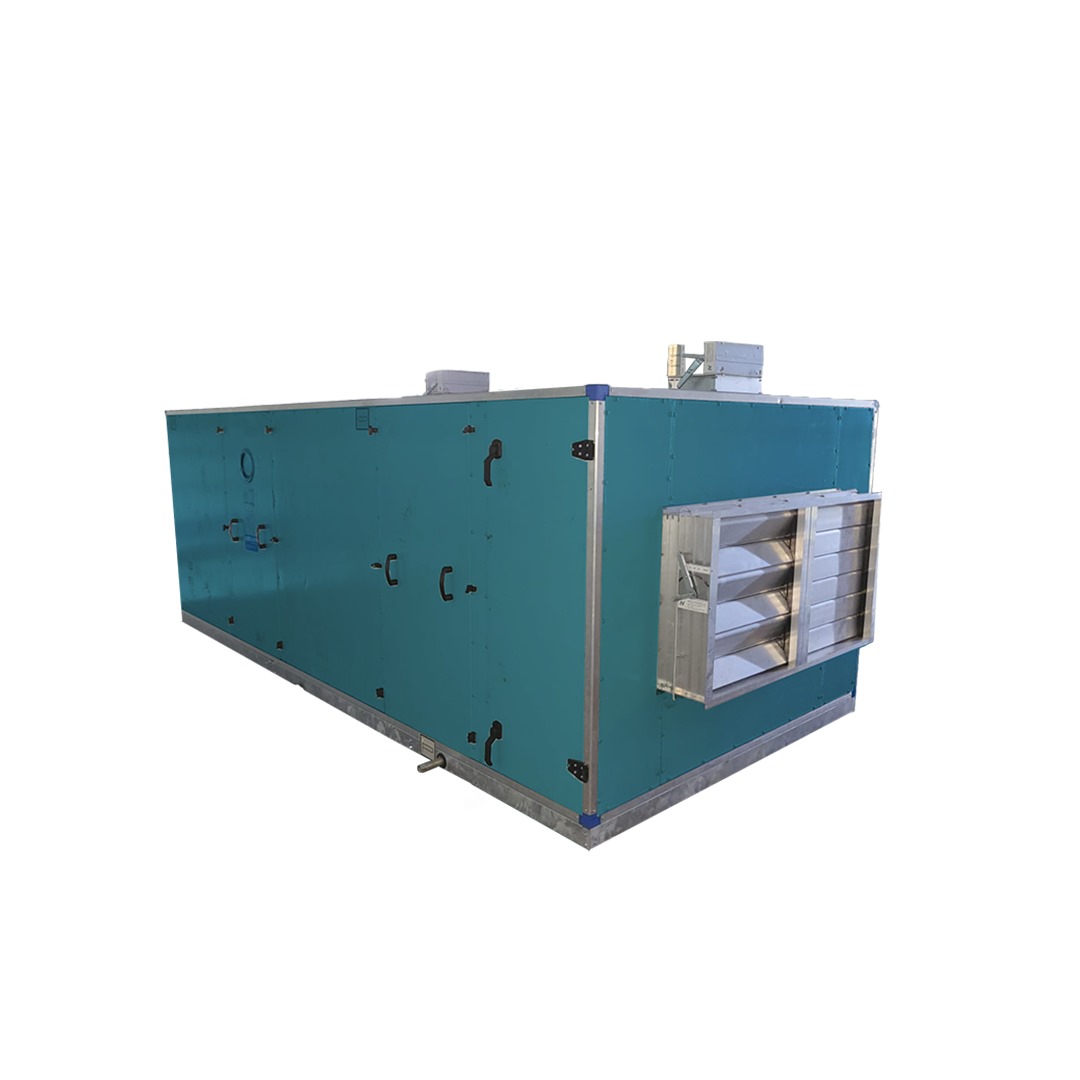
Ceiling Suspended Air Handling Unit – High Efficiency HVAC System for Commercial Use
View Details
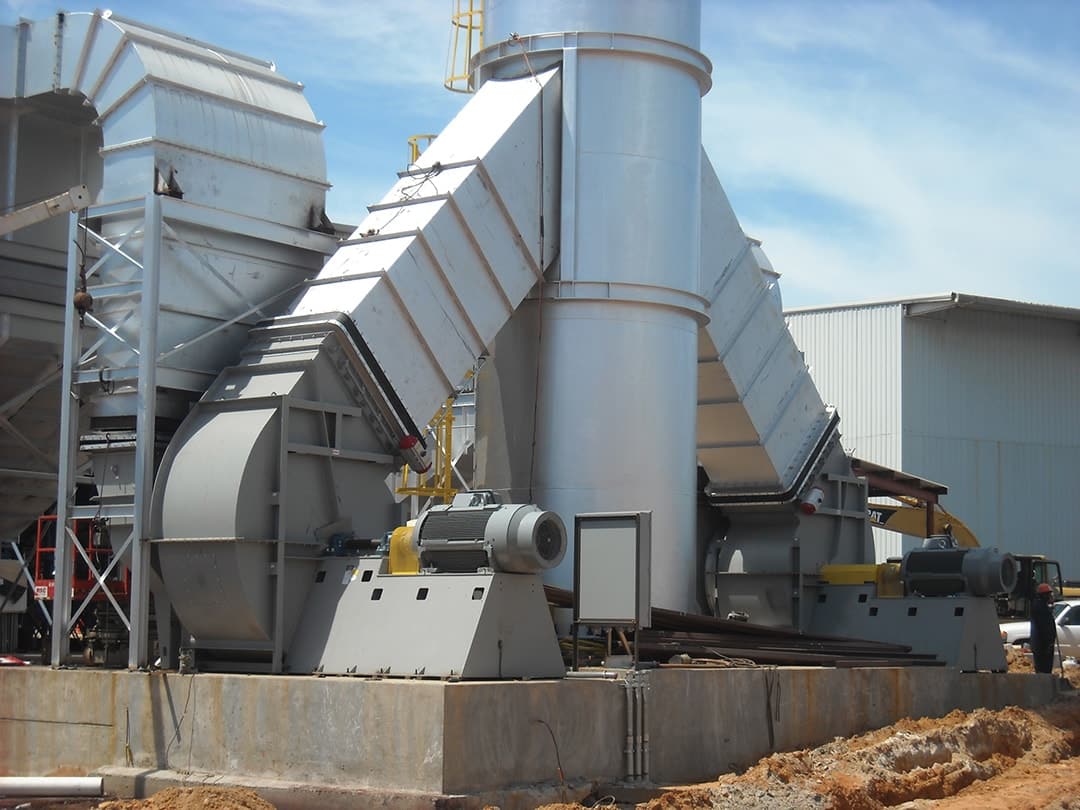
Heavy-Duty Industrial Fume Extraction System – High Capacity Air Filtration Unit
View Details
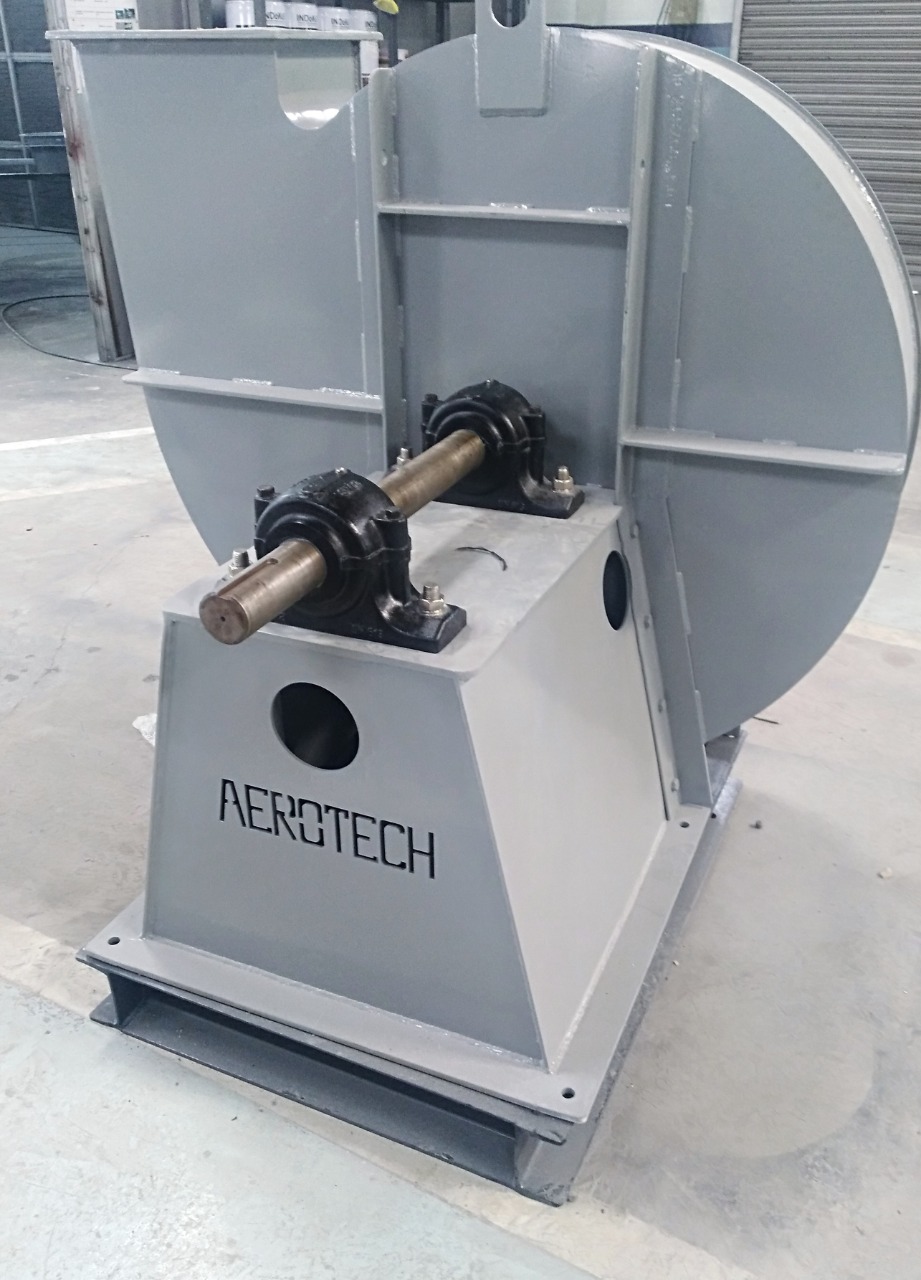
Industrial Centrifugal Air Ventilation System – Heavy Duty Steel Housing
View DetailsA staircase pressurization system for offices helps maintain safe evacuation routes in case of a fire. By creating positive pressure inside the stairwell compared to adjoining areas, it prevents smoke from entering and ensures a clear path for occupants to exit. This system is a key part of modern fire protection strategies and also contributes to better ventilation management in commercial spaces.
Office buildings rely on these systems to meet safety codes and maintain air quality. The setup involves fans, sensors, and control units that respond automatically to changes in pressure and temperature. When integrated with existing HVAC systems, it supports both safety and energy efficiency without disrupting daily operations.
The principle behind a staircase pressurization system for offices is simple: controlled airflow maintains a pressure difference between the stairwell and adjacent zones. During normal operation, the system keeps airflow balanced. In a fire event, it activates to push clean air into the stairwell, keeping smoke out.
Each system is tailored to the building's size and layout. Engineers calculate airflow rates, fan capacities, and duct dimensions to ensure proper performance. The design includes several essential components:
| Component | Function |
|---|---|
| Pressurization Fan | Creates airflow to maintain positive pressure |
| Pressure Sensor | Continuously monitors pressure differences |
| Automatic Dampers | Control air movement and prevent backflow |
| Control Panel | Adjusts fan speed and system response |
Designing a staircase pressurization system for offices requires careful planning and adherence to fire safety standards. Engineers consider factors such as building height, number of occupants, and local codes. Proper calibration ensures that pressure levels remain consistent even during power fluctuations.
Energy efficiency is a growing priority. Systems equipped with variable speed drives can adjust fan performance, reducing power consumption while maintaining safety. For green building projects, integration with energy-efficient ventilation units like the Industrial Fresh Air Handling Unit or the Ceiling Suspended Air Handling Unit from Aeppl offers additional efficiency benefits.
| Approach | Advantages | Best Suited For |
|---|---|---|
| Single-stage pressurization | Simple and cost-effective | Small office buildings |
| Multi-stage pressurization | Better control and efficiency | High-rise or complex structures |
| Automated variable control | Real-time adjustments through smart sensors | Modern commercial complexes |
Every building has unique airflow requirements. Aeppl engineers design staircase pressurization systems that align with existing HVAC setups, using durable materials and precise control mechanisms. The system can connect with fire alarms, smoke detectors, and building management systems to ensure coordinated performance during emergencies.
For offices upgrading their ventilation networks, complementary equipment such as the High-Capacity Industrial Centrifugal Ventilator helps maintain strong airflow and consistent pressure control.
Routine maintenance keeps the system dependable and compliant. Aeppl offers inspection, testing, and service support to ensure long-term performance. Regular calibration prevents pressure imbalances and maintains emergency readiness.
Choosing a staircase pressurization system for offices is an investment in safety, reliability, and operational continuity. When maintained properly, it offers lasting value through reduced risk and improved energy management.
Aerotech Equipments and Projects Pvt. Ltd. (Aeppl) designs and manufactures air handling and ventilation systems for industrial and commercial applications. With decades of engineering experience, Aeppl delivers efficient, reliable solutions that meet global safety standards. For expert assistance, contact +91-9599785811, +91 8377077661, +91 9810162210 or email sales@aeppl.com.
It is a ventilation setup that maintains positive pressure in stairwells to prevent smoke infiltration during fire emergencies.
It ensures safe evacuation routes by keeping stairwells free from smoke and harmful gases during emergencies.
Sensors, dampers, and variable-speed fans are managed through a control panel or building automation system.
Yes, the system can be integrated with central HVAC and building management systems for coordinated operation.
Designs follow national fire safety codes and international standards for pressure differential and smoke control.
It should be inspected and tested at least twice a year to ensure proper pressure levels and responsiveness.
Modern systems use variable speed drives and optimized fan control to reduce energy consumption while maintaining safety.
Building height, occupancy, stairwell volume, and safety codes determine airflow and fan capacity requirements.
Yes, Aeppl offers complete installation, commissioning, and technical support for staircase pressurization systems.
Reach Aeppl at +91-9599785811, +91 8377077661, +91 9810162210 or email sales@aeppl.com for detailed project discussions.