
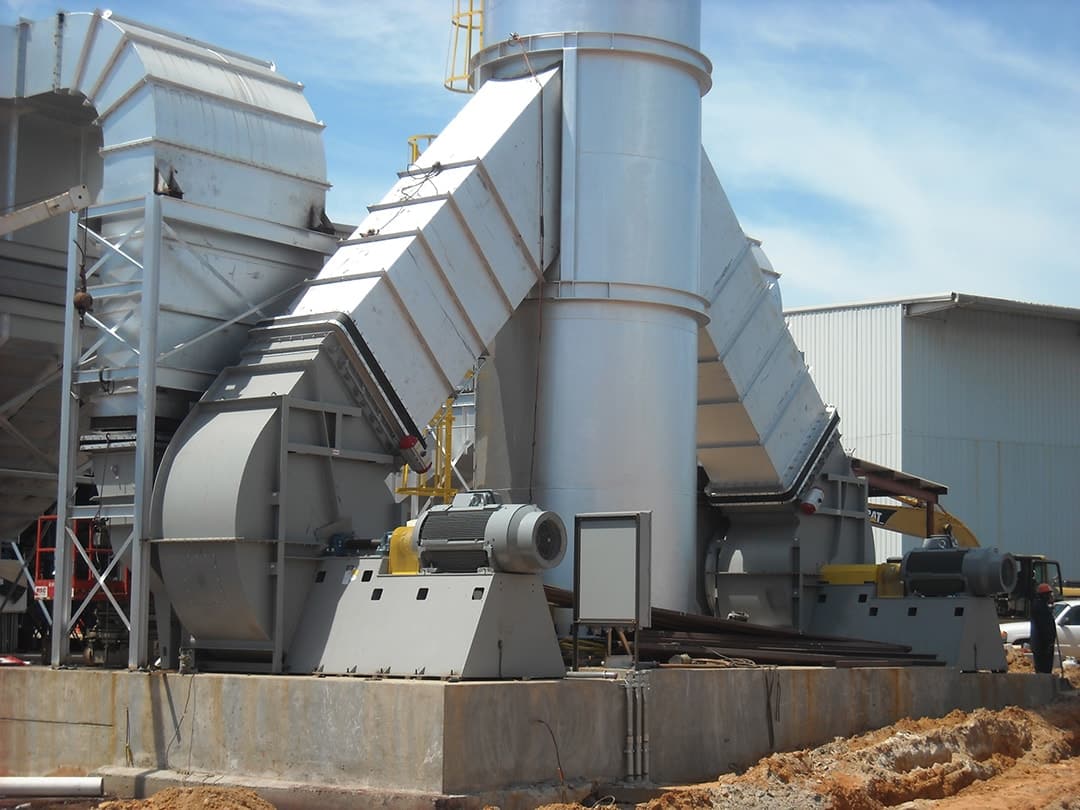
Industrial Smoke Spill Exhaust Unit - High-Temperature Ventilation System
View Details
Industrial Smoke Spill Exhaust Unit - High-Temperature Ventilation System
View Details
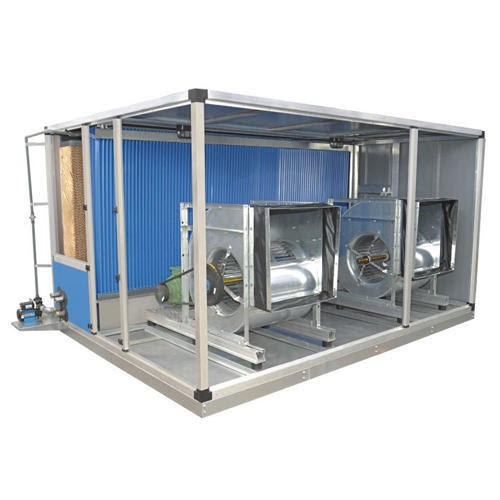
Industrial Evaporative Air Cooling Unit - High Efficiency HVAC System
View Details
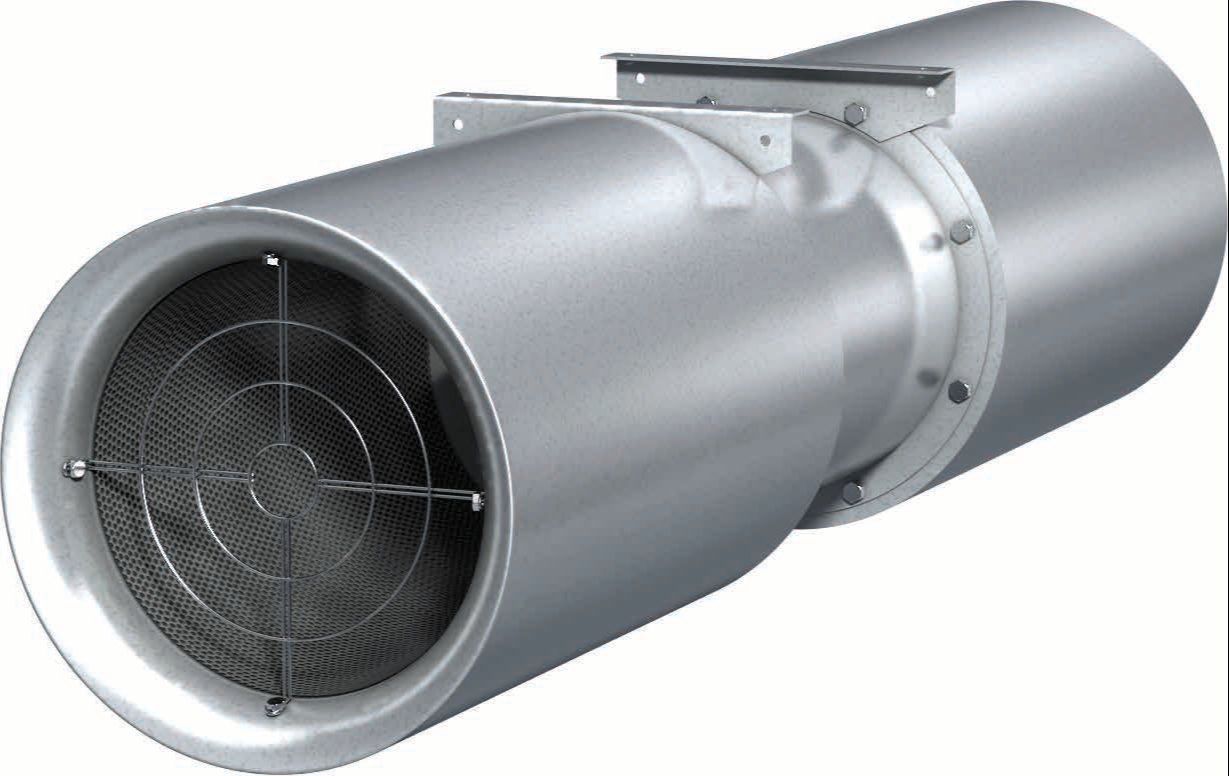
High-Performance Industrial Jet Fan - Tunnel and Garage Ventilation System
View Details
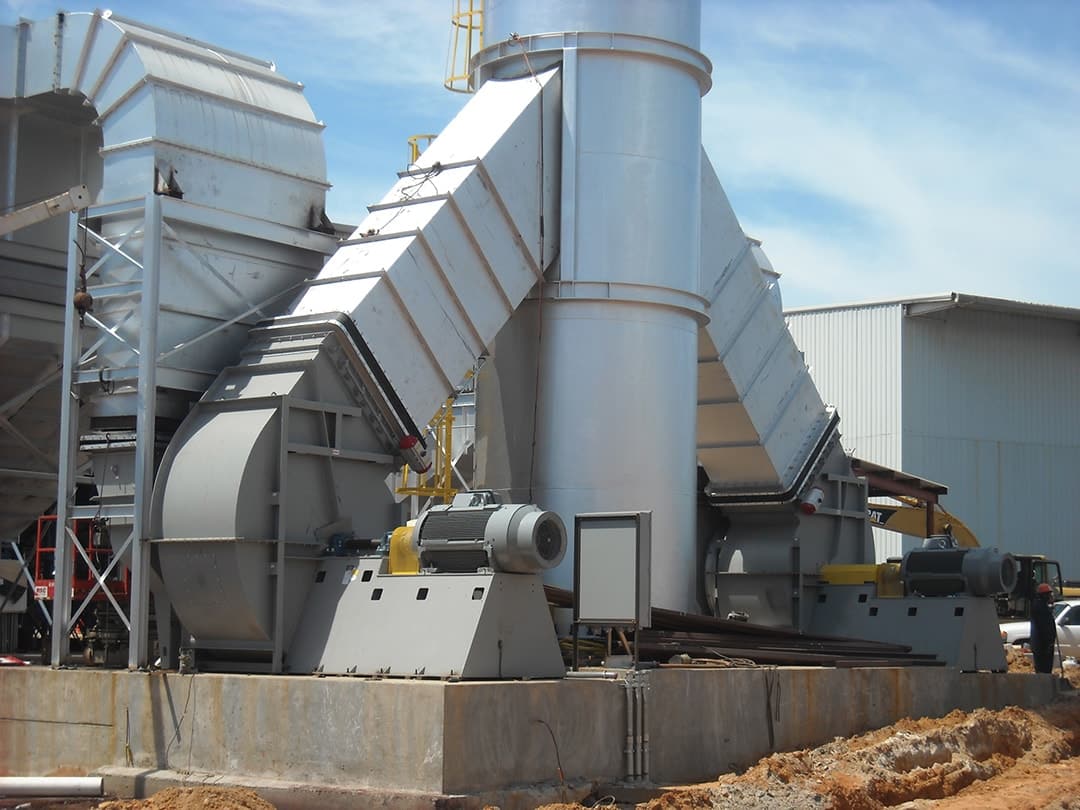
High-Temperature Industrial Smoke Spill Unit - Heavy-Duty Ventilation System
View Details
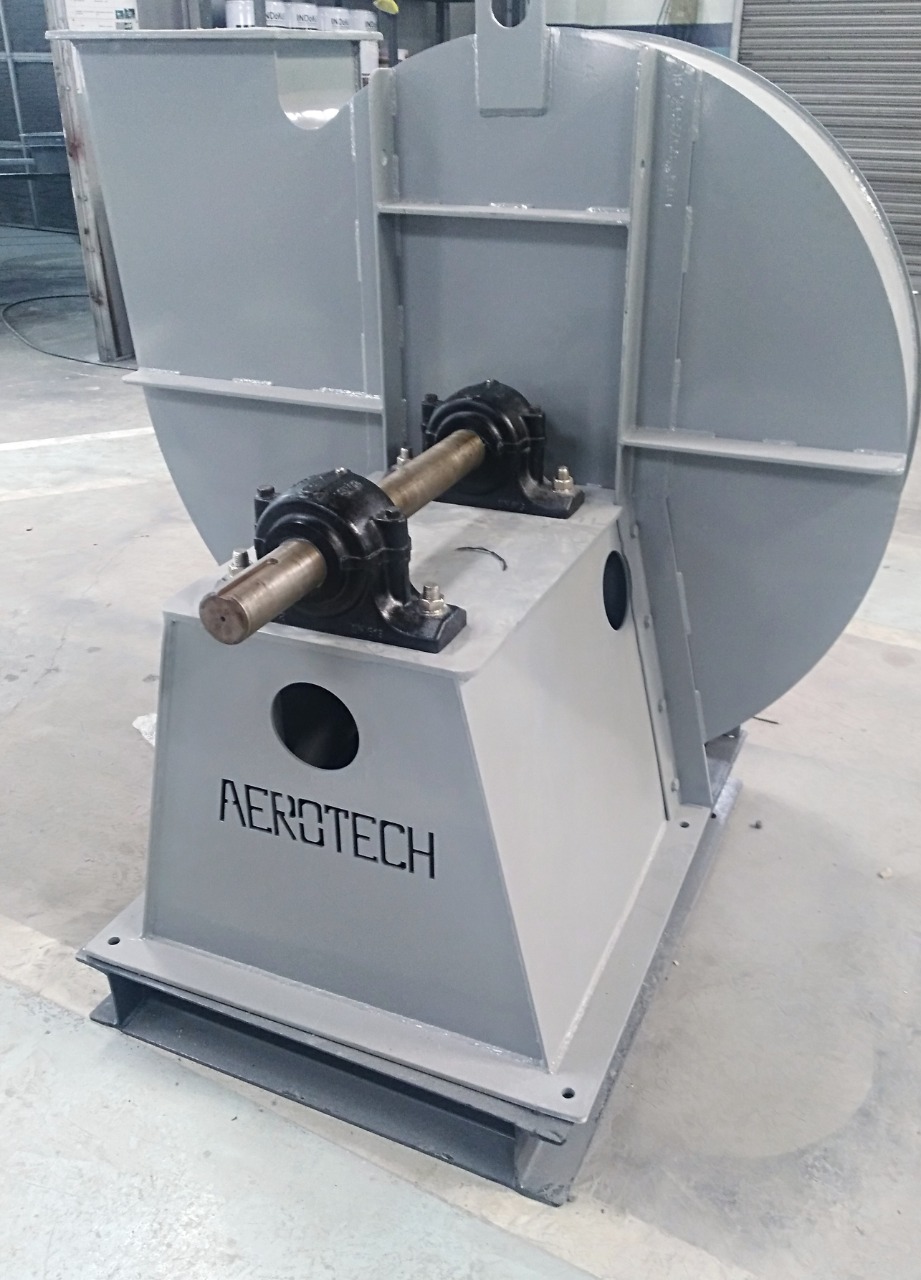
Heavy-Duty Industrial Fume Extraction Blower - High Efficiency Ventilation System
View Details

Heavy-Duty Tubular Mounted Mancooler - High Airflow Industrial Fan
View Details
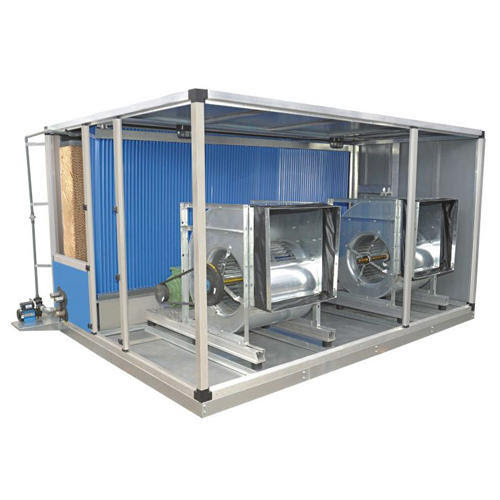
Industrial Fresh Air Handling Unit – High Efficiency Ventilation System
View Details
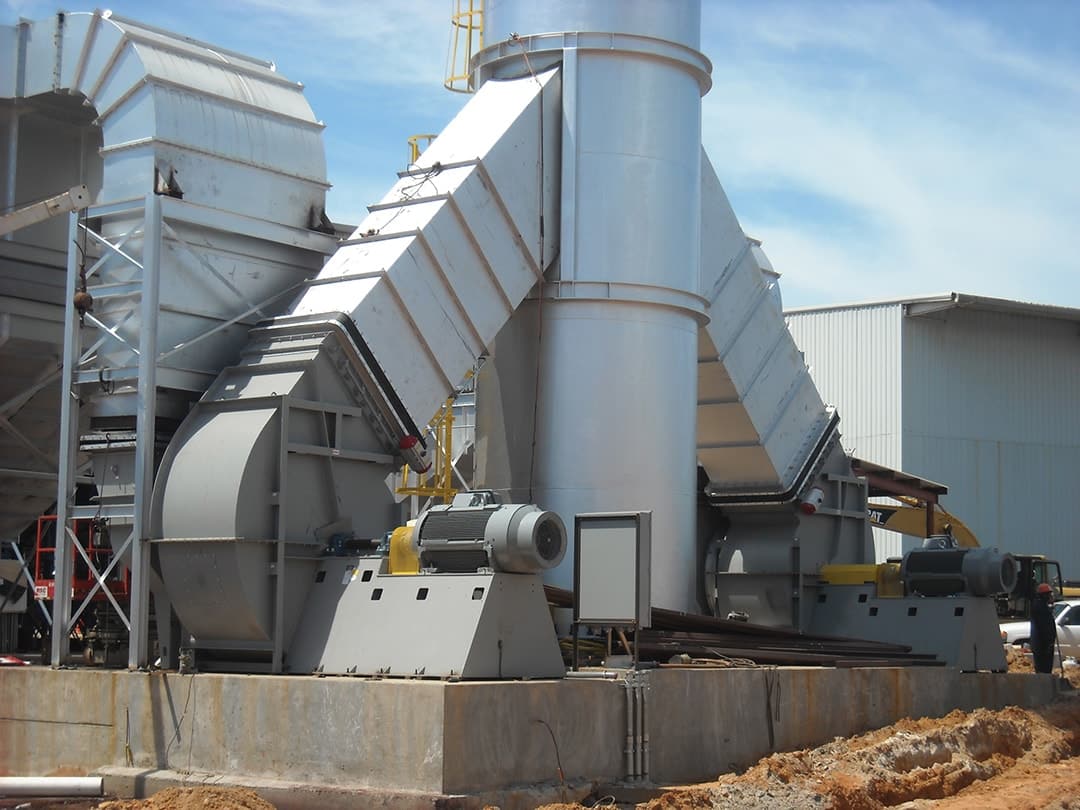
Industrial Fume Extraction System - High-Efficiency Air Filtration Unit
View DetailsChoosing the right staircase pressurization system supplier is essential for ensuring life safety and meeting building regulations. A properly designed system keeps stairwells clear of smoke during emergencies, helping people evacuate safely and allowing firefighters to access affected areas. Aeppl designs each system with precise airflow management, durable materials, and dependable long-term operation.
In fire safety engineering, maintaining positive pressure inside staircases prevents smoke from entering from adjoining rooms. This is achieved by supplying controlled air through fans and ducts. The system must balance airflow and pressure to meet code requirements. Aeppl, as a leading staircase pressurization system supplier, focuses on efficient motor design, reliable control panels, and integration with building management systems.
| Feature | Pressurization System | Smoke Exhaust System |
|---|---|---|
| Primary Function | Maintains positive pressure in stairwells | Removes smoke from fire zones |
| Airflow Direction | Into protected area | Out of fire-affected space |
| Control Logic | Pressure-based | Temperature or smoke-based |
| Typical Equipment | Pressurization fan, ducting, dampers | High-temperature exhaust fan, filters |
Large building projects often combine staircase pressurization systems with smoke exhaust and fresh air units to achieve balanced ventilation. Aeppl supplies both individual components and integrated setups designed to fit specific project needs. This helps contractors and facility teams ensure smooth installation and reliable operation.
Every building has unique airflow requirements based on its layout and use. Aeppl offers customized pressurization system designs that consider stairwell height, number of floors, and emergency power backup. Systems can include PLC-based control panels, automatic pressure relief dampers, and fire-rated components to meet safety standards. Technical teams assist clients with design verification, CFD analysis, and on-site testing.
Energy efficiency is now a key factor in ventilation design. Aeppl provides systems with automation-ready controllers that integrate with building management platforms. This allows monitoring of fan performance, pressure levels, and system health from a central dashboard, helping reduce energy use and maintenance downtime.
| Aspect | Traditional System | Modern Energy-Efficient System |
|---|---|---|
| Motor Type | Fixed-speed induction | Variable frequency drive (VFD) |
| Control | Manual or relay-based | Smart PLC with sensors |
| Energy Consumption | High | Optimized for load conditions |
| Maintenance | Manual checks | Predictive alerts and digital logs |
Staircase pressurization systems are vital for high-rise offices, residential towers, hospitals, hotels, and industrial plants. Aeppl’s solutions also support data centers, logistics hubs, and public infrastructure projects. Each installation meets required pressure and airflow standards defined by local and international codes.
Aerotech Equipments and Projects Pvt. Ltd. (Aeppl) is an Indian manufacturer and exporter of industrial air handling and ventilation equipment with decades of engineering experience. The company provides reliable, energy-efficient solutions for heavy-duty applications and supports clients across India and global markets. Visit Aeppl
It maintains positive air pressure inside stairwells during fire emergencies, preventing smoke entry and ensuring safe evacuation.
Design involves calculating airflow rate, pressure levels, and fan capacity based on building height, stairwell volume, and safety codes.
Systems must comply with local building codes, NBC norms, and international fire safety standards such as NFPA and ISO guidelines.
Yes, modern setups use PLC or BMS integration for real-time pressure control and monitoring, improving efficiency and reliability.
Main components include pressurization fans, ductwork, dampers, sensors, and control panels configured for emergency operation.
Regular inspection of fans, sensors, and dampers ensures consistent pressure levels and prevents faults during emergency conditions.
Yes, using variable frequency drives and smart controllers reduces power consumption and supports sustainable building operation.
They are installed in high-rise buildings, hospitals, hotels, and industrial facilities requiring smoke-free emergency staircases.
Aeppl offers tailored staircase pressurization systems based on building design, pressure requirements, and compliance standards.
You can reach Aeppl at +91-9599785811, +91 8377077661, +91 9810162210 or email sales@aeppl.com for technical assistance.