
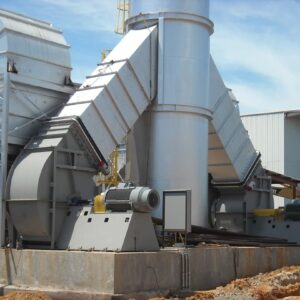
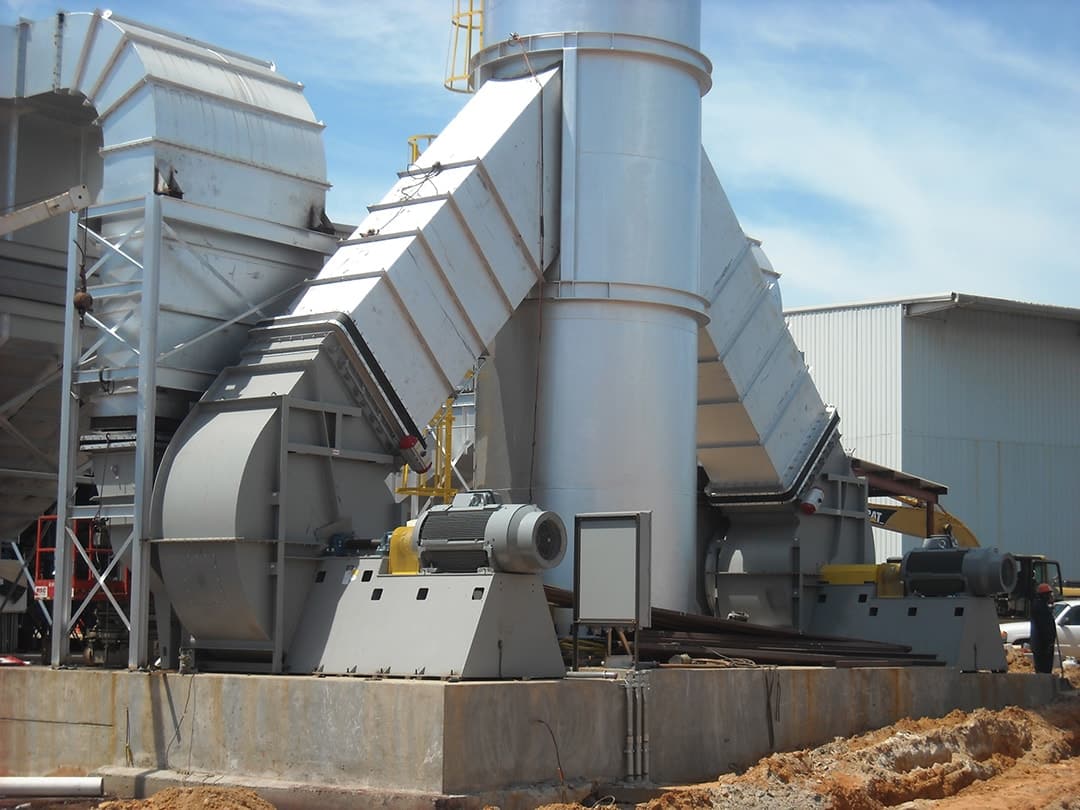
Industrial Smoke Spill Exhaust Unit - High-Temperature Ventilation System
View Details
Industrial Smoke Spill Exhaust Unit - High-Temperature Ventilation System
View Details
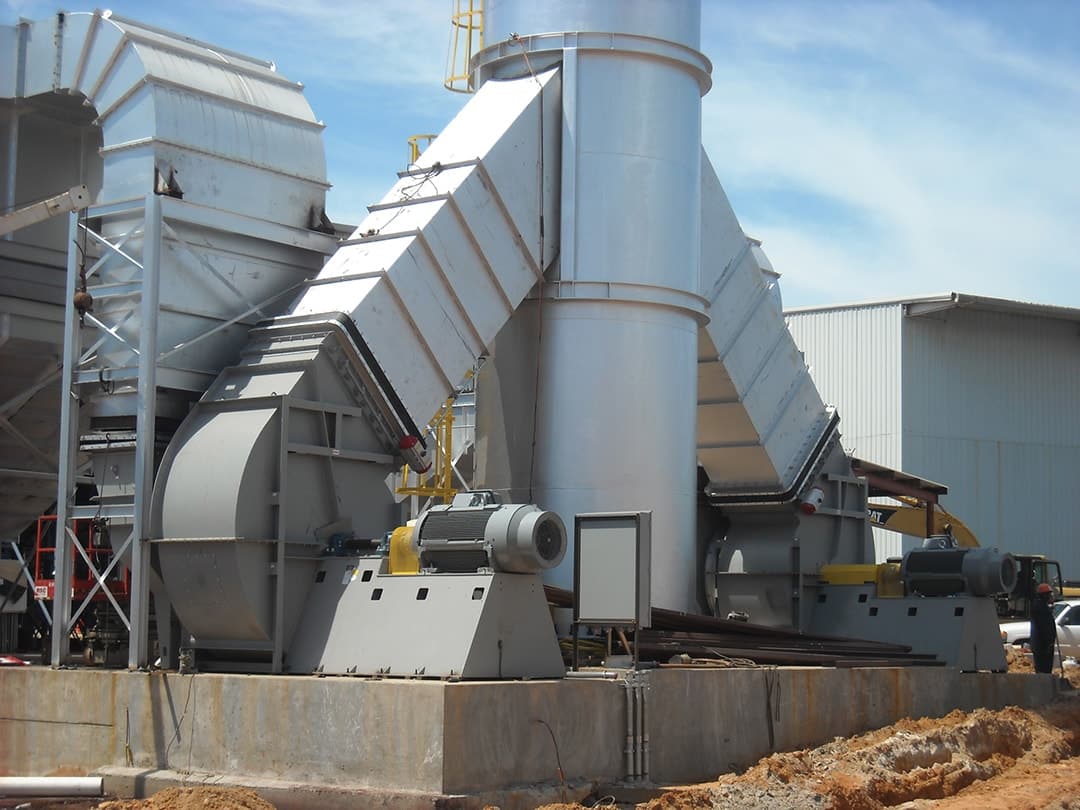
Industrial Fume Scrubber System - High-Efficiency Air Pollution Control Unit
View Details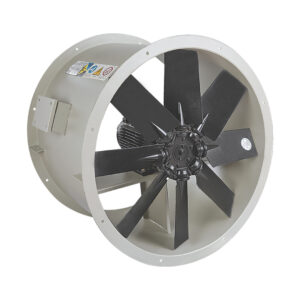
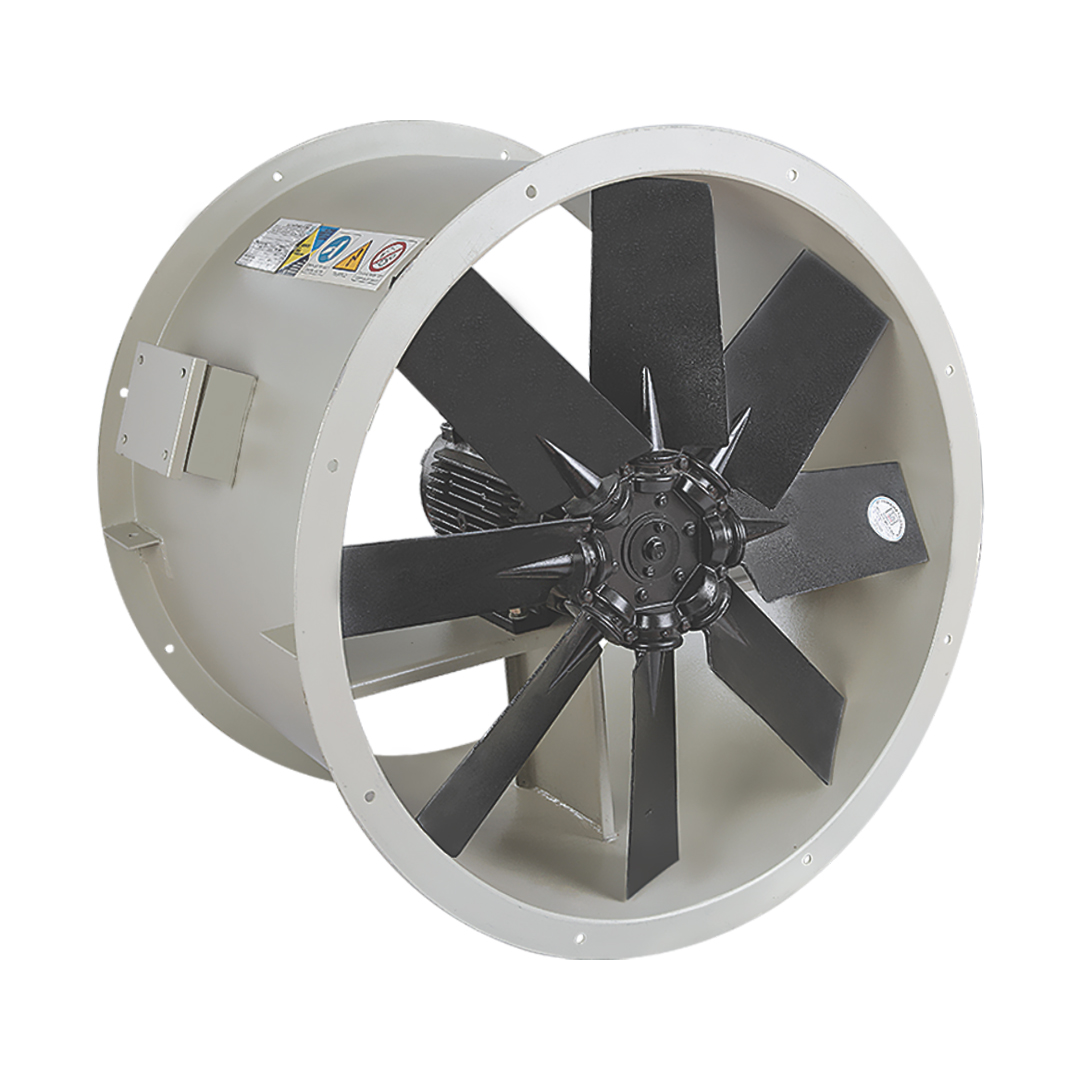
High-Temperature Axial Smoke Exhaust Fan - Industrial Ventilation System
View Details
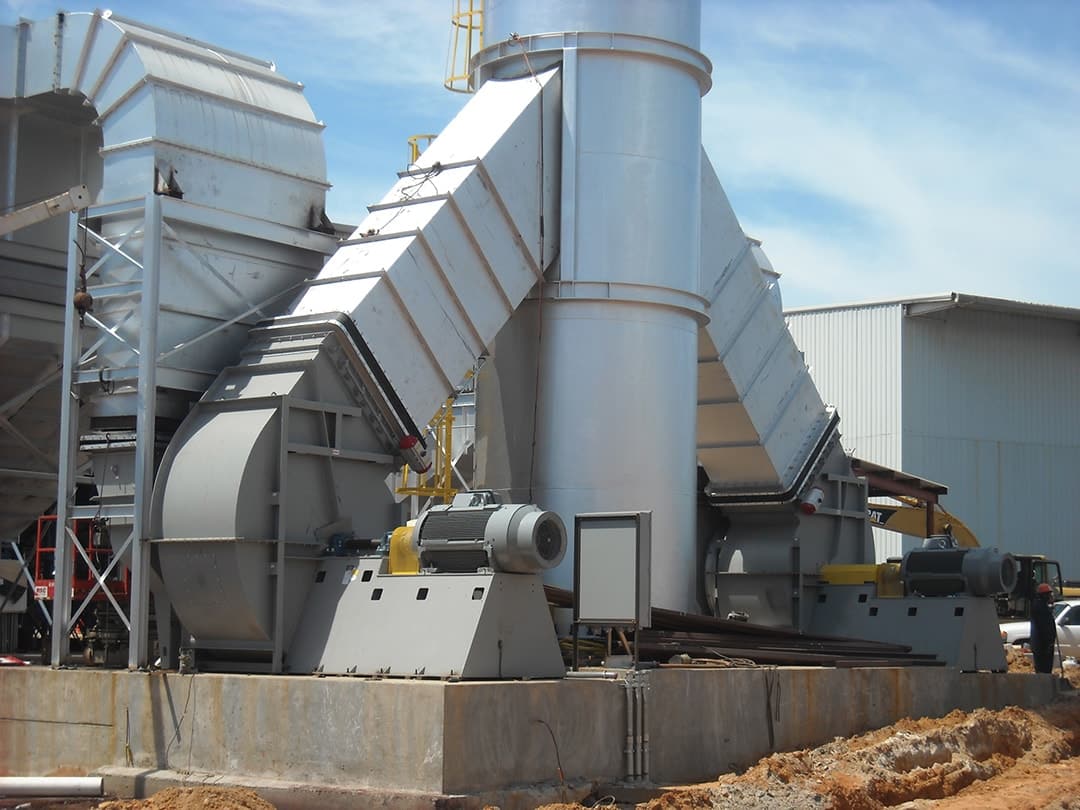
High-Temperature Industrial Smoke Spill Unit - Heavy-Duty Ventilation System
View Details
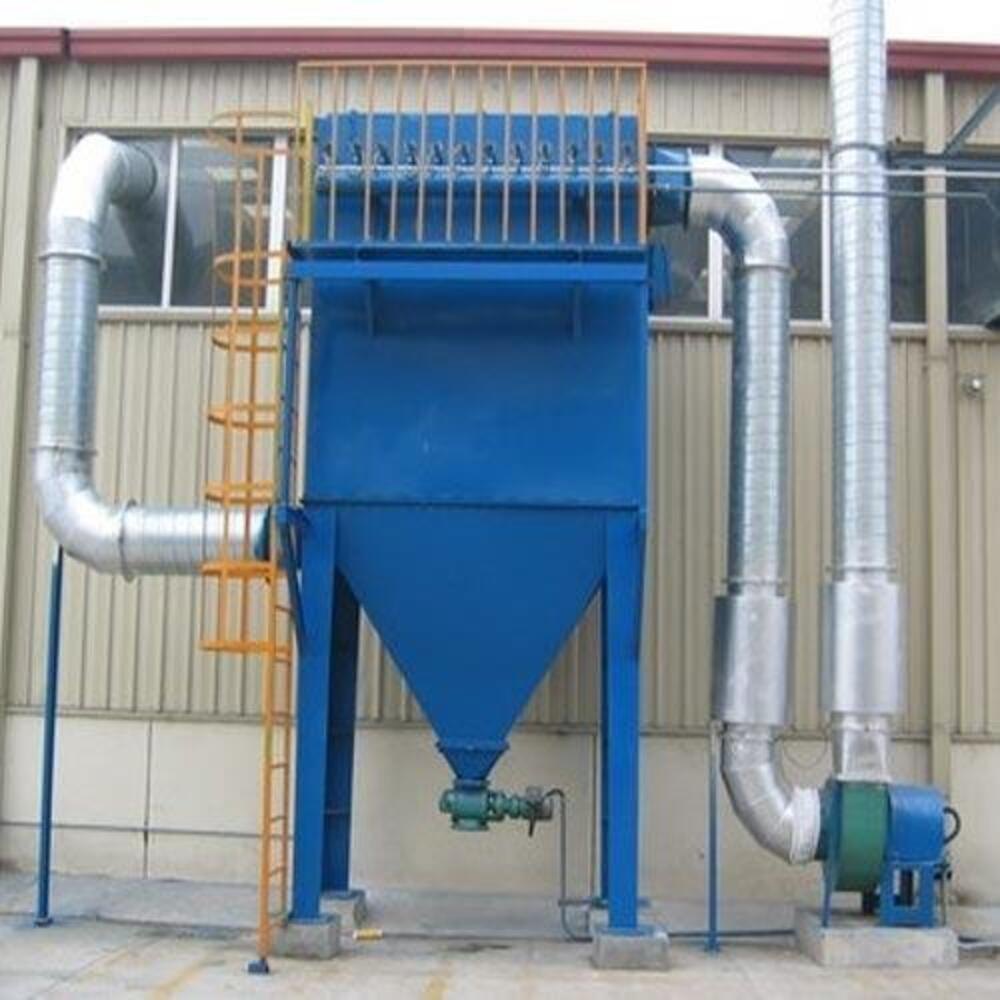
Industrial Dust Collection and Air Pollution Control System – High Efficiency Filter Unit
View Details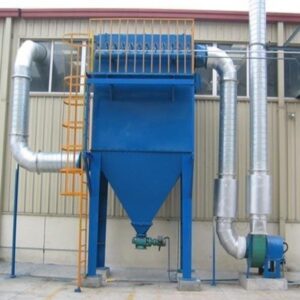
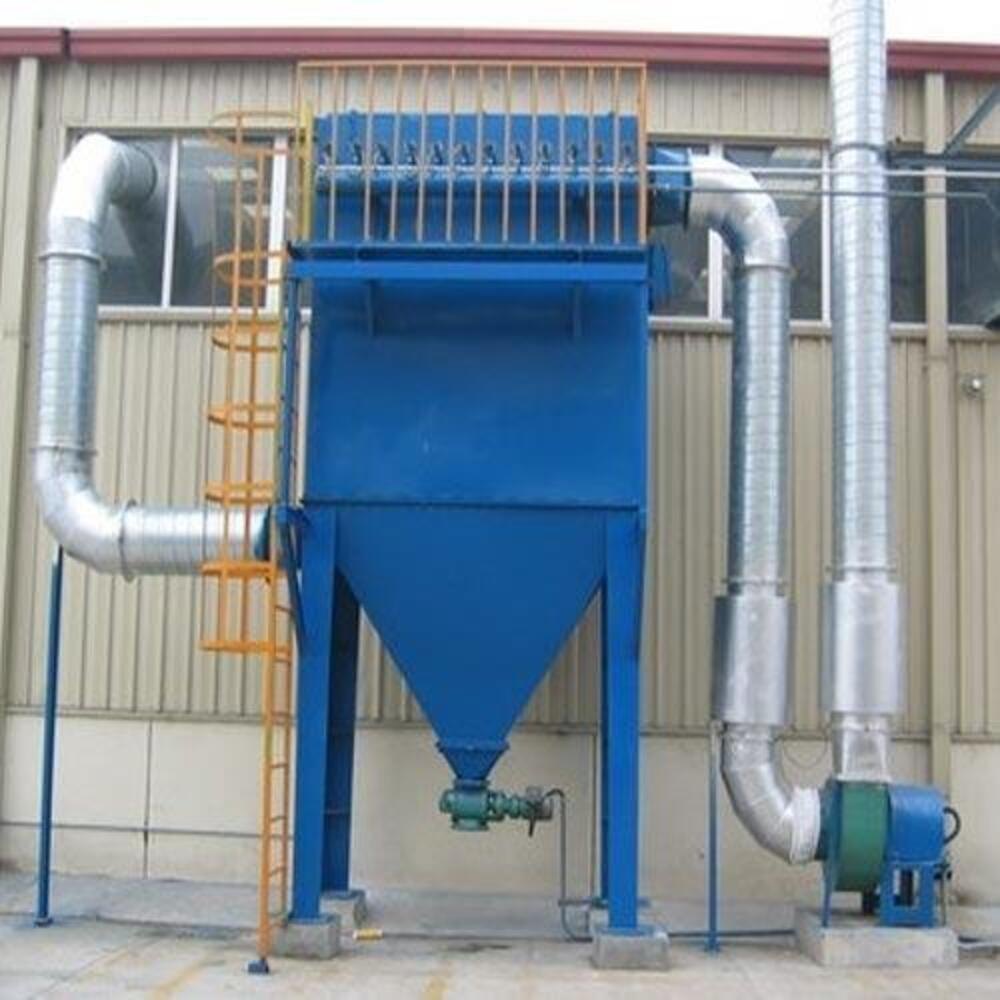
Industrial Dust Collector System – High Efficiency Air Pollution Control Unit
View Details
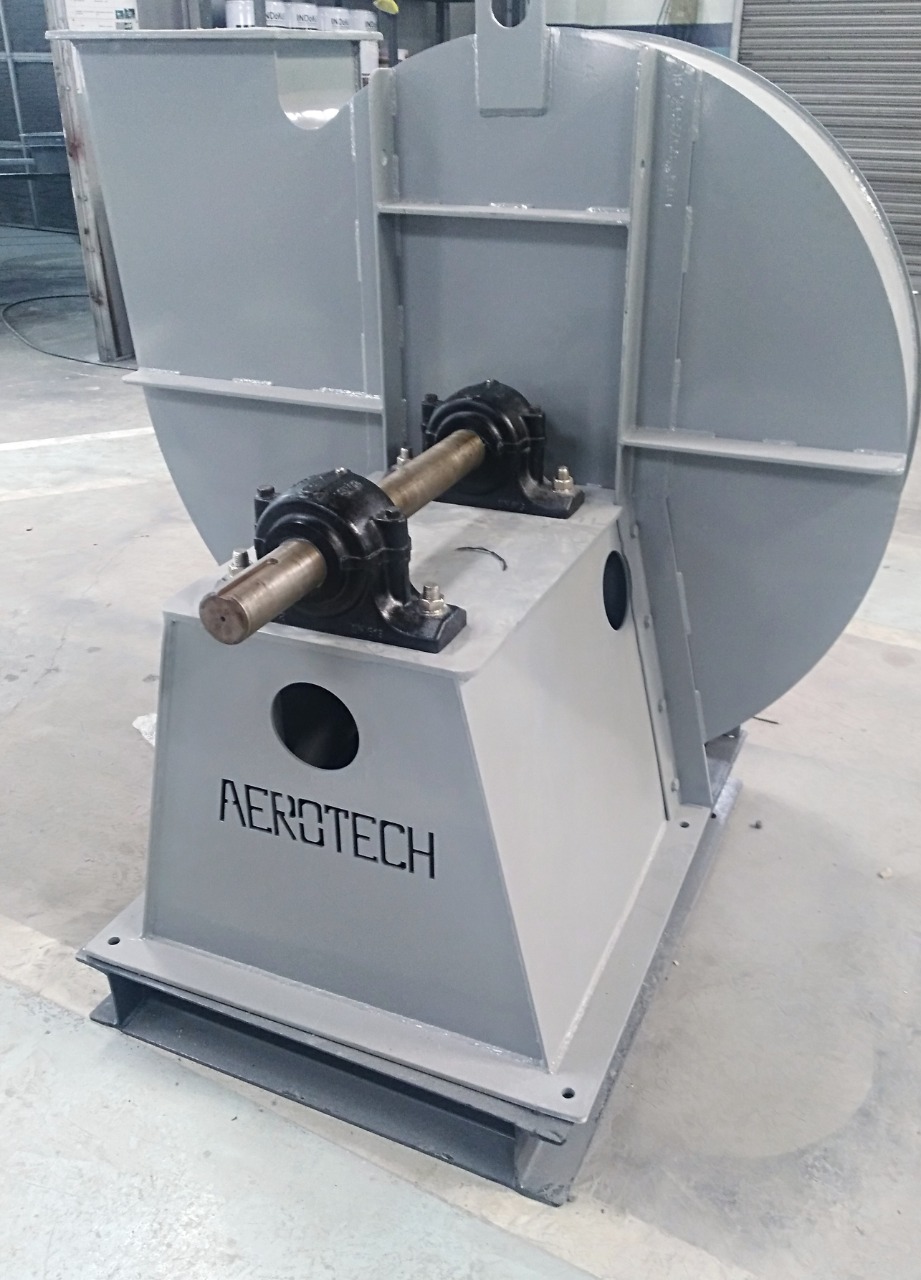
Heavy-Duty Industrial Fume Extraction Blower - High Efficiency Ventilation System
View Details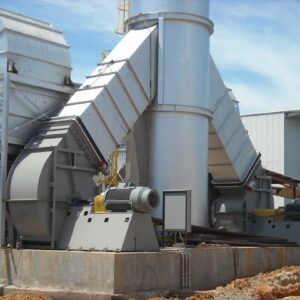
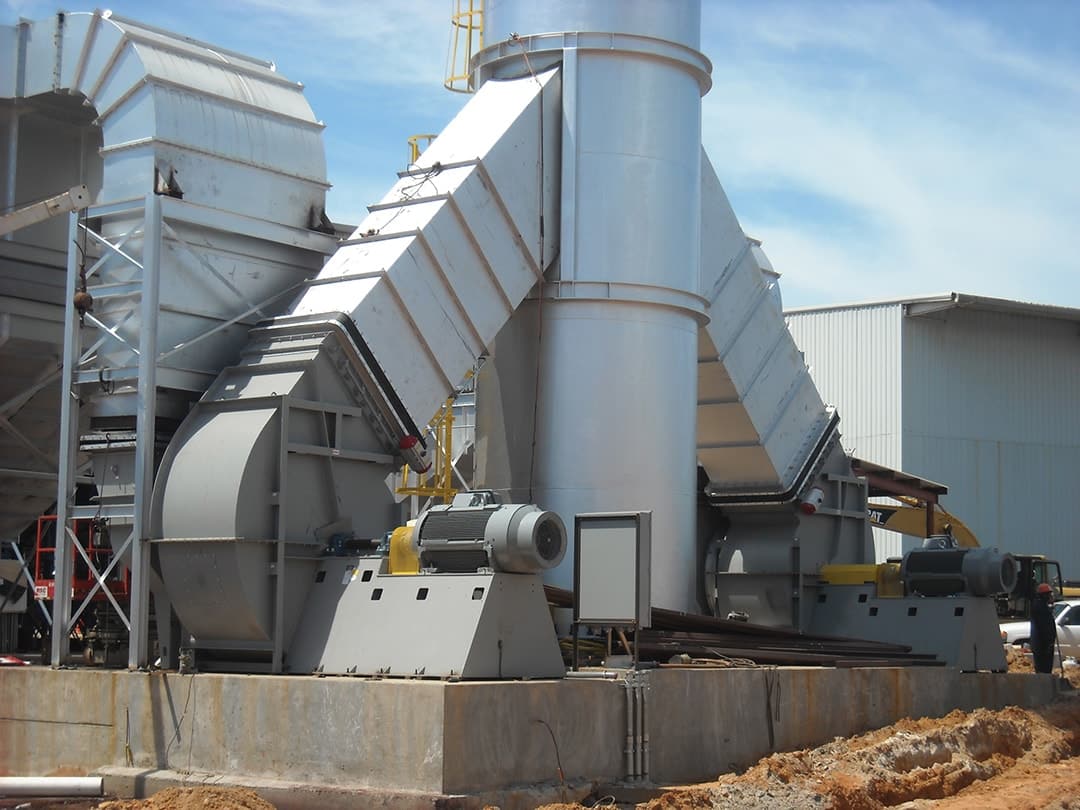
Industrial Fume Extraction System - High-Efficiency Air Filtration Unit
View DetailsIndustrial plants rely on consistent air quality and safety standards to maintain production efficiency. Smoke control equipment plays a critical role in managing emissions, protecting workers, and meeting environmental regulations. This guide explains how smoke control systems work, what types are available, and how to choose the right solution for your facility.
Manufacturing processes often generate fumes, dust, and particulate matter that can affect air quality and worker health. Without an effective smoke control system, these pollutants can spread throughout the plant, leading to equipment damage and potential compliance issues. Proper smoke control keeps production areas clean and ensures that ventilation systems perform efficiently.
Smoke control equipment for plants typically includes several integrated systems that work together to manage air movement and filtration. The main components are:
Different plants require different smoke control strategies depending on size, layout, and production type. Common systems include:
These systems use fans and ducts to move air through filters and exhaust it outside. They are effective for large facilities with multiple work zones.
Relying on temperature and pressure differences, natural ventilation uses louvers and roof vents to promote airflow without mechanical assistance.
Designed to keep smoke out of sensitive areas, pressurization systems maintain positive air pressure in control rooms or clean zones.
Combining mechanical and natural ventilation, hybrid setups offer flexibility and energy efficiency while maintaining safety standards.
Choosing the right smoke control equipment for plants involves evaluating several factors:
Proper installation ensures that smoke control equipment performs reliably. Systems should be installed by qualified technicians familiar with industrial ventilation. Routine maintenance, including filter replacement and airflow testing, helps extend equipment life and maintain compliance. Many facilities schedule quarterly inspections to ensure consistent performance.
Modern smoke control solutions provide measurable benefits for industrial plants:
Many advanced smoke control systems can be integrated with existing building management systems (BMS). This allows centralized monitoring and automated adjustments based on sensor data. Integration helps plant managers maintain consistent airflow and respond quickly to changes in production or environmental conditions.
Improving efficiency involves both equipment selection and operational practices. Regularly inspecting ducts and filters prevents buildup that can restrict airflow. Upgrading to variable-speed fans allows better control of ventilation rates. Training staff to recognize airflow issues and report them early ensures problems are addressed before they affect production.
Industrial smoke control equipment must meet strict safety and performance standards. Compliance with codes such as NFPA and ISO ensures that systems operate safely under emergency conditions. Manufacturers like Aeppl design their products to meet these standards, providing dependable performance in demanding environments.
Aeppl offers durable and efficient smoke control equipment designed for industrial plants. Each product is engineered for long-term reliability and easy integration with existing ventilation systems. Whether upgrading an older facility or designing a new plant, Aeppl provides solutions that help maintain clean air and safe operations.
Choosing the right smoke control equipment can be complex. Consulting with experienced engineers ensures the system matches your plant's requirements. Aeppl specialists can help evaluate your facility and recommend the right configuration for performance and compliance.
Aeppl designs and supplies industrial ventilation and smoke control equipment trusted by plants worldwide. With a focus on reliability and engineering precision, Aeppl helps facilities maintain safe, efficient operations. Visit Aeppl
It is a set of ventilation and filtration systems that manage smoke and airborne contaminants in industrial facilities.
They help maintain air quality, protect workers, and ensure compliance with environmental and safety regulations.
Routine maintenance is recommended every three to six months, depending on production levels and emission types.
Yes, modern systems with variable-speed fans and efficient filters help lower energy use while maintaining performance.
In most regions, industrial facilities must meet air quality standards that often require smoke control measures.
Common filters include HEPA, activated carbon, and electrostatic filters, each suited to different contaminants.
Yes, many systems are designed for easy integration with existing ducts and building management systems.
System design, maintenance frequency, and airflow management all influence efficiency and reliability.
Yes, Aeppl offers tailored systems designed to fit unique plant layouts and emission requirements.
Aeppl combines engineering expertise with durable materials, making its equipment a dependable choice for industrial environments.