
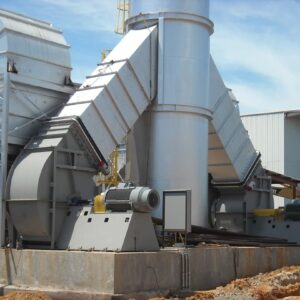
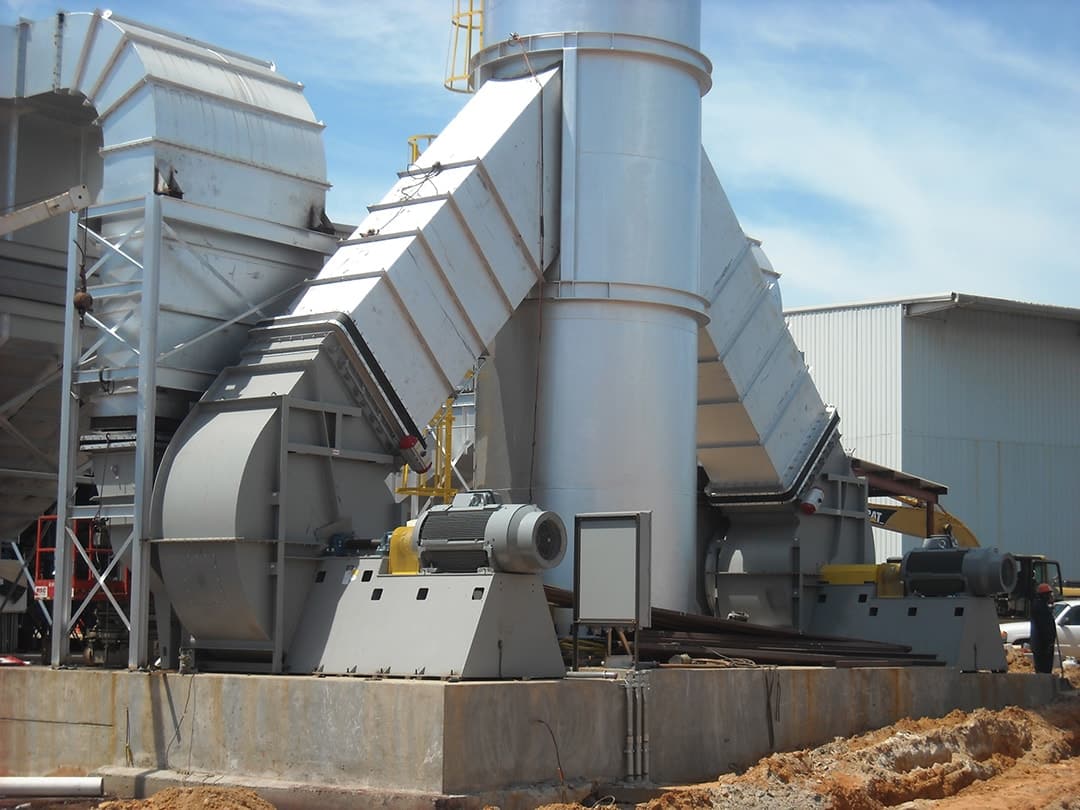
Industrial Smoke Spill Exhaust Unit - High-Temperature Ventilation System
View Details
Industrial Smoke Spill Exhaust Unit - High-Temperature Ventilation System
View Details
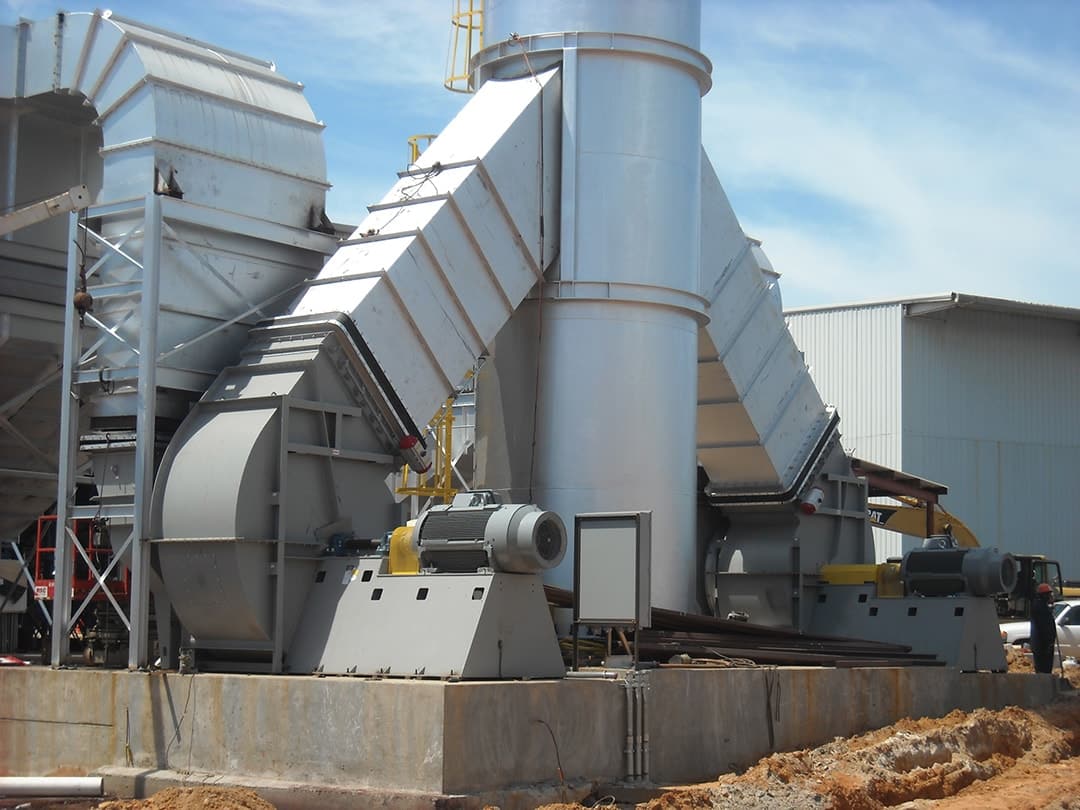
High-Temperature Industrial Smoke Spill Unit - Heavy-Duty Ventilation System
View Details
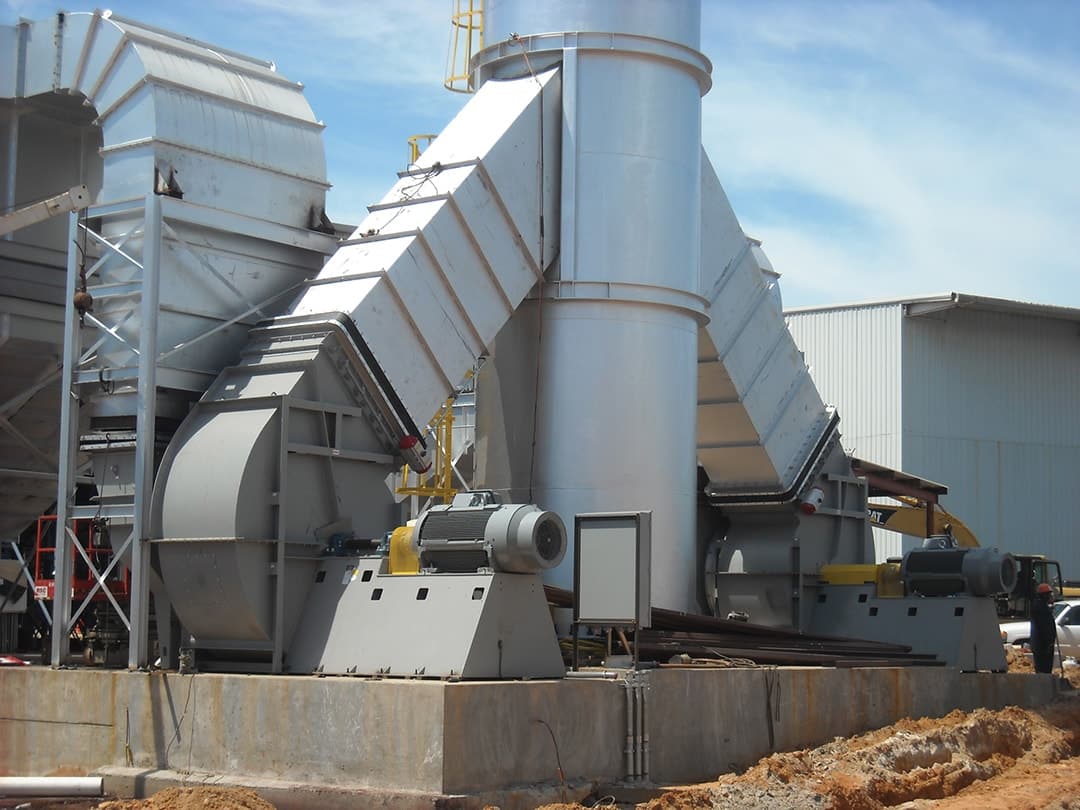
Industrial Fume Scrubber System - High-Efficiency Air Pollution Control Unit
View Details
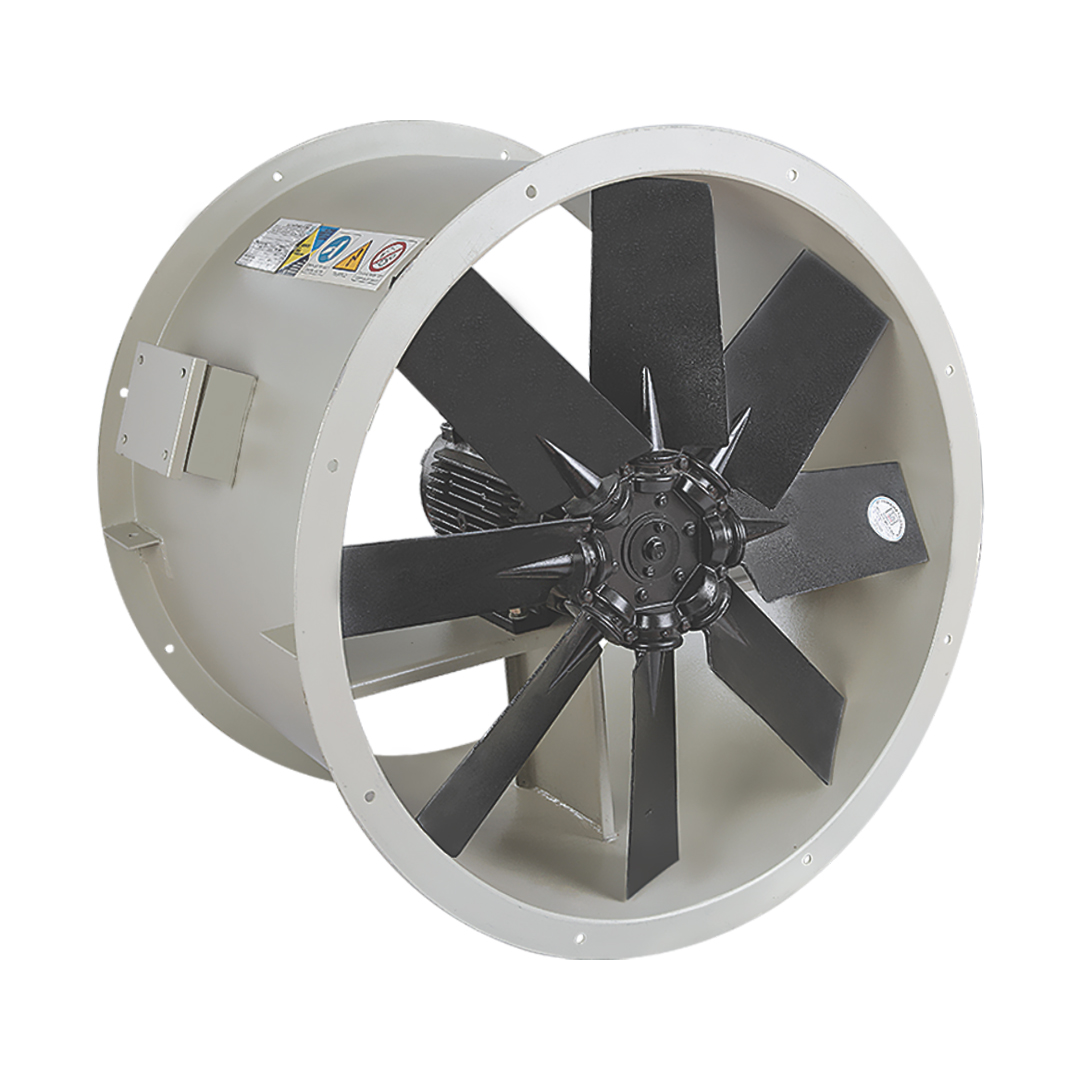
High-Temperature Axial Smoke Exhaust Fan - Industrial Ventilation System
View Details
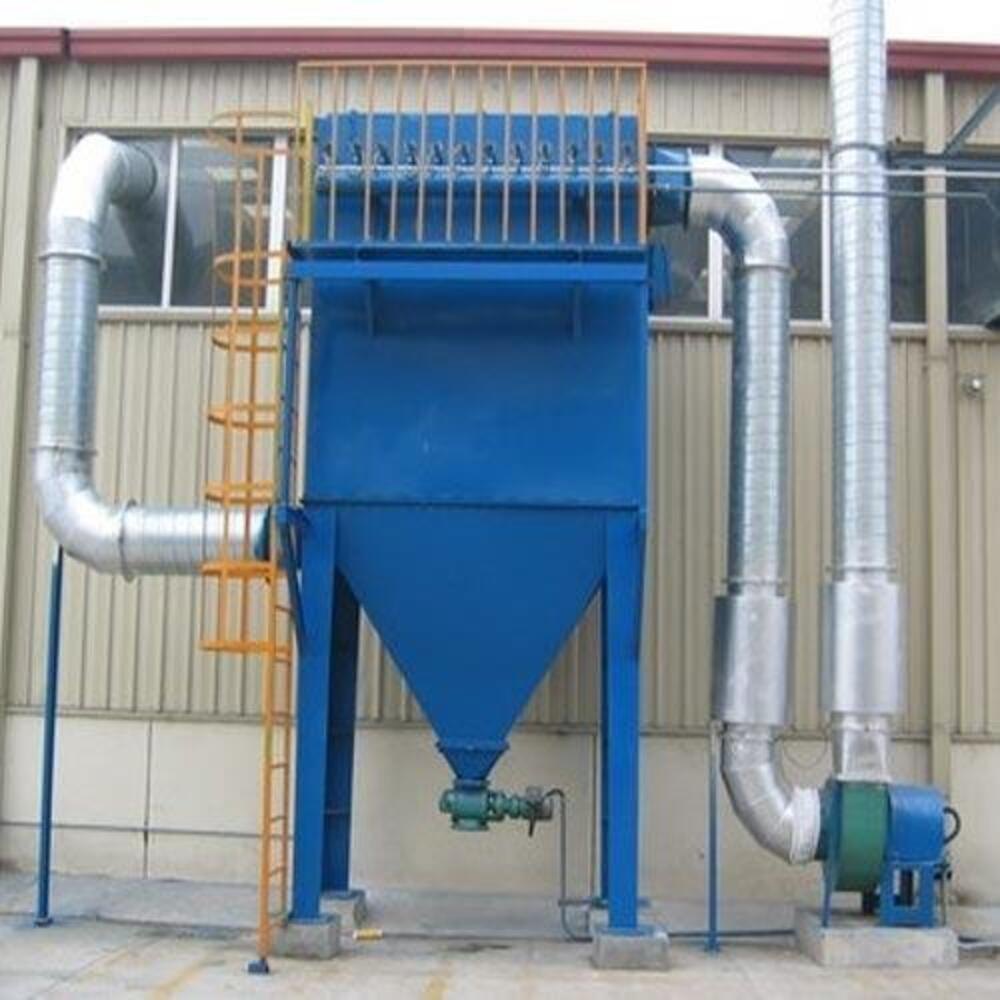
Industrial Dust Collection and Air Pollution Control System – High Efficiency Filter Unit
View Details
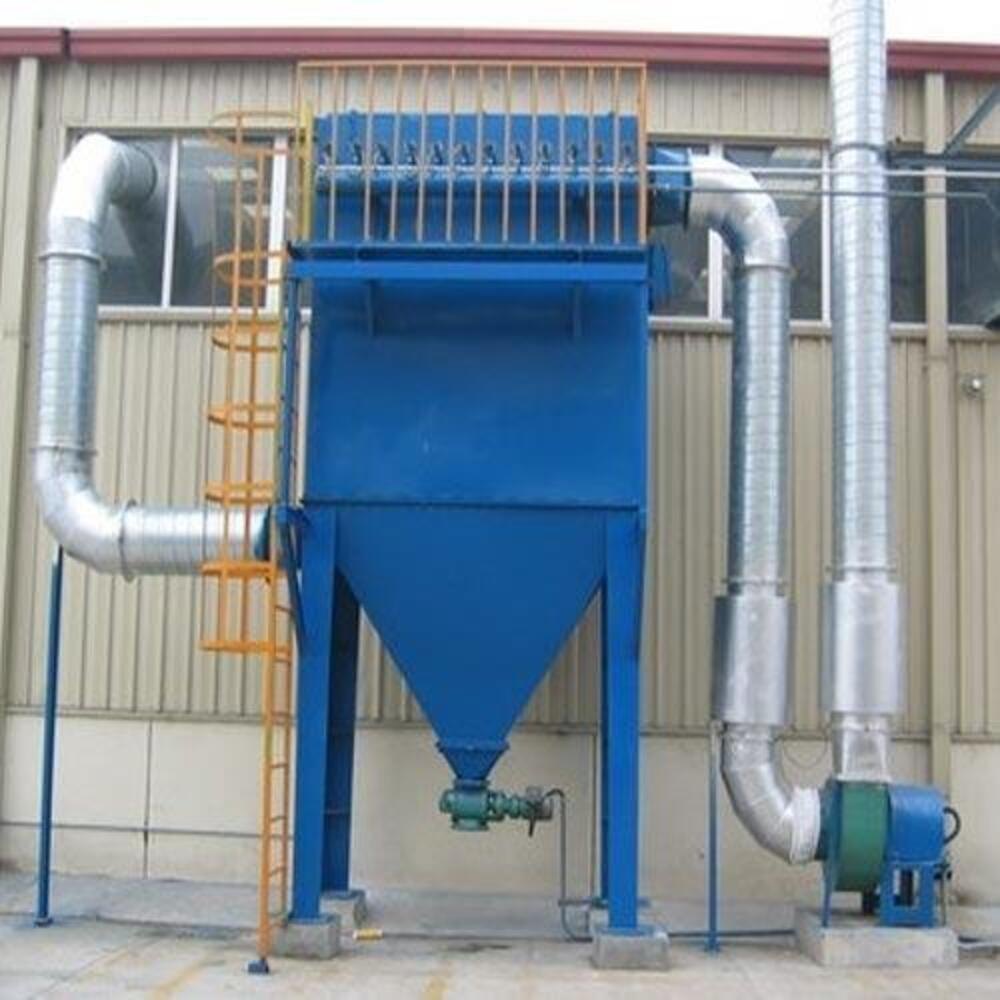
Industrial Dust Collector System – High Efficiency Air Pollution Control Unit
View Details
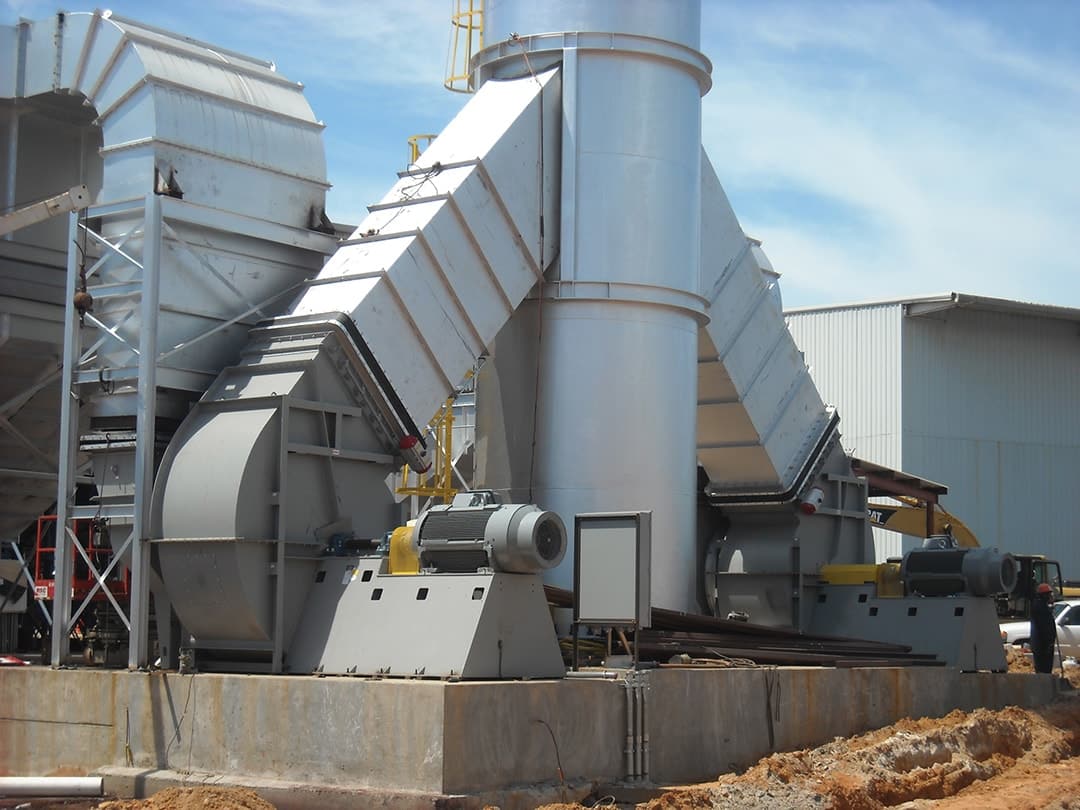
Industrial Fume Extraction System - High-Efficiency Air Filtration Unit
View Details
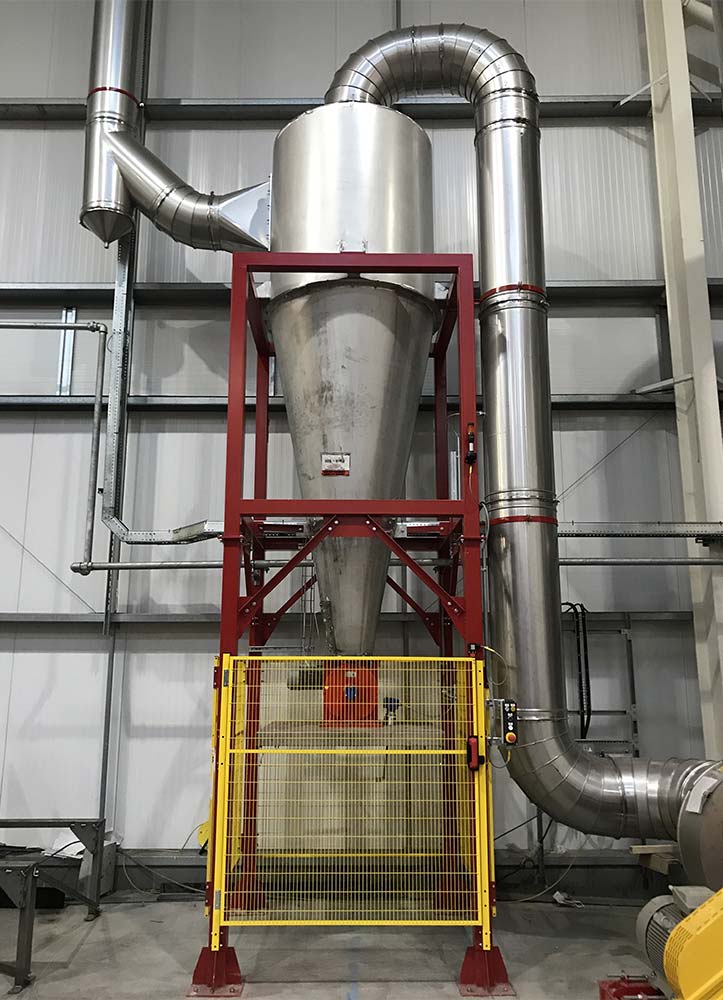
Industrial Venturi Scrubber System – High-Efficiency Air Pollution Control Unit
View DetailsAn industrial smoke control system plays a vital role in keeping workplaces safe and compliant with air quality standards. Factories, warehouses, and processing units rely on these systems to manage smoke, heat, and airborne particles generated during production or emergency events. A well-designed system helps prevent fire spread, protects equipment, and maintains breathable air conditions for workers.
Aeppl engineers each system with practical design principles suited to industrial environments. The focus is on durability, steady airflow, and efficient smoke extraction rather than decorative features. Every installation is tailored to match the plant layout and local safety codes.
An industrial smoke control system combines several key elements including exhaust fans, smoke spill units, scrubbers, and ducting networks. Aeppl integrates high-temperature axial exhaust fans with industrial scrubber systems to ensure complete smoke extraction and filtration. Each component is selected based on airflow demand and pollutant type.
| Component | Function | Recommended Product |
|---|---|---|
| Smoke Spill Exhaust Unit | Removes smoke and heat during emergency or high-load operations | Industrial Smoke Spill Exhaust Unit |
| Fume Scrubber System | Neutralizes harmful gases before releasing filtered air | Industrial Fume Scrubber System |
| Dust Collector System | Captures fine particulates and airborne dust from production lines | Industrial Dust Collector System |
Choosing the right industrial smoke control system depends on plant layout, process type, and air quality requirements. Engineers evaluate airflow patterns, temperature zones, and pollutant levels before designing a solution. Aeppl systems are configured for industries such as steel, cement, and chemical processing, where heat and fumes are persistent challenges.
| Industry | Typical Requirement | System Type |
|---|---|---|
| Steel Manufacturing | High heat and dense smoke extraction | High-Temperature Axial Smoke Exhaust Fan |
| Cement Processing | Dust and fume management during kiln operations | Industrial Dust Collection System |
| Chemical Plants | Corrosive fume scrubbing and safe discharge | Industrial Venturi Scrubber System |
Modern industrial smoke control systems must meet strict environmental and fire safety standards. Aeppl emphasizes energy-efficient motors and control panels that allow accurate monitoring of airflow and temperature. Each system undergoes testing under both emergency and continuous operation conditions to ensure reliability and compliance with national and international codes.
After installation, Aeppl provides technical assistance, inspection services, and replacement parts support. Routine maintenance keeps ventilation systems performing efficiently and helps extend equipment life. The Aeppl team works closely with facility managers to maintain consistent safety and airflow performance.
Each industrial environment demands precise airflow control and adherence to fire safety codes. Aeppl's experience in designing and manufacturing industrial smoke control systems ensures dependable performance across diverse applications.
Aerotech Equipments and Projects Pvt. Ltd. (Aeppl) is a manufacturer and exporter of industrial air handling and ventilation systems based in India. The company combines practical engineering and reliable materials to deliver smoke control and air pollution solutions for global industries. Visit Aeppl
It is a ventilation setup that removes smoke, heat, and airborne pollutants from industrial spaces to maintain safety and air quality.
They are used in factories, warehouses, tunnels, and large facilities where smoke and heat must be managed effectively.
It prevents smoke accumulation, helps maintain visibility during emergencies, and supports compliance with fire safety regulations.
Yes, most systems can be engineered to connect with existing ducts, fans, and exhaust setups for better efficiency and cost savings.
Airflow rate, temperature range, pollutant type, building layout, and local safety codes are key factors in the design process.
Yes, modern systems use efficient motors and control panels that reduce power consumption while maintaining effective smoke extraction.
Regular inspection every 6 to 12 months helps ensure optimal performance and compliance with safety standards.
Yes, they often include scrubbers and dust collectors to handle fumes and fine particles from production processes.
Aeppl builds systems with durable materials, efficient airflow components, and precise engineering suited for heavy-duty use.
You can reach Aeppl at +91-9599785811, +91 8377077661, or +91 9810162210, or email sales@aeppl.com for technical guidance and quotations.