
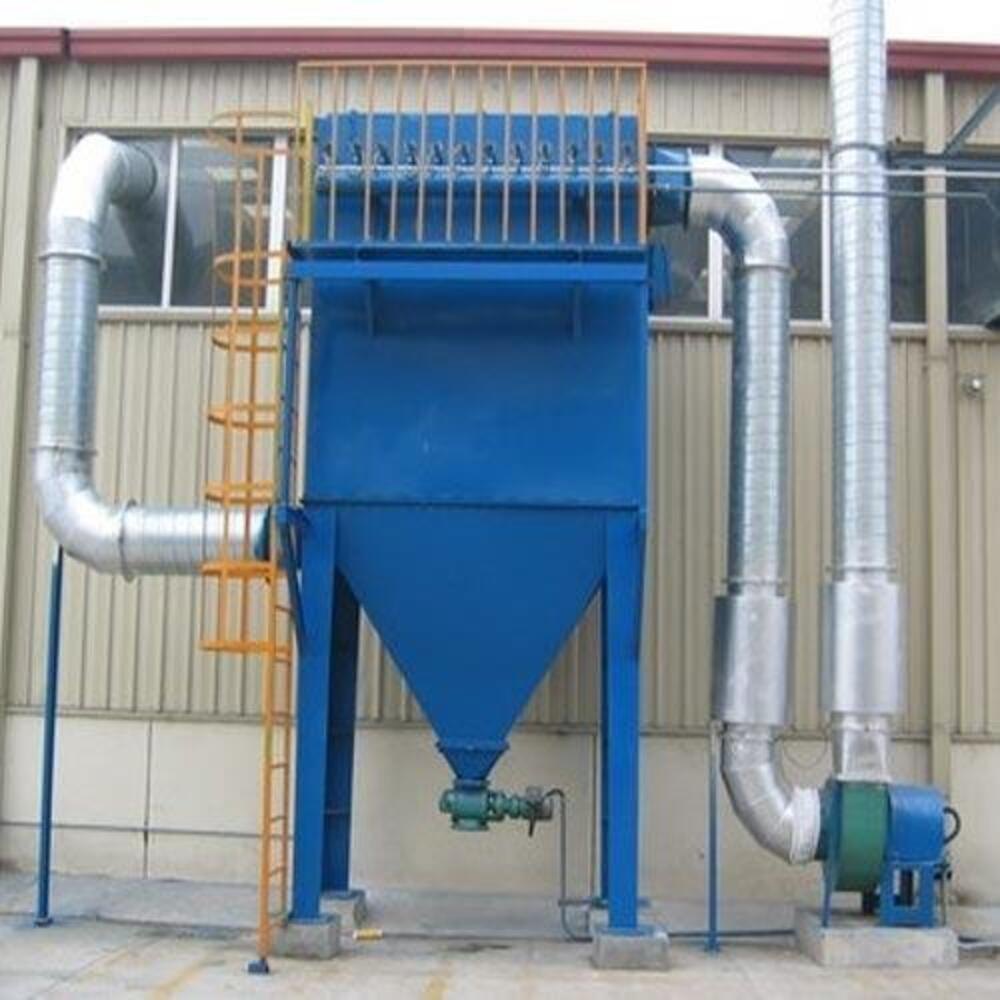
Industrial Dust Collection and Air Pollution Control System – High Efficiency Filter Unit
View Details
Industrial Dust Collection and Air Pollution Control System – High Efficiency Filter Unit
View Details
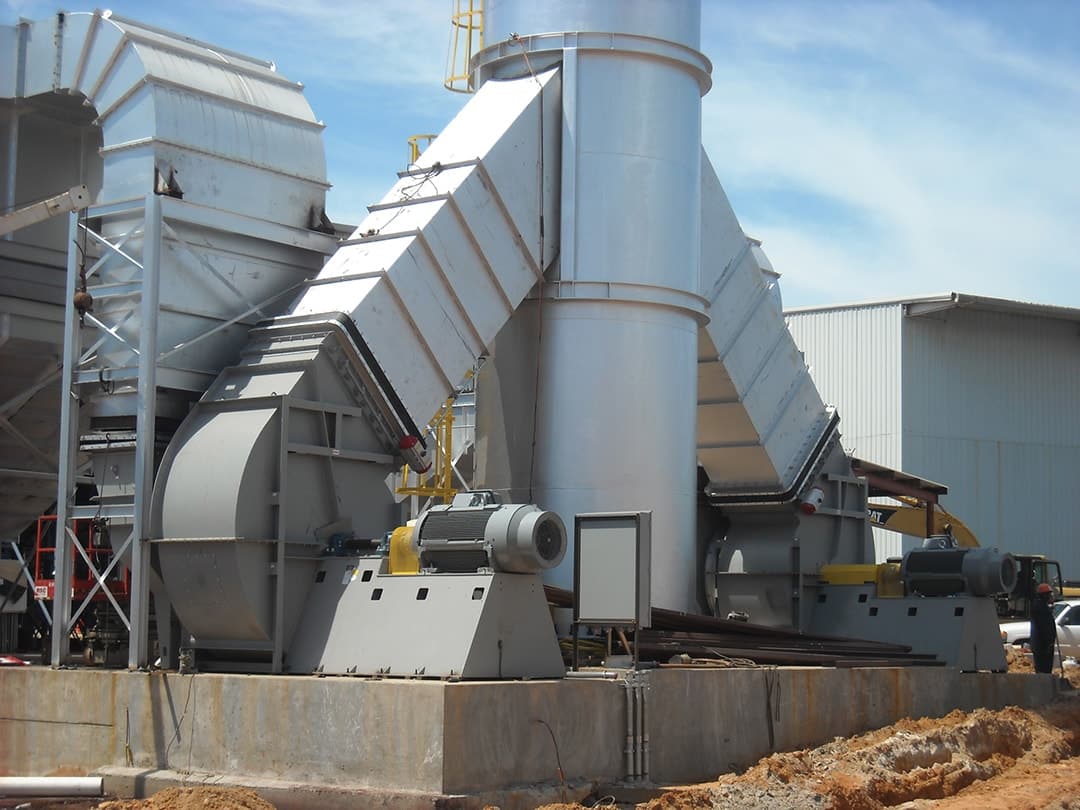
Industrial Fume Scrubber System - High-Efficiency Air Pollution Control Unit
View Details
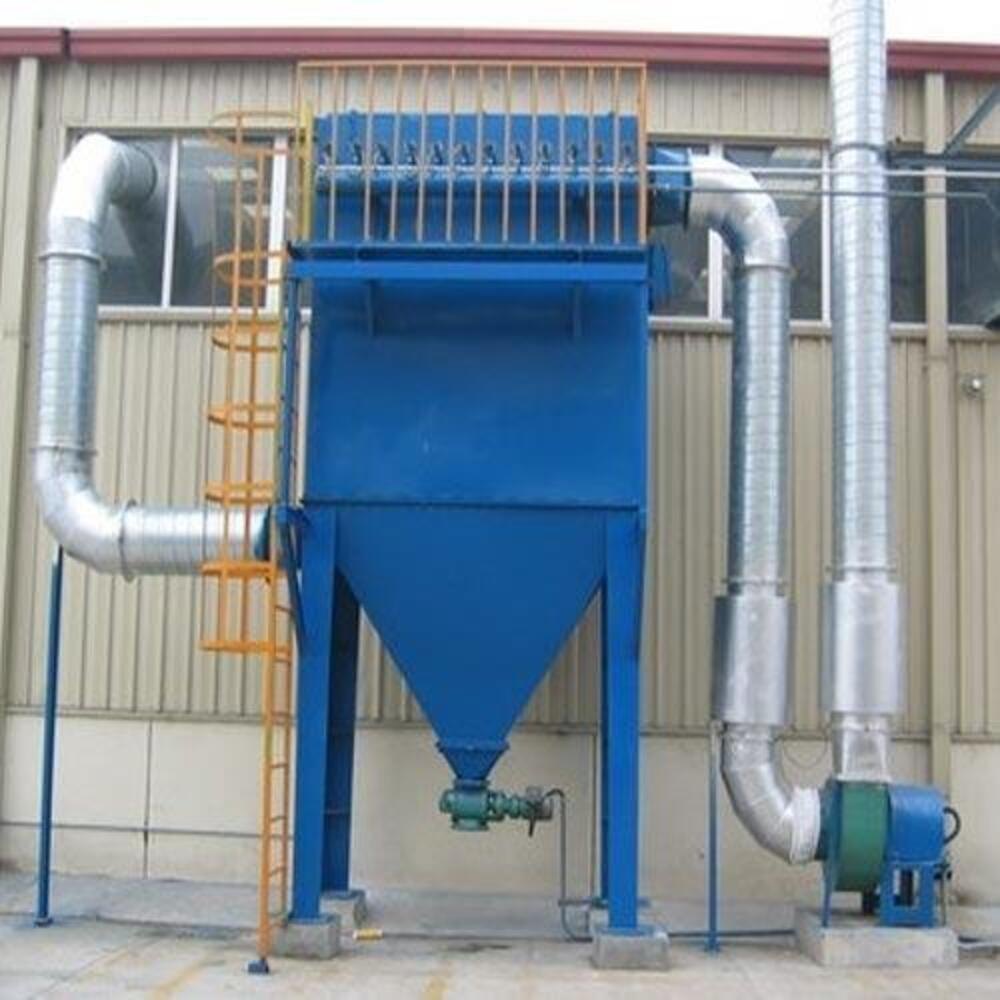
Industrial Dust Collector System – High Efficiency Air Pollution Control Unit
View Details
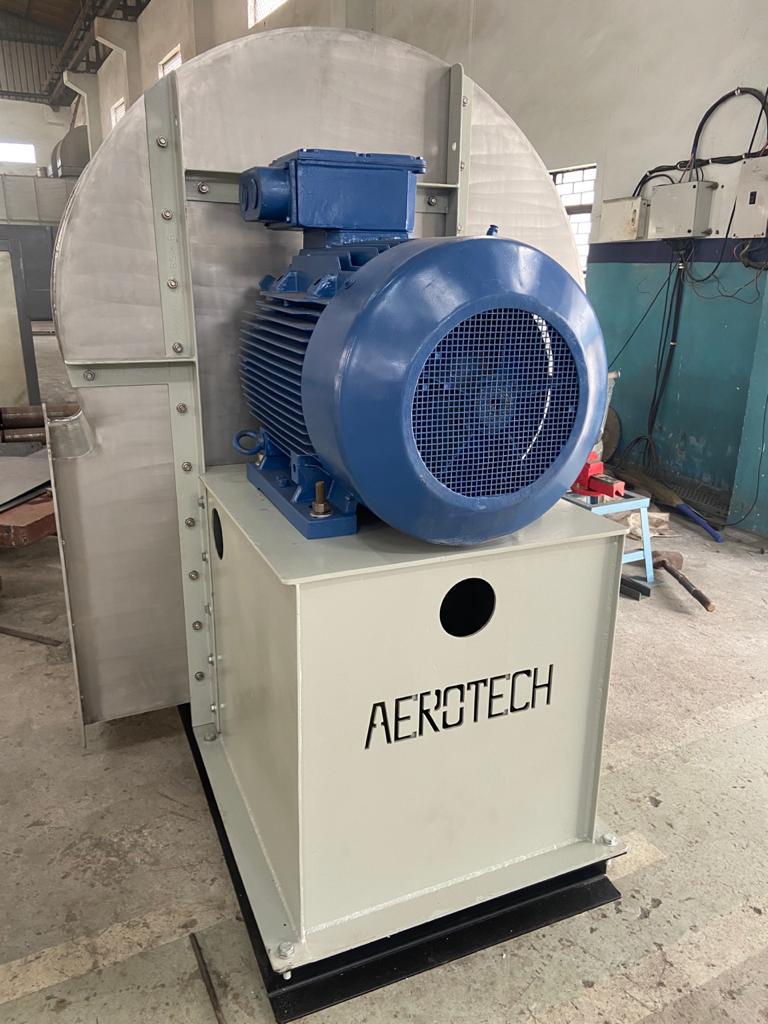
Aerotech Industrial Centrifugal Fan Blower – High-Pressure Air Handling System
View Details
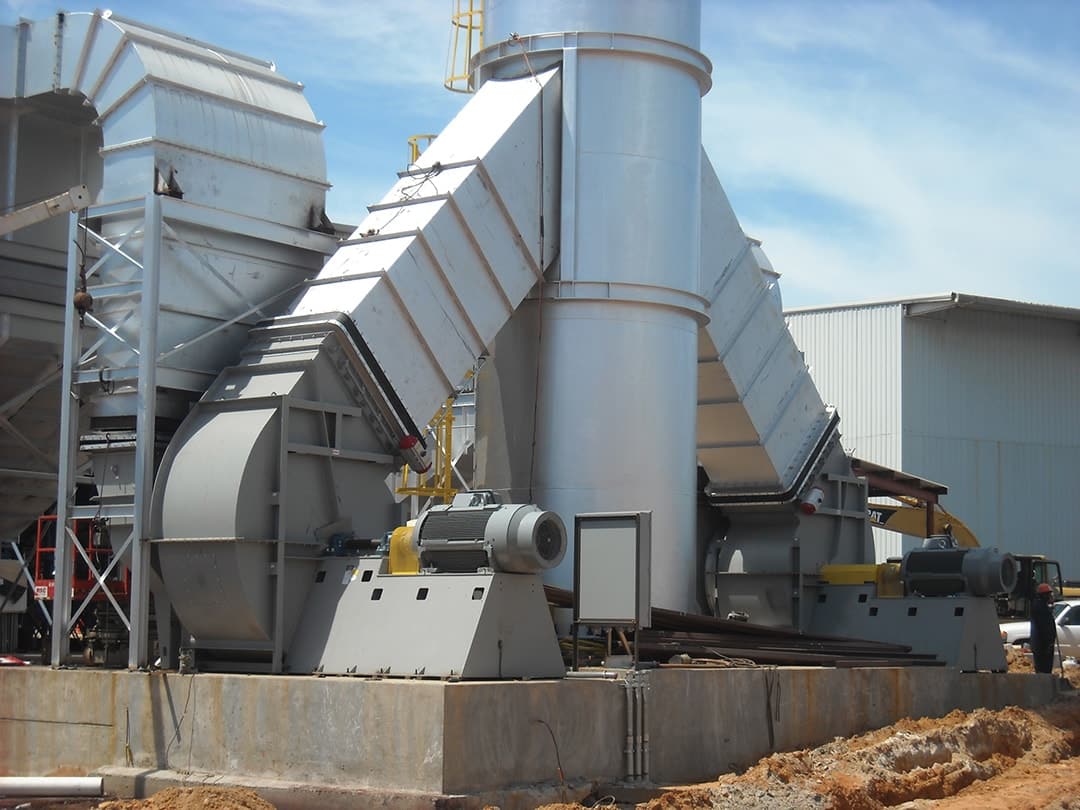
Heavy-Duty Industrial Fume Extraction System – High Capacity Air Filtration Unit
View Details
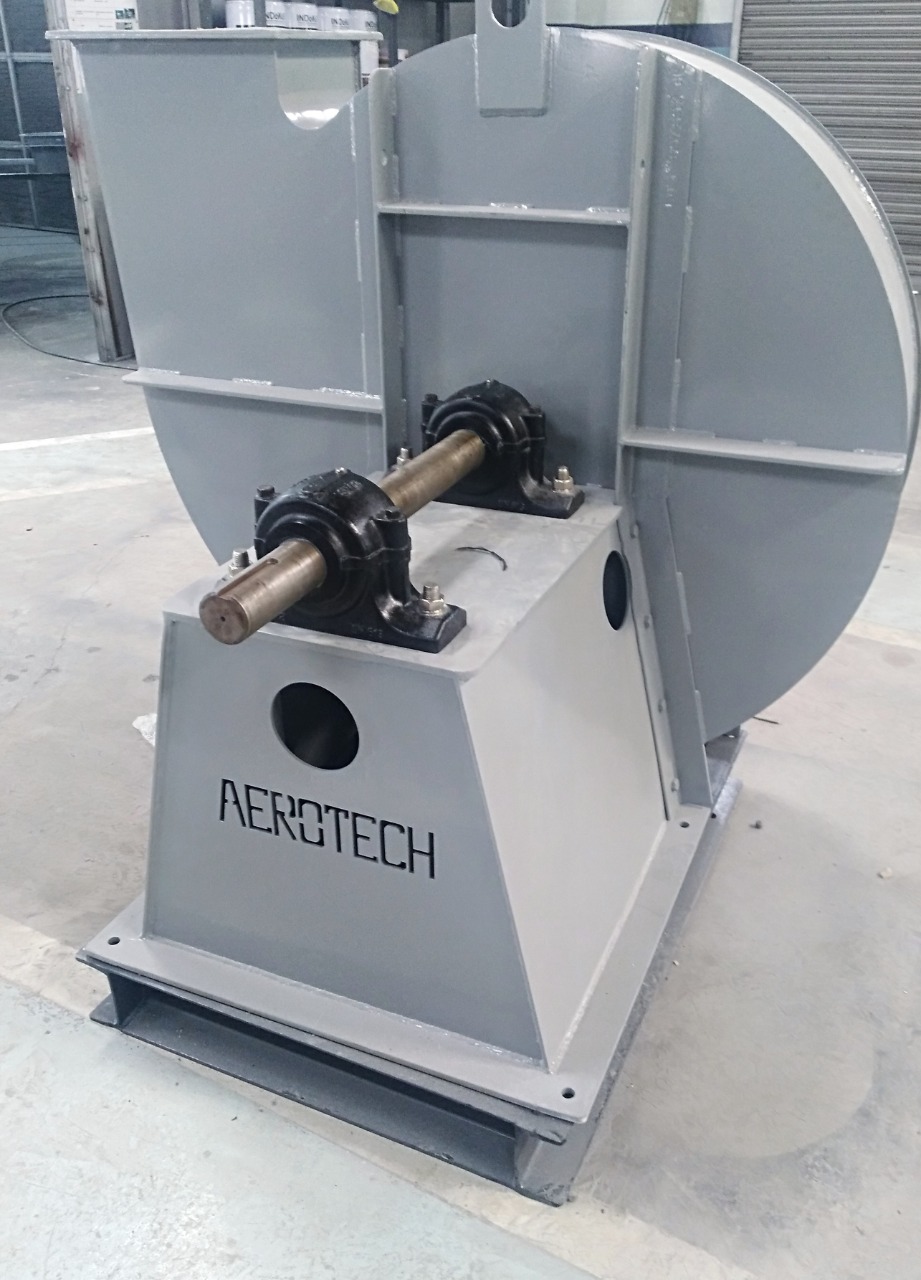
Industrial Centrifugal Air Ventilation System – Heavy Duty Steel Housing
View Details
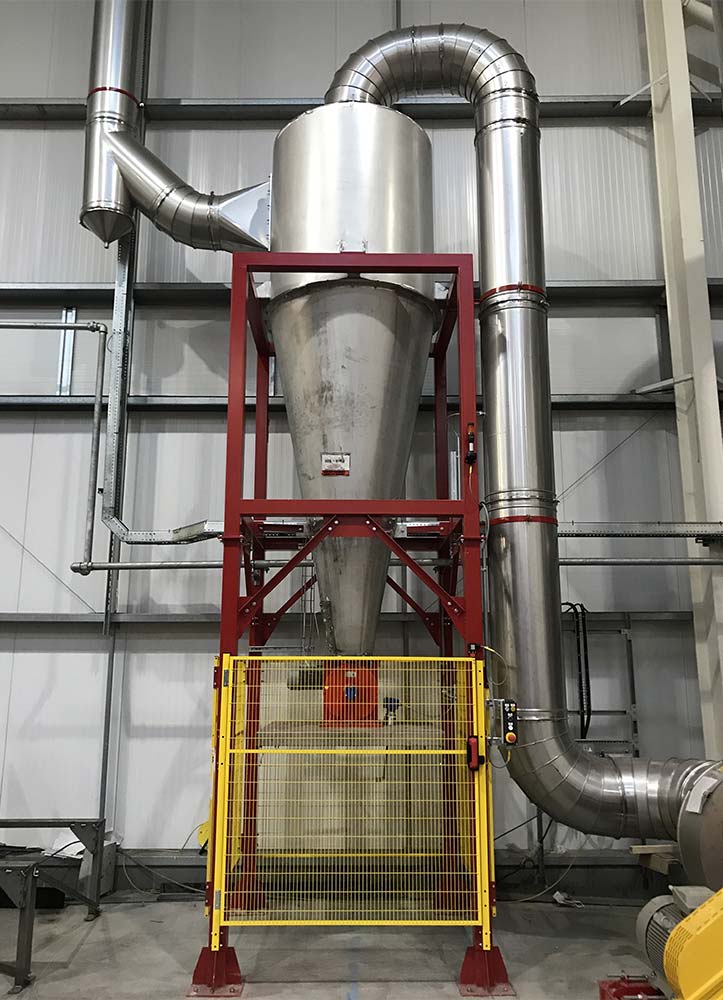
Industrial Venturi Scrubber System – High-Efficiency Air Pollution Control Unit
View Details
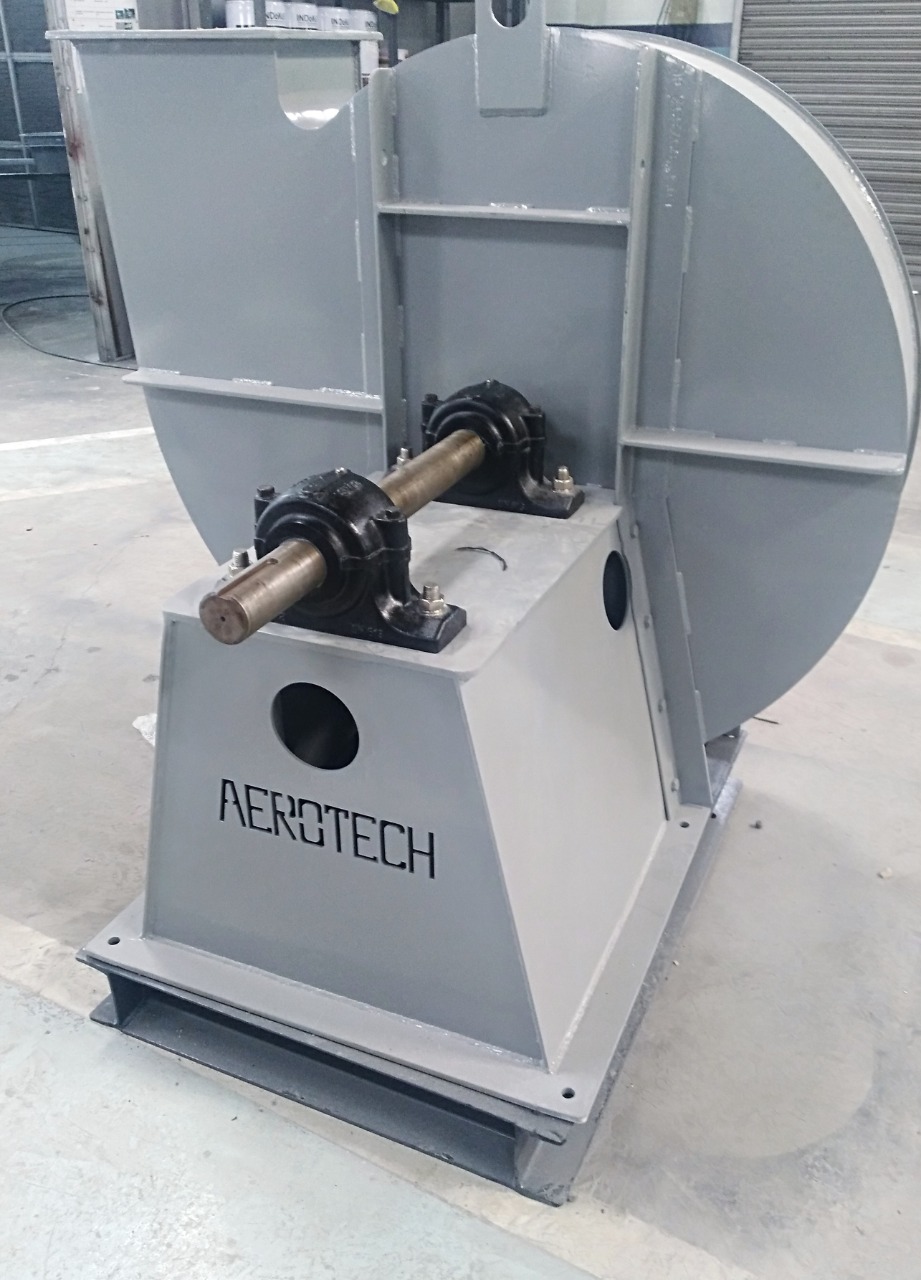
Industrial Centrifugal Air Handling System - Heavy-Duty Steel Housing
View DetailsAir pollution control equipment in industries is essential for maintaining clean air within facilities and meeting environmental standards. Whether it's manufacturing, chemical processing, power generation, or metal fabrication, every industrial setup produces airborne contaminants that must be properly managed. The right equipment helps capture dust, fumes, and gases before they reach the atmosphere, keeping operations safe and compliant.
For plant managers and engineers, selecting the right system means finding a balance between performance, durability, and cost efficiency. Understanding the available technologies can make this process smoother and more informed.
Different industries face different air quality challenges, and equipment selection depends on the nature of pollutants. Common systems include:
Choosing air pollution control equipment in industries involves assessing several technical and operational aspects:
| Parameter | Impact on Operation |
|---|---|
| Airflow Capacity | Determines coverage area and system efficiency |
| Filtration Type | Defines suitability for dust, fumes, or gases |
| Energy Consumption | Influences long-term operating costs |
| Maintenance Needs | Affects downtime and overall lifecycle |
| Compliance Standards | Ensures adherence to CPCB and local environmental regulations |
Modern industrial setups favor energy-efficient motors and automated controls that simplify maintenance and monitoring. These features help reduce energy use and improve reliability without increasing operational complexity.
| Equipment Type | Best Use Case | Efficiency Range |
|---|---|---|
| Dust Collector System | Dry particulate filtration | Up to 99% |
| Fume Scrubber System | Gas and vapor neutralization | 95-99% |
| Venturi Scrubber | Fine particle removal | 97-99% |
| Centrifugal Fan Blower | Air movement and pressure control | Varies by configuration |
Each facility has unique emission challenges. Aeppl offers air pollution control equipment in industries with flexible configurations to match process layouts, airflow patterns, and specific pollutant types. Systems can be integrated with existing ventilation setups or installed as standalone units. The engineering team focuses on delivering solutions that are reliable, easy to maintain, and tailored to each plant's requirements.
Efficient air pollution control systems go beyond compliance. They support sustainability goals by reducing waste and energy consumption. Properly maintained equipment also protects worker health and minimizes environmental impact, making it a practical investment for long-term operations. Companies that focus on cleaner production practices see improved productivity and community trust.
To discuss system design, specifications, or project requirements, contact Aeppl’s technical team at +91-9599785811, +91-8377077661, +91-9810162210 or email sales@aeppl.com. Our engineers provide detailed guidance to help you select equipment that fits your facility’s needs and emission targets.
Aerotech Equipments and Projects Pvt. Ltd. (Aeppl) is an Indian manufacturer specializing in air handling and pollution control systems for industrial applications. With decades of experience, Aeppl delivers durable and efficient solutions designed to meet global standards and environmental goals. Visit Aeppl
It helps capture and treat dust, fumes, and gases from industrial processes to improve air quality and meet environmental regulations.
Cement, steel, chemical, power generation, pharmaceutical, and food processing industries rely on these systems for emission management.
Dust collectors handle dry particles using filters, while scrubbers remove gaseous pollutants through liquid absorption or chemical reaction.
Airflow, filtration type, maintenance schedule, and process conditions all affect system performance and efficiency.
Routine inspections every few months and annual maintenance help maintain performance and prevent downtime.
Yes, many systems use optimized motors and smart controls to reduce energy use and support sustainability goals.
Most units can be adapted to existing setups, improving overall ventilation and emission control efficiency.
Industrial facilities must comply with CPCB and SPCB guidelines that set emission limits and monitoring standards.
Aeppl provides technical consultation and design support to help engineers choose equipment suited to their process and emission needs.
Yes, Aeppl manufactures and exports engineered air handling and pollution control systems that meet global industrial standards.