
Industrial Smoke Spill Exhaust Unit - High-Temperature Ventilation System
View Details
Industrial Smoke Spill Exhaust Unit - High-Temperature Ventilation System
View Details
High-Temperature Axial Smoke Exhaust Fan - Industrial Ventilation System
View Details
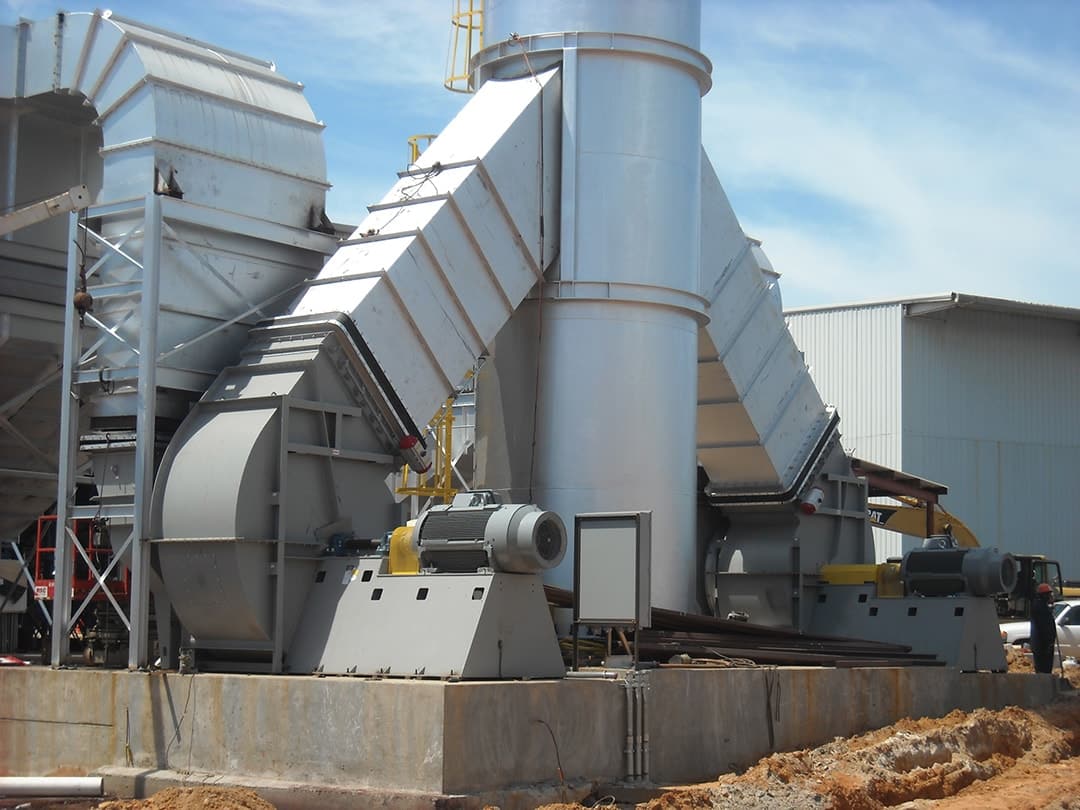
High-Temperature Industrial Smoke Spill Unit - Heavy-Duty Ventilation System
View Details
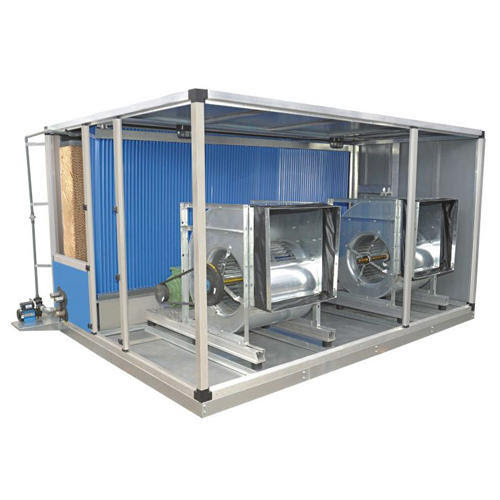
Industrial Fresh Air Handling Unit – High Efficiency Ventilation System
View Details
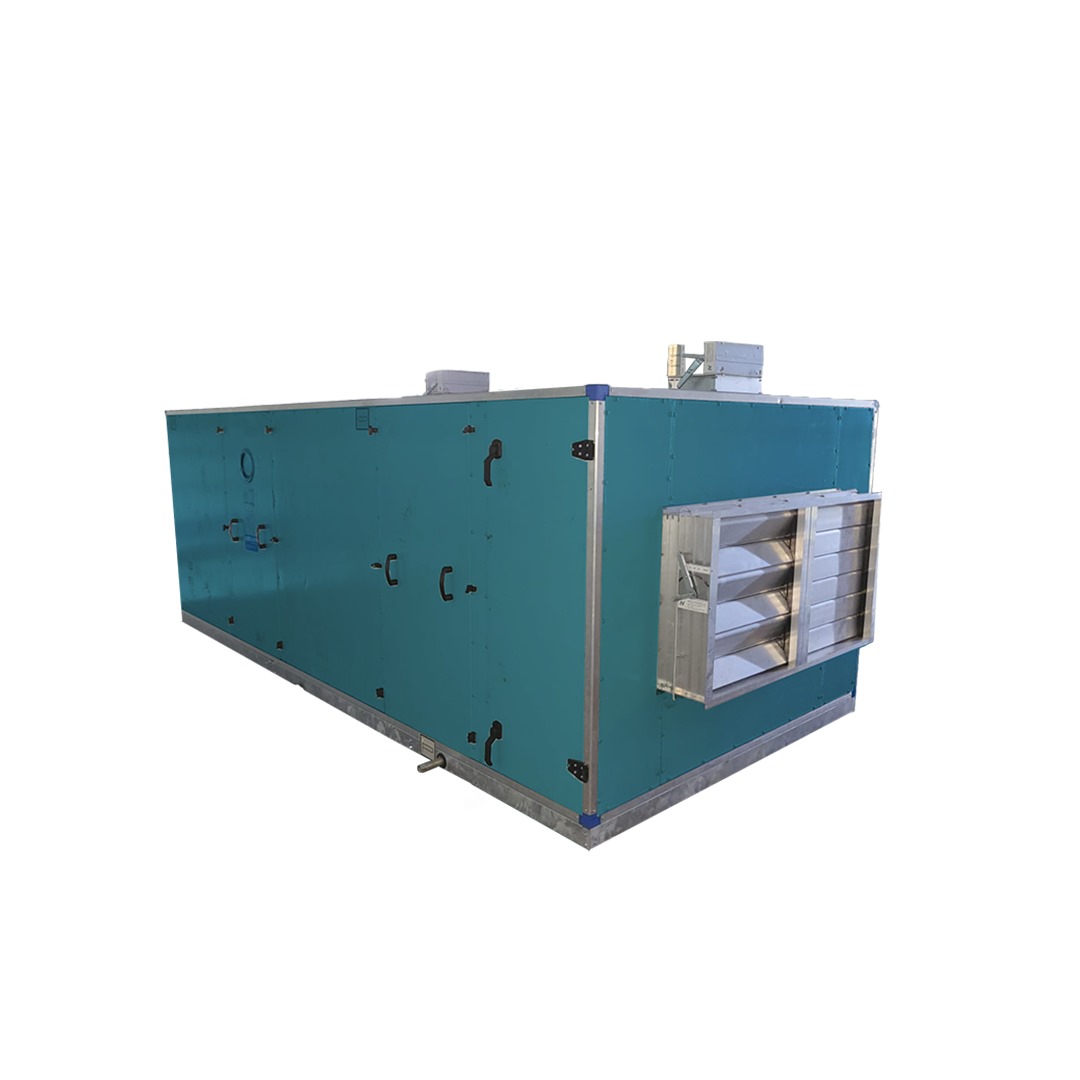
Ceiling Suspended Air Handling Unit – High Efficiency HVAC System for Commercial Use
View Details
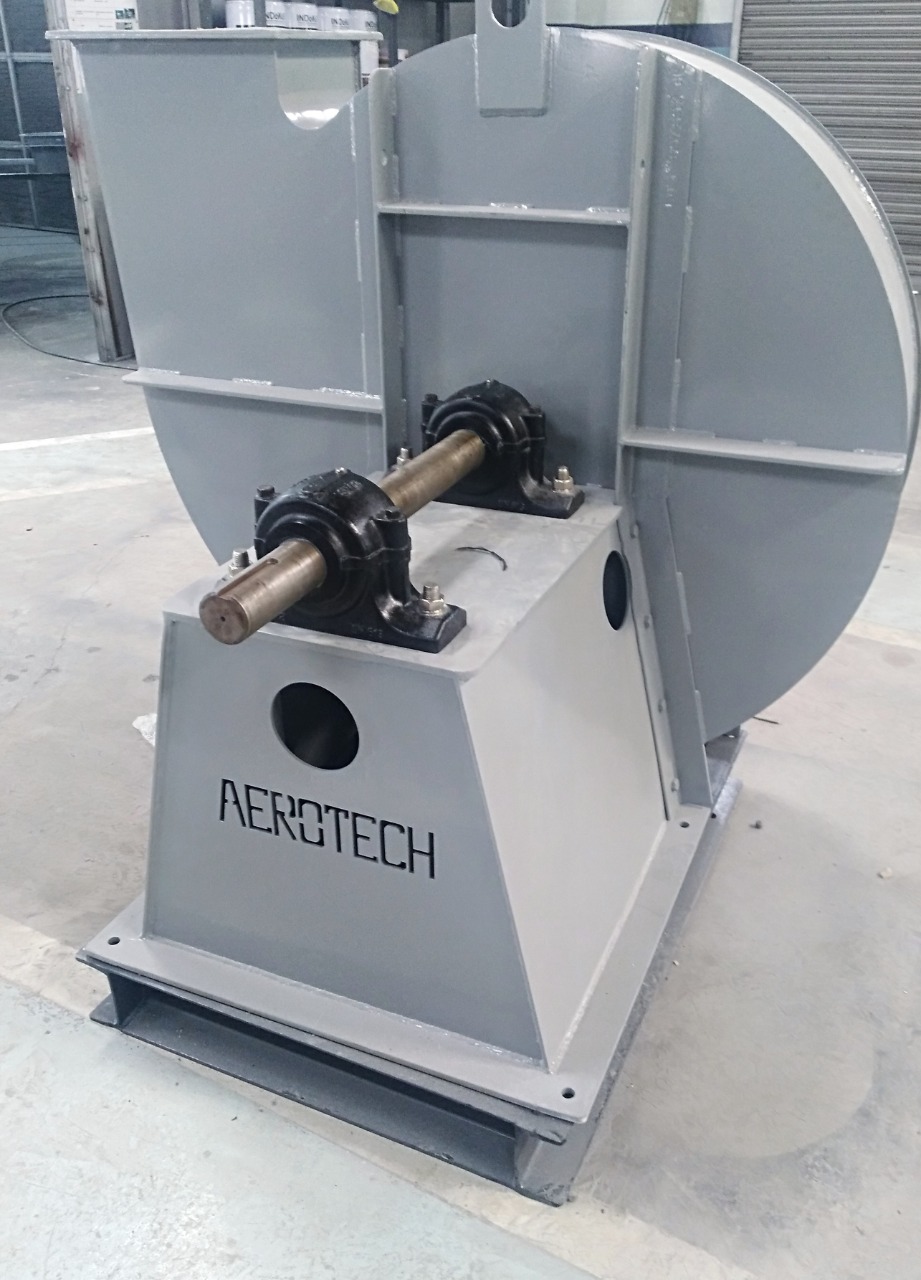
Industrial Centrifugal Air Ventilation System – Heavy Duty Steel Housing
View Details
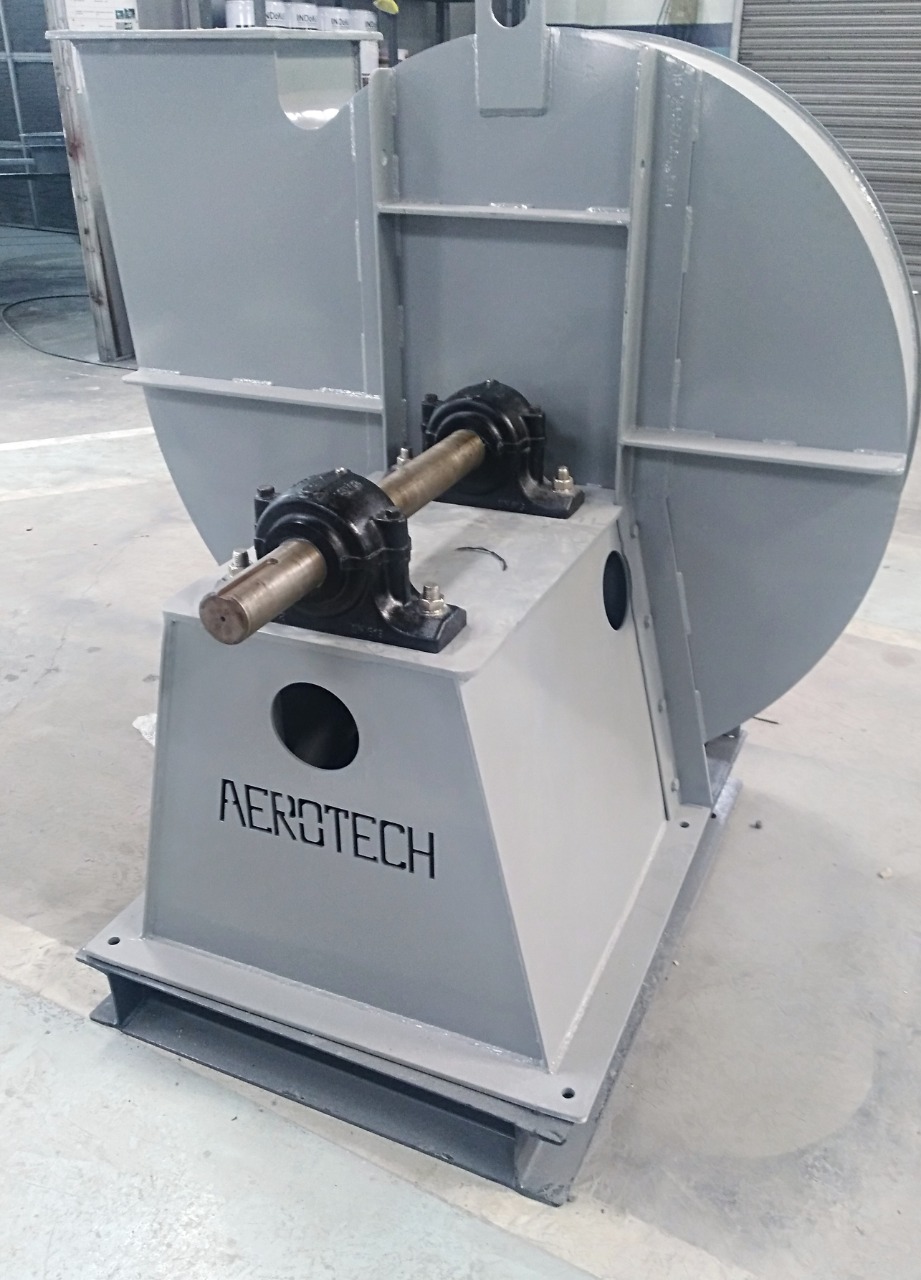
Heavy-Duty Industrial Fume Extraction Blower - High Efficiency Ventilation System
View Details
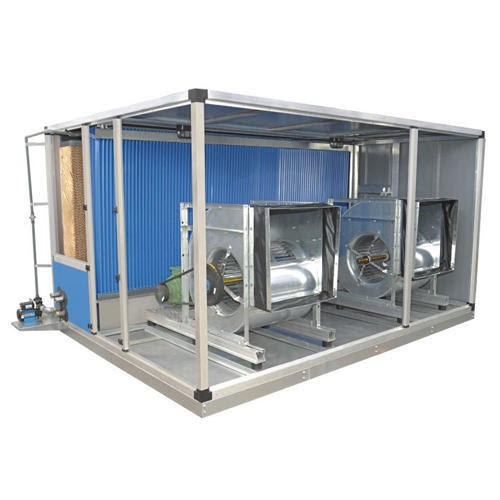
Industrial Evaporative Air Cooling Unit - High Efficiency HVAC System
View DetailsSmoke ventilation for commercial building environments plays a vital role in protecting people and property during fire emergencies. By removing smoke, heat, and harmful gases, these systems help maintain visibility and make evacuation safer. From office towers to shopping centers and production facilities, proper ventilation design ensures compliance with fire regulations and supports long-term safety.
When a fire occurs, smoke moves quickly through corridors and stairwells. Without controlled ventilation, it can block escape routes and increase temperature levels that threaten structural integrity. A well-planned smoke ventilation system prevents this by guiding smoke toward designated exhaust points and keeping critical areas clear for rescue operations.
Modern smoke ventilation for commercial building use typically includes high-temperature fans, exhaust ducts, and automated control panels. These systems activate through sensors or manual triggers based on fire detection signals. The goal is simple - move smoke out quickly and preserve air quality for as long as possible.
Each commercial building requires a setup tailored to its layout and occupancy. Aeppl designs and supplies a wide range of equipment suitable for various commercial and industrial applications. Selecting the right combination ensures consistent airflow and dependable performance during critical situations.
| Equipment Type | Typical Use | Temperature Rating |
|---|---|---|
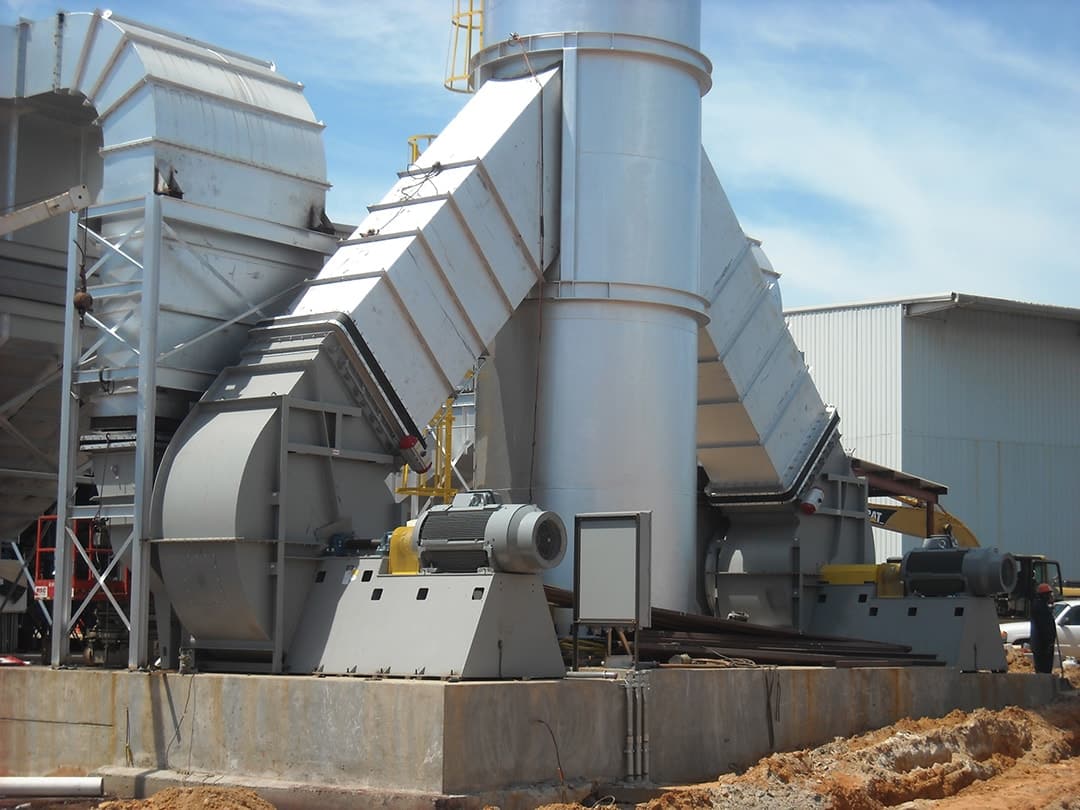
| Industrial Smoke Spill Exhaust Unit | High-rise buildings and parking structures | Up to 300°C continuous |
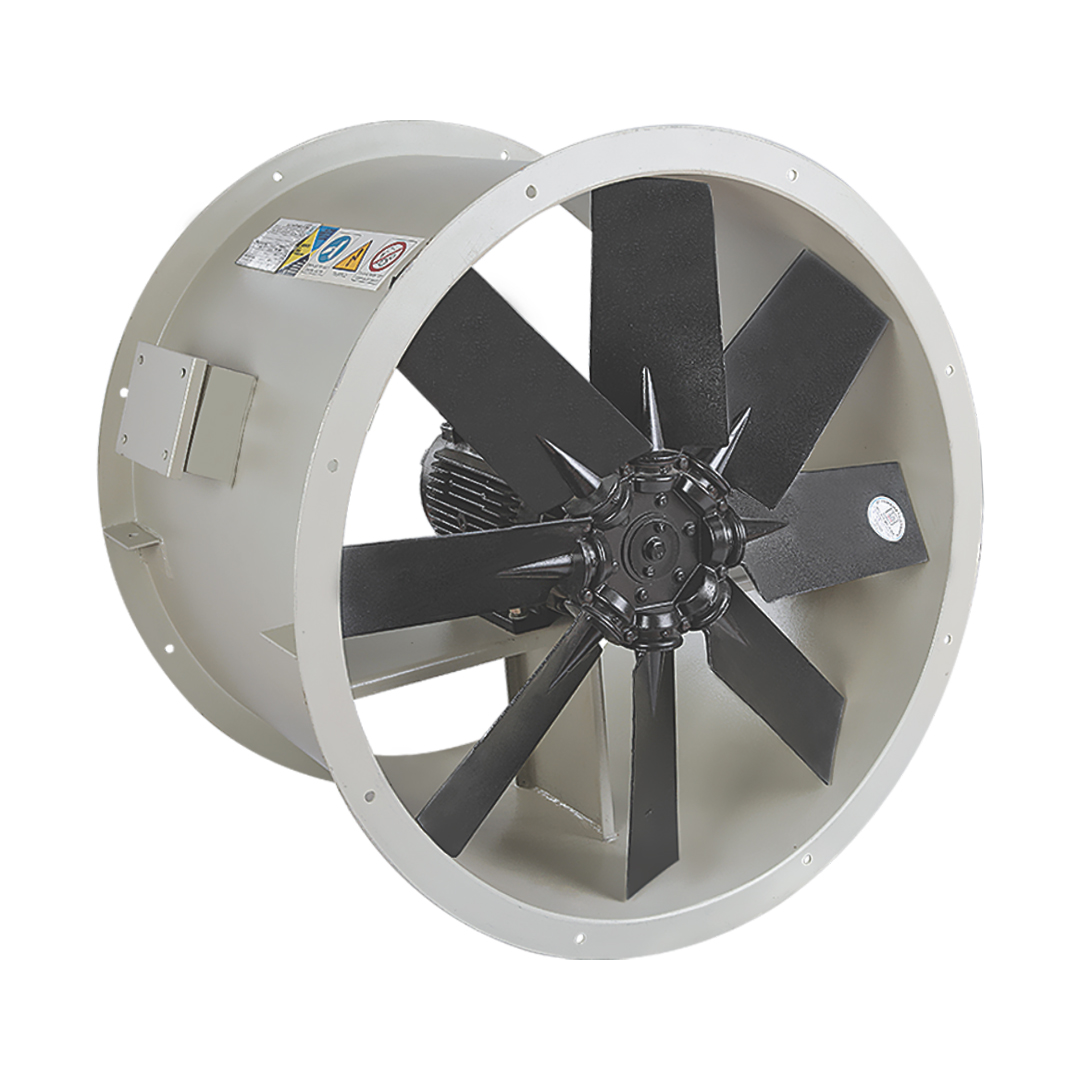
| High-Temperature Axial Smoke Exhaust Fan | Warehouses, atriums, and large indoor spaces | Up to 400°C for short duration |
| Industrial Centrifugal Air Ventilation System | Basements and enclosed process areas | Heavy-duty steel construction |
Performance standards such as EN 12101 and relevant IS codes define how smoke ventilation systems should operate under fire conditions. These guidelines cover airflow, pressure, and temperature endurance. Aeppl designs its systems to meet or exceed these requirements, offering tested reliability for commercial facilities in India and abroad.
Energy efficiency is becoming an important part of ventilation planning. Modern systems can connect with building management platforms to adjust airflow automatically based on occupancy or environmental conditions. Aeppl integrates variable frequency drives and sensor-based controls that help reduce energy use while maintaining safety standards.
Understanding how technology has evolved helps facility managers choose wisely. The table below compares typical differences between older manual systems and newer automated designs.
| Feature | Traditional Setup | Modern Automated Setup |
|---|---|---|
| Activation | Manual or delayed | Automatic sensor-based response |
| Energy Use | Constant high power | Variable power control |
| Maintenance | Periodic manual checks | Predictive monitoring |
| Integration | Standalone units | Connected with building automation |
Choosing the right smoke ventilation setup depends on several factors including building height, compartment volume, and fire zone classification. Aeppl engineers collaborate with project teams to create designs that match safety codes and operational needs. Whether installing in new construction or upgrading existing infrastructure, careful planning ensures reliable performance.
Aerotech Equipments and Projects Pvt. Ltd. (Aeppl) is an Indian manufacturer and exporter of air handling and ventilation systems serving industrial and commercial sectors worldwide. With decades of experience, Aeppl focuses on safety, reliability, and performance across every project. Visit Aeppl
It refers to systems that clear smoke and heat during a fire, helping maintain safe evacuation paths and minimize structural damage.
These systems protect occupants and property by controlling smoke spread and supporting compliance with fire safety standards.
They can activate automatically through sensors or manually via emergency controls depending on the design and fire safety plan.
Standards like EN 12101 and IS codes define performance criteria for airflow, temperature resistance, and safety compliance.
Yes, modern systems can integrate with building management platforms for real-time control and monitoring.
Advanced designs use variable speed drives and smart sensors to optimize power usage while maintaining safety levels.
Building height, area volume, occupancy type, and fire zone classification guide the design and equipment choice.
Routine inspections and performance tests should follow local fire code requirements and manufacturer guidelines.
Yes, Aeppl offers tailored engineering solutions for commercial and industrial buildings based on project-specific needs.
You can contact Aeppl at +91-9599785811, +91 8377077661, +91 9810162210 or email sales@aeppl.com for consultation and quotations.