
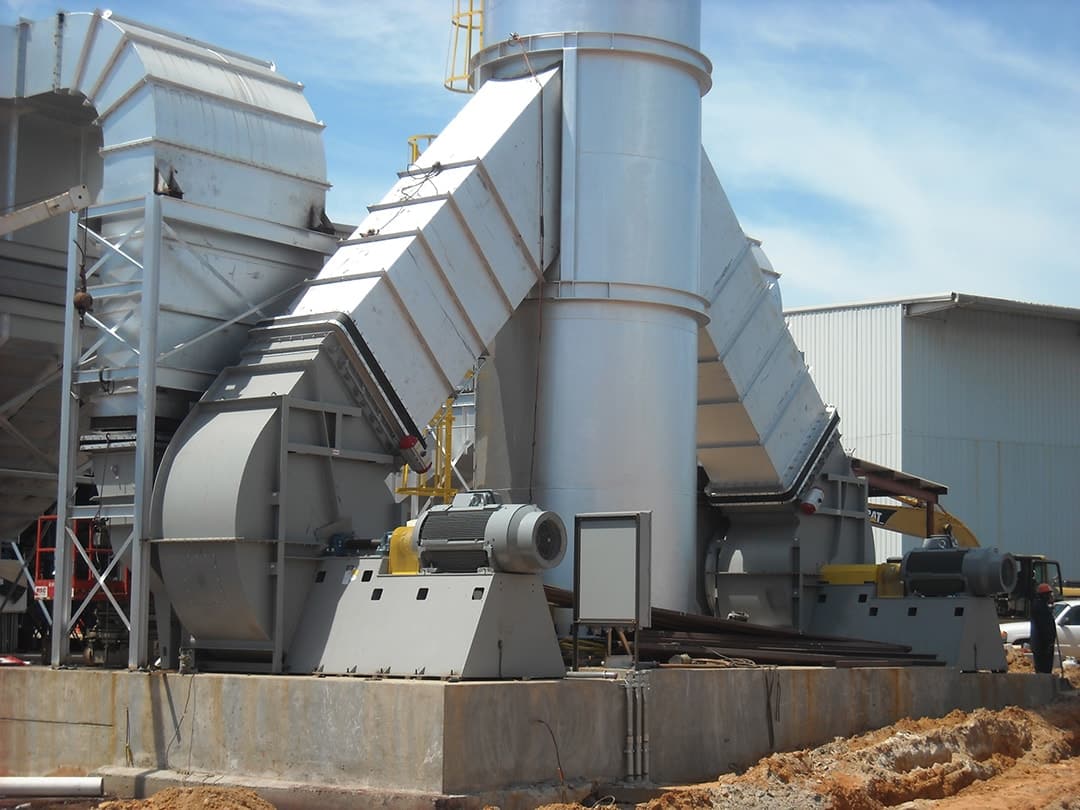
Industrial Smoke Spill Exhaust Unit - High-Temperature Ventilation System
View Details
Industrial Smoke Spill Exhaust Unit - High-Temperature Ventilation System
View Details
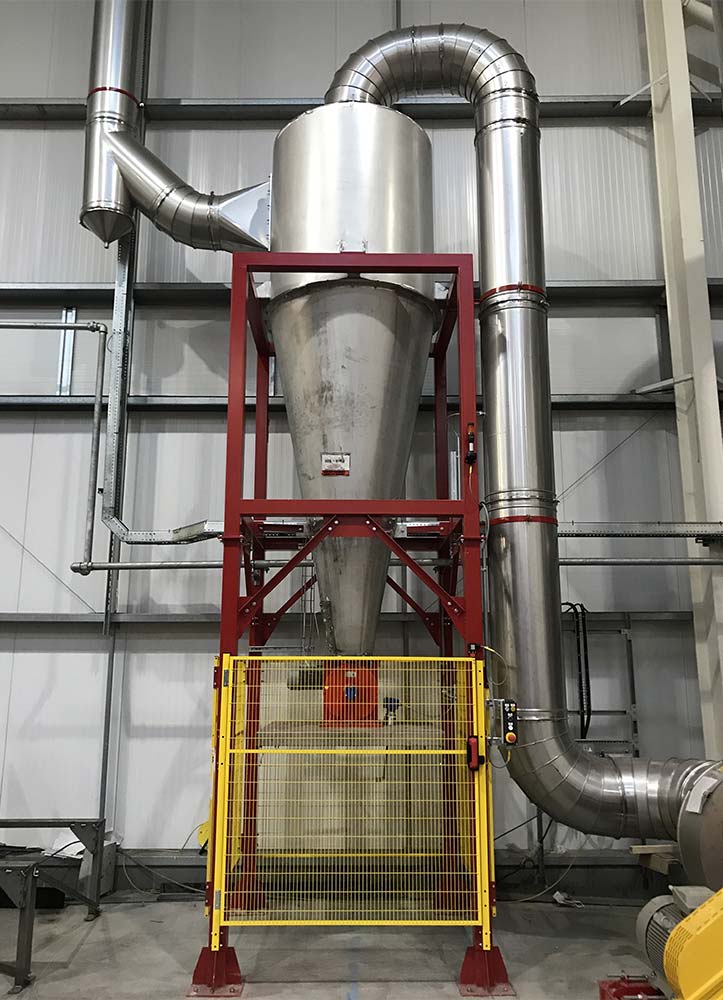
Industrial Venturi Scrubber System – High-Efficiency Air Pollution Control Unit
View Details
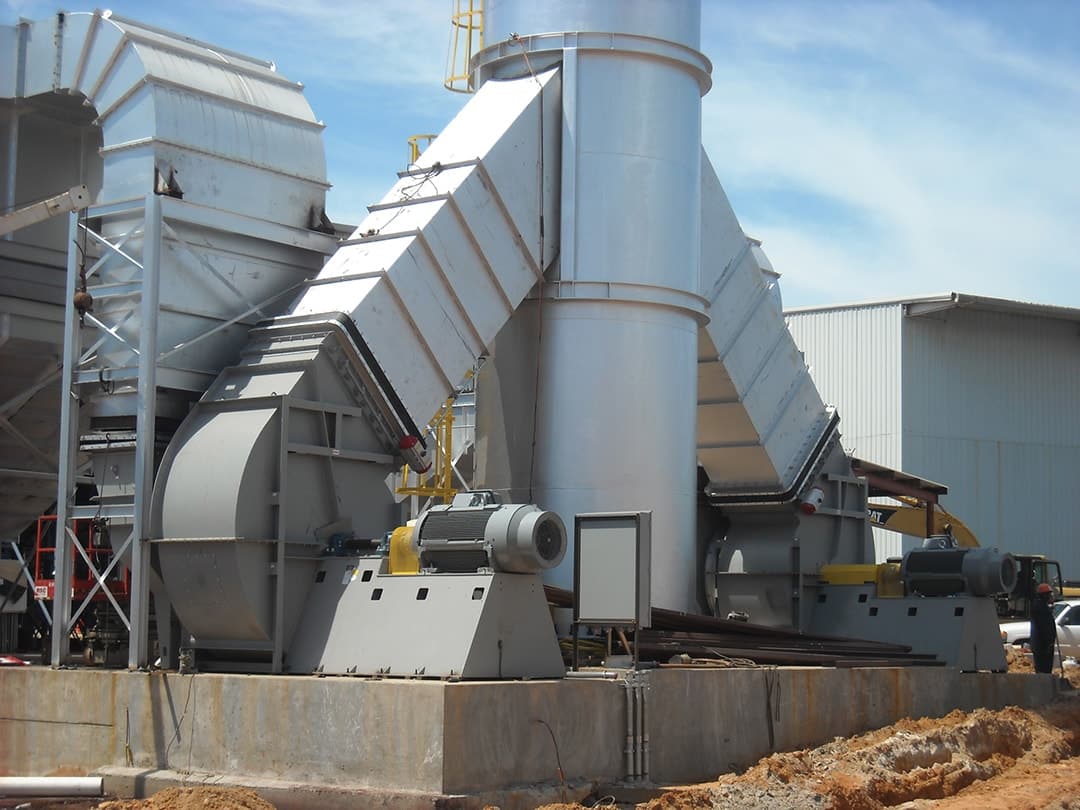
Industrial Fume Scrubber System - High-Efficiency Air Pollution Control Unit
View Details
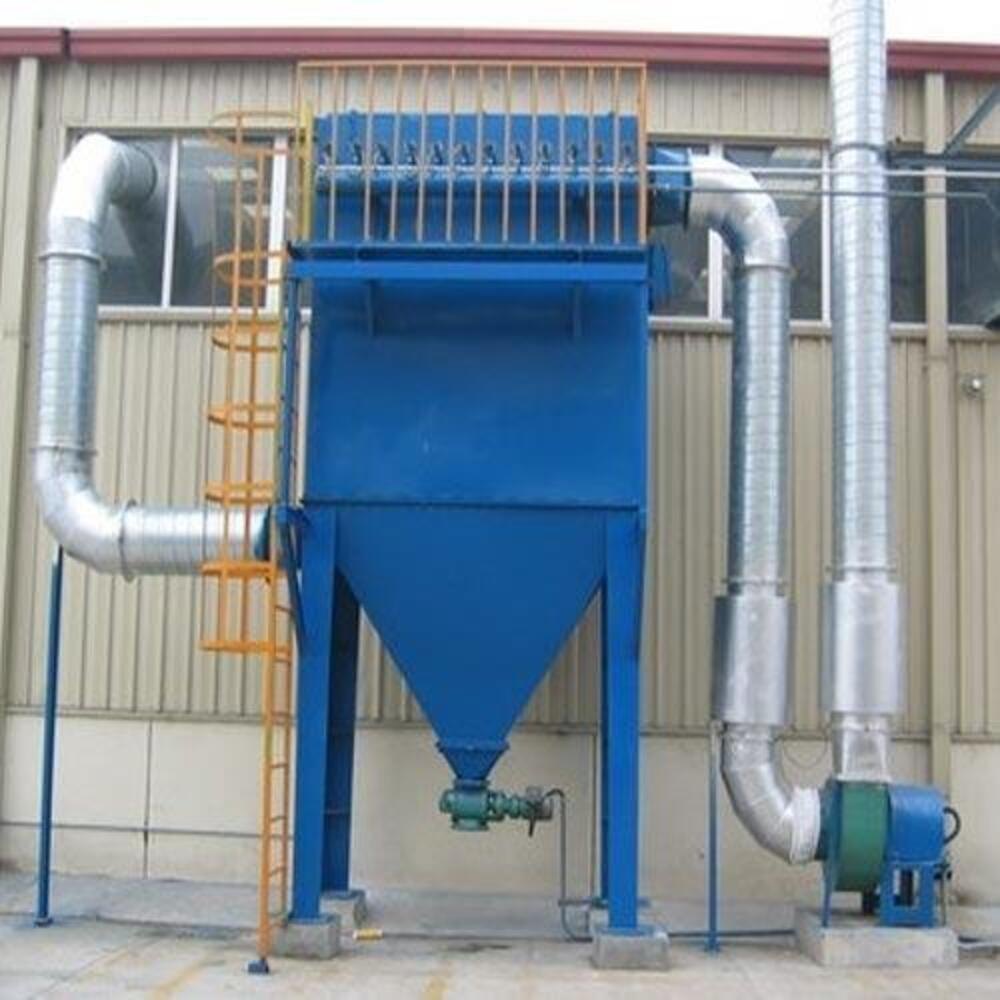
Industrial Dust Collector System – High Efficiency Air Pollution Control Unit
View Details

Industrial Venturi Scrubber System - High-Efficiency Air Pollution Control Unit
View Details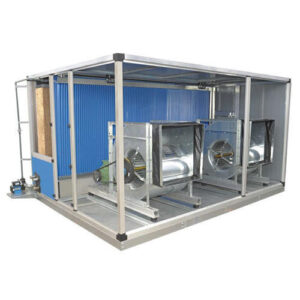
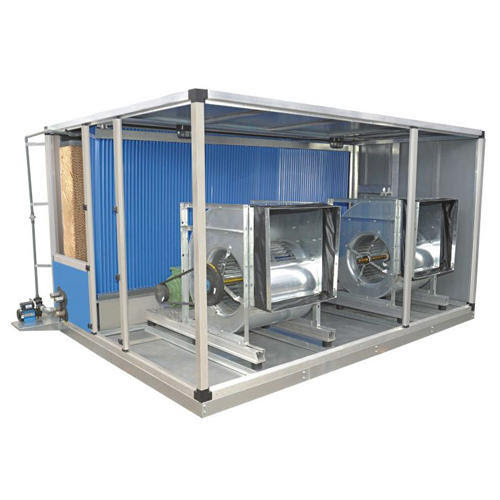
Industrial Fresh Air Handling Unit – High Efficiency Ventilation System
View Details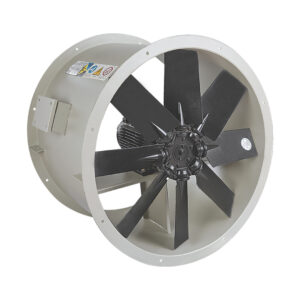
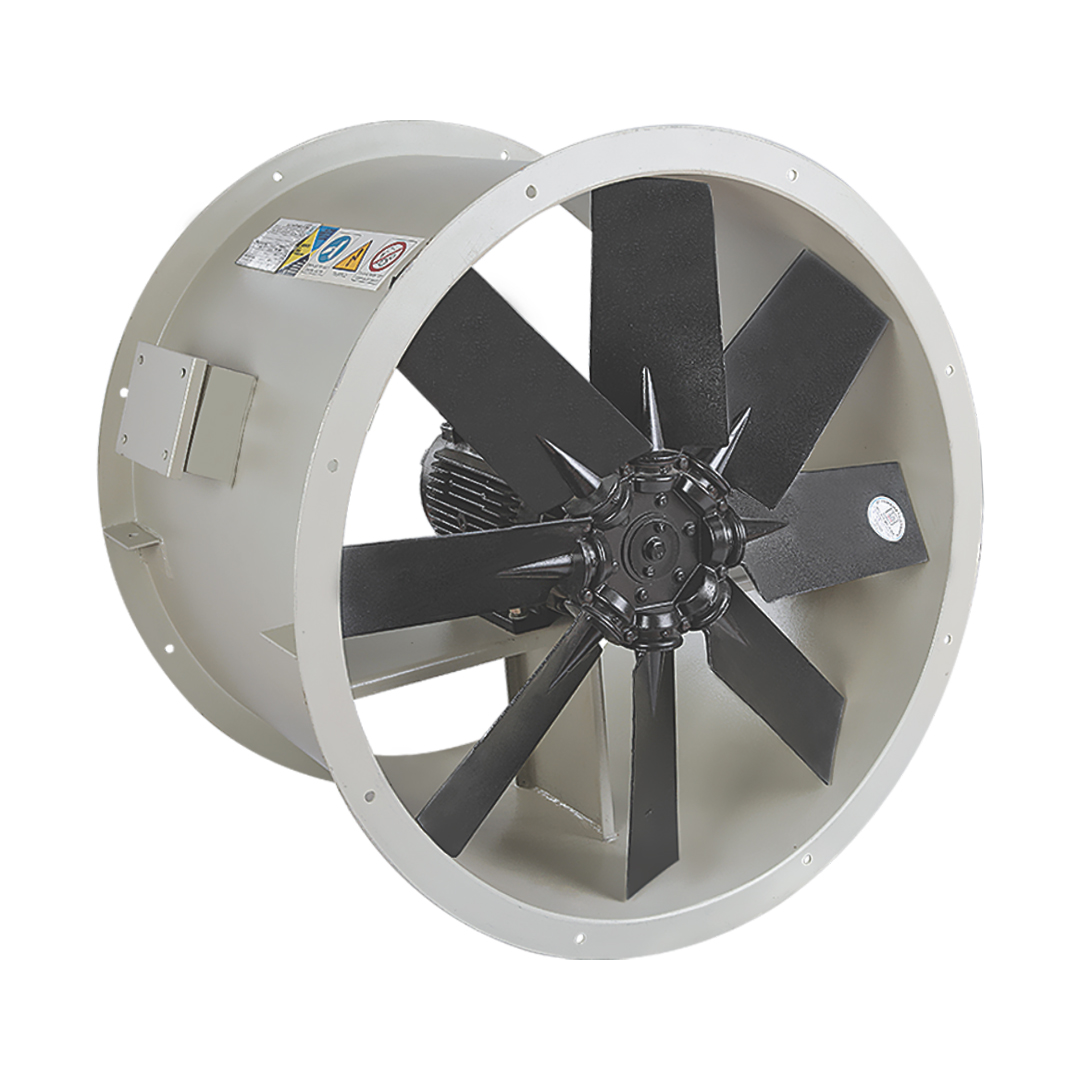
High-Temperature Axial Smoke Exhaust Fan - Industrial Ventilation System
View Details
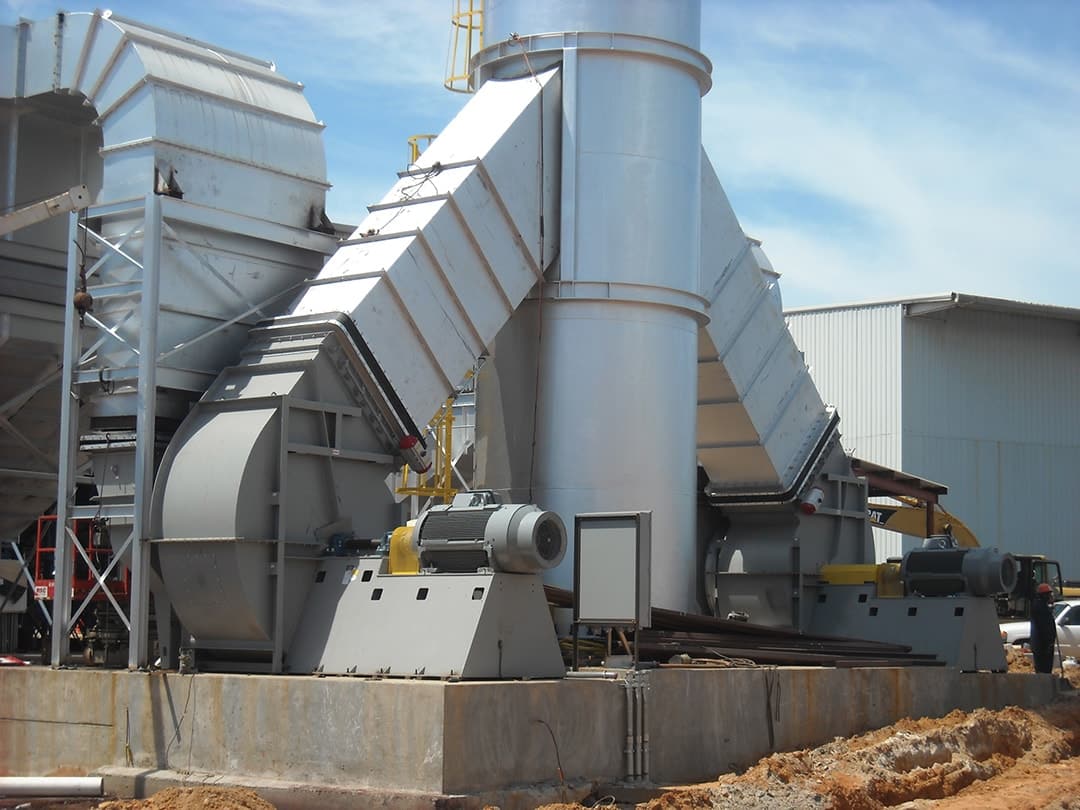
High-Temperature Industrial Smoke Spill Unit - Heavy-Duty Ventilation System
View DetailsControlling volatile organic compounds (VOCs) is essential for maintaining clean air and meeting environmental regulations. VOC emission control equipment helps capture and treat gases produced during manufacturing, coating, and chemical processes. These systems are central to sustainable industrial operations and workplace safety.
Aeppl engineers and supplies VOC emission control systems designed for demanding environments such as automotive paint booths, chemical plants, and refineries. Each unit is built for durability, efficiency, and compliance with current standards.
VOC control systems work by capturing airborne compounds from exhaust streams and neutralizing them through filtration, scrubbing, or oxidation. The right technology depends on VOC concentration, process type, and airflow design. Engineers often connect these systems with ventilation setups to achieve consistent performance throughout production areas.
Modern control systems include monitoring features for pressure, temperature, and pollutant levels. This helps operators manage efficiency and plan maintenance based on real data.
| Technology | Best Use Case | Efficiency Range | Maintenance Level |
|---|---|---|---|
| Venturi Scrubber | High particulate and gas load | Up to 98% | Moderate |
| Thermal Oxidizer | High VOC concentration | Up to 99% | High |
| Activated Carbon Filter | Low to medium VOC levels | 85% - 95% | Low |
Emission control solutions are widely used in sectors such as:
Each industry faces unique emission challenges. Aeppl customizes systems to fit airflow demands, space limitations, and regulatory requirements.
VOC control units often work alongside air handling equipment for complete ventilation. For example, Aeppl’s Industrial Venturi Scrubber System and Industrial Fume Scrubber System are frequently paired with VOC emission control equipment to handle both particulate and gaseous pollutants.
As emission norms tighten, energy-efficient VOC control systems are becoming standard. Aeppl focuses on designs that minimize pressure drop and power use while maintaining high removal efficiency. Each system supports compliance with national and international guidelines, contributing to cleaner operations and reduced energy costs.
Aeppl offers complete support from design to installation, including site assessments and retrofit options for existing facilities. The engineering team ensures every VOC emission control setup performs reliably under local operating conditions.
To discuss your project or request technical details, email sales@aeppl.com or call +91-9599785811, +91 8377077661, or +91 9810162210.
Aerotech Equipments and Projects Pvt. Ltd. (Aeppl) is an Indian manufacturer of industrial air handling and pollution control systems. With decades of hands-on experience, Aeppl delivers reliable solutions for complex industrial environments worldwide. Visit Aeppl
VOC emission control equipment captures and treats volatile organic compounds from industrial exhaust to prevent air pollution and meet environmental standards.
It is used in industries such as paint manufacturing, chemical processing, automotive coating, and petrochemical refining where organic vapors are produced.
A Venturi scrubber cleans air by passing it through a liquid medium that traps VOCs and particulates, reducing harmful emissions.
Yes, facilities using organic solvents or emitting VOCs must comply with pollution control regulations to maintain air quality.
Key factors include concentration levels, temperature, airflow, and chemical composition. The right choice balances efficiency and maintenance needs.
Yes, modern systems can be integrated with plant automation for real-time monitoring and performance optimization.
Routine maintenance every 6 to 12 months helps check filters, scrubber liquid levels, and pressure readings for reliable operation.
Stainless steel and corrosion-resistant alloys are commonly used for durability and chemical resistance in industrial settings.
Yes, Aeppl designs and produces VOC emission control systems tailored for industrial applications with energy-efficient performance.
You can reach Aeppl at sales@aeppl.com or call +91-9599785811, +91 8377077661, or +91 9810162210 for consultation and support.