

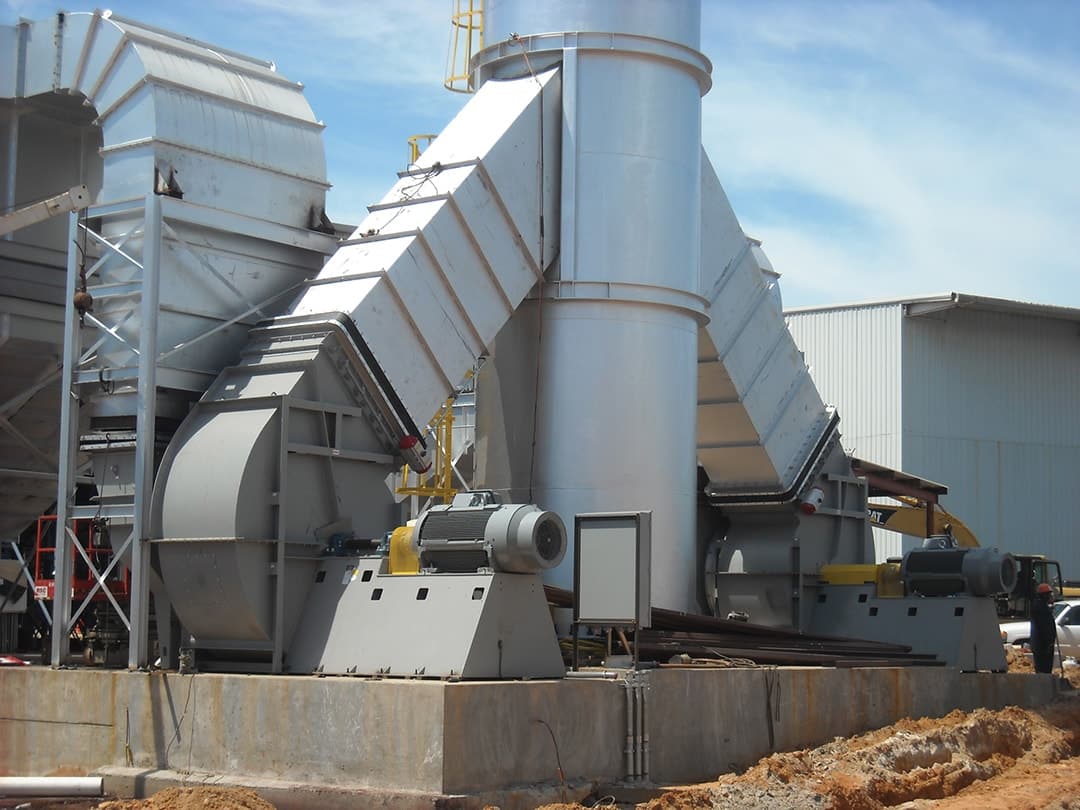
Industrial Fume Scrubber System - High-Efficiency Air Pollution Control Unit
View Details
Industrial Fume Scrubber System - High-Efficiency Air Pollution Control Unit
View Details
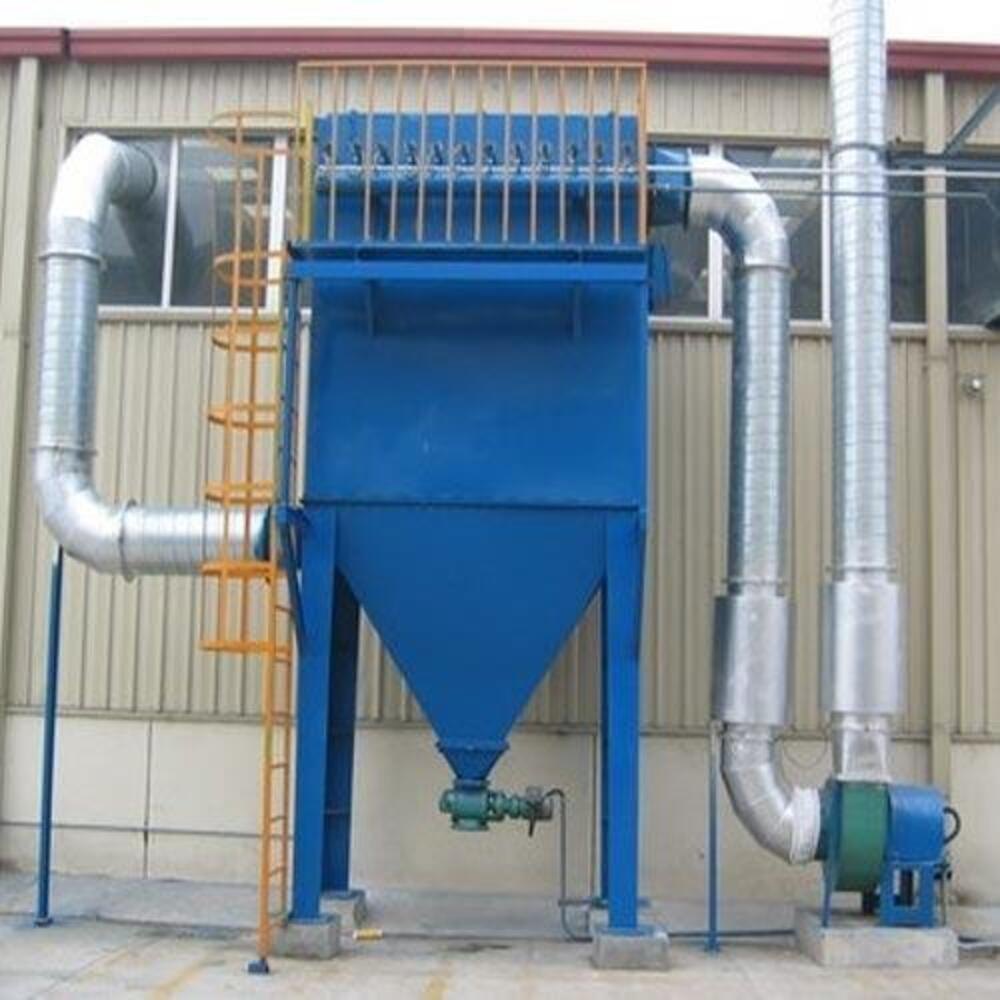
Industrial Dust Collection and Air Pollution Control System – High Efficiency Filter Unit
View Details
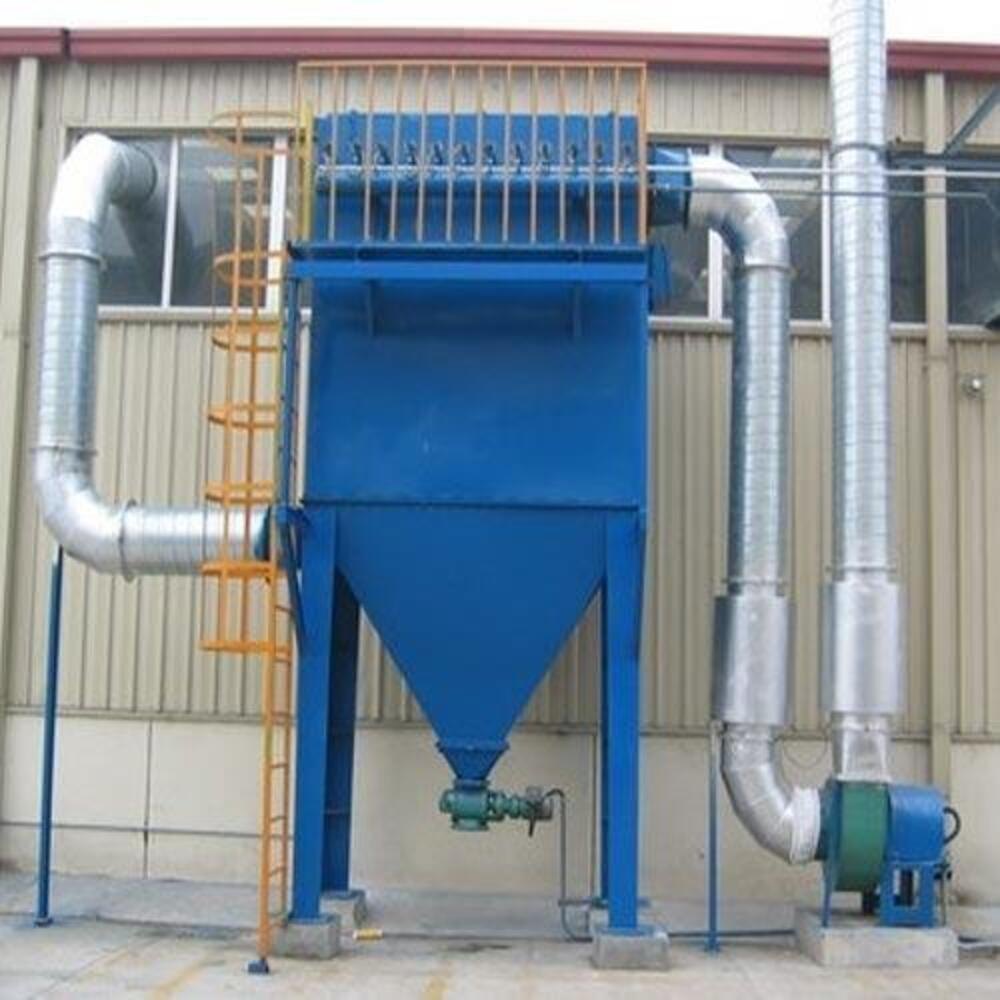
Industrial Dust Collector System – High Efficiency Air Pollution Control Unit
View Details
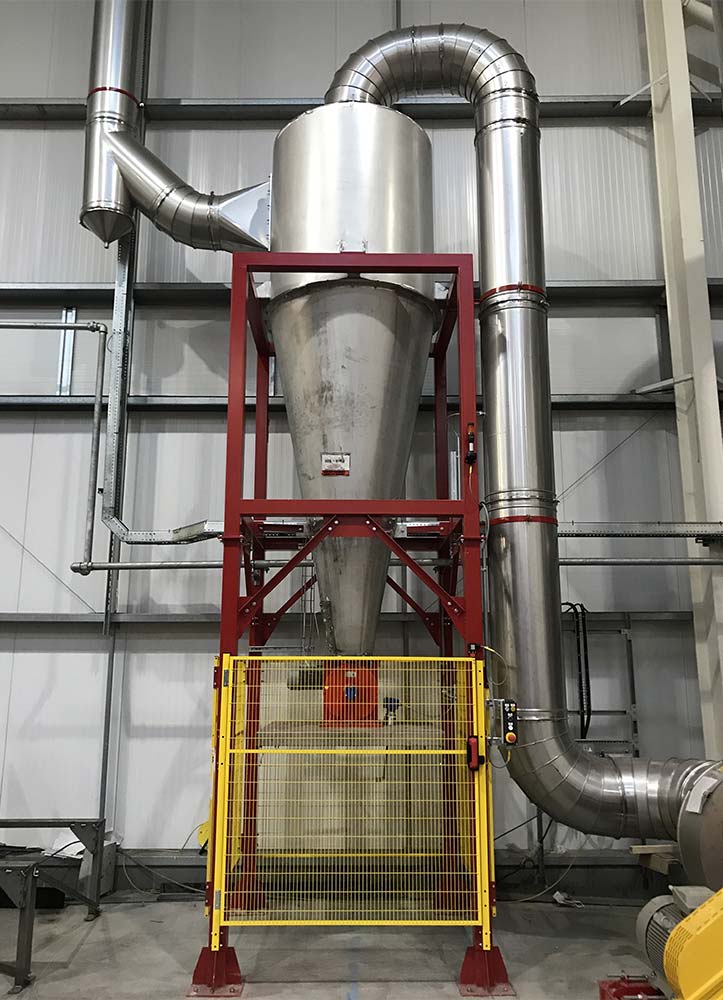
Industrial Venturi Scrubber System – High-Efficiency Air Pollution Control Unit
View Details

Industrial Venturi Scrubber System - High-Efficiency Air Pollution Control Unit
View Details
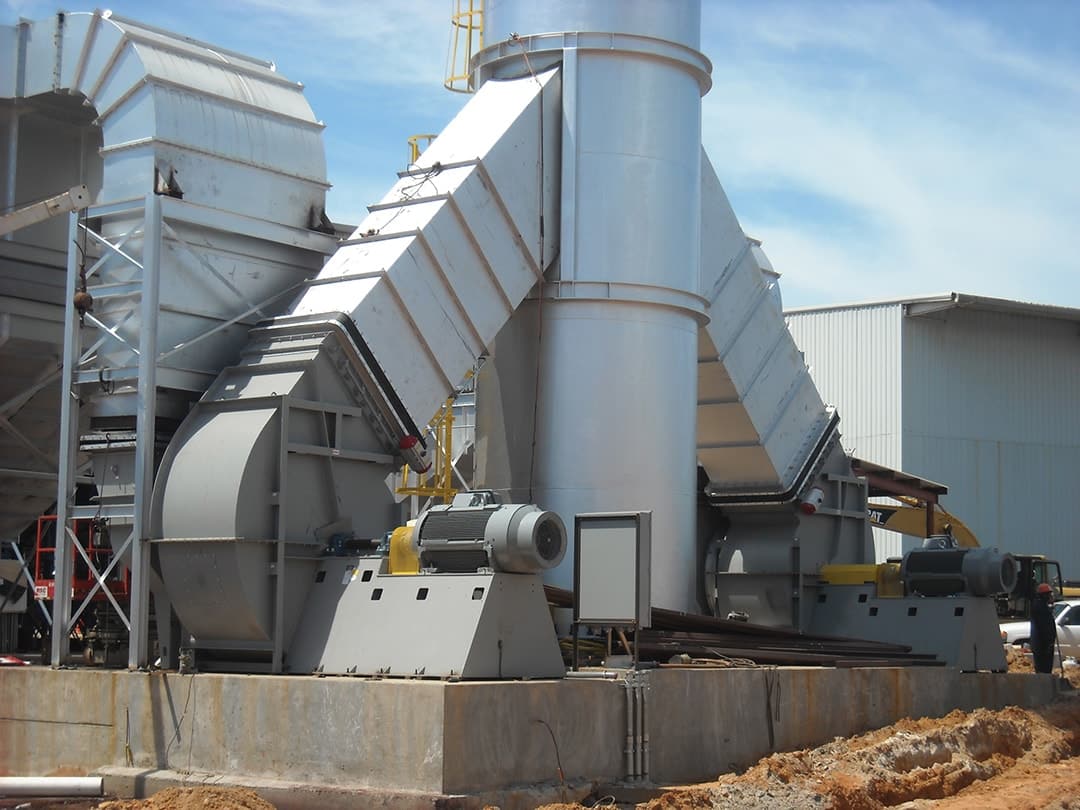
Industrial Fume Extraction System - High-Efficiency Air Filtration Unit
View Details
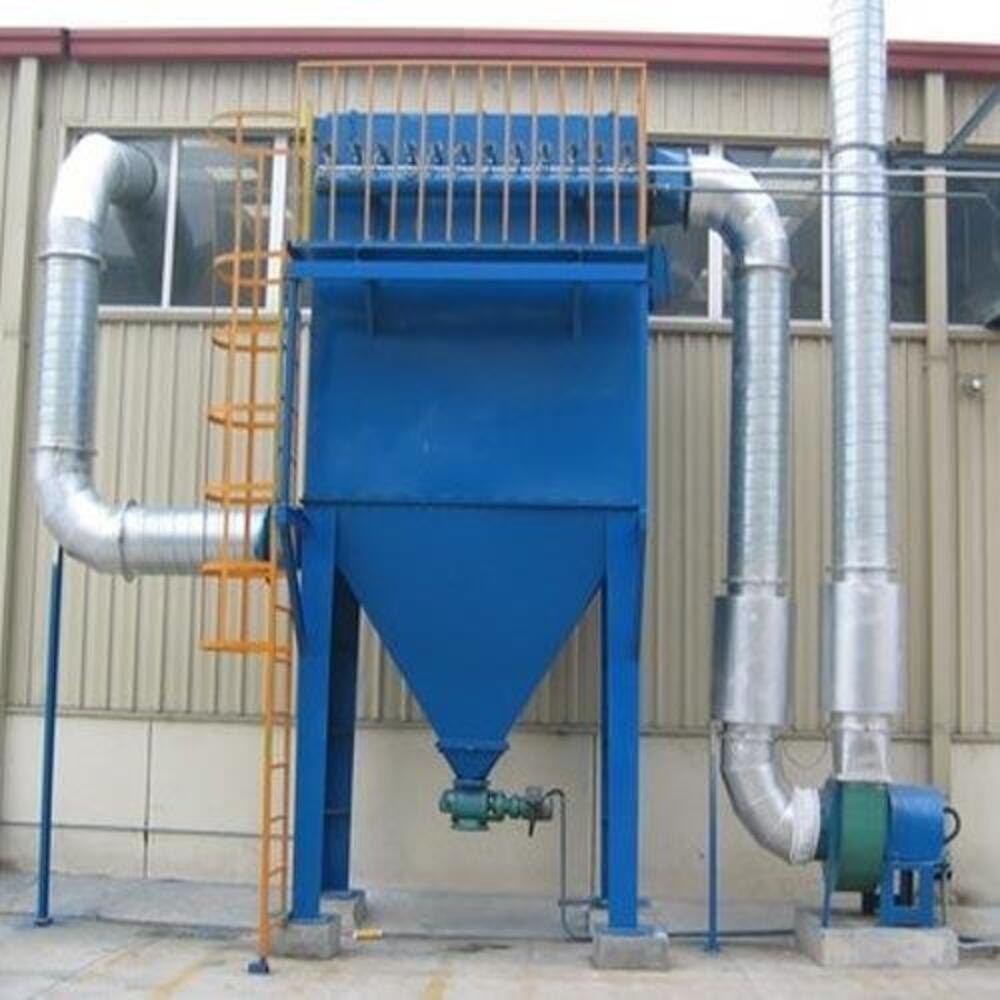
Industrial Mechanical Dust Collector System - High-Efficiency Air Filtration Unit
View Details
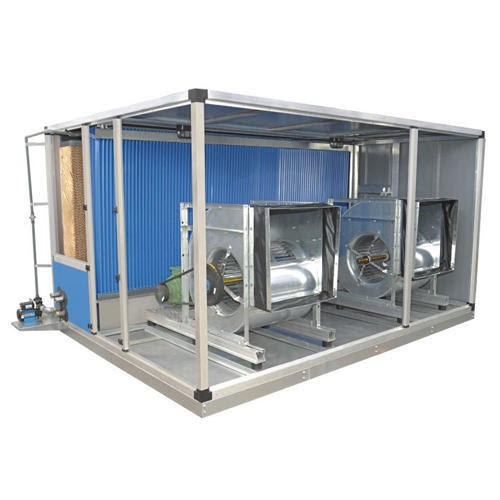
Industrial Evaporative Air Cooling Unit - High Efficiency HVAC System
View DetailsIndustrial operations generate dust, smoke, and gaseous emissions that can harm both workers and the environment. Devices to reduce air pollution help manage these pollutants before they escape into the atmosphere. They are essential for maintaining cleaner air, meeting environmental standards, and protecting equipment and personnel.
Across sectors such as manufacturing, power generation, and chemical processing, companies are turning to dependable air pollution control systems that balance performance with sustainability. Aeppl provides industrial-grade solutions designed for consistent emission control and efficient operation.
Different industries face different types of pollutants. Selecting the right system depends on the composition of emissions, process conditions, and space limitations. Common equipment includes:
| Device Type | Main Function | Typical Application | Efficiency Range |
|---|---|---|---|
| Dust Collector | Particulate filtration | Cement, foundry, food processing | Up to 99% |
| Venturi Scrubber | Gas and fine particle removal | Power plants, refineries | 95-99% |
| Fume Scrubber | Chemical fume neutralization | Metal finishing, chemical plants | 90-98% |
| Fume Extraction Unit | Source-level fume removal | Welding, soldering, thermal cutting | Up to 99% |
Well-designed air pollution control equipment offers more than regulatory compliance. It helps extend machine life, reduces maintenance costs, and supports a safer work environment. Cleaner air also improves product quality and contributes to better employee health.
Modern systems focus on energy efficiency and reliability. Aeppl designs units that manage airflow effectively while keeping power consumption low. These features help industries meet sustainability goals without sacrificing performance.
Every facility has unique requirements based on its processes and layout. Aeppl engineers work closely with clients to design systems that fit existing ducting and exhaust setups. Customization can include material selection, capacity adjustments, and corrosion protection for harsh environments.
| Feature | Benefit |
|---|---|
| Modular structure | Easy installation and maintenance |
| Efficient fan design | Lower energy use and operating cost |
| Smart control interface | Remote monitoring and diagnostics |
| Durable materials | Long service life under tough conditions |
Devices to reduce air pollution are widely used in cement, steel, pharmaceutical, automotive, and electronics industries. They help meet emission norms set by environmental agencies and align with corporate sustainability programs. As air quality regulations become more stringent, investing in dependable control systems is essential for responsible growth.
Aeppl (Aerotech Equipments and Projects Pvt. Ltd.) is a respected Indian manufacturer of air handling and ventilation systems serving industries worldwide. With years of engineering experience, Aeppl delivers dependable devices to reduce air pollution that meet global safety and efficiency standards. Visit Aeppl
Devices to reduce air pollution are systems that capture or neutralize pollutants from industrial exhaust streams before they reach the atmosphere.
Dust collectors remove particulate matter by filtering it through fabric or cartridge filters, improving air quality and maintaining compliance.
Scrubber systems use liquids or chemical reactions to absorb and neutralize gaseous pollutants, commonly used in chemical and metal industries.
Energy-efficient devices reduce operating costs and carbon footprint while maintaining strong filtration performance for sustainable operations.
Yes, equipment can be tailored for particular process conditions, pollutant types, and space constraints to achieve optimal results.
Consider pollutant type, airflow volume, pressure drop, maintenance needs, and compliance standards relevant to your facility.
Yes, periodic inspection and cleaning are essential to maintain efficiency, prevent blockages, and extend service life.
Automated systems allow remote monitoring and real-time data tracking to keep emissions consistently within safe limits.
Aeppl builds equipment with durable materials, efficient airflow design, and compliance-focused engineering suited for industrial environments.
Reach Aeppl at +91-9599785811, +91 8377077661, or +91 9810162210, or email sales@aeppl.com for expert guidance on choosing the right system.