
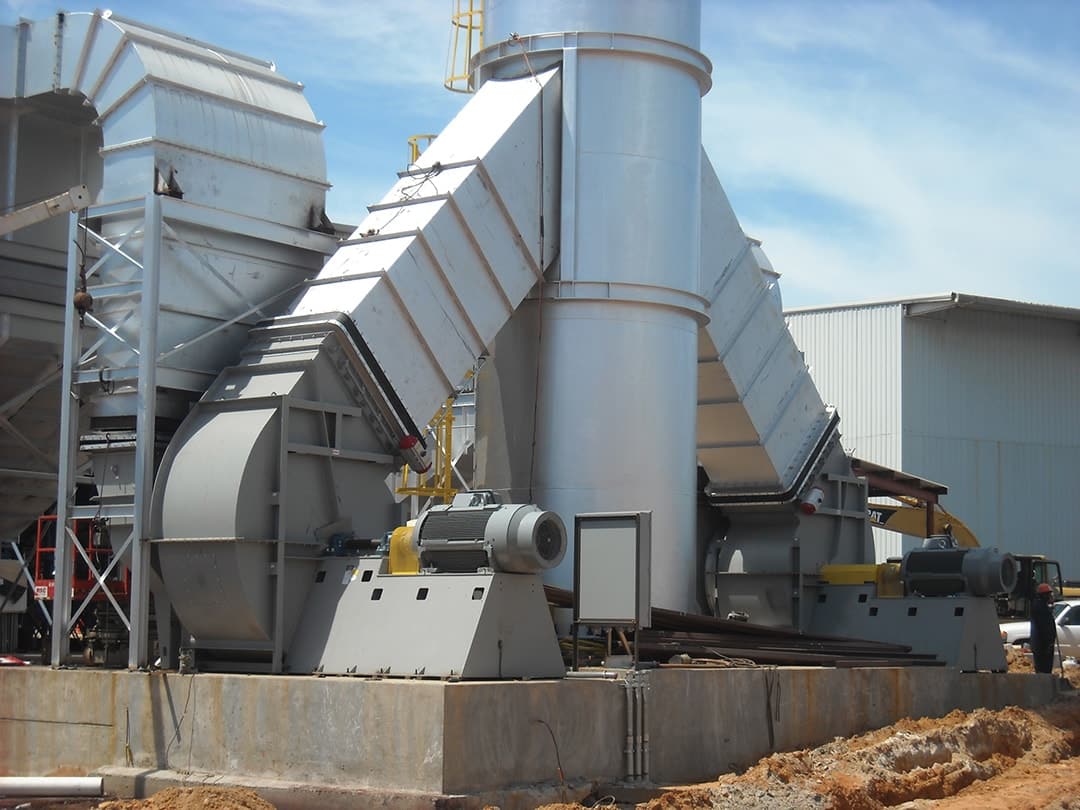
Heavy-Duty Industrial Fume Extraction System – High Capacity Air Filtration Unit
View Details
Heavy-Duty Industrial Fume Extraction System – High Capacity Air Filtration Unit
View Details
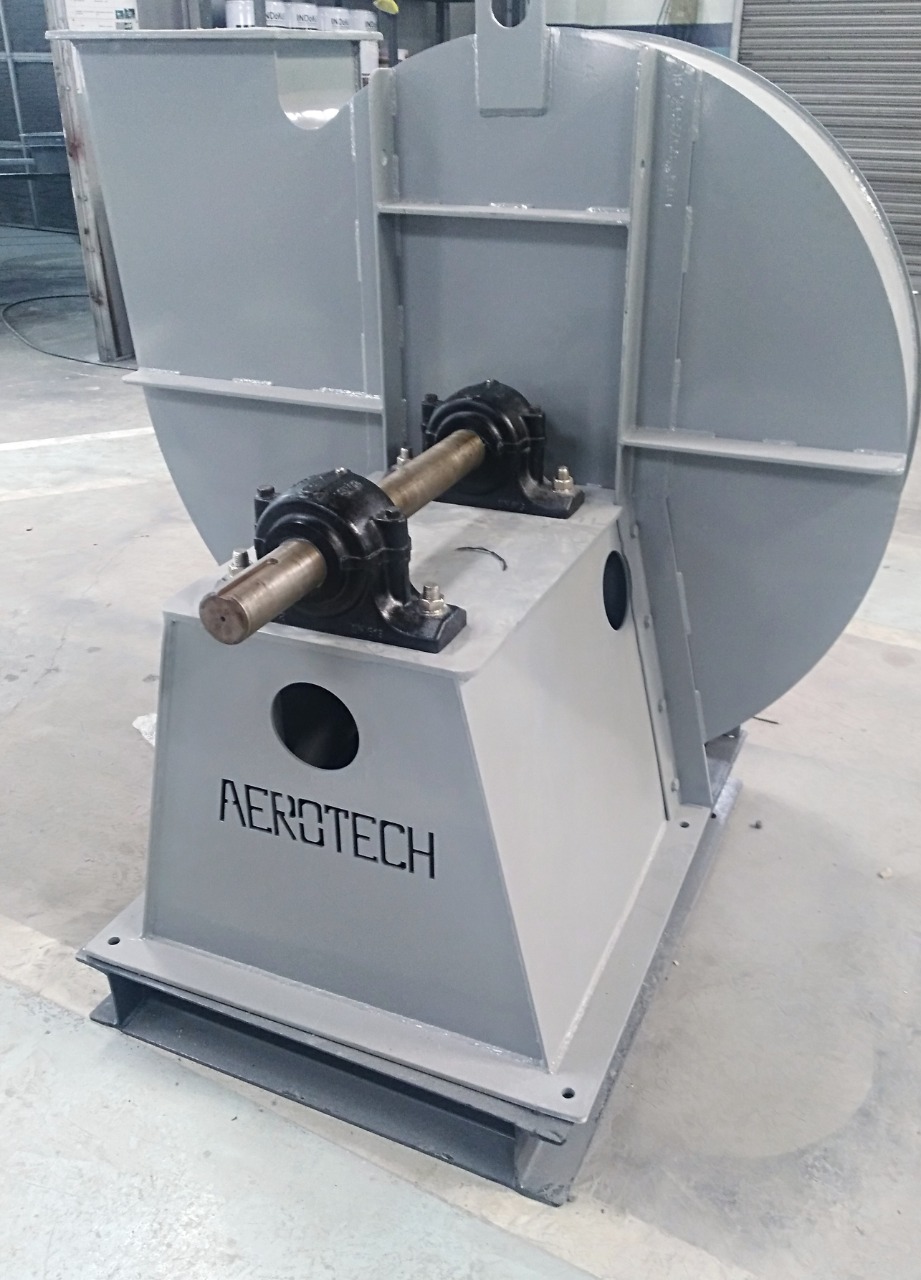
Heavy-Duty Industrial Fume Extraction Blower - High Efficiency Ventilation System
View Details
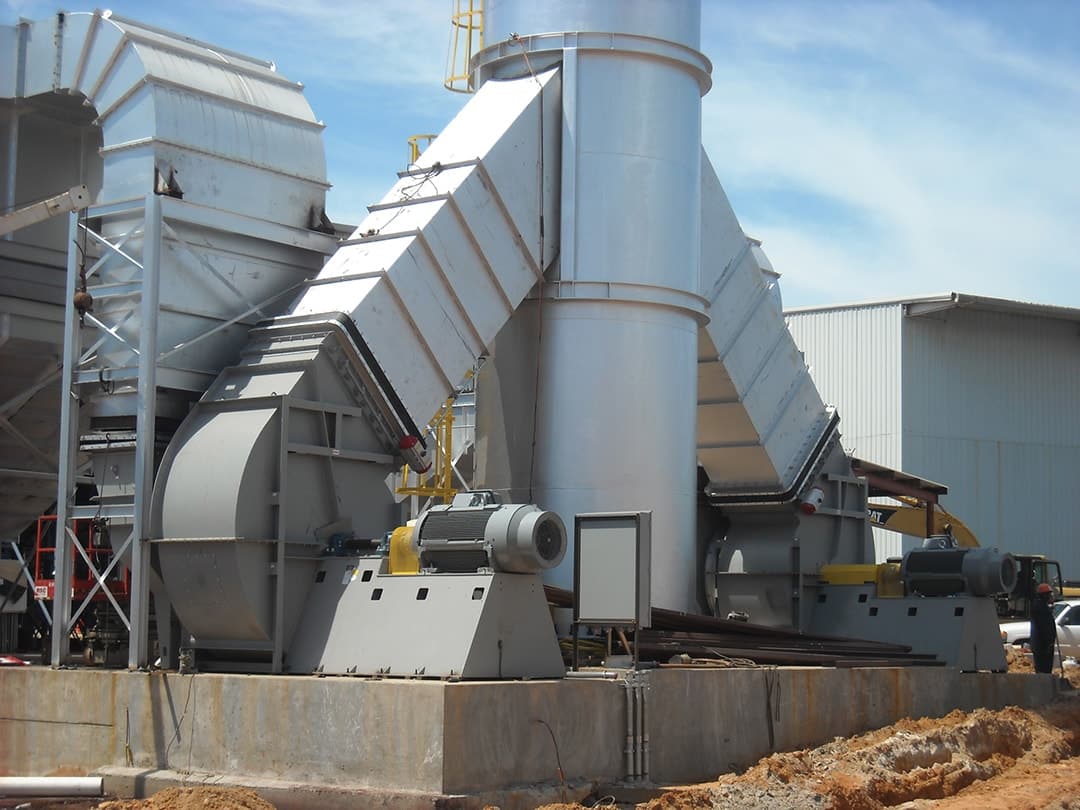
Industrial Fume Scrubber System - High-Efficiency Air Pollution Control Unit
View Details
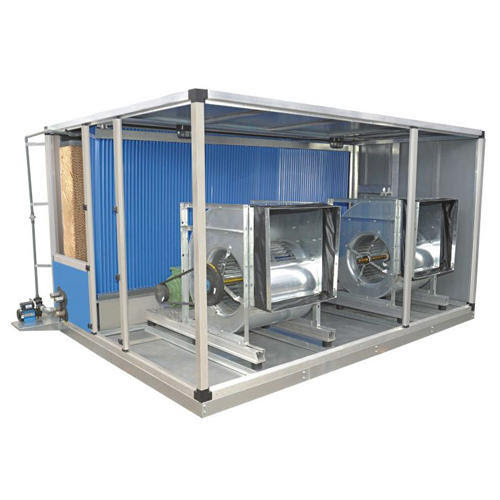
Industrial Fresh Air Handling Unit – High Efficiency Ventilation System
View Details
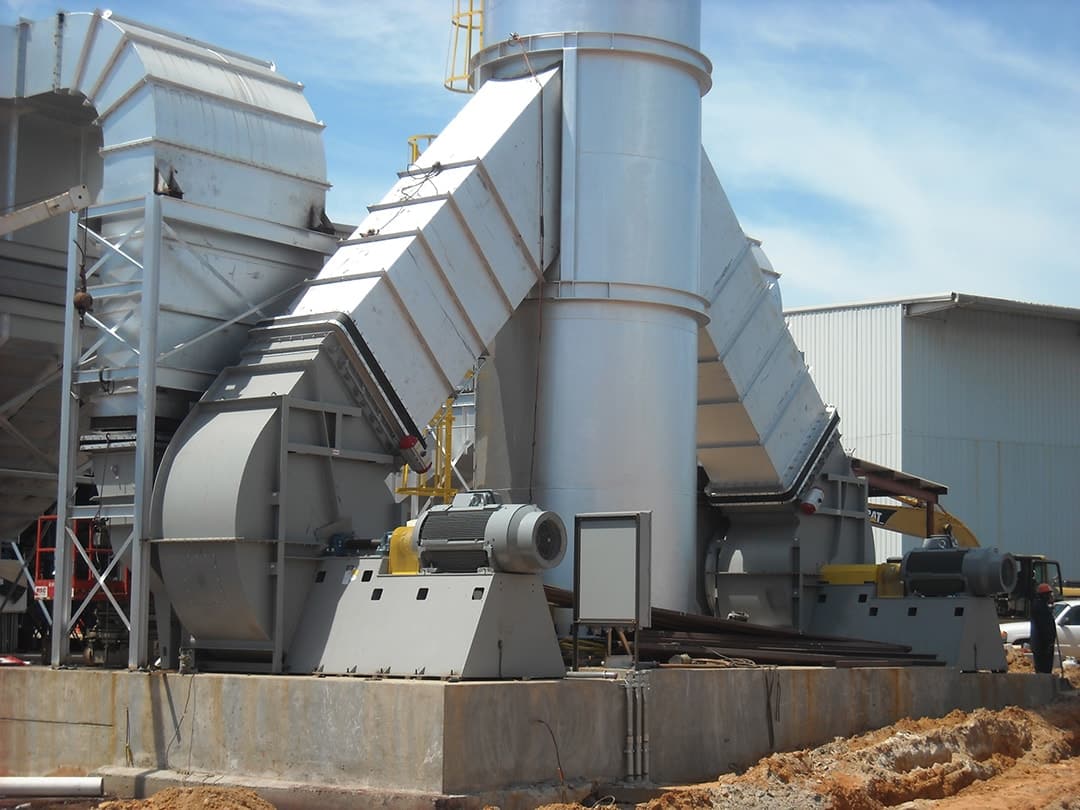
Industrial Smoke Spill Exhaust Unit - High-Temperature Ventilation System
View Details
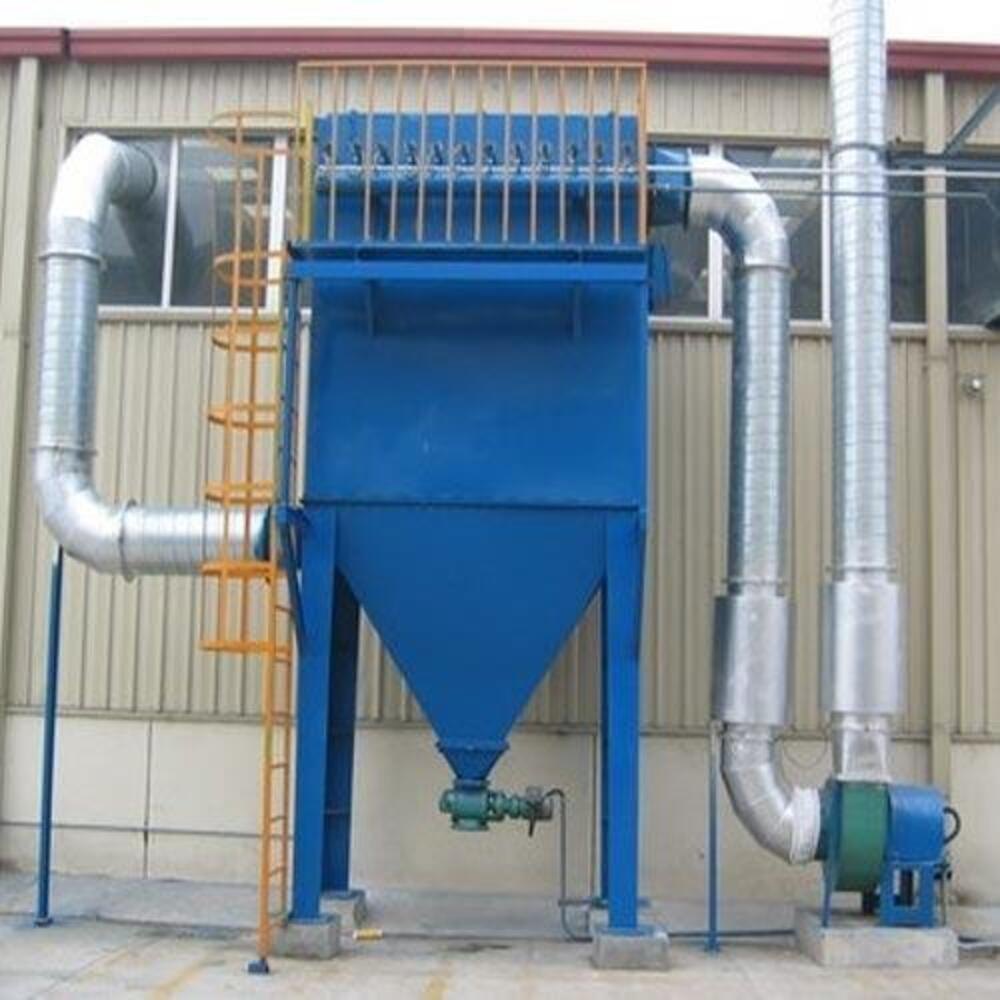
Industrial Dust Collection and Air Pollution Control System – High Efficiency Filter Unit
View Details
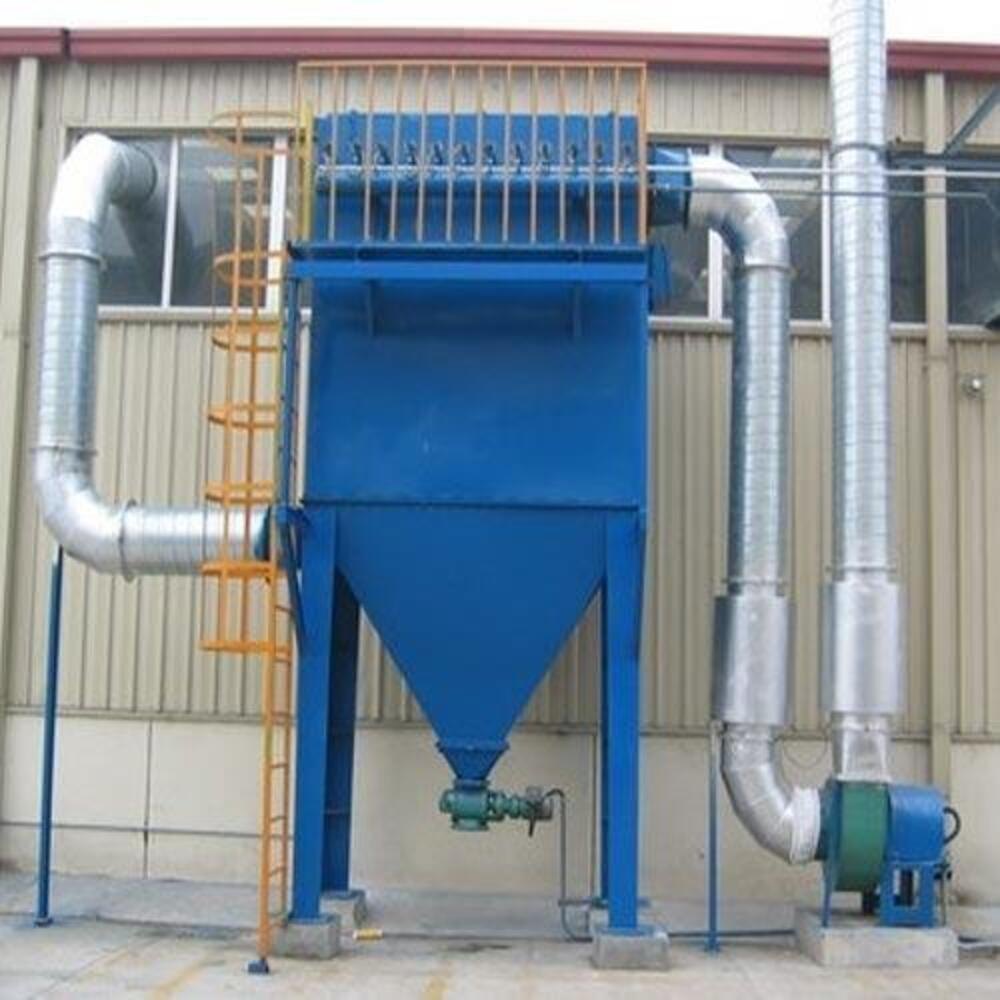
Industrial Dust Collector System – High Efficiency Air Pollution Control Unit
View Details
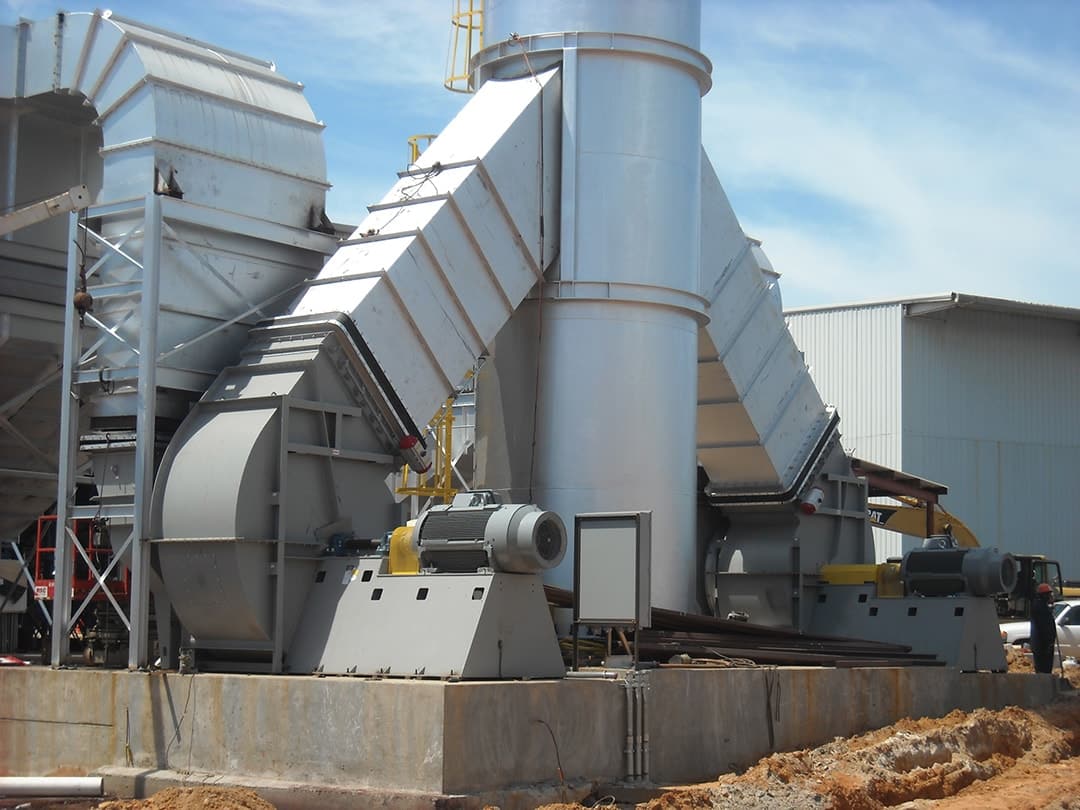
High-Temperature Industrial Smoke Spill Unit - Heavy-Duty Ventilation System
View DetailsMaintaining clean air in large storage or industrial spaces is essential for worker comfort and product safety. Industrial odor control equipment for warehouse environments helps remove unwanted smells and airborne contaminants that can affect operations or stored goods. These systems are designed to support healthy conditions and ensure compliance with air quality regulations.
Warehouses often store chemicals, food materials, or industrial parts that release odors or vapors. Over time, these can create an unpleasant atmosphere or even cause corrosion and damage. Installing odor control systems helps neutralize these emissions before they spread throughout the building. It also supports a safer environment for workers and protects inventory from contamination.
Odor control equipment for warehouse applications combines several air treatment technologies. The setup depends on the type of odor source, airflow requirements, and building design. Each component serves a specific role in removing or neutralizing contaminants.
| Component | Purpose |
|---|---|
| Activated carbon filters | Absorb volatile organic compounds and trap odor molecules |
| Fume scrubbers | Use liquid or chemical solutions to clean exhaust gases |
| Dust collectors | Capture fine particles that carry odor residues |
| Exhaust blowers | Maintain proper air circulation and pressure balance |
In industrial settings, odor control is closely linked to safety and compliance. Systems should align with local emission guidelines and support workplace health standards. Energy-efficient designs help reduce operating costs while maintaining steady airflow and filtration rates. Regular maintenance keeps the system effective and ensures consistent air quality.
Different odor control systems are suited to different warehouse conditions. Understanding their key features helps you choose the most effective setup for your facility.
| System Type | Best Use Case | Energy Efficiency | Maintenance Level |
|---|---|---|---|
| Fume Scrubber System | Removes chemical and solvent odors | High | Moderate |
| Dust Collector System | Controls dry particulate odors | Medium | Low |
| Fresh Air Handling Unit | General ventilation for large spaces | High | Low |
Odor control equipment can be added to existing HVAC or exhaust systems. Engineers design layouts where filters, scrubbers, and blowers work together to treat air before it exits the facility. Automated monitoring helps maintain efficiency and detect performance issues early. This integration supports long-term reliability and keeps maintenance simple.
Aeppl provides engineered odor control and ventilation systems for warehouses and industrial plants. Products such as the Industrial Fume Scrubber System and Industrial Dust Collector System deliver reliable filtration and durable performance for continuous operation. Each unit is built to match airflow needs, space constraints, and odor type.
Choosing odor control equipment for warehouse use involves evaluating air volume, odor source, and maintenance access. Aeppl engineers work closely with facility teams to design systems that meet production requirements and sustainability goals. Proper sizing and installation ensure consistent performance and help reduce lifetime costs.
Aerotech Equipments and Projects Pvt. Ltd. (Aeppl) is a trusted Indian manufacturer of industrial air handling and odor control systems. With decades of engineering experience, Aeppl delivers dependable solutions for air purification, fume extraction, and ventilation across industries. Visit Aeppl
It is specialized air treatment machinery that removes or neutralizes odors from storage and industrial spaces using filters, scrubbers, and ventilation systems.
It enhances air quality, protects stored goods, and ensures compliance with occupational health and environmental standards.
Common technologies include activated carbon filters, chemical scrubbers, dust collectors, and high-capacity exhaust blowers.
Yes, most systems can be connected to existing HVAC or exhaust setups for continuous air treatment and improved efficiency.
Regular inspection of filters, ductwork, and scrubber media ensures consistent performance and prevents odor recurrence.
Modern designs use variable-speed motors and optimized airflow paths to reduce energy consumption while maintaining filtration effectiveness.
Installing properly sized odor control equipment and maintaining it according to manufacturer guidelines helps meet local and national emission norms.
Airflow volume, pollutant type, space availability, and maintenance accessibility determine the right system configuration.
Aeppl designs and manufactures tailored systems based on warehouse size, odor type, and operational requirements.
You can reach Aeppl at sales@aeppl.com or call +91-9599785811, +91 8377077661, +91 9810162210 for technical consultation and quotations.