
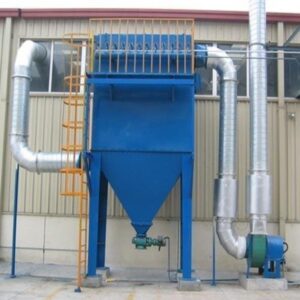
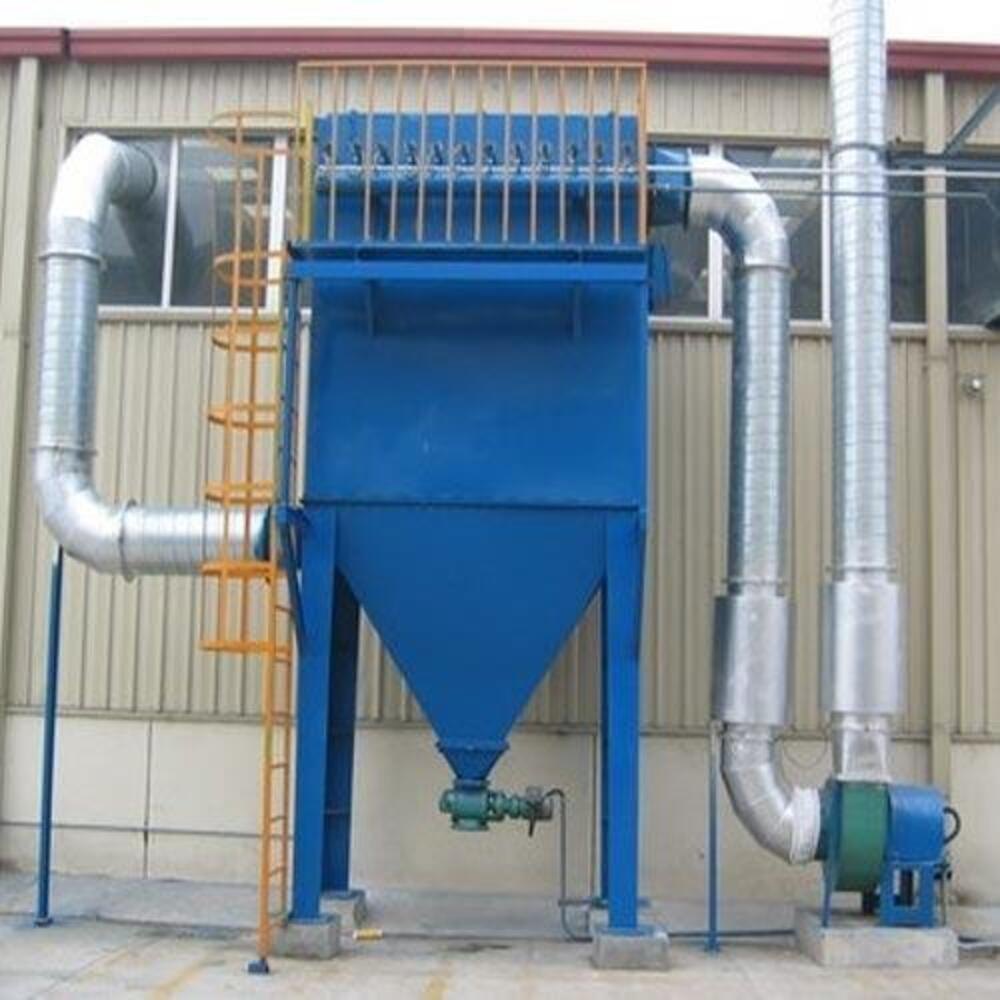
Industrial Dust Collection and Air Pollution Control System – High Efficiency Filter Unit
View Details
Industrial Dust Collection and Air Pollution Control System – High Efficiency Filter Unit
View Details
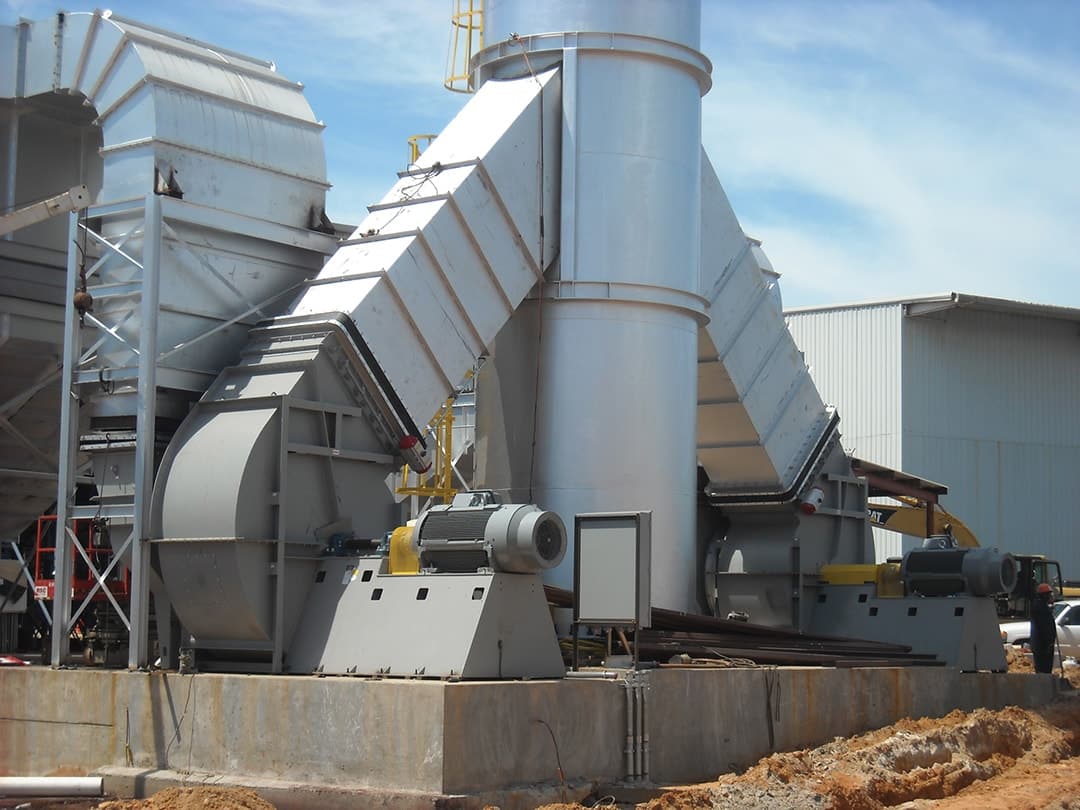
Industrial Fume Scrubber System - High-Efficiency Air Pollution Control Unit
View Details
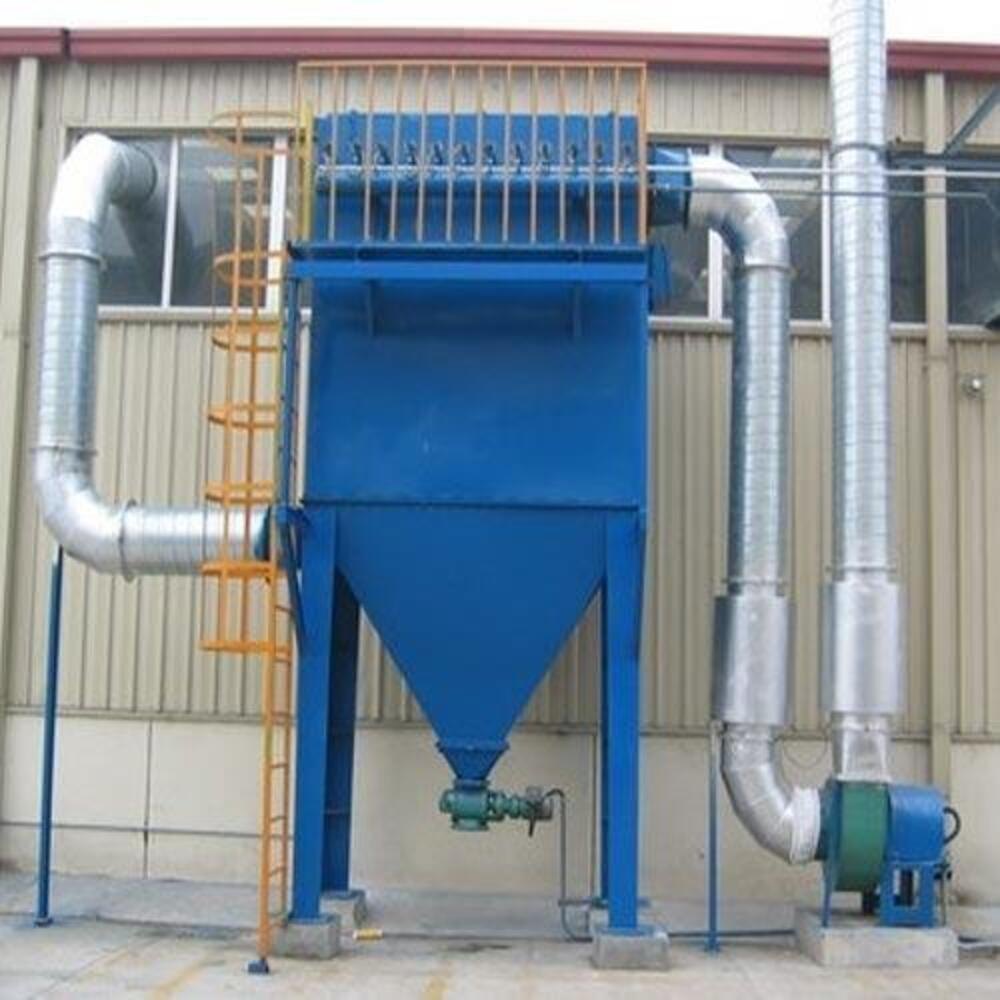
Industrial Dust Collector System – High Efficiency Air Pollution Control Unit
View Details
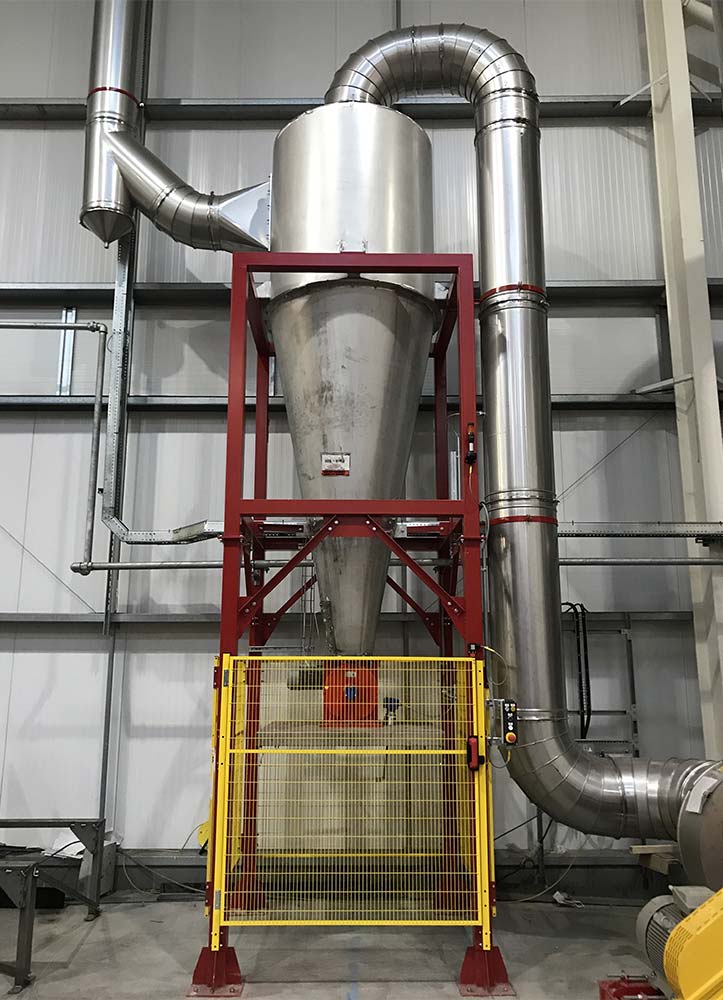
Industrial Venturi Scrubber System – High-Efficiency Air Pollution Control Unit
View Details
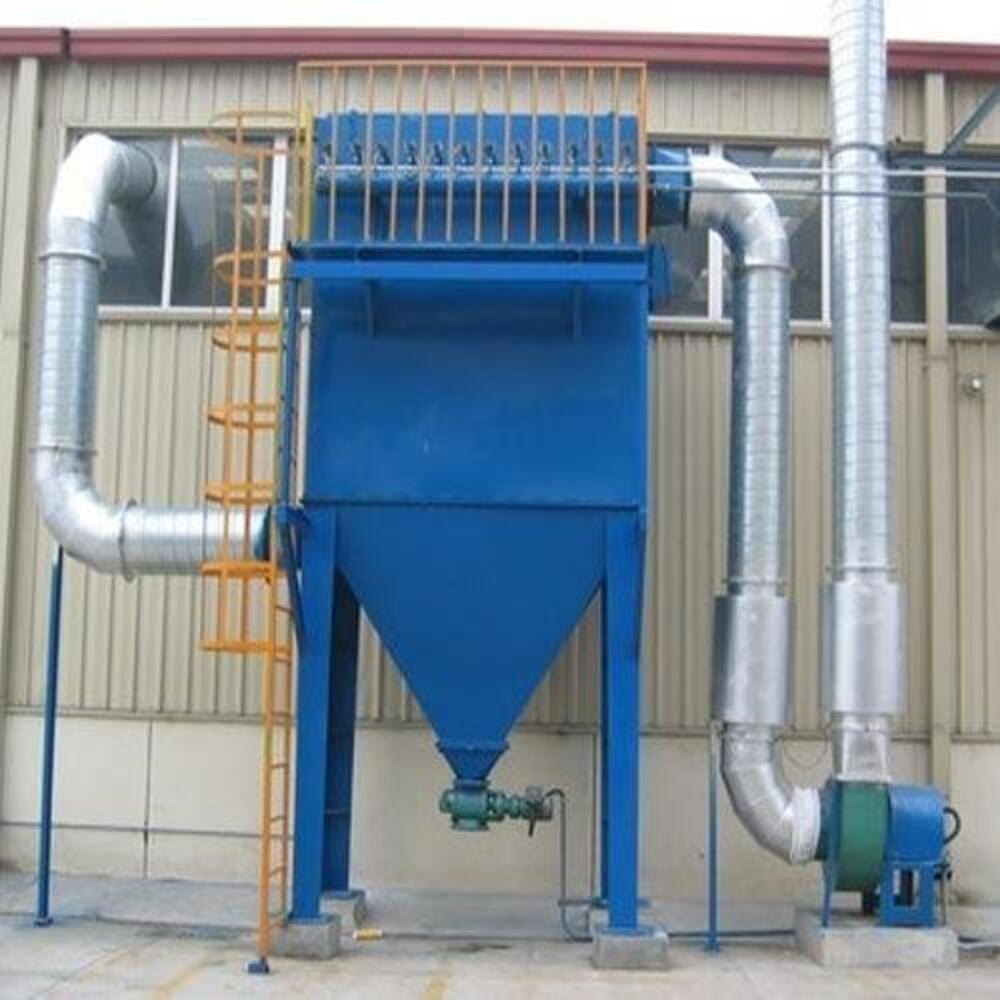
Industrial Pulse Jet Bag Filter System - High-Efficiency Dust Collector
View Details
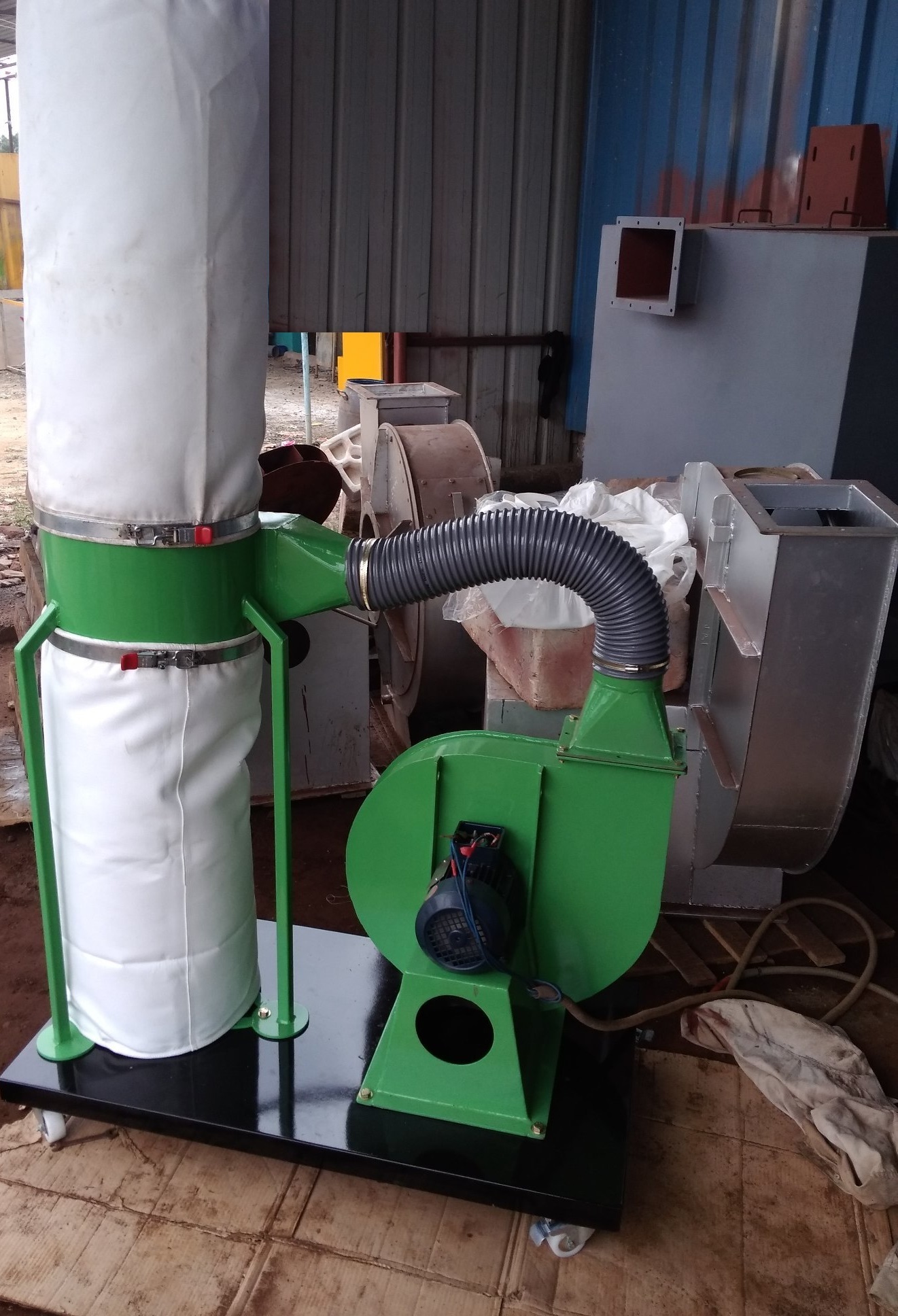
Industrial Portable Dust Collector - High-Efficiency Filtration System
View Details

Industrial Venturi Scrubber System - High-Efficiency Air Pollution Control Unit
View Details
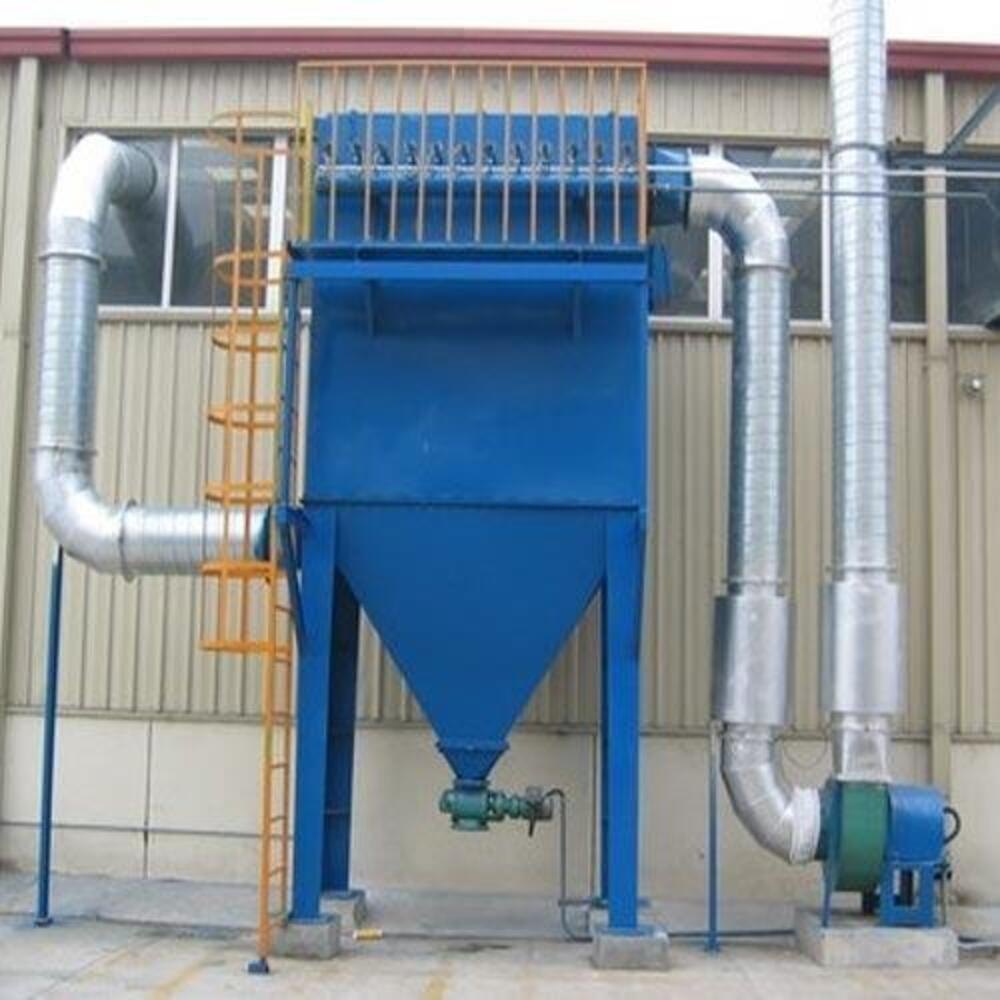
Industrial Pulse Jet Dust Collector - High Efficiency Filtration System
View DetailsPollution control systems are essential for maintaining air quality in manufacturing and processing plants. These systems capture dust, fumes, and other airborne pollutants before they reach the environment or workspace. Aeppl provides reliable solutions designed for different industries, helping operations meet environmental standards while keeping employees safe.
Factories in cement, steel, chemical, pharmaceutical, and power sectors depend on pollution control systems to manage emissions. By selecting the right setup, plant managers can improve efficiency, reduce maintenance downtime, and ensure compliance with local and global regulations. Each system type is chosen based on the process characteristics and pollutant type.
| Factor | Impact on Operations |
|---|---|
| Airflow Efficiency | Improves filtration quality and reduces power usage. |
| Material Construction | Ensures durability against heat, corrosion, and wear. |
| Maintenance Accessibility | Simplifies cleaning and part replacement. |
| Emission Compliance | Helps meet CPCB and ISO environmental standards. |
Selecting a pollution control system depends on the type of pollutants, airflow rate, and available space. Engineers study factors like pressure drop and filter media before recommending a design. Aeppl’s technical team helps clients customize systems for both wet and dry filtration needs, ensuring the best fit for each facility.
Energy-saving features such as variable frequency drives and efficient fan designs are now common in pollution control systems. These upgrades reduce energy costs and improve long-term sustainability. Manufacturers are also focusing on meeting national and international emission targets as part of broader environmental commitments.
Pollution control systems are designed to connect smoothly with existing ductwork and control setups. Proper planning ensures balanced airflow and minimal pressure loss. Aeppl supports engineers and contractors with detailed drawings, installation guidance, and commissioning support to make sure each project runs efficiently from start to finish.
| System Type | Best Use Case | Maintenance Frequency |
|---|---|---|
| Venturi Scrubber | Wet particulate removal | Moderate |
| Pulse Jet Bag Filter | Dry dust collection | Low |
| Fume Scrubber | Chemical gas neutralization | High |
Consistent performance depends on regular maintenance and prompt servicing. Aeppl offers inspection services, spare parts, and technical audits to keep systems running efficiently. Clients can contact the engineering team at +91-9599785811, +91-8377077661, +91-9810162210 or email sales@aeppl.com for project discussions and service scheduling.
Aeppl (Aerotech Equipments and Projects Pvt. Ltd.) designs and manufactures air handling and pollution control systems for industrial applications. The company is known for reliable engineering and practical solutions that help industries meet environmental goals while maintaining productivity. Visit Aeppl
Pollution control systems reduce airborne contaminants like dust, fumes, and gases produced during industrial operations.
They capture harmful particles and gases, helping maintain cleaner air and safer conditions for workers.
Industries such as cement, steel, pharmaceuticals, food processing, and power generation rely on these systems for emission control.
Wet scrubbers use liquid to trap pollutants, while dry dust collectors use filter media to capture particles from air streams.
Modern systems often include energy-saving fans and variable frequency drives that lower power consumption.
Service schedules depend on use and dust levels, but most systems benefit from inspection every six months.
Yes, many systems can connect to PLCs and sensors for automated performance monitoring and control.
They comply with ISO, CPCB, and other local environmental regulations depending on the region and industry.
Aeppl engineers tailor each system to match plant processes and emission requirements for precise results.
You can reach Aeppl at +91-9599785811, +91-8377077661, +91-9810162210 or email sales@aeppl.com for support and inquiries.