
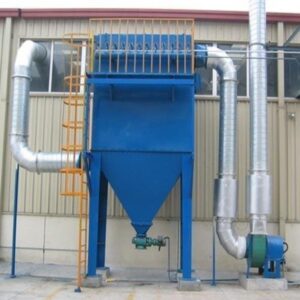
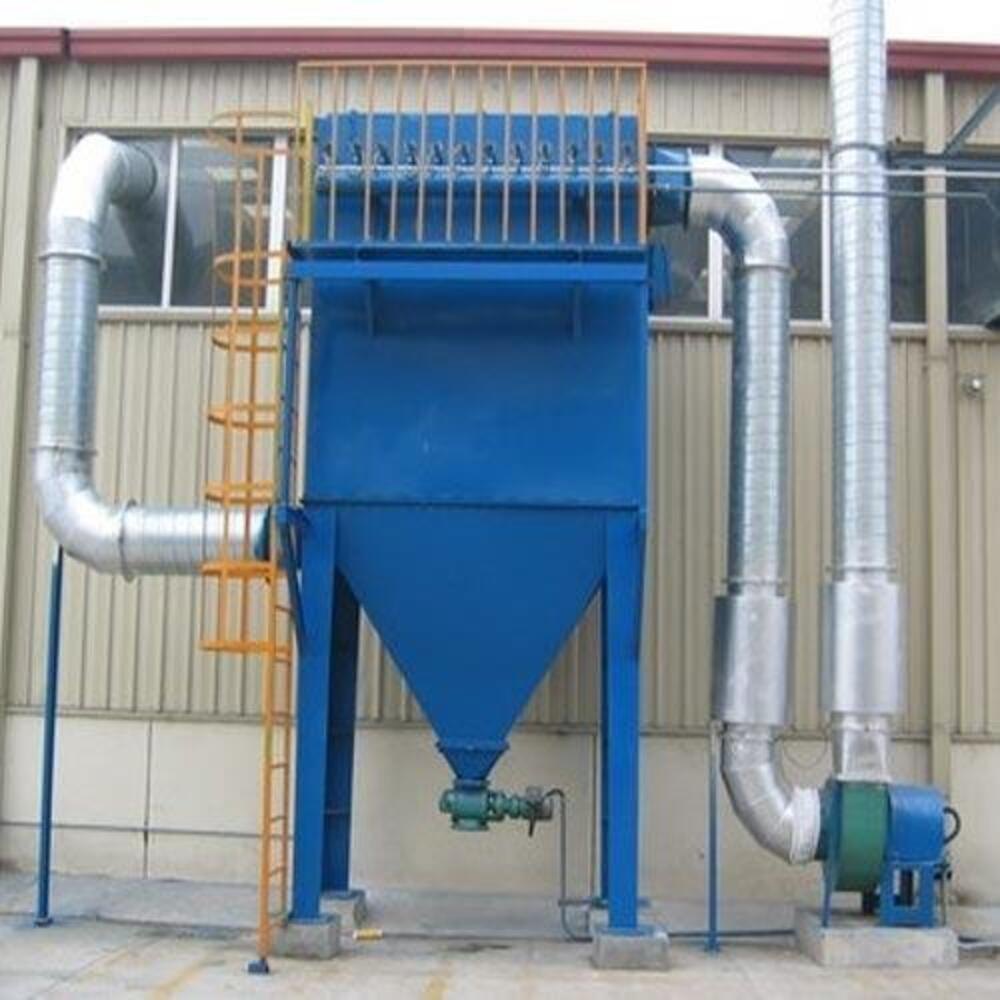
Industrial Dust Collection and Air Pollution Control System – High Efficiency Filter Unit
View Details
Industrial Dust Collection and Air Pollution Control System – High Efficiency Filter Unit
View Details
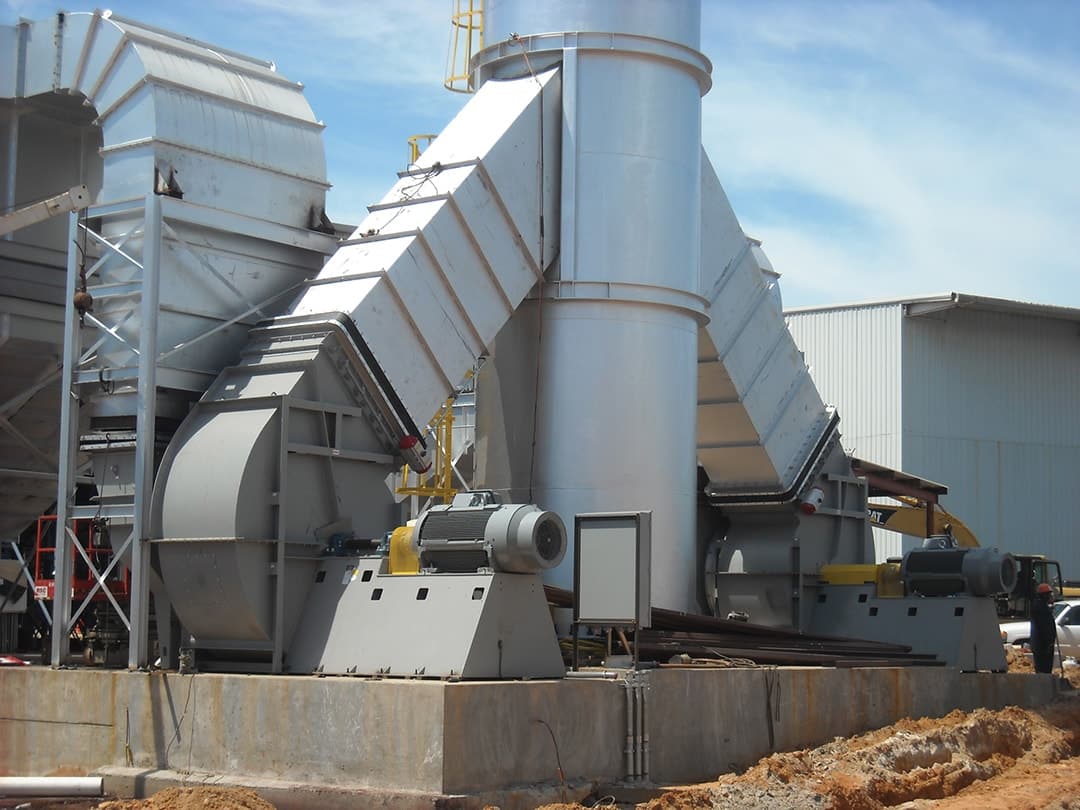
Industrial Fume Scrubber System - High-Efficiency Air Pollution Control Unit
View Details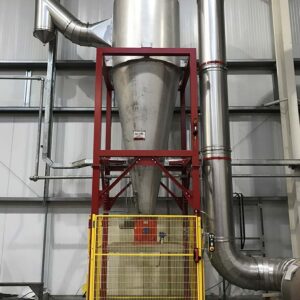
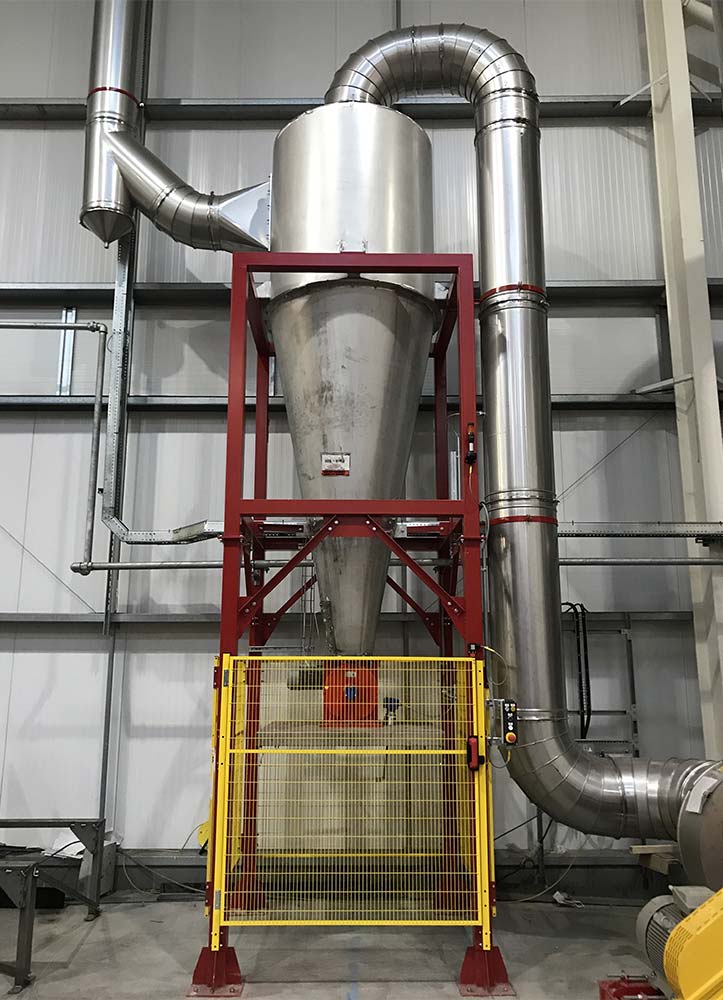
Industrial Venturi Scrubber System – High-Efficiency Air Pollution Control Unit
View Details
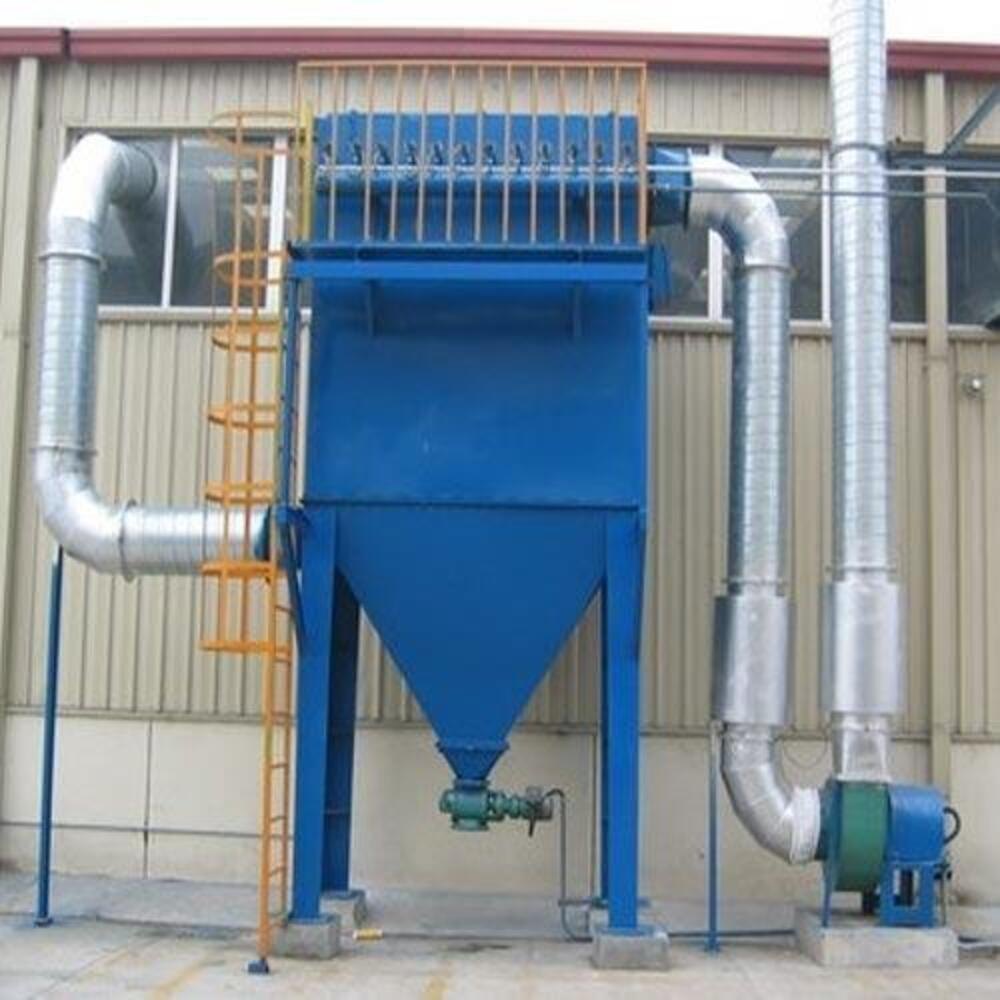
Industrial Dust Collector System – High Efficiency Air Pollution Control Unit
View Details

Industrial Venturi Scrubber System - High-Efficiency Air Pollution Control Unit
View Details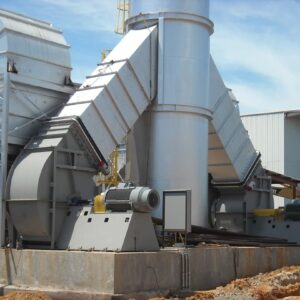
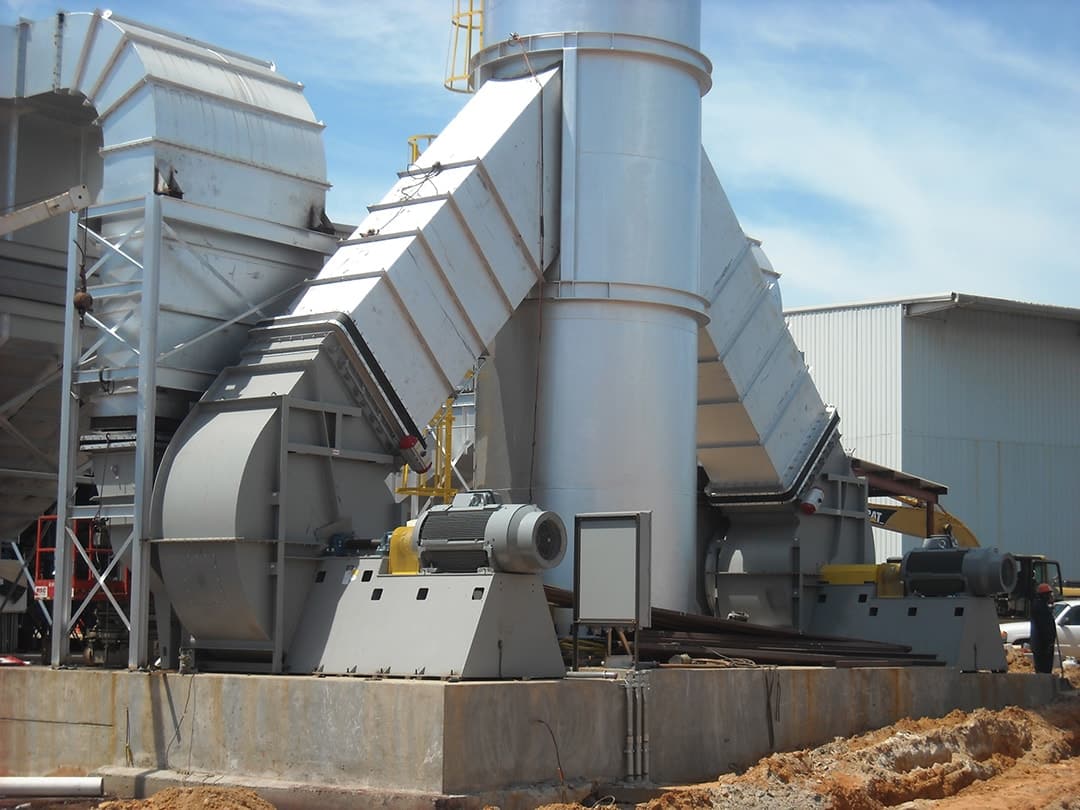
Industrial Smoke Spill Exhaust Unit - High-Temperature Ventilation System
View Details
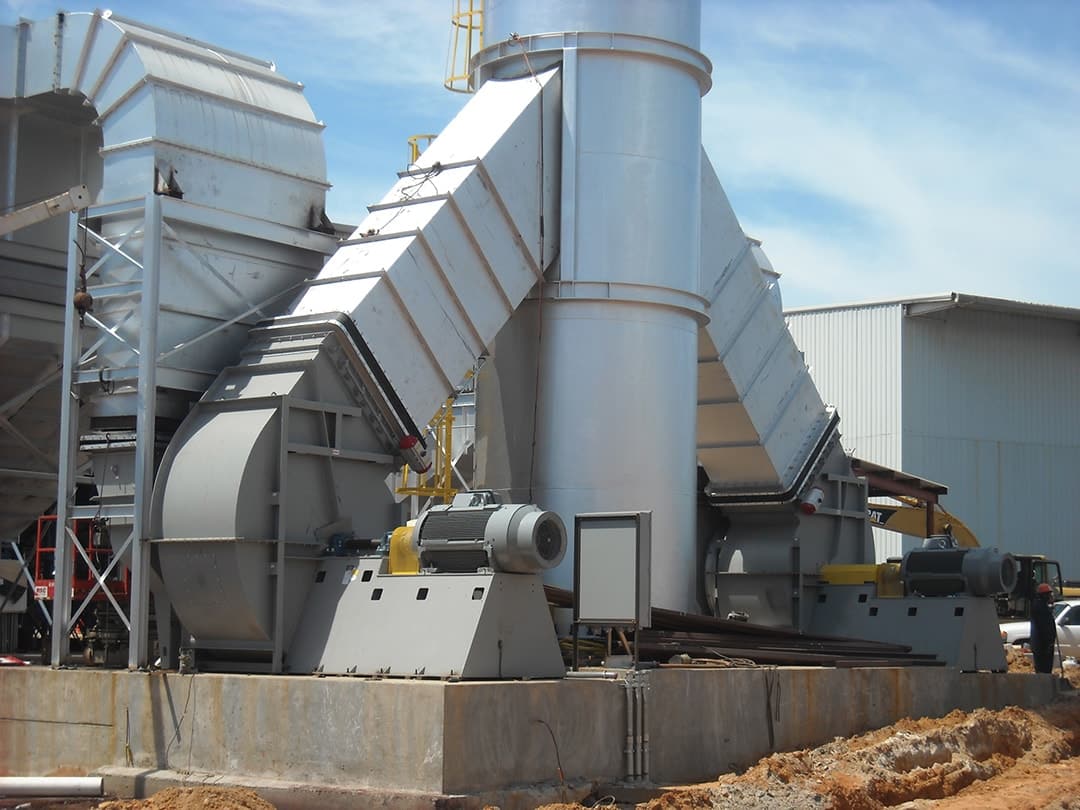
High-Temperature Industrial Smoke Spill Unit - Heavy-Duty Ventilation System
View Details
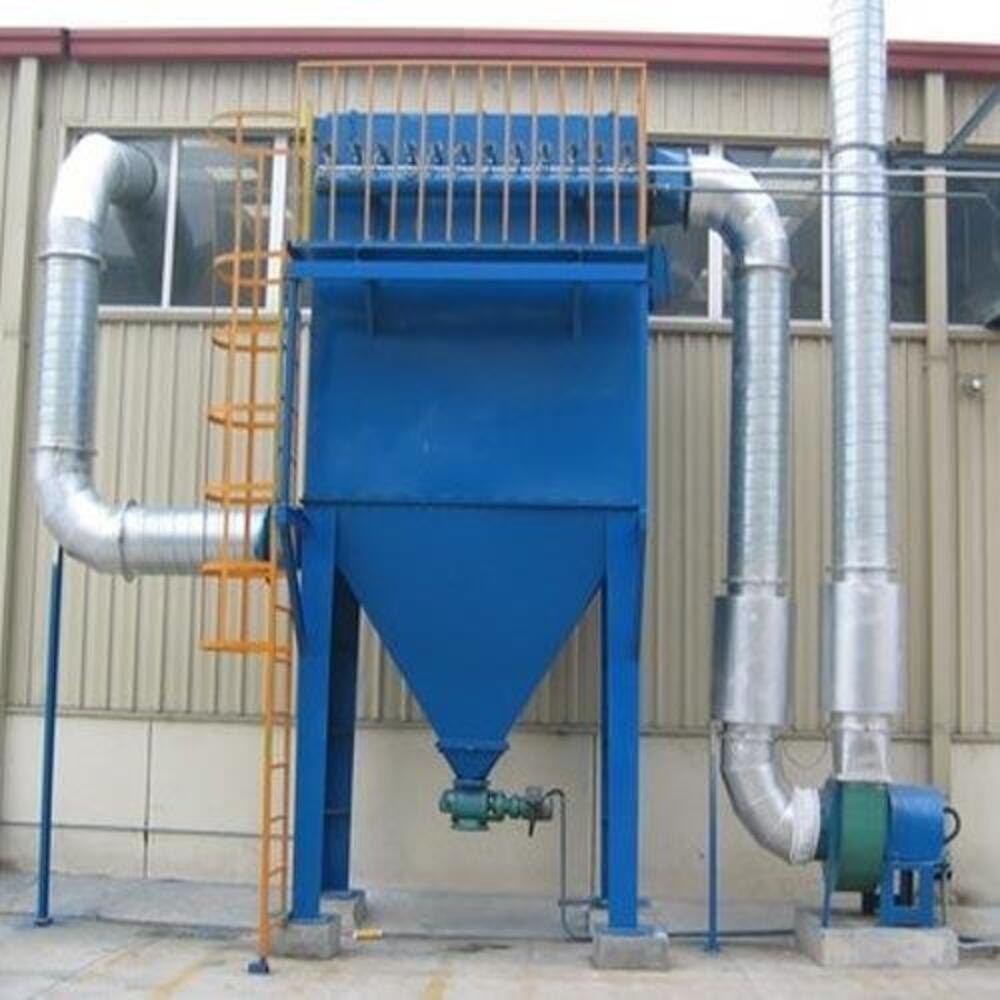
Industrial Mechanical Dust Collector System - High-Efficiency Air Filtration Unit
View DetailsManaging air quality in a manufacturing environment is essential for worker safety, equipment longevity, and environmental responsibility. A pollution control unit for manufacturing helps capture dust, fumes, and gases that are released during production processes. By installing the right system, plants can maintain cleaner air and comply with government and industry standards.
Manufacturing facilities often face challenges with airborne contaminants from welding, grinding, chemical mixing, and other industrial operations. These emissions can cause health hazards and reduce productivity if not properly managed. A well-designed pollution control unit addresses these issues by filtering and treating exhaust before it reaches the atmosphere.
Pollution control systems are engineered to handle specific types of pollutants. For example, dry dust collectors are suited for particulate matter, while wet scrubbers handle chemical vapors and acidic gases. The choice depends on the type of process, emission characteristics, and required filtration efficiency. Manufacturers who invest in reliable systems benefit from cleaner operations, smoother maintenance schedules, and better compliance outcomes.
These features make pollution control units a practical addition to modern industrial setups. They are designed not only to meet emission norms but also to support long-term sustainability goals.
| System Type | Typical Application | Filtration Efficiency | Maintenance Level |
|---|---|---|---|
| Venturi Scrubber | Wet chemical and vapor processes | High | Moderate |
| Fume Scrubber | Corrosive or acidic gas removal | Very High | Low |
| Dust Collector | Dry particulate extraction | High | Low |
Each system has distinct advantages depending on the manufacturing process. Venturi scrubbers are ideal for gas-phase reactions, while dust collectors are preferred in sectors like cement and metal fabrication.
Pollution control units can be connected to current ventilation networks with minimal downtime. They work alongside ducting and exhaust systems to ensure balanced airflow and efficient pollutant removal. Integration planning involves assessing air volume, pressure drop, and space constraints to achieve optimal performance.
| Feature | Benefit |
|---|---|
| Heavy-duty construction | Provides long service life under continuous use |
| Efficient airflow design | Reduces energy consumption and improves filtration |
| Custom-engineered layout | Tailored to plant specifications and emission profiles |
| Responsive support | Quick assistance for installation and maintenance |
Aeppl engineers design pollution control units for manufacturing environments that demand consistent performance. Each system undergoes testing for airflow stability, pressure levels, and particulate capture efficiency before delivery.
With tightening emission regulations, manufacturers must adopt systems that meet CPCB and international standards. Aeppl equipment supports these compliance goals while helping plants reduce their carbon footprint. Beyond environmental benefits, cleaner air translates into better worker health and operational reliability.
For detailed specifications or technical consultation, contact Aeppl at +91-9599785811, +91 8377077661, or +91 9810162210. You can also email sales@aeppl.com for product recommendations suited to your facility.
Aerotech Equipments and Projects Pvt. Ltd. (Aeppl) is an Indian manufacturer of industrial air handling and pollution control equipment. The company focuses on engineering reliability and sustainable performance for heavy-duty applications. Visit Aeppl
It is an industrial system designed to capture and treat dust, fumes, and gases generated during manufacturing processes, improving air quality and compliance.
By removing harmful airborne contaminants, it reduces worker exposure to hazardous particles and maintains safe breathing conditions in production areas.
They are used in metal fabrication, cement production, chemical processing, pharmaceuticals, textiles, and other sectors with airborne emissions.
Key factors include emission type, particle size, airflow volume, chemical composition, and desired filtration efficiency.
Wet scrubbers are suited for gas and vapor treatment, while dry dust collectors handle solid particulates. The choice depends on the manufacturing process.
Yes, modern units include automation-ready controls for monitoring performance, pressure drop, and maintenance alerts.
Routine inspection of filters, fans, and ducting ensures consistent performance and prevents buildup of contaminants.
They reduce harmful emissions, minimize environmental impact, and help manufacturers meet regulatory and ESG compliance targets.
Aeppl designs systems tailored to process requirements, space constraints, and emission profiles for optimal efficiency.
Reach Aeppl at +91-9599785811, +91 8377077661, +91 9810162210 or email sales@aeppl.com for product selection and engineering assistance.