
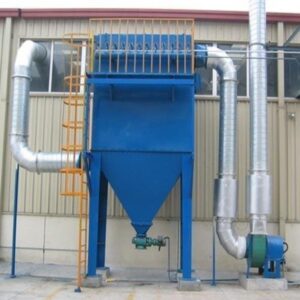
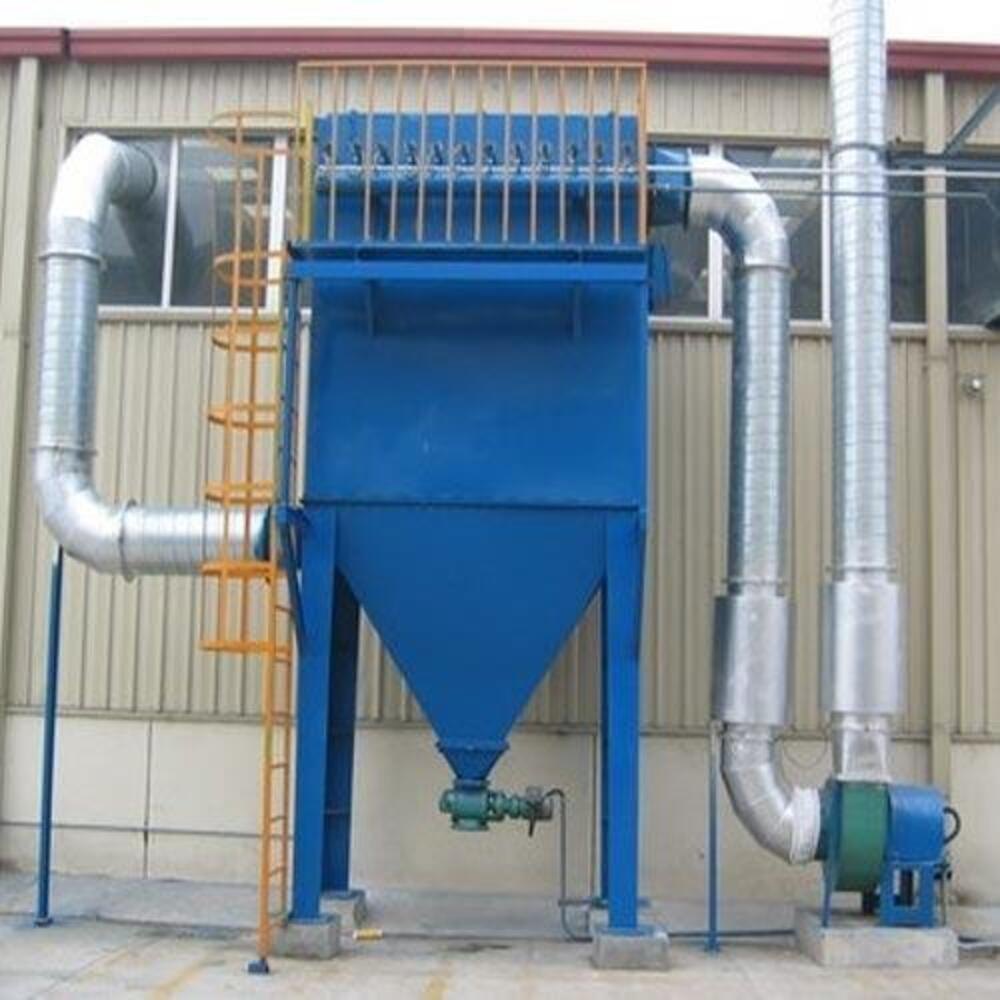
Industrial Dust Collection and Air Pollution Control System – High Efficiency Filter Unit
View Details
Industrial Dust Collection and Air Pollution Control System – High Efficiency Filter Unit
View Details
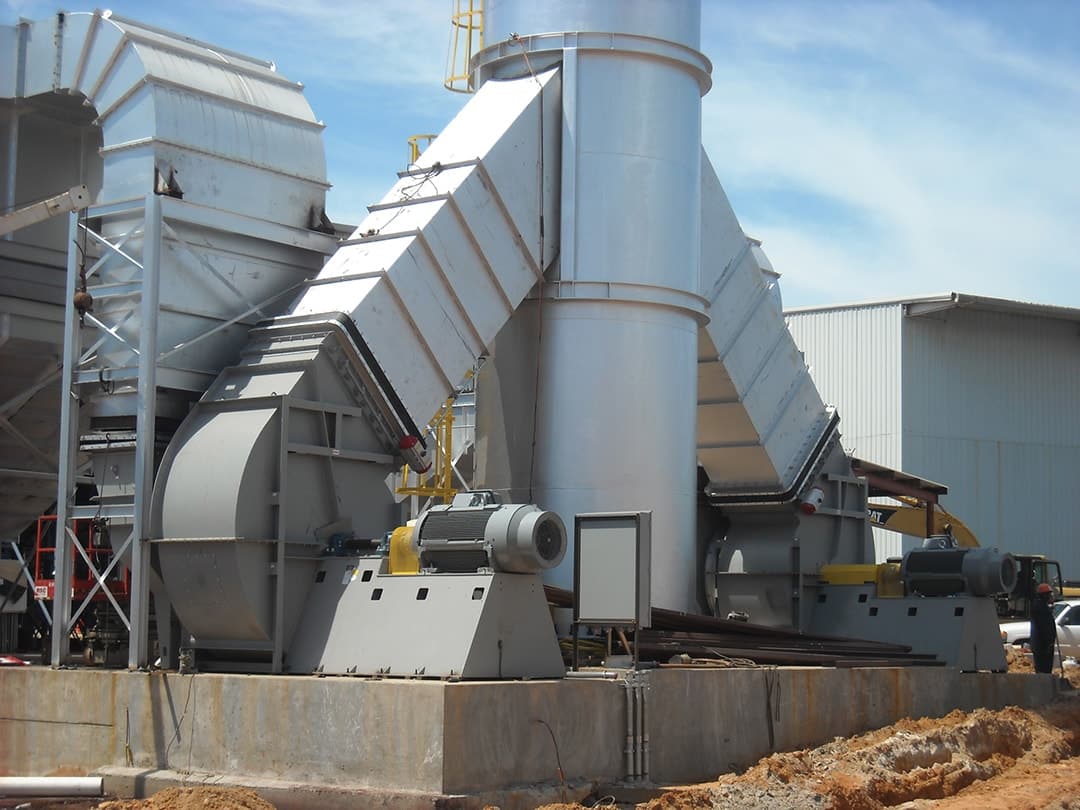
Industrial Fume Scrubber System - High-Efficiency Air Pollution Control Unit
View Details
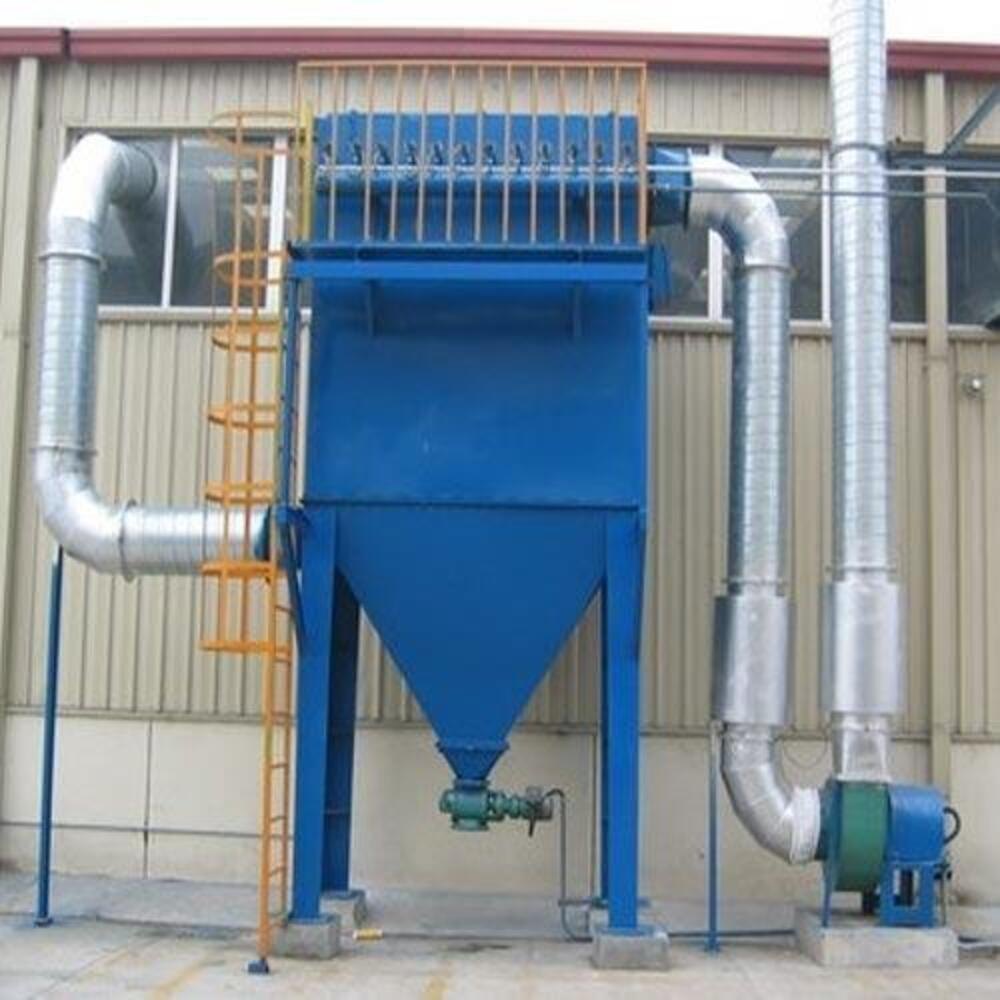
Industrial Dust Collector System – High Efficiency Air Pollution Control Unit
View Details
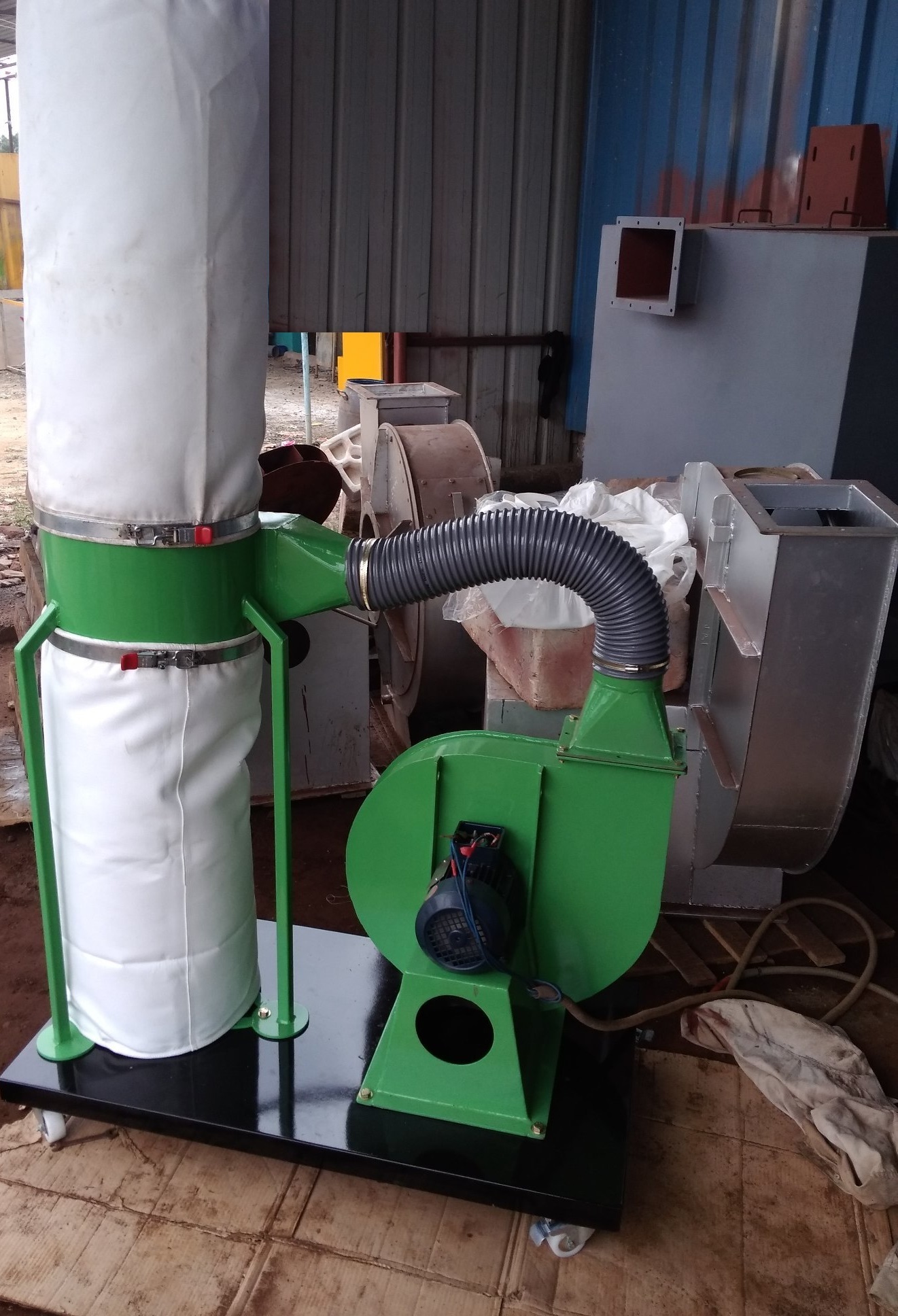
Industrial Portable Dust Collector - High-Efficiency Filtration System
View Details
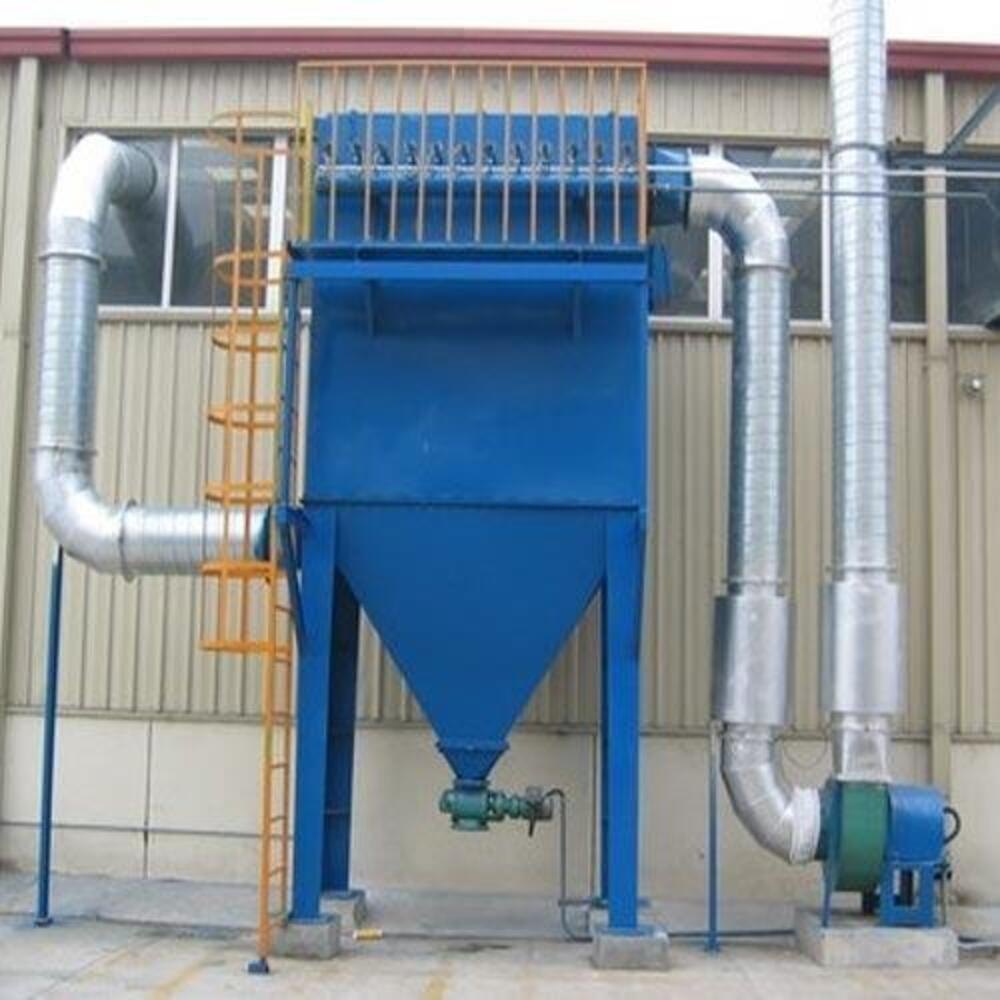
Industrial Pulse Jet Dust Collector - High Efficiency Filtration System
View Details
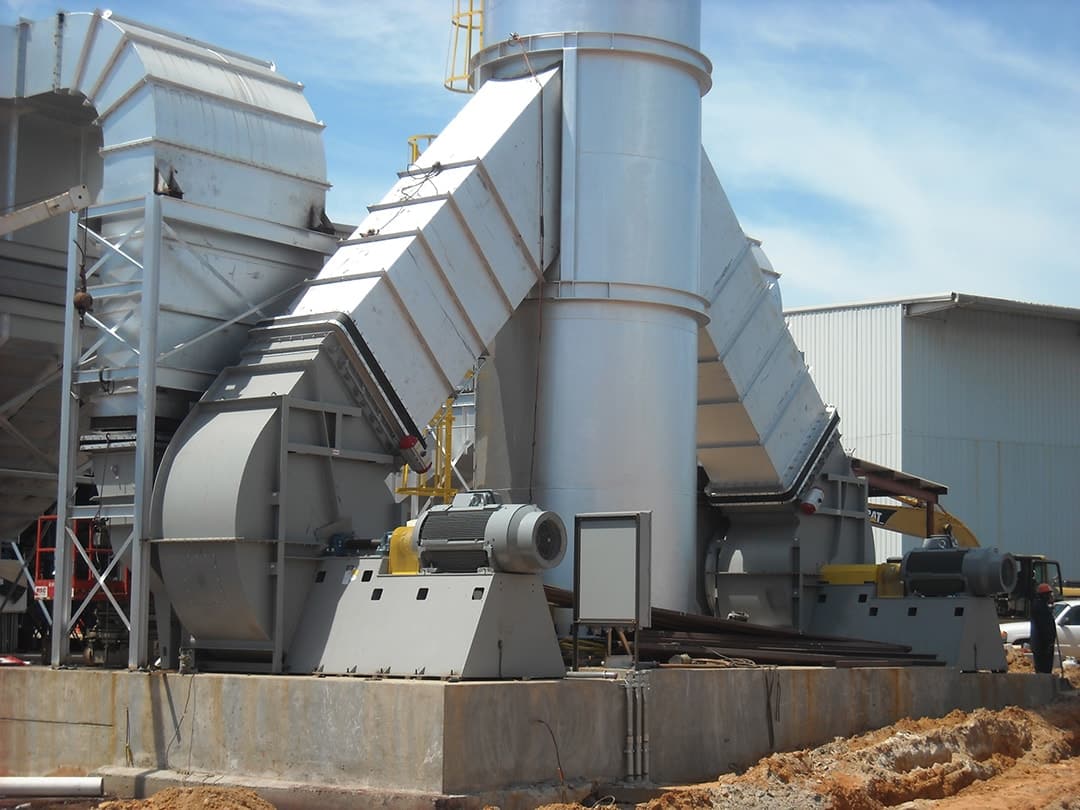
Industrial Smoke Spill Exhaust Unit - High-Temperature Ventilation System
View Details
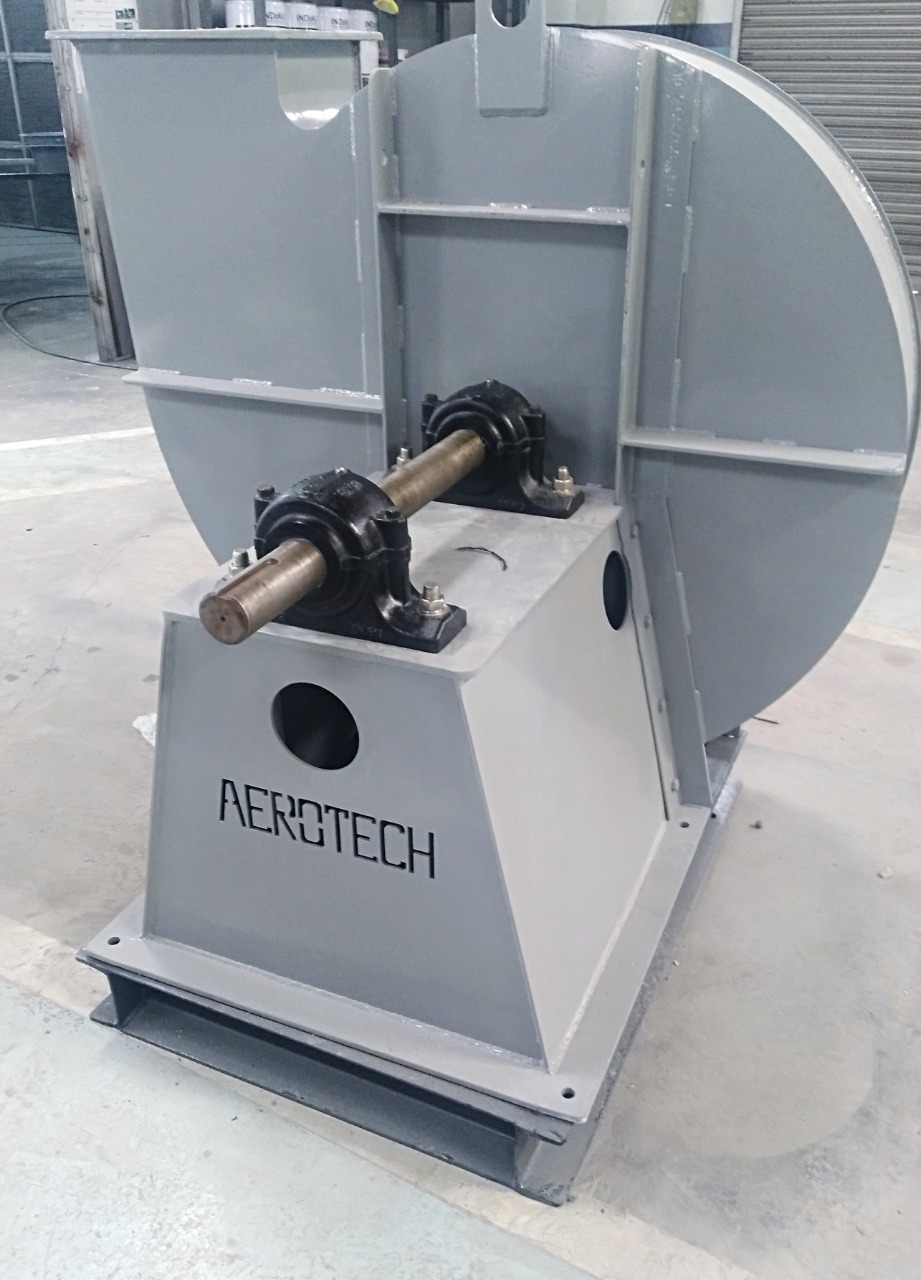
Industrial Centrifugal Exhaust Blower – Heavy Duty Steel Housing
View Details
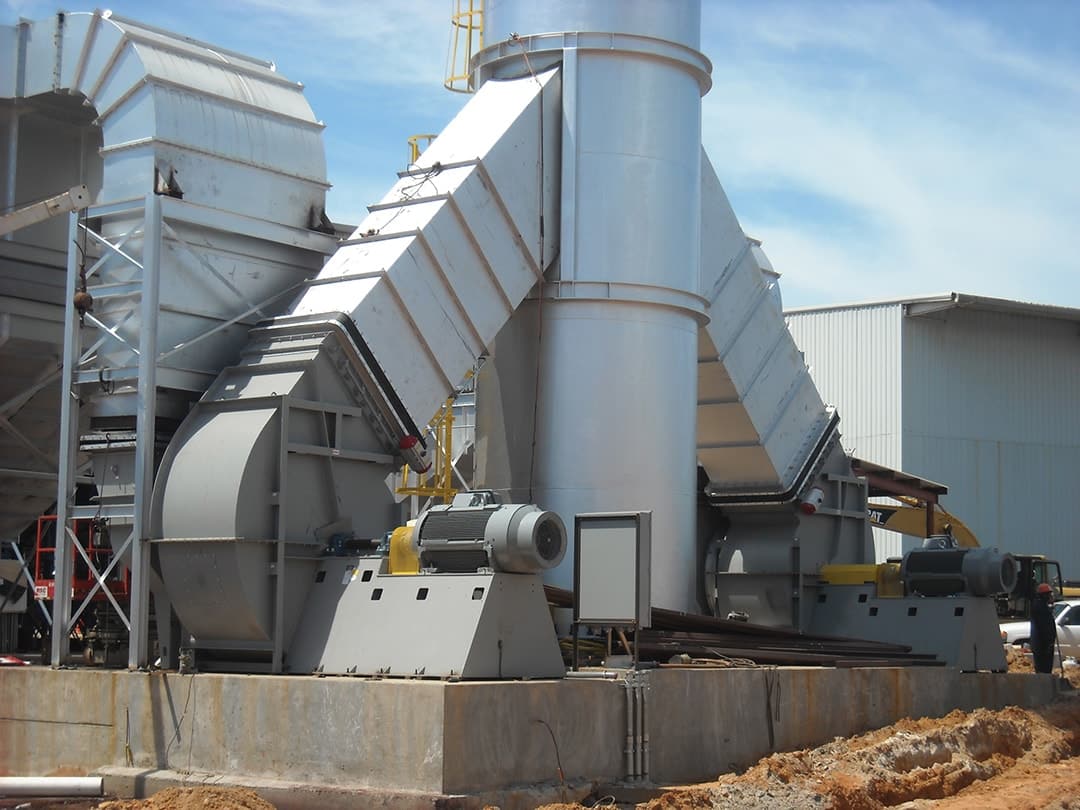
Industrial Fume Extraction System - High-Efficiency Air Filtration Unit
View DetailsIndustries around the world face growing pressure to reduce their environmental impact. Air, water, and soil pollution regulations are becoming stricter, and businesses need reliable ways to stay compliant while maintaining productivity. This page explores practical industrial pollution control solutions that help facilities operate responsibly and efficiently.
Industrial pollution occurs when manufacturing processes release contaminants into the environment. These pollutants can include particulate matter, volatile organic compounds (VOCs), heavy metals, and chemical waste. Controlling these emissions is essential not only for regulatory compliance but also for protecting workers and communities near industrial sites.
Different industries require different approaches to pollution management. The most effective solutions combine engineering design, process optimization, and environmental monitoring.
Air emissions are one of the most visible forms of industrial pollution. Equipment such as scrubbers, filters, and electrostatic precipitators help remove harmful particles and gases from exhaust streams. Proper maintenance and calibration ensure these systems perform efficiently over time.
Industrial facilities often generate wastewater containing chemicals, oils, and solids. Treating this water before discharge prevents contamination of rivers and groundwater. Common methods include sedimentation, biological treatment, and advanced membrane filtration.
Managing industrial waste involves recycling usable materials and safely disposing of hazardous substances. Segregation and proper labeling are key steps to prevent cross-contamination and improve recovery rates.
When selecting pollution control technology, consider factors such as process type, emission volume, and local environmental standards. Equipment should be durable, easy to maintain, and compatible with existing systems. Reliable suppliers like Aeppl provide tested solutions built to meet industry demands.
| Pollution Type | Control Method | Typical Equipment |
|---|---|---|
| Air | Filtration and gas absorption | Scrubbers, bag filters, catalytic converters |
| Water | Treatment and recycling | Clarifiers, biological reactors, membrane systems |
| Solid | Segregation and disposal | Compactors, shredders, incinerators |
Continuous monitoring is essential for verifying that pollution control systems operate within limits. Sensors and data loggers track emissions and discharge quality. Regular audits help identify inefficiencies and maintain compliance with environmental laws.
Successful pollution control programs start with a detailed assessment of industrial processes. Engineers analyze emission sources and design tailored systems. Staff training ensures proper operation and maintenance. Periodic upgrades keep equipment efficient as standards evolve.
Aeppl specializes in environmental engineering products that help industries manage pollution responsibly. From air filtration units to wastewater treatment components, Aeppl delivers dependable systems backed by expert support.
Modern sensors and automation tools make pollution control more precise and efficient. Data analytics reveal patterns that help optimize performance and reduce waste. With ongoing innovation, companies like Aeppl continue to refine equipment that meets evolving environmental challenges.
Pollution control is not a one-time investment. It requires continuous improvement and commitment from management and staff. Regular inspections, proper documentation, and proactive maintenance help ensure systems remain reliable for years.
Aeppl provides high-quality industrial pollution control solutions designed for performance and reliability. Our team works closely with clients to meet environmental goals and improve operational efficiency. Visit Aeppl
They are technologies and methods used to reduce or eliminate pollutants released during industrial operations, including air, water, and solid waste management systems.
It helps companies comply with environmental regulations, protect worker health, and maintain a positive reputation within their communities.
Common equipment includes scrubbers, bag filters, and electrostatic precipitators that remove harmful particles and gases from industrial exhaust.
They clean industrial wastewater before discharge, using processes like sedimentation and biological treatment to prevent contamination of natural water sources.
Yes, solutions are often tailored to match specific processes, emission levels, and regulatory requirements unique to each facility.
Monitoring ensures that control systems operate effectively and remain within legal emission limits, helping identify issues before they become serious.
They reduce waste, conserve resources, and minimize environmental damage, supporting long-term sustainable industrial practices.
Key considerations include the type of pollutants, process conditions, maintenance needs, and compliance with local environmental standards.
Yes, Aeppl provides a wide range of air filtration and water treatment systems designed for industrial applications.
Aeppl combines engineering expertise with reliable products to help industries meet environmental goals efficiently and responsibly.