
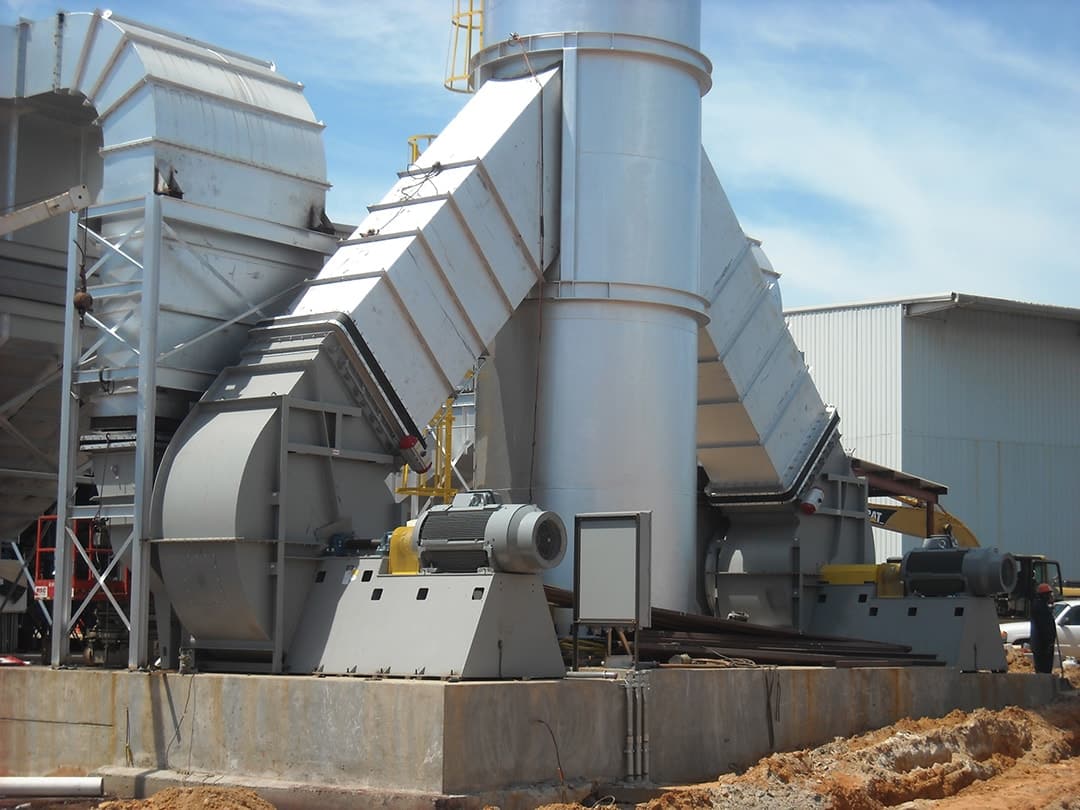
Industrial Smoke Spill Exhaust Unit - High-Temperature Ventilation System
View Details
Industrial Smoke Spill Exhaust Unit - High-Temperature Ventilation System
View Details
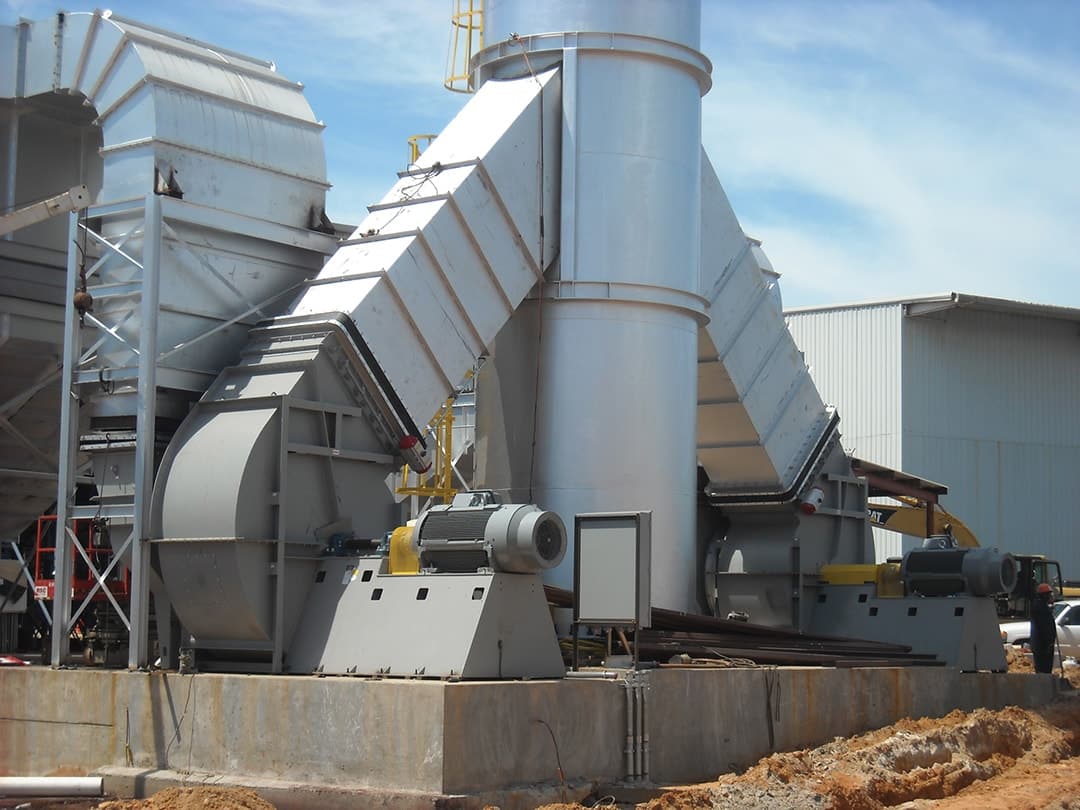
Industrial Fume Scrubber System - High-Efficiency Air Pollution Control Unit
View Details
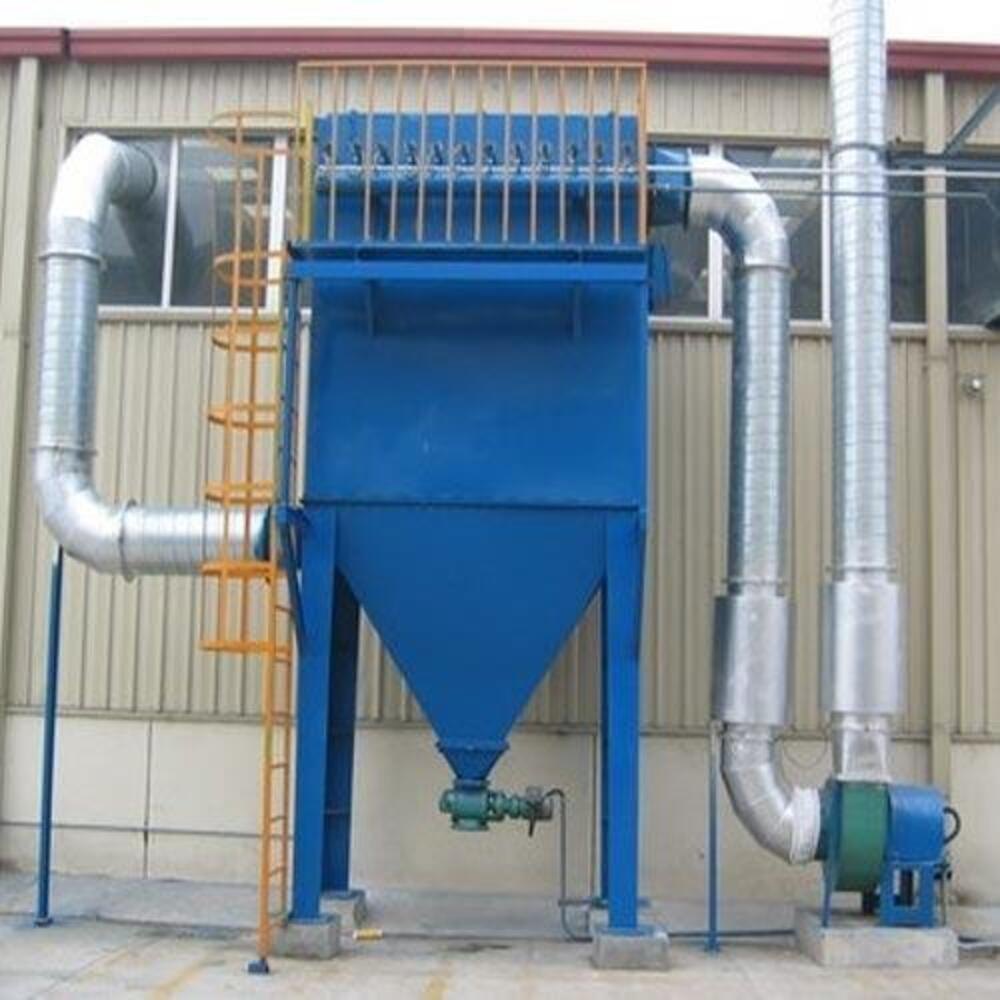
Industrial Dust Collection and Air Pollution Control System – High Efficiency Filter Unit
View Details
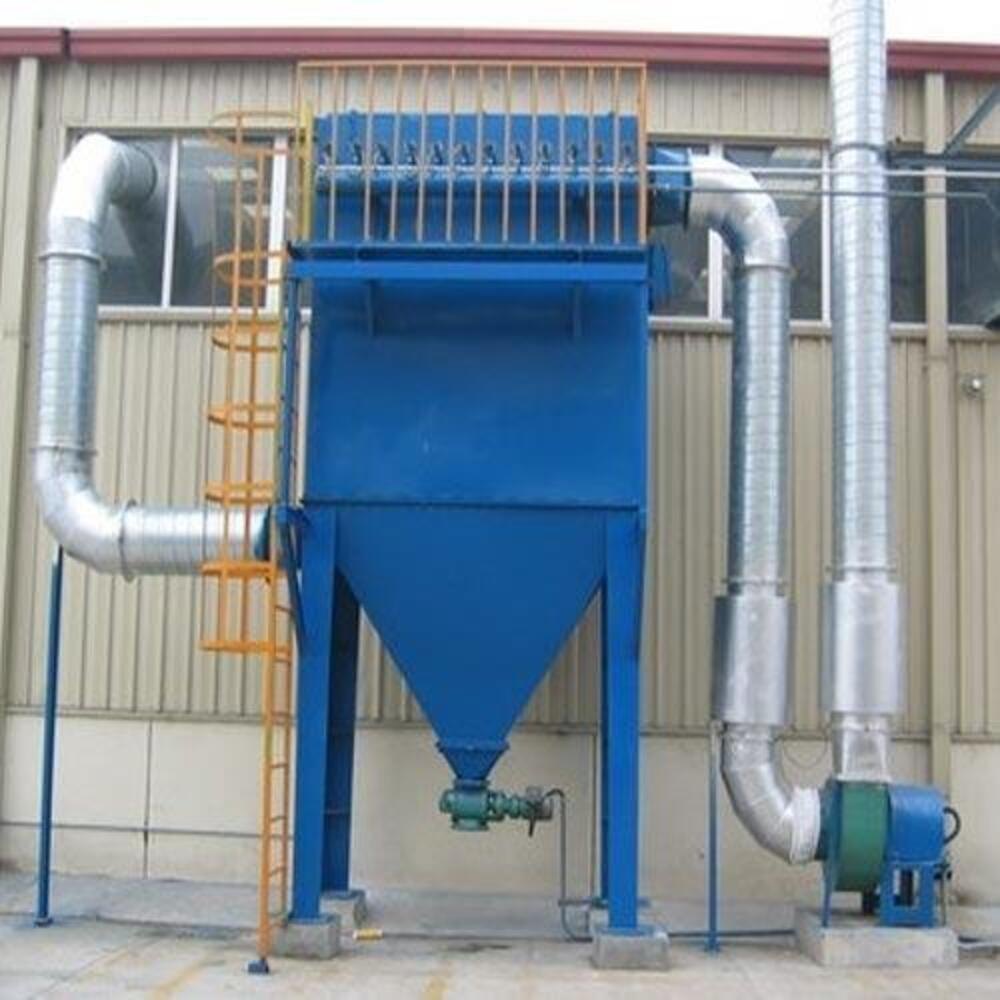
Industrial Dust Collector System – High Efficiency Air Pollution Control Unit
View Details
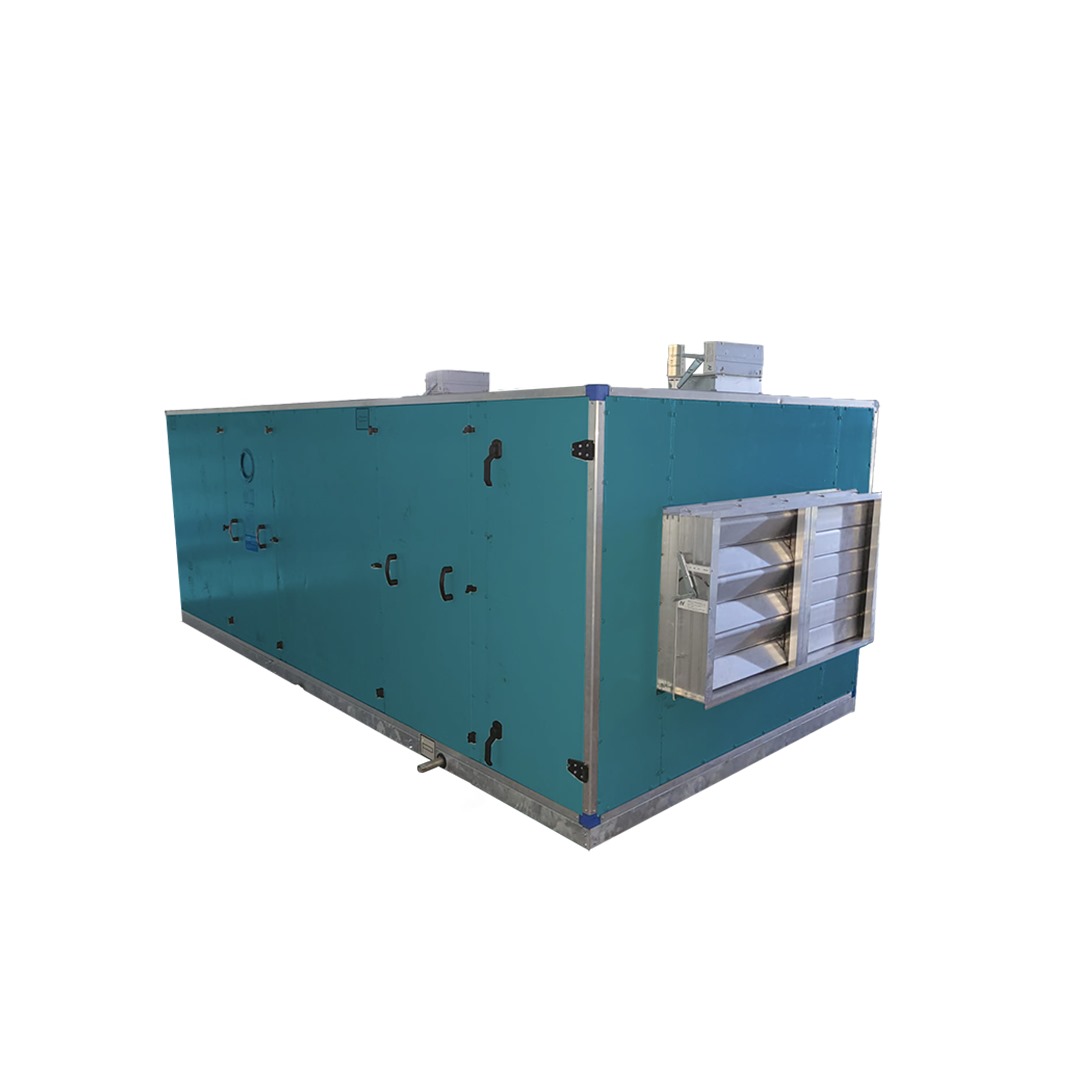
Industrial Modular Air Handling Unit - High Efficiency HVAC System
View Details
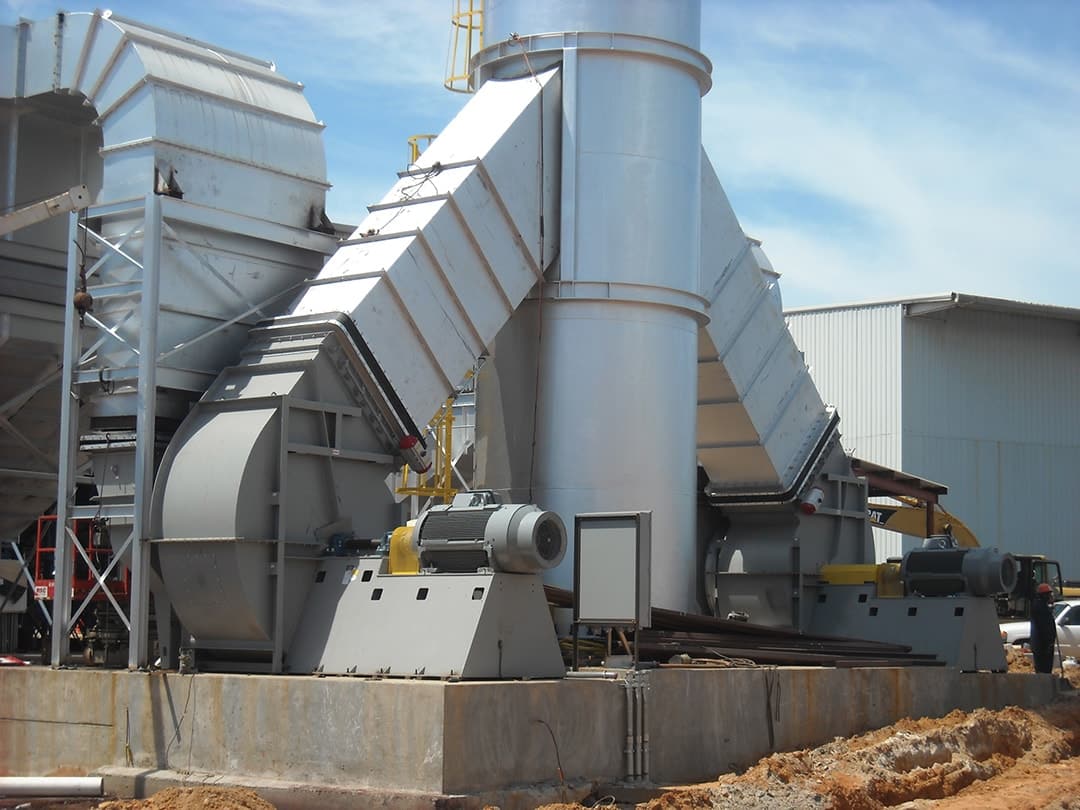
High-Temperature Industrial Smoke Spill Unit - Heavy-Duty Ventilation System
View Details
Industrial Fresh Air Handling Unit – High Efficiency Ventilation System
View Details
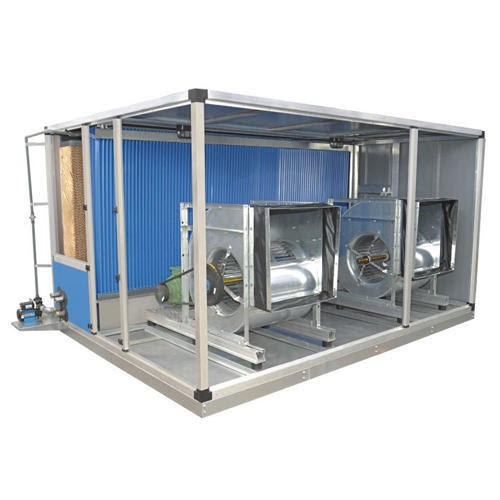
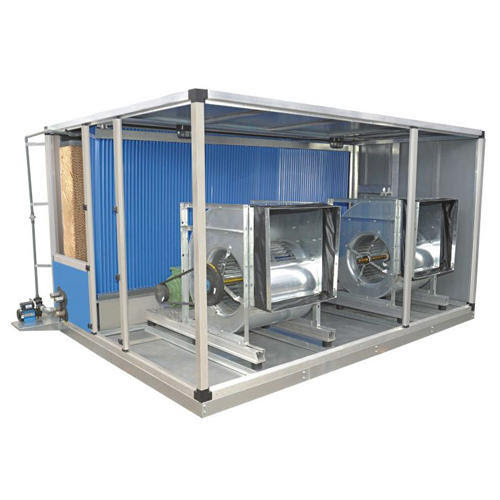
Industrial Evaporative Air Cooling Unit - High Efficiency HVAC System
View DetailsIndustrial odor control systems are essential for maintaining healthy air conditions in manufacturing plants, waste treatment facilities, and chemical processing units. These systems reduce unpleasant smells at their source, helping businesses meet environmental regulations and create safer workplaces. Aeppl provides engineered odor control equipment designed for demanding industrial environments across India and international markets.
Odor control systems use a mix of filtration, chemical treatment, and air handling techniques to neutralize volatile compounds. Depending on the process type, solutions may include misting systems, wet scrubbers, activated carbon filters, or catalytic oxidation units. Each system is chosen according to odor intensity, airflow volume, and process temperature.
Choosing the right odor control setup ensures compliance with air quality standards while reducing maintenance needs. These systems help plants achieve steady performance and cost efficiency over time. Aeppl focuses on reliable controls and monitoring options that support modern sustainability and safety goals in industrial operations.
| System Type | Typical Application | Key Advantage |
|---|---|---|
| Wet Scrubber | Chemical manufacturing | High removal efficiency for acid gases |
| Misting System | Waste treatment plants | Uniform odor suppression |
| Activated Carbon Filter | Paint booths and solvent areas | Effective VOC absorption |
| Catalytic Oxidation Unit | Thermal exhaust streams | Low operating energy demand |
Odor management works best when paired with efficient ventilation and pollution control equipment. Aeppl manufactures a wide range of air handling systems that complement odor control installations:
Combining these units with odor control systems creates a complete air management solution that supports productivity and environmental responsibility.
When planning an odor control system, engineers consider airflow, chemical composition, and temperature range. Humidity and particulate levels also affect system performance. Aeppl emphasizes durable materials, corrosion-resistant finishes, and easy maintenance access to ensure stable operation even in harsh industrial conditions.
| Design Factor | Impact on Performance |
|---|---|
| Airflow Volume | Determines fan capacity and filter area |
| Chemical Composition | Influences scrubber reagent selection |
| Temperature Range | Affects material choice and oxidation method |
| Maintenance Frequency | Defines access design and cleaning intervals |
Industrial odor control systems are used in sectors such as food processing, pharmaceuticals, chemical production, wastewater treatment, and recycling. These systems help maintain safe working conditions and meet environmental standards for air emissions.
Aerotech Equipments and Projects Pvt. Ltd. (Aeppl) is a trusted manufacturer and exporter of industrial air handling and ventilation systems. With years of engineering experience, Aeppl provides durable, energy-efficient solutions for odor control and air quality improvement in heavy-duty applications. Visit Aeppl
Industrial odor control systems are solutions that remove or neutralize unpleasant odors generated during manufacturing or waste processing activities.
Industries such as food processing, pharmaceuticals, chemical manufacturing, and waste treatment facilities benefit most from odor control systems.
Misting systems spray fine droplets of neutralizing agents into the air, reducing odor intensity and improving air quality in large open areas.
Scrubbers capture and chemically react with odor-causing gases, effectively removing contaminants before air is released to the environment.
Modern odor control systems are designed for low energy consumption through optimized airflow, smart monitoring, and efficient filtration processes.
Yes, many systems integrate with industrial automation platforms for real-time monitoring, performance adjustment, and maintenance scheduling.
Factors include the type of odor compounds, airflow volume, temperature range, and desired removal efficiency.
Maintenance frequency depends on process intensity and system type, but regular inspection ensures consistent performance and compliance.
Aeppl designs and manufactures customized odor control systems based on process requirements, plant layout, and emission profiles.
You can contact Aeppl at +91-9599785811, +91 8377077661, +91 9810162210 or email sales@aeppl.com for technical assistance and quotations.