
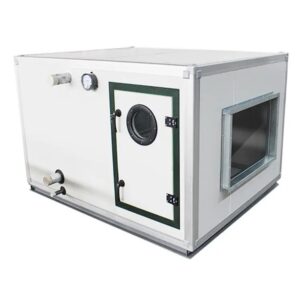
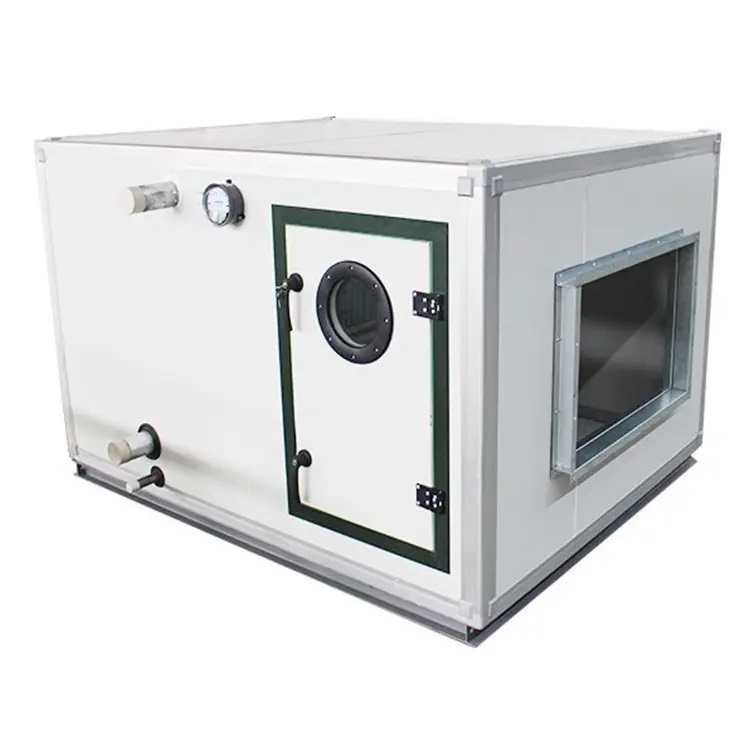
Industrial Treated Fresh Air Unit – Energy-Efficient Air Handling System
View Details
Industrial Treated Fresh Air Unit – Energy-Efficient Air Handling System
View Details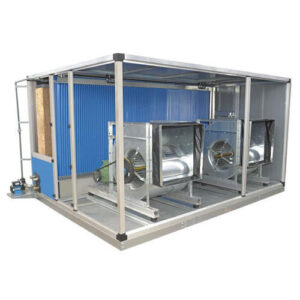
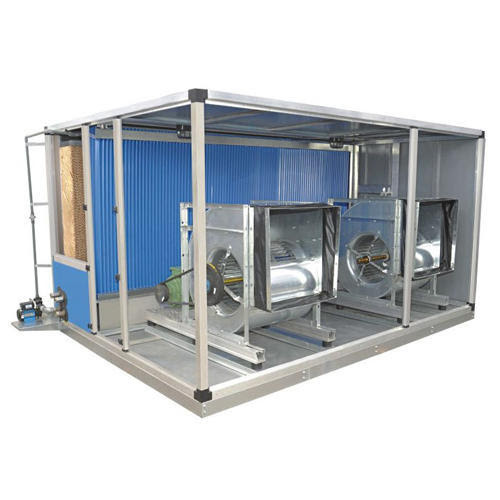
Industrial Air Washer Unit – High Efficiency Cooling & Air Handling System
View Details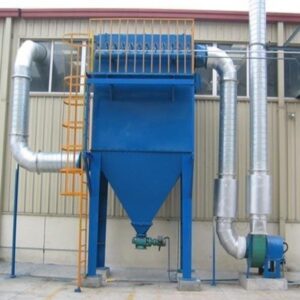
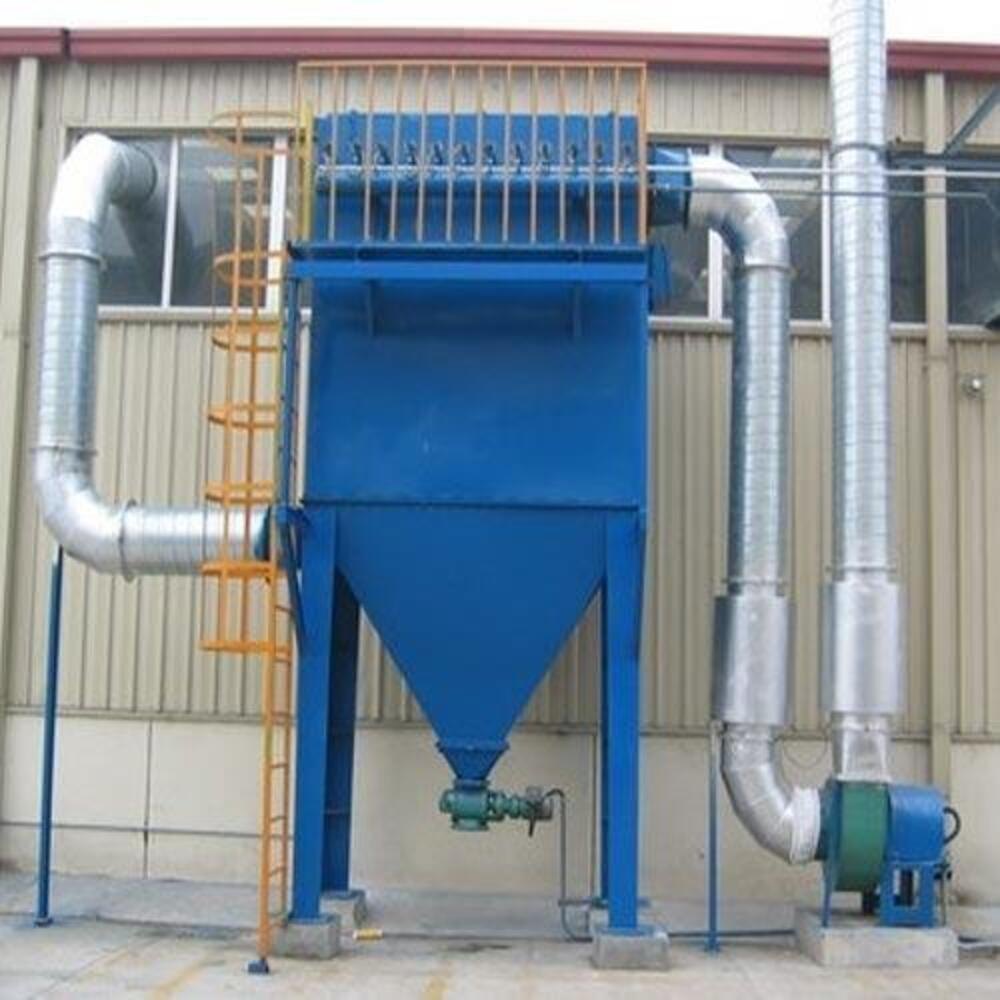
Industrial Dust Collector System – High Efficiency Air Pollution Control Unit
View Details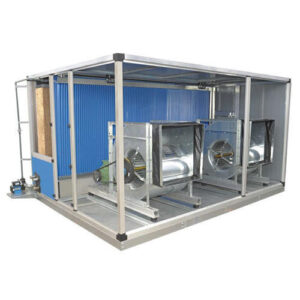
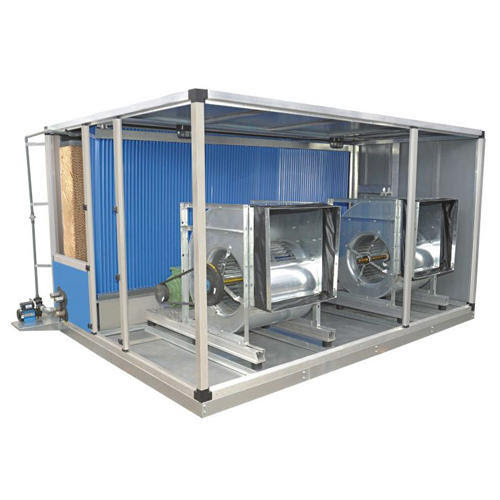
Industrial Fresh Air Handling Unit – High Efficiency Ventilation System
View Details
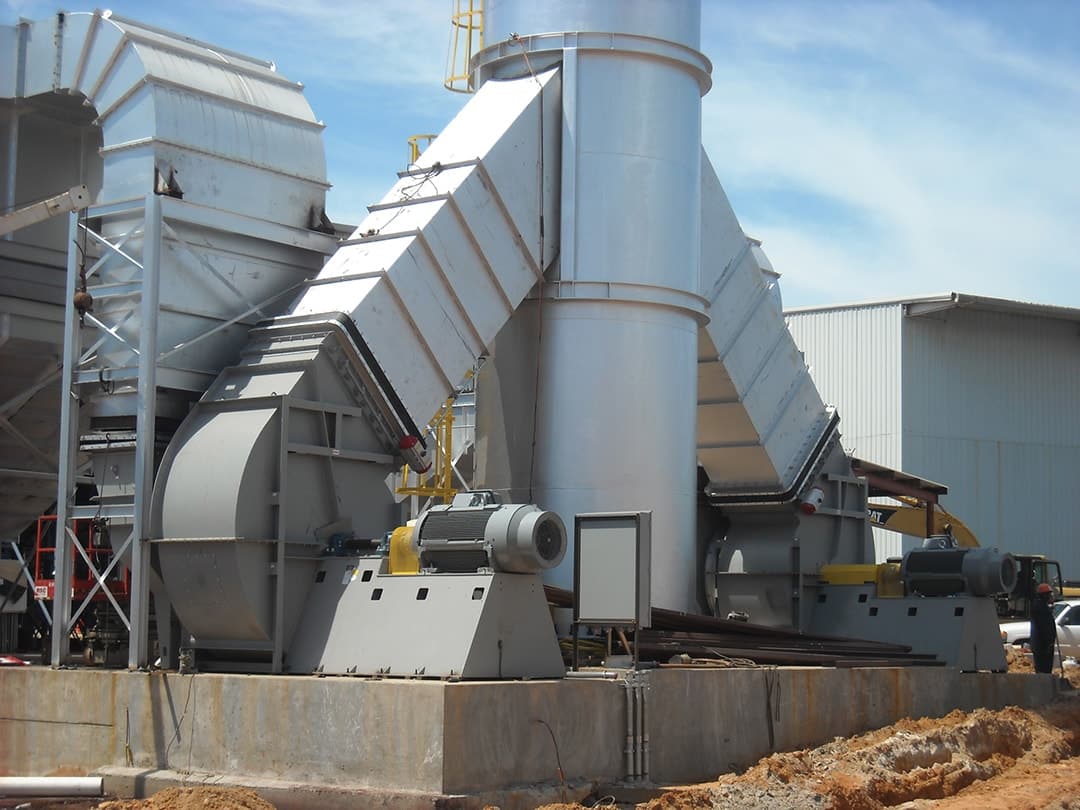
Industrial Fume Scrubber System - High-Efficiency Air Pollution Control Unit
View Details
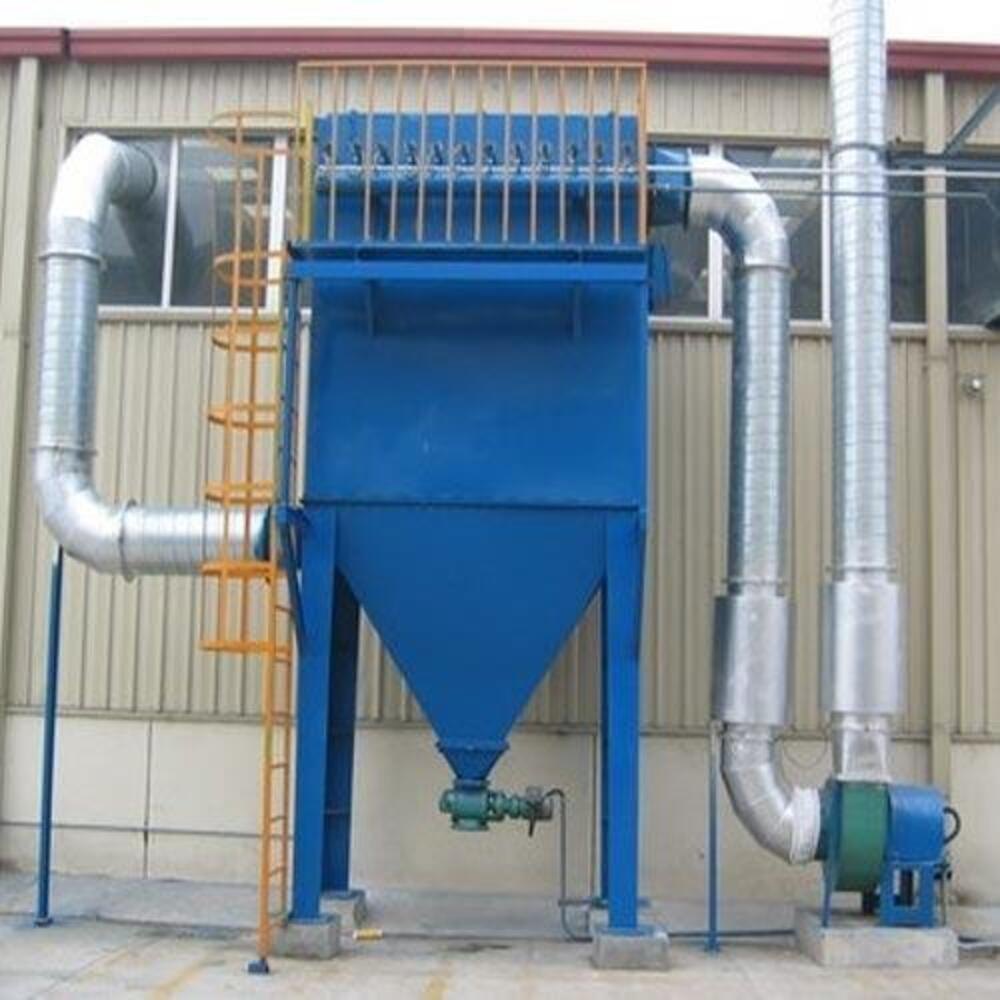
Industrial Dust Collection and Air Pollution Control System – High Efficiency Filter Unit
View Details
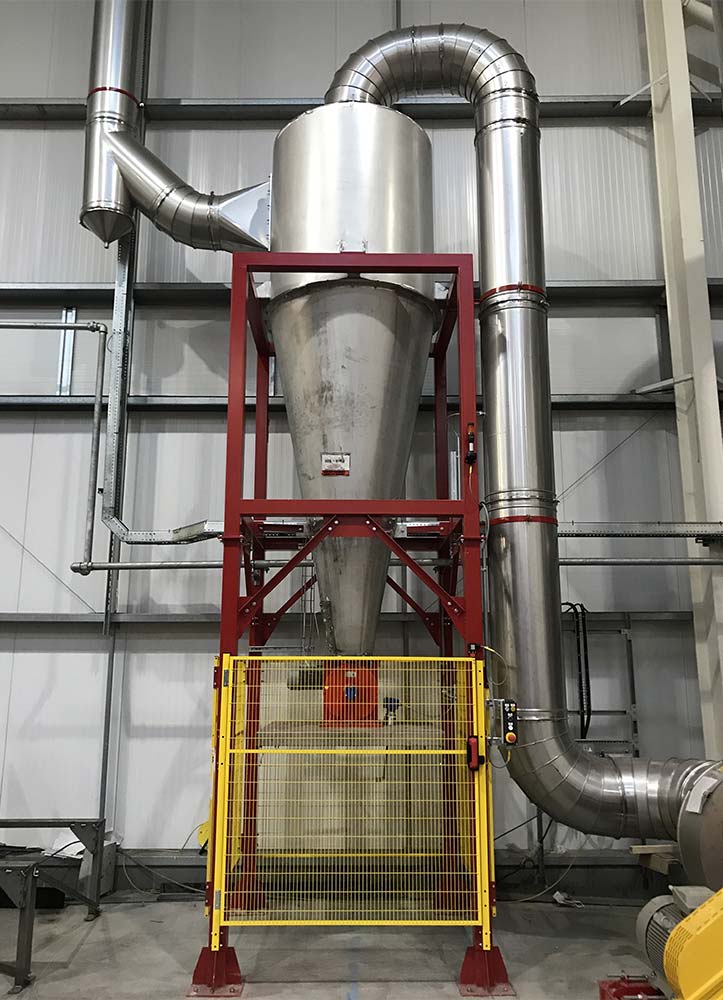
Industrial Venturi Scrubber System – High-Efficiency Air Pollution Control Unit
View Details
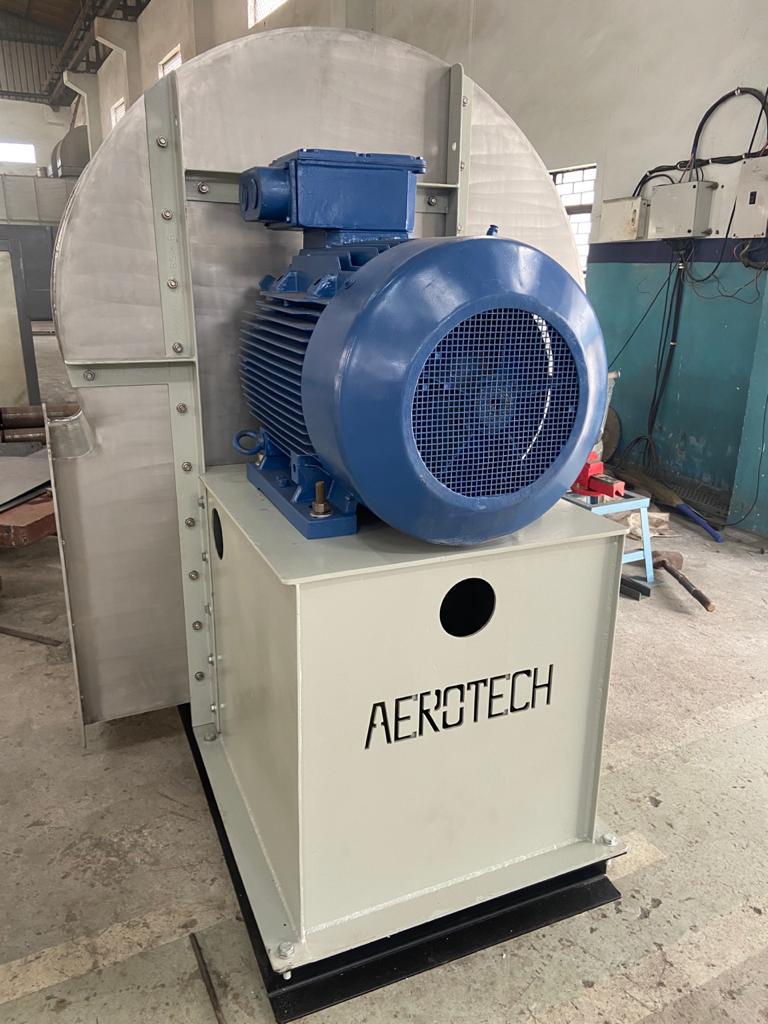
Aerotech Industrial Centrifugal Fan Blower – High-Pressure Air Handling System
View DetailsMaintaining clean and safe air in an industrial facility requires a dependable air quality control system. These systems manage dust, fumes, and humidity to keep operations aligned with environmental standards while protecting both workers and machinery. Aeppl designs systems that balance performance, durability, and energy efficiency for industries including manufacturing, power generation, and chemical processing.
Each system combines filtration, ventilation, and pollutant extraction units. Contaminated air passes through scrubbers or collectors, and purified air is released back into the workspace or ventilation network. Integrated sensors and control panels help maintain steady airflow and pollutant levels, reducing manual adjustments and supporting consistent performance.
| System Type | Best Used For | Efficiency Range |
|---|---|---|
| Industrial Dust Collector System | Metalworking, cement, foundries | Up to 99% particulate removal |
| Industrial Fume Scrubber System | Chemical and paint industries | High absorption efficiency |
| Industrial Fresh Air Handling Unit | HVAC and cleanroom ventilation | Optimized air exchange and cooling |
Industrial air quality control systems continue to advance with smarter automation and energy-saving features. In 2026 and beyond, facilities are expected to adopt variable-speed fans and intelligent monitoring tools that help meet sustainability goals. Aeppl integrates modular, automation-ready assemblies that simplify maintenance and scaling for large operations.
Every plant has unique airflow and pollutant requirements. Aeppl engineers design tailored air quality control systems that fit existing ventilation setups and control panels. The focus is on structural strength, corrosion resistance, and ease of service, ensuring long-term reliability even under demanding conditions.
| Feature | Standard Systems | Aeppl Systems |
|---|---|---|
| Material Construction | Mild steel or PVC | Galvanized steel or FRP with reinforced coating |
| Energy Efficiency | Fixed-speed motors | Variable-speed and automation-ready units |
| Maintenance Access | Basic panels | Quick-access hatches and modular design |
| Support & Service | Limited assistance | Dedicated engineering support and spare parts availability |
For detailed specifications or project discussions, contact Aeppl's technical team at +91-9599785811, +91 8377077661, or +91 9810162210. You can also email sales@aeppl.com to receive engineering guidance or proposal details.
Aerotech Equipments and Projects Pvt. Ltd. (Aeppl) is an Indian manufacturer of air handling and pollution control equipment. The company provides durable, energy-efficient systems for industrial air management across global markets. Visit Aeppl
It is an engineered system that manages airborne pollutants, dust, fumes, and humidity to maintain safe and compliant industrial conditions.
Factories use these systems to protect workers, maintain machinery efficiency, and comply with environmental regulations.
By optimizing airflow and filtration, it reduces energy waste, prevents contamination, and extends equipment lifespan.
Industries such as cement, steel, chemical, food processing, and power generation depend on these systems for pollution control.
Yes, modern systems include sensors and automated controls that monitor air quality and adjust airflow in real time.
Key factors include pollutant type, air volume, temperature, humidity, energy efficiency, and ease of maintenance.
Regular maintenance, including filter cleaning and system checks, should be done quarterly or as advised for the facility type.
Dust collectors remove solid particles from air streams, while fume scrubbers neutralize gases and chemical vapors.
Yes, Aeppl designs systems tailored to specific industrial processes, ensuring proper integration and performance.
You can reach Aeppl at +91-9599785811, +91 8377077661, +91 9810162210 or email sales@aeppl.com for consultation and quotes.