
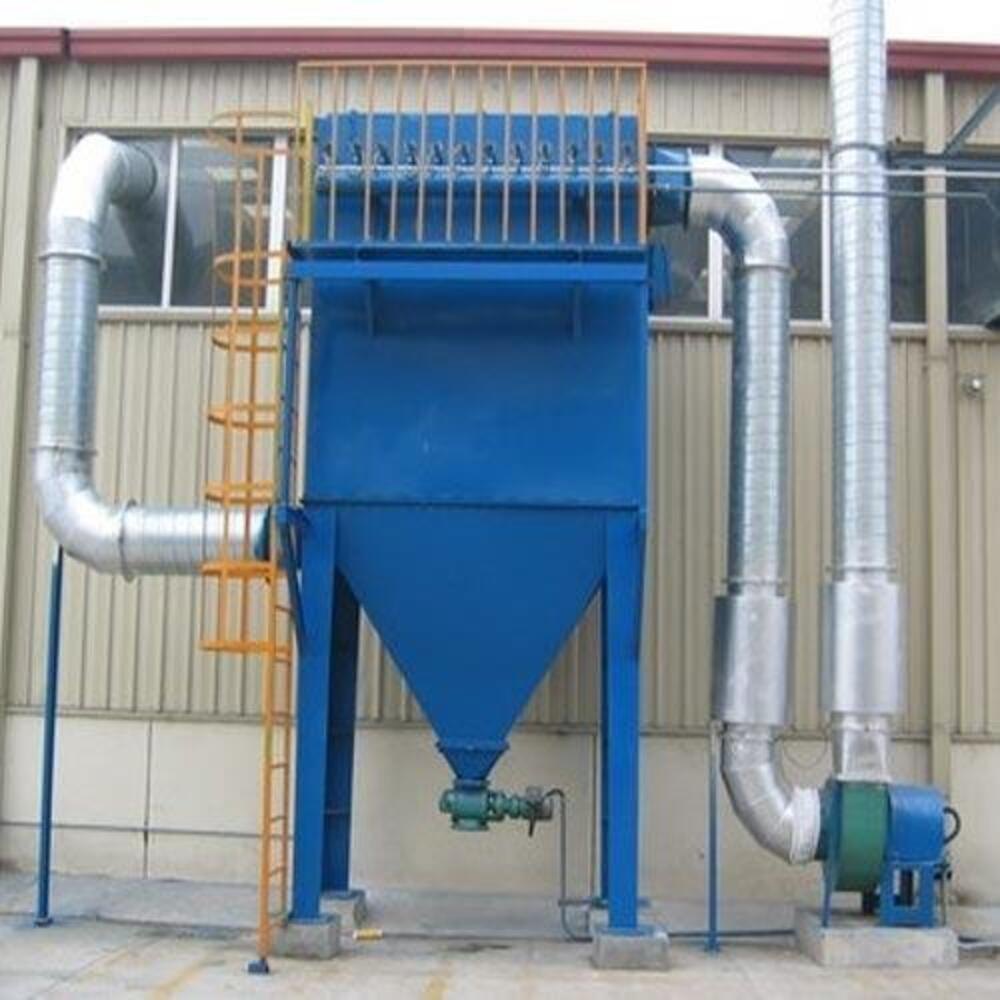
Industrial Dust Collection and Air Pollution Control System – High Efficiency Filter Unit
View Details
Industrial Dust Collection and Air Pollution Control System – High Efficiency Filter Unit
View Details
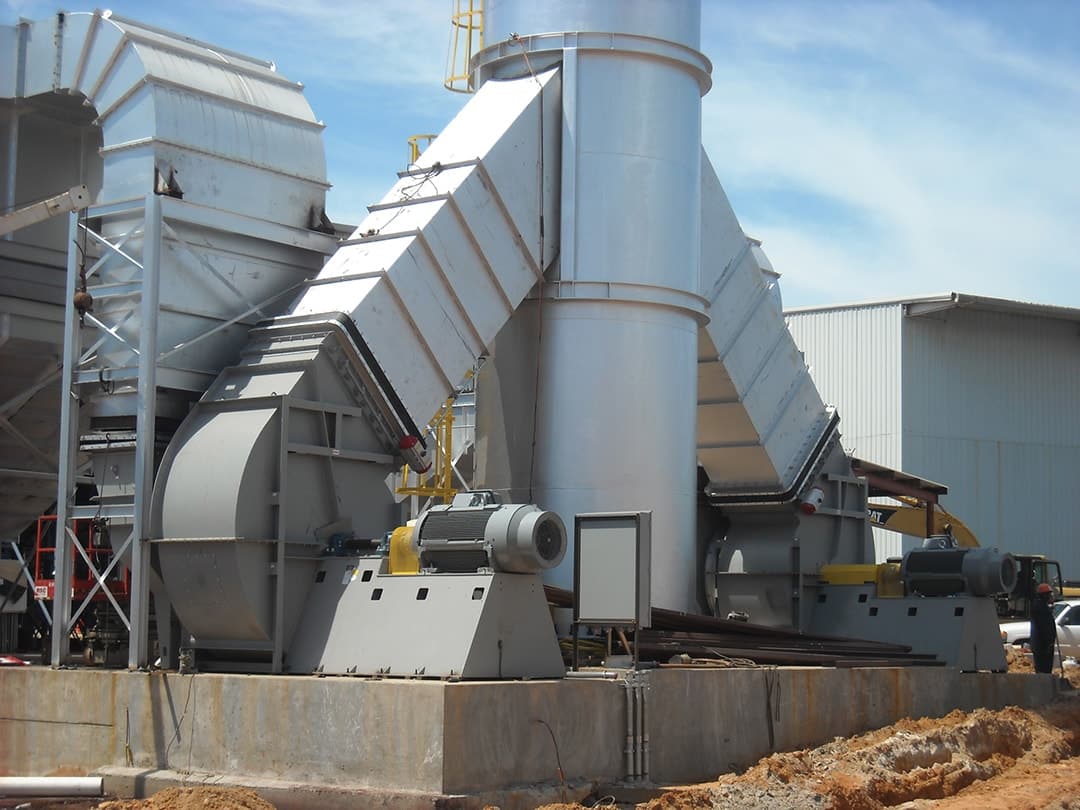
Industrial Fume Scrubber System - High-Efficiency Air Pollution Control Unit
View Details
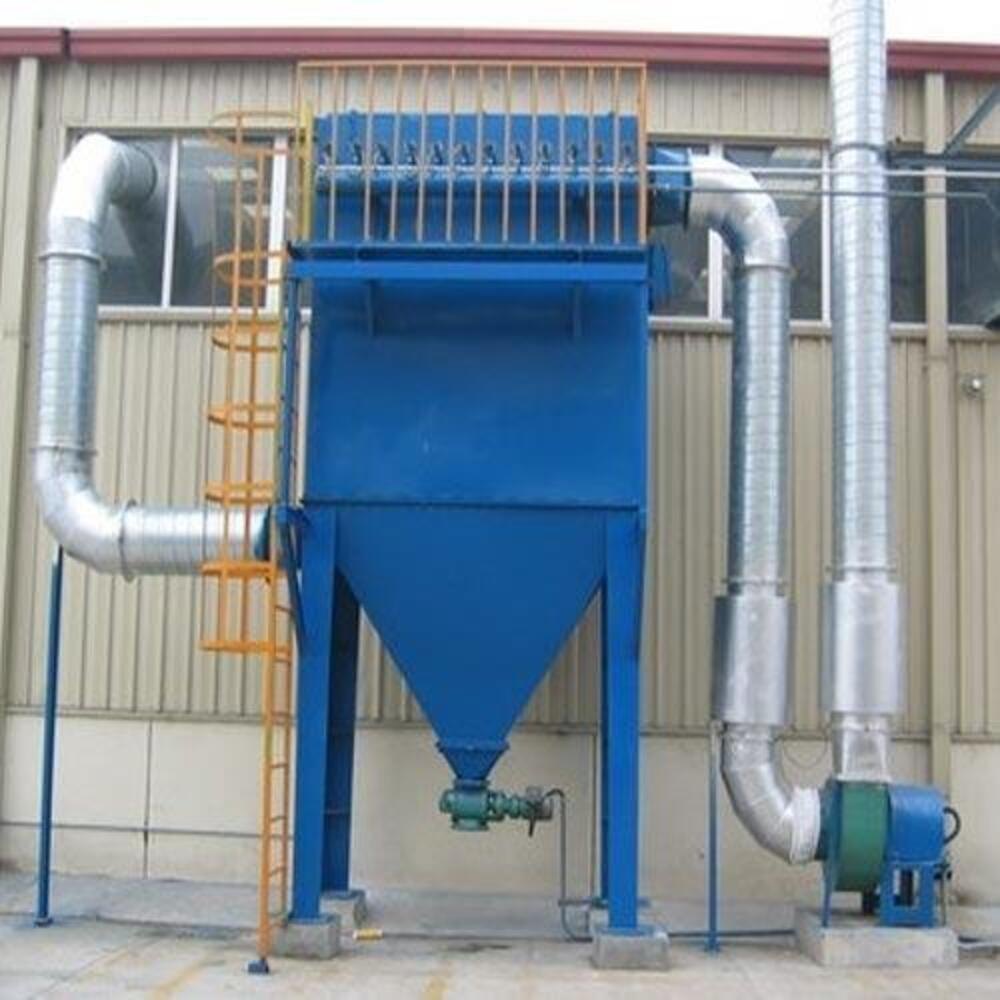
Industrial Dust Collector System – High Efficiency Air Pollution Control Unit
View Details
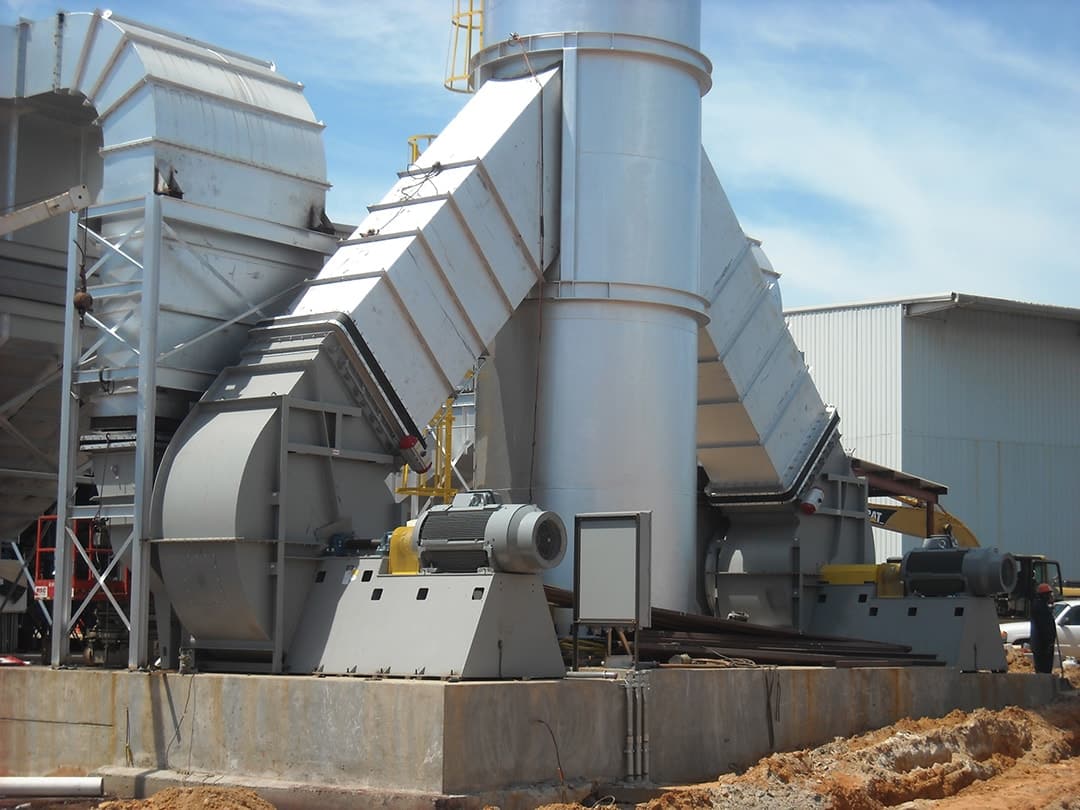
Industrial Smoke Spill Exhaust Unit - High-Temperature Ventilation System
View Details
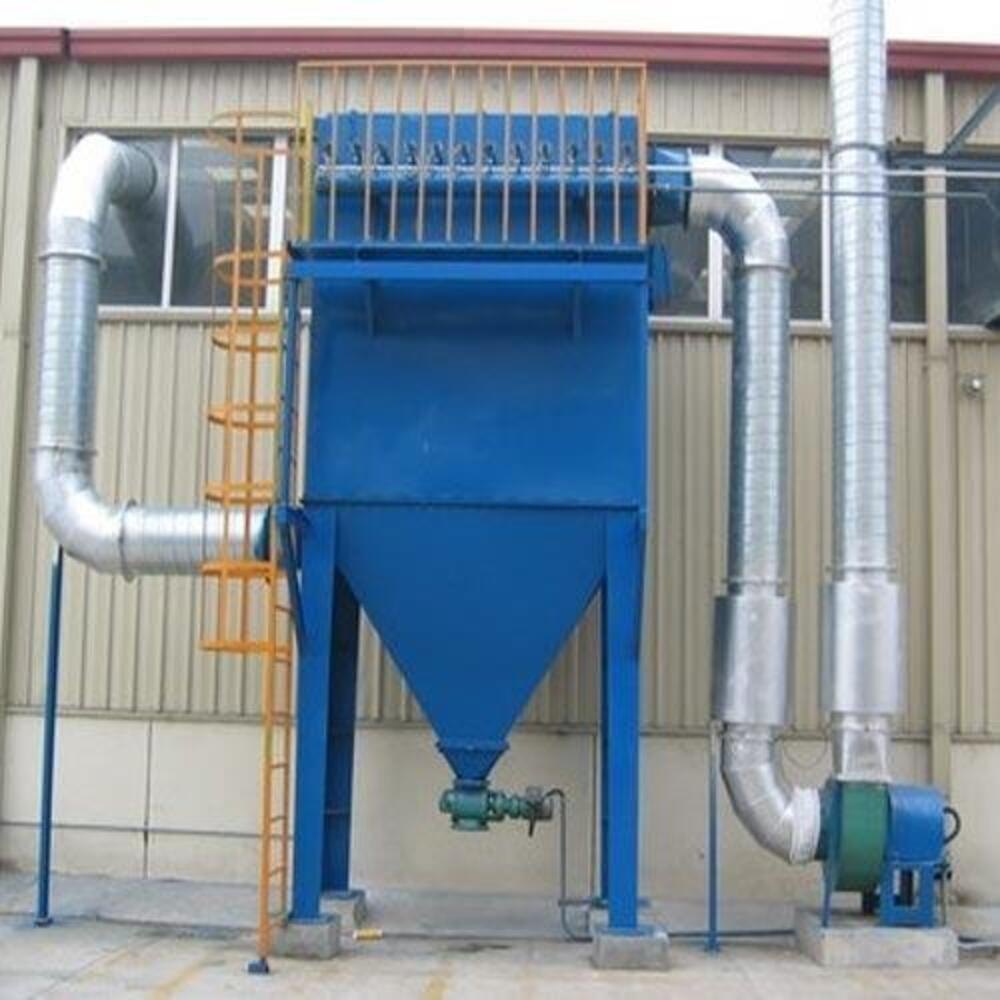
Industrial Pulse Jet Dust Collector - High Efficiency Filtration System
View Details
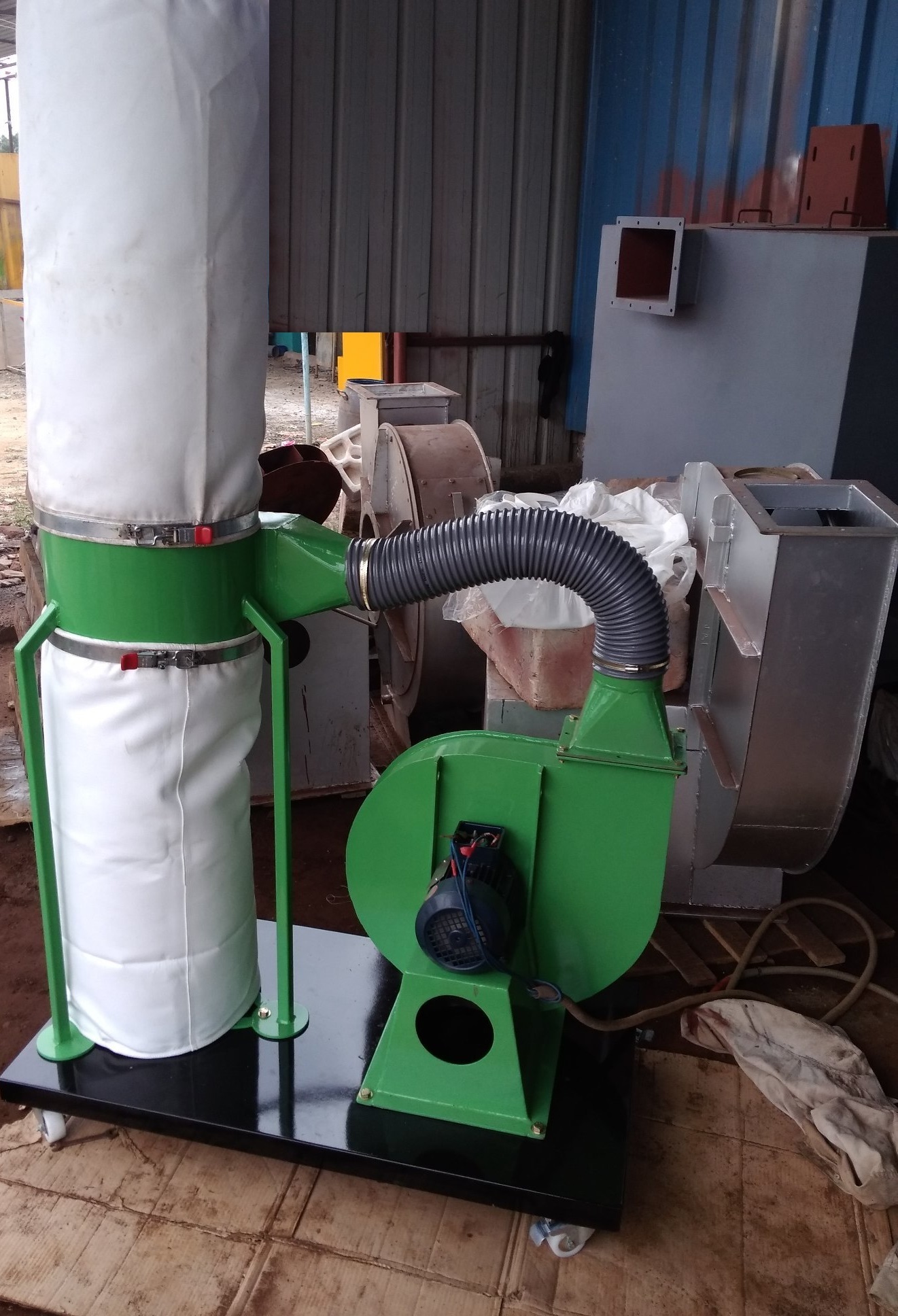
Industrial Portable Dust Collector - High-Efficiency Filtration System
View Details
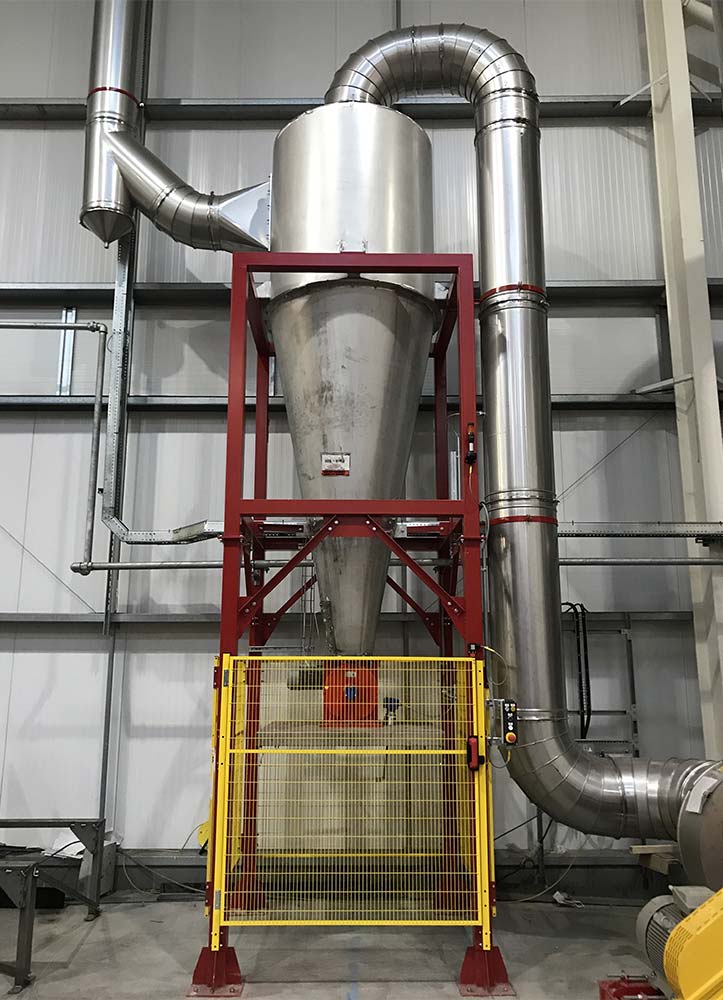
Industrial Venturi Scrubber System – High-Efficiency Air Pollution Control Unit
View Details
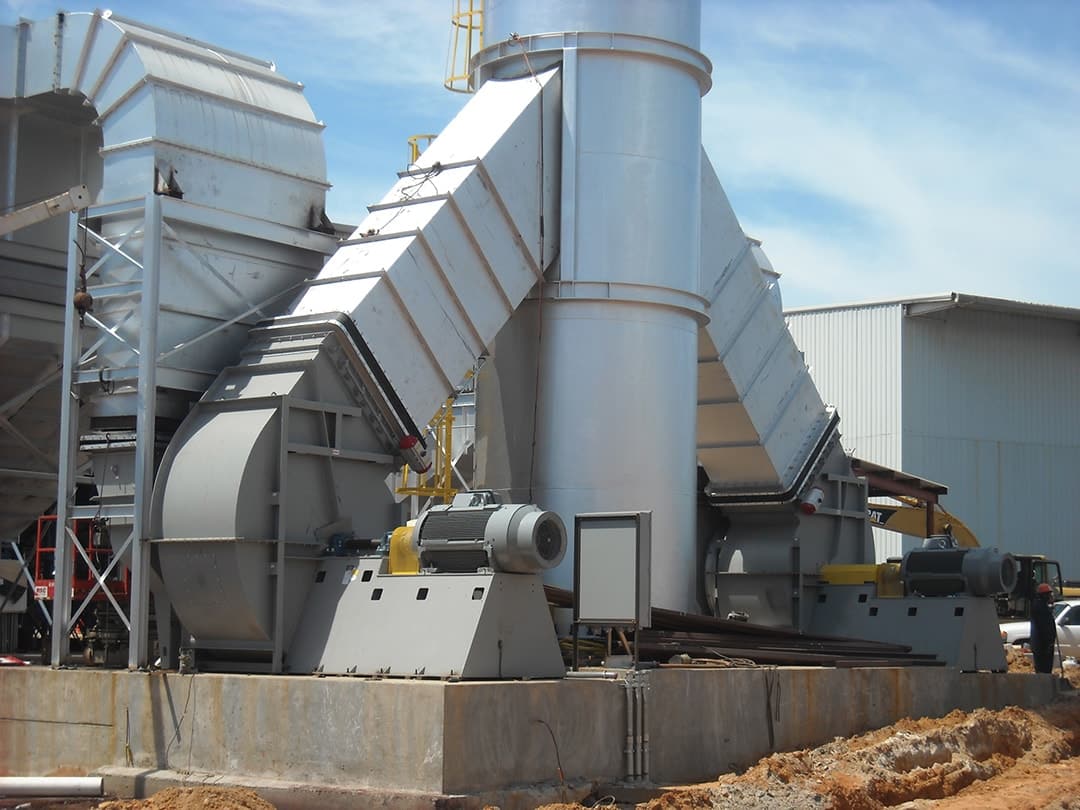
High-Temperature Industrial Smoke Spill Unit - Heavy-Duty Ventilation System
View DetailsManaging emissions is a major responsibility for any modern manufacturing or processing plant. An industrial pollution control system helps maintain air quality, meet environmental standards, and protect both workers and surrounding communities. These systems use a mix of filtration, scrubbing, and ventilation techniques to capture dust, fumes, and gases before they reach the atmosphere.
Instead of relying on a single method, most facilities use a combination of technologies tailored to their production needs. This approach ensures balanced airflow, stable pressure, and consistent filtration results throughout daily operations.
Each industrial pollution control system can be customized to fit the specific emission profile of a plant. Engineers at Aeppl design units that align with production demands, ensuring efficient operation even under heavy-duty conditions.
| System Type | Main Function | Typical Industries | Efficiency Range |
|---|---|---|---|
| Pulse Jet Dust Collector | Removes dry particulate matter | Cement, steel, foundries | 95-99% |
| Venturi Scrubber | Captures gases and fine mist | Chemical, fertilizer, metal finishing | 90-98% |
| Fume Scrubber System | Neutralizes acidic gases | Pharmaceutical, plating, battery plants | 92-99% |
Choosing the right setup depends on emission characteristics, temperature, and process load. Aeppl designs integrated solutions that work smoothly with existing ventilation and dust collection networks.
Energy use and automation have become key considerations in pollution control. Modern systems often feature variable frequency drives, optimized fans, and sensor-based monitoring to reduce power consumption and downtime. Instead of waiting for filters to clog or performance to drop, operators can track system health in real time and plan maintenance proactively.
This approach not only saves energy but also helps maintain consistent compliance with local and international environmental regulations. Plants benefit from steady airflow, lower replacement costs, and improved safety.
In India and abroad, industries such as cement, steel, power generation, and pharmaceuticals rely on dependable pollution control systems. Aeppl provides units made with corrosion-resistant materials and modular designs that simplify installation and maintenance. Systems are built to handle high temperatures, variable humidity, and aggressive chemical environments without compromising reliability.
Beyond emission control, these systems contribute to a safer workplace and improved overall efficiency. Aeppl supports its installations with documentation, spare parts, and technical assistance, helping facilities maintain compliance year after year. This long-term approach ensures stability and operational continuity even in demanding industrial conditions.
Aeppl (Aerotech Equipments and Projects Pvt. Ltd.) is a leading Indian manufacturer of air handling and pollution control equipment. The company focuses on durable engineering and reliable performance for industrial environments worldwide. Visit Aeppl
It is equipment designed to capture and remove dust, fumes, and gases produced during industrial processes to maintain clean air and meet regulations.
Factories use these systems to reduce emissions, protect worker health, and comply with air quality standards.
Cement, steel, power generation, chemical, and pharmaceutical industries rely heavily on these systems for safe operation.
Common types include dust collectors, scrubbers, fume extraction units, and smoke exhaust systems.
Routine inspection and filter cleaning are recommended at least quarterly, depending on production volume and emission levels.
Yes, many include energy-efficient fans and variable frequency drives to lower power consumption.
Yes, advanced sensors and control panels allow real-time tracking of pressure, airflow, and filter performance.
Emission type, temperature, chemical composition, and process load are key factors in selecting the right solution.
Aeppl provides installation guidance, commissioning support, and operator training to ensure proper system setup.
Yes, Aeppl designs its pollution control systems to meet international standards, making them ideal for export markets.