

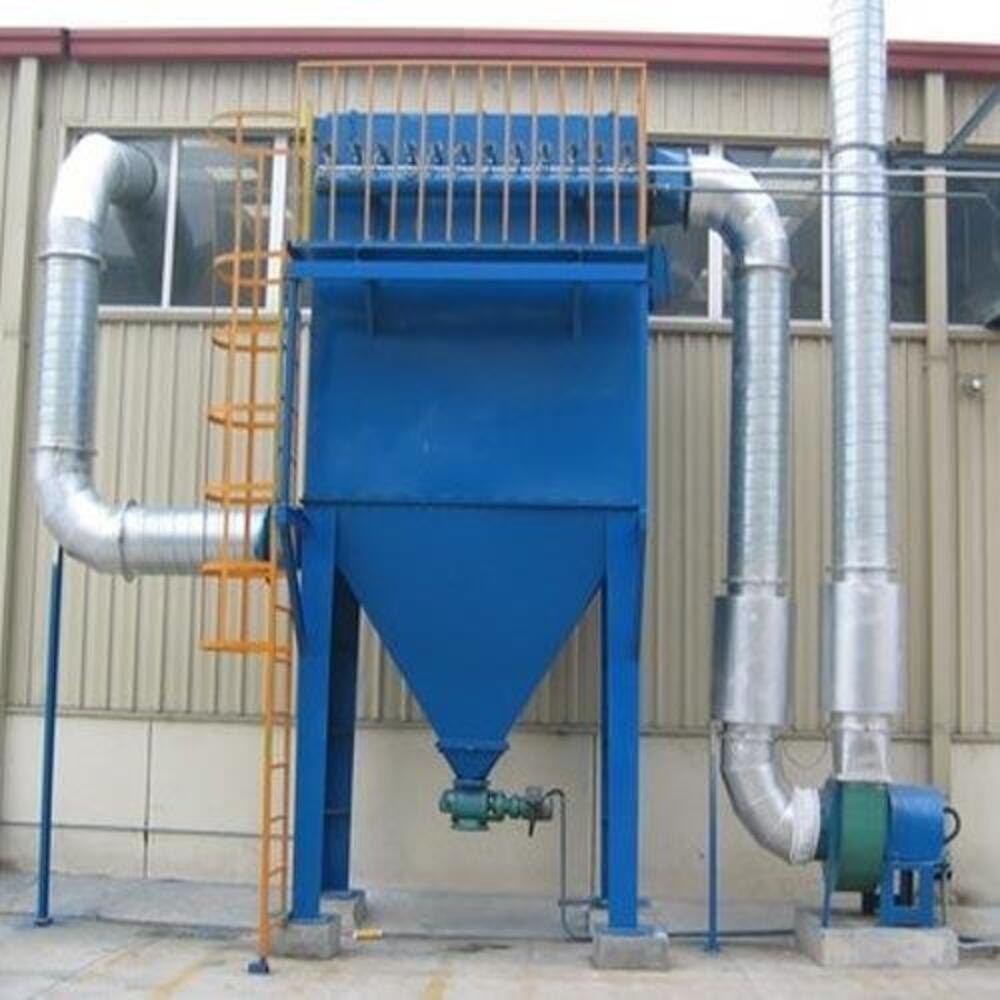
Industrial Mechanical Dust Collector System - High-Efficiency Air Filtration Unit
View Details
Industrial Mechanical Dust Collector System - High-Efficiency Air Filtration Unit
View Details
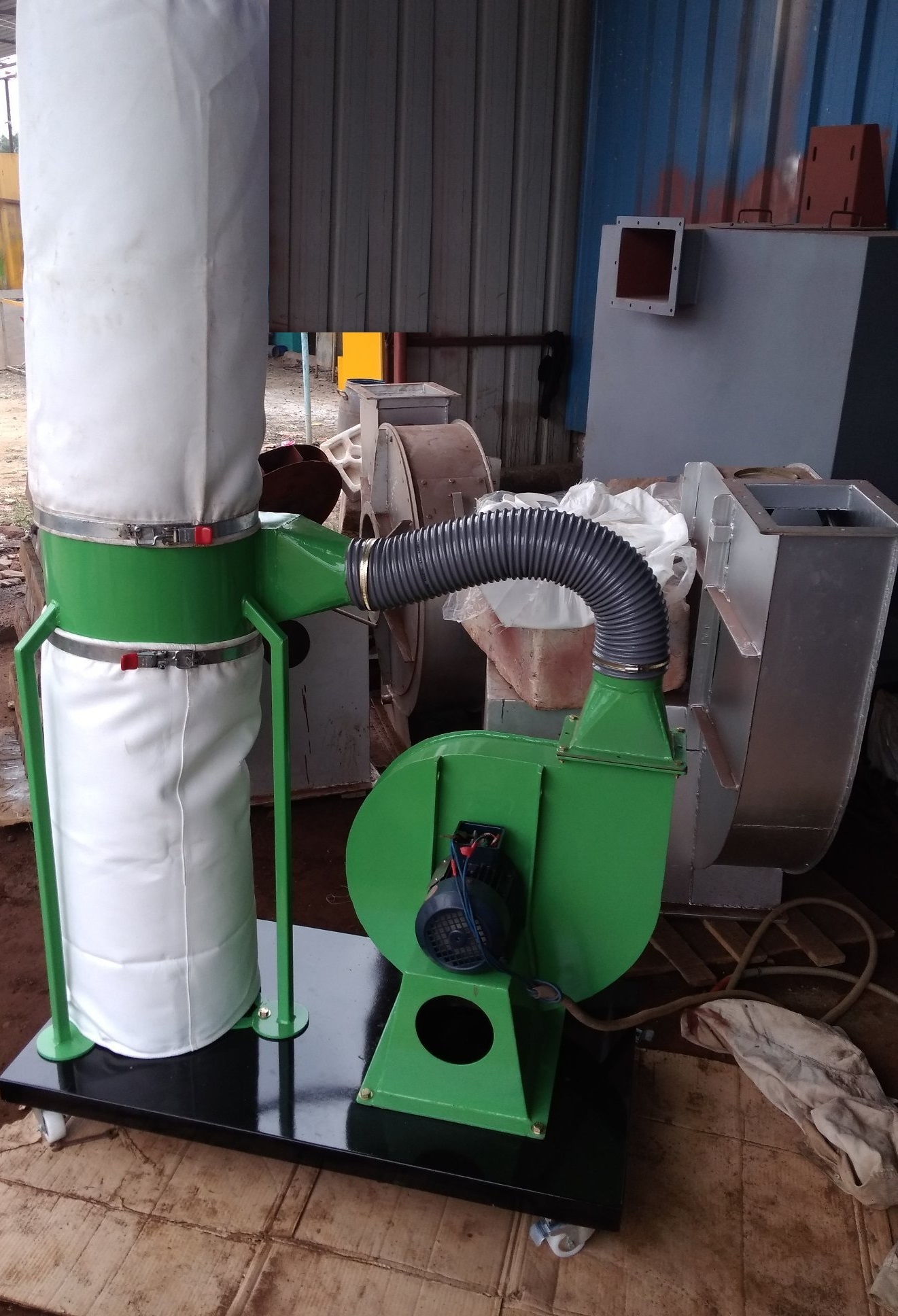
Industrial Movable Dust Collector - High-Efficiency Filtration System
View Details
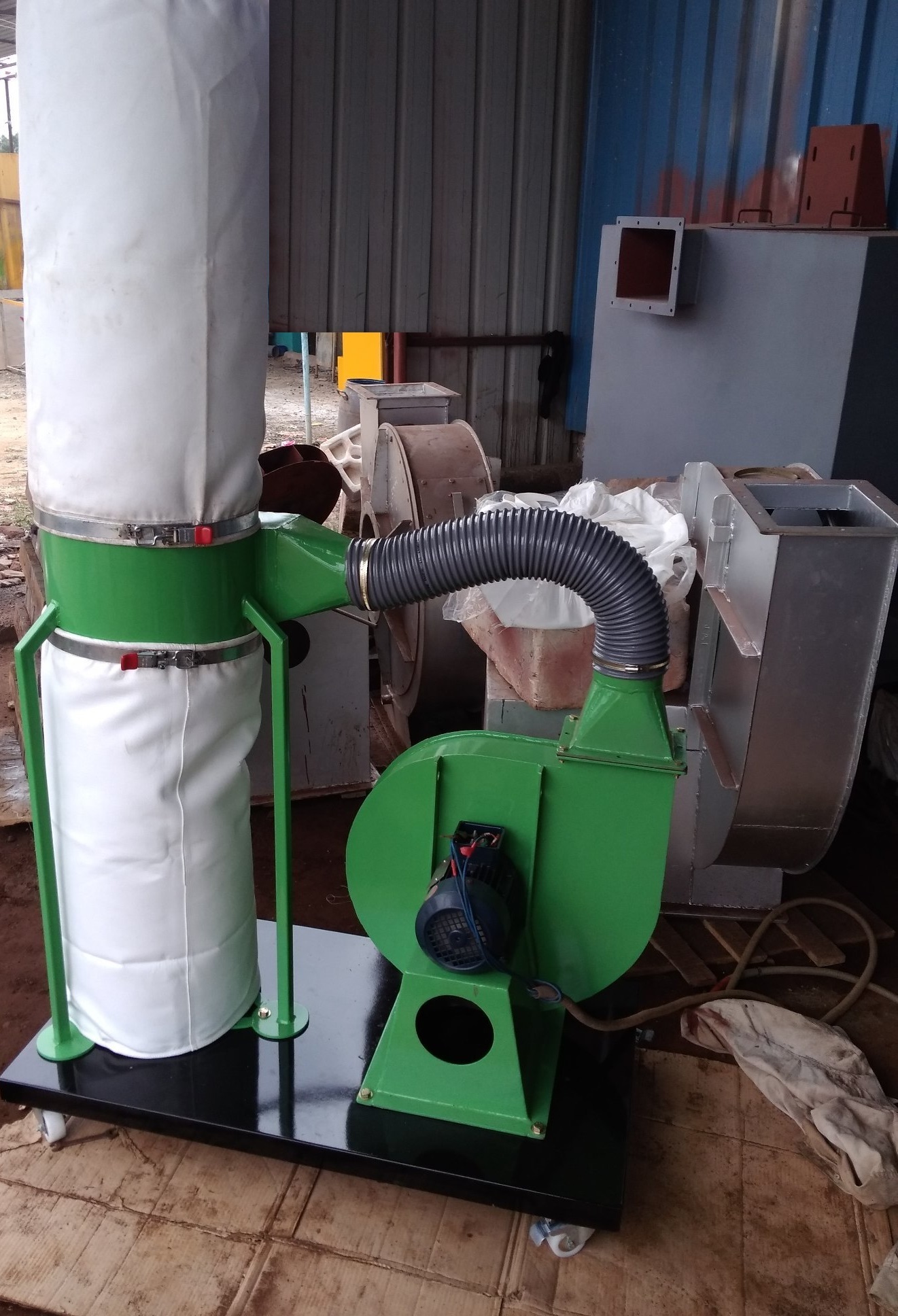
Industrial Portable Dust Collector - High-Efficiency Filtration System
View Details
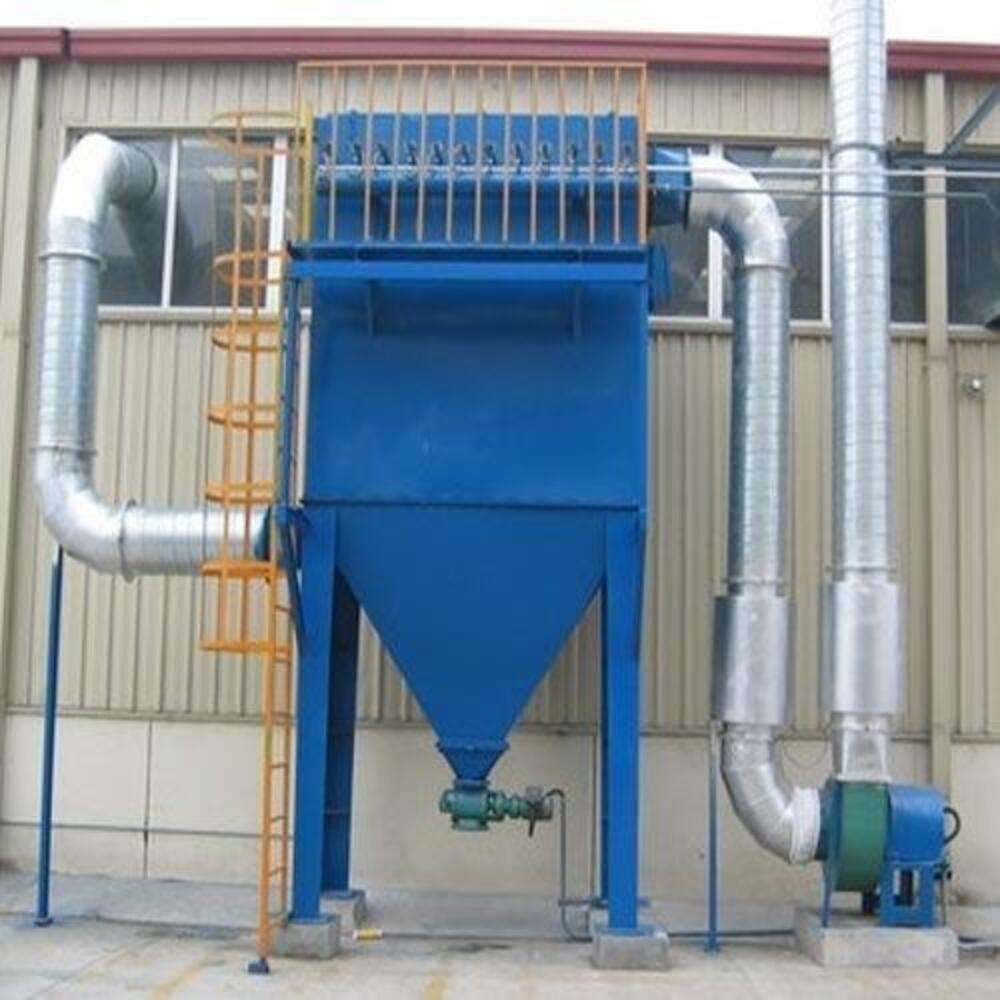
Industrial Dust Collection System - High-Efficiency Filtration Unit with Cyclone Separator
View Details
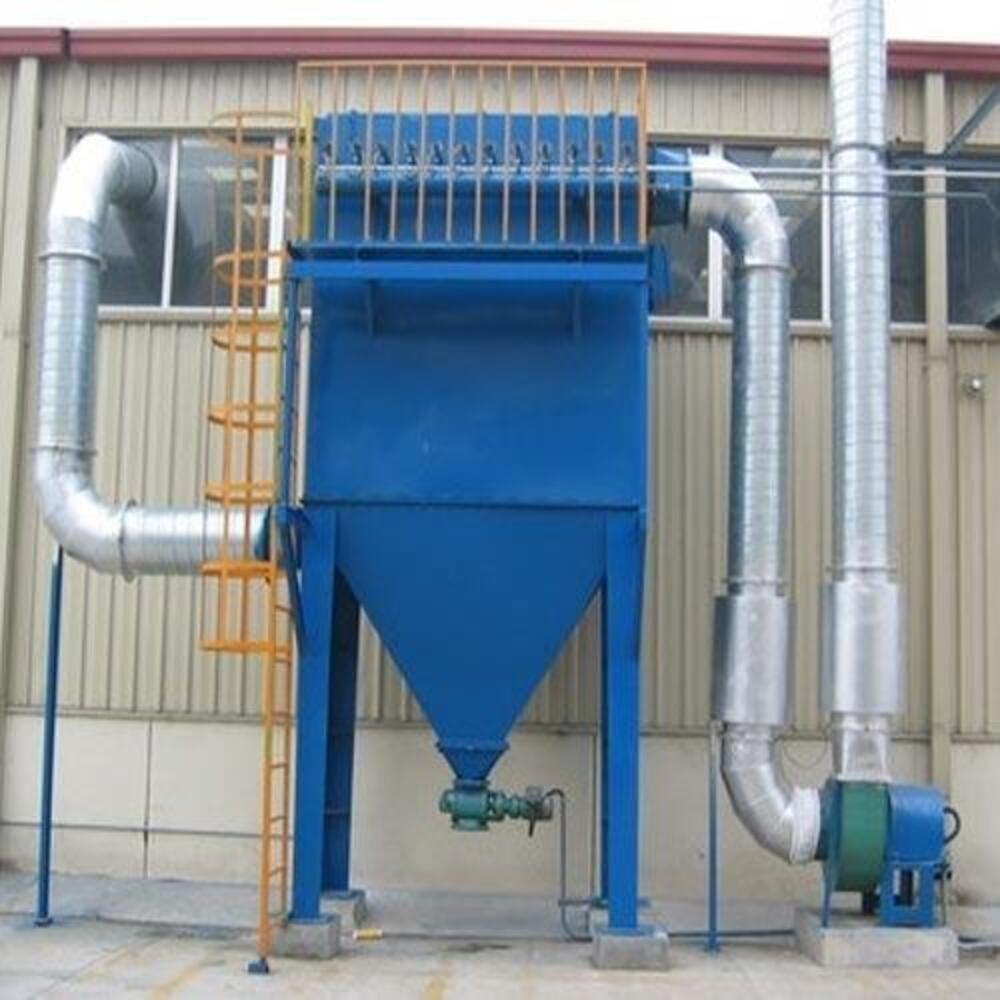
Industrial Bag Filter Dust Collection System - High-Efficiency Air Filtration Unit
View Details
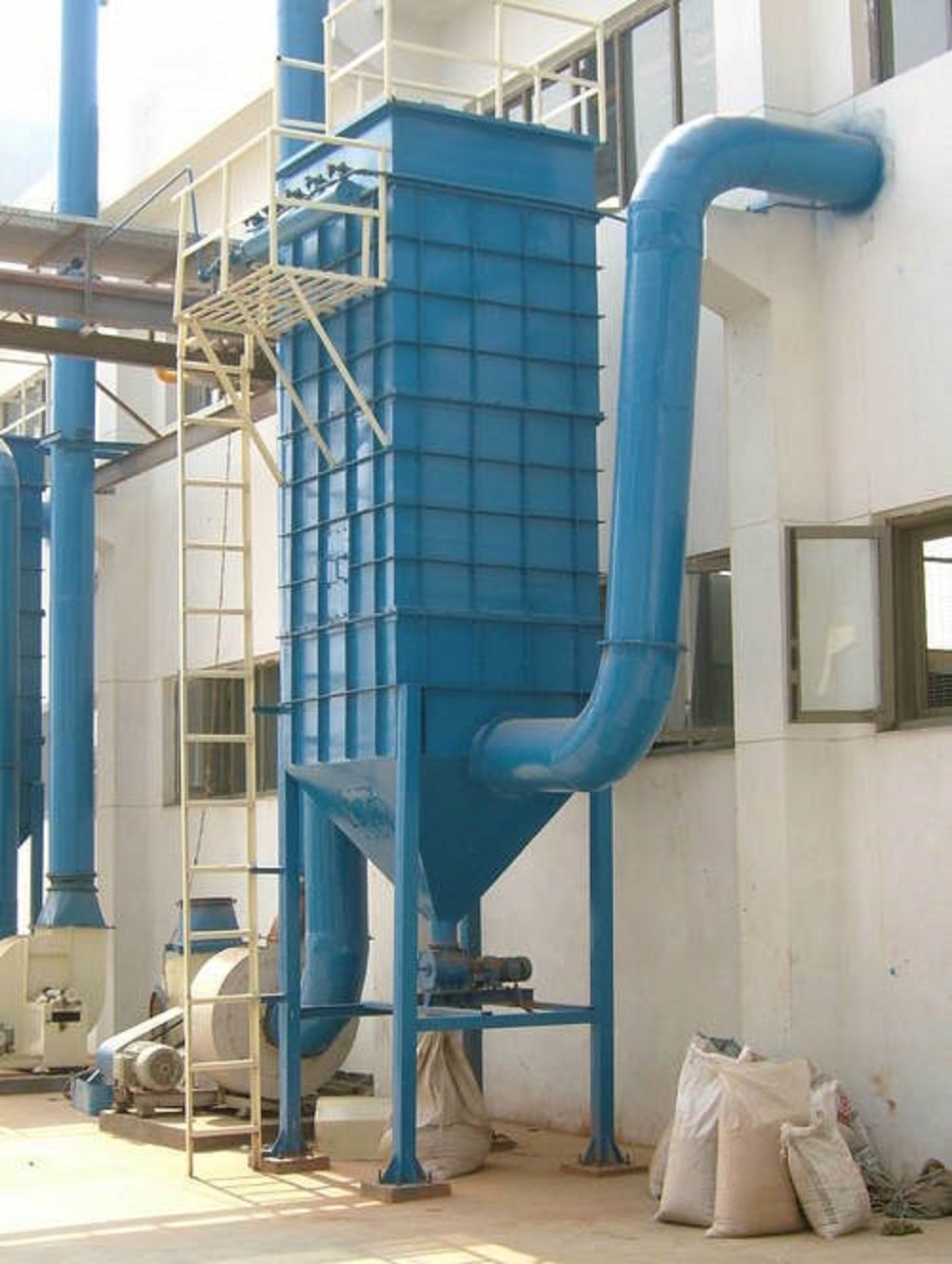
Industrial Dust Collection Bag Filter System - High Efficiency Air Filtration Unit
View Details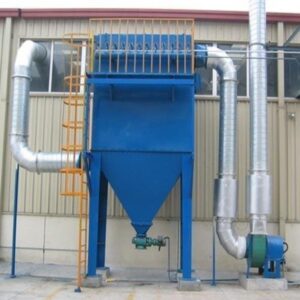
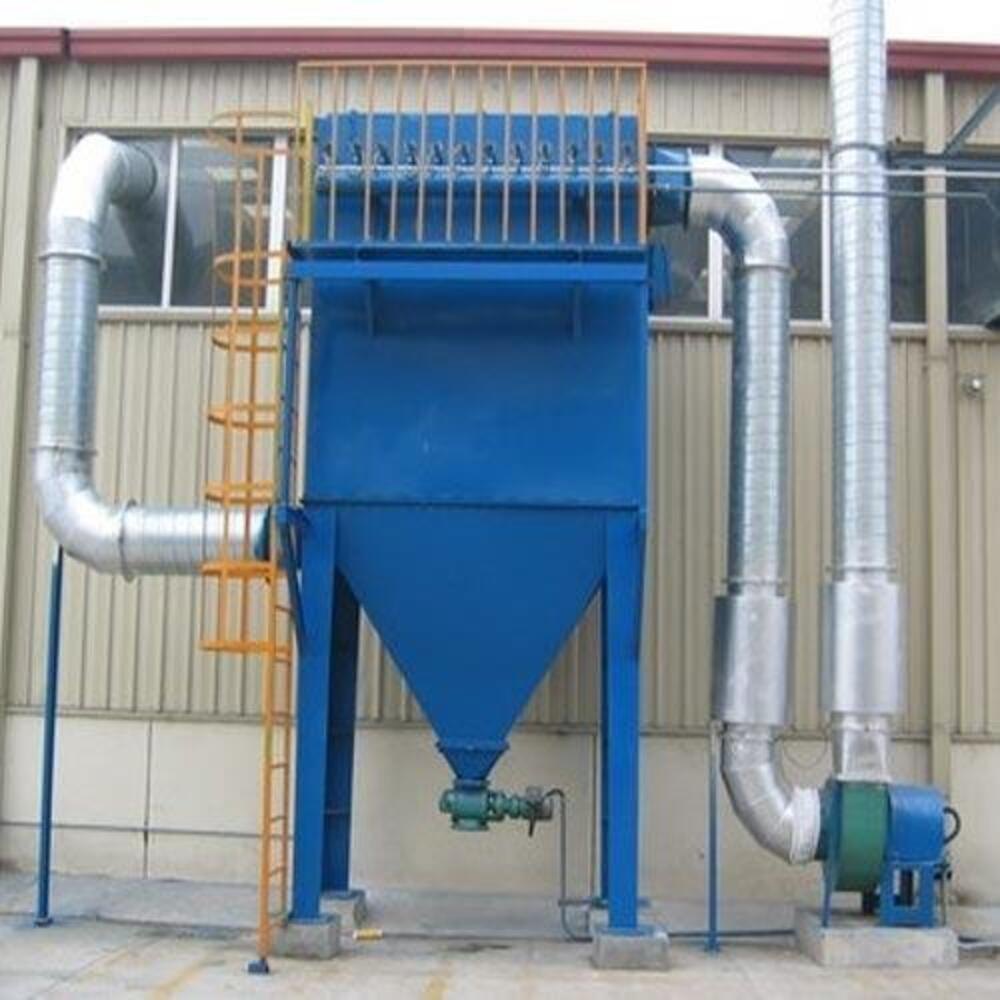
Industrial Dust Collection and Air Pollution Control System – High Efficiency Filter Unit
View Details
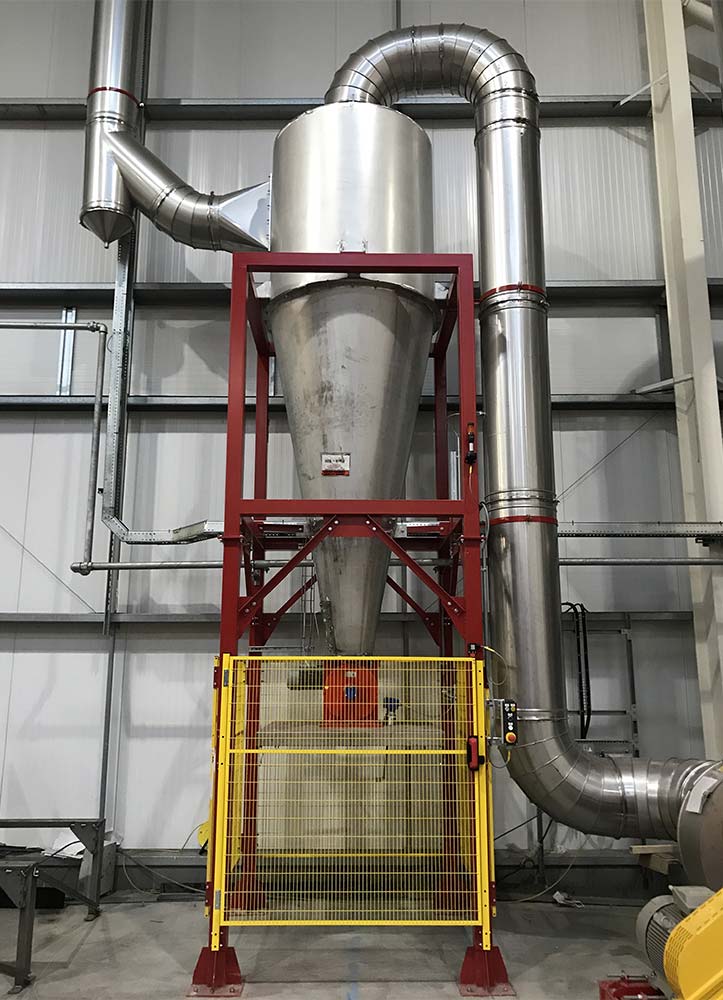
Industrial Cyclone Dust Collector System - High Efficiency Steel Separator
View DetailsIndustrial dust removal is an essential part of maintaining a clean, safe, and efficient workspace. From manufacturing plants to woodworking shops, airborne dust can harm equipment, reduce productivity, and pose health risks to employees. A well-designed dust removal system helps protect both workers and machinery, ensuring compliance with environmental and safety standards.
Dust removal refers to the process of capturing and filtering airborne particles generated during production, cutting, grinding, or material handling. These systems typically include collectors, filters, ducts, and fans that work together to remove contaminants from the air. The goal is to maintain clean air and prevent buildup that can lead to fires or equipment damage.
Without proper dust management, fine particles can accumulate on surfaces and in the air, leading to respiratory issues and machinery wear. Industrial dust removal systems not only improve air quality but also extend the lifespan of production equipment. They help facilities meet occupational safety regulations and reduce maintenance downtime.
There are several types of dust removal systems used across industries. Each is designed for specific particle sizes, volumes, and production environments.
Selecting the best system depends on several factors, including the type of dust produced, air volume, temperature, and space constraints. Facilities handling fine powders may require high-efficiency filters, while those dealing with coarse materials might prefer cyclone or baghouse systems. Consulting an experienced supplier helps determine the most suitable configuration for your operation.
| System Type | Best For | Typical Applications |
|---|---|---|
| Baghouse Collector | Large dust volumes | Cement, metal fabrication |
| Cartridge Collector | Fine particulate control | Pharmaceutical, welding |
| Cyclone Separator | Pre-filtering heavy dust | Woodworking, grain handling |
| Wet Scrubber | Sticky or moist dust | Food processing, chemical plants |
Proper installation is crucial for optimal performance. Dust removal systems should be positioned near dust sources and connected to ducts that minimize airflow resistance. Regular maintenance includes checking filters, cleaning ducts, and monitoring pressure levels to ensure consistent operation. Neglecting upkeep can lead to clogging, reduced airflow, and higher energy consumption.
Modern dust removal technology focuses on energy efficiency and sustainability. Many systems now feature variable-speed fans and smart sensors that adjust airflow based on real-time production needs. This reduces power usage while maintaining clean air standards. Efficient filtration also prevents pollutant release into the atmosphere, supporting environmental compliance.
Industrial dust removal systems serve a wide range of sectors, including:
Each industry faces unique challenges, but all share the need for reliable air quality management. Well-designed systems contribute to safer, cleaner, and more productive workplaces.
To get the most from your dust removal setup, consider upgrading filters, sealing duct connections, and installing sensors that monitor airflow. Routine inspections help identify leaks or blockages early. Training employees on proper equipment use also improves system performance and safety.
When choosing an industrial dust removal provider, look for proven experience and strong product support. Leading names like Donaldson, Camfil, and Aeppl offer durable, efficient systems designed for demanding environments. Aeppl stands out for its engineering precision and customer-focused solutions, helping facilities achieve cleaner air with minimal maintenance effort.
Meeting regulatory standards is vital for any industrial operation. Proper dust removal reduces the risk of explosions, ensures compliance with OSHA and EPA guidelines, and supports worker health programs. Aeppl systems are designed to help facilities meet these requirements efficiently and reliably.
Aeppl provides high-quality industrial dust removal equipment built for lasting performance. Our designs focus on precision, durability, and safety, helping industries maintain cleaner air and smoother operations. Visit Aeppl
Industrial dust removal is the process of capturing and filtering airborne dust particles created during manufacturing or material handling to keep air clean and safe.
It prevents respiratory health issues, reduces fire hazards, and protects equipment from premature wear caused by dust buildup.
Baghouse collectors, cartridge filters, cyclone separators, and wet scrubbers are the most widely used systems in industrial environments.
Filter replacement frequency depends on production volume and dust type, but most systems require inspection every few months and replacement as needed.
Yes, modern systems with variable-speed fans and smart sensors can reduce power consumption while maintaining effective air filtration.
Yes, smaller cartridge or cyclone systems can be installed in workshops to manage dust effectively without taking up excessive space.
Regular cleaning of ducts and filters, checking airflow, and inspecting seals ensure consistent performance and prevent blockages.
Consider the type of dust, air volume, and space available. Consulting experts like Aeppl can help identify the best system for your needs.
Yes, Aeppl offers professional installation guidance and technical support to ensure your dust removal system operates efficiently from day one.
Aeppl combines engineering precision with reliable performance, making it a trusted choice for businesses seeking durable industrial dust removal solutions.