
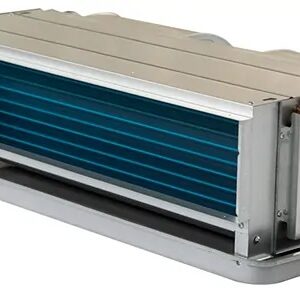
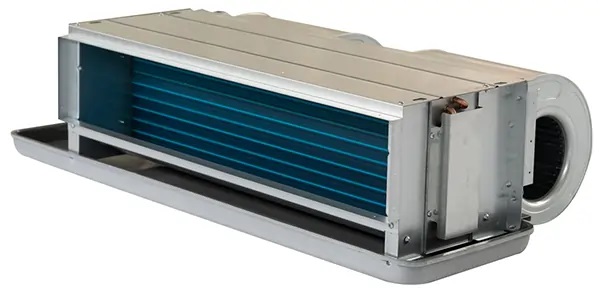
Ceiling Concealed Fan Coil Unit - High Efficiency HVAC Air Handling System
View Details
Ceiling Concealed Fan Coil Unit - High Efficiency HVAC Air Handling System
View Details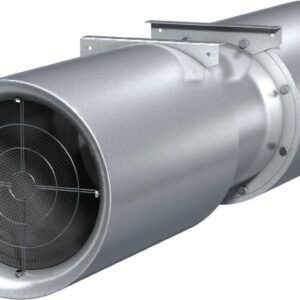
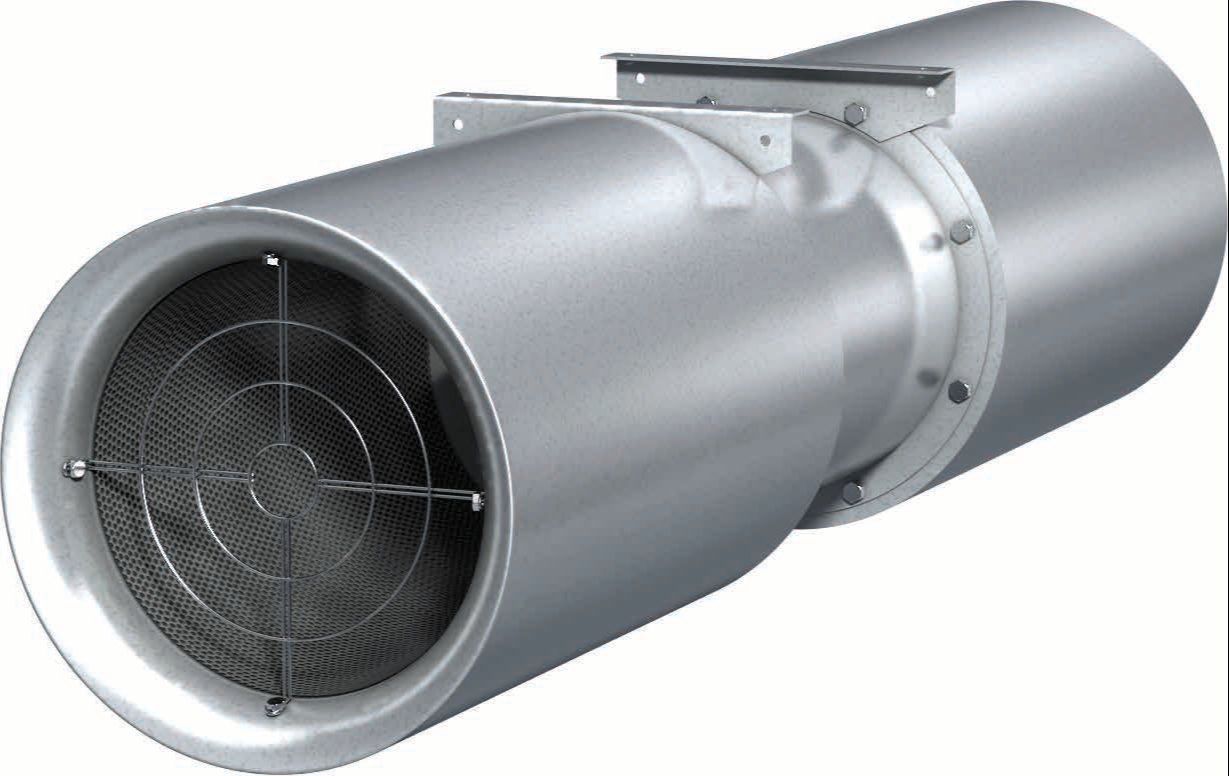
High-Performance Industrial Jet Fan - Tunnel and Garage Ventilation System
View Details
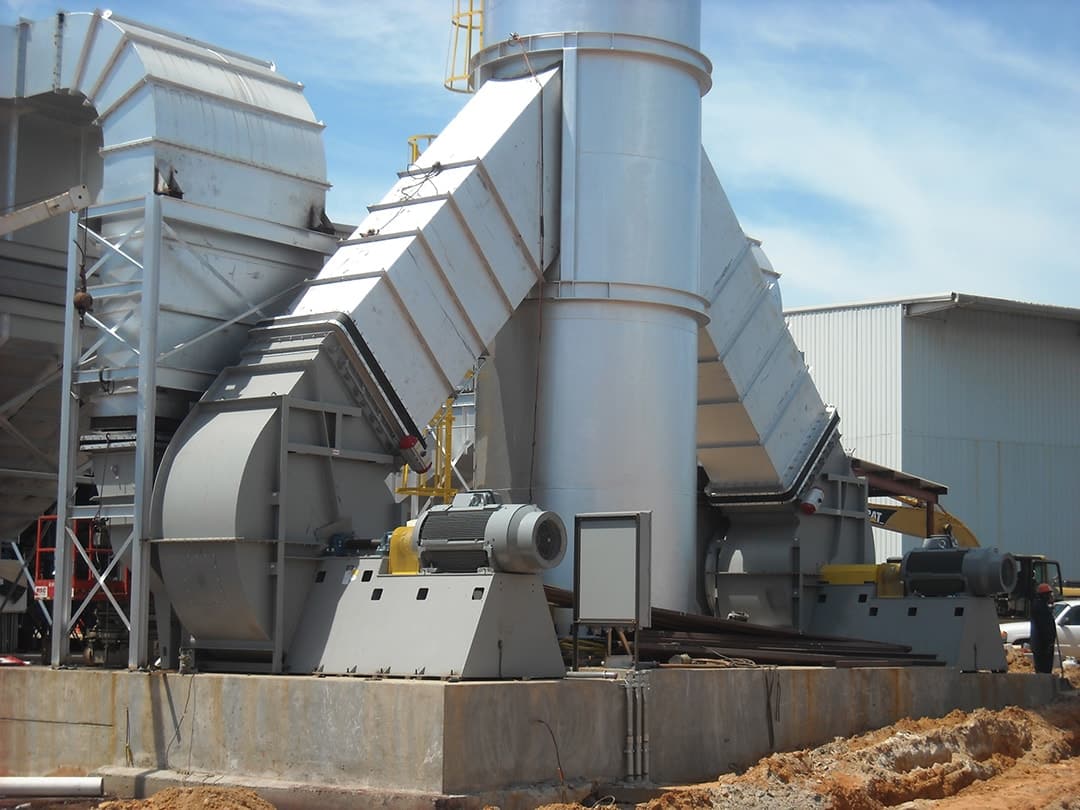
High-Capacity Industrial Centrifugal Ventilator - Heavy-Duty Airflow System
View Details
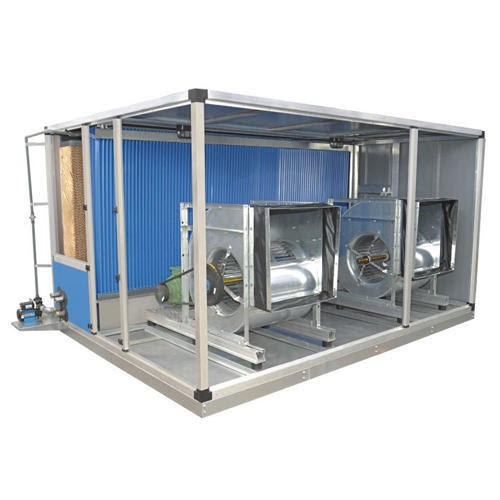
Industrial Evaporative Air Cooling Unit - High Efficiency HVAC System
View DetailsBasement venting is essential for maintaining safe and comfortable working conditions in industrial and commercial facilities. When air circulation is poor, moisture and heat can accumulate, creating risks for equipment and personnel. A well-designed basement venting system helps control humidity, prevent corrosion, and keep air quality at healthy levels. Aeppl engineers systems that fit real-world industrial needs, balancing performance, reliability, and long-term durability.
In many facilities, basements serve as control rooms, storage zones, or housing areas for heavy equipment. These spaces often lack natural airflow, allowing heat and humidity to build up. Proper venting ensures consistent air movement and temperature balance. It also helps meet safety codes and environmental standards by reducing the risk of gas accumulation or mold growth.
| Feature | Traditional Venting | Modern Basement Venting |
|---|---|---|
| Airflow Control | Manual or limited | Sensor-based automatic adjustment |
| Energy Efficiency | Moderate | Variable-speed fan optimization |
| Maintenance | Frequent filter and duct cleaning | Low-maintenance design |
| Durability | Basic build quality | Industrial-grade materials and coatings |
Basement venting supports operations in factories, warehouses, commercial buildings, and data centers. It pairs well with equipment such as the High-Capacity Industrial Centrifugal Ventilator and the High-Performance Industrial Jet Fan. These systems are built for efficient airflow in confined environments and can be customized for specific basement layouts.
Modern basement venting can connect with other energy-saving systems, such as evaporative cooling units. Aeppl offers integration with its Industrial Evaporative Air Cooling Unit, allowing facilities to maintain air quality while lowering power usage. This approach supports sustainability goals and reduces operational costs.
| Parameter | Recommended Range | Considerations |
|---|---|---|
| Airflow Capacity | 5000 to 20000 CFM | Depends on basement size and occupancy |
| Noise Level | Below 70 dB | Important for maintaining comfortable work conditions |
| Power Consumption | Variable-speed operation | Improves efficiency during low-demand periods |
Aeppl basement venting systems are engineered for long-term reliability. Regular inspections and filter cleaning keep airflow consistent and prevent dust buildup. The use of corrosion-resistant housings and durable fan assemblies ensures dependable operation year after year. Aeppl's service team provides technical support, parts, and on-site assistance when needed. For help, contact +91-9599785811, +91-8377077661, +91-9810162210 or email sales@aeppl.com.
Aeppl (Aerotech Equipments and Projects Pvt. Ltd.) designs and manufactures industrial air handling and ventilation systems for facilities worldwide. With decades of experience, Aeppl delivers dependable solutions built for performance and long service life. Visit Aeppl
Basement venting involves installing air systems that manage airflow, humidity, and temperature in confined or underground industrial spaces.
It prevents moisture buildup, corrosion, and gas accumulation, keeping the environment safe and equipment functioning properly.
It continuously exchanges stale air with fresh air, helping control humidity and remove airborne contaminants.
Yes, systems with variable-speed fans and sensors adjust airflow based on demand, saving energy.
It is ideal for basements in offices, data centers, and warehouses where ventilation is crucial.
Basement size, heat load, air volume, occupancy, and equipment placement all influence design choices.
A routine inspection every 6 to 12 months helps maintain efficiency and prevent dust or moisture issues.
Durable steel, aluminum, and corrosion-resistant coatings are used for longevity and safety.
Yes, Aeppl designs and manufactures systems tailored to each site's airflow and space requirements.
Reach Aeppl at +91-9599785811, +91-8377077661, +91-9810162210 or email sales@aeppl.com for technical help or quotes.