
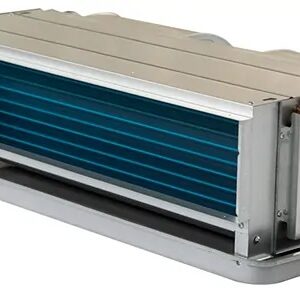
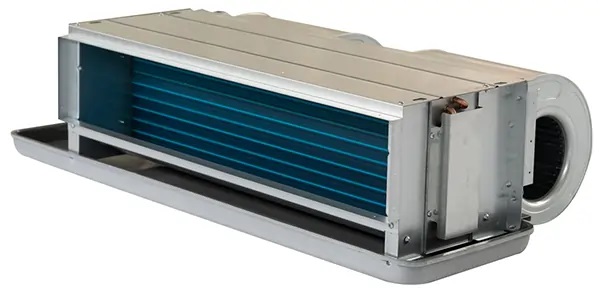
Ceiling Concealed Fan Coil Unit - High Efficiency HVAC Air Handling System
View Details
Ceiling Concealed Fan Coil Unit - High Efficiency HVAC Air Handling System
View Details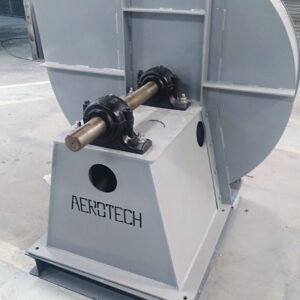
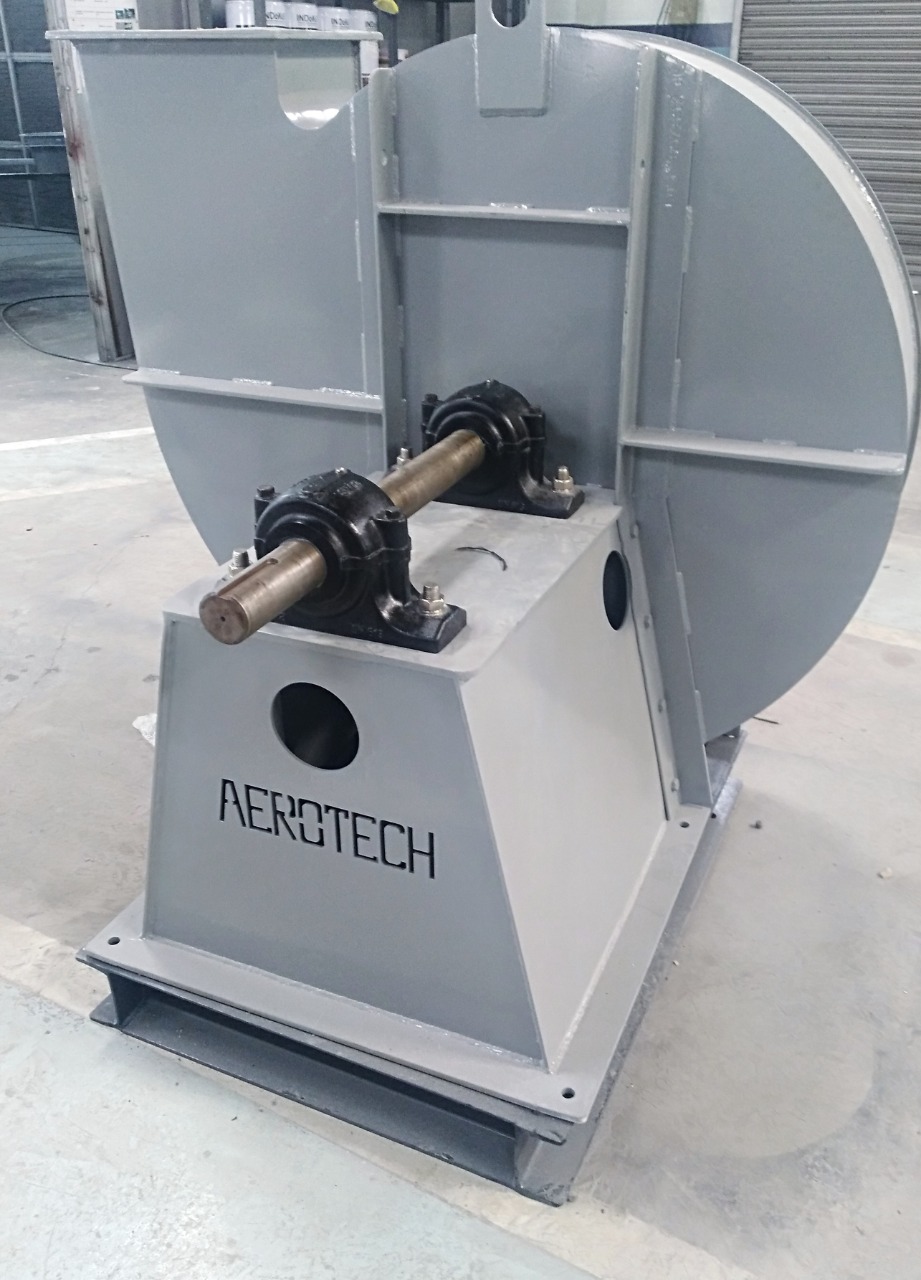
Industrial Centrifugal Air Ventilation System – Heavy Duty Steel Housing
View Details
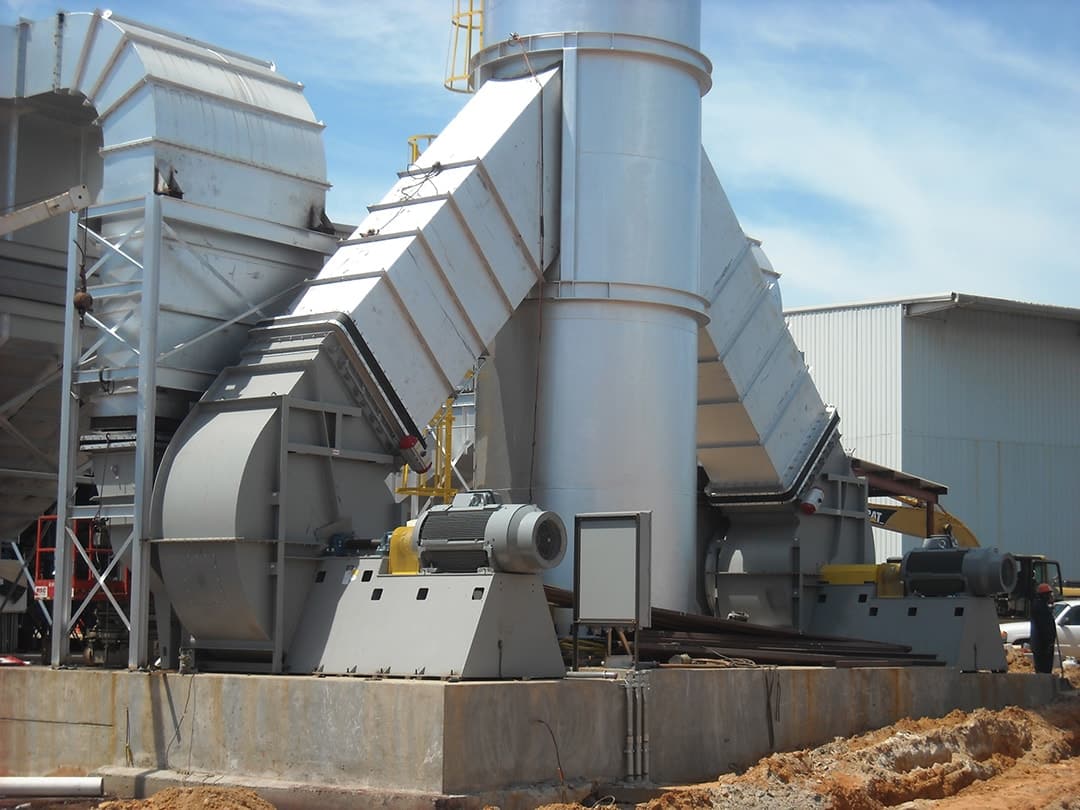
High-Capacity Industrial Centrifugal Ventilator - Heavy-Duty Airflow System
View Details
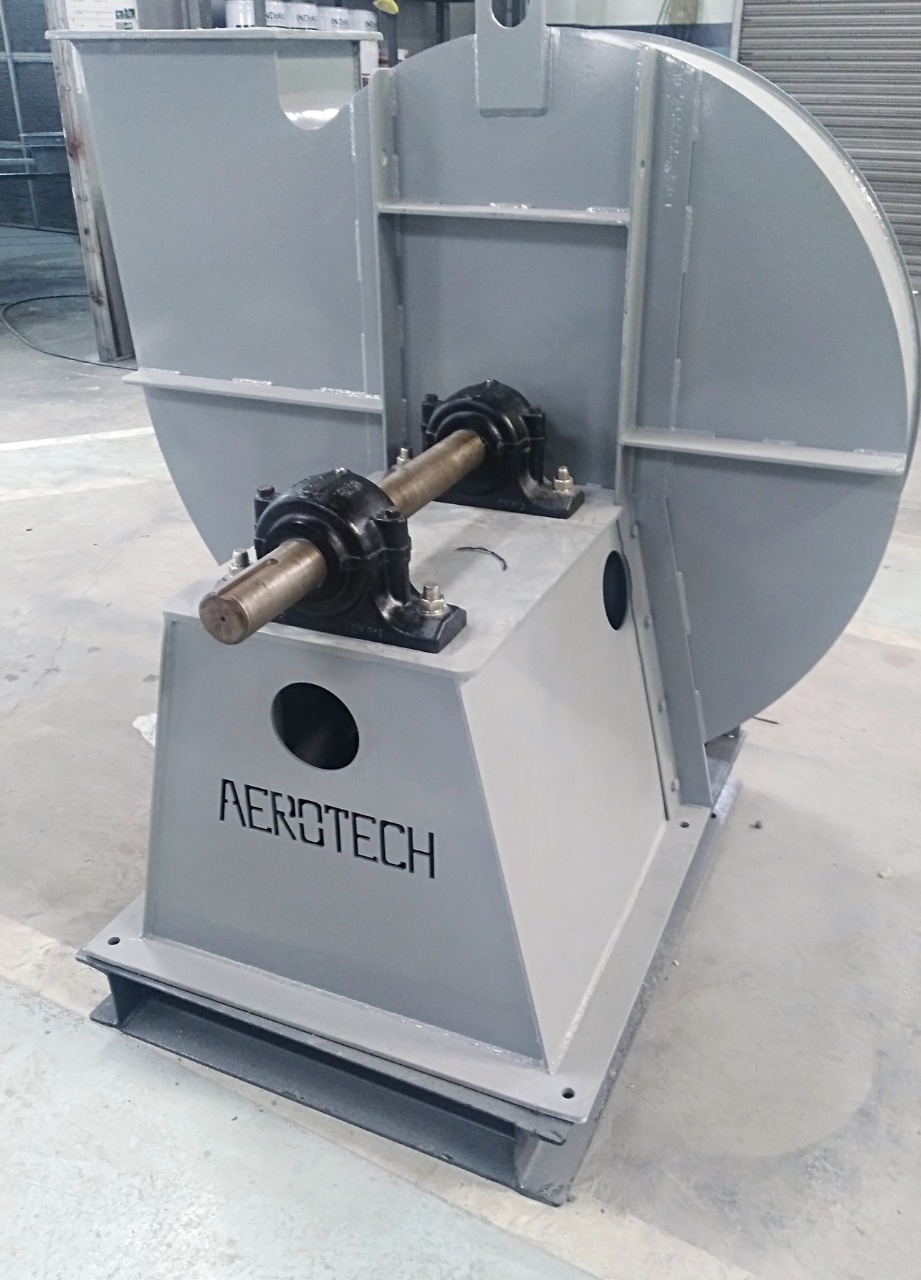
Industrial Centrifugal Ventilation Blower – Heavy-Duty Air Handling Unit
View Details
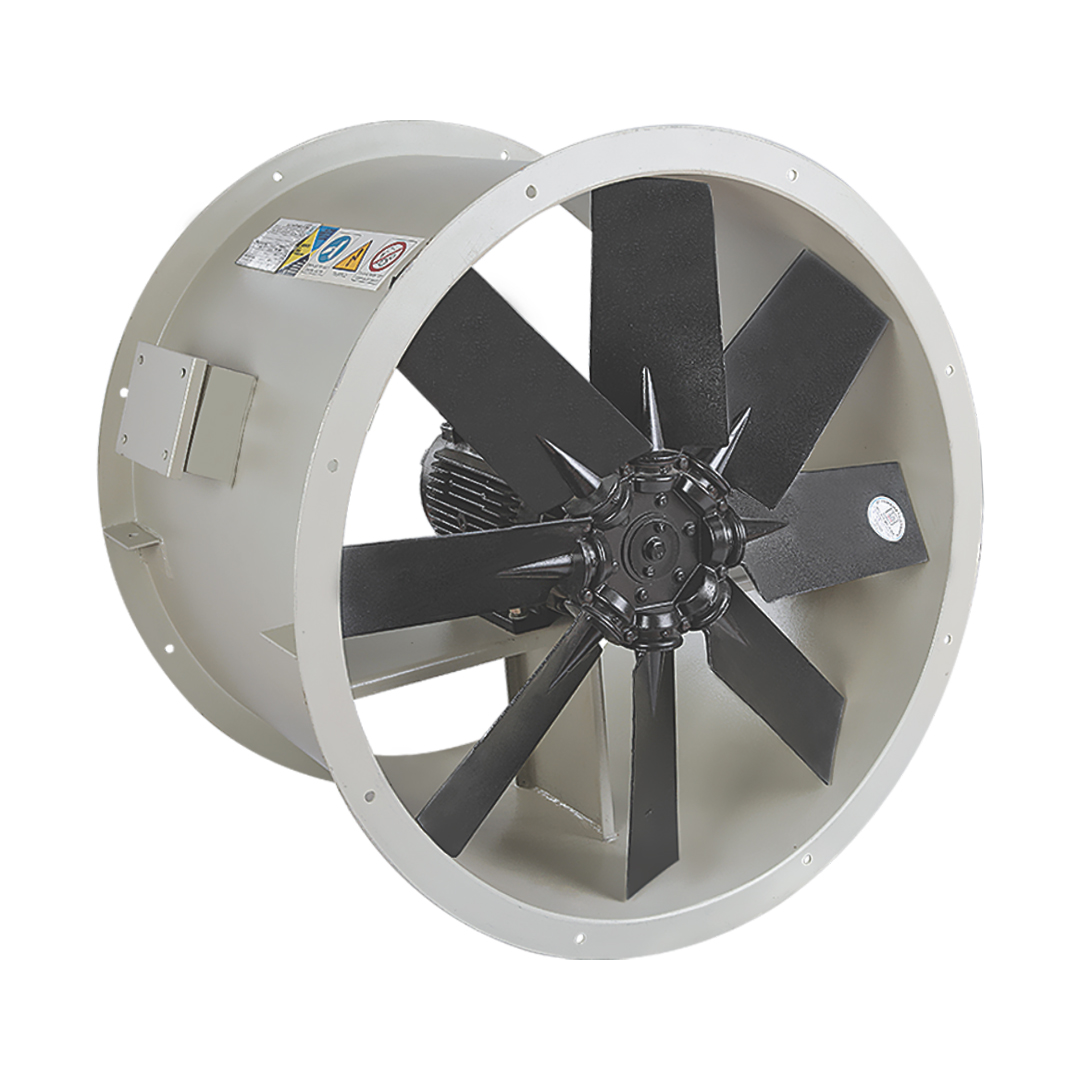
High-Temperature Axial Smoke Exhaust Fan - Industrial Ventilation System
View Details
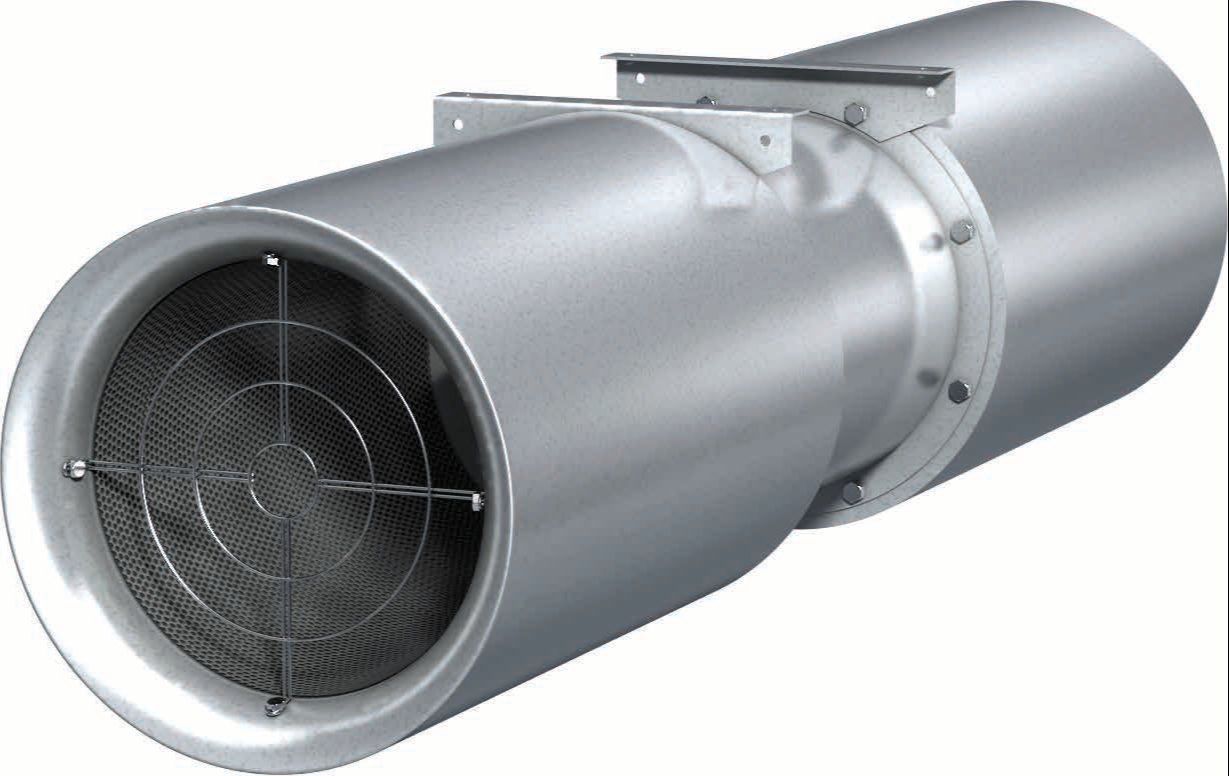
High-Performance Industrial Jet Fan - Tunnel and Garage Ventilation System
View Details
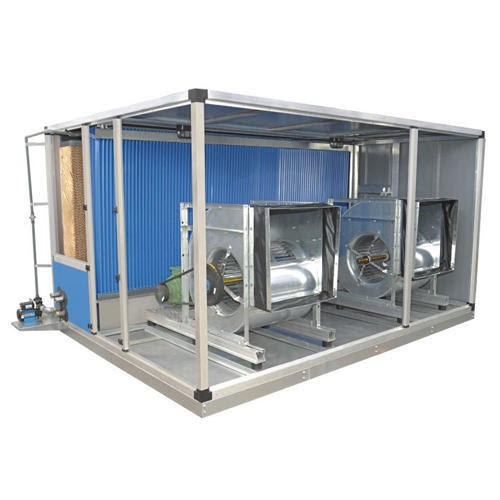
Industrial Evaporative Air Cooling Unit - High Efficiency HVAC System
View Details
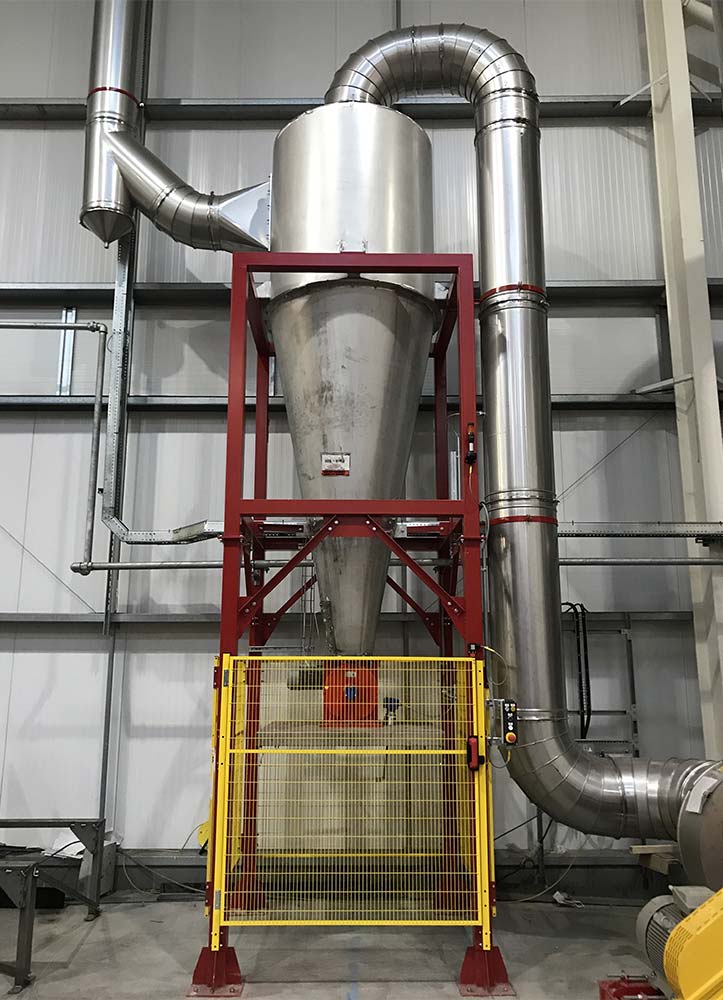
Industrial Venturi Scrubber System – High-Efficiency Air Pollution Control Unit
View DetailsBasement room ventilation plays a critical role in keeping enclosed areas safe and comfortable. In factories, laboratories, or commercial buildings, basements often house machinery, archives, or electrical systems that depend on stable air conditions. Without proper ventilation, humidity builds up, leading to corrosion, mold, and unpleasant odors. Aeppl provides engineered ventilation systems designed to manage airflow and maintain balanced humidity levels in industrial basements.
Basements naturally have limited air movement. Stale air and trapped moisture can quickly affect equipment and structural integrity. Effective basement room ventilation ensures fresh air circulation and helps regulate temperature. In industrial settings, this also supports compliance with safety and building standards while improving overall air quality for workers and stored materials.
The right system depends on the basement’s purpose and size. Smaller areas may benefit from exhaust fans or ducted air exchange units, while larger industrial basements often require mechanical air handling systems. Aeppl offers solutions built for demanding environments, ensuring steady airflow and dependable performance.
| System Type | Best Use | Main Advantage |
|---|---|---|
| Exhaust Fan Units | Compact or moisture-prone basements | Removes humid air and odors effectively |
| Mechanical Air Handling Units | Large industrial or commercial basements | Provides continuous ventilation and filtration |
| Evaporative Cooling Units | High-temperature or heat-generating zones | Offers cooling with efficient air movement |
Modern facilities often link basement ventilation with centralized HVAC systems. This integration helps maintain consistent airflow throughout the building. Aeppl’s systems are compatible with automated building management setups, allowing real-time adjustments based on humidity or air quality sensors. This approach reduces energy waste and supports sustainable operation.
Energy-efficient ventilation is increasingly important for industrial spaces. Aeppl’s basement room ventilation designs use optimized impellers and balanced airflow paths to minimize power consumption. Durable materials and precise construction help maintain performance while reducing environmental impact.
| Feature | Standard System | Aeppl System |
|---|---|---|
| Airflow Efficiency | Moderate output | Optimized for steady industrial airflow |
| Energy Use | Higher consumption | Reduced through efficient impeller design |
| Durability | Basic materials | Built with heavy-duty steel housing |
| Automation Compatibility | Limited control options | Ready for integration with smart systems |
Proper installation ensures air movement follows the intended direction and meets ventilation standards. Regular maintenance helps prevent dust buildup and keeps fans operating efficiently. Aeppl supports facilities with spare parts and technical assistance, helping maintain reliable ventilation over time.
Aerotech Equipments and Projects Pvt. Ltd. (Aeppl) manufactures and exports advanced air handling and ventilation systems for industrial use. The company focuses on dependable engineering and long-term performance. For consultation or product inquiries, call +91-9599785811, +91-8377077661, or +91-9810162210, or email sales@aeppl.com. Visit Aeppl
It refers to systems that move air through enclosed basement spaces to control humidity and prevent mold, corrosion, and stale air.
Basements trap moisture and heat. Ventilation keeps air fresh, protects equipment, and prevents structural damage.
Mechanical air handling units or centrifugal blowers are best for large basements needing steady airflow and filtration.
Yes, it replaces stale air with fresh air, reducing contaminants and improving comfort for workers and stored materials.
Inspection every six months helps maintain efficiency and prevents dust or moisture buildup.
Yes, it lowers electricity use while maintaining airflow and humidity balance.
Automation adjusts airflow based on humidity or CO2 levels, improving reliability and reducing manual oversight.
By keeping humidity low and air circulating, mold and mildew don’t get the damp conditions they need to grow.
Aeppl builds durable ventilation systems with precision engineering suited for industrial basements and long-term reliability.
Contact Aeppl at +91-9599785811, +91-8377077661, or +91-9810162210, or email sales@aeppl.com for a custom quote.