
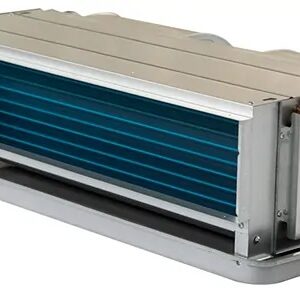
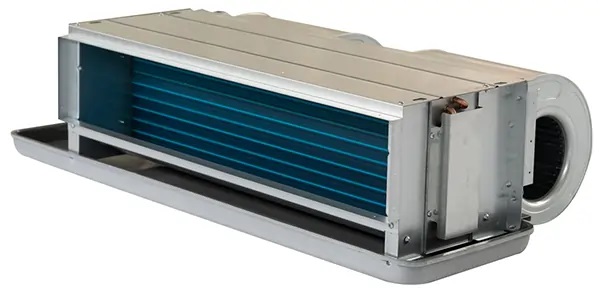
Ceiling Concealed Fan Coil Unit - High Efficiency HVAC Air Handling System
View Details
Ceiling Concealed Fan Coil Unit - High Efficiency HVAC Air Handling System
View Details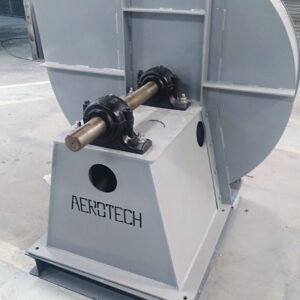
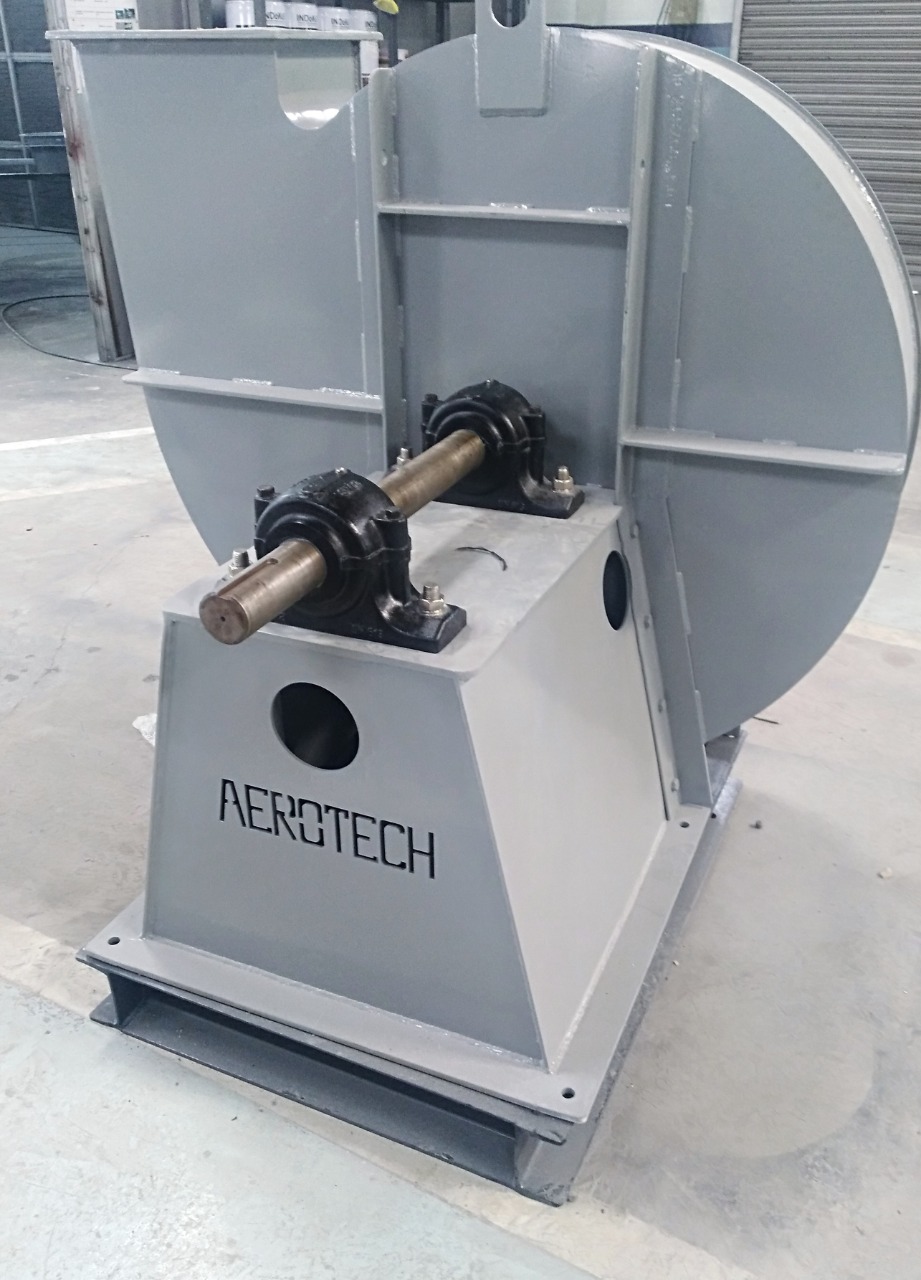
Industrial Centrifugal Air Ventilation System – Heavy Duty Steel Housing
View Details
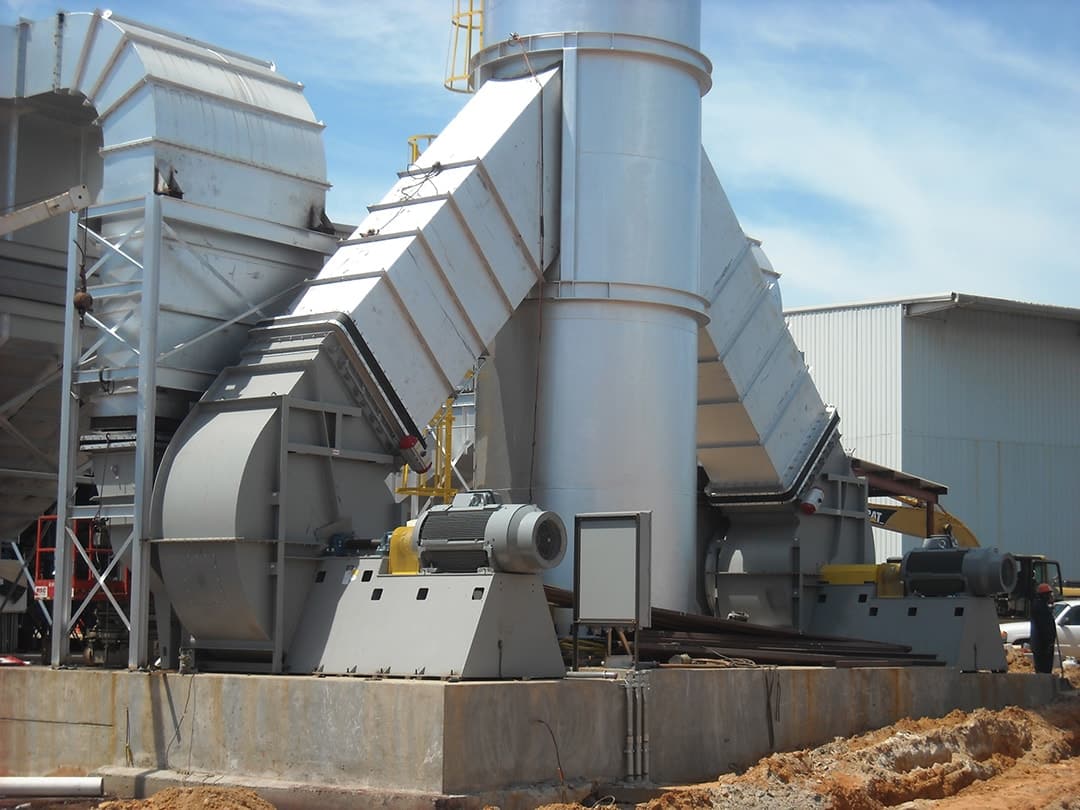
High-Capacity Industrial Centrifugal Ventilator - Heavy-Duty Airflow System
View Details
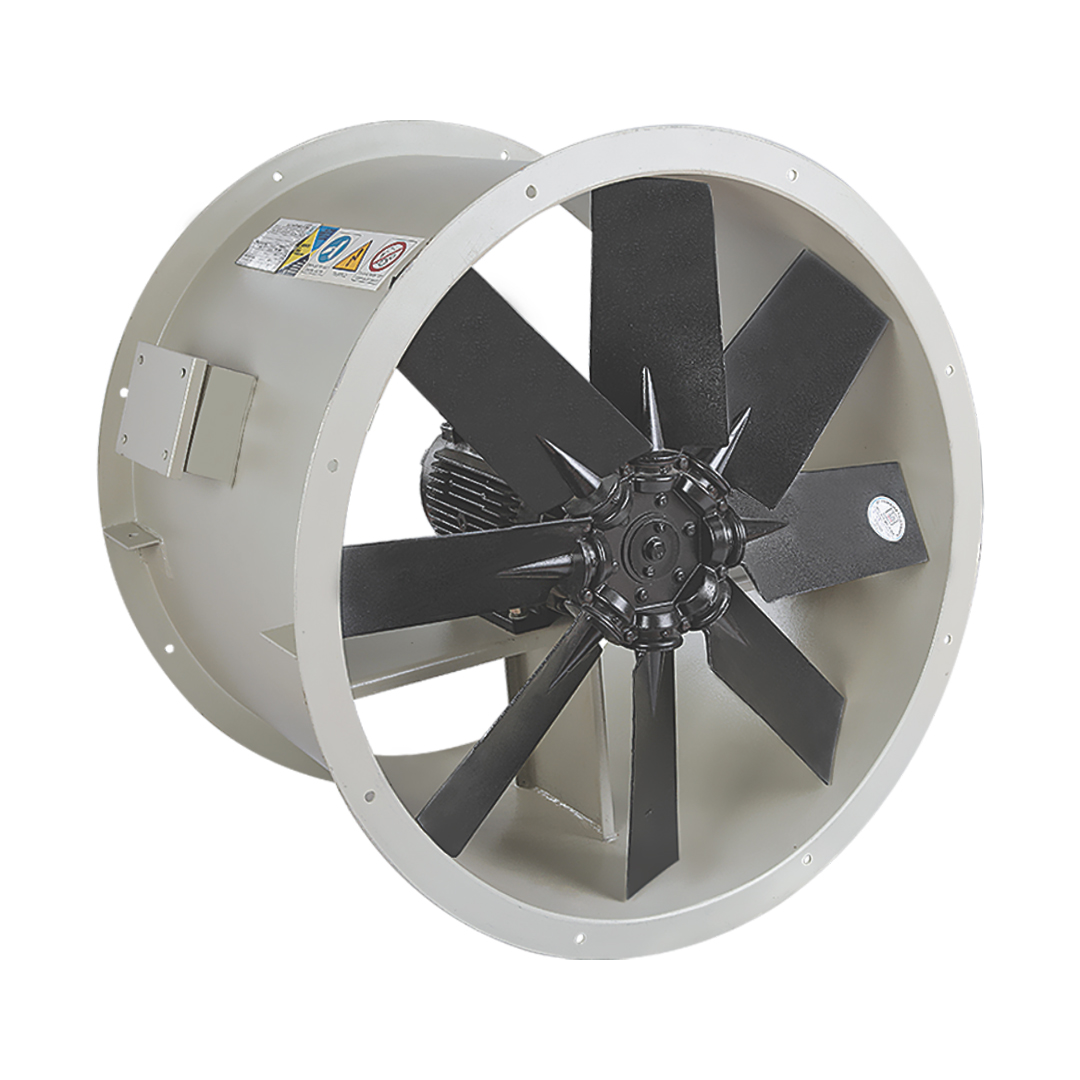
Heavy-Duty Industrial Tube Axial Flow Fan – High Air Volume Ventilation System
View Details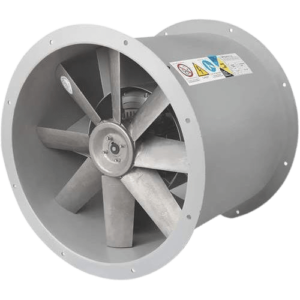
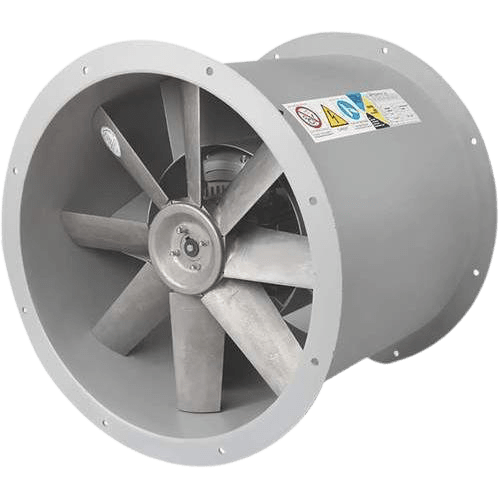
Heavy-Duty Industrial Vane Axial Fan – High Airflow Ventilation System
View Details
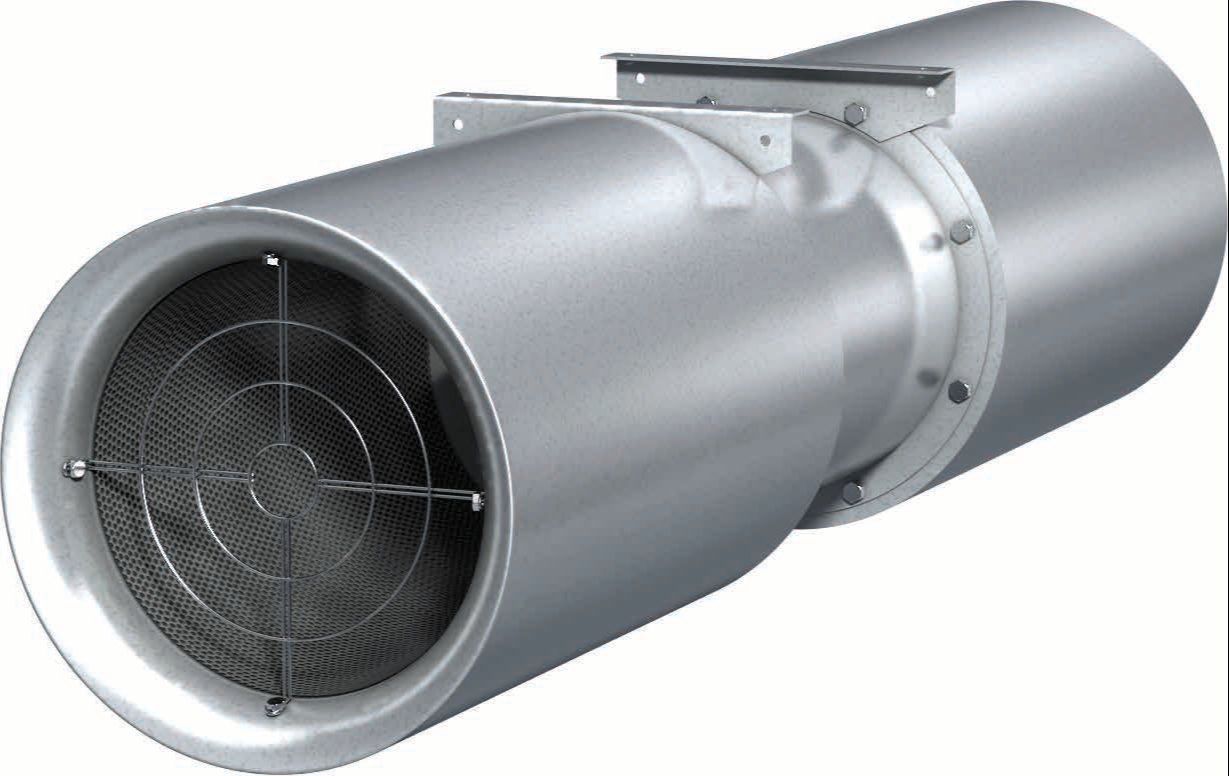
High-Performance Industrial Jet Fan - Tunnel and Garage Ventilation System
View Details
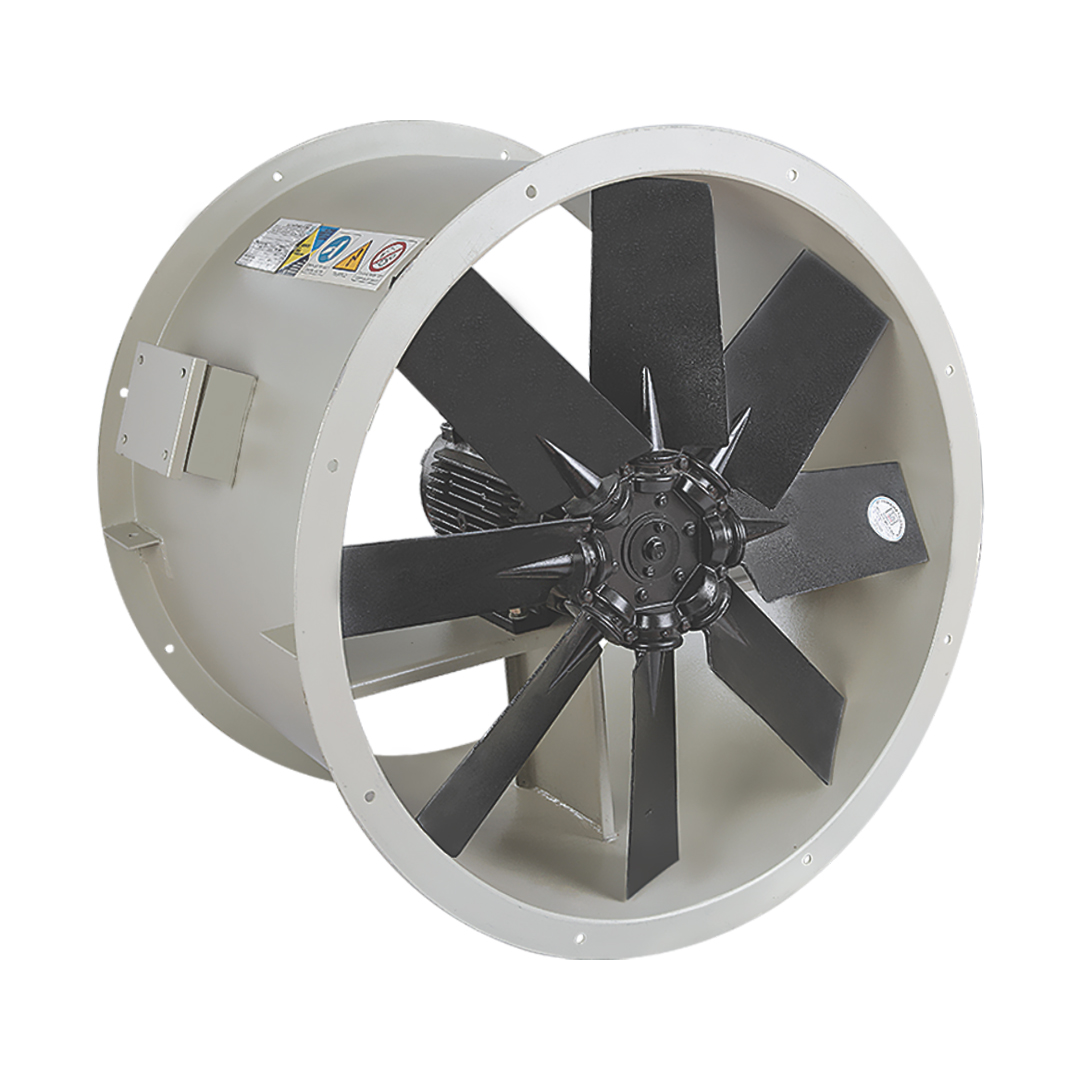
Heavy-Duty Industrial Vane Axial Flow Fan – High Air Volume Ventilation System
View Details

Industrial Axial Metal Exhaust Fan – High Airflow Ventilation System
View DetailsBasements often have limited natural airflow, making ventilation a key factor in maintaining a healthy and efficient environment. Whether in industrial facilities or commercial buildings, proper air circulation in basement areas helps control humidity, temperature, and airborne contaminants. Without it, enclosed spaces can quickly become uncomfortable or unsafe for workers and equipment.
Effective ventilation systems keep air moving, reduce condensation, and ensure consistent air quality. Aeppl designs and manufactures durable air handling equipment that supports these needs, helping facilities maintain reliable performance and safety standards.
Basement areas are prone to dampness and stagnant air because of their below-ground location. Without proper ventilation, moisture can accumulate and lead to mold growth, corrosion, and equipment damage. In industrial settings, poor air movement can also increase heat buildup and reduce productivity. Installing a well-designed air circulation system helps maintain safe working conditions and protects machinery from excessive wear.
Choosing the right ventilation system depends on the size of the basement and its purpose. For industrial spaces, mechanical ventilation using axial or centrifugal fans is typically required. Aeppl offers equipment designed for continuous operation and efficient air movement.
| Fan Type | Airflow Capacity | Best Use Case | Energy Efficiency |
|---|---|---|---|
| Vane Axial Fan | High | Large basements with heavy equipment | Excellent |
| Tube Axial Fan | Moderate to High | Tight spaces with controlled exhaust | Very Good |
| Centrifugal Ventilator | High Pressure | Dusty or high-moisture basements | Excellent |
Installing ventilation equipment in a basement requires careful planning. Engineers should evaluate airflow direction, fan placement, and exhaust routing to prevent recirculation of contaminated air. Proper duct sizing and sealing help maintain efficiency and minimize energy loss. Regular cleaning and inspection of filters and motors ensure long-term reliability.
| Feature | Standard Fan | Aeppl Industrial Fan |
|---|---|---|
| Build Quality | Light-duty housing | Heavy-duty steel construction |
| Energy Efficiency | Basic motor | Optimized high-efficiency motor |
| Noise Control | Moderate | Low vibration and sound dampening |
| Customization | Limited | Built to customer specifications |
Routine maintenance helps ventilation systems operate smoothly. Dust, moisture, and debris can accumulate in fans and ducts, reducing efficiency. Scheduled cleaning and inspection of blades, bearings, and filters prevent breakdowns and extend equipment life. Aeppl provides maintenance guidance for its products, ensuring consistent performance and compliance with safety standards.
Good air circulation in basement spaces improves comfort, reduces energy costs, and supports sustainable operations. It also helps meet workplace safety and environmental requirements. Investing in reliable ventilation systems pays off through better air quality and reduced maintenance needs.
Aeppl (Aerotech Equipments and Projects Pvt. Ltd.) is an Indian manufacturer and exporter of industrial ventilation and air handling systems. With decades of engineering experience, Aeppl builds durable, energy-efficient solutions for demanding industrial environments. Visit Aeppl
Basement air circulation helps prevent moisture buildup, improves air quality, and supports safe working conditions in industrial settings.
Axial and centrifugal fans are effective for basement ventilation depending on airflow requirements and available space.
Yes, inadequate airflow can cause overheating, corrosion, and reduced efficiency of industrial equipment.
Maintenance every 6 to 12 months ensures fans and filters operate efficiently and safely.
Fan capacity depends on basement size, heat load, humidity levels, and air exchange rate requirements.
Modern energy-efficient fans are designed for continuous use with minimal power consumption and long service life.
Automation allows real-time airflow adjustments, optimizing energy use and maintaining consistent air quality.
Industrial ventilation systems should comply with local and international safety and environmental regulations.
Aeppl fans use durable materials, efficient motors, and low-maintenance designs to ensure reliable long-term operation.
Reach Aeppl at +91-9599785811, +91-8377077661, +91-9810162210 or email sales@aeppl.com for tailored system designs.