
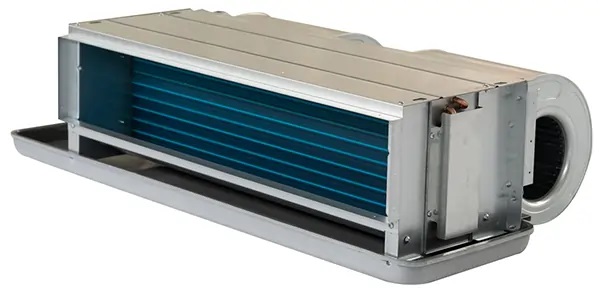
Ceiling Concealed Fan Coil Unit - High Efficiency HVAC Air Handling System
View Details
Ceiling Concealed Fan Coil Unit - High Efficiency HVAC Air Handling System
View Details
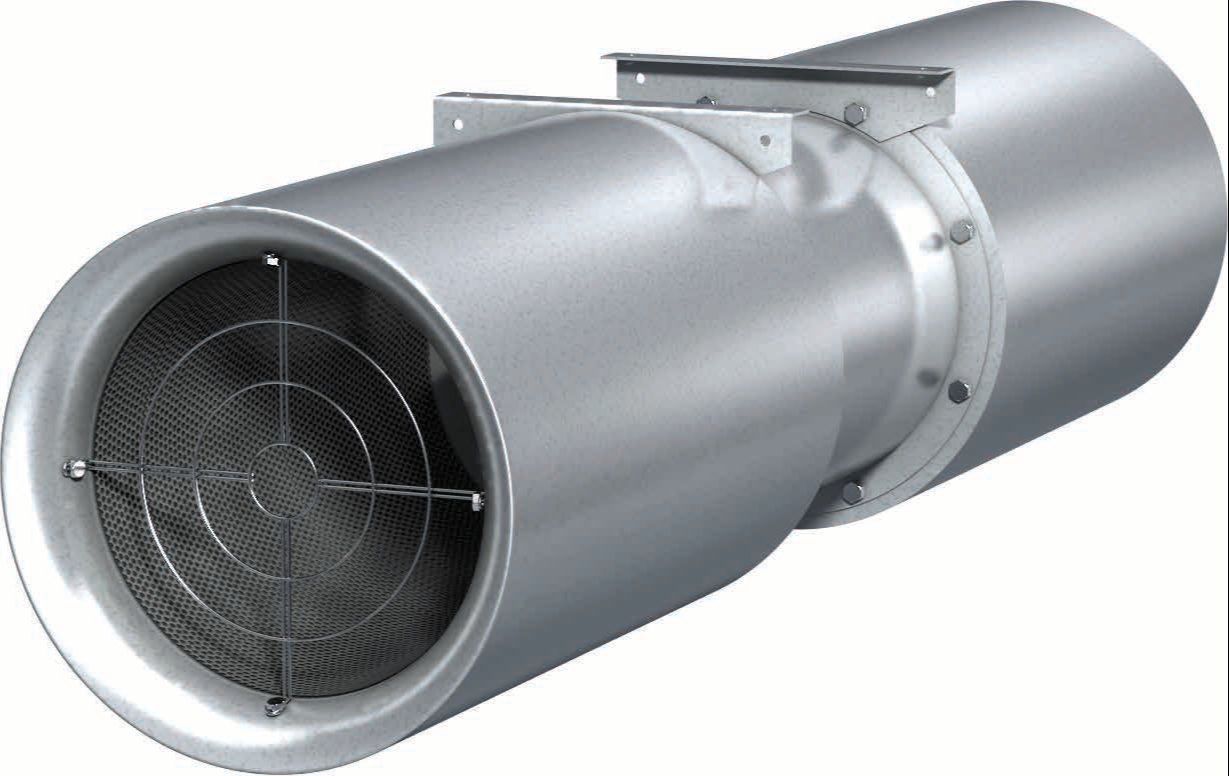
High-Performance Industrial Jet Fan - Tunnel and Garage Ventilation System
View Details
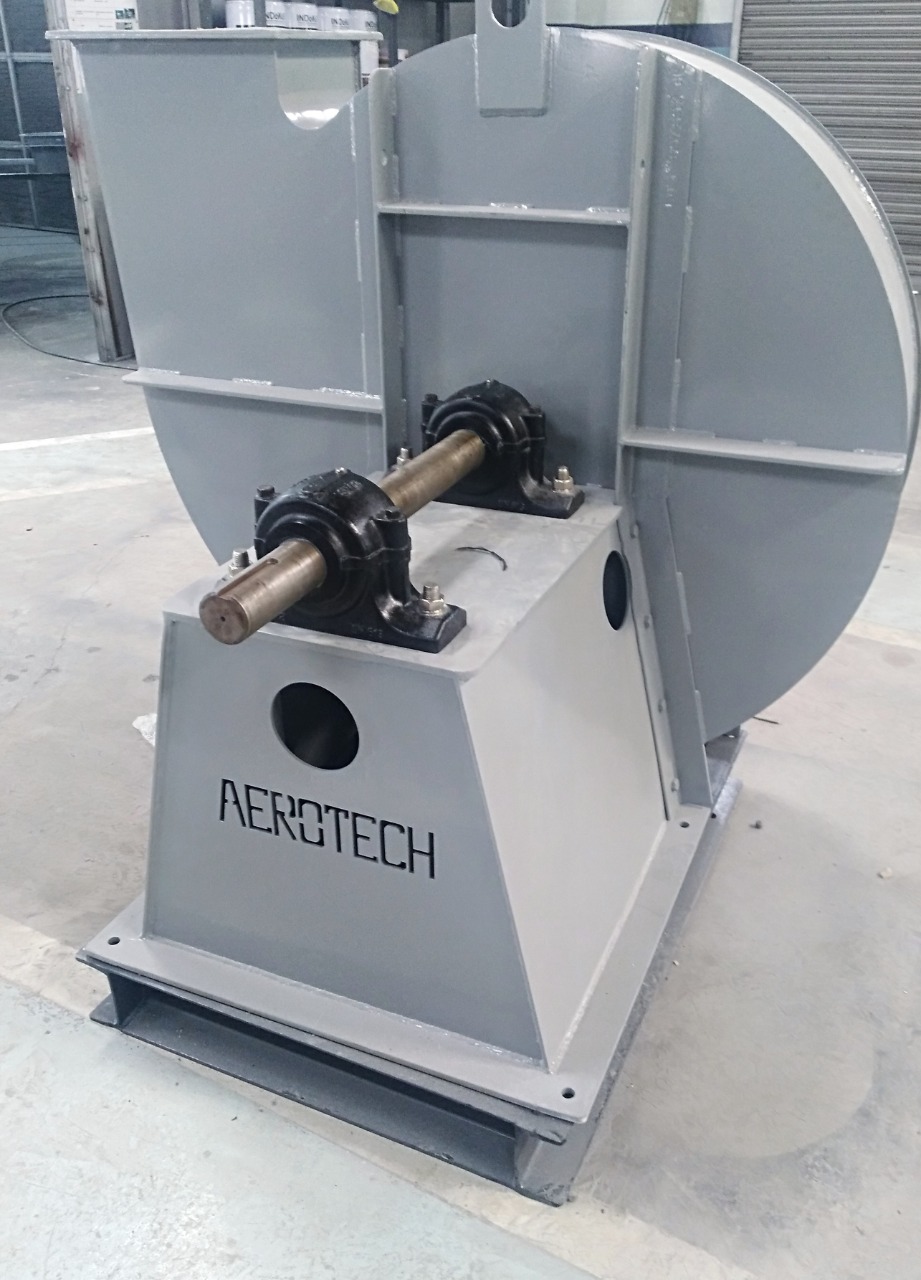
Industrial Centrifugal Air Ventilation System – Heavy Duty Steel Housing
View Details
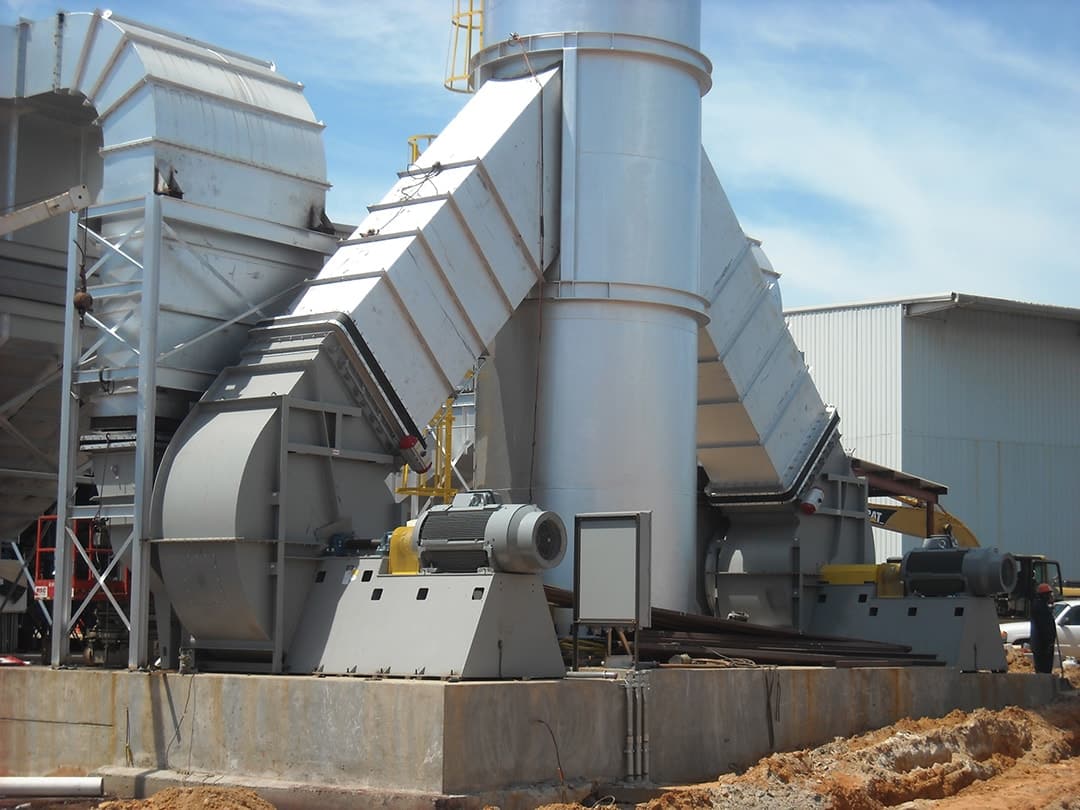
High-Capacity Industrial Centrifugal Ventilator - Heavy-Duty Airflow System
View Details
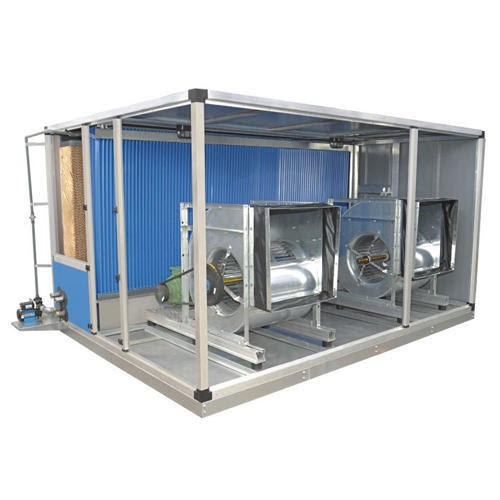
Industrial Evaporative Air Cooling Unit - High Efficiency HVAC System
View Details
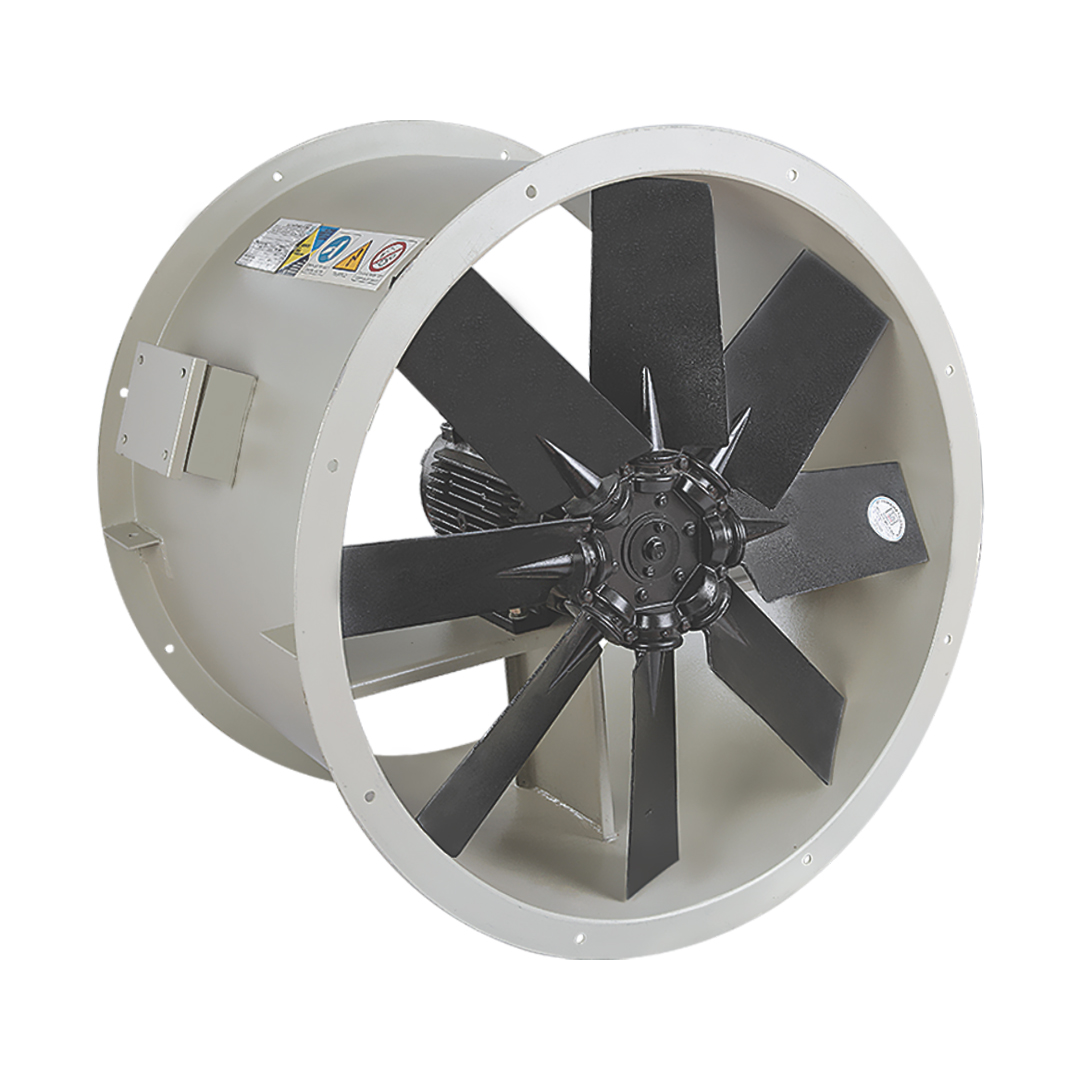
High-Temperature Axial Smoke Exhaust Fan - Industrial Ventilation System
View DetailsBasement ventilation options are essential for keeping air fresh and preventing moisture buildup in enclosed areas. Whether your space is industrial, commercial, or used for storage, proper ventilation helps manage humidity, reduce odors, and protect equipment. Facility engineers often use a mix of mechanical and natural ventilation to achieve balanced airflow and maintain a safe environment.
Mechanical systems provide steady airflow and work well in basements with limited openings. Common solutions include exhaust fans, air handling units, and energy recovery ventilators. These help maintain air exchange rates and comply with building standards for air quality.
Natural ventilation relies on openings such as windows, vents, or air shafts. While basements often have limited access to outdoor air, small design adjustments can make a big difference. Hopper windows and adjustable louvers can help circulate air and reduce reliance on mechanical systems.
| Ventilation Type | Advantages | Best Use Case |
|---|---|---|
| Mechanical Ventilation | Consistent airflow, humidity control, flexible performance | Industrial or enclosed basements |
| Natural Ventilation | Low energy use, simple maintenance | Basements with exterior access or mild conditions |
Modern basement ventilation options are moving toward energy-efficient designs and automated controls. Demand-based fans, smart sensors, and durable materials are now common features. Aeppl systems are built for reliability and help meet sustainability targets without compromising airflow.
The right basement ventilation system depends on how the space is used, humidity levels, and layout. Industrial basements often need high-capacity units such as the High-Capacity Industrial Centrifugal Ventilator from Aeppl, which supports continuous operation. Smaller basements can use compact air handling units that integrate with existing HVAC setups.
| Parameter | Recommended Range |
|---|---|
| Air Changes per Hour (ACH) | 6 to 10 depending on use |
| Noise Level | Below 65 dB for comfort |
| Motor Efficiency | IE3 or higher |
| Material | Galvanized or stainless steel for corrosion resistance |
Proper installation is key to consistent airflow and energy efficiency. Position fans and ducts to balance air movement across the space. Schedule regular maintenance to clean filters and check motor bearings. Aeppl provides engineering support and after-sales service to help keep systems running smoothly.
Basement ventilation can connect with existing HVAC systems for better efficiency. The Industrial Evaporative Air Cooling Unit from Aeppl helps maintain temperature and humidity balance while reducing energy use.
Basement ventilation must meet air quality and fire safety standards. Certified equipment ensures compliance and dependable performance. Aeppl products are tested under strict conditions to meet industrial and commercial requirements.
Choosing durable ventilation equipment saves on maintenance and downtime. Aeppl focuses on build quality and dependable service, helping facilities maintain clean, controlled environments for years.
Aerotech Equipments and Projects Pvt. Ltd. (Aeppl) is a trusted Indian manufacturer of industrial air handling and ventilation systems. With decades of engineering experience, Aeppl designs reliable solutions for industrial, commercial, and infrastructure projects. For technical advice or system selection, reach Aeppl at +91-9599785811, +91 8377077661, or +91 9810162210, or email sales@aeppl.com. Visit Aeppl
Industrial basements benefit from mechanical ventilation systems such as centrifugal ventilators, exhaust fans, and fan coil units that maintain consistent airflow and humidity control.
Ventilation removes stale air, controls moisture, and reduces contaminants, helping maintain safe air quality and protecting equipment from corrosion or mold.
Yes, energy recovery ventilators efficiently exchange indoor and outdoor air while conserving temperature balance, making them ideal for controlled basement environments.
Natural ventilation can help when windows or vents are available, but mechanical systems are more reliable for enclosed or humid basements.
Assess space size, humidity levels, temperature needs, and daily usage to select the right airflow capacity and equipment type.
Routine inspections every six months help maintain performance, prevent motor wear, and keep filters clean for steady airflow.
Automation-ready systems allow precise airflow control, lower energy use, and can integrate with building management systems for convenience.
With proper maintenance and quality manufacturing, a heavy-duty centrifugal ventilator can last more than ten years in continuous industrial operation.
Yes, Aeppl engineers design customized ventilation systems based on project-specific airflow, space constraints, and compliance needs.
You can reach Aeppl at +91-9599785811, +91 8377077661, or +91 9810162210, or email sales@aeppl.com for expert guidance on basement ventilation options.