
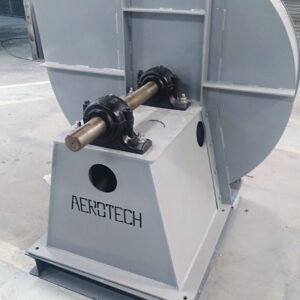
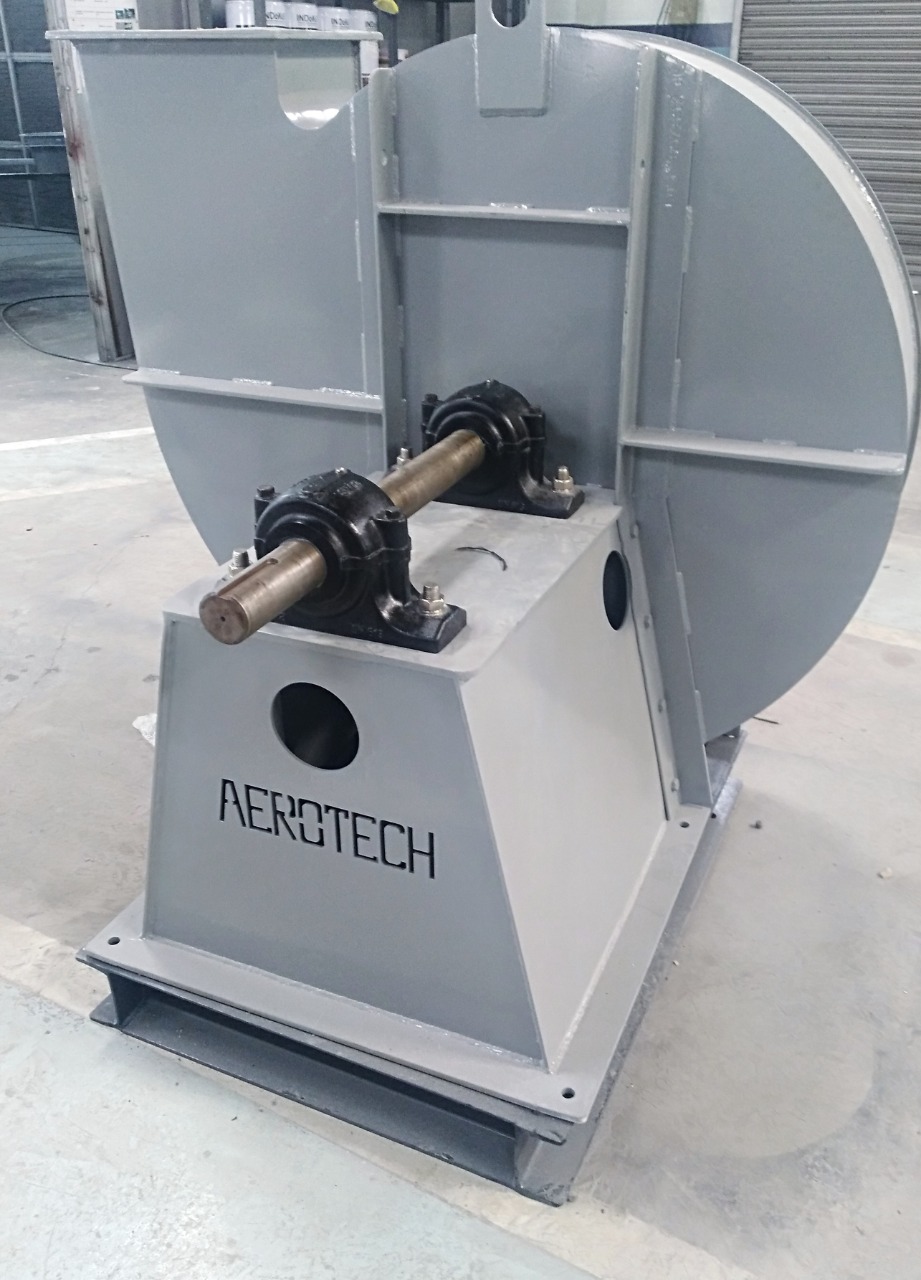
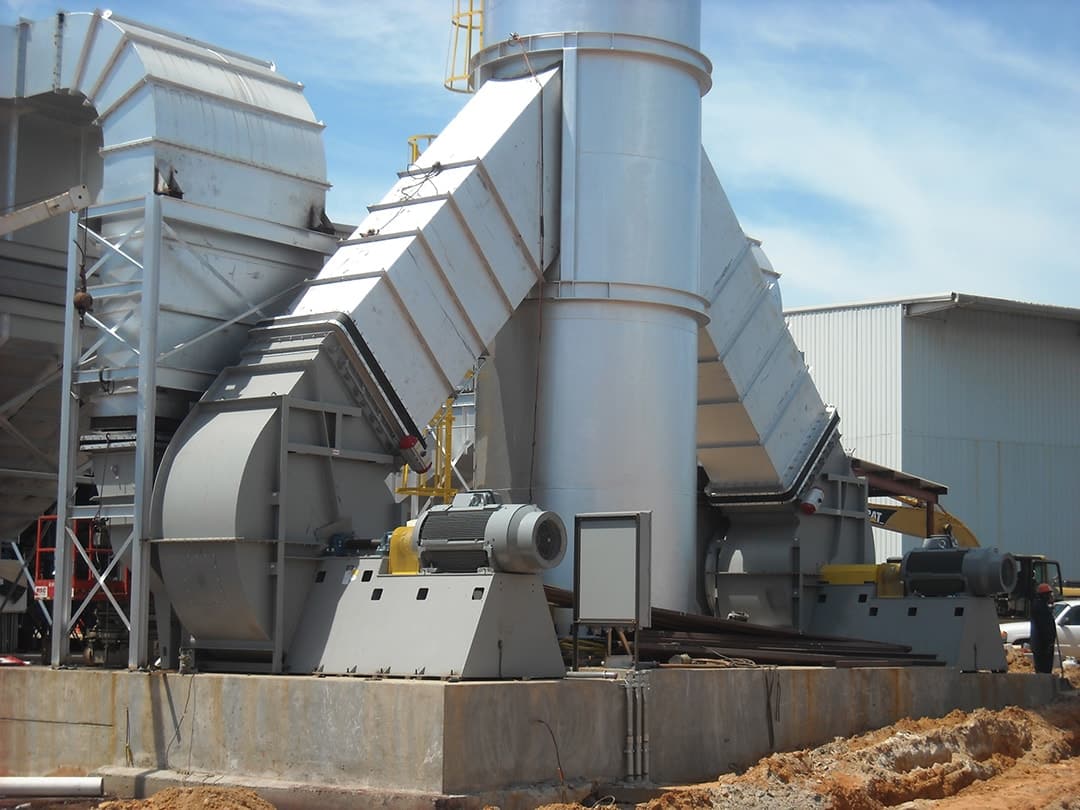
Industrial Centrifugal Air Ventilation System – Heavy Duty Steel Housing
View Details
Industrial Centrifugal Air Ventilation System – Heavy Duty Steel Housing
View Details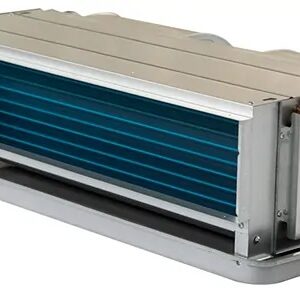
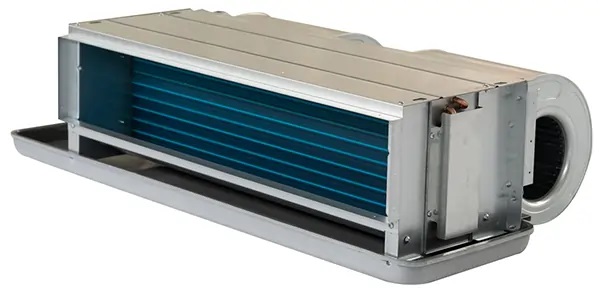
Ceiling Concealed Fan Coil Unit - High Efficiency HVAC Air Handling System
View Details
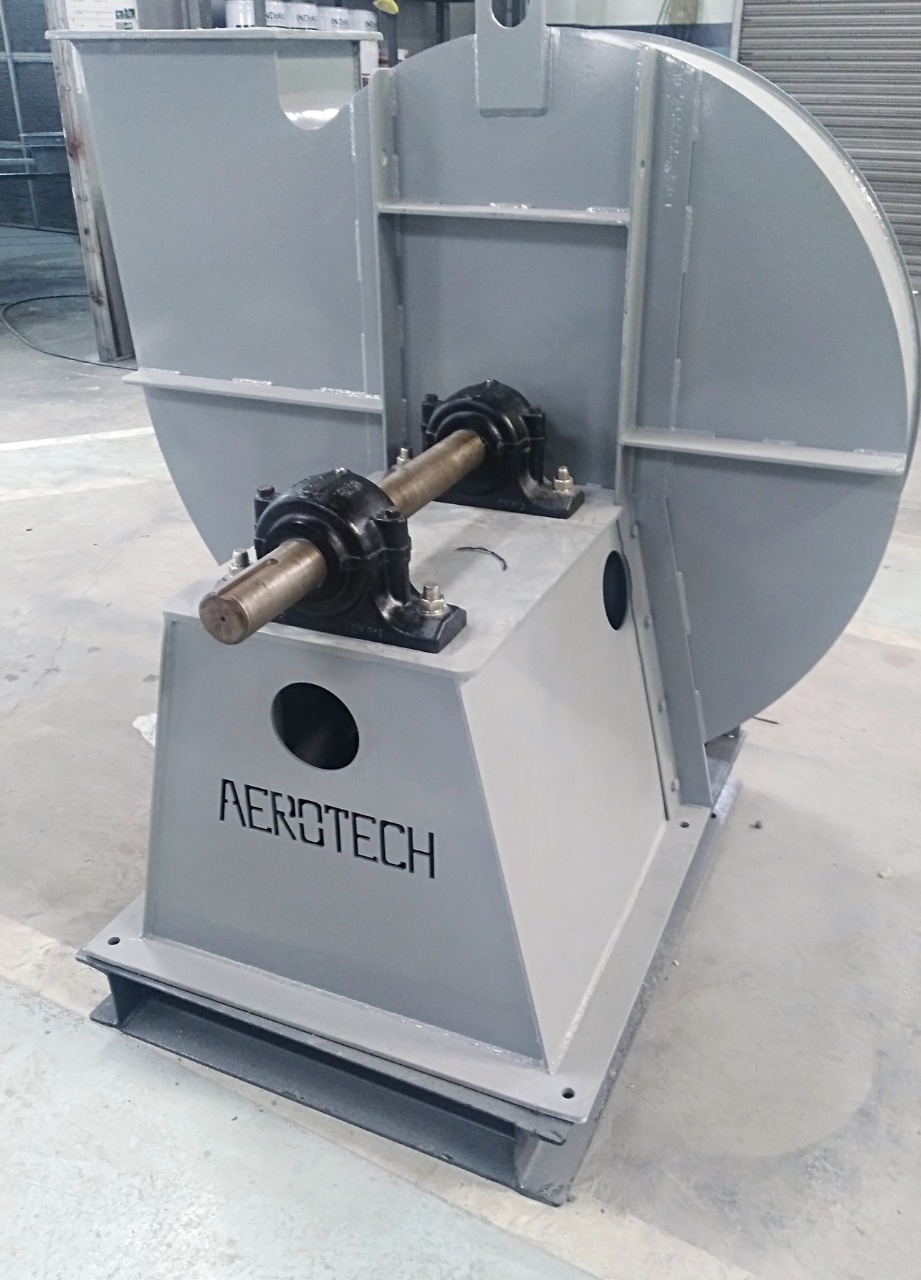
High-Capacity Industrial Centrifugal Ventilator - Heavy-Duty Airflow System
View Details
Industrial Centrifugal Ventilation Blower – Heavy-Duty Air Handling Unit
View Details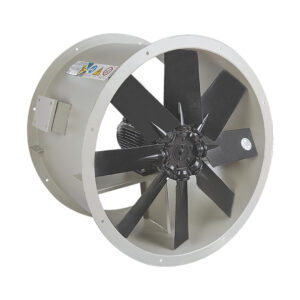
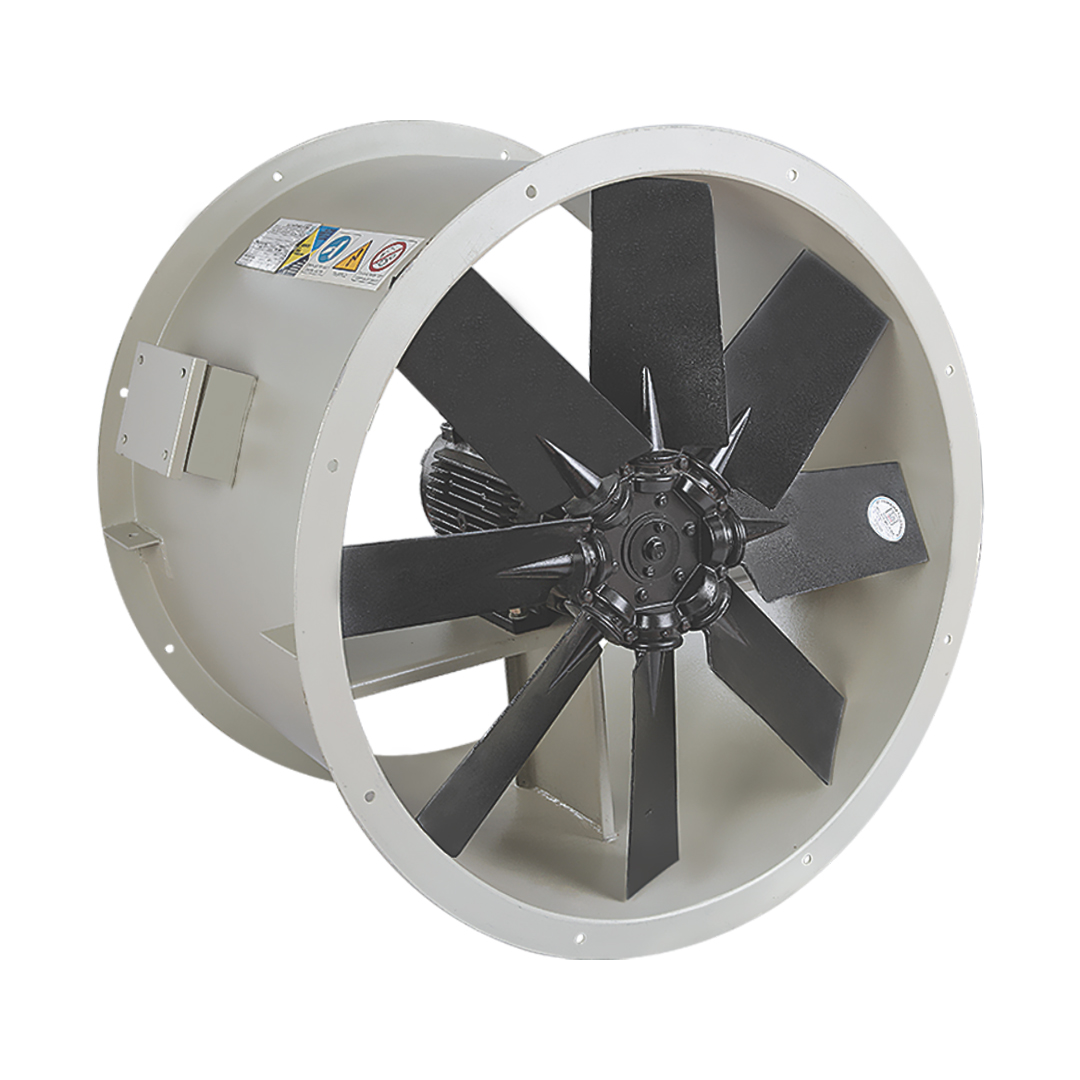
Heavy-Duty Industrial Tube Axial Flow Fan – High Air Volume Ventilation System
View Details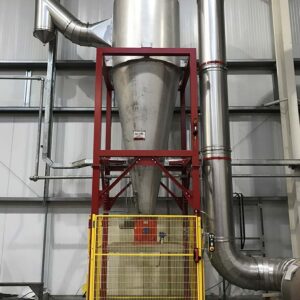
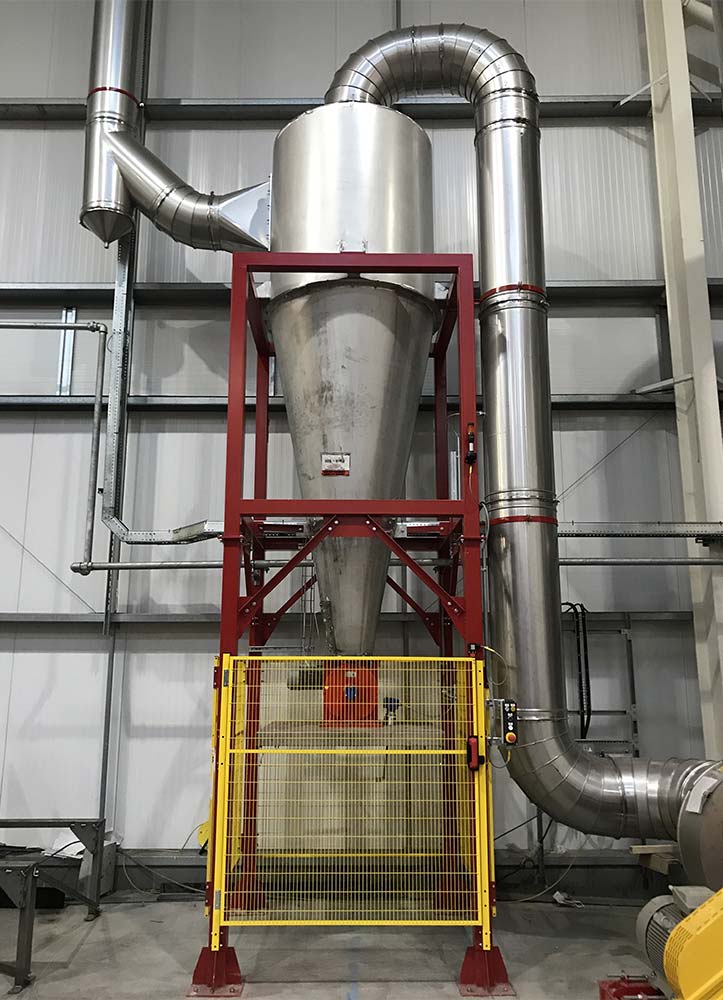
Industrial Venturi Scrubber System – High-Efficiency Air Pollution Control Unit
View Details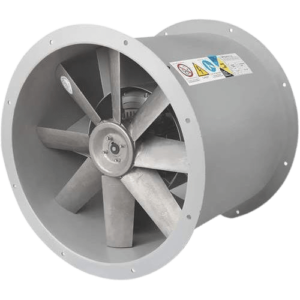
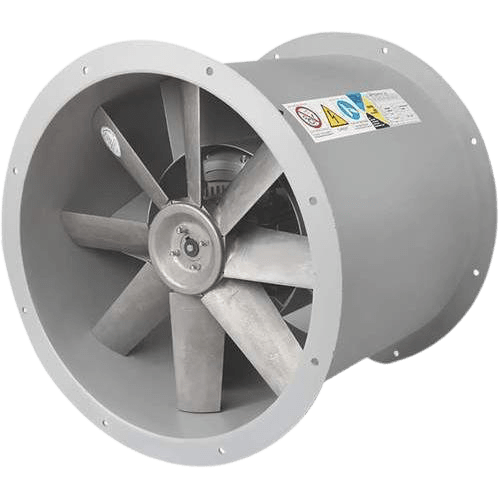
Heavy-Duty Industrial Vane Axial Fan – High Airflow Ventilation System
View Details
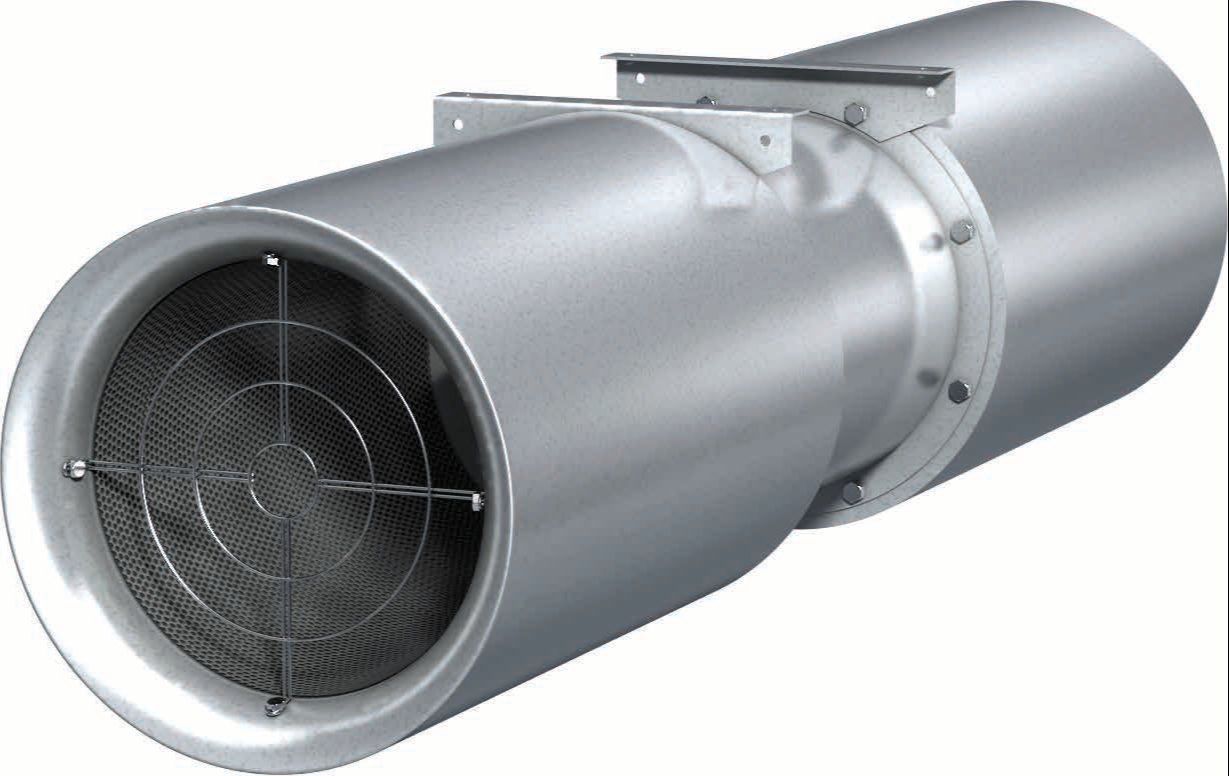
High-Performance Industrial Jet Fan - Tunnel and Garage Ventilation System
View DetailsBasement ventilation is often overlooked in industrial facilities, yet it has a major impact on air quality, safety, and equipment reliability. In enclosed underground areas, stale air and moisture can accumulate quickly. Proper basement ventilation ensures that these spaces remain dry, balanced, and safe for workers and machinery.
When airflow is insufficient, humidity levels rise, leading to corrosion and mold growth. Over time, this can damage electrical systems, stored materials, and structural components. A thoughtfully designed ventilation system helps prevent these problems by maintaining consistent air exchange and controlling temperature and humidity.
Designing ventilation for basements requires attention to several key factors. Each facility has unique requirements based on its size, layout, and usage. Engineers typically start by assessing airflow needs and identifying potential sources of heat or contaminants. The goal is to create a balanced system that moves air efficiently without wasting energy.
| System Type | Typical Use | Efficiency Level | Maintenance Need |
|---|---|---|---|
| Natural Ventilation | Small or low-activity basements | Low | Minimal |
| Mechanical Ventilation | Large industrial basements | High | Moderate |
| Hybrid Ventilation | Facilities with variable airflow demand | Very High | Moderate |
Choosing the right equipment is essential for proper basement ventilation. The system should handle continuous operation while maintaining stable airflow and noise levels. Aeppl provides a range of solutions designed for demanding environments:
Energy efficiency is a growing priority for industrial facilities. Proper basement ventilation supports sustainability goals by reducing energy use and improving air quality. Systems designed with variable speed drives and intelligent controls can adjust airflow based on real-time conditions, helping maintain comfort while saving power.
Aeppl focuses on durable, low-maintenance designs that align with evolving environmental standards. By integrating ventilation with overall building management systems, operators can monitor performance and make quick adjustments when needed.
| Application | Recommended System | Key Benefit |
|---|---|---|
| Storage Basements | Ceiling Concealed Fan Coil Unit | Stable temperature and humidity control |
| Production Sublevels | Industrial Centrifugal Ventilation System | Reliable airflow for continuous operation |
| Underground Parking or Tunnels | Industrial Jet Fan | Effective exhaust and air quality management |
Integrating ventilation with existing HVAC and utility systems requires careful planning. Engineers should consider duct paths, fan placement, and maintenance access during design. Proper installation ensures smooth airflow and reduces long-term operating costs.
Regular maintenance keeps systems running efficiently. Checking filters, bearings, and electrical connections prevents unexpected failures. Aeppl assists clients with both installation and maintenance planning, helping facilities stay compliant and efficient.
If you are planning or upgrading ventilation for an industrial basement, expert guidance can make a big difference. Aeppl provides engineering support from concept to commissioning. Contact the team at +91-9599785811, +91 8377077661, +91 9810162210 or email sales@aeppl.com for details.
Aeppl (Aerotech Equipments and Projects Pvt. Ltd.) is a trusted Indian manufacturer of industrial air handling and ventilation systems. With years of engineering experience, Aeppl builds durable, efficient solutions for heavy-duty applications across sectors. Visit Aeppl
Proper basement ventilation keeps air moving to reduce humidity, remove fumes, and maintain safe working conditions in industrial settings.
It helps prevent corrosion, mold growth, and poor air quality that can harm equipment and workers.
Balanced airflow lowers cooling demands and stabilizes temperature, which reduces overall energy use.
Industrial fans, blowers, and air handling units manage airflow and maintain pressure balance in enclosed spaces.
Yes, many systems include sensors and controllers that modify airflow based on temperature or humidity changes.
Inspections every few months help ensure filters, motors, and ducts stay clean and operate efficiently.
Ventilation systems should meet local building codes and international safety regulations for air quality.
Room size, equipment type, heat load, and layout all influence airflow requirements and system selection.
Aeppl provides tailored ventilation systems for industrial basements, designed to match each facility's needs.
You can contact Aeppl at +91-9599785811, +91 8377077661, +91 9810162210 or email sales@aeppl.com for assistance.