
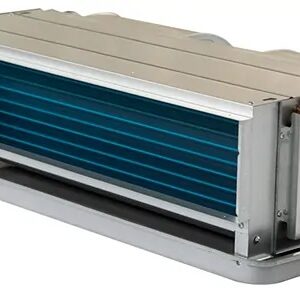
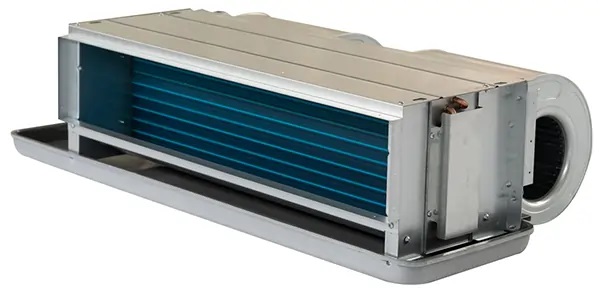
Ceiling Concealed Fan Coil Unit - High Efficiency HVAC Air Handling System
View Details
Ceiling Concealed Fan Coil Unit - High Efficiency HVAC Air Handling System
View Details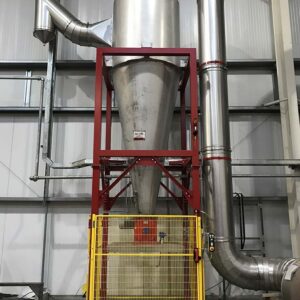

Industrial Venturi Scrubber System - High-Efficiency Air Pollution Control Unit
View Details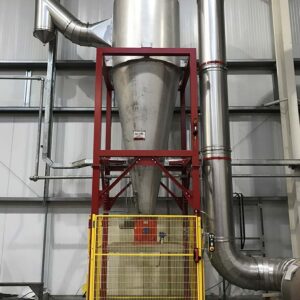
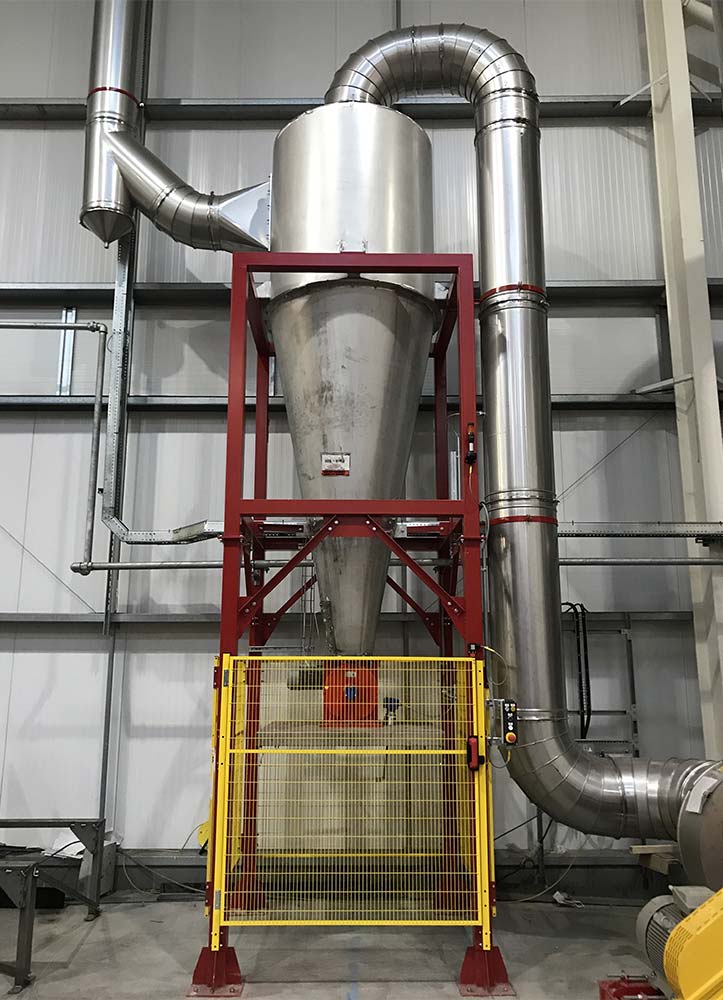
Industrial Venturi Scrubber System – High-Efficiency Air Pollution Control Unit
View Details
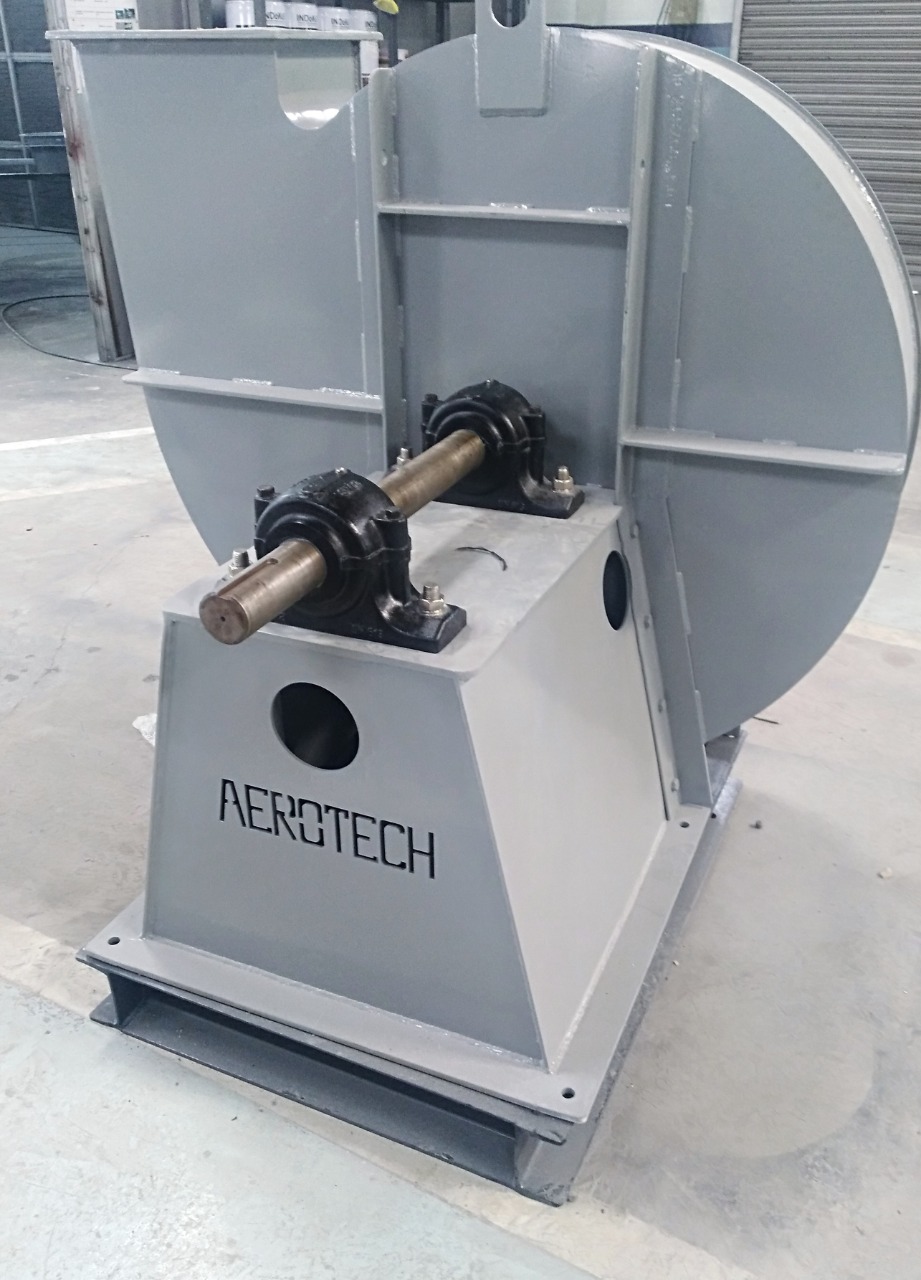
Industrial Centrifugal Air Ventilation System – Heavy Duty Steel Housing
View Details
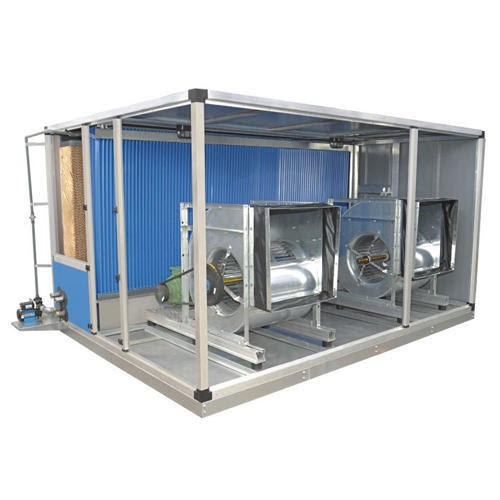
Industrial Evaporative Air Cooling Unit - High Efficiency HVAC System
View Details
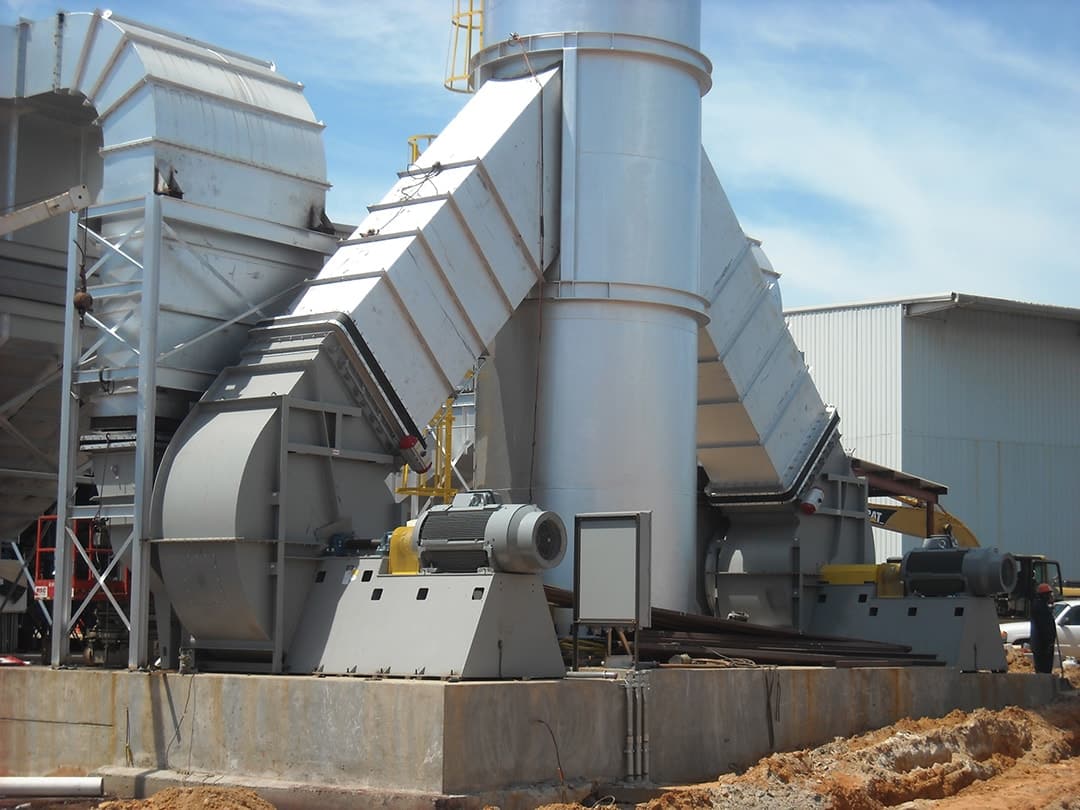
High-Capacity Industrial Centrifugal Ventilator - Heavy-Duty Airflow System
View Details
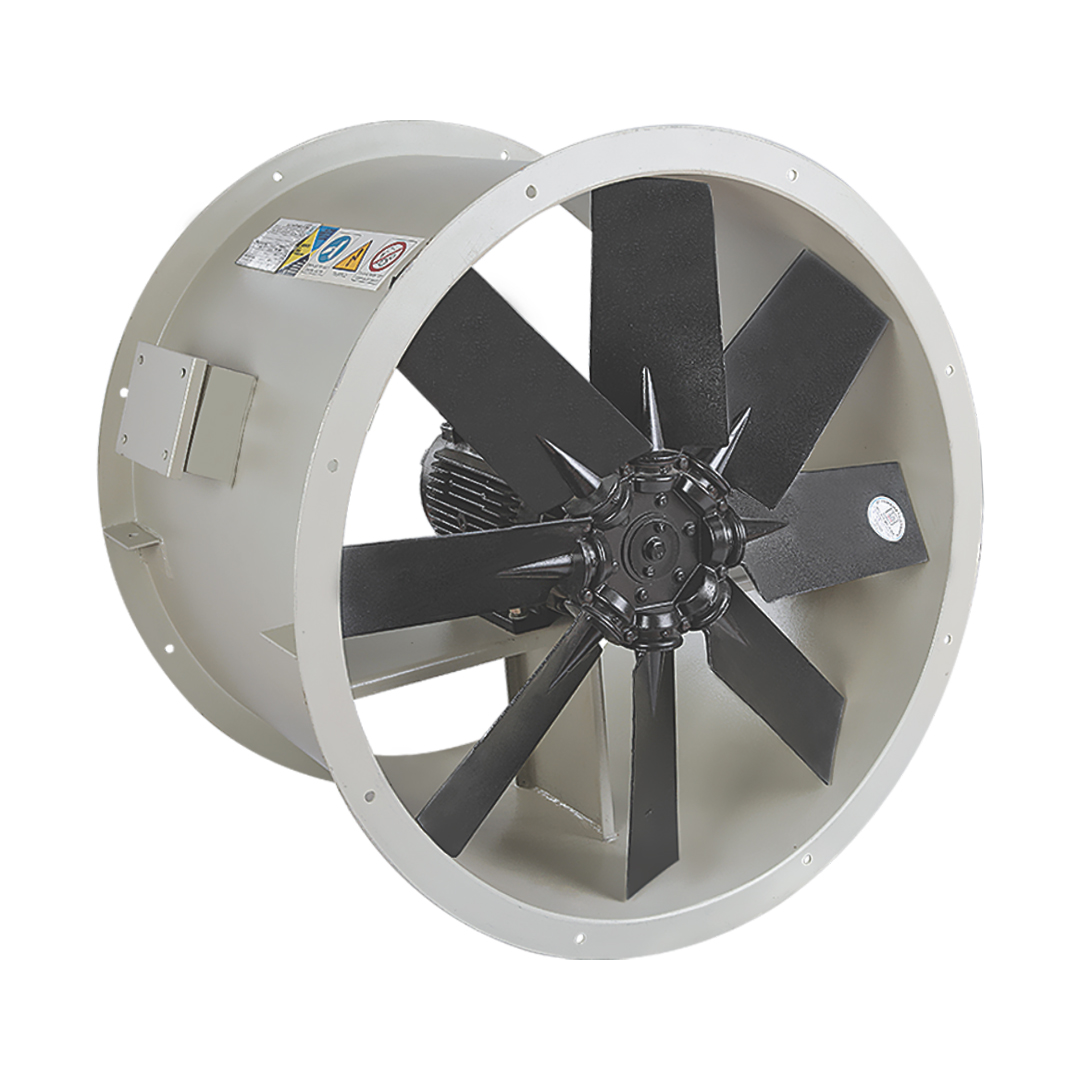
High-Temperature Axial Smoke Exhaust Fan - Industrial Ventilation System
View Details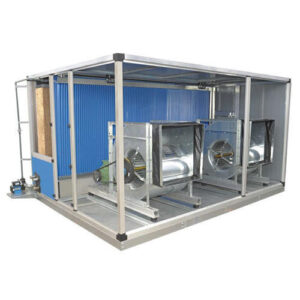
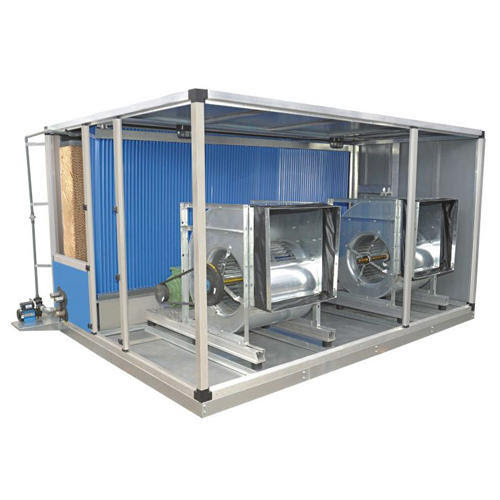
Industrial Fresh Air Handling Unit – High Efficiency Ventilation System
View DetailsControlling moisture and air quality in basements is a constant challenge for industrial and commercial facilities. Without proper airflow, damp conditions can lead to mold growth, unpleasant odors, and structural deterioration. An industrial basement ventilation system for mold prevention helps maintain balanced humidity and safe working conditions while protecting stored materials, machinery, and building integrity.
Mold thrives in stagnant, humid environments. A well-engineered ventilation system replaces damp air with fresh, filtered airflow. By maintaining consistent humidity levels, it prevents condensation on walls and floors, which is often the first sign of mold activity. In basements used for manufacturing, storage, or research, this steady air exchange protects sensitive equipment and keeps indoor conditions stable.
| System Type | Airflow Capacity | Best Use Case | Maintenance Level |
|---|---|---|---|
| Industrial Centrifugal Ventilation System | High | Large basements and production areas | Low |
| Ceiling Concealed Fan Coil Unit | Moderate | Commercial or institutional basements | Medium |
| Industrial Fresh Air Handling Unit | Variable | Odor control and humidity-sensitive spaces | Low |
Energy efficiency has become a major focus in ventilation design. Aeppl develops systems that combine durable components with smart airflow control to reduce power consumption while keeping humidity in check. These systems help facilities meet energy standards and sustainability goals without compromising performance.
Each basement has unique airflow patterns and temperature variations. Aeppl engineers design ventilation layouts tailored to those conditions, incorporating sensors and programmable controllers for automatic adjustments. This level of customization ensures consistent mold prevention and reliable operation throughout the year.
Industrial basements often face challenging environments with dust, chemicals, and temperature fluctuations. Aeppl equipment such as the Industrial Centrifugal Air Ventilation System and Industrial Fresh Air Handling Unit is built with strong steel housings and high-efficiency impellers to ensure durability and stable performance. The design emphasizes safety, service convenience, and compliance with industrial ventilation standards.
Regular inspection and cleaning keep a basement ventilation system for mold running efficiently. Aeppl provides service support and genuine replacement parts to help maintain uptime and reduce operational costs. Checking filters, ducts, and fans on a scheduled basis prevents moisture buildup and ensures steady airflow.
Installing a reliable basement ventilation system enhances worker safety, preserves equipment, and improves compliance with building codes. It also contributes to better energy management and long-term cost efficiency. For facility owners and project engineers, this investment supports cleaner operations and predictable environmental control.
Aeppl (Aerotech Equipments and Projects Pvt. Ltd.) is an Indian manufacturer and exporter specializing in industrial air handling and ventilation systems. With decades of engineering experience, Aeppl builds durable, energy-efficient solutions for demanding environments worldwide. Visit Aeppl
It is a mechanical system that removes damp air and replaces it with fresh, dry airflow to prevent mold growth and maintain balanced humidity.
By keeping air moving and lowering moisture levels, ventilation makes it difficult for mold spores to settle and multiply on surfaces.
Ventilation helps control humidity and prevent recurrence, but existing mold should be cleaned or treated before installation.
Fans, ducts, filters, and control panels work together to circulate air and regulate humidity throughout the basement.
Yes, modern energy-efficient systems maintain humidity control while reducing power use and operational costs.
Most setups need inspection every six months, with filters and fans cleaned or replaced depending on conditions and usage.
Yes, professional installations can integrate with HVAC networks for consistent airflow and temperature control.
Pharmaceutical, food processing, and chemical facilities commonly use ventilation to protect materials and maintain hygiene.
Yes, Aeppl engineers create tailored ventilation solutions based on basement layout, air volume, and humidity levels.
Contact Aeppl at +91-9599785811, +91 8377077661, +91 9810162210 or email sales@aeppl.com for expert assistance.