
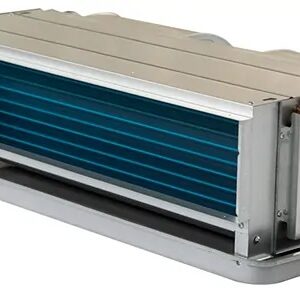
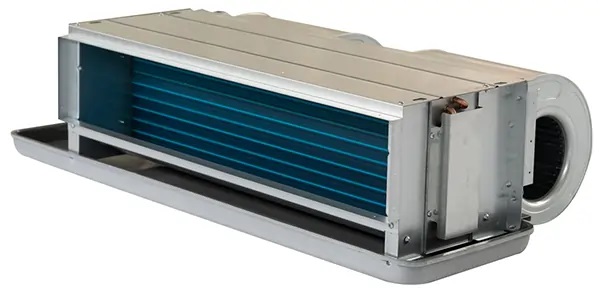
Ceiling Concealed Fan Coil Unit - High Efficiency HVAC Air Handling System
View Details
Ceiling Concealed Fan Coil Unit - High Efficiency HVAC Air Handling System
View Details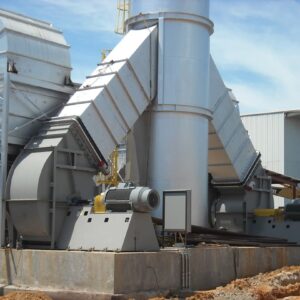
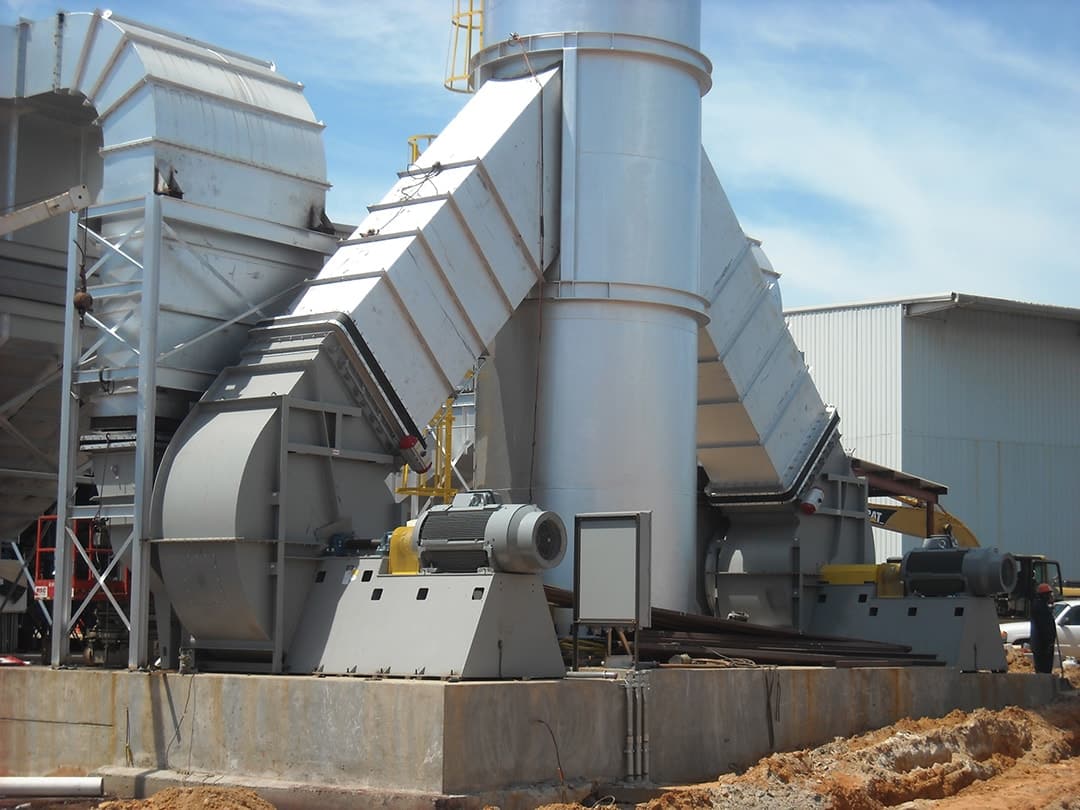
High-Capacity Industrial Centrifugal Ventilator - Heavy-Duty Airflow System
View Details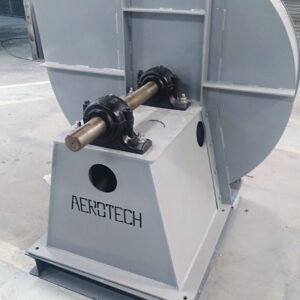
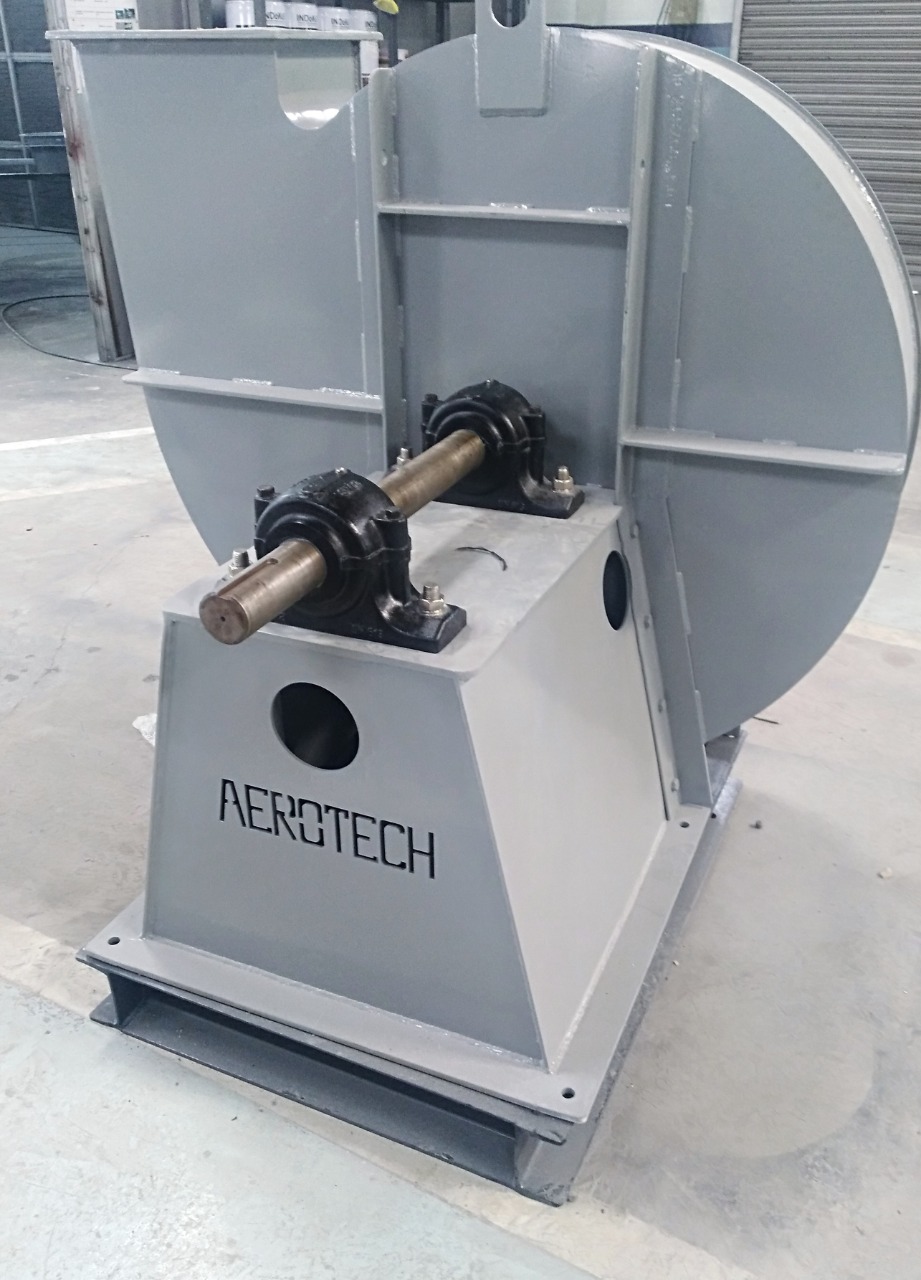
Industrial Centrifugal Air Ventilation System – Heavy Duty Steel Housing
View Details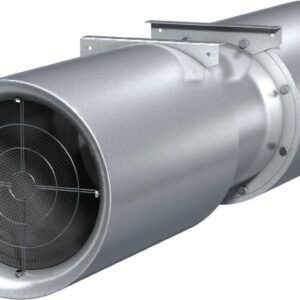
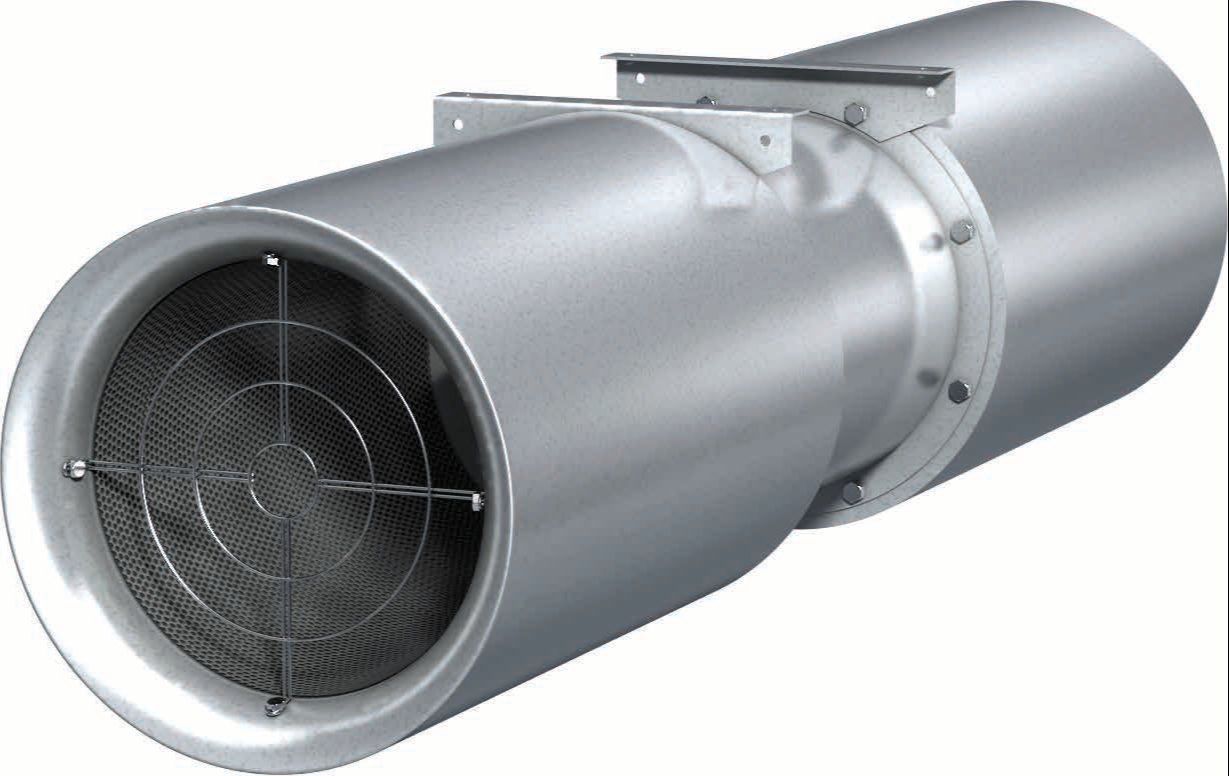
High-Performance Industrial Jet Fan - Tunnel and Garage Ventilation System
View Details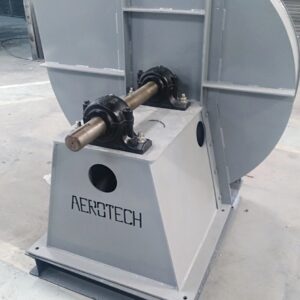
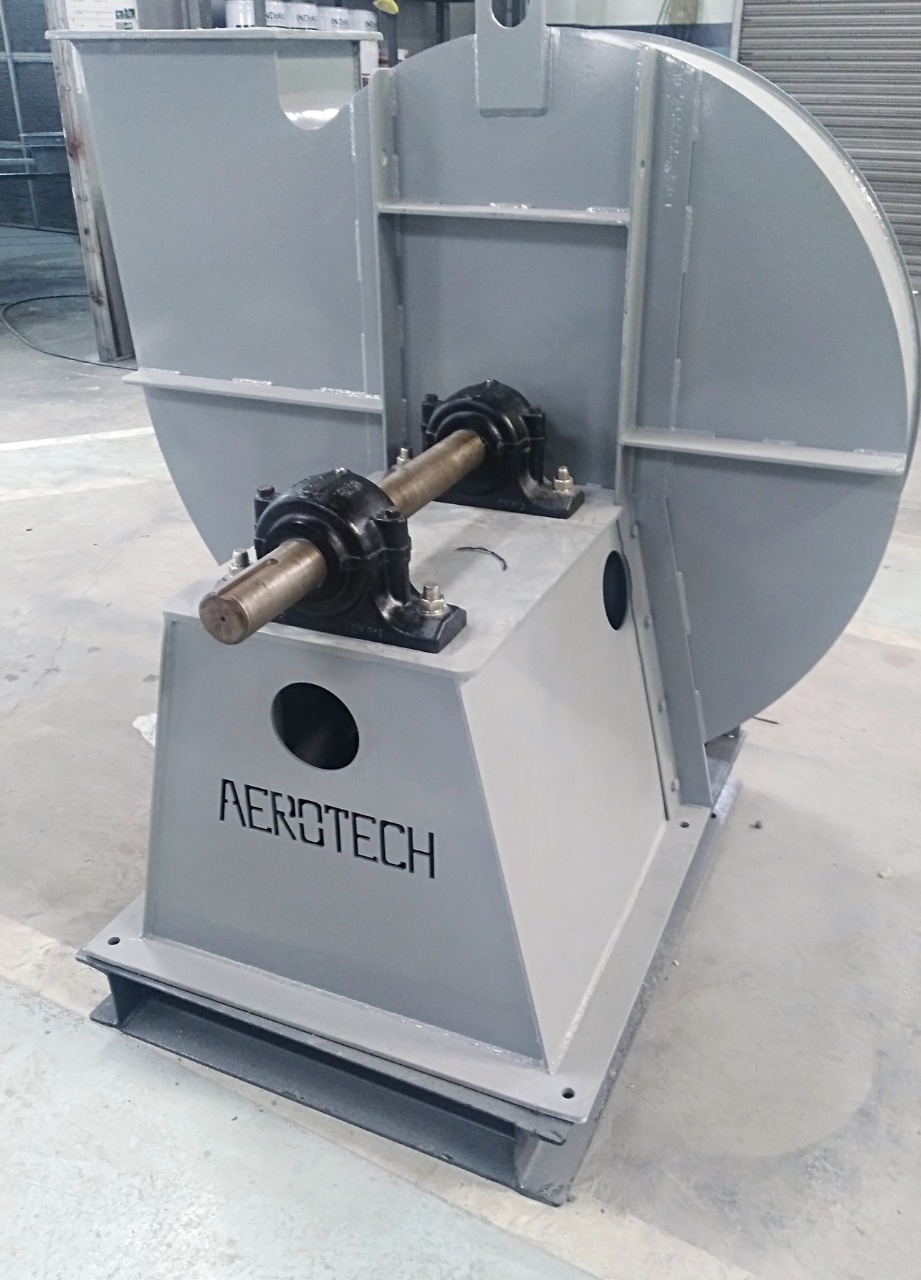
Industrial Centrifugal Ventilation Blower – Heavy-Duty Air Handling Unit
View Details
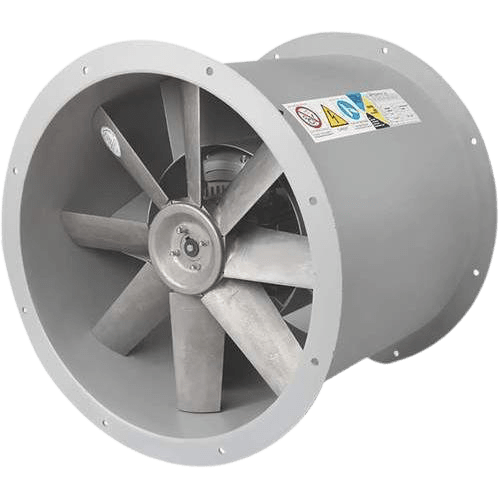
Heavy-Duty Industrial Vane Axial Fan – High Airflow Ventilation System
View Details

Heavy-Duty Tubular Mounted Mancooler - High Airflow Industrial Fan
View Details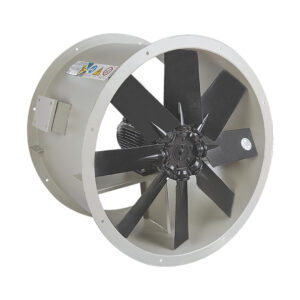
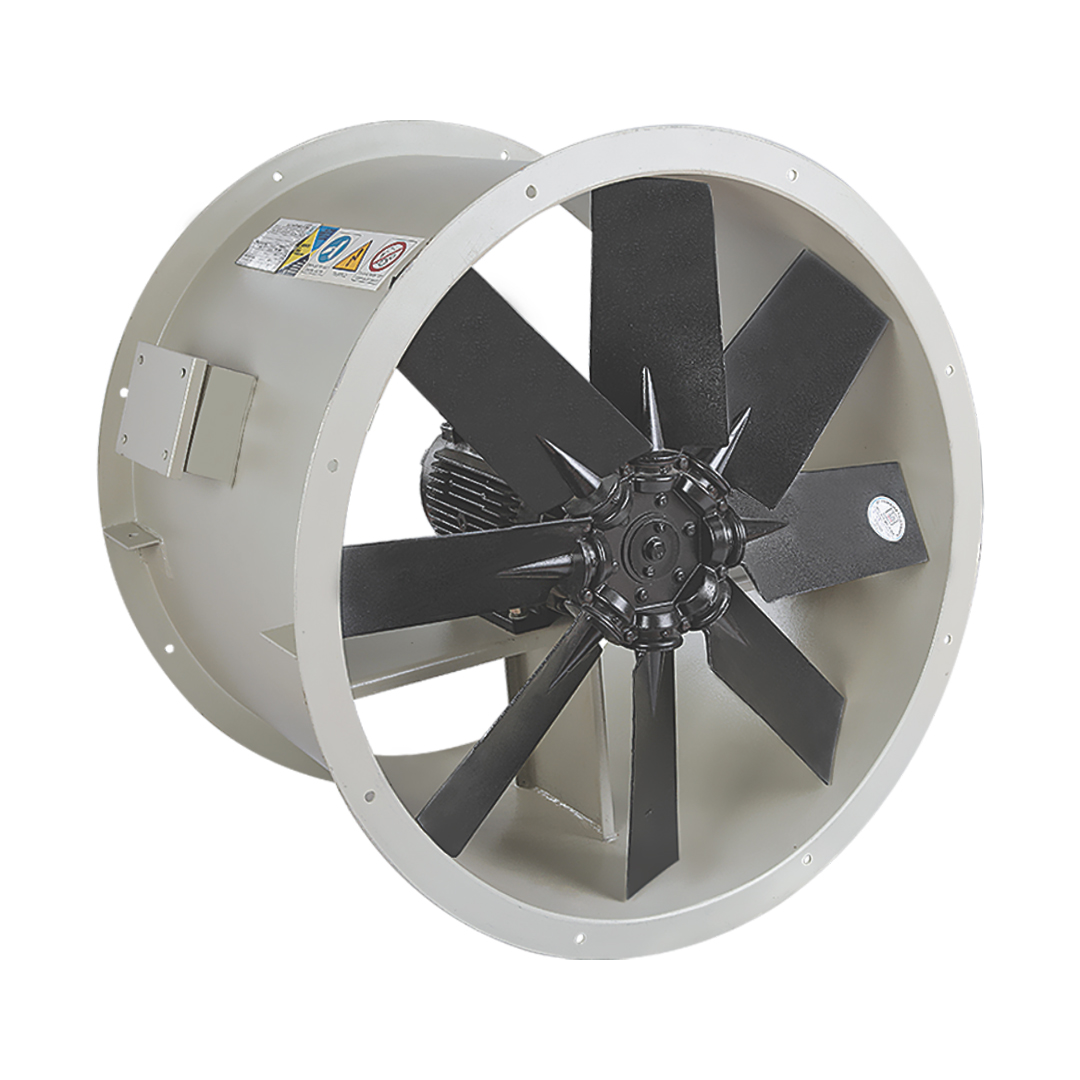
Heavy-Duty Industrial Tube Axial Flow Fan – High Air Volume Ventilation System
View DetailsBasement areas in industrial buildings often face challenges with air circulation and humidity control. Mechanical ventilation in basement environments helps maintain cleaner air, manage temperature, and create safer working conditions. When air movement is restricted, heat and fumes can accumulate, affecting equipment performance and worker comfort. Aeppl provides durable ventilation systems designed specifically for these demanding spaces, ensuring consistent airflow and compliance with safety standards.
Basements in industrial or commercial facilities often house machinery, storage areas, or electrical panels. These environments need steady air exchange to prevent excess heat and buildup of gases or moisture. A well-planned mechanical ventilation system helps control these factors by introducing fresh air and removing contaminated or humid air.
The best approach to mechanical ventilation in basement spaces depends on the layout, air volume needs, and type of operations taking place. Engineers evaluate parameters such as airflow rate, static pressure, and filtration before choosing between fan types. Aeppl offers reliable options including axial flow fans, centrifugal blowers, and mancoolers for both new installations and upgrades.
| System Type | Ideal Use | Main Benefit |
|---|---|---|
| Axial Flow Fan | Large open basements | Moves high volumes of air efficiently |
| Centrifugal Blower | Ducted or compact areas | Provides stable pressure and focused airflow |
| Mancooler | Localized zones or equipment areas | Delivers targeted cooling and ventilation |
Modern ventilation systems often include features that adapt airflow based on demand. Mechanical ventilation in basement applications can connect to building management systems, allowing automated control through sensors that monitor temperature or air quality. Aeppl designs systems that balance energy efficiency with durability, helping facilities maintain consistent performance while keeping power consumption in check.
| Feature | Benefit |
|---|---|
| Variable speed drives | Reduce energy use and noise levels |
| Smart monitoring tools | Maintain steady air quality and operational reliability |
| Heavy-duty steel build | Ensures long service life in tough conditions |
Effective basement ventilation depends on careful planning and installation. Engineers should consider duct routes, airflow balance, and exhaust placement to achieve even air distribution. Aeppl’s technical experts assist clients with design reviews, equipment selection, and commissioning support to ensure systems operate efficiently from day one.
Industrial basements must meet strict safety and environmental requirements. Aeppl builds ventilation systems that align with ISO and local standards, helping facilities maintain safe working conditions. Whether managing fumes, heat, or dust, each system is developed to perform reliably under continuous operation.
Investing in mechanical ventilation in basement environments supports both compliance and long-term savings. Reliable airflow reduces maintenance costs, minimizes downtime, and improves comfort for personnel. Aeppl’s equipment is known for its durability, straightforward servicing, and ability to integrate with existing plant systems.
Aeppl (Aerotech Equipments and Projects Pvt. Ltd.) is an established Indian manufacturer of industrial ventilation and air handling systems. With decades of engineering experience, Aeppl delivers efficient, long-lasting solutions tailored to complex environments. For consultations or product inquiries, contact +91-9599785811, +91 8377077661, +91 9810162210 or email sales@aeppl.com. Visit Aeppl
Mechanical ventilation in basement applications uses powered fans or blowers to move fresh air in and exhaust stale air out, improving air quality and safety.
Basements often accumulate heat, fumes, and moisture. Mechanical ventilation ensures proper air exchange, maintaining safe and efficient conditions.
Axial fans are ideal for large open areas, while centrifugal blowers suit ducted or compact spaces where steady pressure is needed.
Systems with variable speed drives and smart controls adjust airflow based on demand, reducing power consumption and operating costs.
Yes, consistent air movement helps prevent condensation and keeps humidity levels balanced, reducing corrosion and mold risk.
Most industrial standards require adequate ventilation to prevent harmful gas accumulation and maintain safe air quality.
Key factors include space size, heat load, contaminants, airflow rate, and integration with existing HVAC or process systems.
Inspection and cleaning every 6 to 12 months help maintain efficiency and ensure compliance with safety guidelines.
Yes, Aeppl designs custom systems based on airflow capacity, energy efficiency goals, and space limitations.
You can contact Aeppl at +91-9599785811, +91 8377077661, +91 9810162210 or email sales@aeppl.com for technical support or quotes.