
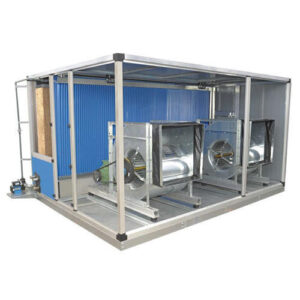
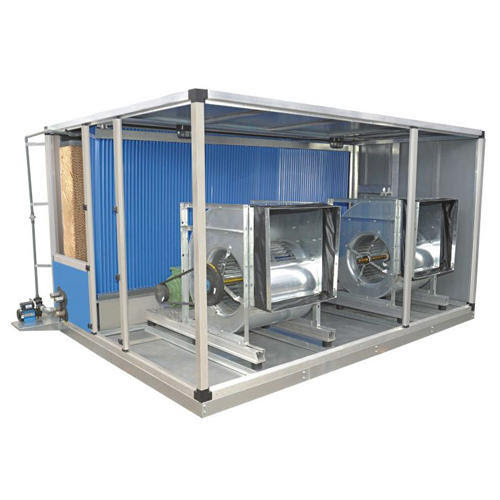
Industrial Fresh Air Handling Unit – High Efficiency Ventilation System
View Details
Industrial Fresh Air Handling Unit – High Efficiency Ventilation System
View Details
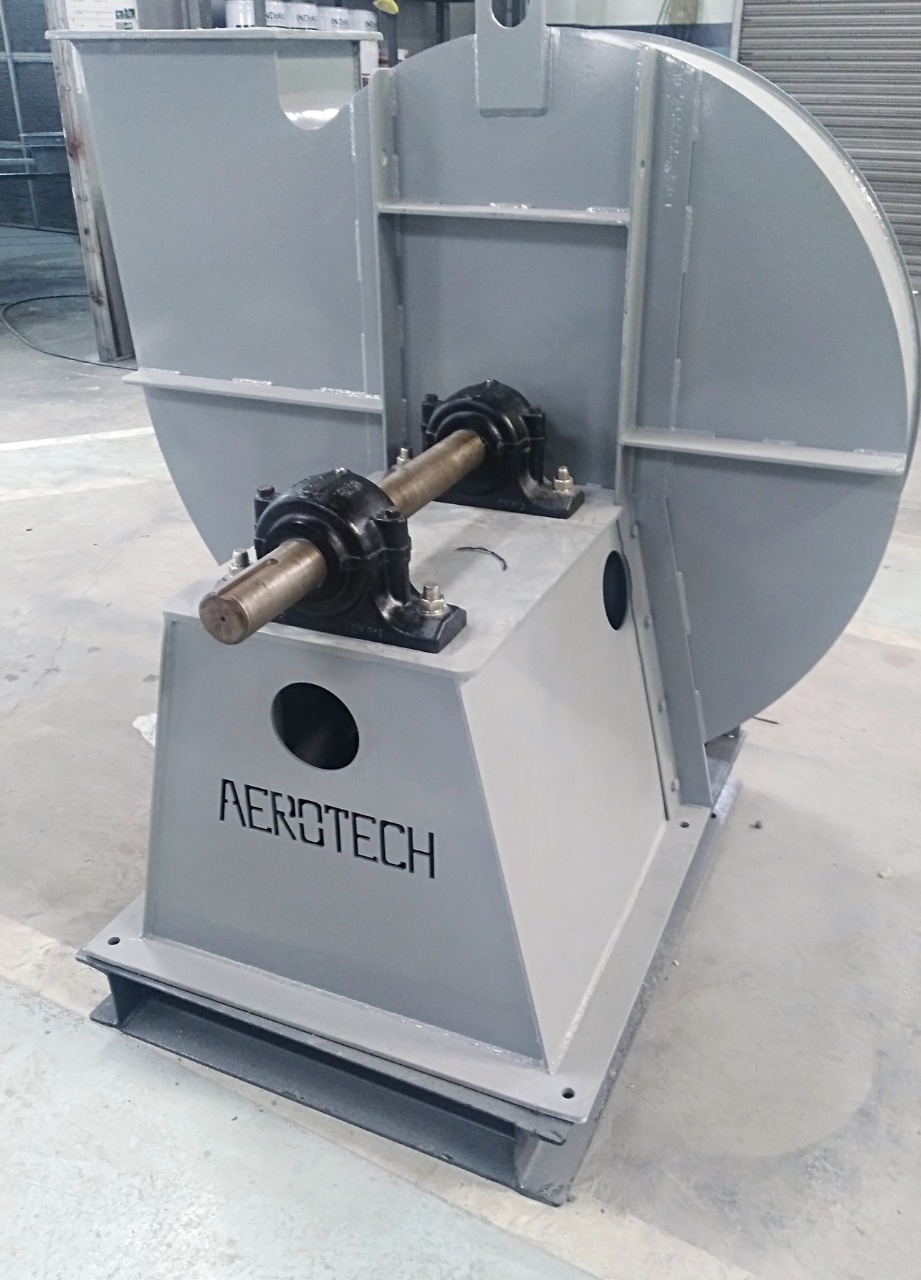
Industrial Centrifugal Ventilation Blower – Heavy-Duty Air Handling Unit
View Details
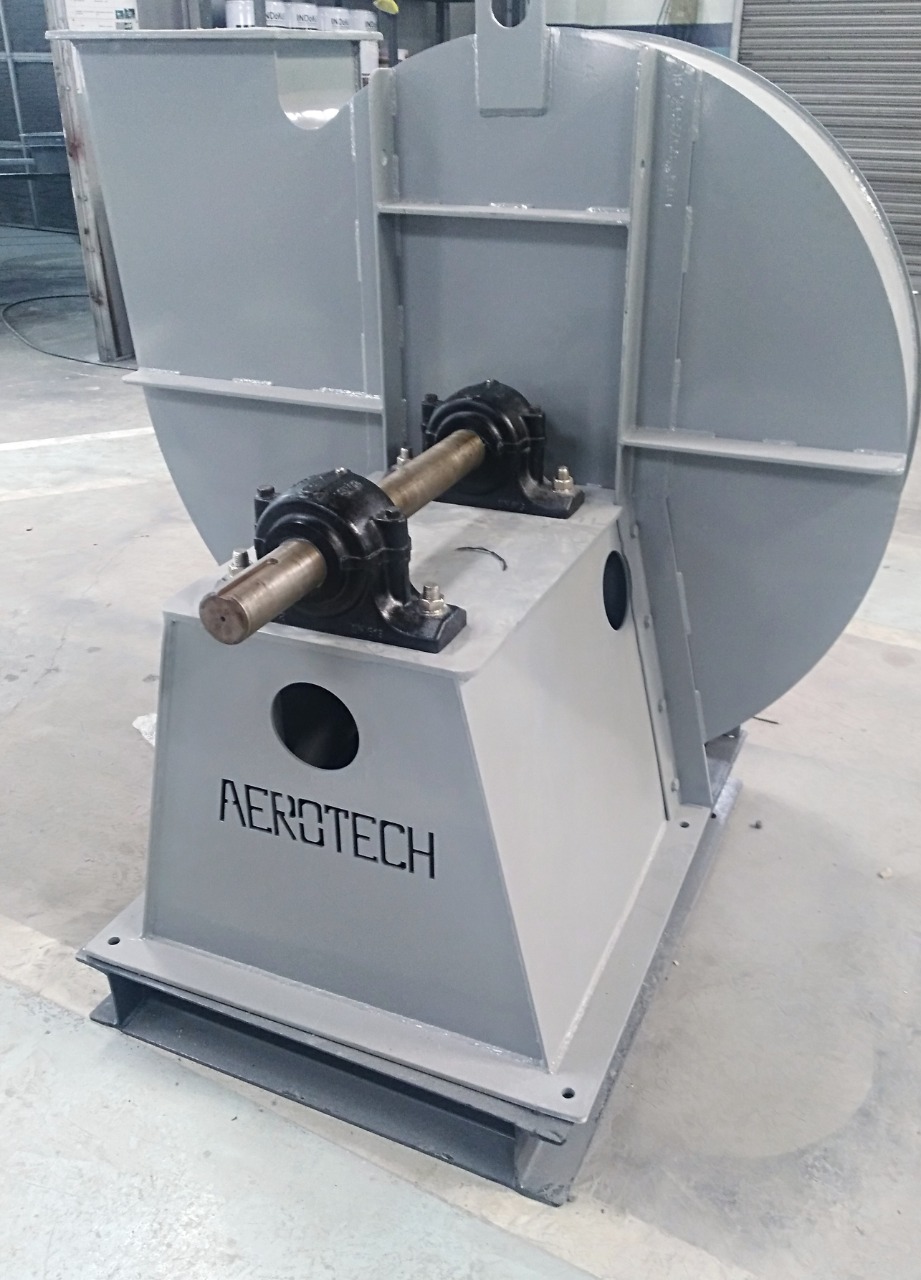
Heavy-Duty Industrial Fume Extraction Blower - High Efficiency Ventilation System
View Details
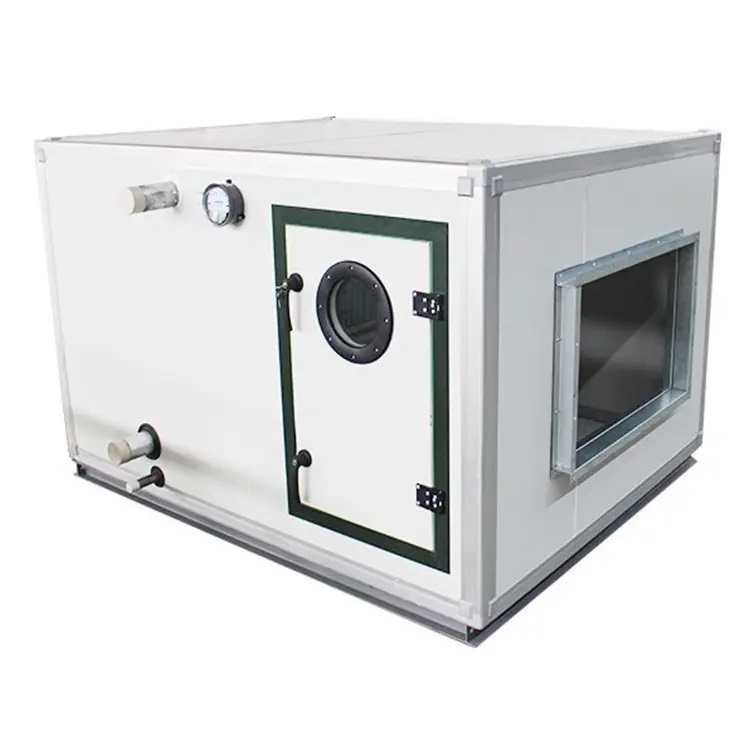
Industrial Treated Fresh Air Unit – Energy-Efficient Air Handling System
View Details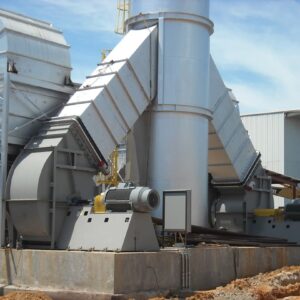
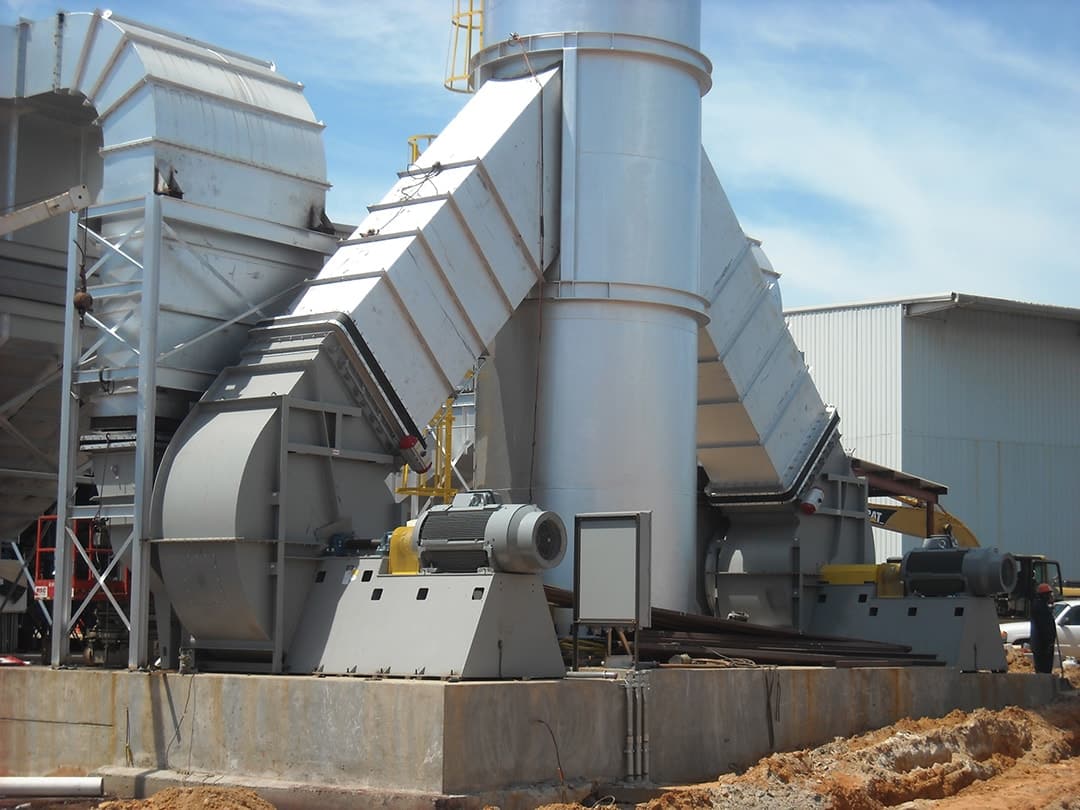
High-Capacity Industrial Centrifugal Ventilator - Heavy-Duty Airflow System
View Details
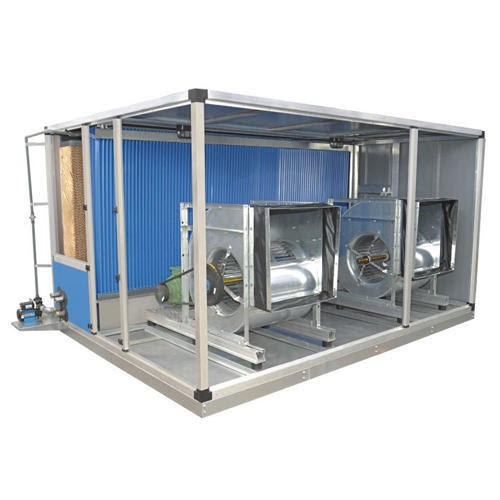
Industrial Evaporative Air Cooling Unit - High Efficiency HVAC System
View Details
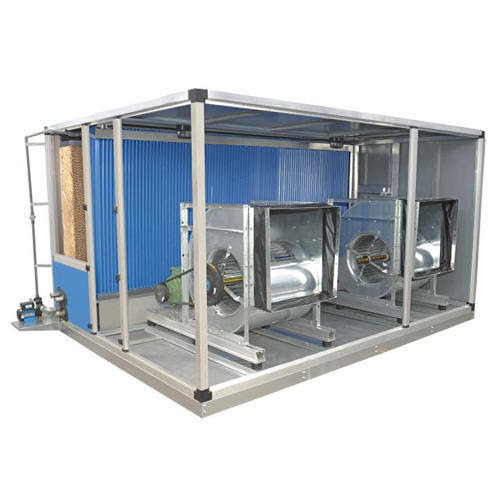
Industrial Evaporative Air Cooling Unit – High Efficiency HVAC System
View Details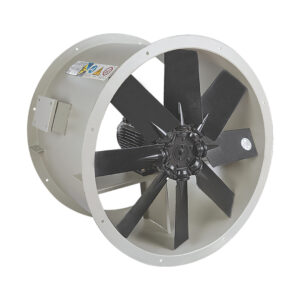

Industrial Axial Metal Exhaust Fan – High Airflow Ventilation System
View DetailsWarehouse air ventilation plays a crucial role in maintaining a safe and productive work environment. Large facilities often face challenges with heat buildup, dust, and uneven airflow. A well-planned ventilation system helps balance these factors, keeping temperatures stable and air clean for both workers and equipment.
In many industrial operations, poor ventilation can lead to equipment wear, condensation issues, and reduced efficiency. By designing a system that supports consistent air movement and filtration, facility managers can ensure better performance and healthier conditions throughout the space.
Every warehouse has unique airflow requirements based on its size, layout, and type of work being performed. A thoughtful approach starts with evaluating air changes per hour, heat sources, and humidity levels. From there, engineers can recommend the right combination of exhaust fans, blowers, and air handling units to achieve balanced circulation.
Industrial warehouses often use a mix of air handling units and exhaust systems to maintain steady airflow. Aeppl provides robust equipment designed for continuous operation and minimal maintenance:
| Equipment Type | Airflow Capacity | Energy Efficiency | Best Use |
|---|---|---|---|
| Axial Exhaust Fan | High | Moderate | General ventilation and heat removal |
| Centrifugal Blower | Medium to High | High | Dust control and process ventilation |
| Fresh Air Handling Unit | Controlled | High | Clean air supply and temperature regulation |
When comparing equipment types, it's important to consider not just airflow ratings but also energy consumption and maintenance needs. Aeppl offers guidance to help facilities select systems that balance performance with long-term efficiency.
Creating an effective ventilation plan starts with understanding how air moves through the space. Engineers use airflow modeling and temperature mapping to identify hot spots or stagnant areas. Adjustments to fan placement, duct routing, and exhaust points ensure that air circulates evenly across the warehouse.
In regions with high humidity or dust, filtration and moisture control become key factors. Aeppl’s systems are designed to handle these conditions while maintaining consistent airflow and low energy use. The goal is always to create a comfortable, compliant environment that supports long-term operational reliability.
Energy-efficient warehouse air ventilation systems can reduce power consumption significantly. Variable speed drives and automated dampers adjust airflow based on temperature or occupancy, saving energy during low-demand periods. Many modern setups include sensors for air quality and temperature, allowing real-time adjustments through building management systems.
Aeppl’s ventilation equipment supports these integrations, helping facilities move toward smarter, data-driven control of their indoor environment.
To discuss your warehouse air ventilation project or get help selecting equipment, contact Aeppl at +91-9599785811, +91 8377077661, +91 9810162210, or email sales@aeppl.com.
Aerotech Equipments and Projects Pvt. Ltd. (Aeppl) is an Indian manufacturer and exporter of industrial air handling and ventilation systems. With decades of experience, Aeppl builds reliable, efficient solutions for warehouses and production facilities worldwide. Visit Aeppl
Warehouse air ventilation refers to systems that manage airflow, remove heat, and maintain air quality in large industrial storage or production spaces.
Proper ventilation helps prevent heat buildup, controls humidity, and ensures a safe working environment for both equipment and personnel.
Improving airflow involves using exhaust fans, air handling units, and proper duct design to maintain balanced air circulation throughout the facility.
Key factors include warehouse size, process heat generation, occupancy levels, air change requirements, and environmental compliance standards.
Yes, energy-efficient systems reduce operational costs, extend equipment life, and support sustainability goals without compromising performance.
Modern systems can include sensors and variable speed drives for automated airflow control based on temperature or occupancy.
Routine inspection of filters, motors, and ducts ensures consistent performance and prevents downtime or air quality issues.
Good ventilation reduces airborne contaminants and heat stress, helping workers stay comfortable and productive during long shifts.
Yes, Aeppl designs and manufactures customized ventilation systems to meet specific warehouse requirements and operational goals.
You can reach Aeppl at +91-9599785811, +91 8377077661, +91 9810162210 or email sales@aeppl.com for consultation and equipment selection.