
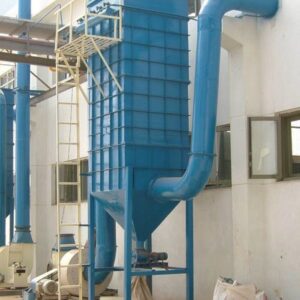
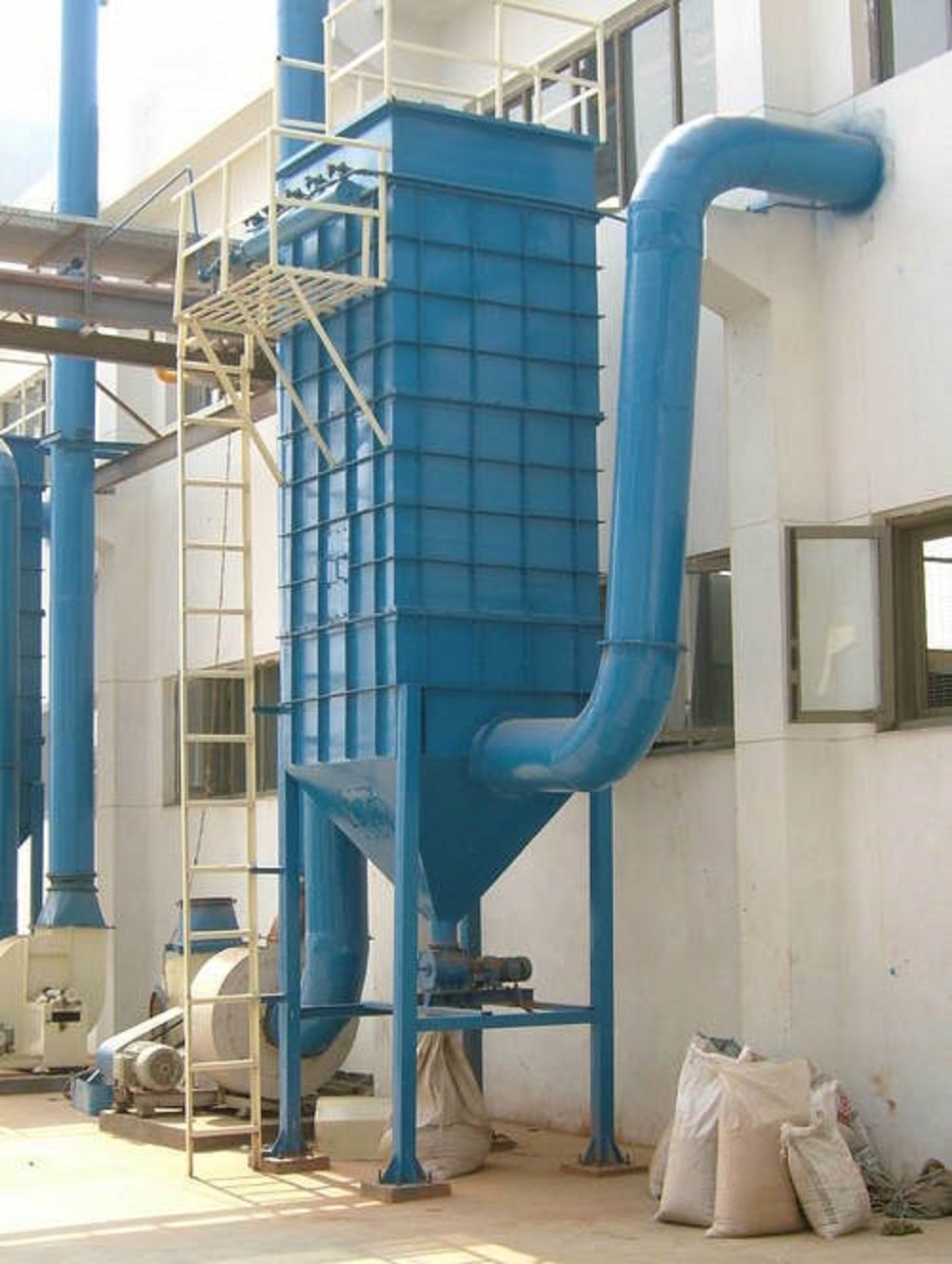
Industrial Dust Collection Bag Filter System - High Efficiency Air Filtration Unit
View Details
Industrial Dust Collection Bag Filter System - High Efficiency Air Filtration Unit
View Details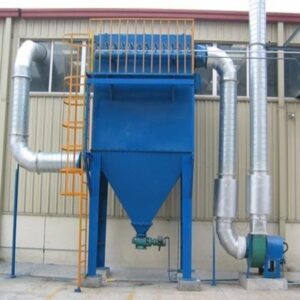
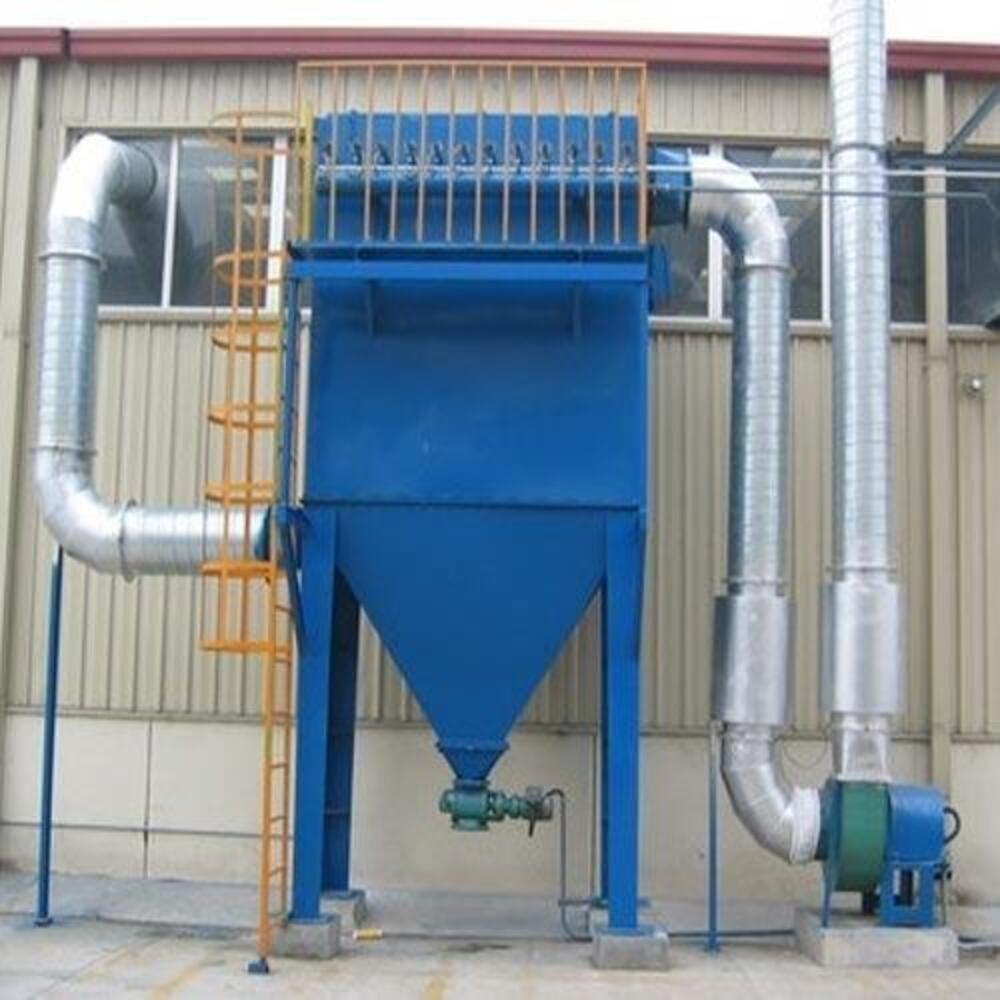
Industrial Bag Filter Dust Collection System - High-Efficiency Air Filtration Unit
View Details
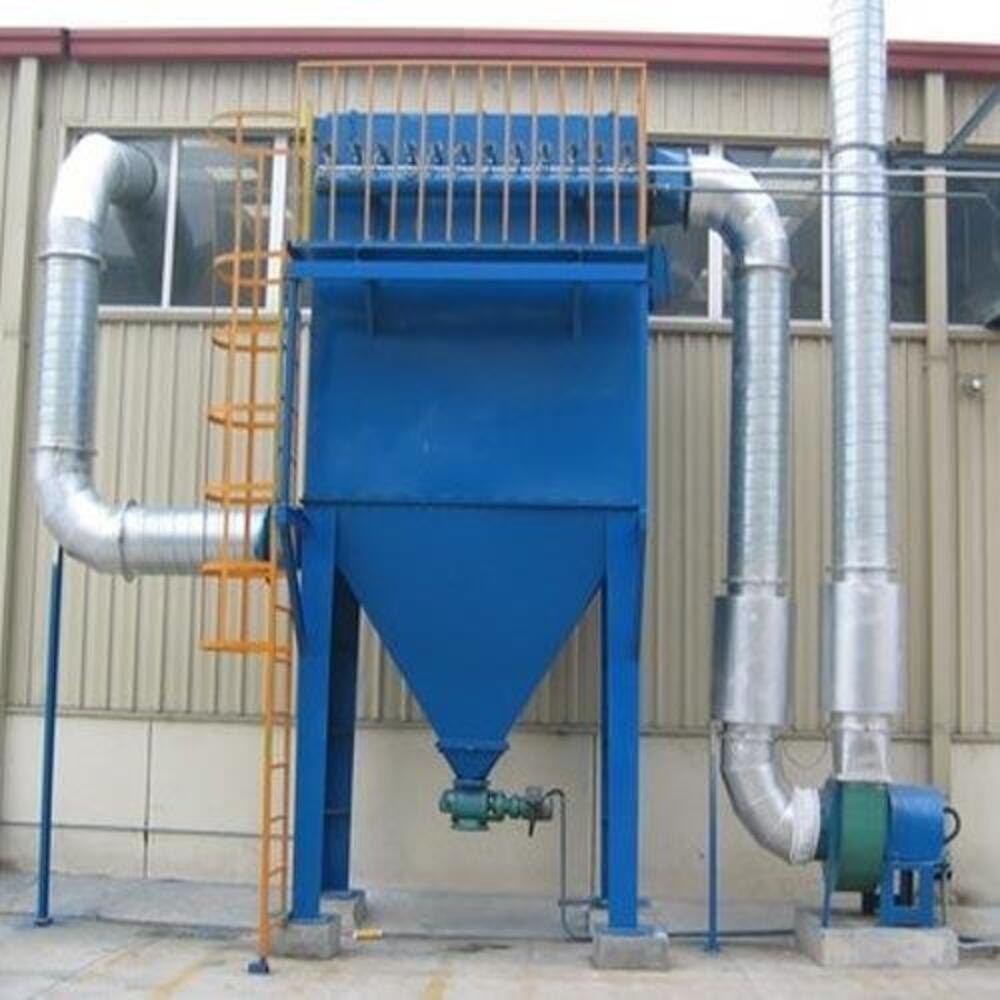
Industrial Mechanical Dust Collector System - High-Efficiency Air Filtration Unit
View Details
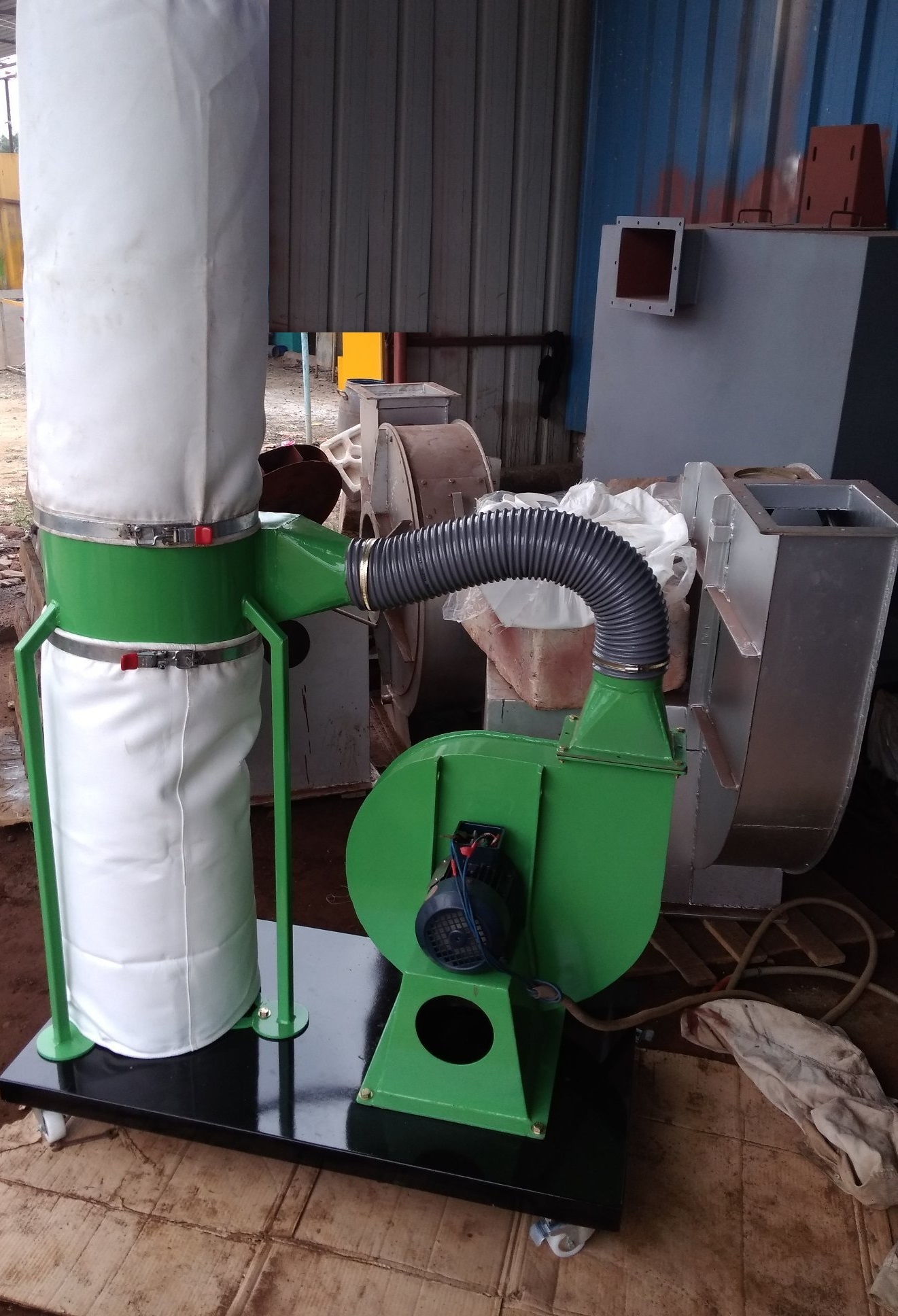
Industrial Movable Dust Collector - High-Efficiency Filtration System
View Details
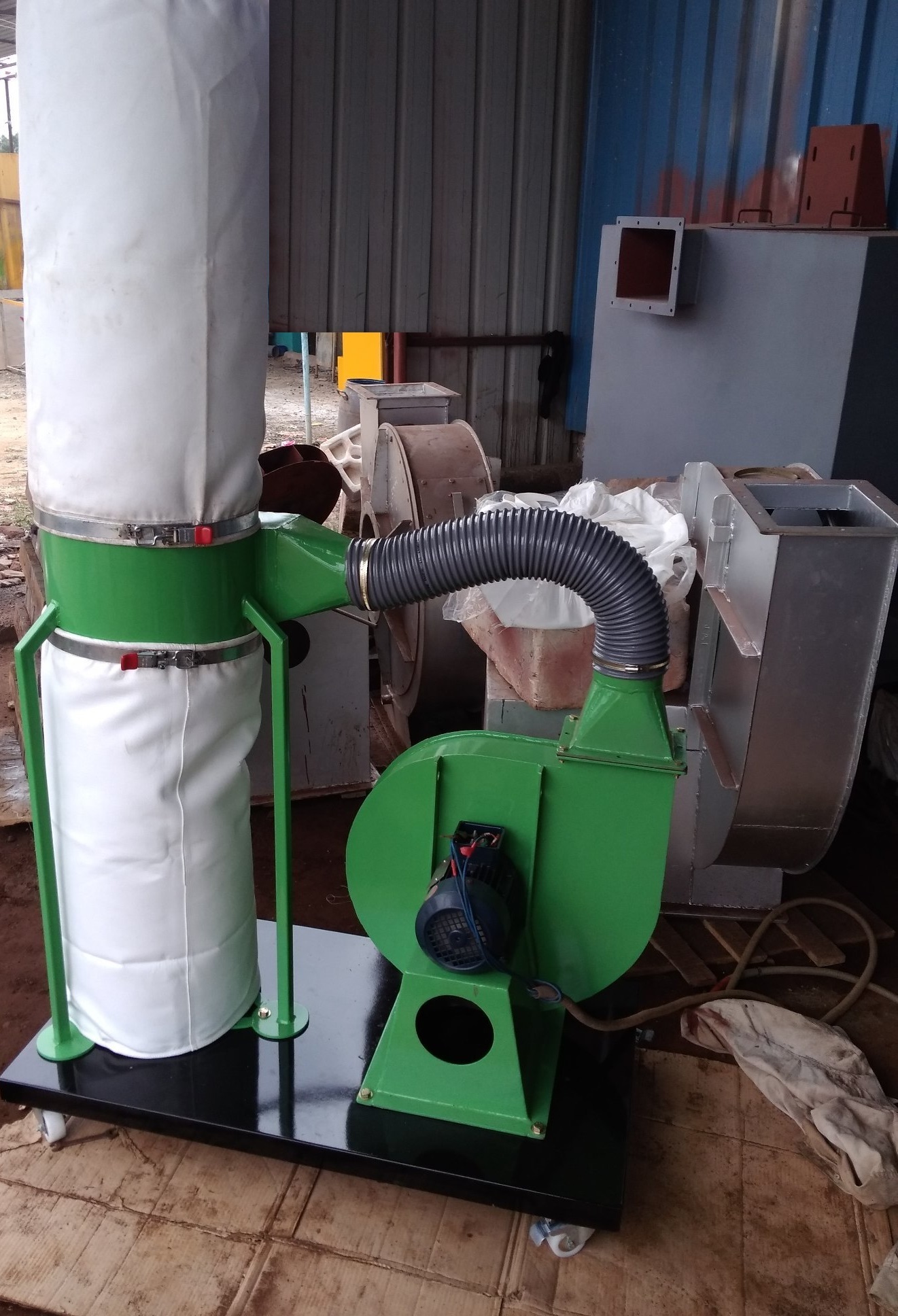
Industrial Portable Dust Collector - High-Efficiency Filtration System
View Details
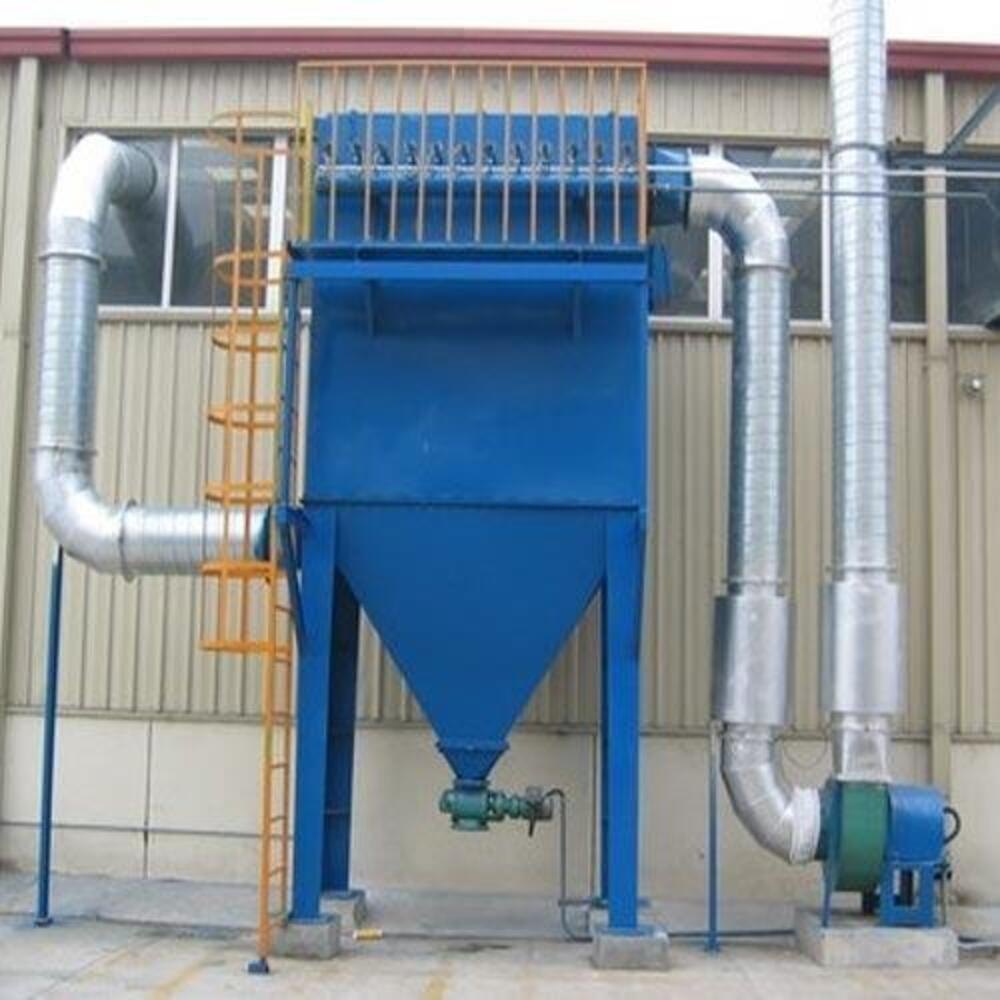
Industrial Pulse Jet Dust Collector - High Efficiency Filtration System
View Details
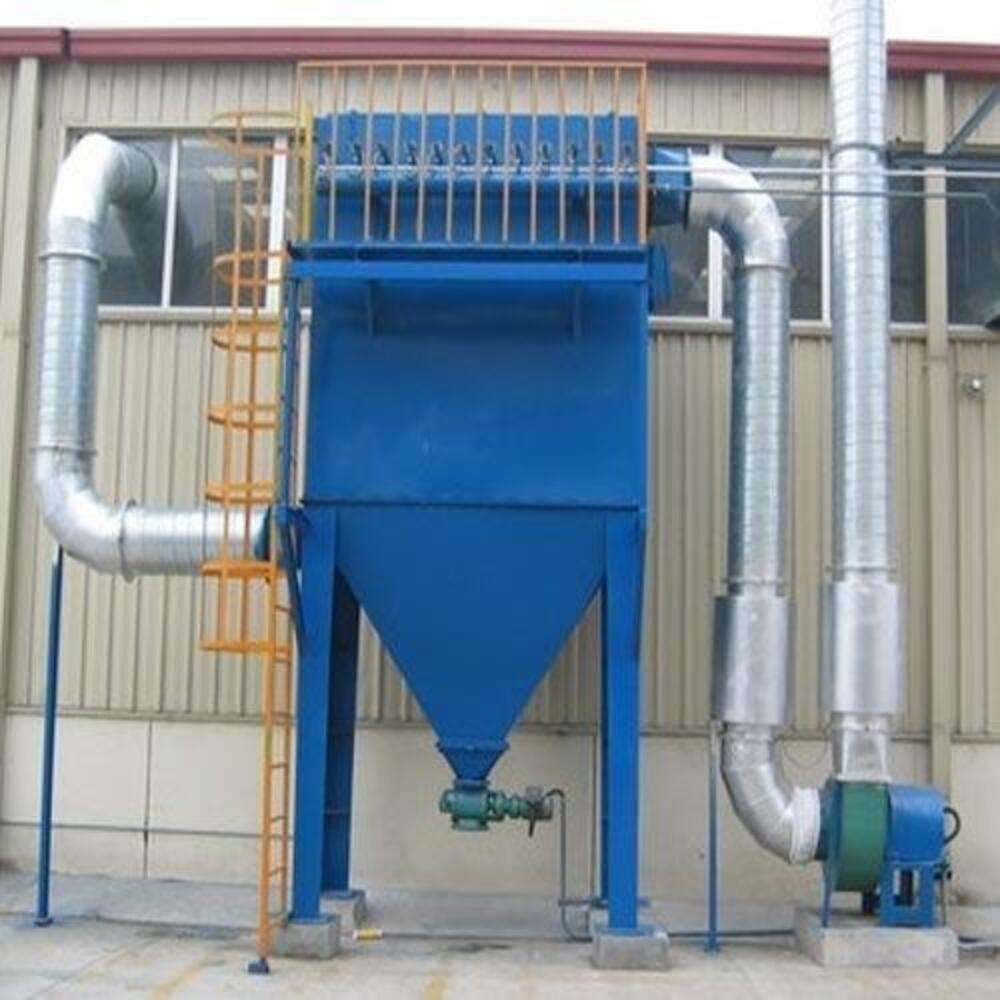
Industrial Dust Collection System - High-Efficiency Filtration Unit with Cyclone Separator
View Details
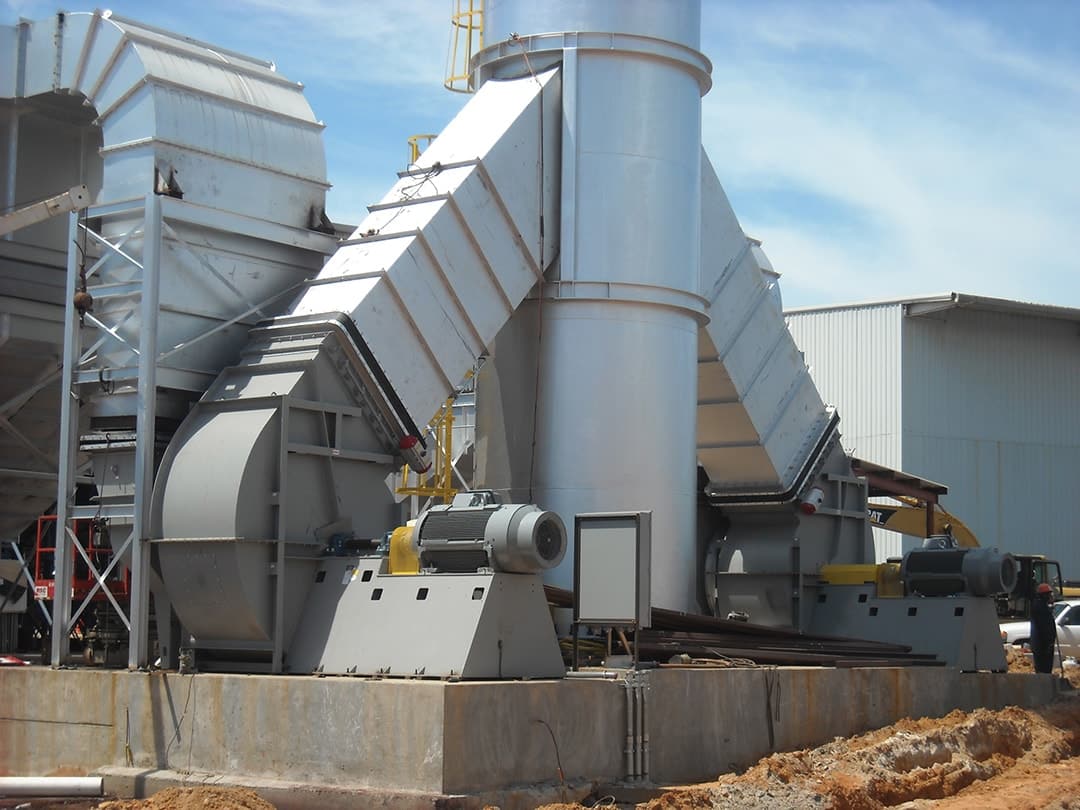
Industrial Fume Extraction System - High-Efficiency Air Filtration Unit
View DetailsMaintaining clean air in industrial environments is essential for both safety and equipment longevity. Industrial dust filtration systems help control airborne particles generated during manufacturing, machining, and material handling. By removing these contaminants, facilities can protect workers, reduce wear on machinery, and meet environmental compliance standards.
Aeppl provides durable and efficient filtration systems tailored for heavy-duty operations. Each system is designed to perform under demanding conditions, offering dependable air cleaning and reduced maintenance downtime.
Different industries require specific filtration designs to handle varying dust loads and particle sizes. Aeppl offers several options suited for diverse processes and air volumes.
| System Type | Filtration Efficiency | Maintenance Frequency | Typical Use |
|---|---|---|---|
| Pulse Jet Dust Collector | Up to 99.9% | Low | Metalworking, Power Plants |
| Bag Filter System | Up to 98% | Moderate | Cement, Food Processing |
| Mechanical Collector | Up to 90% | Low | Foundries, Boilers |
Choosing the right filtration system involves understanding the process environment. Factors like air volume, dust type, temperature, and humidity influence system design. Aeppl engineers consider these variables to ensure balanced airflow and minimal pressure drop for optimal performance.
Energy efficiency is also central to modern plant design. Aeppl systems use optimized filter media and smart control panels that help maintain performance while reducing power consumption. This approach supports long-term sustainability and cost control.
Many modern facilities integrate dust filtration into automated control systems. Aeppl designs filtration units that connect easily with PLC or SCADA networks, allowing remote monitoring and predictive maintenance. This integration helps reduce unplanned shutdowns and ensures steady airflow across production lines.
Equipped with sensors for pressure, temperature, and flow rate, Aeppl systems provide data-driven insights that help operators schedule maintenance efficiently and maintain consistent performance.
| Feature | Manual System | Automated System |
|---|---|---|
| Cleaning Method | Manual pulse or shaking | Automated pulse jet with sensors |
| Energy Use | Moderate | High efficiency |
| Monitoring | Visual inspection | Digital monitoring through PLC |
Industrial dust filtration is vital in cement plants, steel mills, food processing, power generation, and chemical manufacturing. Each environment presents unique challenges, from fine powder to heavy dust accumulation. Aeppl systems are built to handle both dry and moist particulates effectively, ensuring reliable operation under diverse conditions.
For international projects, Aeppl offers scalable systems that meet global standards and can be adapted to regional regulations. The company’s engineering team works closely with clients to design solutions that fit their specific process requirements.
Aeppl (Aerotech Equipments and Projects Pvt. Ltd.) is an established manufacturer and exporter specializing in air handling and dust filtration systems for industrial environments. With decades of experience, Aeppl focuses on dependable performance, sustainable design, and ongoing technical support. Visit Aeppl
Industrial dust filtration involves removing airborne particles produced during manufacturing or processing to maintain clean air and safe working conditions.
It prevents machinery wear, protects workers from respiratory hazards, and ensures compliance with environmental standards.
It uses bursts of compressed air to clean filter bags automatically, keeping airflow steady and filtration efficiency high.
They should assess air volume, dust characteristics, temperature, humidity, and maintenance accessibility.
Yes, bag filters capture fine particles efficiently and are widely used in cement, food, and chemical industries.
Modern systems can integrate with PLC or SCADA controls for automated cleaning and performance monitoring.
Replacement depends on dust load and system design; monitoring pressure drop helps determine the right interval.
Filters are typically made from polyester, fiberglass, or synthetic media that withstand high temperatures and heavy use.
Yes, Aeppl designs and manufactures systems tailored to specific industrial processes and facility layouts.
Contact Aeppl at +91-9599785811, +91-8377077661, +91-9810162210 or email sales@aeppl.com for assistance.