

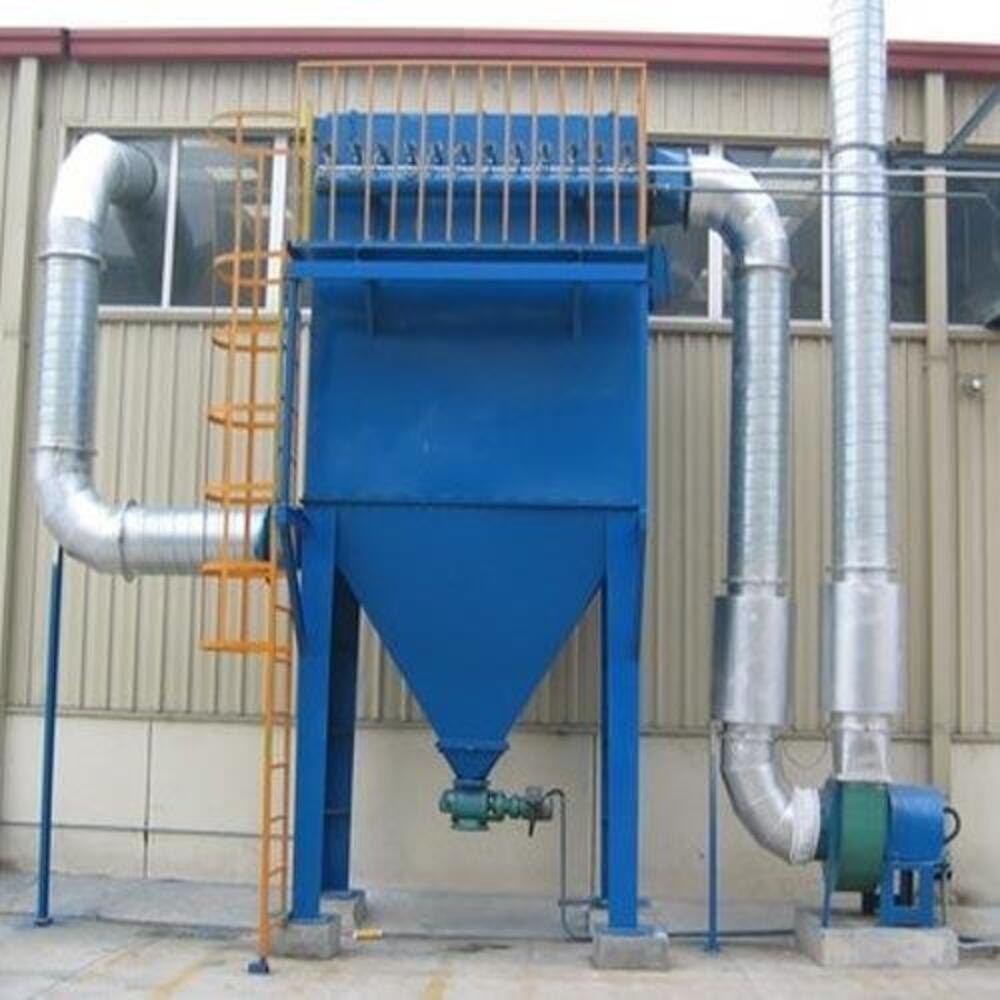
Industrial Mechanical Dust Collector System - High-Efficiency Air Filtration Unit
View Details
Industrial Mechanical Dust Collector System - High-Efficiency Air Filtration Unit
View Details
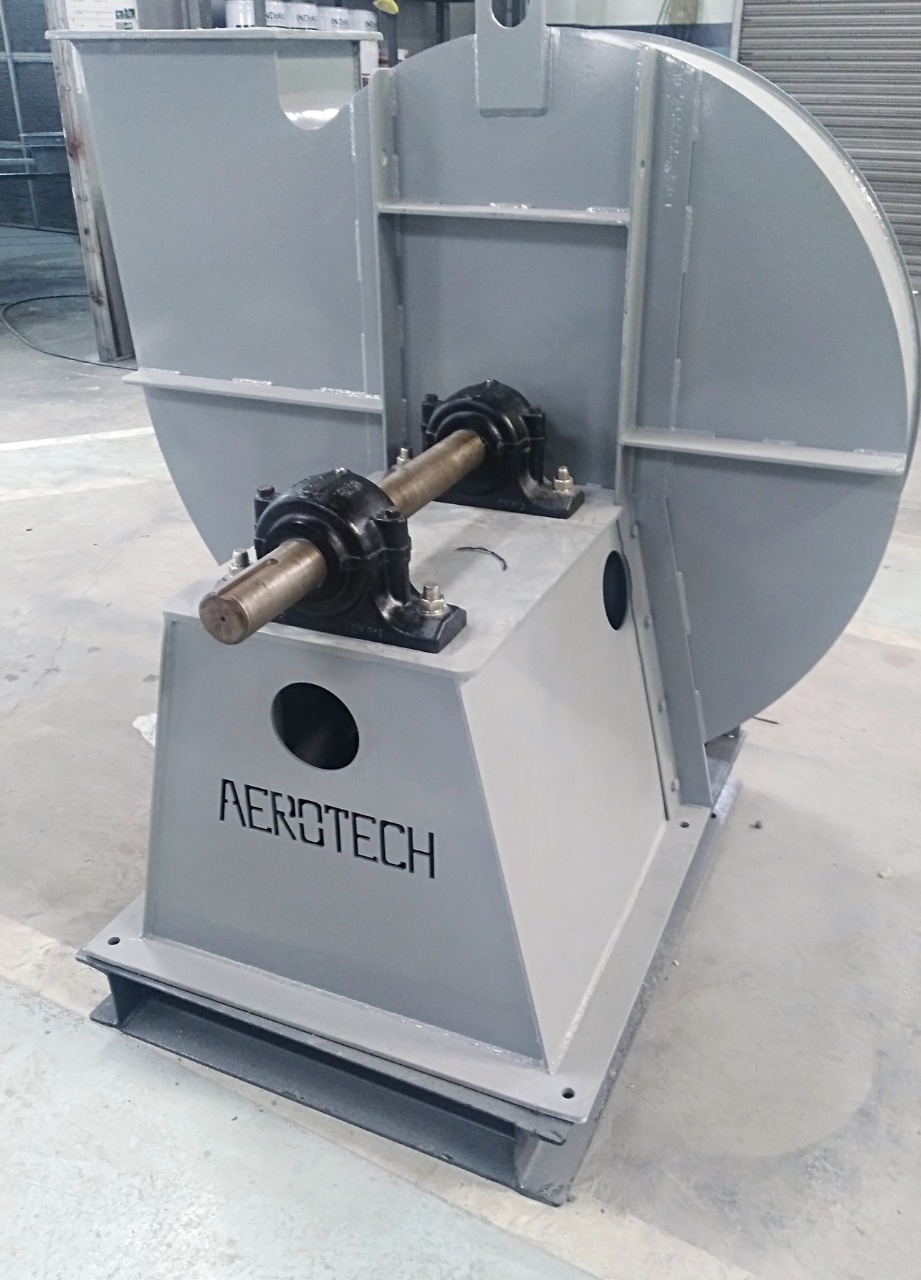
Industrial Centrifugal Ventilation Blower – Heavy-Duty Air Handling Unit
View Details
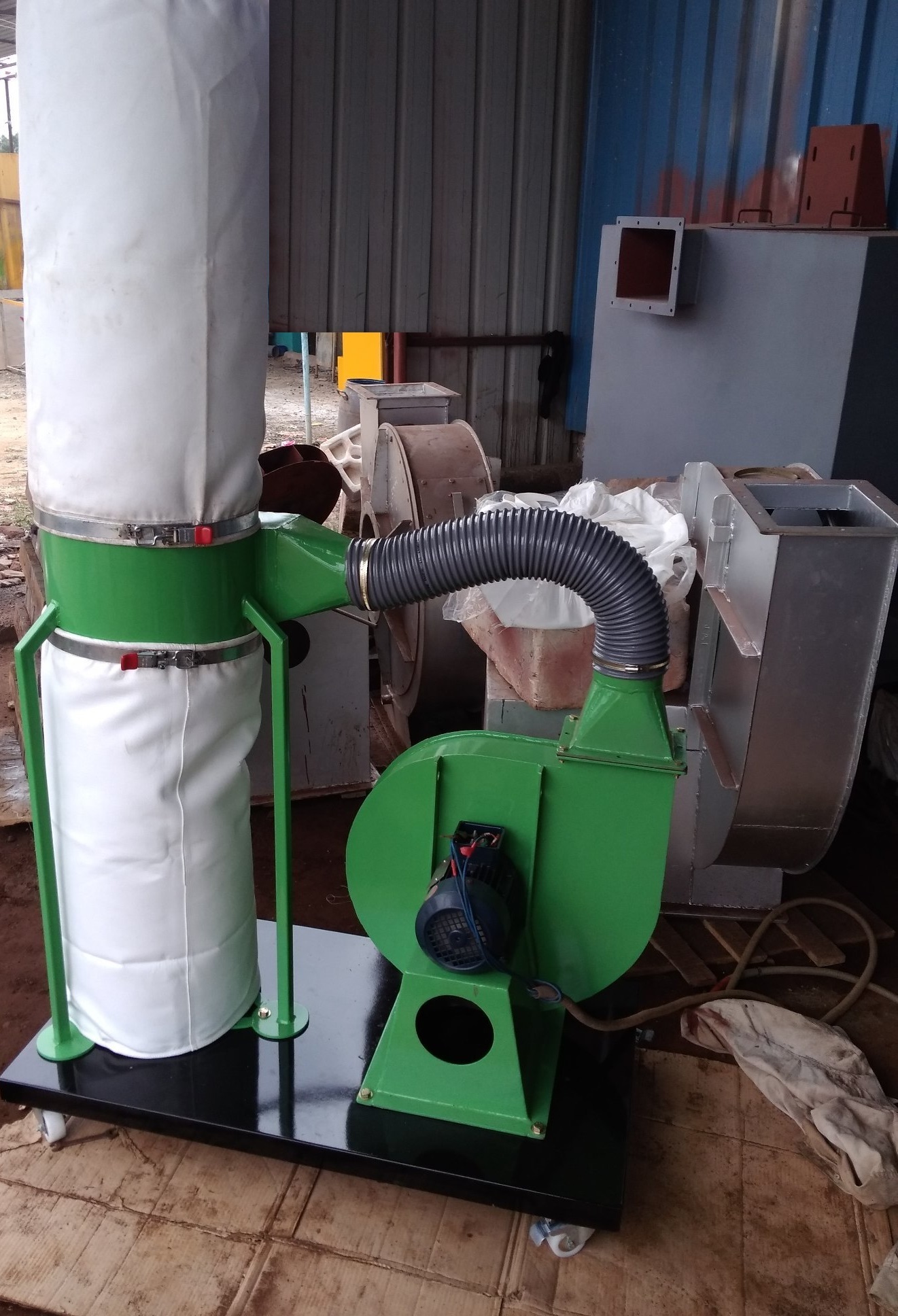
Industrial Portable Dust Collector - High-Efficiency Filtration System
View Details
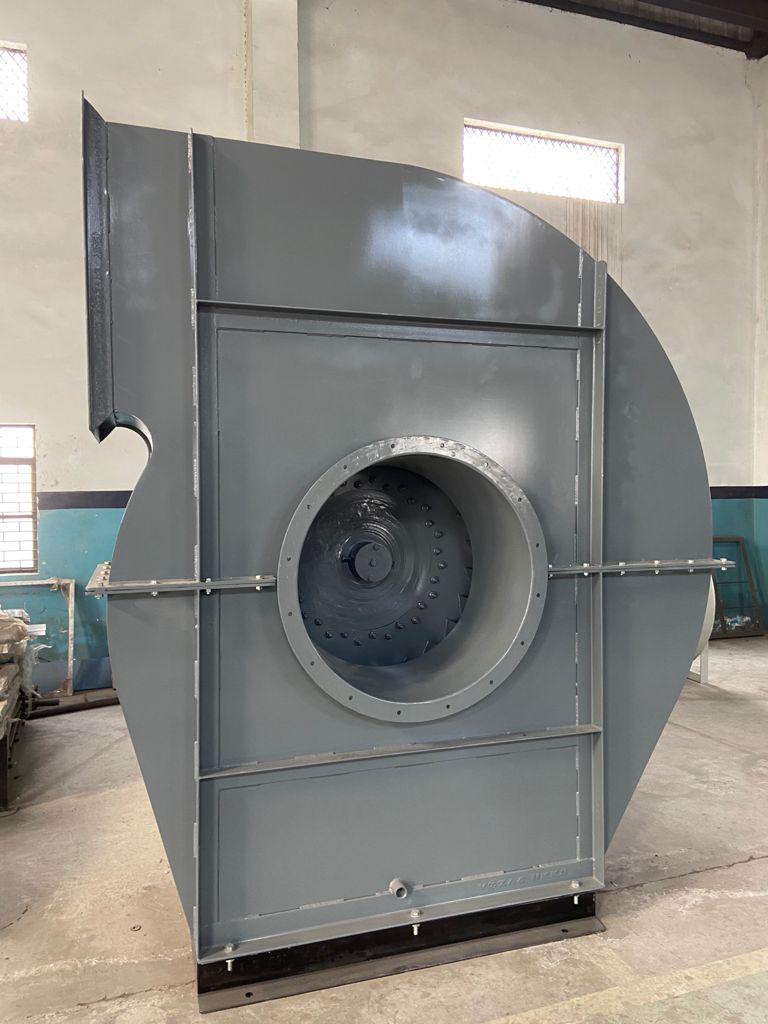
Industrial Mild Steel Centrifugal Blower - High Efficiency Air Handling Unit
View Details
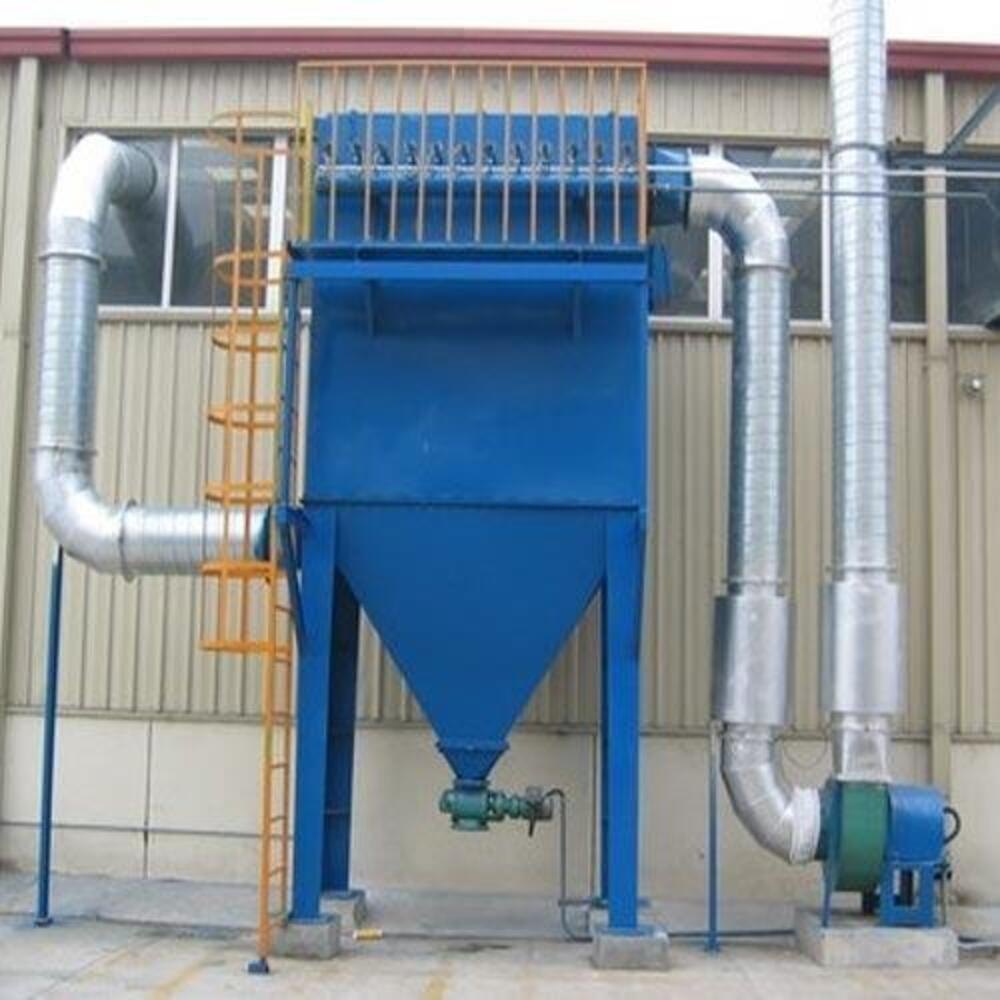
Industrial Pulse Jet Dust Collector - High Efficiency Filtration System
View Details
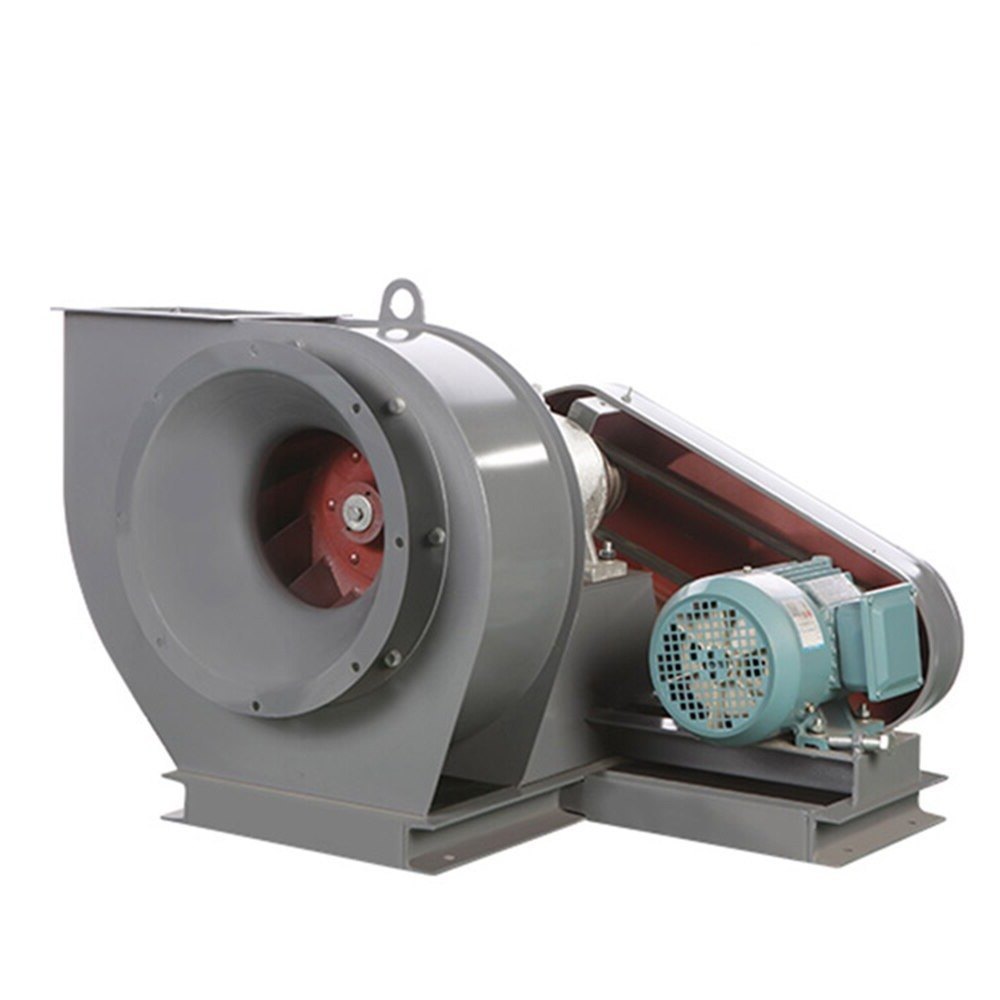
Heavy-Duty Industrial Centrifugal Blower – High Airflow Metal Housing
View Details
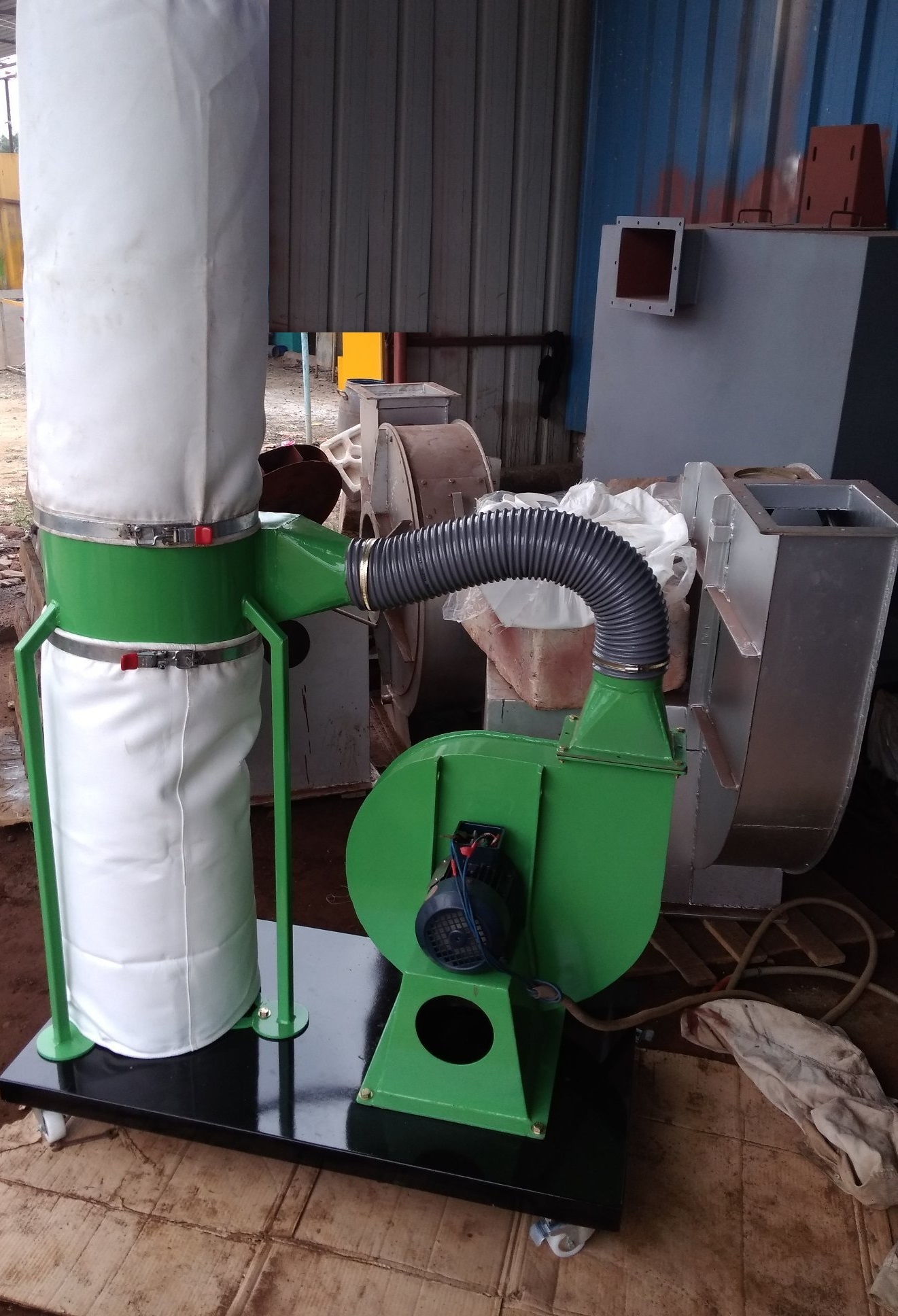
Industrial Movable Dust Collector - High-Efficiency Filtration System
View Details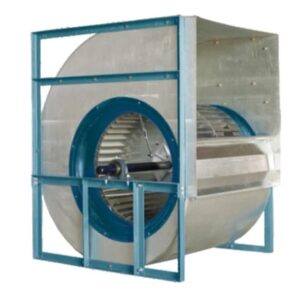

Industrial Forward Curved Centrifugal Blower – High Efficiency Air Handling Fan
View DetailsManaging airborne dust is a challenge for many industries, and an industrial dust blower provides the airflow needed to keep production areas clean and equipment running efficiently. These systems help reduce dust buildup, maintain air quality, and protect workers from exposure to fine particles. Whether used in metal fabrication, cement manufacturing, or chemical processing, the right blower supports consistent ventilation and stable system performance.
Aeppl designs each industrial dust blower with durability and precision in mind. The equipment handles high static pressure demands while maintaining energy efficiency. When integrated with dust collection systems, it improves overall filtration performance and helps facilities meet environmental and safety standards.
Industrial dust blowers are increasingly paired with monitoring systems that allow operators to track airflow and performance data. This helps predict maintenance needs and optimize energy usage, ensuring smooth operation over time.
Choosing the right blower depends on air volume requirements, pressure range, and space availability. Understanding the main types makes selection easier.
| Blower Type | Typical Application | Main Advantage |
|---|---|---|
| Centrifugal Blower | High-pressure dust collection systems | Compact size and strong performance |
| Axial Blower | Large-scale ventilation setups | Low noise and simple maintenance |
| Pulse Jet Dust Blower | Filter cleaning in dust collectors | Automated operation for longer filter life |
| Model | Airflow Range | Pressure Range | Efficiency Level |
|---|---|---|---|
| Industrial Centrifugal Ventilation Blower | 5000 - 200000 CFM | Up to 2000 mm WG | High |
| Industrial Forward Curved Centrifugal Blower | 3000 - 150000 CFM | Up to 1500 mm WG | Moderate |
| Industrial Mild Steel Centrifugal Blower | 4000 - 180000 CFM | Up to 1800 mm WG | High |
Aeppl engineers tailor each industrial dust blower to match process-specific needs, including duct layout, pressure targets, and filtration systems. Units are available in mild steel or stainless steel construction with direct or belt drive options. Accessories such as silencers and vibration isolators can be added for improved performance. Integration with dust collectors like Industrial Pulse Jet Dust Collector and Industrial Mechanical Dust Collector System enhances filtration efficiency and system reliability.
Modern dust blower designs emphasize compact construction, energy savings, and smart control features. Variable frequency drives and optimized impeller shapes help plants reduce power consumption while maintaining strong airflow. Aeppl continues to refine its designs to meet changing industrial standards and sustainability goals.
Each of these sectors depends on reliable air movement to control dust concentration and maintain safe working conditions. Selecting a properly sized industrial dust blower helps extend equipment life and ensures consistent production quality.
When selecting a blower, consider air volume requirements, static pressure, and the type of dust generated. Aeppl specialists assist in evaluating these factors to recommend a system that fits your process and budget. A well-matched blower provides stable airflow, supports filtration efficiency, and lowers long-term maintenance costs.
Aerotech Equipments and Projects Pvt. Ltd. (Aeppl) is a trusted manufacturer and exporter of industrial ventilation and air handling systems. With decades of engineering experience, Aeppl provides reliable solutions that improve plant efficiency and air quality. To learn more or discuss your industrial dust blower needs, contact +91-9599785811, +91 8377077661, or email sales@aeppl.com. Visit Aeppl
An industrial dust blower is a high-capacity air handling unit used to move air and control dust in manufacturing or processing environments.
It maintains continuous airflow that transports dust particles to filtration units, reducing airborne contaminants and improving workplace safety.
They are common in metalworking, cement plants, chemical processing units, and other industries where dust generation is significant.
Air volume, static pressure, duct layout, and dust particle characteristics help determine the appropriate blower capacity and design.
Yes, it is often paired with dust collection systems to enhance filtration performance and maintain consistent airflow.
Blowers are usually built from mild steel or stainless steel for durability and corrosion resistance in harsh industrial settings.
Modern designs include variable frequency drive compatibility and optimized impeller geometry for lower energy consumption.
Routine inspection every few months ensures proper balance, lubrication, and airflow performance, minimizing downtime.
Yes, Aeppl engineers tailor blower configurations to meet specific process requirements, pressure ranges, and layout constraints.
You can reach Aeppl at +91-9599785811, +91 8377077661, or email sales@aeppl.com for detailed assistance.