
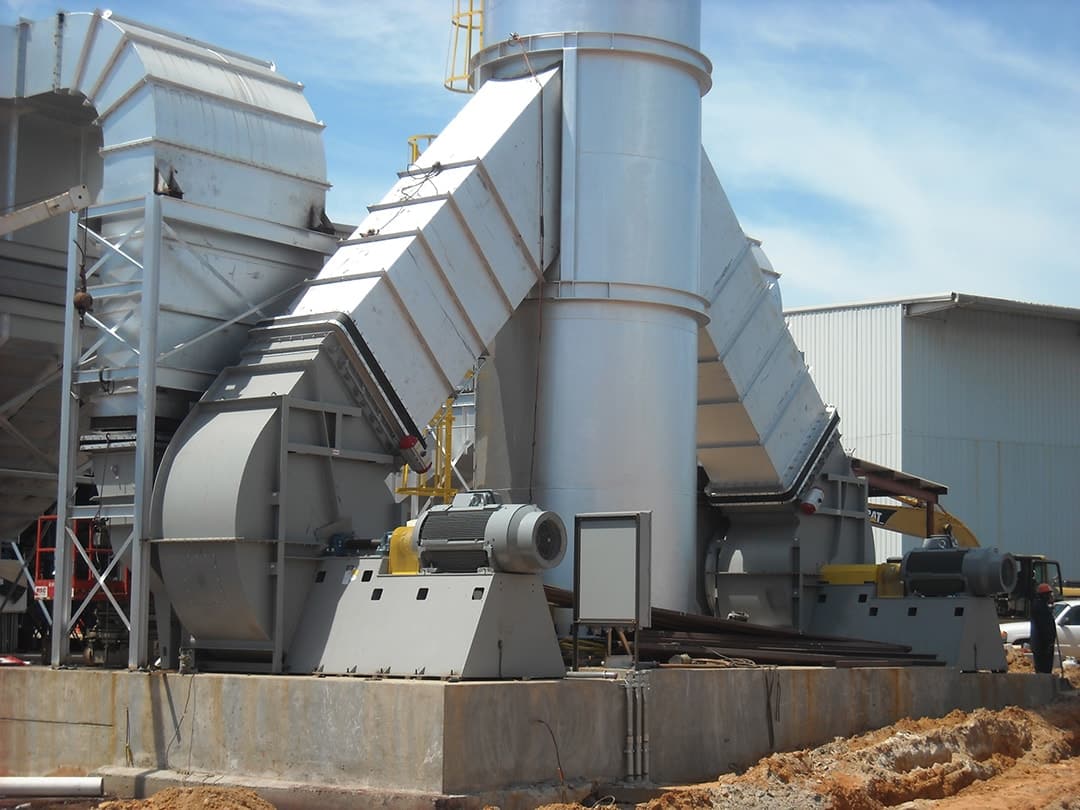
Industrial Smoke Spill Exhaust Unit - High-Temperature Ventilation System
View Details
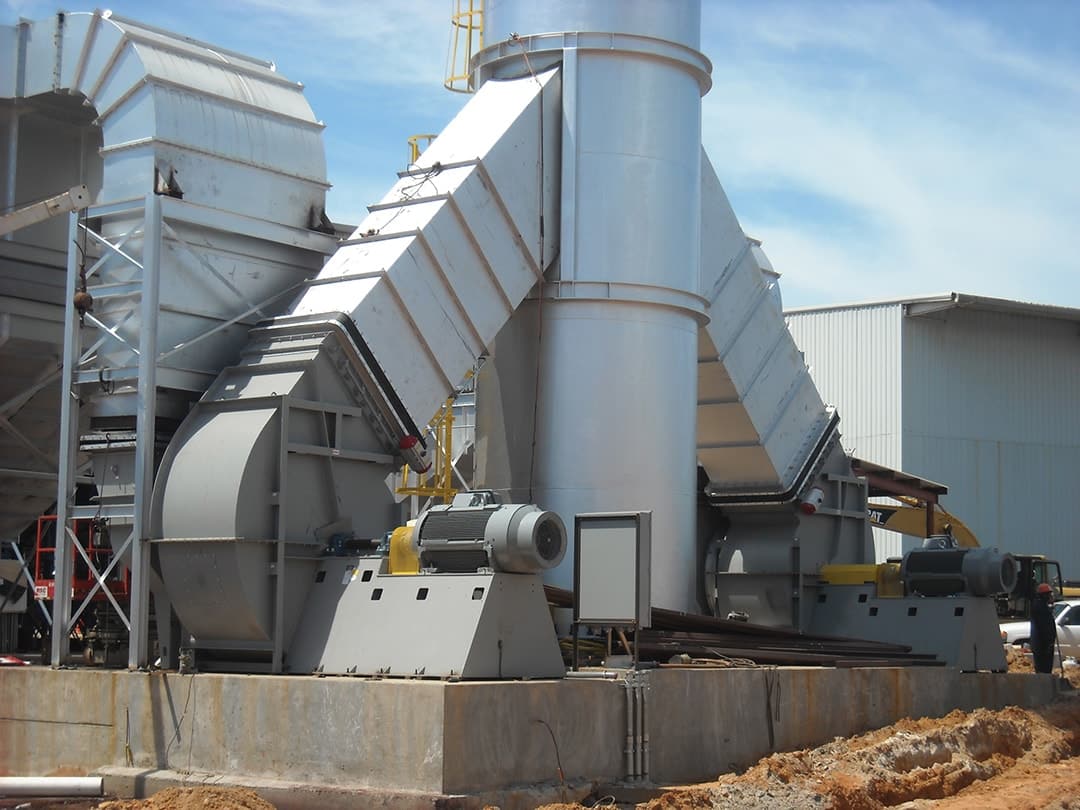
Industrial Smoke Spill Exhaust Unit - High-Temperature Ventilation System
View Details
Industrial Fume Extraction System - High-Efficiency Air Filtration Unit
View Details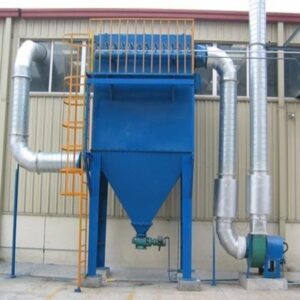
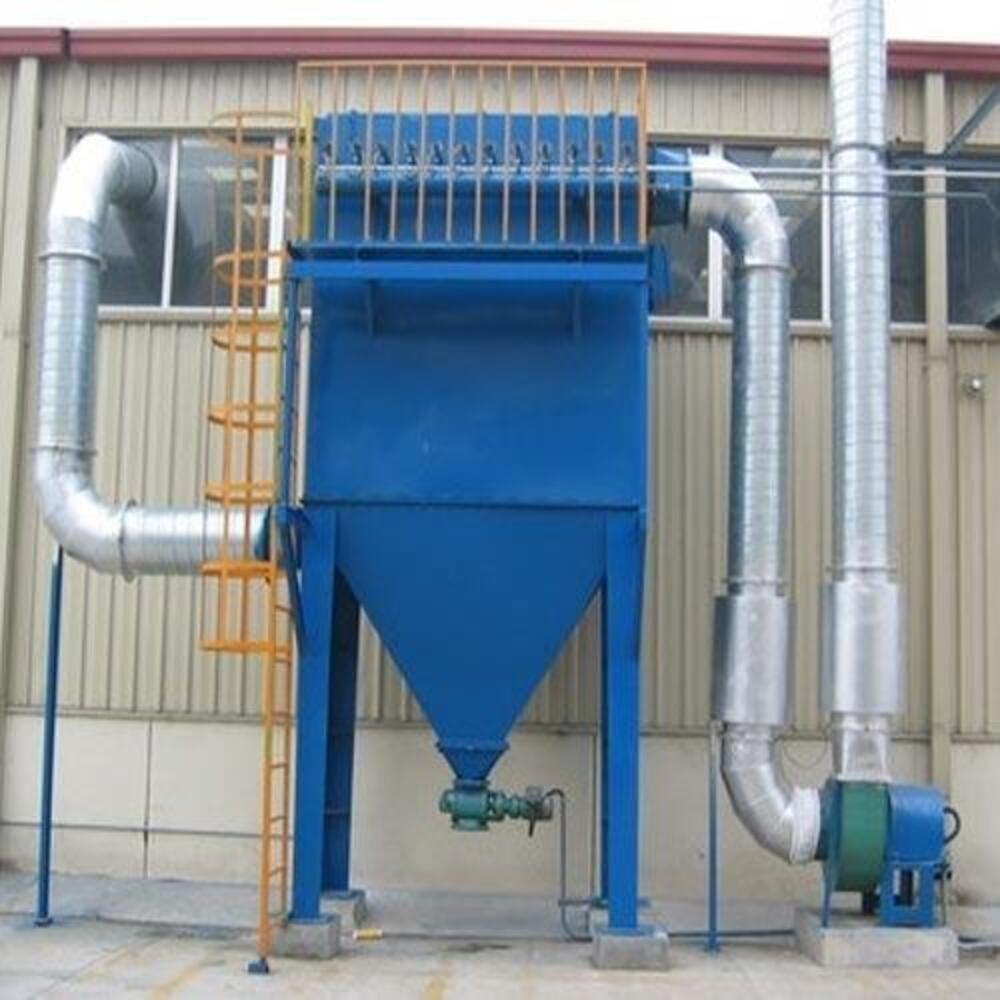
Industrial Bag Filter Dust Collection System - High-Efficiency Air Filtration Unit
View Details
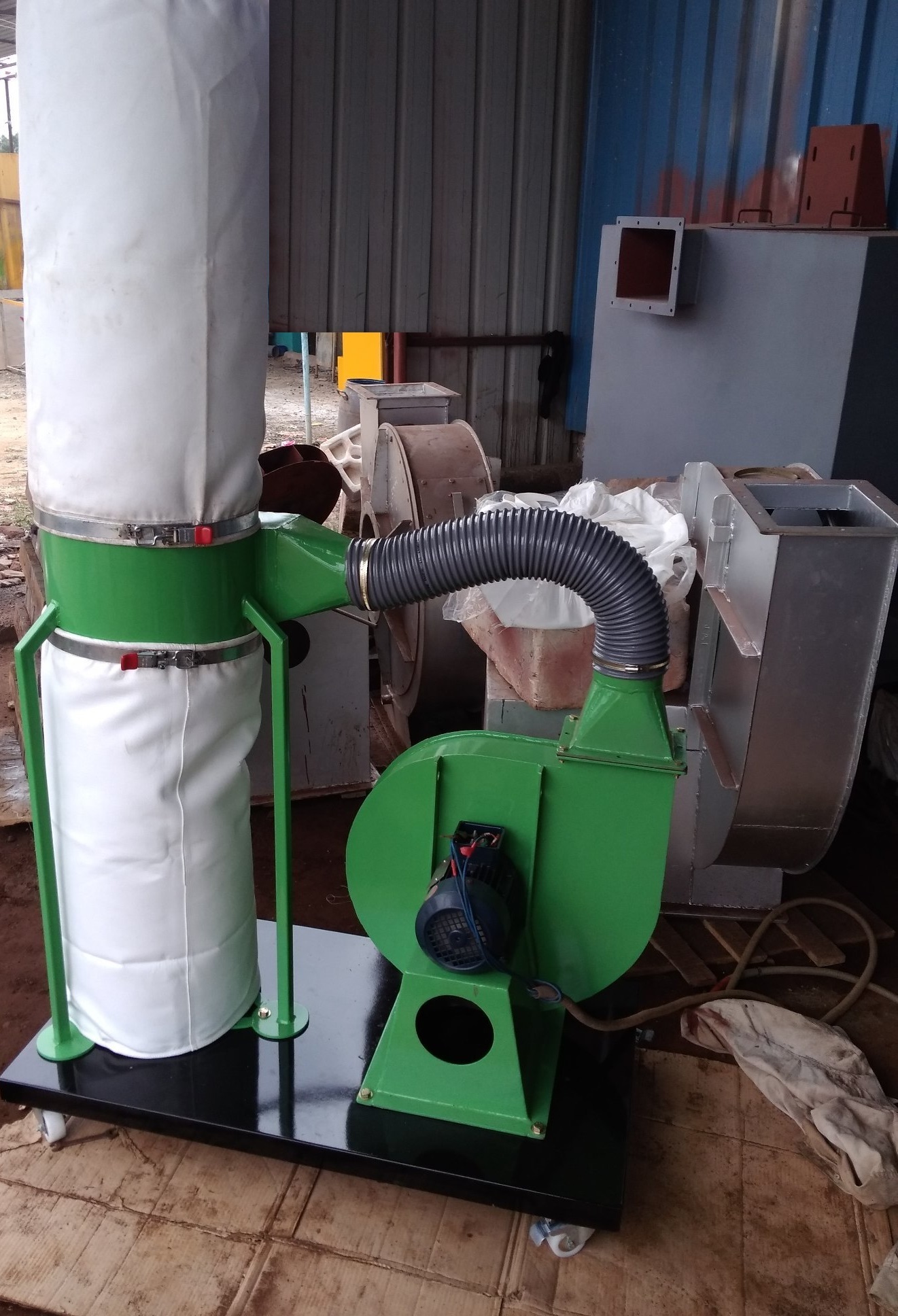
Industrial Portable Dust Collector - High-Efficiency Filtration System
View Details
Industrial Movable Dust Collector - High-Efficiency Filtration System
View Details
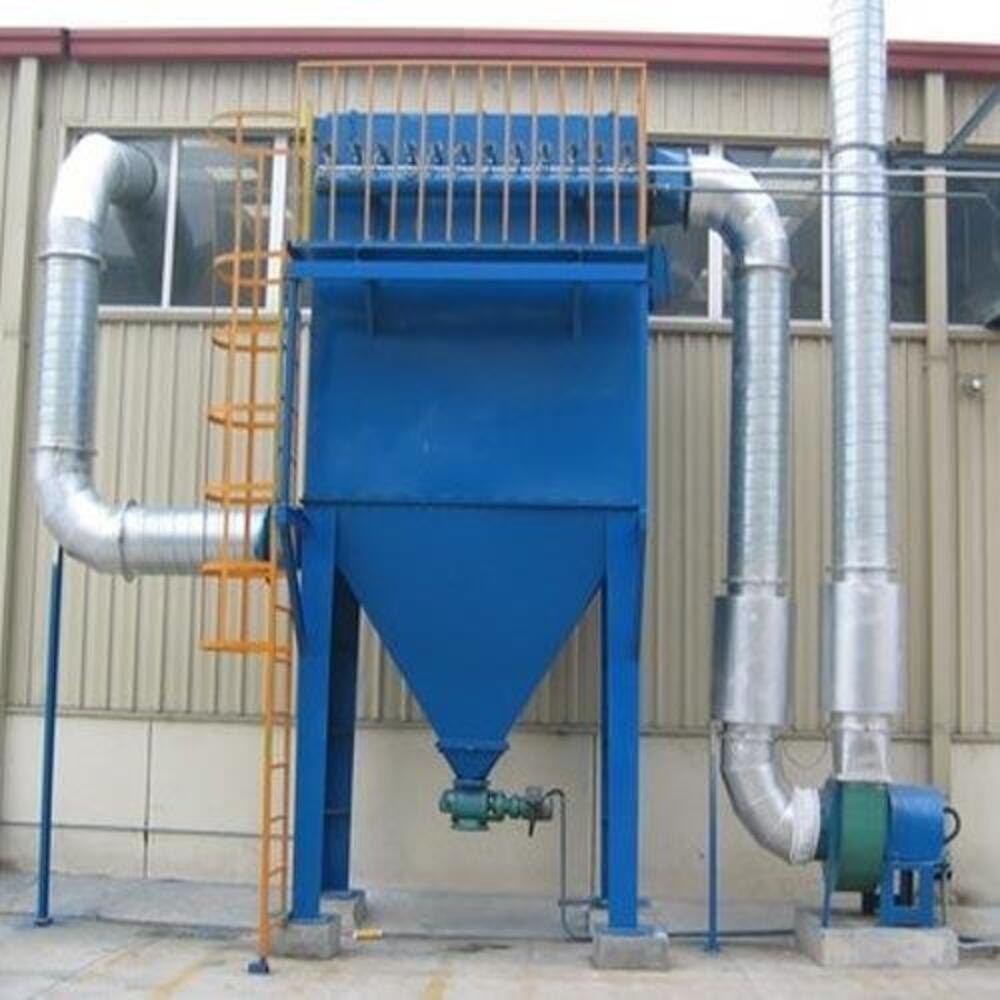
Industrial Mechanical Dust Collector System - High-Efficiency Air Filtration Unit
View Details
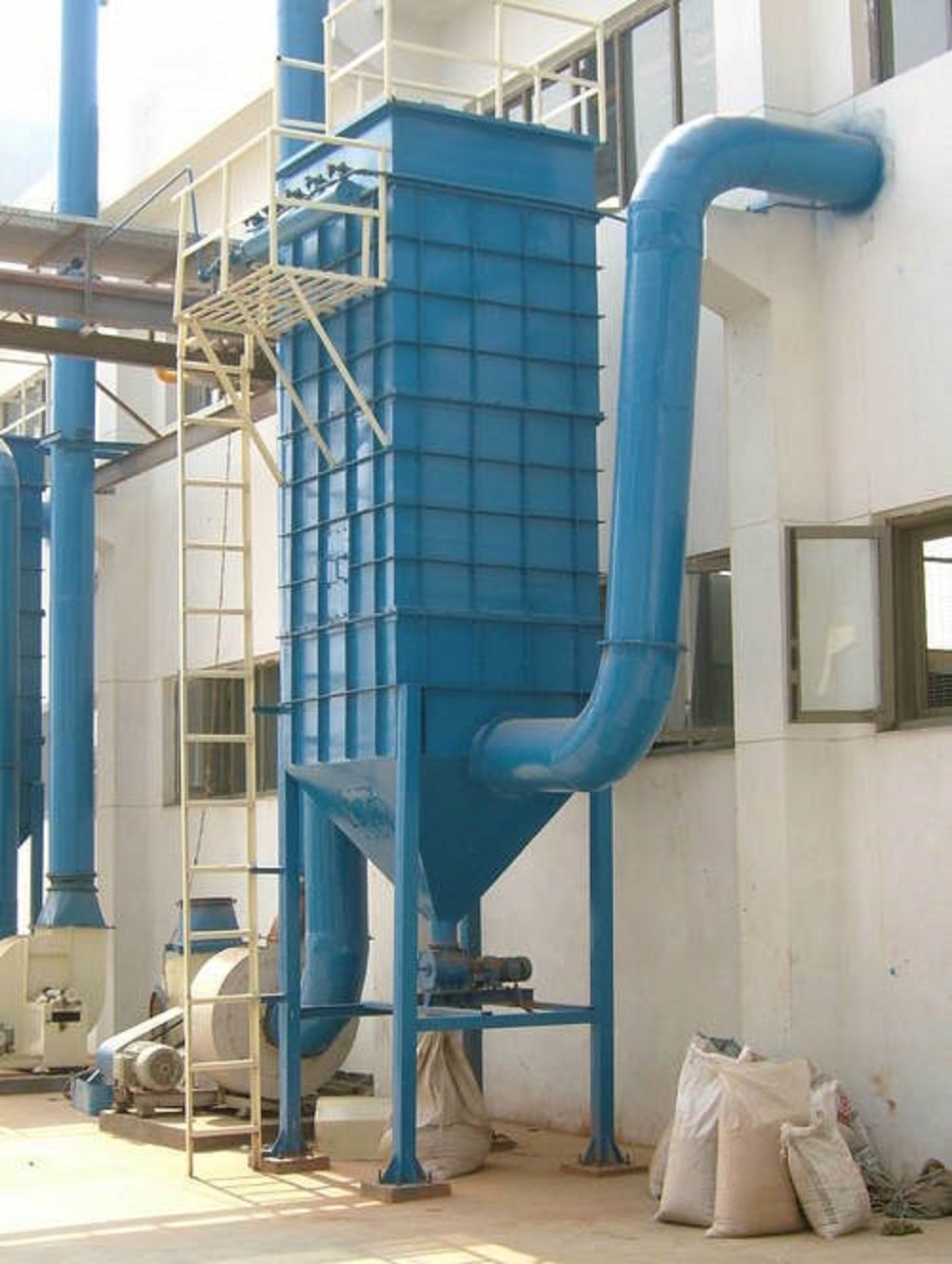
Industrial Dust Collection Bag Filter System - High Efficiency Air Filtration Unit
View Details
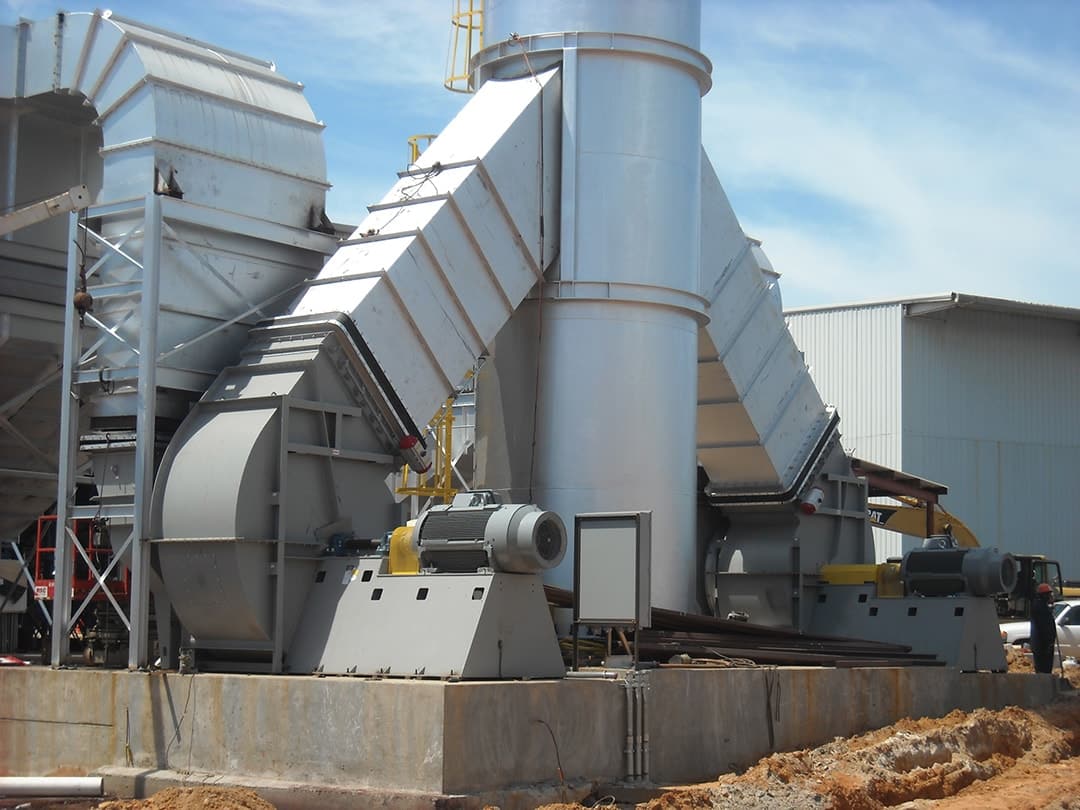
High-Temperature Industrial Smoke Spill Unit - Heavy-Duty Ventilation System
View DetailsManaging smoke and airborne particles is a constant challenge in industrial facilities. An industrial smoke filtration system helps maintain a safe and healthy environment by removing fumes and pollutants before they spread through production areas. Whether in metal fabrication, welding, or thermal processing, these systems ensure compliance with air quality standards and protect workers from harmful exposure.
By investing in a reliable smoke filtration setup, companies can reduce downtime, extend equipment life, and improve overall workplace safety. Aeppl designs systems that meet these goals with a practical, engineering-driven approach suited for Indian and global industries.
Industrial smoke filtration systems use a combination of mechanical filters and chemical adsorption to clean exhaust air. Smoke particles pass through multiple filtration stages, including pre-filters, high-efficiency particulate filters, and activated carbon beds. This layered process captures fine dust, fumes, and volatile compounds, releasing purified air back into the workspace.
Modern installations often include sensors that monitor airflow and pressure, adjusting fan speed automatically to maintain consistent filtration efficiency. This approach supports energy savings and stable operation across different production loads.
Choosing the right industrial smoke filtration system depends on the type of process generating smoke and the size of the facility. Metalworking units often prefer bag filter systems for heavy particulate removal, while paint booths and thermal processing units require specialized exhaust filtration for volatile compounds and high temperatures. A balanced system design ensures efficient airflow and minimal pressure drop, improving performance and reducing energy use.
| Application Type | Recommended System | Filtration Efficiency |
|---|---|---|
| Metal Fabrication | Bag Filter Dust Collection System | Up to 99% |
| Paint Booths | Fume Extraction Unit | High efficiency for VOC removal |
| Thermal Processing | Smoke Spill Exhaust Unit | High temperature endurance |
Energy efficiency has become a major consideration in industrial ventilation. Systems equipped with smart controls and variable-speed fans help reduce electricity consumption while maintaining optimal filtration. Compliance with CPCB and OSHA-equivalent standards is easier to achieve when filtration units are properly sized and maintained. Aeppl supports clients in designing systems that meet these requirements without affecting productivity.
| System Type | Airflow Range | Best Use |
|---|---|---|
| Bag Filter Collector | Medium to high | General manufacturing |
| Portable Dust Collector | Low to medium | Workshops and small plants |
| Smoke Spill Unit | High | Foundries and heat treatment |
Integrating a smoke filtration unit with existing ductwork and ventilation systems ensures smooth operation across production lines. Regular maintenance is essential for long-term performance. This includes filter replacement, airflow calibration, and inspection of fan assemblies. Aeppl technicians assist with installation, commissioning, and ongoing service to help plants maintain consistent air quality and reliable operation.
Aerotech Equipments and Projects Pvt. Ltd. (Aeppl) provides durable, efficient air handling and smoke filtration systems for industrial environments. With decades of experience in engineering and manufacturing, Aeppl helps clients achieve cleaner air and improved operational safety. Visit Aeppl
An industrial smoke filtration system removes smoke, fumes, and airborne contaminants from factory processes and returns clean air to the workspace.
It improves air quality, protects workers from harmful exposure, and ensures compliance with environmental and workplace safety regulations.
Most industrial smoke filtration systems require filter checks every few months depending on usage and pollutant levels.
Yes, heavy-duty industrial smoke filtration systems are built with heat-resistant materials for continuous operation under high temperatures.
Airflow capacity, workspace size, smoke type, and filtration efficiency determine the right industrial smoke filtration system for each facility.
Industrial smoke filtration systems are scalable and can be customized to manage large air volumes in major manufacturing facilities.
Many modern industrial smoke filtration systems include sensors and smart controls for automated ventilation and energy management.
Yes, industries must comply with CPCB and other environmental norms, and proper industrial smoke filtration systems help meet these standards.
Aeppl designs each industrial smoke filtration system with strong engineering, durable materials, and efficient filtration suited for long-term use.
Reach Aeppl at +91-9599785811, +91 8377077661, or +91 9810162210, or email sales@aeppl.com for expert support and project guidance.